Trumpeter Swans Disappeared From Ohio for Over a Century. Now They’re Back
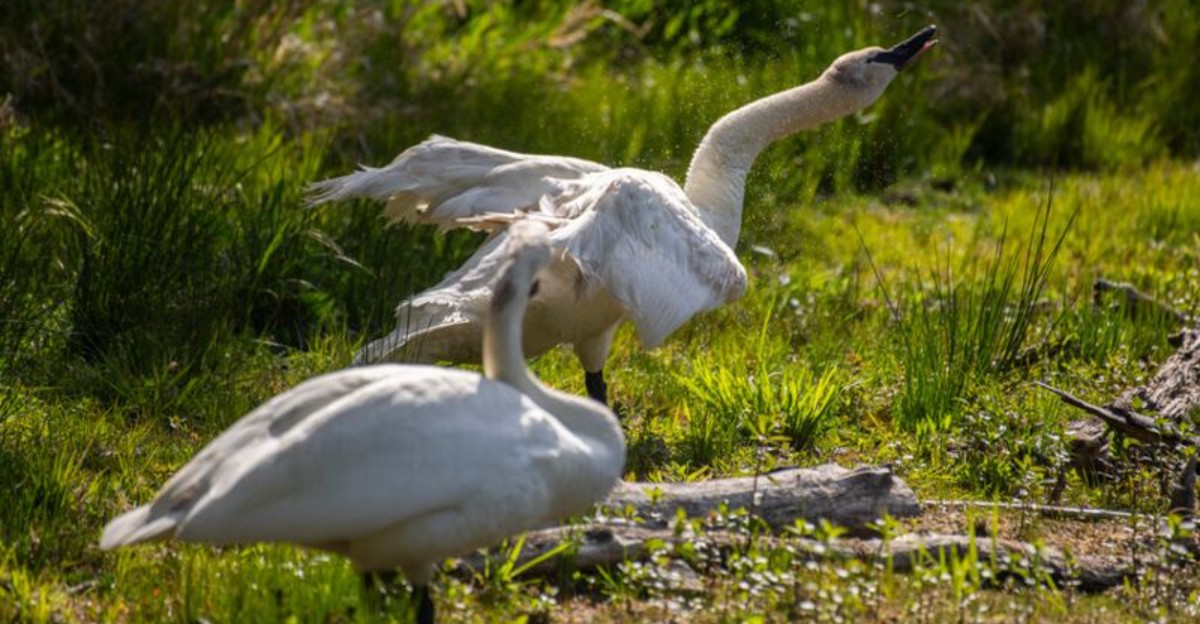
A bird heavier than many Thanksgiving turkeys once soared over this region on wings stretching about eight feet from tip to tip. Then it vanished.
Hunters chased it for meat, skins, and feathers, while the marshes it needed were drained for farms and towns.
For well over a century, Ohio wetlands went quiet. No deep, horn-like calls drifted across the cattails at sunrise.
No snow-white giants glided past the reeds.
I still get goosebumps thinking about how close this species came to slipping away across much of the continent. I’m a sucker for a good comeback story, and this one involves eggs flown in from Alaska, zoo partners, and decades of patient work.
Plenty of folks have already spotted one without realizing what they saw. How a bird this big slipped back into our ponds, preserves, and backwater lakes with so little fanfare is a story worth telling.
A Giant White Swan Went Missing From These Marshes for a Reason
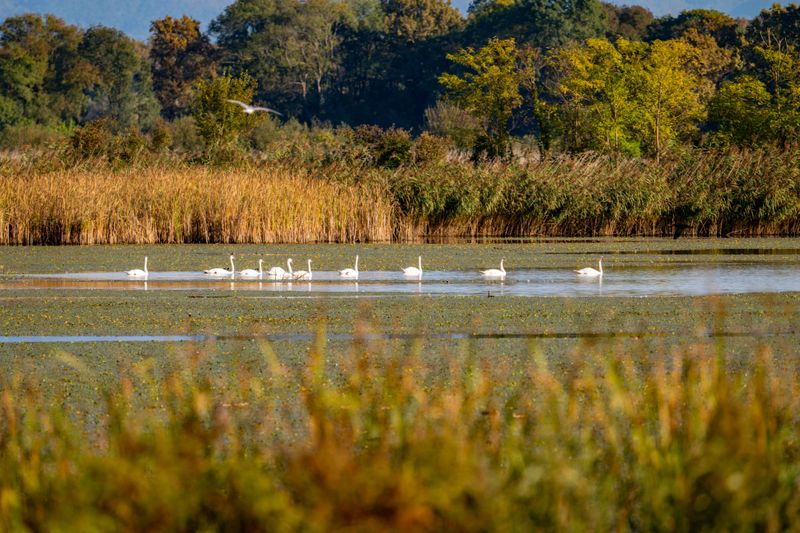
Long before highways and shopping centers, the largest native waterfowl in North America nested in the marshes of the Midwest. Trumpeter swans can weigh more than 25 pounds, and their wings can stretch close to eight feet.
Early settlers saw them as a ready supply of food and valuable feathers.
Unregulated hunting hit these birds hard during the 1700s and 1800s. Their skins and quills were sold far and wide, and swan feathers even ended up as writing pens and fancy trims.
Meanwhile, huge stretches of wetland were drained to make room for crops.
Losing both their homes and their safety was too much. By the early 1900s, wild trumpeters had disappeared from Ohio, and the species dropped to tiny numbers across most of the lower 48 states.
Only small groups held on in remote places like Alaska, western Canada, and parts of the Rocky Mountains.
I find it sobering that a bird this large and loud could slip away with so little notice. Yet that history matters, because it shows how closely swans depend on healthy wetlands.
When the marshes faded, the swans went with them. Bringing them back meant rebuilding the places they need, not just the birds themselves.
Alaskan Swan Eggs Started the Comeback in 1996
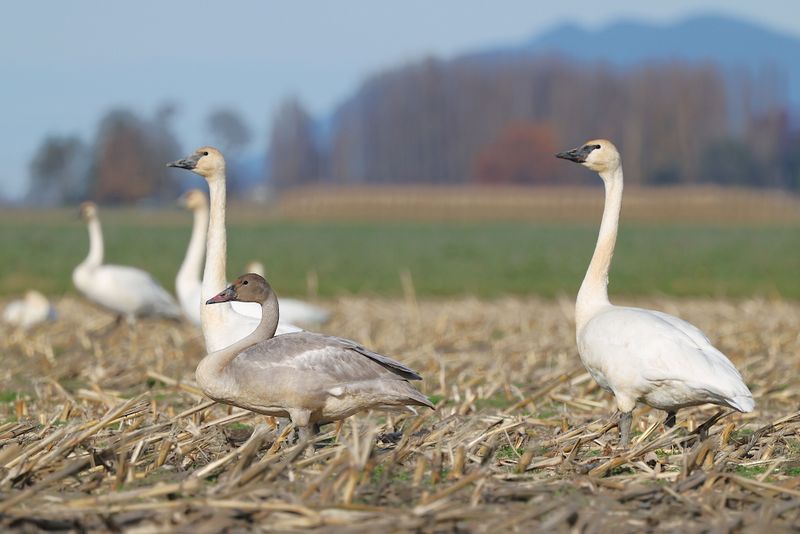
Picking up swan eggs in Alaska and flying them to the Midwest sounds like a movie plot, but wildlife biologists really did it. In 1996, the Ohio Division of Wildlife launched a reintroduction program to restore trumpeter swans.
Eggs were collected from a healthy wild population in Alaska and carried back in warm incubators.
Partners played a huge role. The Cleveland Metroparks Zoo and The Wilds, a conservation center linked with the Columbus Zoo, helped hatch and raise young swans.
Some captive-raised adults from other programs joined the effort too.
Between 1996 and 2003, around 150 swans were released at 11 wetland sites around the state. Biologists chose spots with shallow water, plenty of plants, and room for nesting.
The early goal was simple: get at least 15 breeding pairs settled in the wild.
That target was reached by 2003, which surprised plenty of people. You have to admire the patience behind it, since swans usually take a few years to mature and pick a mate.
Every nest built by those first released birds was a small victory. Those early families laid the groundwork for the larger population we enjoy today.
Trumpeter Swan Numbers Grew Enough to Leave the Threatened List
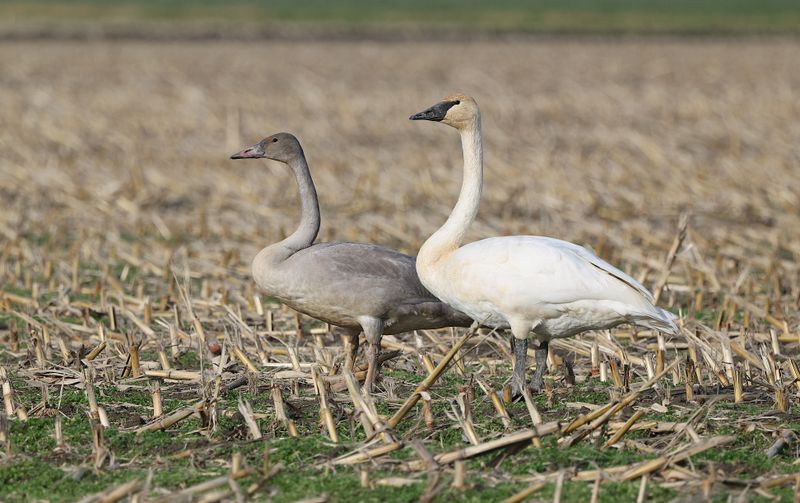
Here is a milestone worth celebrating with a happy dance in the garden. In April 2024, the Ohio Wildlife Council voted to remove the trumpeter swan from the state’s threatened species list.
That decision came 28 years after the first birds were released.
When reintroduced swans first arrived, they were listed as endangered in the state. As nesting pairs slowly increased, their status improved to threatened around 2012.
Biologists then set clear goals for full removal from the list.
The targets called for at least 40 breeding pairs for three years in a row, with nesting in at least 15 counties. The 2023 survey blew past those numbers.
Wildlife staff counted 152 breeding pairs spread across 26 counties.
Statewide estimates now put the population at roughly 900 swans. I like that this success did not happen overnight, because it proves steady effort pays off.
Delisting does not mean the birds lose protection, though. They remain covered by the federal Migratory Bird Treaty Act and state wildlife laws, so harming or harassing them is still illegal.
Monitoring continues so biologists can catch any problems early.
That Black Bill Helps You Tell a Trumpeter From Other Swans
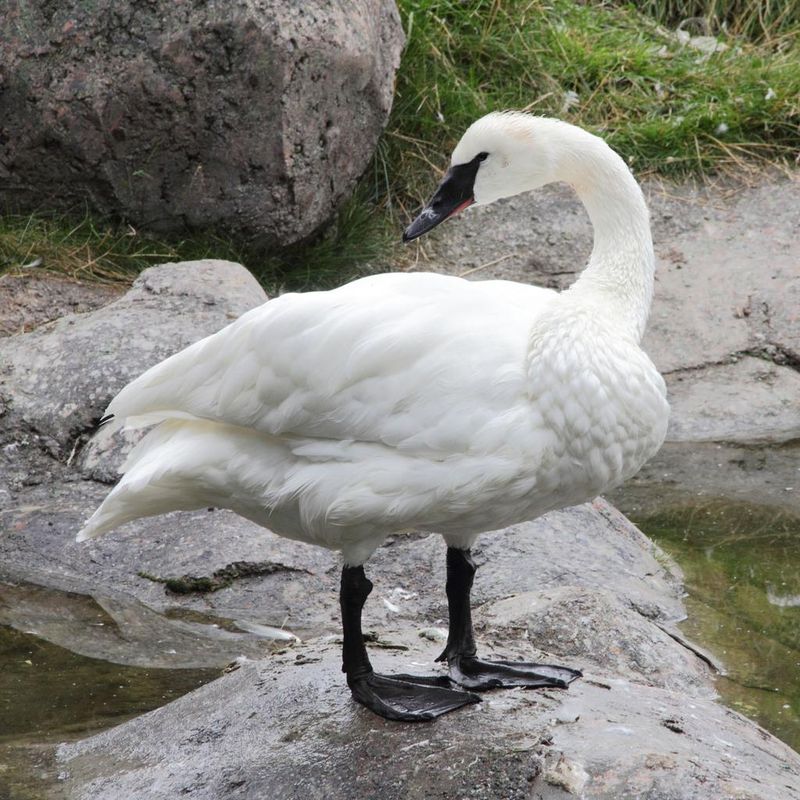
Spotting a big white bird on a pond is exciting, but is it really a trumpeter? A quick look at the face usually settles the question.
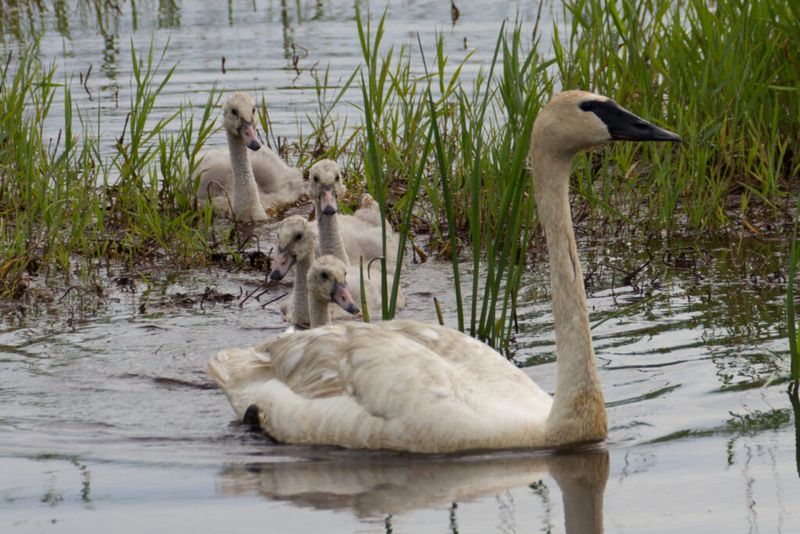
Trumpeter swans have an all-black bill that connects smoothly to their dark eyes.
Some show a thin reddish line along the lower edge of the bill. Birders jokingly call it the swan’s lipstick.
Young trumpeters, called cygnets, wear grayish feathers and pinkish bills during their first year.
Two look-alikes often cause confusion. Tundra swans pass through during migration and are smaller, often with a small yellow spot near the eye.
Mute swans have a bright orange bill with a black knob at the base, and they often hold their necks in a graceful S curve.
Sound is another giveaway. Trumpeters make a deep, brassy honk that reminds many people of an old car horn or a French horn.
Tundra swans sound higher and more whistle-like.
Bring binoculars and stay well back so you do not stress the birds. Swans sitting on nests can be protective.
A field guide app makes comparing photos easy, and you will be calling out species like a pro in no time.
Mute Swans Make Life Harder for Our Native Trumpeters
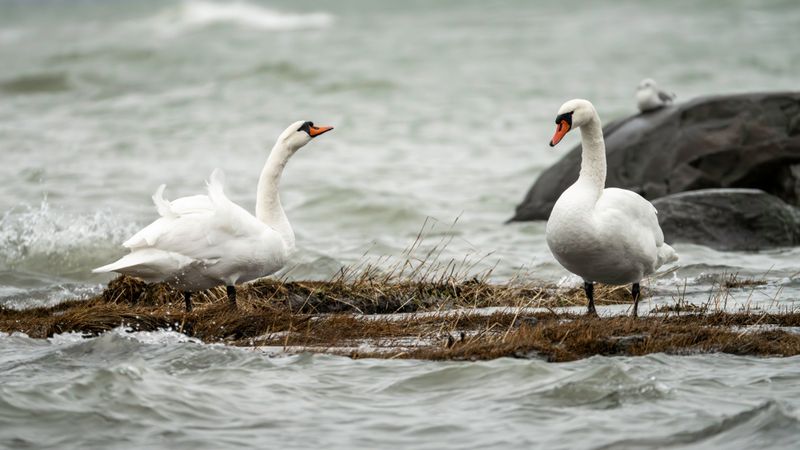
Not every swan on the water is a welcome guest. The mute swan, with its orange bill and arched wings, is native to Europe and Asia.
It was brought to North America as a decoration for parks and estates.
Escaped birds spread into the wild and now cause real trouble. Mute swans are famously territorial during nesting season.
They chase away native waterfowl, including trumpeters, from prime nesting spots.
They also eat a lot of underwater plants. An adult can pull up several pounds of vegetation a day, which leaves less food and cover for fish, ducks, and native swans.
Wildlife managers in many states work to control mute swan numbers for these reasons.
Removing mute swans from key wetlands has been part of the trumpeter recovery plan. Managers also target invasive plants that crowd out the native pondweeds and tubers swans like to eat.
It may not be glamorous work, but it keeps the marshes balanced.
If you own a pond, please do not buy or release mute swans as ornaments. Enjoy the native birds instead.
You get the same elegance without hurting the wildlife around you.
Shallow Cattail Marshes Are Where These Swans Feel at Home
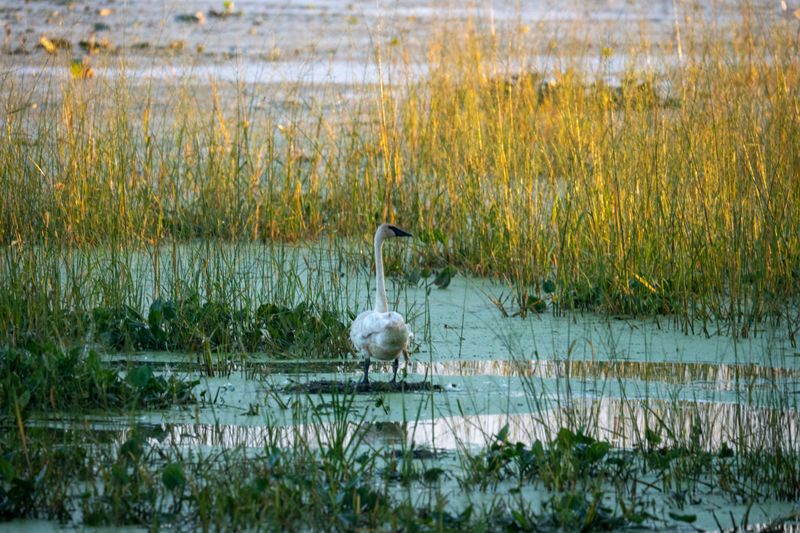
Swans are picky about real estate, and honestly, I respect that. Trumpeters prefer marshes and lakes roughly 40 to 150 acres in size.
They like water about one to three feet deep with a mix of open water and plants.
That depth lets them tip forward and reach roots, tubers, and pondweeds on the bottom. They also nibble seeds, grain, snails, and small water creatures now and then.
Young cygnets lean on insects early on for extra protein.
Nests are big piles of cattails, sedges, and grasses. Pairs often build on top of muskrat or beaver lodges, which gives them a sturdy, dry platform.
Nesting usually starts in April and May, with cygnets hatching about five weeks later.
Good places to look include large state wildlife areas and marshes near Lake Erie, plus restored wetlands in central and northern parts of the state. Many Ohio swans stay year-round, while others drift south when water freezes.
Visit at sunrise for the best chance to hear them call. Stick to trails and boardwalks, and give nesting pairs plenty of space.
A quiet morning there feels like a front-row seat to a nature documentary.
Feeding Bread to Swans on the Pond Does More Harm Than Good
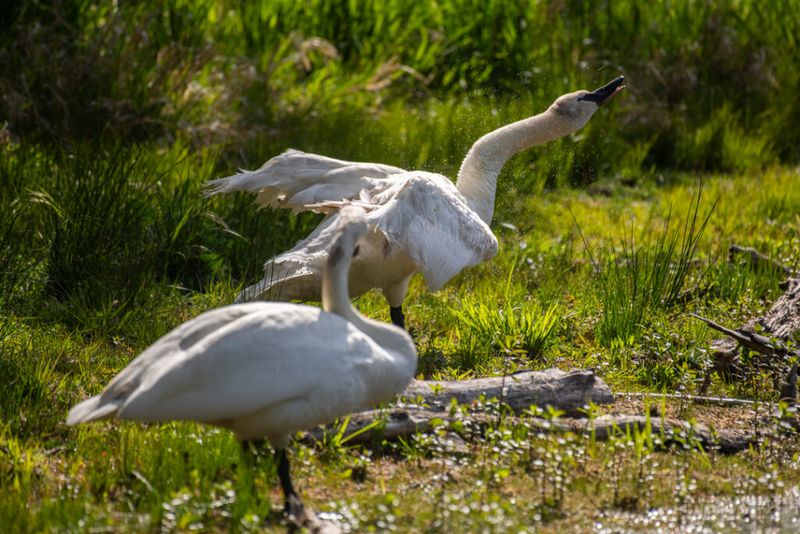
Tossing bread to waterbirds feels kind, almost like a childhood tradition. Sadly, it causes more problems than most people realize.
Bread fills swans up without giving them the nutrients they need.
Young birds raised on handouts can develop a wing problem called angel wing, where flight feathers twist outward. Leftover bread also rots in the water and feeds algae.
Crowding birds into one spot makes it easier for illness to spread.
Hand-feeding teaches swans to lose their natural caution around people. That can lead them toward roads, docks, and fishing lines.
A swan that expects snacks may also get pushy, which ends badly for both sides.
Lead is another quiet threat. Swans can swallow spent lead shot or lost fishing sinkers while feeding on the bottom, and lead poisoning remains a known problem for trumpeters.
Anglers can help by switching to tin, steel, or tungsten tackle.
Picking up stray fishing line makes a big difference too. Tangled line can wrap around legs and necks.
I keep a small bag in my pocket on lakeside walks for exactly this reason. Little habits like that let swans stay wild and healthy.
Your Wetland-Friendly Yard Can Help Trumpeter Swans Keep Thriving
Gardeners have more power over wetlands than most of us realize. Every drop of rain that leaves your yard eventually flows toward a creek, pond, or marsh.
What travels with it, like fertilizer and soil, affects the plants swans eat.
Start with a rain garden in a low spot that collects runoff. Native plants such as blue flag iris, swamp milkweed, buttonbush, and fox sedge handle soggy soil and soak up extra water.
Their deep roots filter out nutrients before they reach the water.
Go easy on lawn fertilizer, especially before heavy rain. Leave a buffer of tall native plants along any pond or stream edge instead of mowing to the waterline.
That strip catches sediment and gives frogs, dragonflies, and birds shelter.
Avoid planting invasive species like purple loosestrife or yellow flag iris, which crowd out native marsh plants. Check with your local extension office or soil and water conservation district for plant lists suited to your area.
Finally, share what you see. If you spot a swan with a wing tag or collar, report it to the Ohio Division of Wildlife.
Your sighting helps biologists track how this comeback continues to unfold.