Which Pennsylvania Shrubs To Prune In Winter And Which To Leave Alone
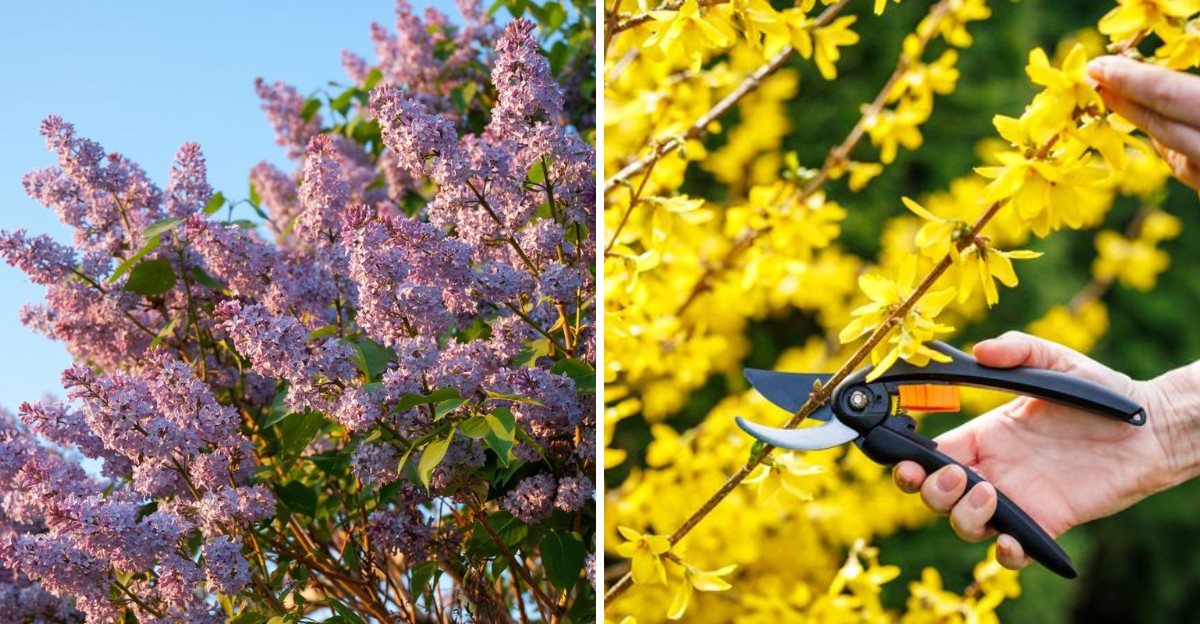
Most spring flowering shrubs build next year’s flower buds during the previous summer, long before the first frost arrives. That means a single snip in January can quietly erase a whole season of color from your yard.
Other shrubs work the opposite way, flowering on fresh stems that sprout after the snow melts each spring. Those plants actually reward a hard winter cut with bigger blooms, and Pennsylvania gardens are full of both types.
I have to admit that I once pruned the wrong shrub in February and waited a whole year for flowers. You can skip that mistake by learning one simple question about old wood and new wood.
Bare branches make winter a great time to spot crossing limbs and lopsided shapes across your snowy yard. So which shrubs deserve your pruners right now, and which ones should you politely leave alone until spring?
1. Smooth Hydrangea
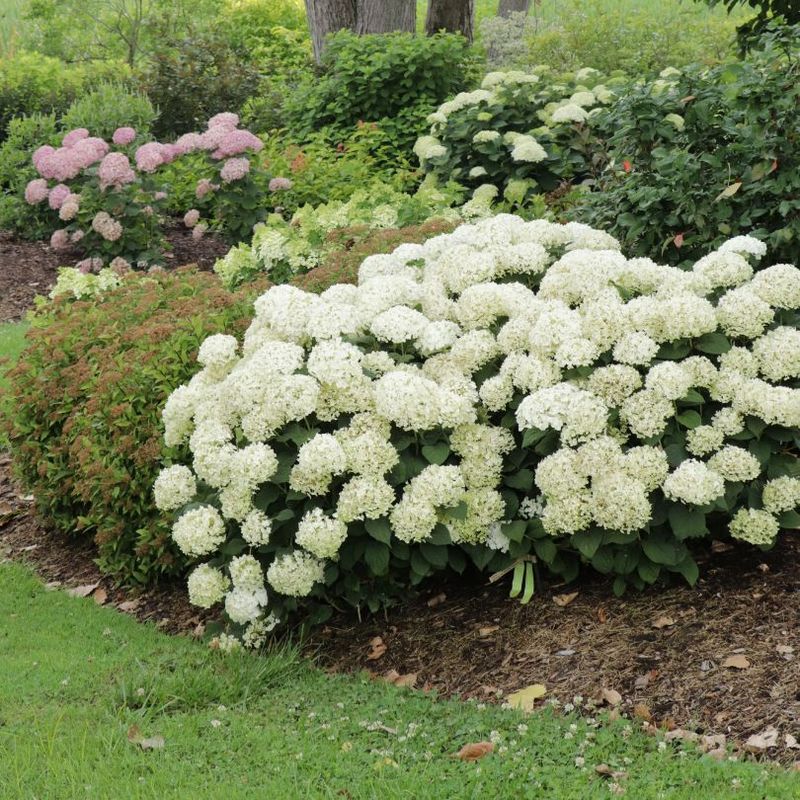
Native woodland edges across the eastern United States are home to this tough shrub, including plenty of shady hillsides here. I love that the famous Annabelle variety came from a wild plant found growing in Anna, Illinois.
Smooth hydrangea, known to botanists as Hydrangea arborescens, forms its flower buds on stems that grow during the current season.
That habit makes late winter a perfect window for pruning, since you cannot accidentally remove any hidden buds.
Grab sharp bypass pruners and cut every stem back to roughly six to eighteen inches above the soil line. Make each cut just above a pair of plump buds, which will push out strong new shoots soon.
Some gardeners prefer cutting nearly to the ground, which works well but can produce thinner, floppier stems by summer.
Personally, I leave a little extra height because the older framework helps hold those heavy white flower heads upright.
University extension experts agree that this species handles hard pruning well, so beginner mistakes rarely cause lasting trouble. Older plants that look tired often bounce back with a fuller shape after one season of firm cutting.
Watch the calendar, though, and aim to finish before buds begin swelling and green leaves start to unfold. Late February through March usually works nicely in most regions, depending on how stubborn winter feels that year.
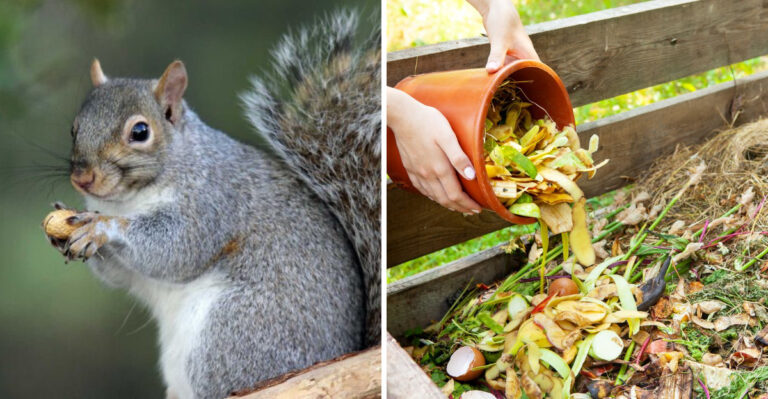
Dried flower heads from last summer can stay up until pruning day, adding nice texture to snowy beds. Once you snip them off, toss the stems into your compost pile and enjoy that fresh clean start.
2. Panicle Hydrangea
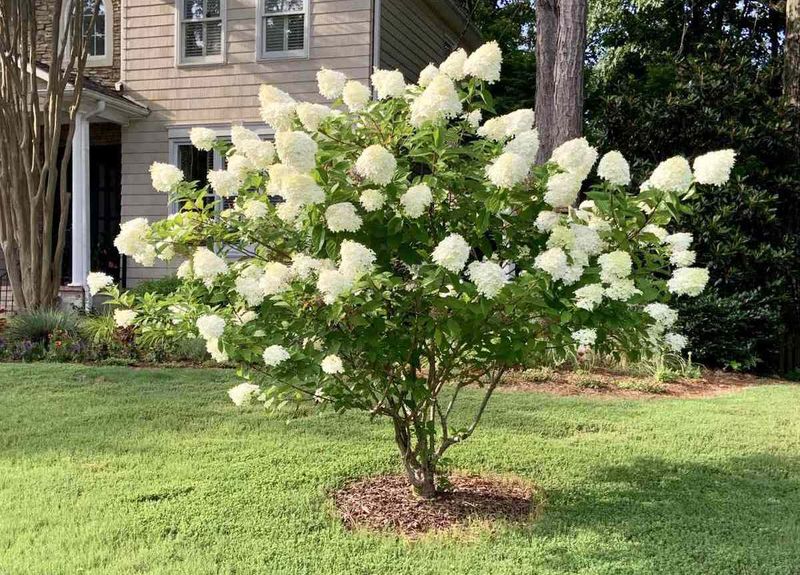
Few shrubs shrug off a frosty winter quite like panicle hydrangea, which handles cold all the way down to zone three.
Those cone-shaped flower clusters often start creamy white and slowly blush pink as late summer nights turn cooler.
Hydrangea paniculata blooms on new wood, just like its smooth cousin, so winter pruning poses no threat to flowers.
Popular choices such as Limelight and Little Lime have earned loyal fans in many Pennsylvania neighborhoods for good reason.
Unlike smooth hydrangea, this one forms sturdy woody trunks, so you want lighter, more thoughtful cuts each year. Try trimming stems back by about one third, cutting just above an outward-facing pair of healthy buds.
Thicker stems left behind support the giant blooms, which helps prevent that sad flop after a heavy summer rain. I like removing a few skinny, weak shoots at the base too, since they rarely carry decent flowers.
Tree-form panicle hydrangeas need a gentler touch, because you should protect that single trunk and its rounded head. Snip back the branches in the crown, and pull off any suckers sprouting from the base or trunk.
Timing is flexible here, so any mild day from late winter into very early spring works well. Try to finish before new leaves emerge, since cutting later can delay the bloom show by a few weeks.
Believe it or not, skipping a year of pruning rarely hurts this shrub, though blooms may be smaller. Most gardeners find that a yearly trim keeps the plant tidy and the flower heads impressively large.
3. Red Twig Dogwood
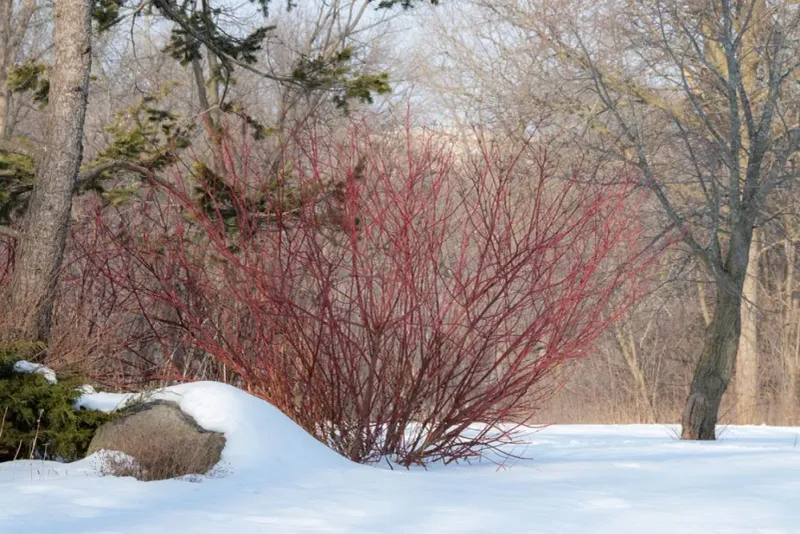
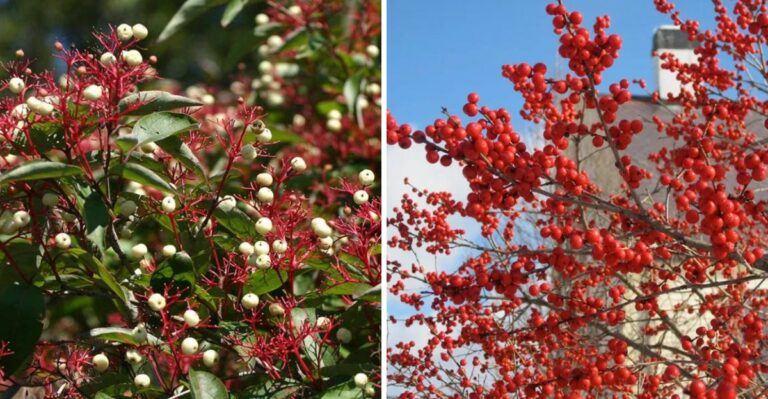
Bright red stems glowing against fresh snow might be the most cheerful sight in any winter landscape. Red twig dogwood, or Cornus sericea, is a native shrub that loves wet soils and stream banks.
The surprising part is that the brightest color shows up mostly on young stems one to three years old. Older stems fade to a dull grayish brown, which is exactly why a regular trim pays off.
Late winter, just before buds break, is the sweet spot for pruning this colorful native beauty. You still get to enjoy the red display through the coldest months before reaching for your loppers.
Each year, remove about one third of the oldest, thickest stems by cutting them right down at ground level. Fresh shoots will rise from the base and deliver that fiery color again by next winter.
For badly overgrown shrubs, some gardeners cut every stem to a few inches tall and start over. You will lose the small white spring flowers for a season, but the color rebound is worth it.
Wildlife fans will appreciate that birds snack on the whitish berries this shrub produces in late summer. I truly believe it earns a spot near any window where you can watch visitors through the seasons.
Save a few of those trimmed red stems for porch pots and cheerful indoor vases right away. Pop them in water, and some may even sprout roots for new plants you can share.
4. Lilac
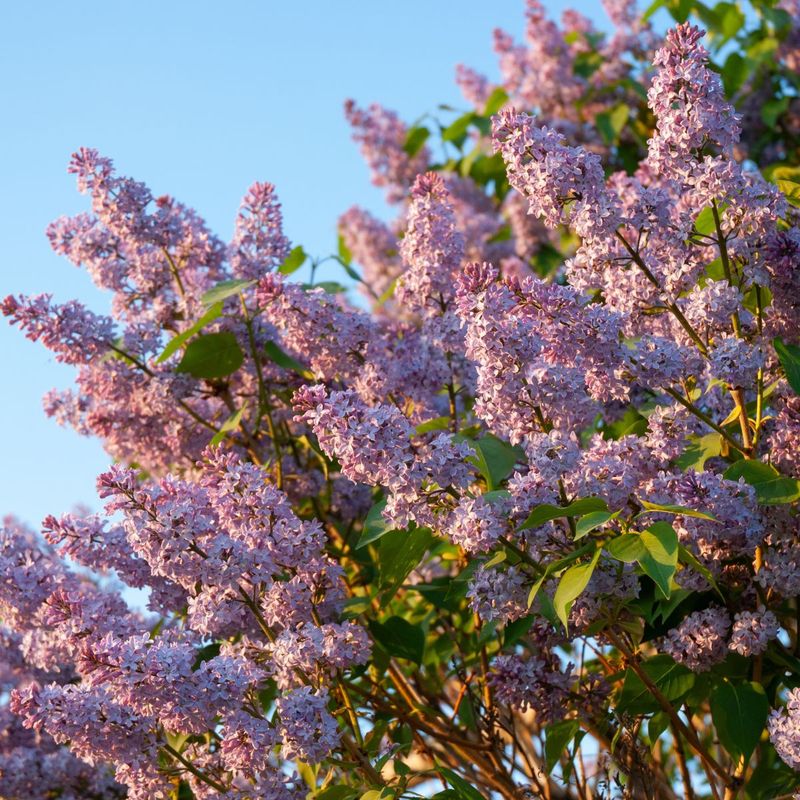
Fat green buds already sitting at the tips of lilac branches hold every bit of next spring’s perfume. Those buds formed last summer, just a few weeks after the old flowers faded to brown and dropped.
Common lilac, or Syringa vulgaris, blooms on old wood, so winter pruning removes those fragrant clusters before they open. I can’t imagine trading that sweet May scent for a slightly neater looking shape in February.
Your best pruning window opens right after flowering ends, usually from late May into early June in most areas. Snip off spent flower clusters then, and thin crowded stems before the shrub starts setting fresh buds for next year.
Taking out one or two of the oldest canes each year keeps the shrub young and blooming well. Look for stems thicker than about two inches, since those often produce fewer flowers over time.
One exception exists for giant, neglected lilacs that have stopped flowering and towered high over the house gutters. A late winter renewal cut can restart those plants, though you will give up a season of blooms.
Many experts suggest removing one third of the oldest stems each year over three years for gentler renewal. That slower approach keeps some flowers coming while the shrub rebuilds itself from the ground up.
Lilacs thrive across Pennsylvania because they need a cold winter rest to bloom their best each spring. So let those chilly months do their work, and save your pruners for after the purple show ends.
5. Forsythia
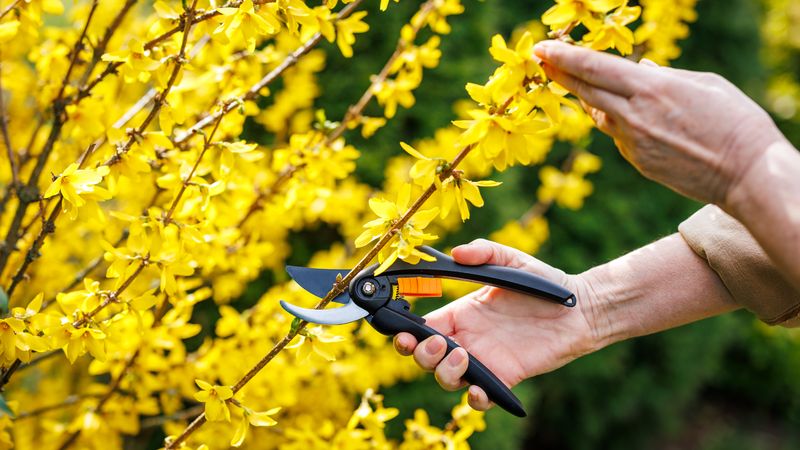
Nothing announces spring louder than forsythia, whose golden yellow blossoms often appear before a single leaf shows up. Those bright flowers are already packed inside the plump buds lining nearly every bare branch right now.
Forsythia blooms on old wood, meaning its buds formed during last summer and simply wait out the cold. Shearing it in winter leaves you with a tidy green blob instead of that famous yellow fountain.
Here’s a fun twist, though, because you can snip a few branches now and bring them indoors. Set the stems in a vase of water, and blossoms usually pop open within one to three weeks.
Save your serious pruning for right after the flowers fade, which usually happens around mid to late April. That timing gives the shrub all summer to grow new stems and pack them with fresh buds.
Forsythia looks best with its natural arching shape, so skip the boxy shearing you see in many yards. Instead, cut a few of the oldest canes right at the ground to let sunlight reach the center.
Really overgrown plants can handle a rejuvenation cut in late winter, taking every stem down to several inches. You will miss one spring show, but vigorous new growth usually returns quickly the following year.
Honestly, I find forsythia wonderfully forgiving, since it bounces back from almost any pruning mistake you make. Still, patience until after bloom time rewards you with the brightest yellow hedge on the whole street.
6. Rhododendron
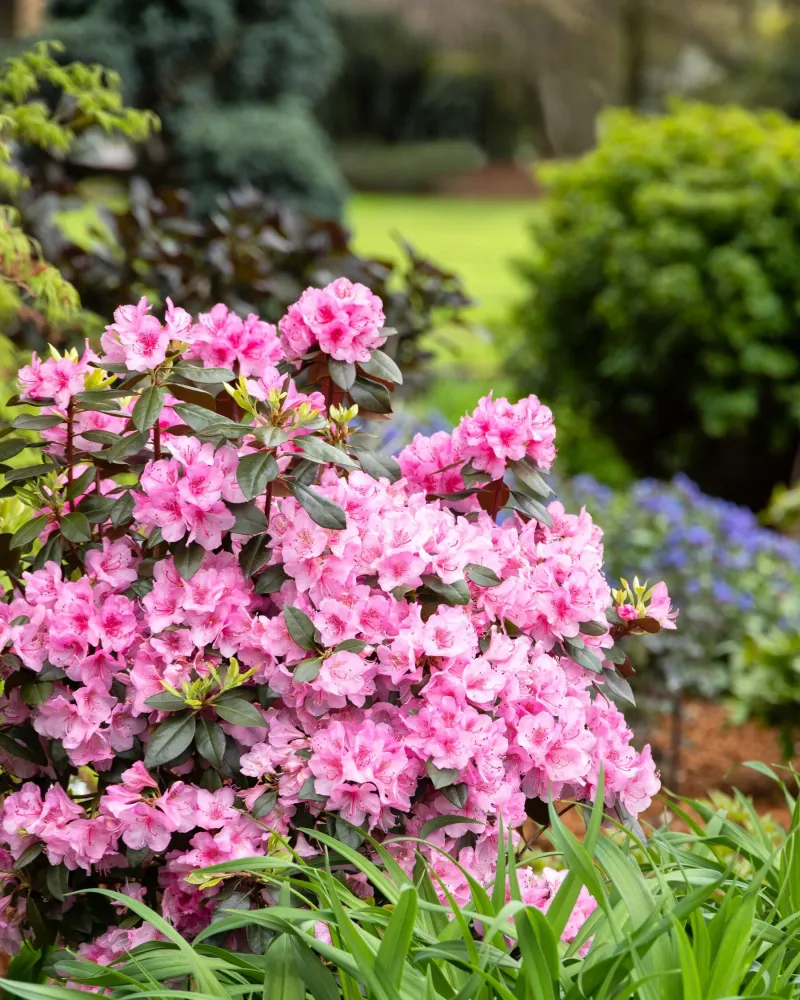
Pull back a rhododendron leaf right now, and you will spot a fat, pointed bud waiting at the tip. Those large buds hold entire flower clusters, while the skinny ones nearby will become new leaves in spring.
Rhododendrons and their azalea cousins set those flower buds in late summer and early fall, well before winter arrives. Any winter cutting removes next spring’s color, so please keep the pruners in the shed for now.
Rosebay rhododendron, Rhododendron maximum, grows wild in shady forests across Pennsylvania and blooms with pale pink clusters in early summer.
I love spotting those big leafy thickets along cool mountain streams during a hike in late June.
Prune these shrubs right after their flowers fade, usually from late May through June depending on the variety. Gently snap off spent flower trusses by hand, taking care not to damage the tiny buds just below.
These evergreens dislike heavy pruning and often recover slowly, so focus on light shaping and removing broken branches. Cut just above a whorl of leaves, since that is where new shoots tend to sprout most reliably.
Winter damage is one exception, because snapped limbs from heavy snow or ice should come off cleanly anytime. Make a smooth cut at a healthy branch junction, and leave everything else alone until after bloom.
Curled, droopy leaves on cold mornings look alarming, but that is a normal way these plants conserve moisture. You might notice them relax and flatten again as soon as temperatures climb back above freezing.
7. Bigleaf Hydrangea
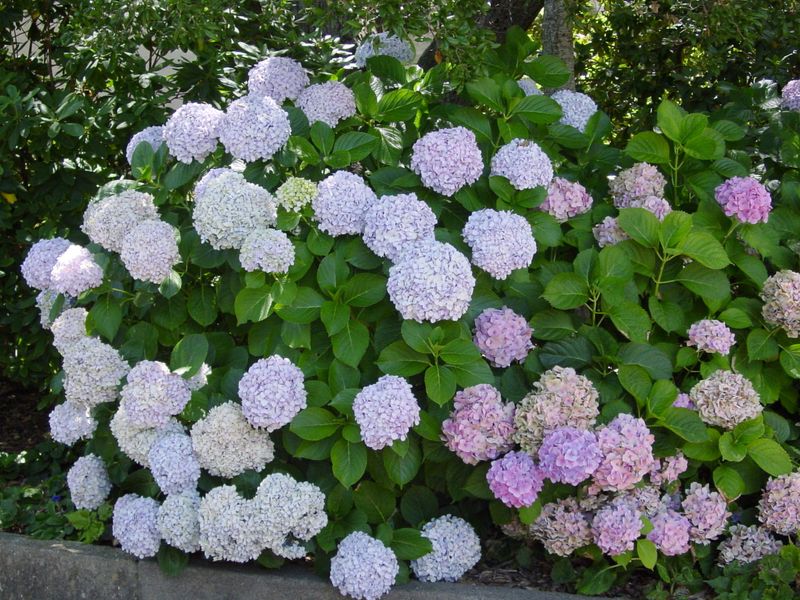
Blue mophead flowers in July depend on buds that survived the entire winter at the tips of brown, bare-looking stems.
Bigleaf hydrangea, or Hydrangea macrophylla, mostly blooms on old wood, so those stems deserve your full protection right now.
Cutting them back in winter is one of the most common reasons gardeners end up with leafy shrubs and no flowers. Nobody warned me about this the first time, and my bush stayed green and flowerless all summer.
Many bigleaf types are rated for zones six through nine, while colder parts of Pennsylvania sit in zone five. Flower buds can suffer in harsh cold, so leaving old stems and flower heads offers a little extra shelter.
Wait until spring buds swell and turn green, then you can easily tell which stems are still alive. Snip off only the brittle, lifeless tips just above the highest healthy pair of buds on each stem.
Real shaping should happen in summer, right after the first flush of blooms fades and before August ends. That gives the shrub enough time to set new buds before cold weather returns in the fall.
Reblooming types such as the Endless Summer series flower on both old and new wood, which feels like insurance. Even so, holding off on winter cuts gives them the best chance at an early summer show.
Take a closer look at those papery old blooms on a frosty morning, since they sparkle beautifully. Leaving them in place feels lazy, but your hydrangea will thank you with a much bigger summer display.