This Fall Step Could Help Ohio Peonies Bloom Better Next Spring
Peonies that gave you fewer flowers this spring may have been fighting something left over from the year before.
Fewer flowers can have several causes, but old foliage left in the bed can allow some fungal problems to carry over into the next growing season.
Spotted, browning leaves are common by midfall, and some fungal problems behind them can survive on that debris.
Leaving it in place through winter gives those problems a head start when new shoots push up.
One simple habit at season’s end can reduce that risk, and it takes little time.
Timing still matters, since peonies rely on their late foliage to store energy for the next round of blooms.
Many Ohio gardens reach the right point after the first hard frost darkens the leaves. Getting this step right can mean sturdier stems and fuller flowers when June rolls around.
1. A Once-Sunny Peony Bed Can Become Too Shady Over Time
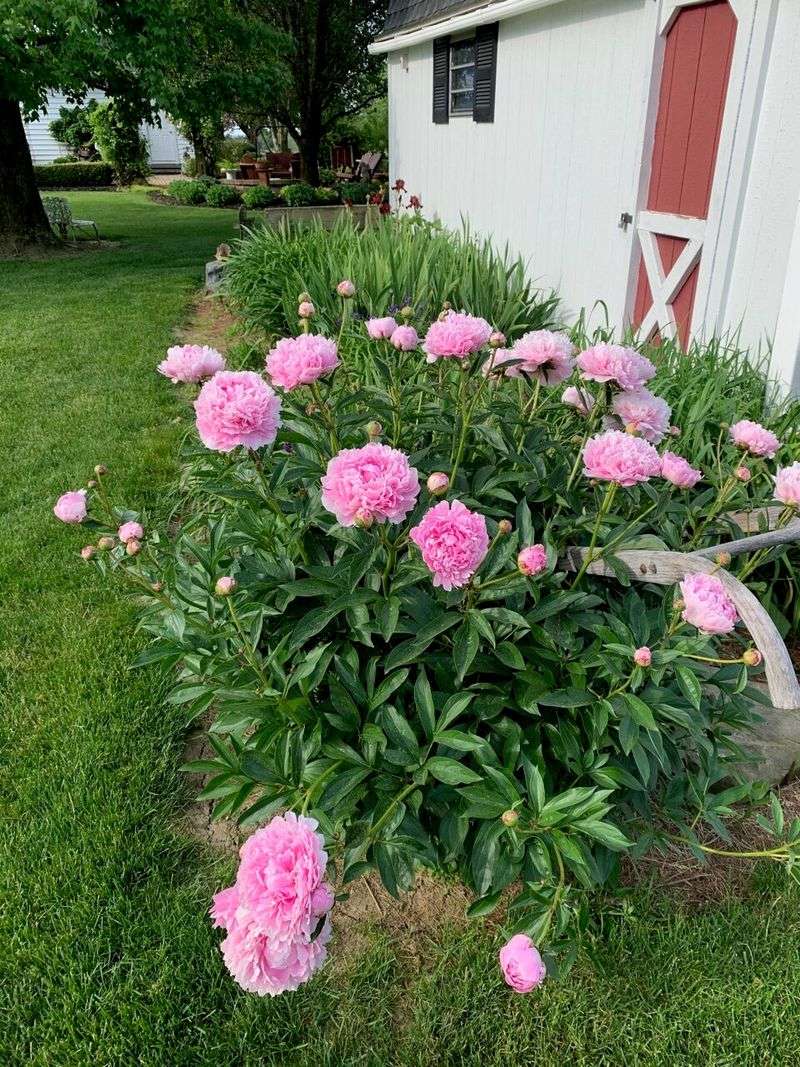
Fewer flowers on an old peony clump can feel like a mystery. Often the answer is standing right next to it, growing a little taller every year.
Spend one sunny day watching how light moves across the bed from morning to late afternoon.
Jot down roughly when direct sun reaches the plants and when shadows take over. A phone photo every couple of hours makes the pattern much easier to compare.
Fall sun sits lower than summer sun, so shadows stretch farther in October.
Keep that in mind and avoid judging too harshly from one autumn check. If you can, repeat the observation in late spring when peonies are actually forming buds.
Look closely at what casts the shade, whether it is a young tree, a hedge, a fence, or a neighbor’s new shed.
Some causes are easy to fix with pruning, while others are not yours to change. Knowing the difference helps you choose the right next step.
Shade is only one possible reason for weak blooming, and it helps to stay honest about that.
Crowns planted too deep, recent dividing, or heavy nitrogen feeding can also reduce flowers. Checking light first simply narrows the list.
2. Peonies Need Plenty Of Direct Sun For Strong Flowering
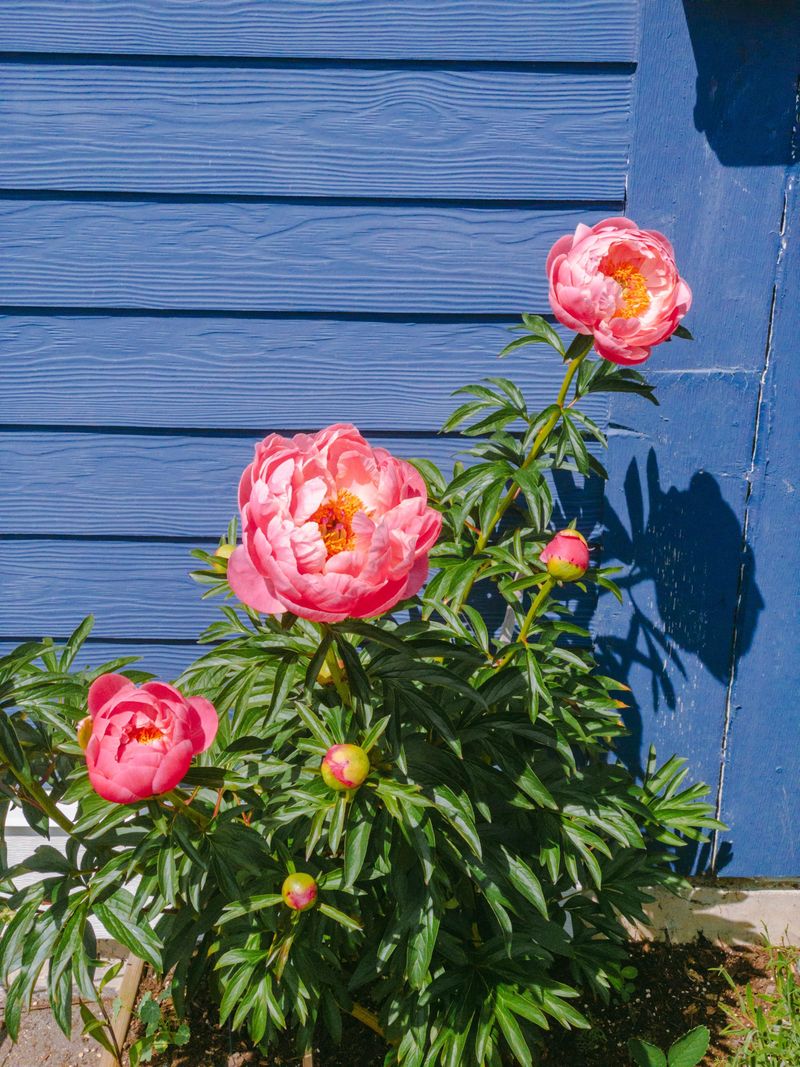
Sunlight is the fuel behind those huge spring blooms. Without enough of it, a peony may grow leaves but hold back on buds.
Garden experts generally suggest at least six hours of direct sun a day for herbaceous peonies.
More sun usually means better flowering, though some light afternoon shade can be fine. In southern Ohio, where summers run warmer, a bit of late-day relief may even help blossoms last.
Dappled light under a thin canopy is not the same as direct sun.
Plants in that kind of filtered spot often stay green and healthy looking. Blooming, however, can slowly taper off over several seasons.
Leaves do their most important work after flowering, from June through early fall, storing energy in the roots for next year.
That means summer light matters just as much as spring light. A bed that gets bright sun in April but heavy shade by July may still struggle.
Your Ohio Garden Changes Every Week. Your Plan Should Too.
Gardening in Ohio changes quickly throughout the season. Every Friday you’ll receive a simple weekly plan showing exactly what to plant, prune, fertilize, harvest, and protect so you never miss the right timing.
Tree peonies and some intersectional types can handle a little more shade than common garden peonies.
Even those still flower best with good sun. If you are unsure what kind you have, assume it wants a bright spot and plan around that.
3. Growing Trees And Shrubs Can Quietly Change The Light Below
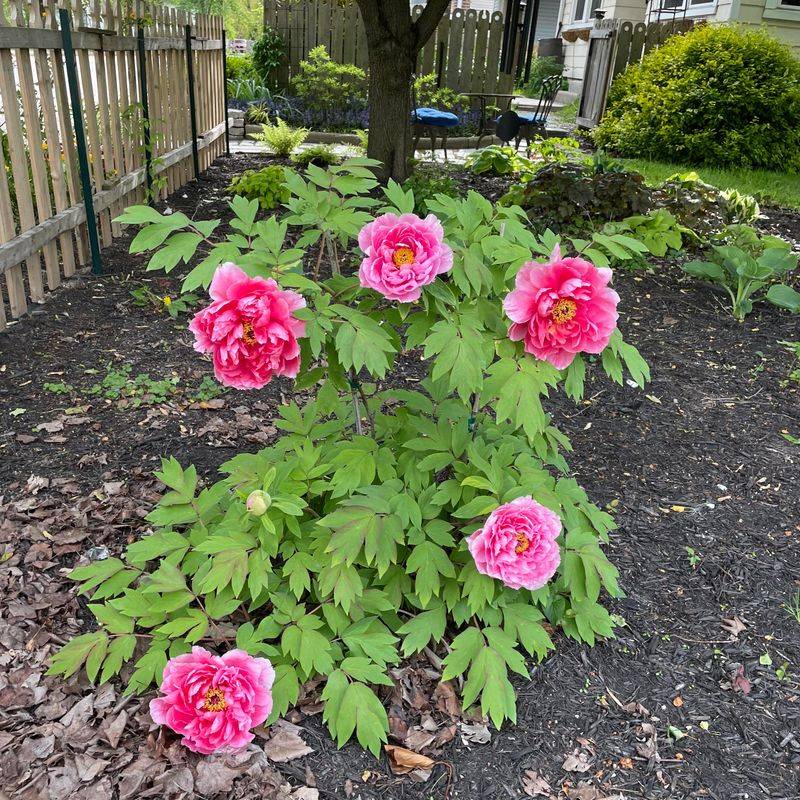
Trees rarely ask permission before taking over the sky. A redbud or maple planted as a small sapling can cast real shade within ten years.
Shrubs sneak up too, especially fast growers like forsythia, lilac, and burning bush.
Changes happen a few inches at a time, so nobody notices until blooming drops. Comparing old garden photos with the current view can be surprisingly eye-opening.
Neighboring yards count as well, since a tree across the fence can shade your bed for hours.
Talk with your neighbor before cutting anything near the property line. Ohio law generally allows trimming branches that cross onto your side, but rules and local ordinances can vary, so check before you act.
Roots are a second issue that often gets overlooked.
Large trees pull water and nutrients from the soil, and peonies near them may compete hard during dry summers. Shade and root competition together can weaken a clump more than either one alone.
Perennials can also outgrow their spot and lean over a peony.
Tall asters, ornamental grasses, and spreading black-eyed Susans may block morning light. Their size usually shows up in late summer, right when peonies are building next year’s buds.
4. Fall Makes Overhanging Branches And Crowded Plantings Easier To Spot
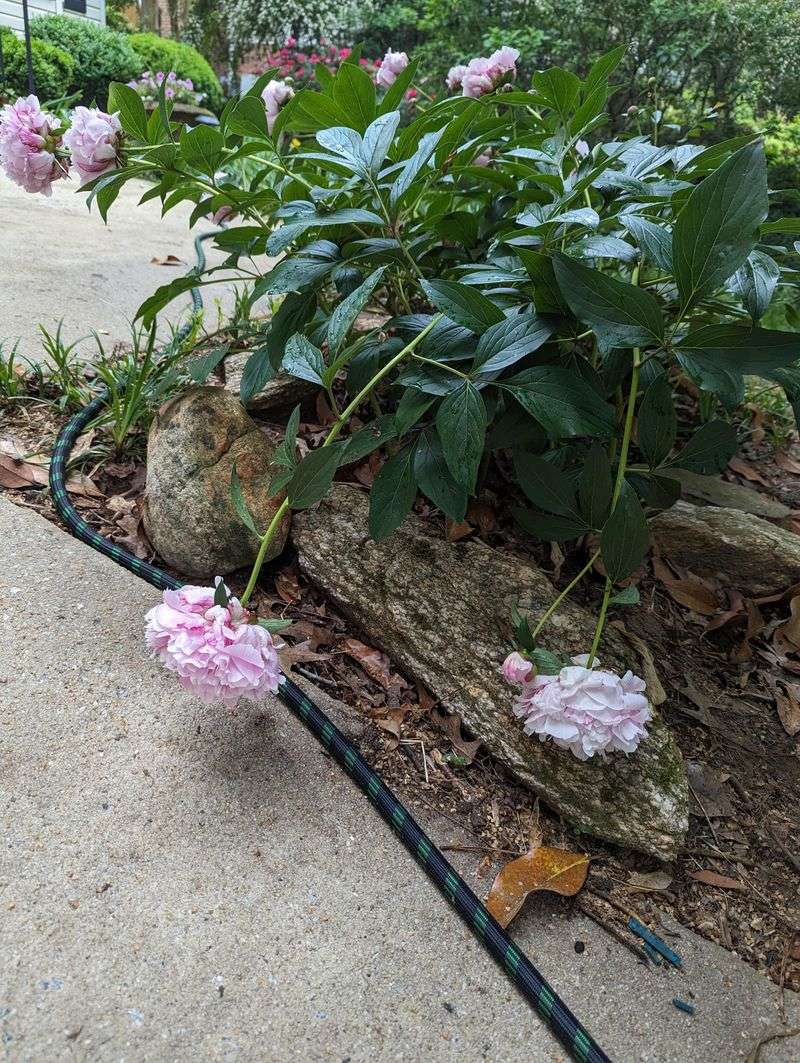
Bare branches tell the truth. Once leaves drop, you can see exactly which limbs reach over the peony bed.
Peony foliage usually starts browning or yellowing by early fall, and many gardeners cut it back after frost.
Removing old stems also helps limit fungal problems like botrytis, which can carry over in leftover foliage. Bag or trash diseased material rather than composting it.
With the bed cleared, walk around it and look up.
Note branches that hang directly over the crowns and shrubs pressing in from the sides. A simple sketch on paper keeps track of what you want to address.
Timing differs across Ohio, since frost often reaches inland northern counties before southern ones.
Areas near Lake Erie sometimes hold warmth a bit longer into fall. Watch your own yard rather than following a fixed calendar date.
Crowding at ground level deserves a look too.
Perennials that have crept toward the peony are easier to see once everything has faded back… or rather, faded down for the season. Mark them with a stake now so you remember where to thin them next spring.
Short notes made today save guesswork later.
5. Nearby Plants Can Be Trimmed Without Disturbing The Peony Crown
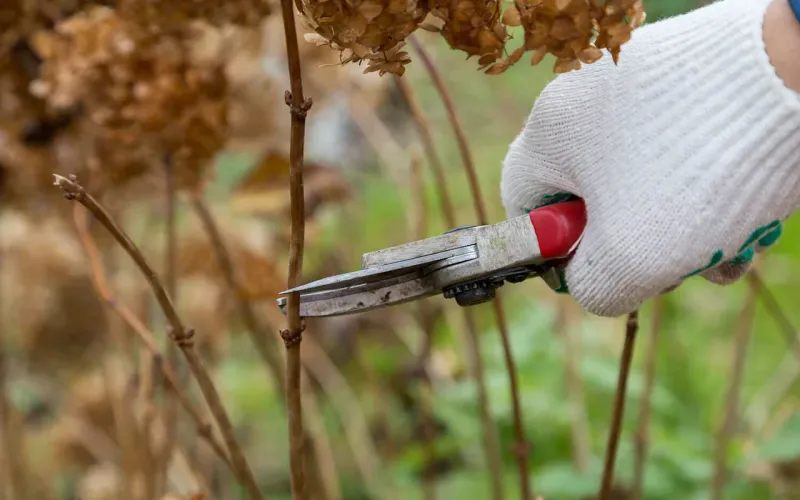
Careful hands matter more than big tools here. Peony crowns sit just under the soil, and their pink buds, called eyes, are fragile.
Before pruning, mark the crown with a small stake so you do not step on it.
Lay a board or tarp down if you need to kneel nearby. That spreads your weight and protects the soil from packing down.
Many deciduous trees can be pruned in late fall or winter while dormant.
Some shrubs are trickier, though. Lilacs and forsythia form next year’s flowers in summer, so cutting them hard in fall removes their spring blooms.
Large limbs high in a tree are a job for a certified arborist.
Hiring a pro protects both you and the tree, and it keeps heavy branches from crashing onto the peony bed. Ohio has plenty of ISA-certified arborists who can give advice.
Thinning cuts usually work better than topping.
Removing a few whole branches back to a main limb opens light without causing a burst of new shoots. Topping often leads to thick regrowth that brings shade right back.
Go slowly and avoid removing too much from any one plant at once.
6. Deep Shade May Call For A Better Location Instead
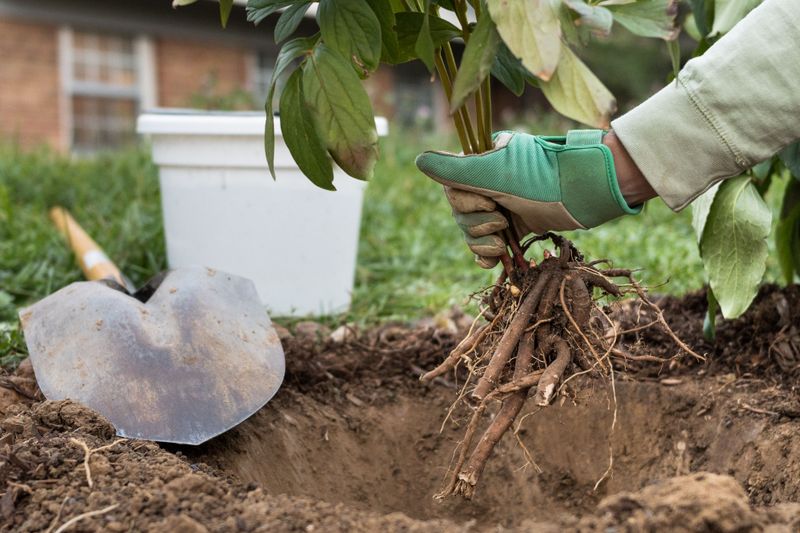
Sometimes the tree wins. If shade comes from a large, healthy tree you want to keep, moving the peony may be the kinder choice.
Early fall is generally considered the best time to transplant or divide peonies.
In Ohio, September into early fall is generally a good time to transplant peonies, as long as the move is completed before the ground freezes.
Northern areas may want to finish a little sooner than southern ones.
Dig wide around the clump to save as many roots as you can.
Each division should keep roughly three to five eyes and a healthy chunk of root. Smaller pieces can take longer to bloom.
Planting depth is a big deal with peonies.
Set the eyes no more than about two inches below the soil surface. Planting deeper is a well-known reason peonies fail to flower even in great sun.
Pick a new spot with full sun and soil that drains well, since soggy ground can cause root rot.
Patience helps after a move. Transplanted peonies commonly take one to three years to bloom well again, depending on size and growing conditions.
7. Improving The Light Now Sets Up Better Conditions For Spring
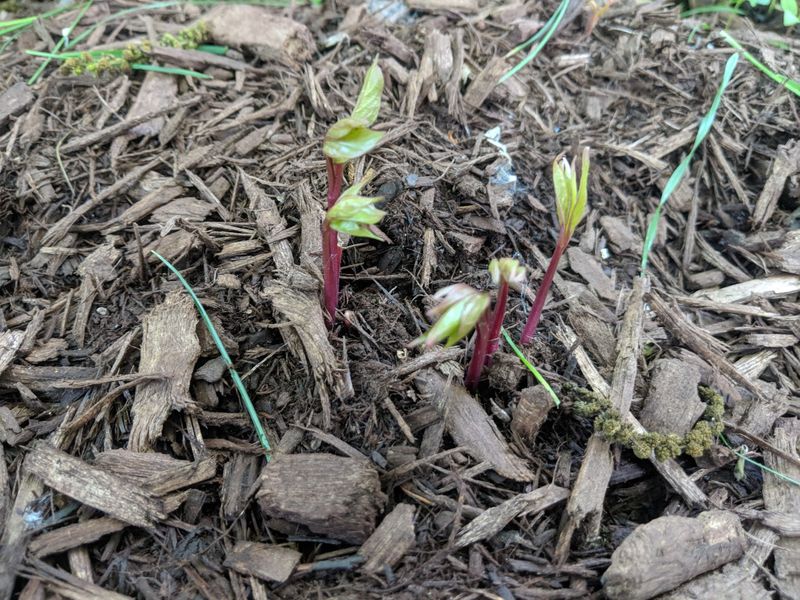
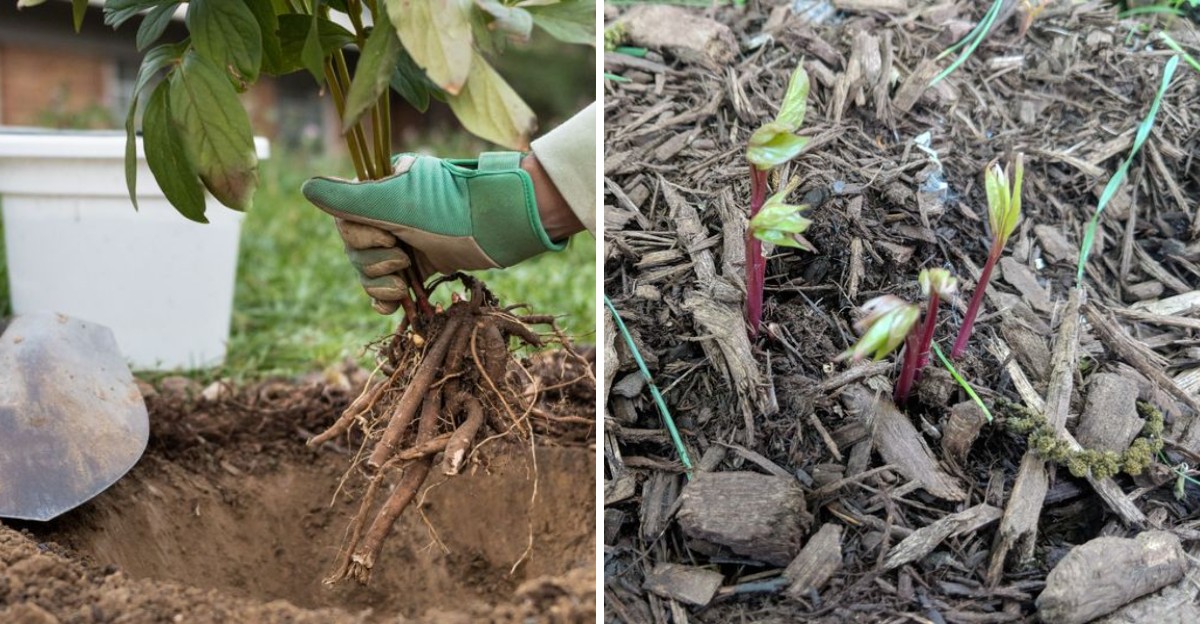
Red shoots poking through soil in April feel like a reward. Giving them open sky now helps the plant make the most of the season ahead.
Peonies are not quick to respond, so expect gradual progress rather than a dramatic change.
A clump that has been shaded for years may take time to respond after conditions improve.
Better light can support stronger growth and flowering, but results will vary with the plant and growing conditions. Weather plays its own role, as late frosts can damage buds.
Ohio springs can swing from warm to freezing quickly, and that is outside anyone’s control. Better light simply improves the odds.
Light frees up a few other easy habits worth keeping.
Skip heavy nitrogen fertilizer, which tends to push leaves over flowers. A thin layer of compost around the crown, not on top of it, is usually enough.
Keep an eye on summer watering during dry spells, since the plant is storing energy then.
Remove spent blooms if you like, but leave the leaves standing until fall. Those leaves are doing the real work for next year.
Check the light again every few autumns, because trees and shrubs will keep growing.