These Are The Florida Native Shrubs That Outperform Hibiscus For Summer Color
Hibiscus gets all the credit and native shrubs do all the actual work. Ask any serious Florida gardener which plants held their color through last August and hibiscus rarely makes the list.
Yet every spring the same cycle repeats. Garden centers stack hibiscus by the entrance, shoppers load their carts, and by midsummer the pest battles begin again.
Meanwhile a lineup of native shrubs blooms through the worst heat the season throws out, feeds pollinators, and asks for nothing in return. No spraying, no coaxing, no replacing after a rough stretch.
These plants do not perform despite summer. They peak during it.
So why does hibiscus still dominate summer container sales across the state? Mostly habit.
Partly visibility. And a general lack of awareness about what is actually sitting in the native section two aisles over doing a considerably better job.
1. Plant Firebush For Red Summer Color That Pollinators Notice
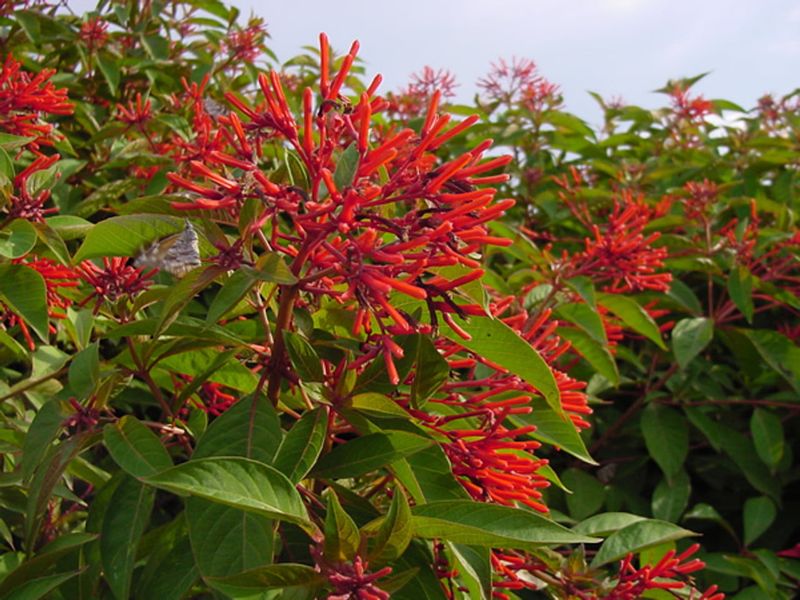
Picture a hot July bed where the soil radiates heat and most plants look defeated by noon. Firebush, known botanically as Hamelia patens, is one of the few native shrubs that leans into that heat instead of retreating from it.
Its tubular red to orange-red flowers keep coming through the warmest weeks of the year, and pollinators notice.
According to UF/IFAS, firebush is a Florida native that attracts hummingbirds, butterflies, and other beneficial insects with its warm-season blooms. The plant also produces small dark fruits that birds appreciate.
That combination of flower and fruit interest stretches its value well beyond a single season.
Regional behavior does vary with this shrub. In southern regions, firebush can grow into a substantial multi-stemmed shrub reaching eight feet or more and may hold its leaves through winter.
In central and northern regions, cold can cut it back to the ground, but it typically returns from the roots when warm weather arrives.
That cold-response means northern gardeners should treat it more like a returning perennial than a permanent woody shrub. Either way, the summer color payoff is real.
Plant it in full sun with well-drained soil, give it room to spread, and expect a steady stream of pollinators from summer through early fall. Firebush earns its spot.
2. Choose Necklace Pod For Yellow Blooms In Coastal Heat
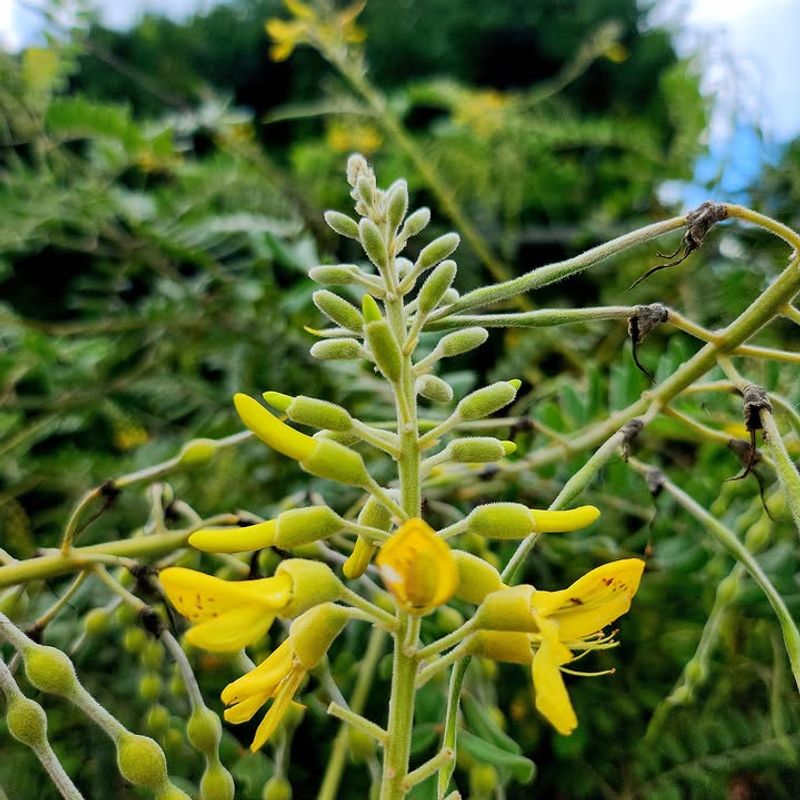
A bright coastal fence line in midsummer can be one of the hardest spots to fill with color. Reflected heat bounces off concrete, salt air drifts in from nearby water, and most ornamental shrubs look bleached and beaten by August.
Necklace pod, Sophora tomentosa, handles all of that without complaint.
UF/IFAS Extension and Florida-Friendly Landscaping resources recognize necklace pod as a salt-tolerant, drought-tolerant native shrub. It is suited to sunny, warm coastal sites and southern regions.
Its yellow flowers appear in upright clusters and can bloom across multiple seasons in the right location. The plant also supports native butterfly species, including the Cassius blue, which uses it as a larval host plant.
This shrub thrives in full sun and sandy or well-drained soils. It is best suited to coastal or southern sites.
Your Florida Garden Changes Every Week. Your Plan Should Too.
Gardening in Florida changes quickly throughout the season. Every Friday you’ll receive a simple weekly plan showing exactly what to plant, prune, fertilize, harvest, and protect so you never miss the right timing.
It may not perform as reliably in colder inland yards or northern regions where freezing temperatures can affect its growth and appearance.
Do not expect a clipped formal hedge from necklace pod. Its natural form is relaxed and open, which makes it a good fit for informal sunny borders, naturalistic coastal plantings, or mixed native beds near the water.
Give it space, let it grow in its own shape, and it will reward you with yellow blooms and steady butterfly activity through the hottest weeks of the year.
3. Use Pineland Lantana Instead Of Problem Nursery Lantanas
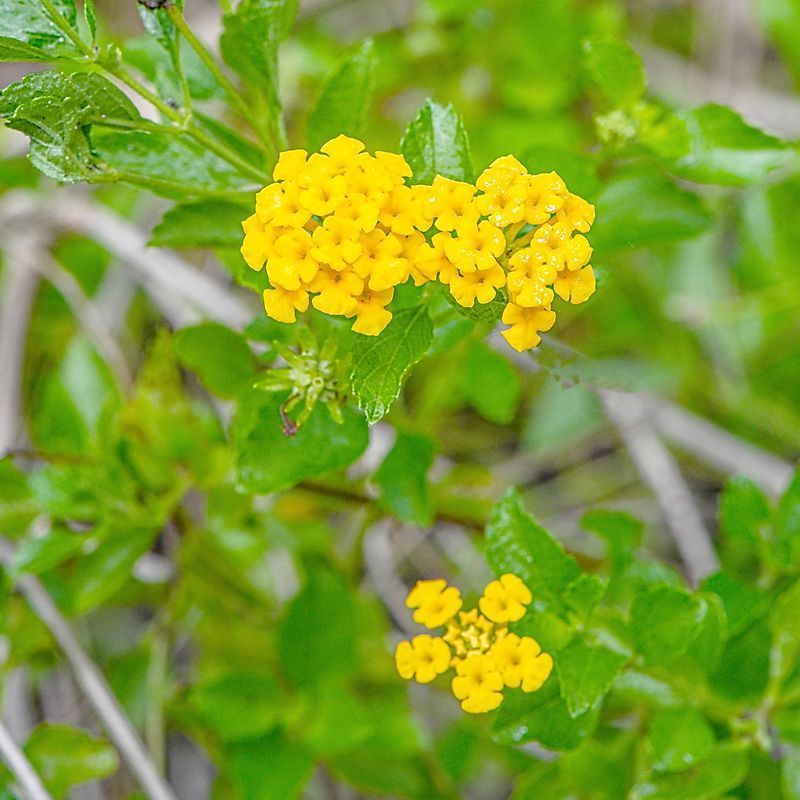
A colorful lantana display at a garden center can look irresistible in June. The flowers come in bright oranges, yellows, and pinks, and the plants look tough and cheerful under the nursery shade cloth.
But the botanical name on that tag matters enormously, and most nursery lantanas are not native to this state.
Lantana camara, the common nursery lantana, is listed as a Category I invasive species in our state by the Florida Exotic Pest Plant Council. It escapes into natural areas and crowds out native plants.
The native alternative for sunny, dry sites is Lantana depressa, commonly called pineland lantana or native lantana.
According to UF/IFAS and the Florida Native Plant Society, Lantana depressa is a low-growing native shrub found naturally in pine rocklands and open sandy areas. It produces small yellow flower clusters and tolerates drought and heat well.
It also supports native butterflies and other pollinators without the invasive risk of its common nursery cousin.
Because pineland lantana is less widely stocked than non-native types, buying from a reputable native plant nursery is essential. Always verify the botanical name before purchasing any lantana.
The visual difference between native and non-native lantanas can be subtle, but the ecological difference is significant. Choosing the right species gives you summer color that genuinely belongs in a native garden.
4. Plant Buttonsage For Small Flowers In Hot Sandy Sites
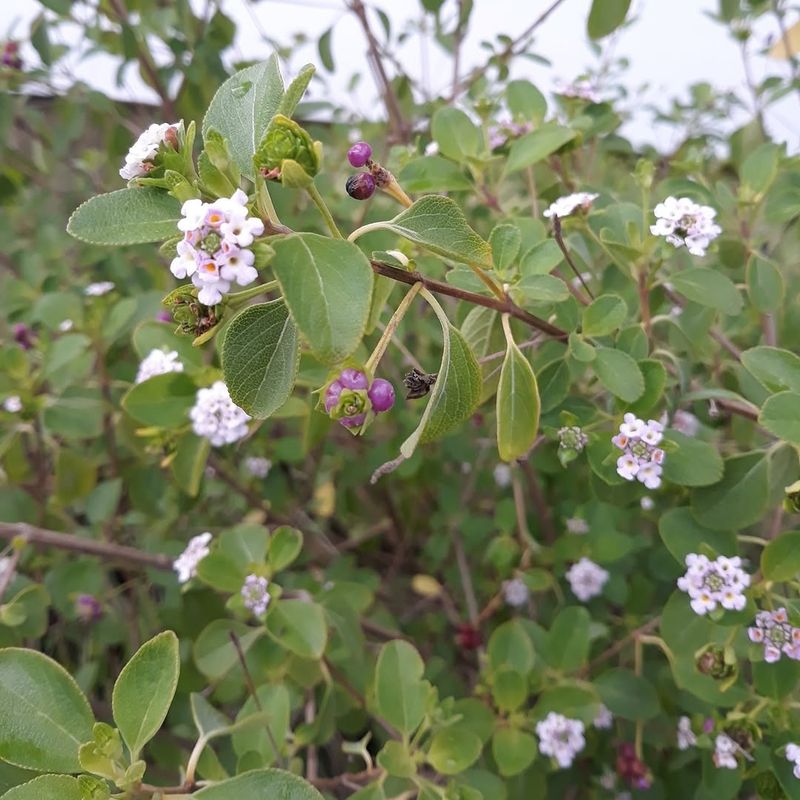
Dry, hot, sandy strips along a driveway or south-facing foundation can feel like a planting graveyard by midsummer. Most flowering shrubs either need more water than that site can hold or burn out under the reflected heat.
Buttonsage, Lantana involucrata, is built for exactly those conditions.
UF/IFAS recognizes buttonsage as a Florida native shrub that tolerates drought, salt, and full sun exposure. Its small white to lavender flowers are more subtle than a hibiscus bloom.
They appear steadily through warm months and attract native butterflies and other pollinators. The plant also produces small dark berries that birds find useful.
Buttonsage has a naturally rounded, shrubby form and can reach three to six feet in height and spread in the right site. Its strength is not in oversized tropical flowers.
The value here is reliable texture, consistent native character, and the ability to stay attractive in hot, sandy, or coastal conditions where showier plants struggle.
This shrub belongs in full sun with sharp drainage. Deep shade or soggy soil will not suit it.
In southern and coastal regions it tends to perform most reliably, though it can work in central regions with the right sandy or well-drained site.
If you have a tough dry spot that needs a low-fuss native shrub with steady pollinator activity, buttonsage is worth serious consideration.
5. Choose Rouge Plant For Subtle Color In Shady Warm Beds
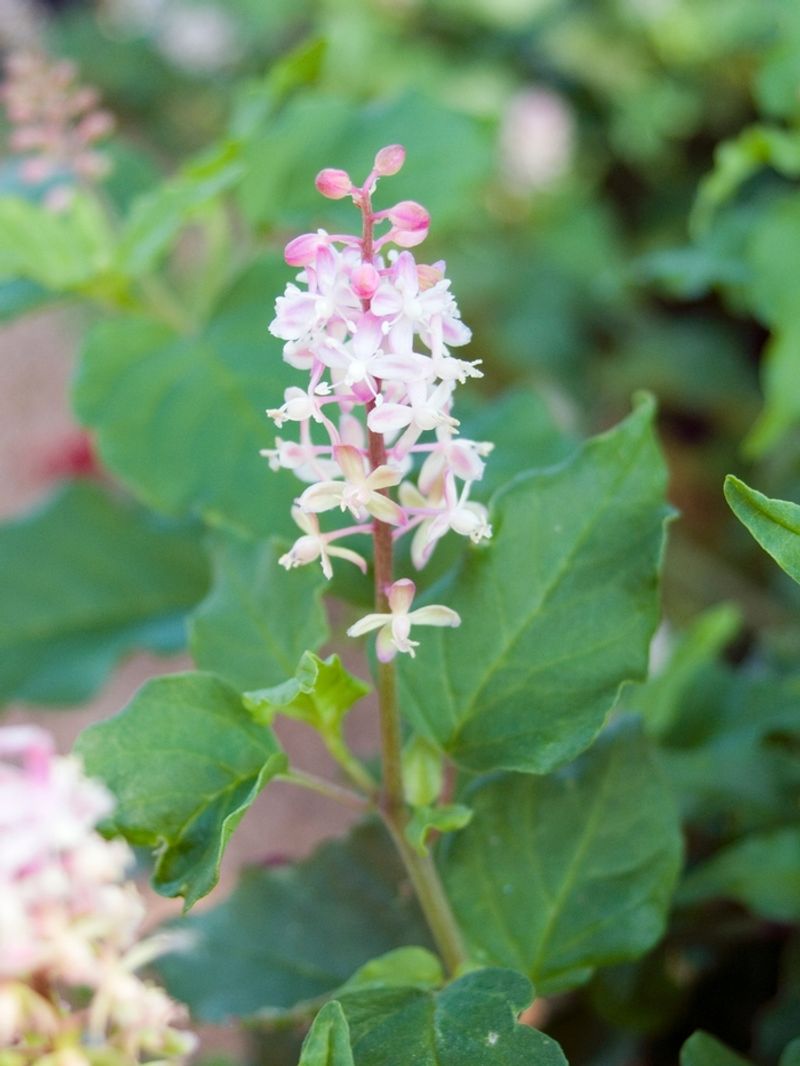
Shady corners in a warm-region yard can feel forgotten by summer. Sun-loving shrubs burn out, tropical color looks wrong under a tree canopy, and most homeowners end up with bare mulch where a layered native planting could thrive.
Rouge plant, Rivina humilis, fits that overlooked space with quiet charm.
According to UF/IFAS, rouge plant is a native herbaceous shrub that grows naturally in shaded or partly shaded understory settings across warmer parts of this state.
It produces small white to pinkish flowers followed by clusters of bright red berries that birds find attractive.
That berry display adds genuine warm-season color to spots where hibiscus-style blooms would never survive.
This plant is smaller and more understated than most flowering shrubs, typically reaching one to three feet in height. Its value is not in bold tropical petals but in the layered, naturalistic feel it brings to a shaded native bed.
The red berries against dark green foliage create a subtle but real color moment that wildlife notices.
Rouge plant suits warmer and southern regions best, especially in protected shady spots with reasonable moisture. It is not a replacement for a sunny hibiscus bed.
Think of it as a solution for the shaded corner that needs native life, berry color, and quiet summer interest. It is a better choice than another plant that will struggle without direct sun.
6. Use Beautyberry For Summer Flowers And Purple Fruit Drama
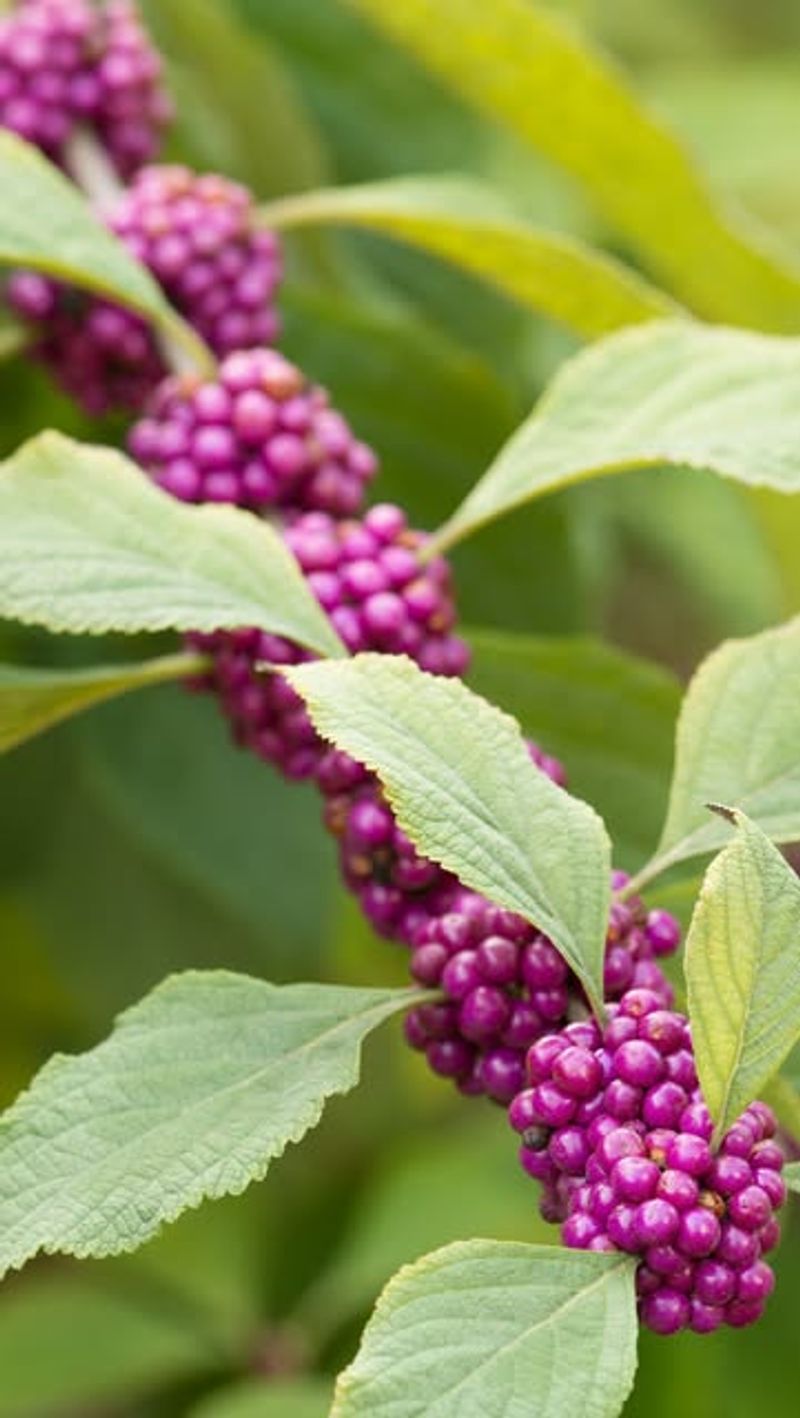
Purple fruit clusters so bright they look almost artificial can stop a visitor in their tracks along a summer border. American beautyberry, Callicarpa americana, delivers that kind of visual drama from midsummer into fall.
It can turn what might be a plain fence line or woodland edge into something genuinely memorable.
UF/IFAS confirms that Callicarpa americana is a Florida native shrub that produces small pinkish to lavender summer flowers. Those flowers are followed by vivid clusters of purple berries arranged tightly around the stems.
Those berries attract multiple bird species and add bold color long after many summer bloomers have faded. The summer flowers, while modest, also support native bees and other pollinators.
Beautyberry has a loose, arching growth habit and can spread four to eight feet wide. It may also self-seed in the right conditions.
That relaxed form makes it a natural fit for woodland edges, native borders, or along fence lines where it has room to grow without crowding other plants. It is not a candidate for tight formal beds or small manicured spaces.
Make sure you are buying Callicarpa americana specifically. Other beautyberry species and cultivars are available in nurseries, and not all of them are native to this region.
The native species is the one with documented wildlife value and regional fit. Planted in partial shade to full sun with average soil, it brings summer flower color and fall fruit drama that few other native shrubs can match.
7. Plant Saltbush Where Coastal Sites Need Tough Native Texture
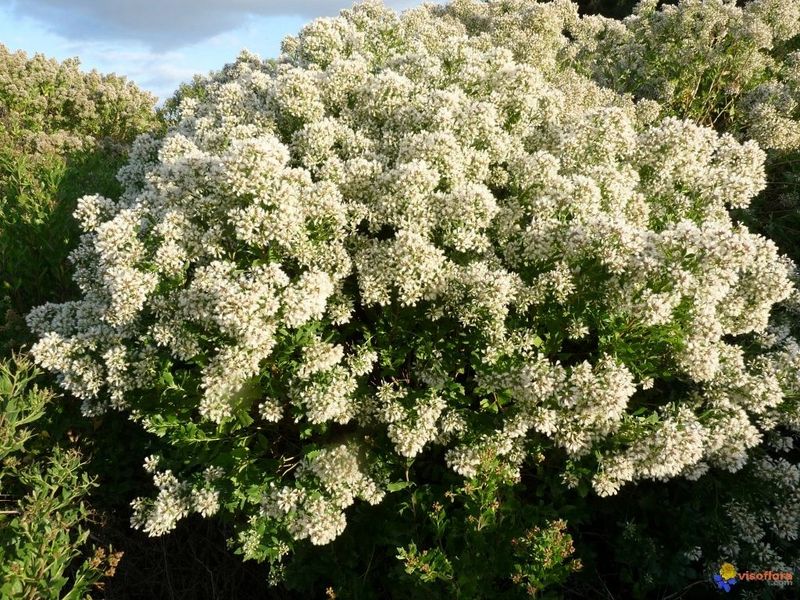
By midsummer, a salty wind-exposed edge can strip the lush look off tropical plantings fast. Leaves turn crispy, blooms drop early, and the whole bed starts looking like it lost a fight with the Gulf.
That is exactly the kind of site where native saltbush earns its reputation.
Baccharis halimifolia is commonly called groundsel tree or sea myrtle. It is a native shrub recognized by UF/IFAS for its salt tolerance, coastal adaptability, and wildlife value.
It produces small flowers in late summer and fall that attract native bees and other beneficial insects. The fluffy white seed heads that follow add silvery texture to coastal plantings well into the cooler months.
This is not a showy hibiscus-style flowering shrub, and it should not be chosen for that purpose. Its strength is resilience, texture, and habitat value in harsh coastal or sandy conditions where more delicate plants cannot hold their ground.
Birds use the dense branching for cover, and the late-season bloom timing fills a gap when many other shrubs have finished flowering.
Saltbush grows best in full sun with good drainage and tolerates both dry and periodically wet coastal conditions. It can reach six to twelve feet in height, so give it space along natural borders or open coastal edges.
For gardeners working on a tough salt-exposed site, this native shrub offers honest, low-fuss performance that tropical options rarely match.
8. Choose Native Hibiscus Only If You Want A True Hibiscus Rival
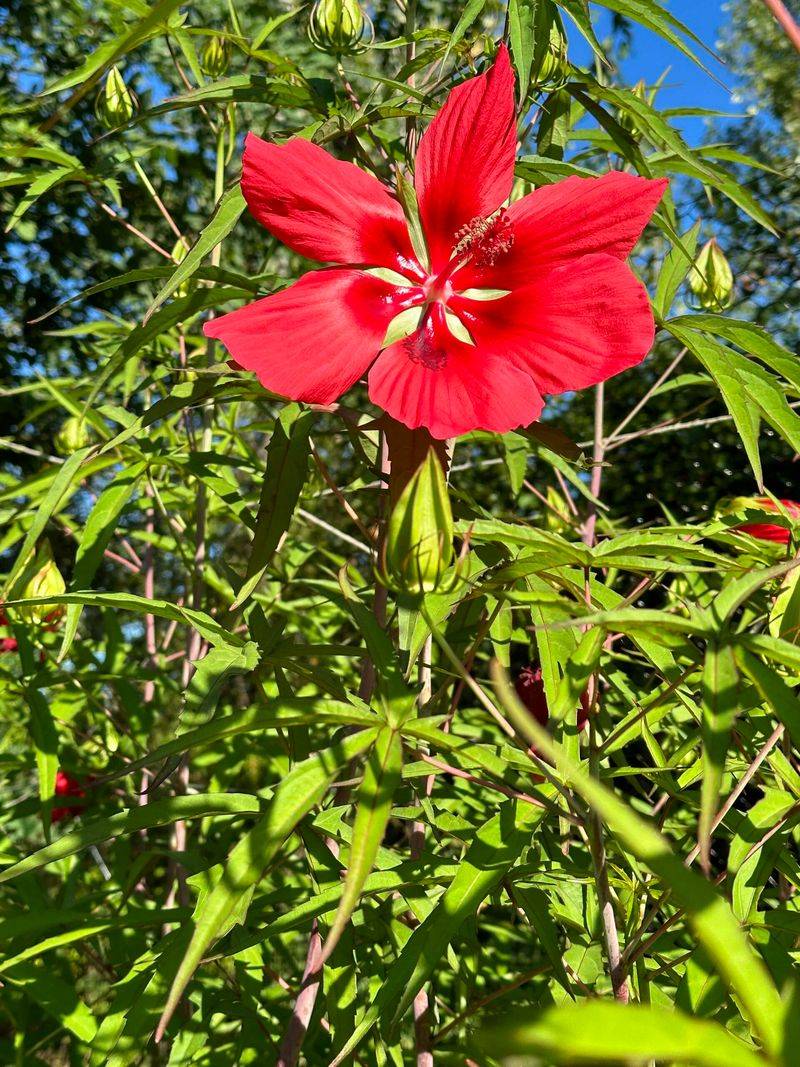
Some gardeners are not ready to give up the hibiscus look entirely, and that is completely reasonable. The bold, saucer-shaped flowers of a hibiscus in full bloom are hard to replace with subtle berries or feathery seed heads.
If you want that dramatic flower shape but a plant with stronger native credentials, scarlet rosemallow may be exactly what you need.
Hibiscus coccineus, known as scarlet rosemallow or Texas star, is a native hibiscus species recognized by UF/IFAS as a Florida native plant. It produces large, deeply cut red flowers that can reach several inches across and bloom through summer into fall.
Hummingbirds and large native bees are among the pollinators drawn to its blooms.
The key site requirement for this species is moisture. Scarlet rosemallow grows naturally in wet prairies, stream edges, and marshy areas.
It performs best in consistently moist or wet soil and is not a reliable substitute for a dry front foundation bed. Trying to grow it in a hot, sandy, well-drained spot will likely disappoint.
For rain gardens, wet edges, or low spots in the yard that hold seasonal moisture, this native hibiscus can deliver the bold flower drama you love. It does so in a package that genuinely belongs in the regional landscape.
As with all plants on this list, verify the botanical name before buying. The right native hibiscus in the right wet site is as close to a true hibiscus rival as native gardening gets.