Pruning Florida Azaleas In September Could Cost You Next Spring’s Flowers
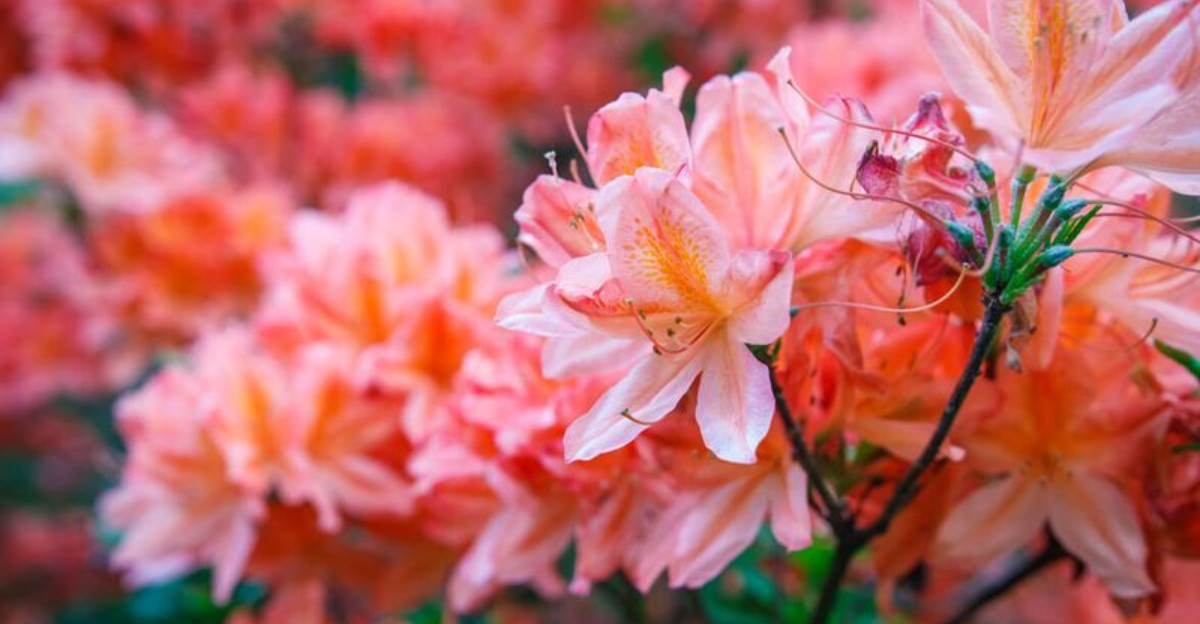
There’s an azalea by the driveway that’s been begging for a haircut all September. Overgrown, a little wild, the kind of shrub that makes shears feel like the obvious next move.
Don’t. That plant already set next year’s flowers weeks ago, hidden in wood that looks completely dormant right now.
Cut now and those buds go straight into the yard waste bin along with the branches. The azalea won’t complain about it either.
No wilting, no stress signs, nothing that flags a mistake happened. Just a bare, flowerless shrub next April while the neighbor’s is loaded with blooms.
Florida’s warm fall tricks people into pruning on a schedule built for colder climates. One wrong cut this month, and spring shows up empty-handed.
1. Stop September Pruning Before Azalea Flower Buds Form
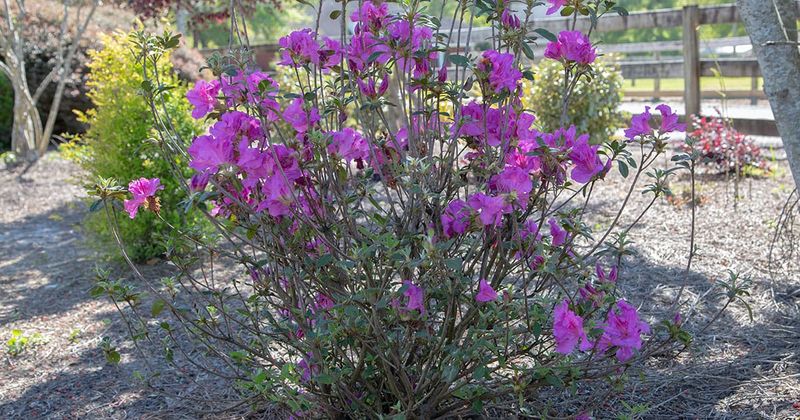
Here is the part most gardeners miss: azaleas plan their spring party months in advance. Flower buds begin forming soon after the spring growth flush, and development continues through late summer into fall.
That means by the time September rolls around, those buds are sitting right at the branch tips. Snip the tips, and you snip the flowers you were hoping to see in March.
For many Florida azaleas, pruning is best finished several weeks before fall so new growth has time to mature and flower buds can develop After that point, every cut carries a cost you will not notice until spring arrives and the bush stays stubbornly green.
The tricky part is that September is when yards look messiest. Summer rain pushes wild growth, branches shoot out at odd angles, and the urge to tidy up gets strong.
Resist it. A slightly shaggy azalea in autumn is a gorgeous azalea in spring, and nobody visits your garden in September anyway.
If a stray branch really bothers you, pinch that one shoot instead of shearing the whole plant. Trading one branch for hundreds of blooms is a fair deal.
Mark your calendar now for next July. Future you, standing in a cloud of pink petals, will send thanks.
2. Trim Azaleas Right After Spring Blooms Fade
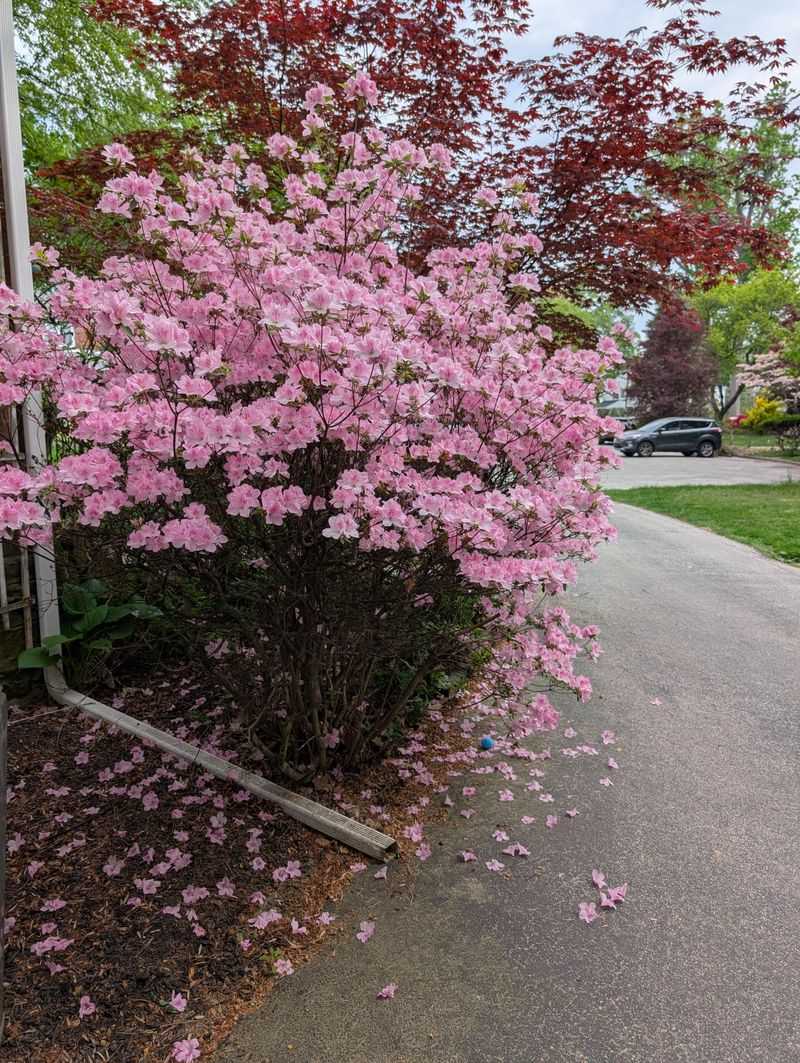
Picture the last faded blossoms dropping onto the mulch in late April. That brown confetti is your starting gun.
The window right after bloom is the friendliest time of year to prune azaleas. Cut then, and the plant has the whole summer to push fresh growth, harden it off, and set new buds before autumn.
Waiting even a few extra weeks shortens that recovery runway. The shrub still regrows, but it may not have enough time to build a full set of buds.
For reblooming varieties that flower more than once, trimming right after the spring show actually encourages a heavier bud set for the later rounds. Those types reward promptness.
Keep the cuts purposeful. Reach inside and shorten leggy stems back to a side branch rather than buzzing the outer shell of the plant.
A good habit is to prune on the same weekend you trim. You are already out there with gloves on, so the work feels like one job instead of two.
Your Florida Garden Changes Every Week. Your Plan Should Too.
Gardening in Florida changes quickly throughout the season. Every Friday you’ll receive a simple weekly plan showing exactly what to plant, prune, fertilize, harvest, and protect so you never miss the right timing.
Water well afterward and the new flush appears within a few weeks, soft green and eager. That tender growth becomes the framework holding next spring’s flowers.
Timing beats technique here. Even sloppy cuts made in May outperform careful ones made in September.
3. Protect Next Year’s Flowers By Pruning At The Right Time
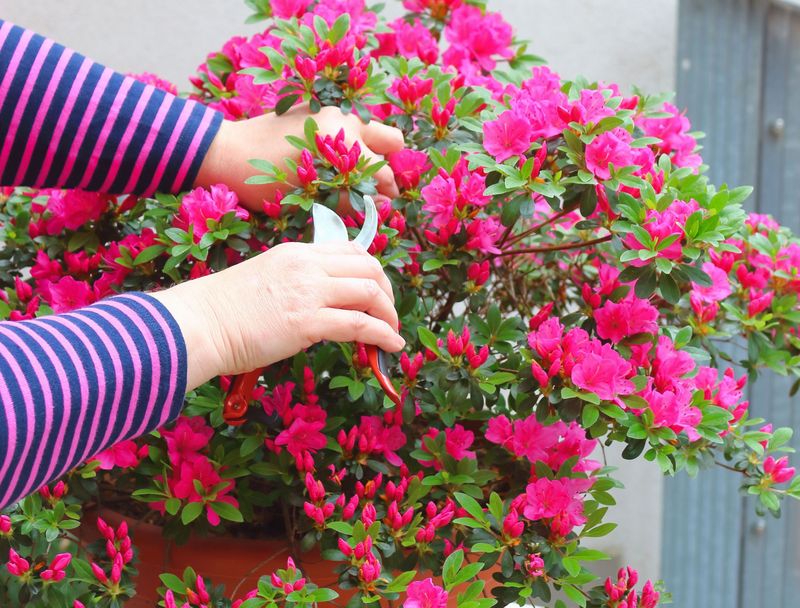
Two identical azaleas planted side by side can put on wildly different spring shows. The difference usually comes down to a date on the calendar, not fertilizer or luck.
Late-season cutting interrupts bud formation or removes buds that already finished developing. What follows is a thin, patchy bloom instead of the solid blanket of color you pictured.
The forgiving window runs from right after the spring flowers fade through late July. Anything inside that stretch gives the plant time to rebuild.
Think of it like a school project with a due date. Work done in June gets finished comfortably, while work started in September runs out of time.
Florida’s long warm season tempts people into thinking the plant can catch up. Warmth helps leaves grow, but bud timing follows day length and the plant’s internal schedule more than temperature.
A simple trick helps: tie a ribbon on the shrub when blooms fade and give yourself a short pruning window after flowering and stop before late summer. Once that ribbon comes off, the shears go back in the shed.
Neighbors will notice the difference next March. Yours will be the yard where the mail carrier slows down to look.
Right timing costs nothing and pays out in petals.
4. Remove Withered Branches Without Losing Future Blooms
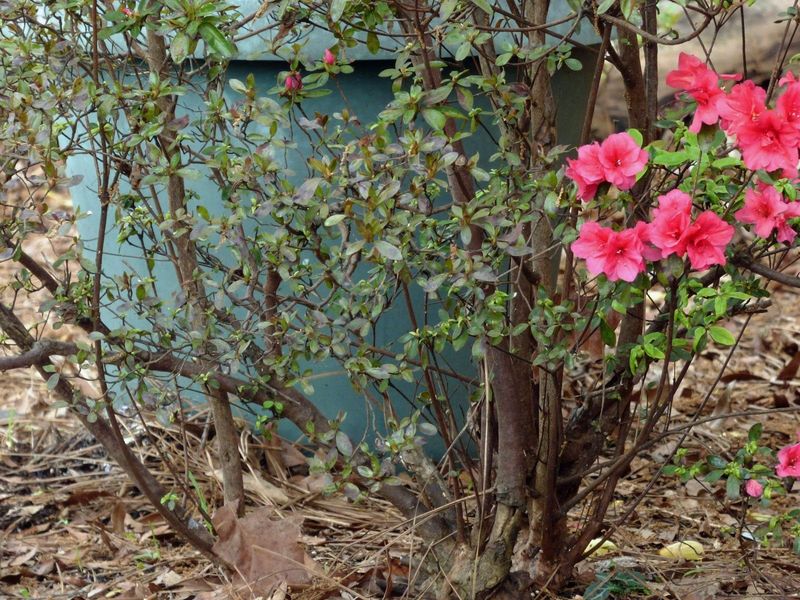
Good news for the tidy-minded: not every cut has to wait for July. Branches that are broken, diseased, or clearly finished can come out whenever you spot them.
Those twigs carry no flower buds worth saving, so removing them costs you nothing in spring color. What you gain is better airflow and a healthier looking plant.
Make the cut just past the damaged section, ideally right above a healthy leaf or node. If the whole branch is shot, follow it back to its origin and remove it there.
Clean tools matter more than people expect. Wiping blades between plants keeps any problems from hitching a ride around the yard.
Florida’s humidity means fungal troubles spread quickly in crowded, damp interiors. Opening up the center of a shrub lets breezes move through and leaves dry faster after afternoon storms.
Walk your beds once a month with small hand pruners in your back pocket. Two minutes of spot cleanup keeps a shrub looking cared for between real pruning sessions.
One caution: it is easy to get carried away. Start with the obvious problem wood, step back, look, then decide whether anything else truly needs to go.
Restraint in fall is what fills the plant with color come spring.
5. Shape Azaleas Early To Keep Their Natural Form
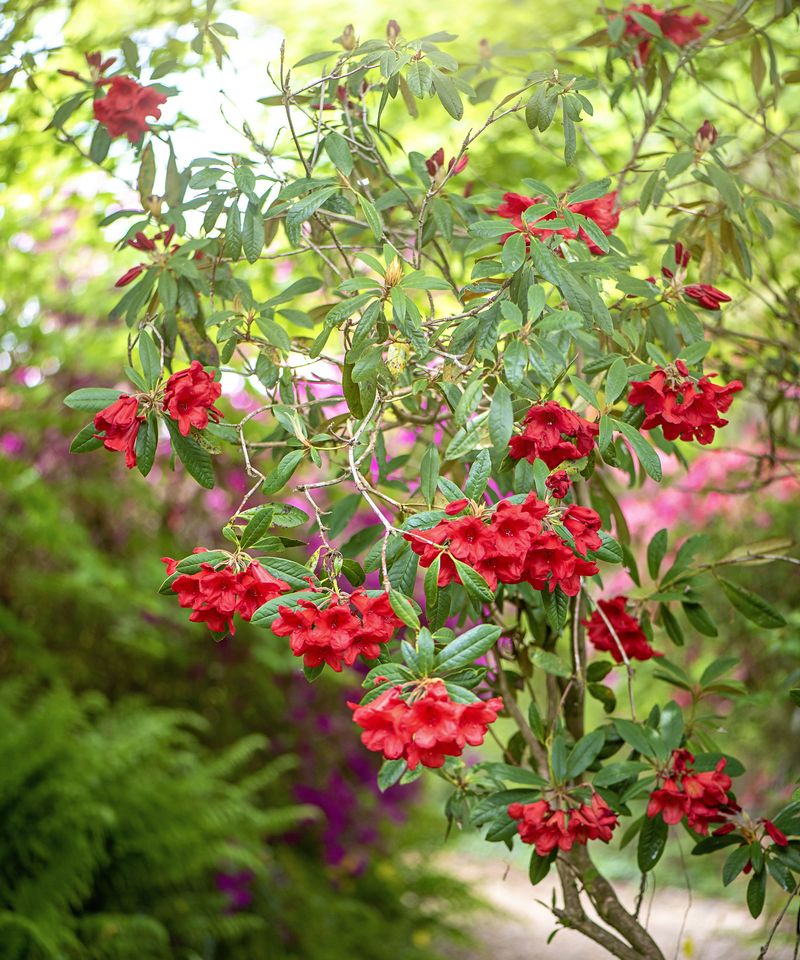
Azaleas were built to look a little wild, with arching stems and soft, irregular outlines. Shearing them into green meatballs fights everything the plant wants to be.
Selective pruning keeps that natural grace. Reach in, choose individual branches, and cut them back to a joint inside the canopy where the stub disappears from view.
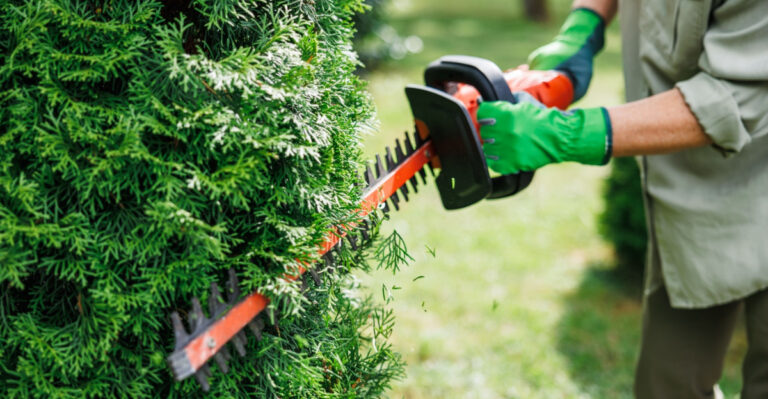
Hedge trimmers do the opposite. They slice every twig at the same height, creating a dense outer shell that shades the interior and leads to uneven, spotty flowering.
Several light touch-ups early in the growing season work better than one heavy chop. Small trims encourage branching low on the plant, which builds fullness from the inside out.
Young shrubs respond especially well. Pinching new shoots during their first couple of summers sets up a compact frame that needs far less work later.
A handy rule: remove no more than about a third of the growth in any single session. Heavy cutting stresses the plant and delays bud formation.
Step back every few cuts and look at the silhouette from where you usually stand, whether that is the driveway or the kitchen window. Shaping is as much about looking as cutting.
Done gently and done early, the shrub keeps its easy, relaxed shape and still blooms generously.
6. Avoid Late Cuts That Remove Hidden Flower Buds
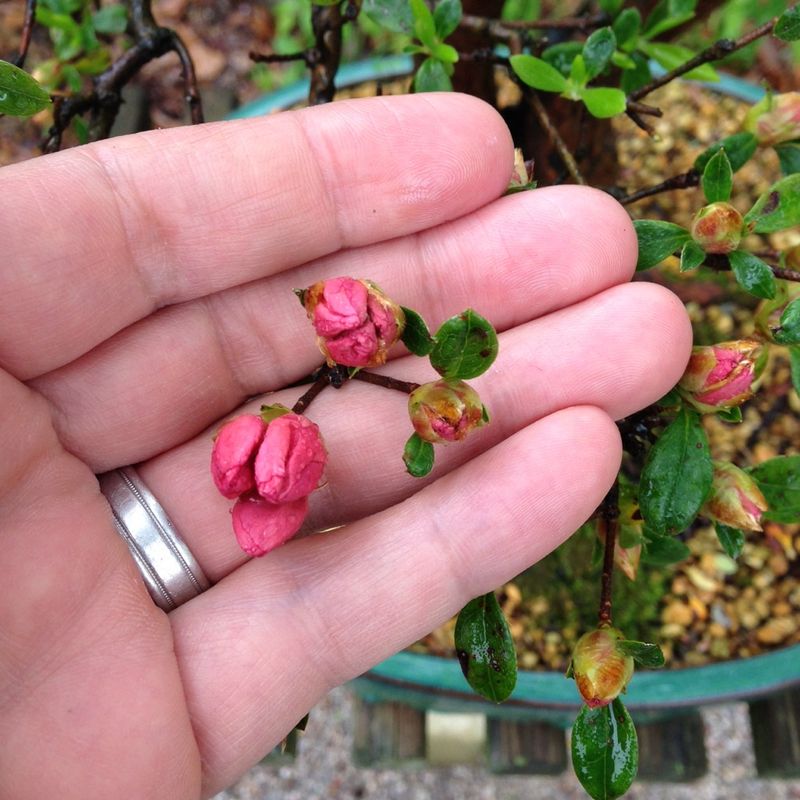
Flower buds hide in plain sight. They sit fat and rounded at the tips of branches while leaf buds stay smaller and more pointed, and most people walk past without noticing either.
Formation generally happens between July and September on Florida azaleas. By the time autumn settles in, the buds are fully present and simply waiting out the cool months.
Any cut after roughly late July raises the odds of taking those buds with the clippings. Cut enough of them and the following March turns disappointingly quiet.
Try this before you prune late in the season: look closely at a branch tip. If you see a plump bud, you are holding next spring’s flower in your hand.
A pruning mistake here does not harm the shrub. The plant keeps growing happily, it just skips its big performance for one year and tries again the next.
Still, one lost season feels long when you have waited all winter. Most gardeners only make the error once.
Store the shears somewhere slightly inconvenient after August. A little friction stops impulse trimming on a pleasant Saturday morning.
Save your energy for weeding and mulching instead. Those tasks help the plant without costing a single bloom.
7. Give Azaleas The Light They Need For Better Blooming
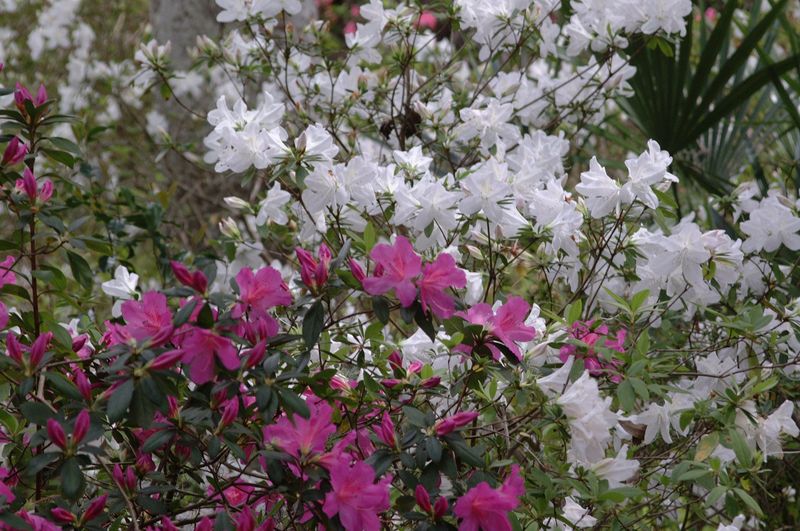
Underneath a stand of longleaf pines is where Florida azaleas look happiest. The high, thin canopy scatters sunlight into soft patches, which is exactly the light these shrubs evolved with.
Full blazing afternoon sun scorches leaves and stresses the plant, especially in July and August. Deep shade causes the opposite problem, producing stretched, thin growth and very few flowers.
Morning sun paired with afternoon shade hits the sweet spot in most yards. East-facing beds and spots on the north side of a live oak often work beautifully.
If an established shrub has stopped blooming well, look up before blaming the soil. Tree canopies thicken over the years, and a bed that was bright a decade ago may now sit in gloom.
Thinning a few overhead limbs can revive a struggling planting. Removing lower tree branches to lift the canopy often brings back enough dappled light to restore flowering.
Some newer varieties tolerate more sun than the old standards, so check the tag when buying. Matching the plant to the site beats fighting the site later.
Light drives bud production more than most people realize. A well-lit shrub sets more buds in summer, which means more color waiting on the branches when spring arrives.
8. Mulch Around Roots To Support Healthy Growth
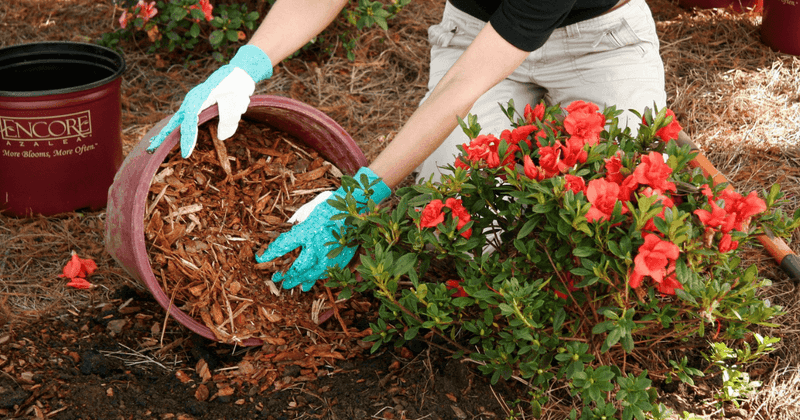
Azalea roots are shallow, fine, and easily annoyed by heat and drought. A blanket of mulch fixes most of what bothers them.
Two to three inches of organic material holds moisture in sandy Florida soil, keeps the root zone cooler, and smothers weeds that would otherwise compete. That is a lot of benefit for a Saturday morning of work.
Pine straw, pine bark, and composted leaves are the top picks around here. As they break down they nudge the soil toward the slightly acidic range azaleas prefer.
Keep the mulch pulled back about five inches from the stems. Piling material against the trunk invites insects, rodents, and rot at the base.
Do not go deeper than three inches either. Thick layers block air from reaching roots and can hold too much water during summer storms.
Refresh the layer once or twice a year, usually in spring and again in fall. Fluffing compacted mulch with a rake helps water soak in rather than run off.
Steady moisture during summer matters enormously, since that is exactly when buds are forming. A shrub that stays evenly watered sets far more buds than one that swings between soggy and parched.
Mulch quietly does that job while you are busy elsewhere.
9. Help Florida Azaleas Return With Bigger Spring Flowers
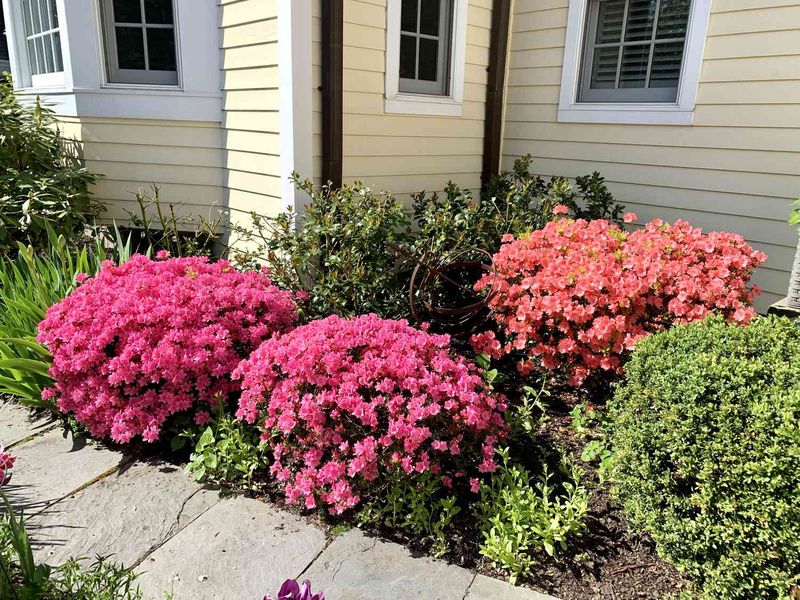
Everything comes together in one glorious week each spring, when a well-tended azalea disappears under its own flowers. Getting there is mostly about stacking small habits.
Prune promptly after bloom, then put the shears away by late July. That single rule does more for flower count than any product on a garden center shelf.
Keep soil moisture steady through the summer bud-setting stretch. Sandy soils dry fast, so a deep soak once or twice a week during dry spells beats daily sprinkles.
Feed with an acid-forming fertilizer shortly after pruning, following the label rate. Sandy ground leaches nutrients quickly, and azaleas respond well to that boost while they are growing new wood.
Clear out weak, shaded-out interior branches so energy flows to the stems that will actually flower. A plant with good airflow and light reaching its middle looks fuller from every angle.
Maintain the mulch layer, watch the overhead canopy, and check soil acidity every few years. Small corrections keep a planting productive for decades.
Then comes the reward. Late winter arrives, buds swell, and one warm afternoon the whole shrub opens at once.
Skip September pruning, stick to the schedule, and that show belongs to you.