The Native Arizona Wildflowers That Only Bloom Big In Spring If You Sow Them Before Thanksgiving
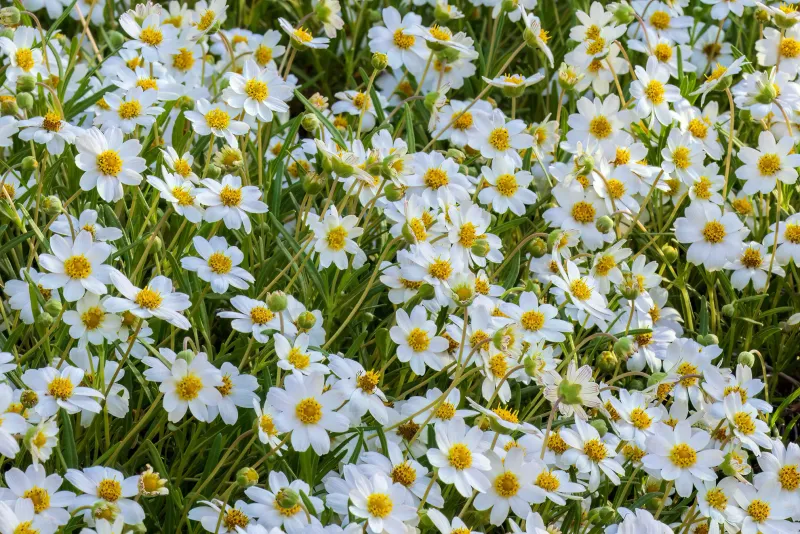
In the low desert, the best spring wildflower shows are planned in the fall, not in March. Seeds tossed out before Thanksgiving get to soak up winter rain and cool nights, which is exactly what they need to sprout strong roots.
Wait until spring, and many of these natives will barely show up before the heat arrives. Here are ten Arizona wildflowers that reward early sowing with big color, busy pollinators, and very little water.
1. Mexican Gold Poppy
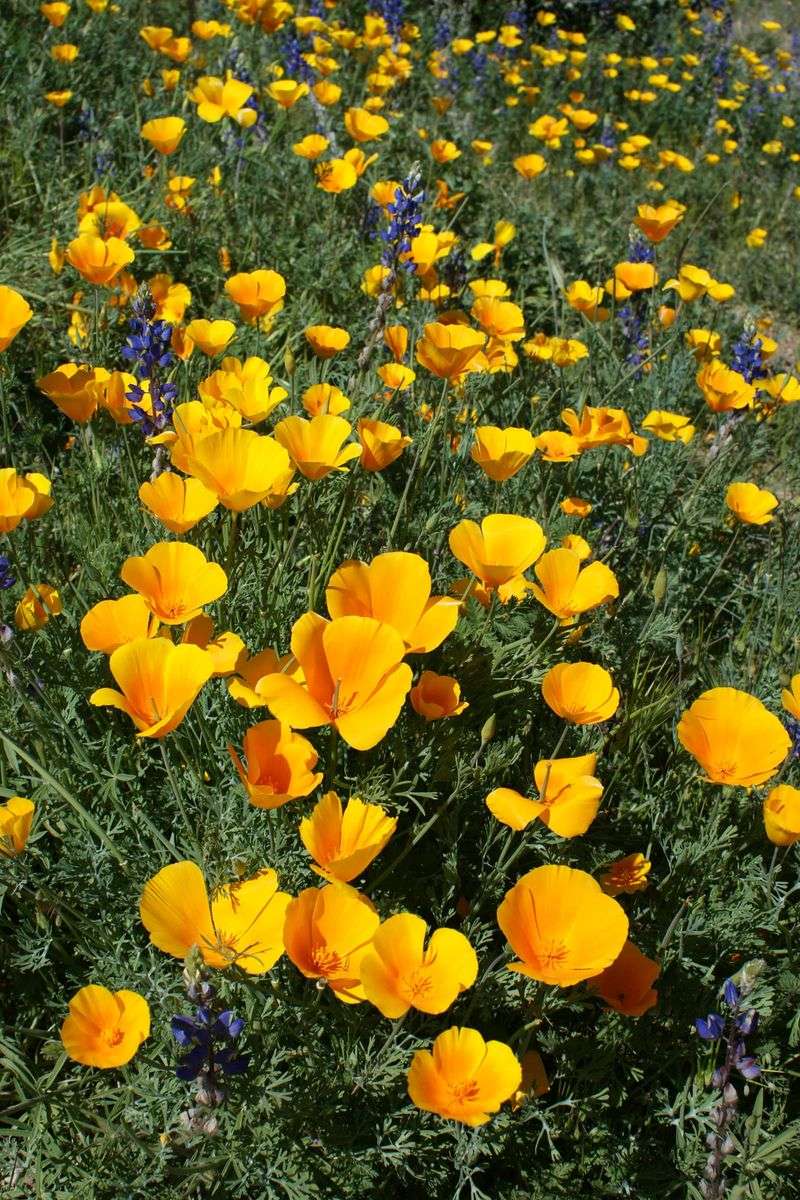
Picture a hillside near Picacho Peak glowing orange in March. That carpet starts months earlier, when tiny poppy seeds settle into the soil during fall rains.
Mexican gold poppy is a winter annual, which means it sprouts in cool weather, grows quietly through December and January, then bursts into bloom when spring warms up. Seeds sown in February often come up weak and fade fast once temperatures climb past 90 degrees.
Sowing in October or November gives each plant time to build a sturdy rosette of blue-green leaves before flowering.
For best results, rake the soil lightly, scatter seeds on bare ground, and press them in with your feet. Water every week or so if winter rains skip a turn.
No fertilizer is needed, and rich soil can actually lead to floppy plants with fewer blooms.
The payoff goes beyond color. Native bees and butterflies work the open, cup-shaped flowers on sunny days, and the ripened seeds feed quail and finches.
Let a few plants dry out and drop seed in late spring, and you may never need to buy another packet. Each year, the patch tends to fill in a little more on its own.
2. Desert Bluebells
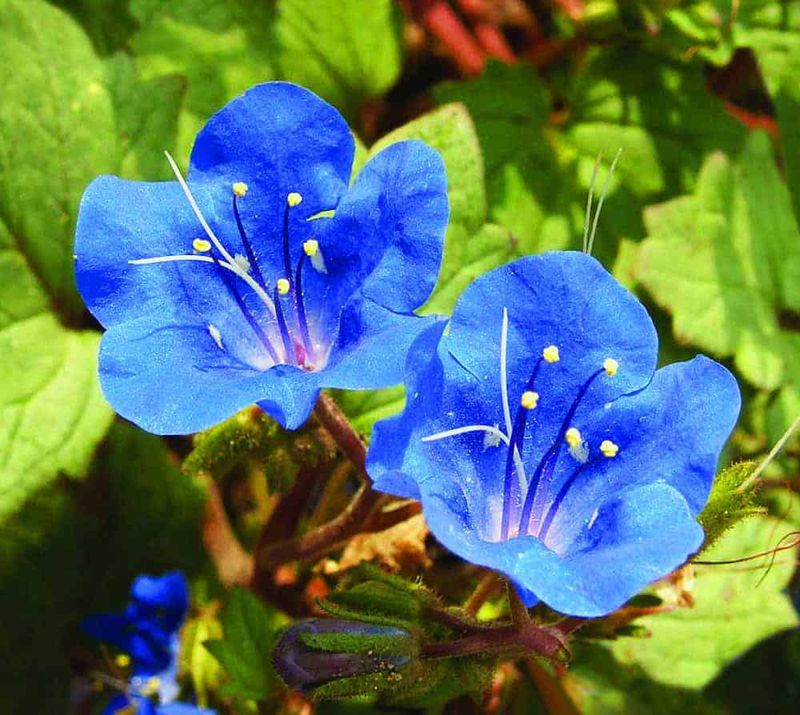
Few colors in the desert stop people in their tracks like the deep cobalt of desert bluebells. Neighbors walking by will ask what that electric blue flower is, and you get to say you planted it back in November.
These little annuals come from the Mojave and Sonoran deserts, where they wait for winter moisture before waking up. Fall sowing matches their natural rhythm.
The seeds need a stretch of cool, damp weather to germinate well, and spring planting rarely gives them enough of it in Phoenix or Tucson.
Plants stay low, usually under a foot tall, which makes them a natural fit along walkways or tucked between boulders. They prefer loose, sandy, well-drained soil and full sun.
Soggy ground is their biggest enemy, so go easy with the hose.
Wildlife loves them too. Native bees crawl right into the bells for nectar, and certain moths use the plants to raise their young.
That makes desert bluebells a small but meaningful piece of a habitat yard.
A quick tip: handling the leaves can irritate sensitive skin for some people, so wear gloves while weeding nearby. Once blooms finish, leave the seed heads to scatter for next year.
3. Arroyo Lupine
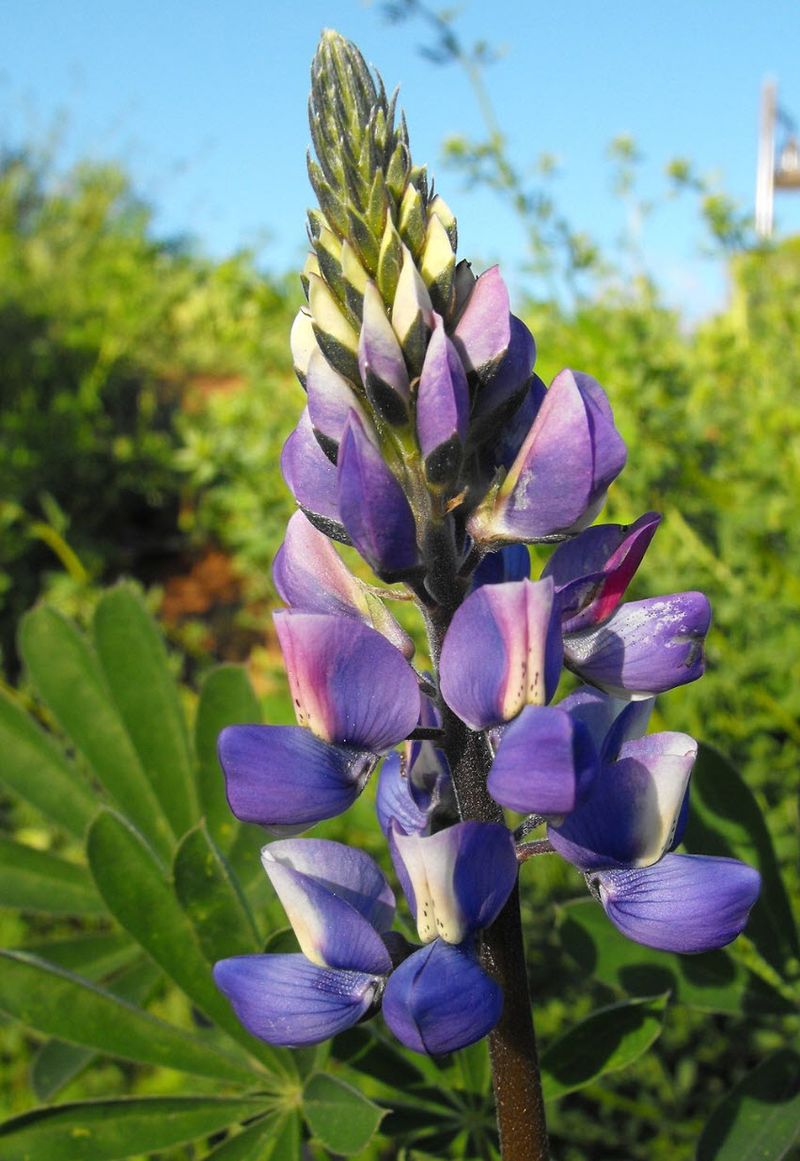
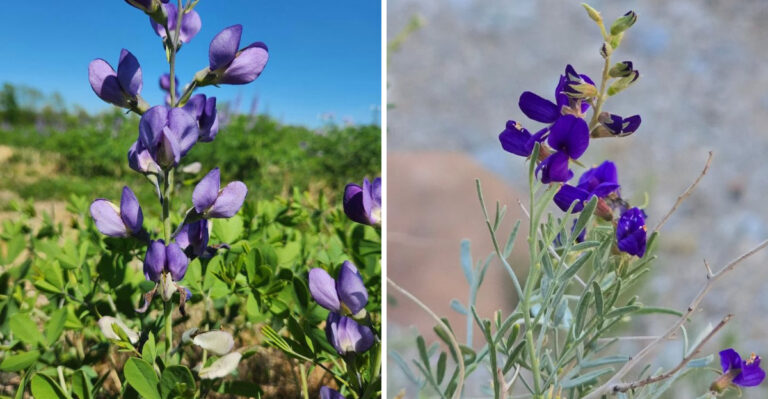
Here is a flower that works for the rest of your garden while it blooms. Arroyo lupine pulls nitrogen from the air and stores it in its roots, quietly feeding the soil around it.
Your Arizona Garden Changes Every Week. Your Plan Should Too.
Gardening in Arizona changes quickly throughout the season. Every Friday you’ll receive a simple weekly plan showing exactly what to plant, prune, fertilize, harvest, and protect so you never miss the right timing.
That talent depends on a long, cool growing season. Lupine seeds have a tough coat, so soak them overnight in warm water or nick them lightly with a nail file before sowing in October or November.
Planted this way, they sprout with winter rains and push up purple and white flower spikes from March through May.
Spring-sown lupine usually runs out of time. The deep taproot needs months to reach down into the soil, and that root is what makes the plant so tough during dry spells later on.
Bees and butterflies visit the spikes all day, and caterpillars munch on the leaves without causing real harm. After flowering, the seed pods feed Gambel’s quail and other ground birds, which can bring lively visitors right into view of your patio.
Plant lupine where it can reseed freely, such as along a dry wash or rock border. Avoid moving it once it sprouts, since that taproot does not like to be disturbed.
4. Parry’s Penstemon
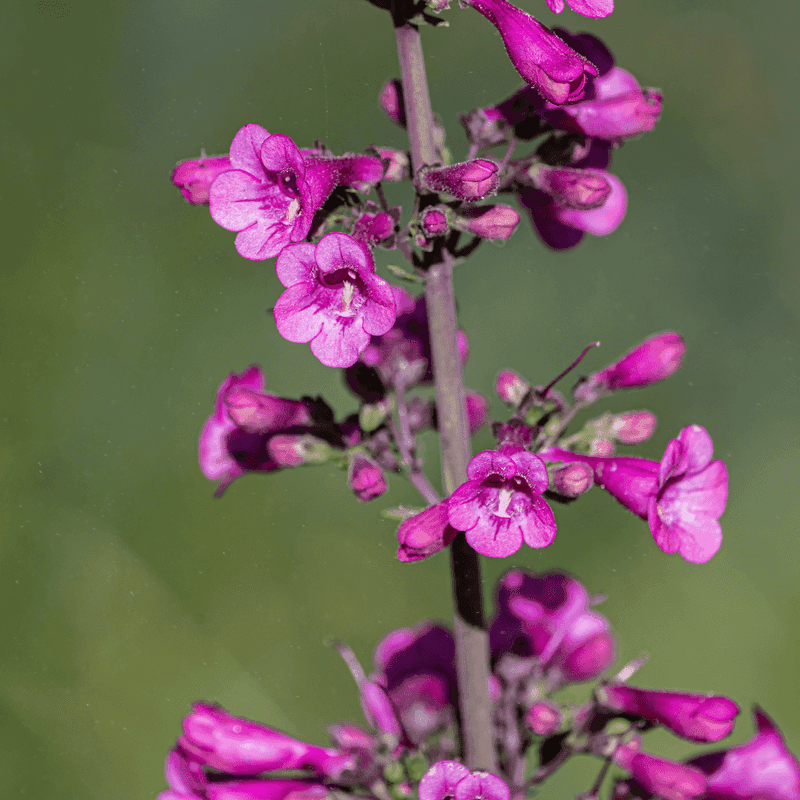
Hummingbird fans, this one is for you. When Parry’s penstemon sends up its tall pink spikes in late winter, hummingbirds seem to find it within hours.
Unlike the annuals on this list, Parry’s penstemon is a short-lived perennial. Still, timing matters.
Seeds sown in fall get the cold, moist spell they need to break dormancy. Fall-planted seedlings also build better roots before summer, which helps them survive their first 110-degree stretch.
Penstemon actually prefers lean, alkaline, rocky soil, so caliche-heavy Arizona yards are no problem. Skip compost and fertilizer.
Too much richness or water can cause root rot, the main reason these plants struggle in landscapes.
The flowers are tubular, perfect for hummingbird beaks, and native bees squeeze inside too. A cluster of three to five plants makes a much bigger statement than a single one, and it gives pollinators a reason to stick around.
Fun fact: the plant is named after Charles Parry, a botanist who explored the Southwest in the 1800s. After bloom, cut back the stalks or let some seed fall.
Volunteer seedlings often pop up nearby the following winter, keeping the show going for years.
5. Owl’s Clover
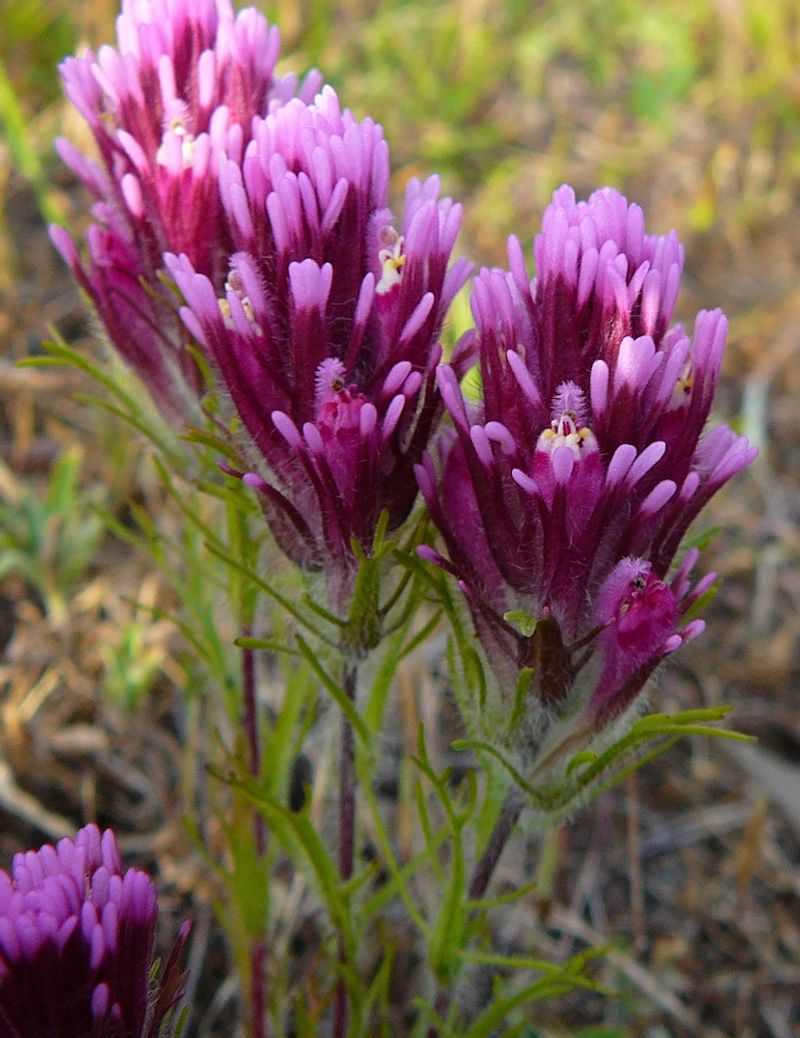
Owl’s clover is a bit of a mystery guest. Its fuzzy magenta spikes look almost like little paintbrushes dipped in pink and yellow, and they light up mixed wildflower plantings from March to May.
The trick with this plant is company. Owl’s clover is a partial parasite, which means it taps into the roots of nearby plants for some of its nutrients.
It still makes its own food, but it grows best when sown alongside other wildflowers like poppies, lupine, or grasses.
That is exactly why fall sowing matters so much. Everything in the mix needs to sprout together during winter rains so roots can connect early.
Seeds scattered in spring tend to come up sparse, if at all.
For pollinators, owl’s clover is a real treat. It ranks as an important early food source for native bees and bumble bees, arriving when many other nectar plants are just getting started.
Plant it in full sun with sandy or gravelly soil and minimal water. Think of owl’s clover as the flower that makes a meadow look wild and natural rather than planted.
Its blend of colors adds depth that solid patches of one bloom cannot match.
6. Desert Marigold
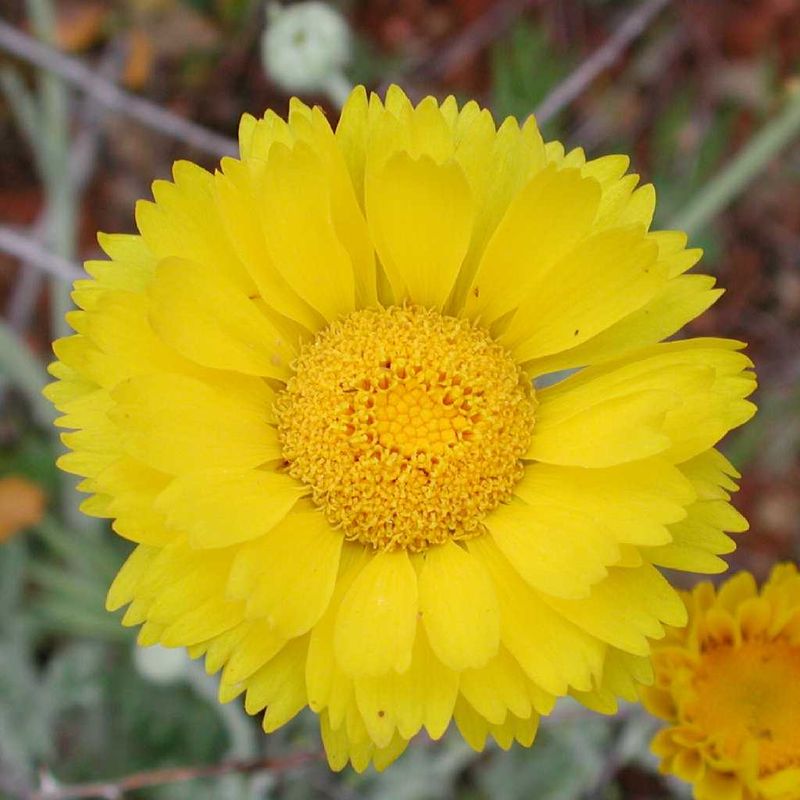
If you have driven Arizona highways in spring, you have seen desert marigold waving from road shoulders. Something that thrives next to hot asphalt is clearly built for tough conditions.
Desert marigold can bloom from spring well into fall, but the big first flush comes from seeds sown in autumn. Fall-sown plants form fuzzy silver mounds over winter, then cover themselves in sunny yellow daisies by March.
Spring-sown seeds usually flower later and lighter.
The plant is a garden helper, too. Its flowers draw hoverflies, small beneficial insects whose young may help keep aphids in check.
Native bees and butterflies visit steadily, giving your yard a busy, buzzing feel.
Care could not be simpler. Give it full sun, well-drained or rocky soil, and occasional water during long dry spells.
Overwatering shortens its life, so treat it as a plant that likes being left alone.
One caution: desert marigold can be harmful to livestock that graze on it, so it is best kept out of pastures. In a home yard, it makes a cheerful, low-water border plant that reseeds generously, filling bare spots with fresh color year after year.
7. Globemallow
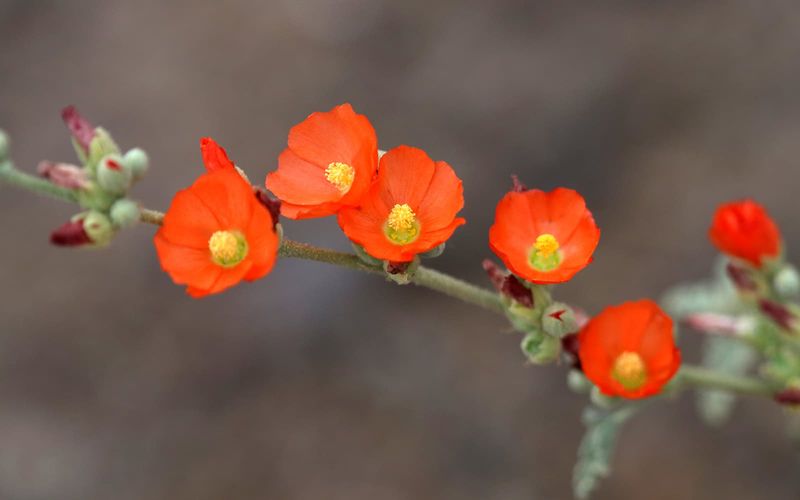
Globemallow is the workhorse of the desert flower bed. Its apricot-orange cups seem to bloom nonstop in spring, and they come in pink, red, lavender, and white too.
Although it is a perennial, globemallow responds best to fall seeding. Cool-season moisture helps seeds germinate, and young plants spend winter growing roots.
By spring, they are ready to flower heavily, then keep blooming here and there through summer and fall.
Look closely at the leaves and you will see a soft silvery coating. That fuzz reflects harsh sunlight and helps hold in moisture, a clever trick for surviving Phoenix summers on very little water.
Once established, globemallow often gets by on rainfall plus an occasional deep soak.
Pollinators adore it. Specialist native bees, sometimes called globemallow bees, depend on these flowers, and hummingbirds and butterflies stop by regularly.
It is an easy way to support local wildlife with a single plant.
Give it room, since mature plants can reach three feet wide. Prune it back by about a third in late summer to keep it tidy.
Keep in mind that the fuzzy leaves can irritate skin and eyes, so gloves are smart when trimming.
8. Brittlebush
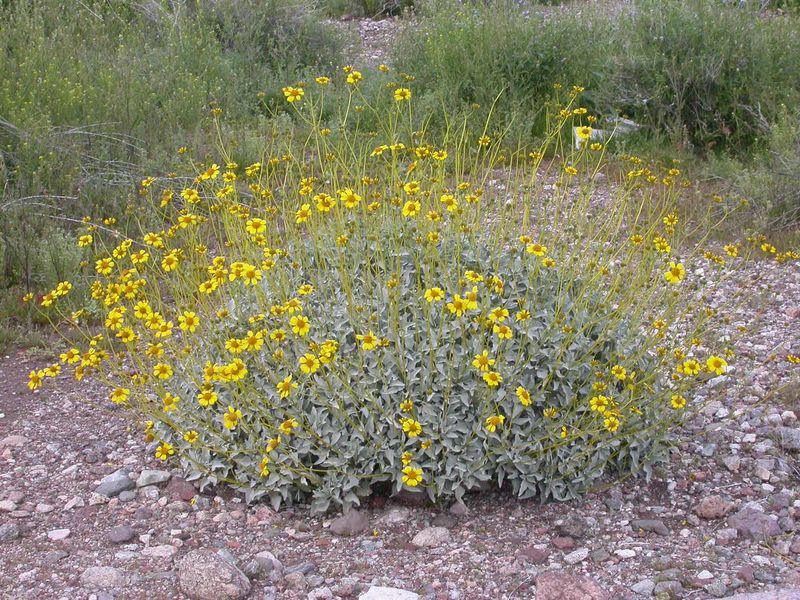
Every spring, the hills around Phoenix turn yellow almost overnight. Much of that glow comes from brittlebush, a rounded shrub that covers itself in daisies above silver leaves.
Seeds sown in fall have the best shot at becoming those big, flower-packed mounds. Winter rain helps them sprout and settle in.
Young plants then have months of mild weather to grow before the first blast of summer heat arrives.
Brittlebush also earns its spot as habitat. Its dense branches give lizards, quail, and small birds a place to hide, and finches pick at the seeds after bloom.
Bees and butterflies crowd the flowers in March and April.
Here is a neat history bit: early Spanish missionaries reportedly burned the plant’s sap as incense, which is why it is sometimes called incienso. The resin was also used as a natural glue.
Don’t panic if brittlebush drops leaves in June. That is its way of saving water during extreme heat.
Monsoon rains or cooler fall weather usually bring fresh growth right back. Trim lightly after blooming to keep it compact, and water deeply about once a month in summer once it is established.
9. Blackfoot Daisy
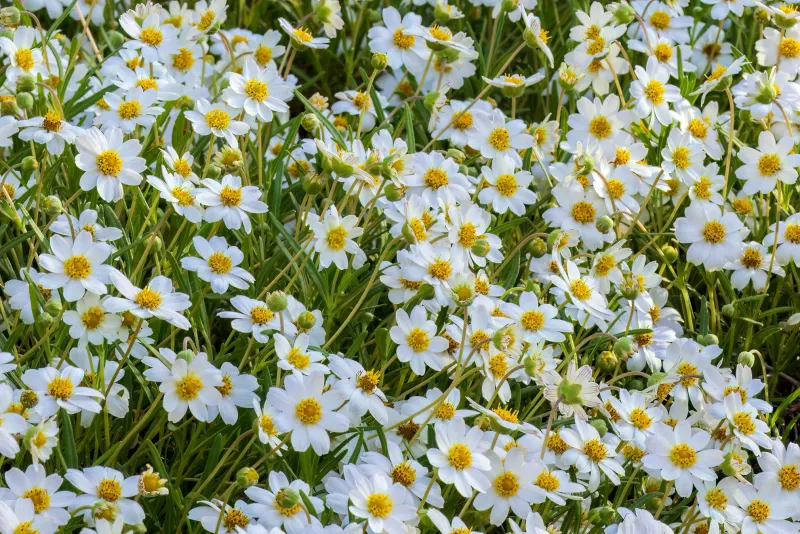
Lean in close to a blackfoot daisy on a warm afternoon, and you will catch a sweet, honey-like scent. It is a small surprise from a plant that looks so humble.
Blackfoot daisy forms low, tidy mounds covered with white petals and golden centers. It can flower from spring all the way into winter, but fall-sown seeds produce the strongest spring start.
The cool season helps seedlings anchor themselves in rocky ground, where they truly shine.
This daisy is made for the hardest spots in your yard. Think hot corners near a driveway, gaps between flagstones, or the edge of a gravel bed.
It handles reflected heat and poor soil, and it rarely needs fertilizer.
Bees and butterflies stop by for nectar, while small birds pick at the seeds. Rabbits and deer usually leave it alone, which is a nice bonus in neighborhoods near open desert.
The biggest mistake people make is giving it too much water or rich soil. Blackfoot daisy prefers to be a little neglected.
Plant it in a spot with excellent drainage and it can stay neat and flowering for several years.
10. Desert Lupine
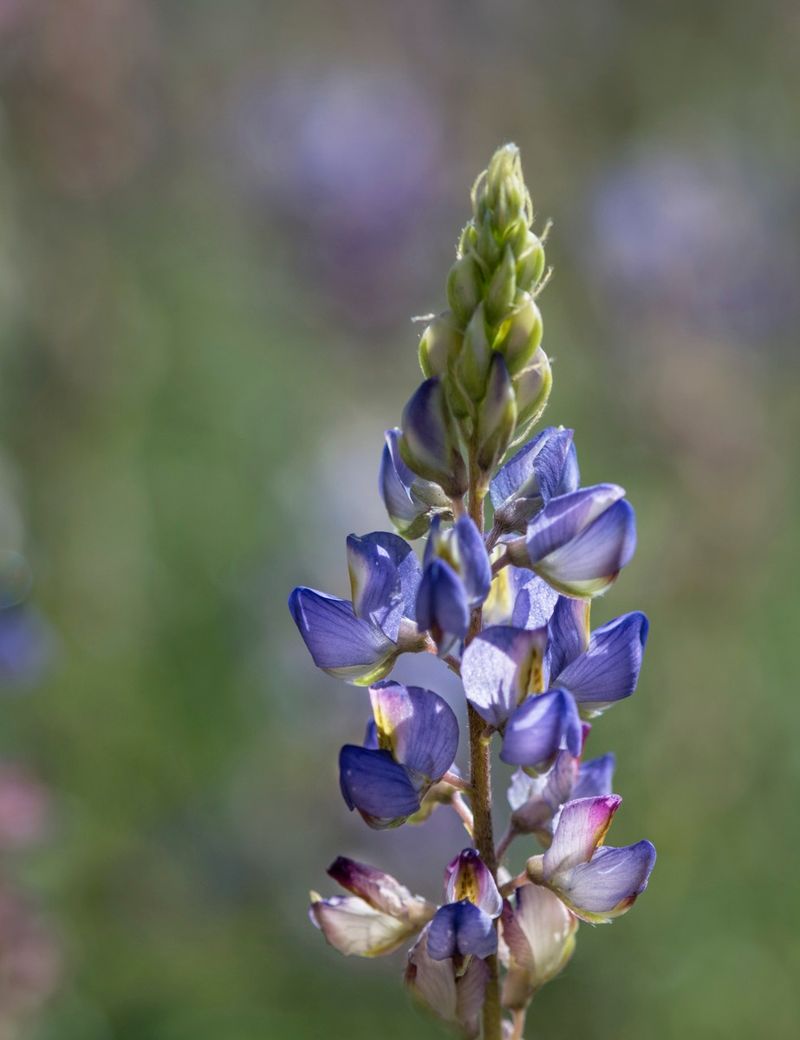
Want a smaller, tougher cousin of arroyo lupine for the driest parts of your yard? Meet desert lupine, Lupinus sparsiflorus, a native annual found across low-desert washes and roadsides.
Its blue-violet flower spikes stand only about a foot tall, making it perfect for mixing with poppies. In fact, the classic Arizona spring scene of orange poppies and purple lupine often features this exact pairing.
Sow both together in October or November for that picture-postcard look.
Like other lupines, the seeds have a hard shell. A quick overnight soak helps them absorb water and sprout during winter rains.
Without that cool, wet stretch, germination drops sharply, which is why spring sowing so often disappoints.
Desert lupine handles poor, sandy soil better than many flowers because it fixes its own nitrogen. That means you can skip fertilizer completely.
Light watering during dry winter weeks is usually enough.
Bees are the main visitors here, especially bumble bees and native ground-nesting species. After bloom, the pods snap open and fling seeds several feet away.
Leave the plants standing until pods dry, and next winter you will likely find new sprouts scattered across the bed.