Indiana Lawns Have A Hidden Pest Problem Right Now And Most Owners Miss It
Tug on a patch of your grass near the mailbox and watch what happens next. Nothing holds it down, and that loose, lifeless feel means trouble has already moved in below your feet.
Underneath every inch of soil you’re standing on, something has been feasting for weeks. Your dog probably noticed before you did, sniffing at those small craters scattered near the mailbox.
Grass across Indiana yards that should be thick and green instead turns brittle, patchy, and strangely thirsty no matter how much water you give it. Even careful watering can’t fix a problem that started beneath the roots themselves.
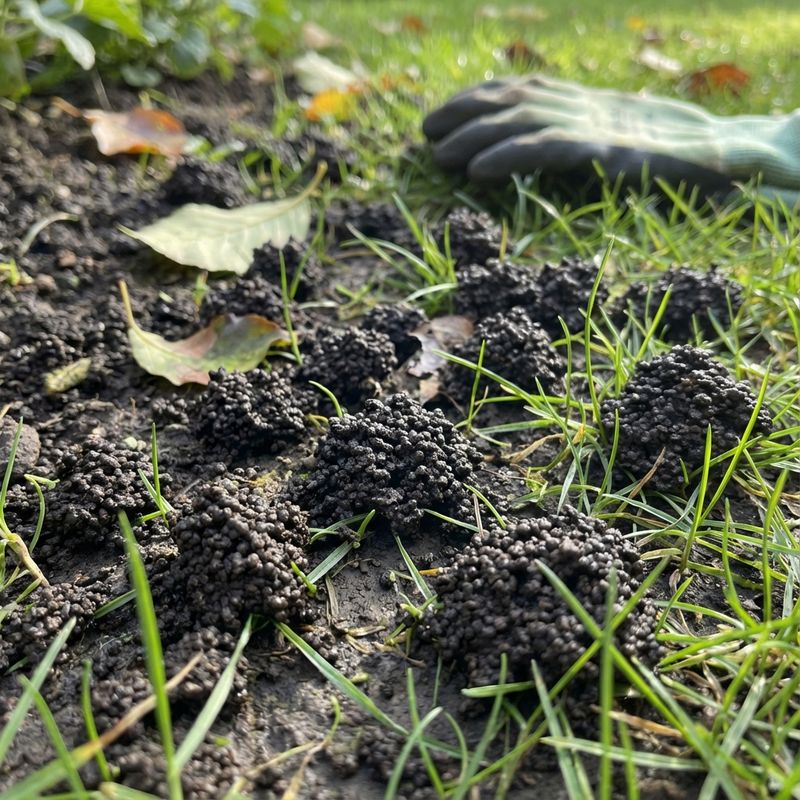
Skunks and raccoons seem to know something you don’t, tearing up sections of turf after dark. Crows and starlings peck at the same spots by daylight, drawn to a meal hiding just below the blades.
By the time you notice the brown patches, whatever is under there has already been feeding for weeks, and confirming your suspicion might be the most satisfying part of your whole week.
Japanese Beetle Grubs Beneath Your Turf
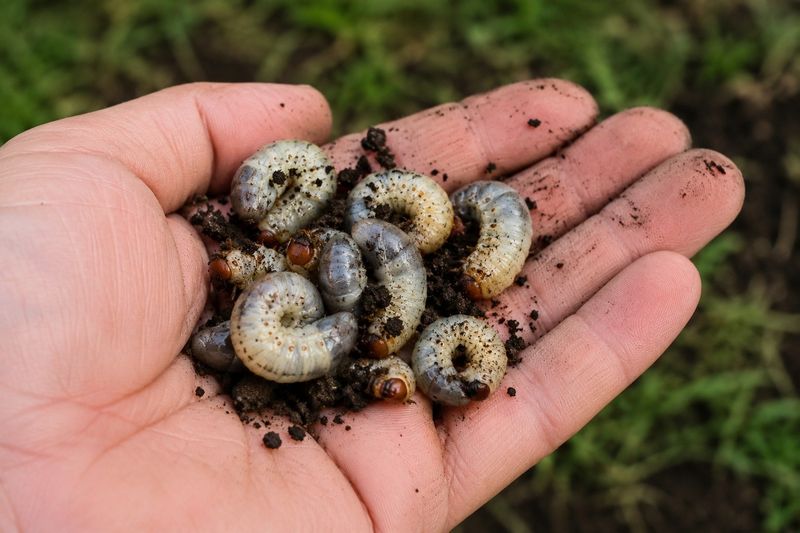
Those brown patches spreading across Indiana yards this month often have nothing to do with heat. The real troublemakers are Japanese beetle grubs, chewing roots a couple of inches below the surface.
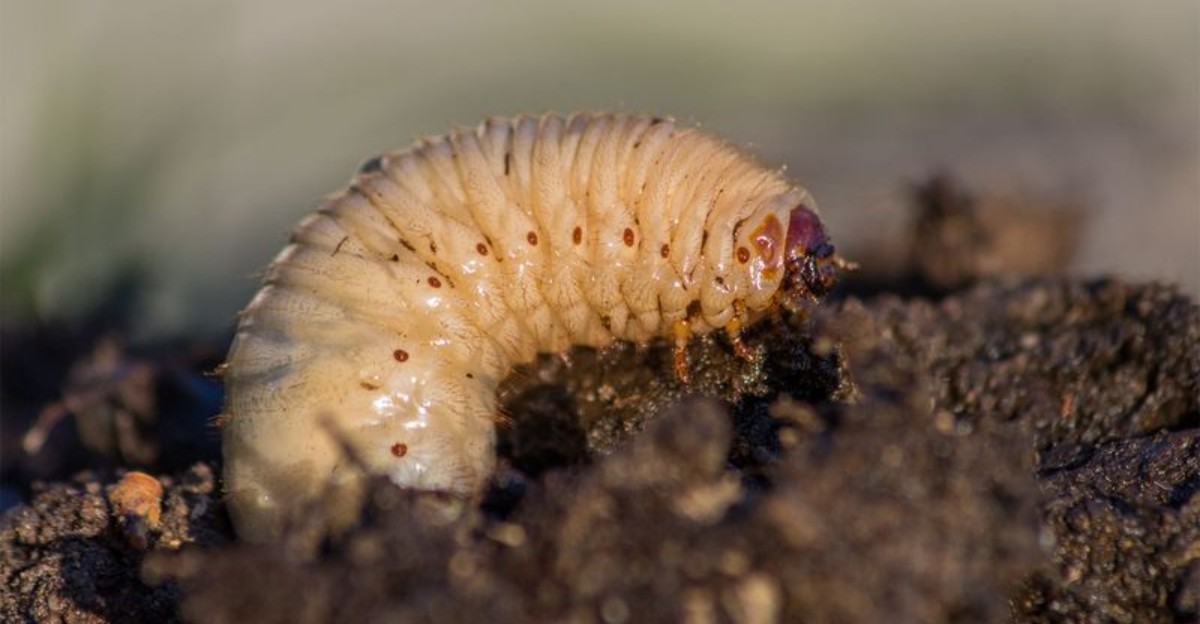
Each grub is shaped like the letter C, with a creamy white body and a tan head. Full-grown ones reach about an inch long, roughly the size of a fat paperclip.
Grass depends on its roots for water and food. Once grubs eat those roots, the blades above ground turn tan and brittle, even with plenty of rain.
Indiana lawns full of Kentucky bluegrass and tall fescue are favorite targets. Those cool-season grasses have dense, tender roots that grubs find hard to resist.
A quick tug test tells the story fast, and it takes about five seconds. Damaged sod lifts up like a loose rug because nothing is anchoring it to the soil anymore.
Fun fact for trivia night: these beetles first showed up in New Jersey in 1916, hitchhiking on plant shipments. They reached Indiana decades later and have happily settled into our lawns ever since.
Wildlife often spots the trouble before people do. Skunks and raccoons rip up turf at night, while crows and starlings peck holes by day.
So if your yard looks thirsty but water does not help, look down instead of up. The answer is probably wiggling in the dirt.
A September Feeding Frenzy Below The Surface
Mark September on your lawn calendar in bright red marker, maybe with a frowny face. Right now, Japanese beetle grubs are at their hungriest, and Indiana turf is paying the price.
Their story starts back in early summer, when shiny green adult beetles munch on roses and linden trees. Females then slip into the grass during July and August to lay their eggs.
Each female can lay around 40 to 60 eggs over her short life. Tiny grubs hatch within about two weeks and start chewing on roots right away.
Your Indiana Garden Changes Every Week. Your Plan Should Too.
Gardening in Indiana changes quickly throughout the season. Every Friday you’ll receive a simple weekly plan showing exactly what to plant, prune, fertilize, harvest, and protect so you never miss the right timing.
By late August, those babies have grown plump and powerful. September brings the heaviest root feeding of the whole year, so brown spots can spread quickly.
Hot, dry weather in early fall makes the damage show up even faster than usual. Grass that is already stressed has no extra roots to spare.
Think of the grubs like teenagers raiding a fridge after school. They eat constantly, grow fast, and leave a mess behind for somebody else to clean up.
Once October cools the ground, the grubs burrow deeper to spend winter below the frost line. They wake up in spring, nibble a little more, then turn into beetles by June.
That schedule makes this month your best shot at catching grubs near the surface. Wait too long, and they slip out of reach until next year.
The Drought Mistake Most Homeowners Make
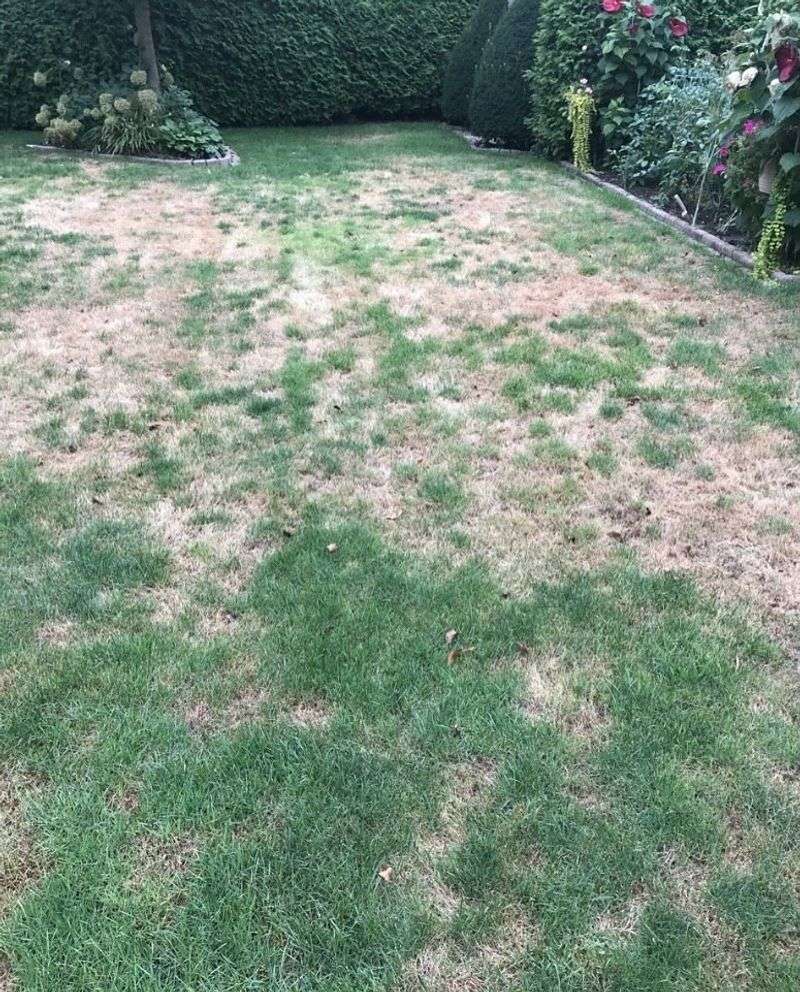
One Carmel homeowner ran a sprinkler every evening for two straight weeks last September. The brown patch in the front yard kept growing, and so did the water bill.
Mistaking grub damage for drought is the most common slip Indiana lawn owners make. Both problems look alike from the porch, with faded, straw-colored grass in uneven spots.
The difference hides underground, right where most people forget to look. Thirsty grass still has healthy roots, so it bounces back within days once it gets a good soaking.
Grub-damaged grass has no roots left to drink with. Pouring more water on top is like offering a milkshake to someone without a straw.
Some folks reach for fertilizer next, hoping a boost will green things up. Sadly, feeding the grass does nothing when the grubs are still chewing below.
Extra water can even help the pests in a sneaky way. Beetles prefer moist, green lawns for laying eggs, so soggy summer yards often end up with more grubs.
Before you drag out the hose again, grab a shovel and peek beneath the sod. Five minutes of digging can save weeks of wasted effort and money.
Cut a square flap of turf about one foot wide and three inches deep, then fold it back. Count the grubs you see, because the number tells you what to do next.
Fall Treatments That Actually Work
Ten is the magic number to remember when you count grubs this fall. Purdue experts suggest treating only when you find about ten or more per square foot.
Fewer than that, and healthy grass can usually outgrow the damage on its own. More than that, and it is time to act before October arrives.
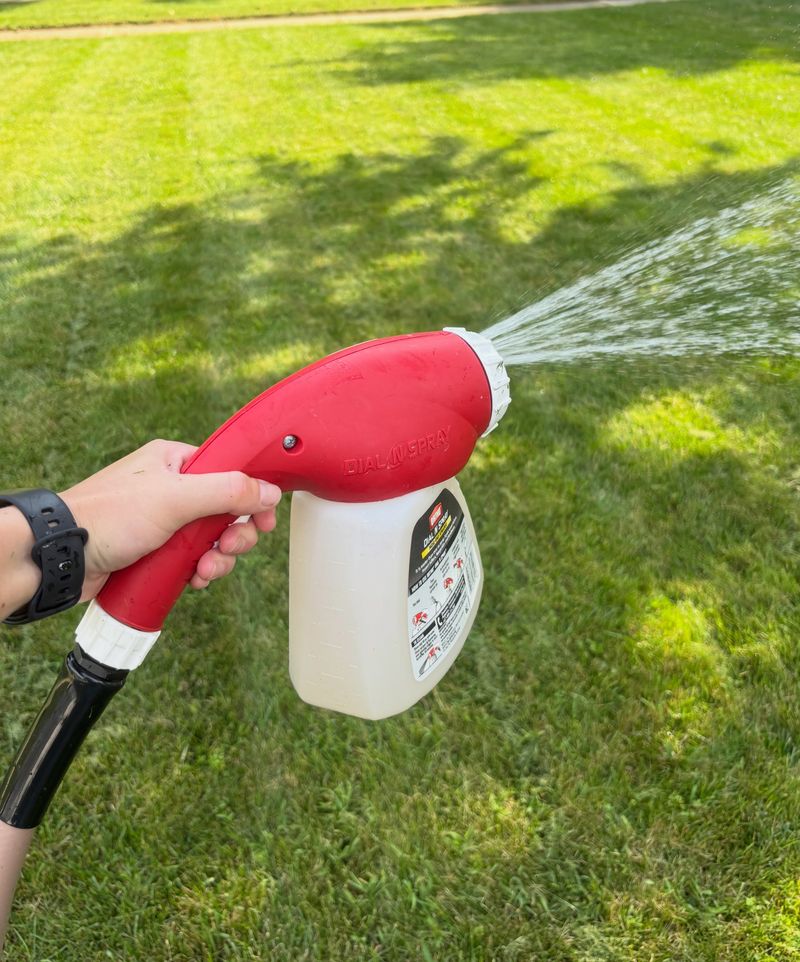
For quick results, look for a curative grub product containing trichlorfon or carbaryl at your local garden center. These work fast on large, actively feeding grubs, which is exactly what September brings.
Water the lawn lightly the day before you treat so the grubs stay near the top. Afterward, soak in the product with about half an inch of water.
Skipping that watering step leaves the treatment stuck in the grass blades. The grubs below will keep munching away like nothing ever happened to their buffet.
Prefer a greener route for your family and garden? Beneficial nematodes are microscopic worms that hunt grubs, and they work best in moist soil during late summer evenings.
Look for the species Heterorhabditis bacteriophora, which targets Japanese beetle grubs well. Keep the soil damp for a week after applying so the tiny helpers can travel.
Whatever you choose, read the label carefully and keep kids and pets off the lawn until it dries. Safety matters just as much as green grass, especially with curious toddlers around.
Lawn Recovery After The Grubs Are Gone
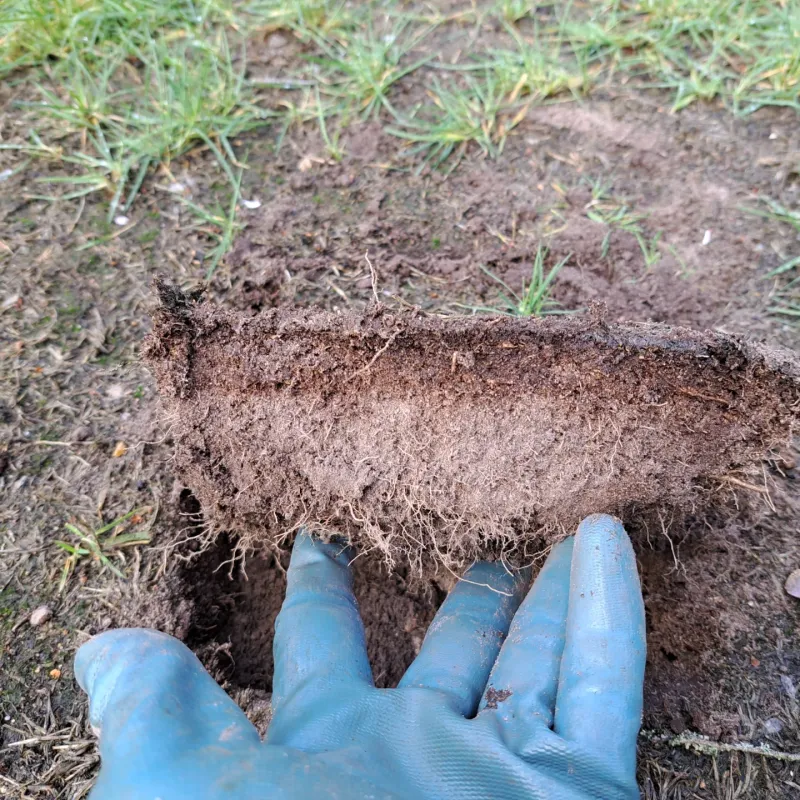
Good news arrives faster than you might expect once the grubs are under control. Grass is surprisingly tough, and September happens to be the best planting month in Indiana.
Start by raking away the loose, brown turf that hungry grubs left behind. It should pull up easily, almost like peeling a sticker off a notebook.
Loosen the bare soil with a rake so new seed has somewhere cozy to land. A thin layer of compost gives young roots an extra snack.
Choose a seed that matches the rest of your lawn, like tall fescue or Kentucky bluegrass. Spread it evenly, then press it into the soil with your feet or a roller.
Keep the seeded spots damp with light, daily watering for the first two or three weeks. Tiny green sprouts usually pop up within ten days, which feels like a small victory.
Cool nights and warm soil in early fall give new grass the perfect growing conditions. Weeds slow down too, so your fresh seedlings face much less competition for space.
Try to finish seeding by early October for the strongest, thickest results possible. That timing gives roots enough weeks to settle in before the first hard freeze.
By Thanksgiving, those patched areas can blend right in with the rest of the yard. Next spring, you may struggle to remember where the brown spots even were.
Next Summer’s Defense Against Beetle Swarms
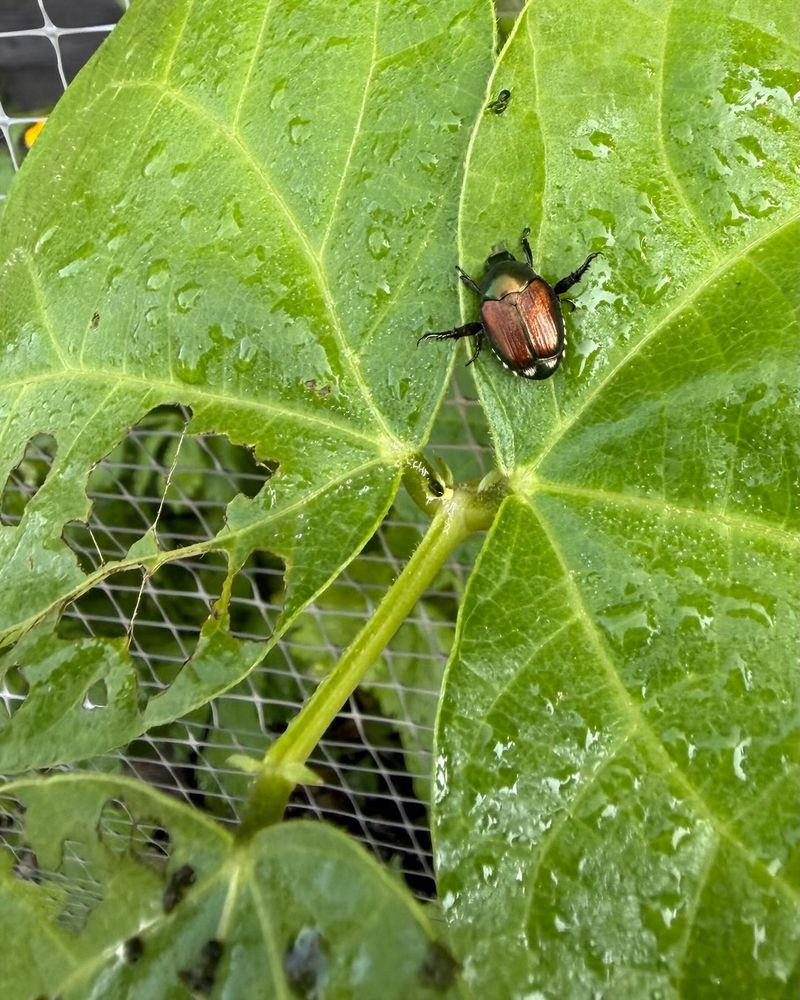
Here is a sneaky secret from lawn pros: the best time to stop next fall’s grubs is next summer. Preventing a problem costs less time, money, and stress than fixing one.
Preventive grub products containing chlorantraniliprole can be applied anytime from April through July. They sit quietly in the soil and stop baby grubs soon after they hatch in summer.
Another option, imidacloprid, works best when applied in June or early July. Either way, water it in so it reaches the root zone where grubs feed.
Those yellow beetle traps sold at hardware stores seem helpful, but they can backfire. Studies show they often attract more beetles to your yard than they actually catch.
Mowing height matters more than most people think, especially in late summer heat. Set your mower to about three or three and a half inches so grass grows deeper, sturdier roots.
Deep roots can handle a little nibbling without turning brown. Watering deeply but less often in summer also makes your lawn less inviting to egg-laying beetles.
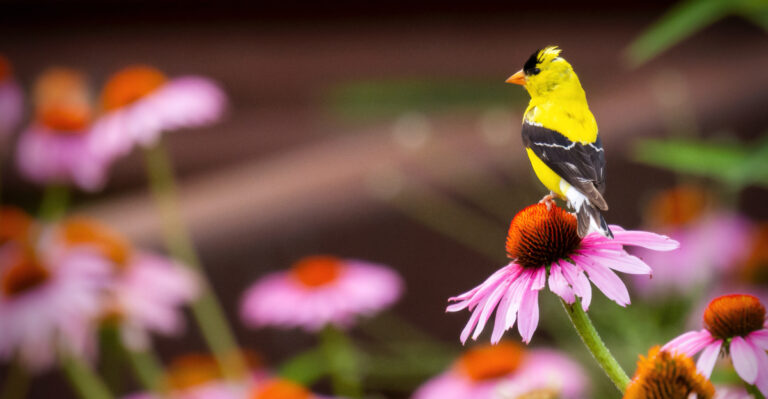
Birds can be terrific allies in the grub fight, too. A backyard feeder or birdbath invites starlings and robins that happily snack on grubs near the surface.
Jot a reminder on your phone for next June right now. Future you will be thrilled to skip another September of brown patches and skunk craters.