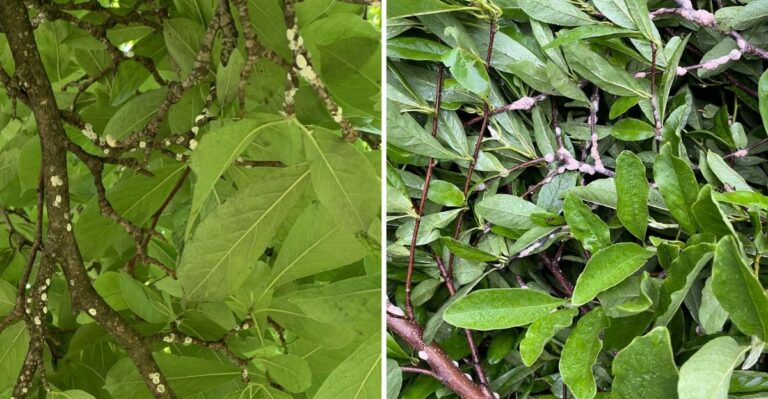
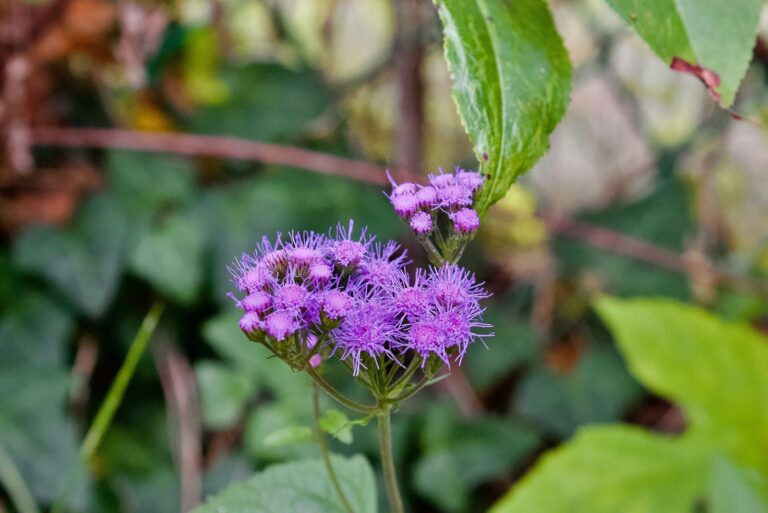
The Most Underrated Ohio Perennial That Repels Deer, Ticks, And Rabbits Naturally
Most Ohio perennials pull one job. They bloom, they fill space, they look good for a season.
The ones worth building a garden around do something more. One Ohio native has been quietly doing several things at once for anyone paying close enough attention.
Deer pressure, tick habitat, rabbit damage. Three separate problems that send Ohio gardeners reaching for three separate solutions.
This perennial addresses all of them through the same mechanism. A scent so strong that the animals causing the most damage want nothing to do with it.
It is not a new discovery. Gardeners who know it tend to plant more every year.
The ones who have not found it yet are solving problems the hard way that this plant handles on its own. Tough, native, pollinator-loved, and useful in ways most perennials never come close to matching.
1. Plant Mountain Mint Where Deer Pressure Is A Problem
A chewed-down flower bed is one of the most frustrating sights in a home landscape. Deer move through yards on a regular schedule, and tender perennials often take the hardest hits.
Choosing plants with strong scent and firm, aromatic foliage can shift the odds in your favor.
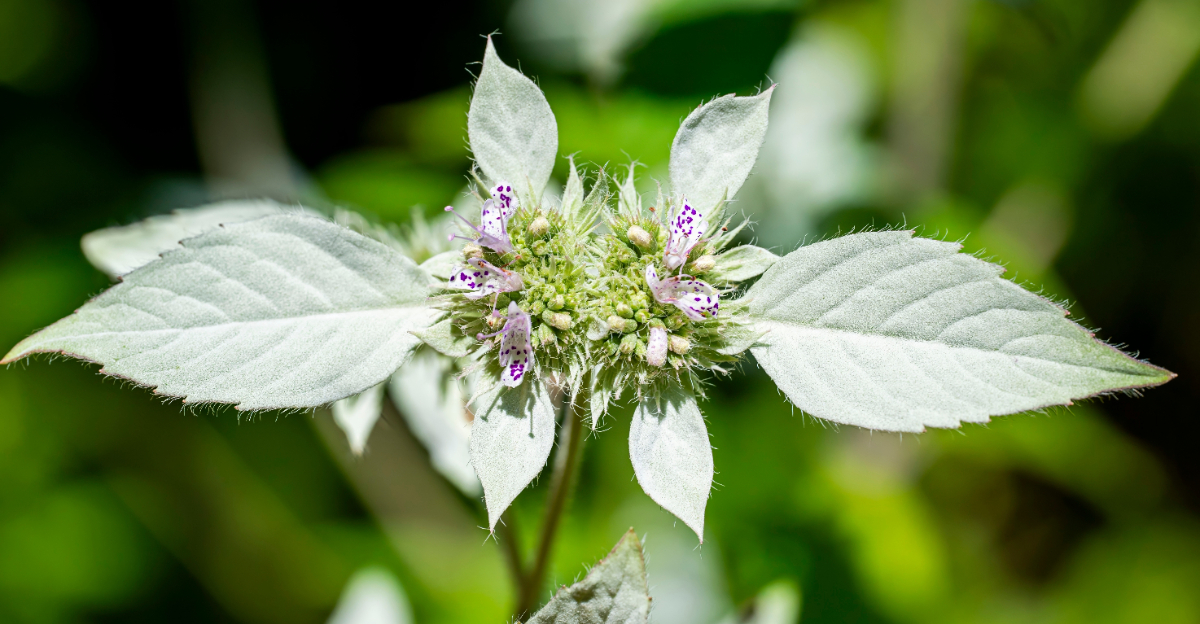
Mountain mint, particularly species like Pycnanthemum virginianum and Pycnanthemum tenuifolium, is native to this state and brings a sharp mint-family scent that many deer find unappealing.
The Ohio State University Extension notes that aromatic herbs and native plants with strong volatile oils are generally less preferred by deer.
That does not mean deer will never sample mountain mint, especially when food is scarce in late summer or early fall.
Planting mountain mint in spots where you have already lost other perennials to deer browsing is a smart move. Place it along sunny borders, open fence lines, or the front edge of a garden bed.
Pairing it with other less-preferred natives builds a planting that is harder for deer to want. Think of it as stacking the deck rather than building a wall.
Consistent plant choices over time can reduce how often deer linger in your beds.
2. Use Its Strong Scent To Discourage Casual Browsing
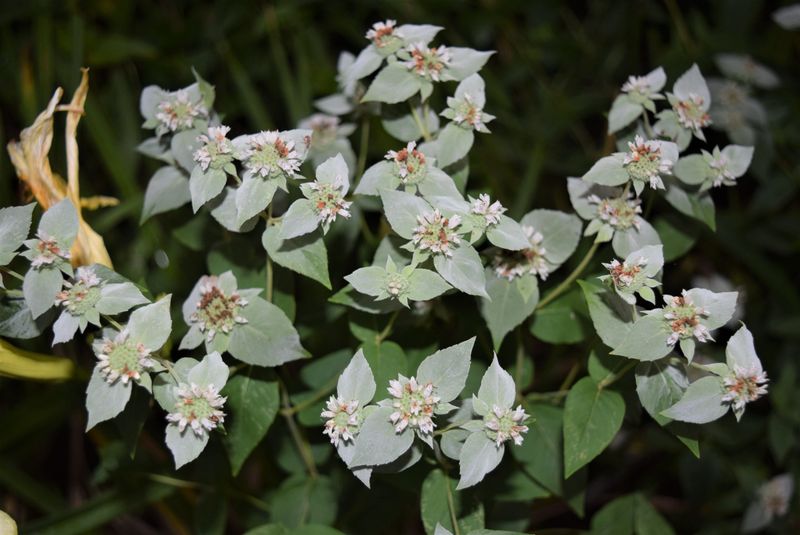
Brush against a mountain mint stem on a warm afternoon and the scent hits immediately. It is sharp, clean, and minty in a way that is stronger than most herb garden plants.
That intensity is not just pleasant for Ohio gardeners. It is part of what makes the plant less appealing to deer and rabbits browsing through a yard.
Deer rely heavily on scent when choosing what to eat. Plants with soft, sweet foliage and little aroma tend to disappear first.
Plants with strong volatile oils, like mountain mint, often get passed over when other food is available. Rabbits show similar behavior.
They tend to nibble on tender, low-growing greens before investigating pungent mint-family plants.
Mountain mint’s scent comes from aromatic compounds in its leaves and stems. These compounds are present all season, not just when the plant is blooming.
That means the foliage holds its browsing-discouraging quality from spring growth through late summer. No plant is fully rabbit-resistant or deer-resistant under all conditions.
Your Ohio Garden Changes Every Week. Your Plan Should Too.
Gardening in Ohio changes quickly throughout the season. Every Friday you’ll receive a simple weekly plan showing exactly what to plant, prune, fertilize, harvest, and protect so you never miss the right timing.
A very hungry animal will eat almost anything. But mountain mint’s mint-family foliage gives it a real edge over softer, more inviting plants in the same border.
3. Grow It In Sunny Beds Away From Tick-Friendly Edges
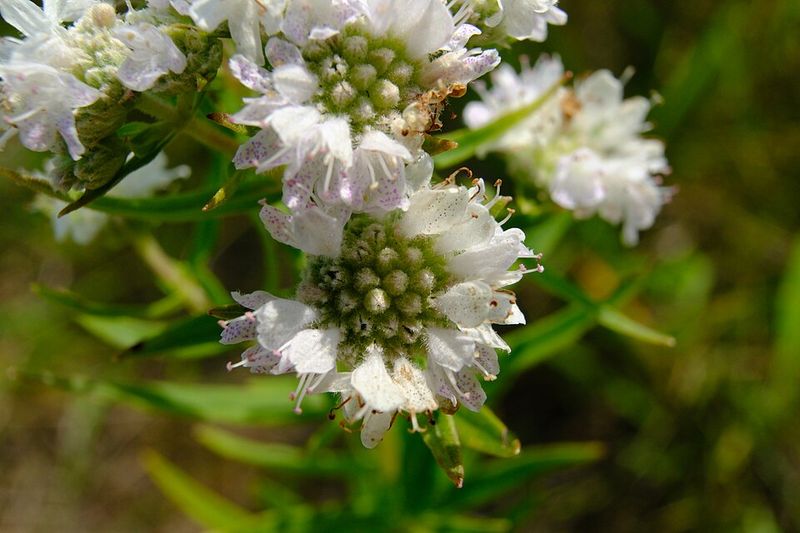
Ticks do not live in open sunny beds by choice. They prefer cool, moist, shaded areas with leaf litter, tall grass, and brushy edges.
That is where they wait for a host to pass by. Understanding tick habitat is key to reducing tick exposure in your yard.
Mountain mint does not repel ticks the way a chemical spray does. It has no proven tick-repelling compound that protects a yard or a person.
What it does is fit naturally into the kind of planting that belongs away from tick-friendly edges. A sunny, open, well-maintained bed with mountain mint, short surrounding grass, and clear sight lines is simply not good tick habitat.
The Centers for Disease Control and Prevention recommends keeping grass short, removing leaf litter, and creating a dry barrier between wooded areas and lawn spaces.
Mountain mint supports that kind of yard design by thriving in full sun and dry-to-average soil.
Planting it in open borders rather than shaded, brushy corners is smart landscaping. Tick checks after outdoor time, appropriate repellents, and pet prevention remain essential.
Mountain mint is one piece of a smarter yard plan, not a standalone solution.
4. Let Pollinators Work The Flowers All Summer
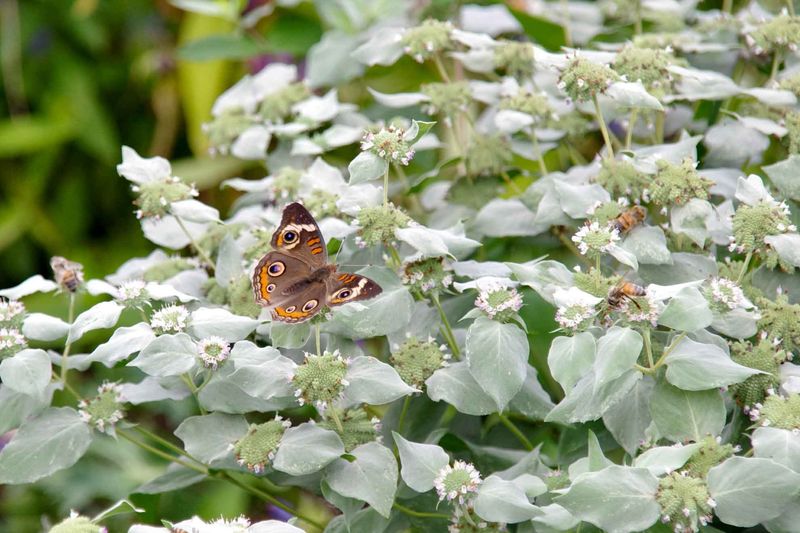
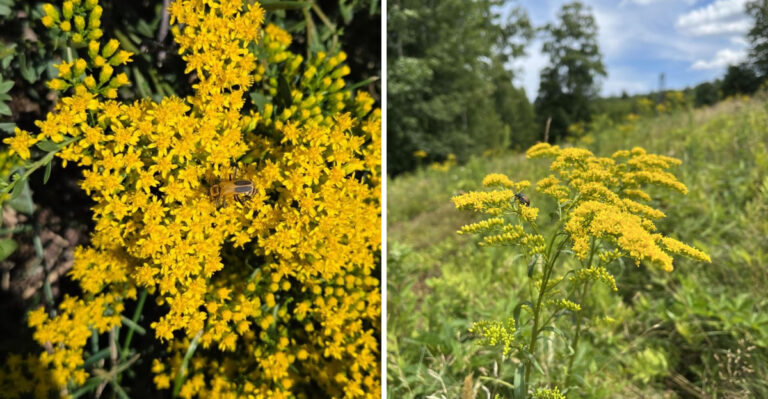
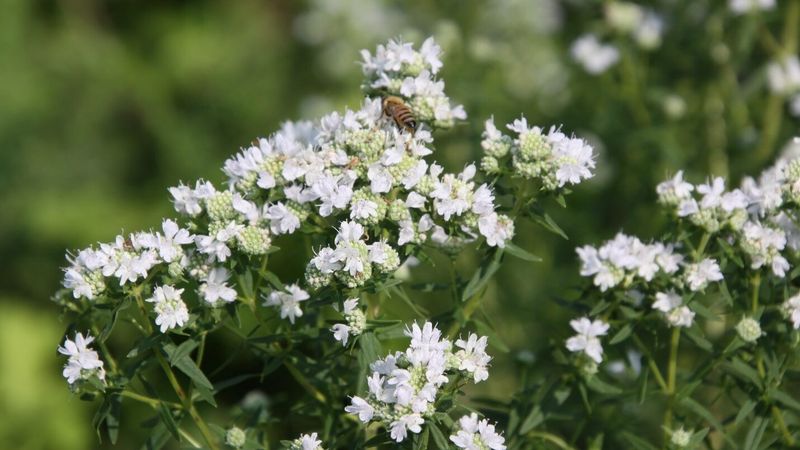
Few summer-blooming native plants attract as many different pollinators as mountain mint. When the small white clustered flowers open in midsummer, the activity above them can be almost constant.
Native bees, sweat bees, bumblebees, parasitic wasps, and several butterfly species all visit regularly.
The Xerces Society for Invertebrate Conservation lists mountain mint species among the top native plants for supporting pollinators in eastern North America. The flowers are small and accessible, which makes them easy for a wide range of insects to use.
Larger showy flowers sometimes favor only specific pollinators. Mountain mint’s modest blooms welcome nearly everyone.
Blooming typically runs from July into September in most parts of this state, depending on species and local conditions. That stretch of mid-to-late summer bloom is valuable because many other native plants have already finished flowering by then.
Ohio gardeners who want to support native bee populations through the full season will find mountain mint fills a real gap. Leaving some seed heads standing after bloom also provides late-season structure.
The plant earns its space not just through browsing resistance but through genuine ecological usefulness in home landscapes.
5. Give Mountain Mint Room To Spread Into A Patch
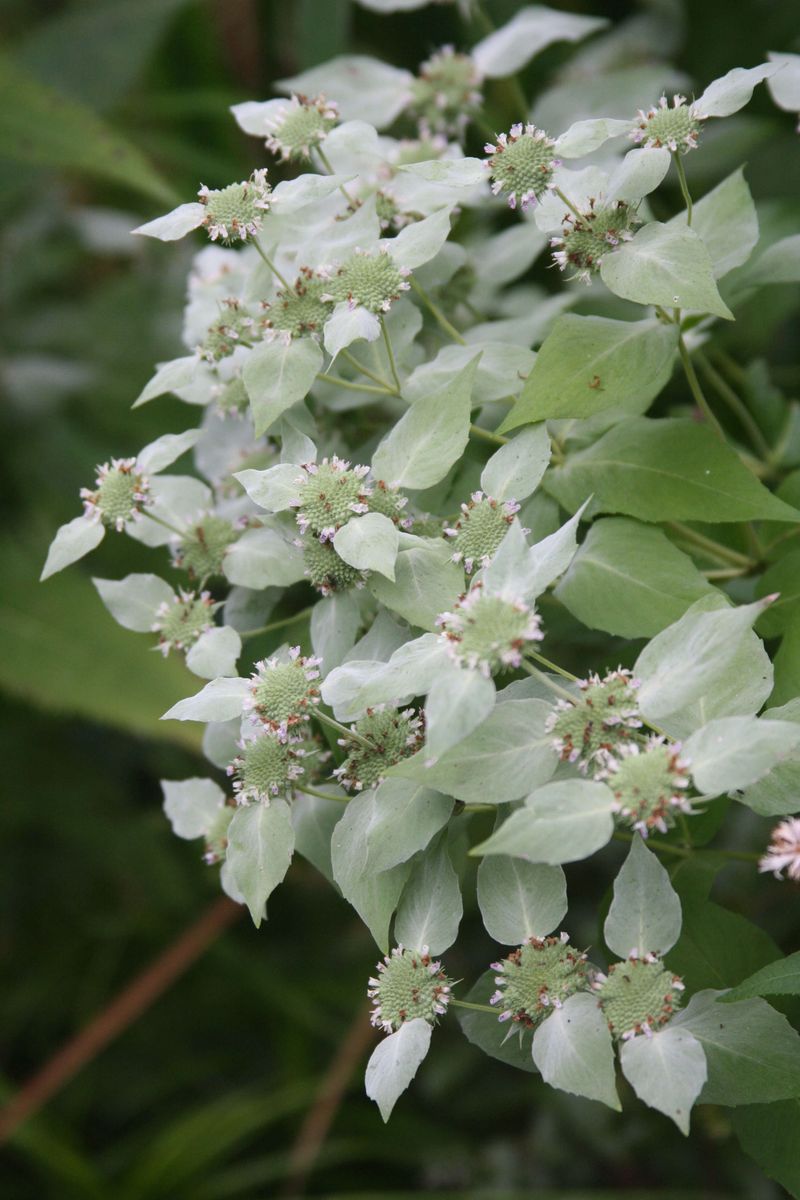
Some Ohio plants stay politely in place for years. Mountain mint is not always one of them.
Depending on the species and growing conditions, it can spread by rhizomes and gradually expand its footprint. In the right spot, that spreading habit is genuinely useful.
A dense patch of mountain mint covers soil, shades out weeds, and creates a fragrant, pollinator-rich area with minimal effort once established.
Pycnanthemum virginianum and Pycnanthemum tenuifolium both show this spreading tendency in sunny, moderately moist to average soils.
OSU Chadwick Arboretum notes that mountain mint can form attractive colonies in suitable conditions. That colony habit works well along fence lines, open slopes, or naturalized areas where spreading is welcome.
Smaller formal beds or tightly planted borders may not be the best fit. A patch that spreads freely can crowd nearby plants if the space is limited.
Knowing this ahead of time helps you place it where its energy becomes a benefit rather than a problem.
Give it a spot with room to move, and it will reward you with years of low-input coverage, reliable bloom, and fragrant foliage that holds its own through summer heat.
6. Cut It Back If The Clump Gets Too Pushy
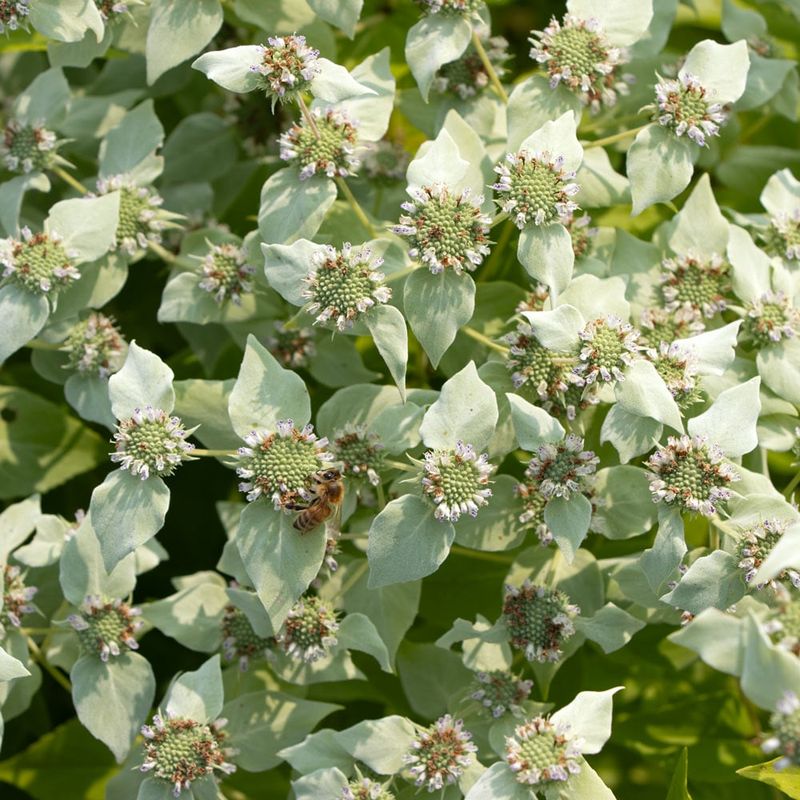
A thriving mountain mint clump is a good sign. It means the plant found conditions it likes.
But a clump that starts crowding neighbors or creeping past its intended space is easy to manage with a little seasonal attention.
Cutting mountain mint back in early spring before new growth gets tall is one of the simplest ways to keep it tidy. You can also divide clumps every two to three years by digging up sections and replanting them elsewhere.
This keeps the original clump from getting too thick and gives you free plants for other spots in the yard. Edging around the patch with a flat spade in late spring helps slow rhizome spread into adjacent areas.
Mountain mint is not a plant that requires complicated care. It does not need trimming to keep blooming, and it handles summer dry spells better than many garden perennials.
Management is mostly about deciding how much space you want it to occupy. Place it where a fuller patch is welcome and you will rarely need to intervene.
Place it in a tight formal border without a plan and it may push into spaces you did not intend. Simple placement decisions make all the difference with this plant.
7. Pair It With Other Aromatic Native Perennials
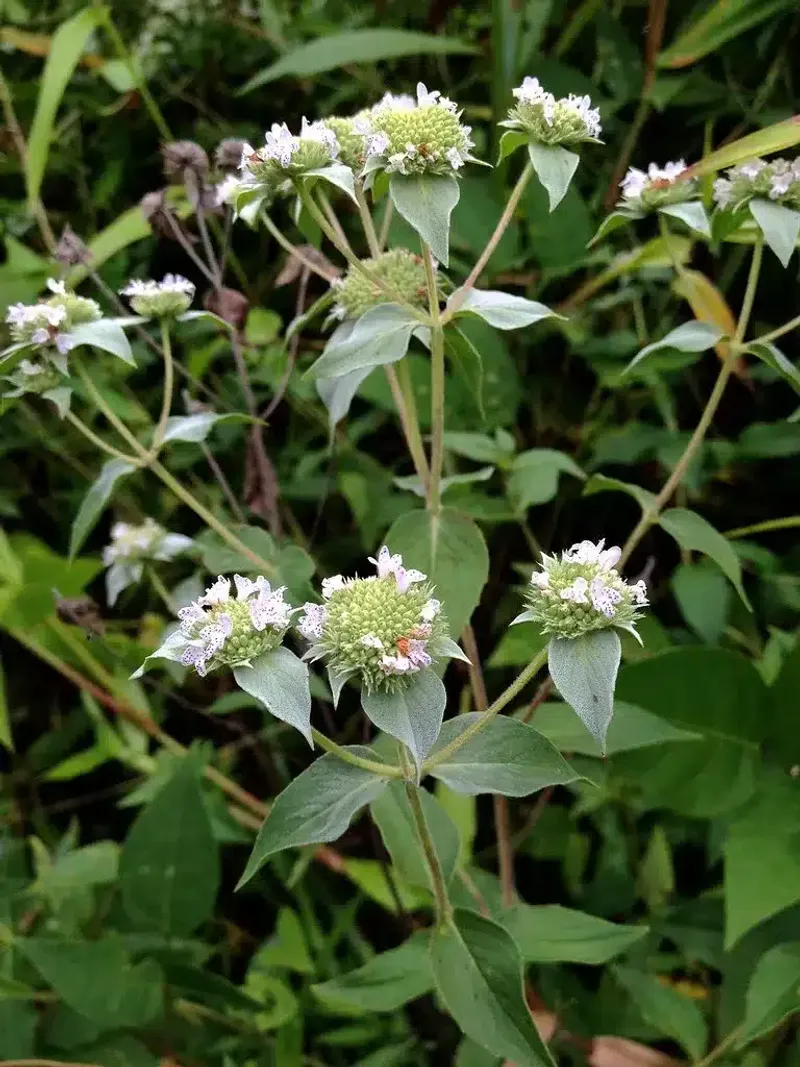
A single aromatic plant in a border does some work. A group of aromatic native perennials does more.
Pairing mountain mint with other sun-loving natives that share similar browsing resistance builds a planting that is harder to pick apart one plant at a time.
Wild bergamot, Monarda fistulosa, is a strong companion. It is native to this state, blooms in mid-summer, carries a strong scent, and is frequently listed as less preferred by deer.
Butterfly weed, Asclepias tuberosa, adds orange color and supports monarch butterflies without being a top choice for browsers. Little bluestem grass brings texture, fall color, and structure without inviting deer pressure.
Anise hyssop, Agastache foeniculum, is another fragrant option that pollinators love and deer tend to skip.
These combinations are not guaranteed browsing-free zones. They are smart layering choices that reduce the overall attractiveness of a bed to casual browsers.
Each plant brings its own bloom time, texture, and ecological value. Together they create a border that looks full and lively from late spring through fall.
Gardeners who build with native companions give mountain mint the best possible context and give their yard a more resilient planting overall.
8. Treat It As A Helper, Not A Pest Barrier
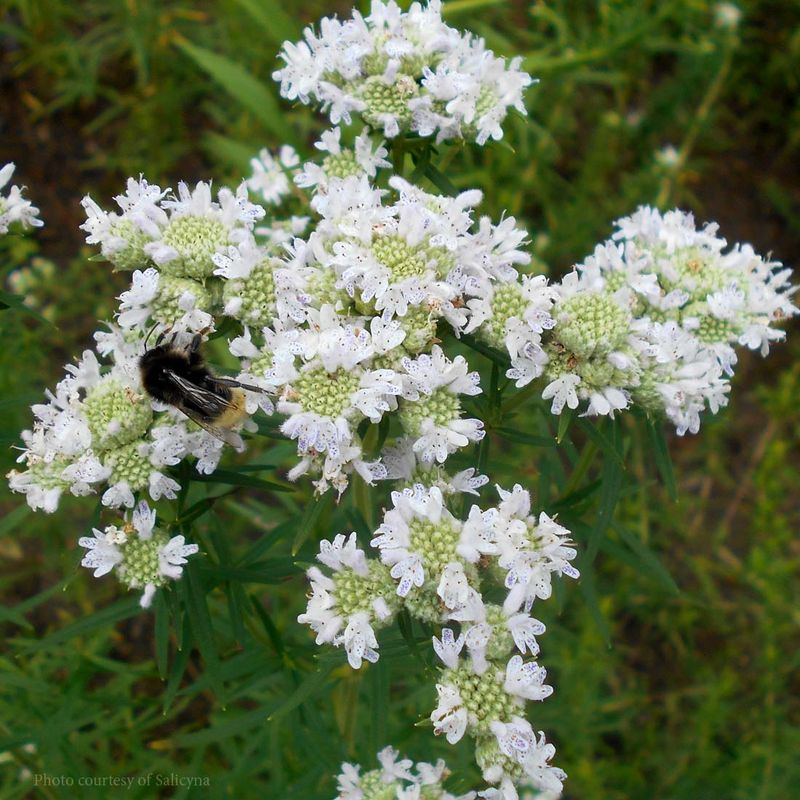
Every gardener wants a plant that solves problems. Mountain mint comes close in several ways, but it works best when you understand what it actually does rather than what you wish it would do.
Strong aromatic foliage makes it less appealing to deer and rabbits under normal browsing pressure. Fitting it into open, sunny, well-managed beds supports smarter tick-habitat reduction.
Reliable mid-to-late summer bloom supports native pollinators through a stretch when many other plants have finished. Those are real, documented benefits that make it worth growing in home landscapes across this state.
Mountain mint does not replace a deer fence, rabbit netting, tick repellent, or regular yard maintenance. Hungry animals push past scent barriers when food is scarce.
Ticks require a full yard strategy including short grass, reduced leaf litter, dry edges near high-use areas, pet prevention, and tick checks after time outdoors. Mountain mint is a helper inside that broader plan.
It is fragrant, sturdy, ecologically rich, and genuinely underused in local gardens. Gardeners who add it get a plant that earns its space every season without demanding much in return.
That kind of reliable, low-input value is exactly what a smart native garden needs.