Spring Flowers Are Blooming In Virginia Yards In October. Here’s What’s Going On
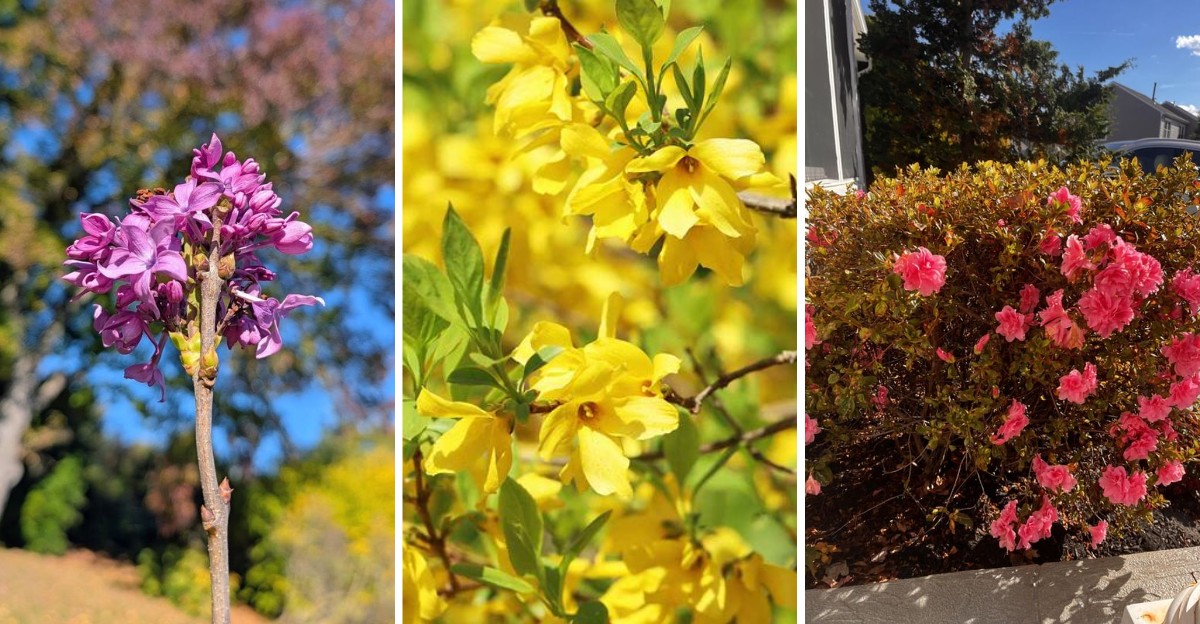
Your forsythia just burst into bright yellow flowers, and the calendar says October. If you double-checked the date on your phone, you’re far from alone.
Gardeners across Virginia are spotting lilac clusters and azalea petals right next to falling leaves and porch pumpkins. It looks charming, but it also feels a little strange.
Plants usually follow a careful schedule. So why would a spring shrub suddenly throw a party in autumn?
The answer involves a tough summer, a sneaky weather switch, and buds that were already waiting in the wings. Your shrubs are simply reacting to this year’s ups and downs in their own quirky way.
Before you reach for the pruners or start to worry, it helps to know what’s really happening. The story behind these surprise blooms is more interesting than you might expect.
Forsythia, Lilacs, And Azaleas Are Common Culprits
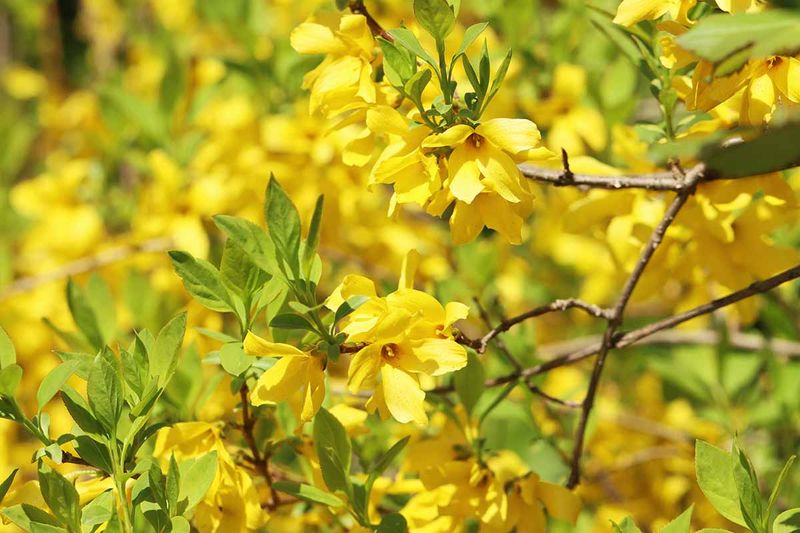
Picture bright yellow forsythia flowers glowing beside a pile of crunchy brown leaves. Many Virginia homeowners are seeing exactly that scene right now.
Forsythia tends to be the loudest troublemaker because its color is hard to miss. A few golden blossoms on bare-looking branches really stand out in autumn.
Lilacs are close behind on the list of surprise bloomers. You might notice a small purple cluster or two, often with a lighter scent than in May.
Azaleas join the club too, especially older shrubs planted near walkways and foundations. Their blooms may look a bit smaller or paler than their spring show.
Other plants can act the same way, though they get less attention. Rhododendrons, magnolias, and even some irises sometimes open a few flowers in fall.
Most of the time, only a handful of blooms appear on each plant. The shrub is not flipping its whole calendar, just releasing some eager buds early.
Here is a handy trick for spotting the pattern in your own yard. Check the sunny side of each shrub first, since warmth and light often push buds open there.
Neighbors may also notice the same thing on their plants. Comparing notes can be fun and helps show this is a regional event, not a problem with your care.
Snap a few photos of the blooms for your garden journal. Those pictures make it easier to compare how full your spring display looks next year.
A Stressful Summer Usually Sets It Off
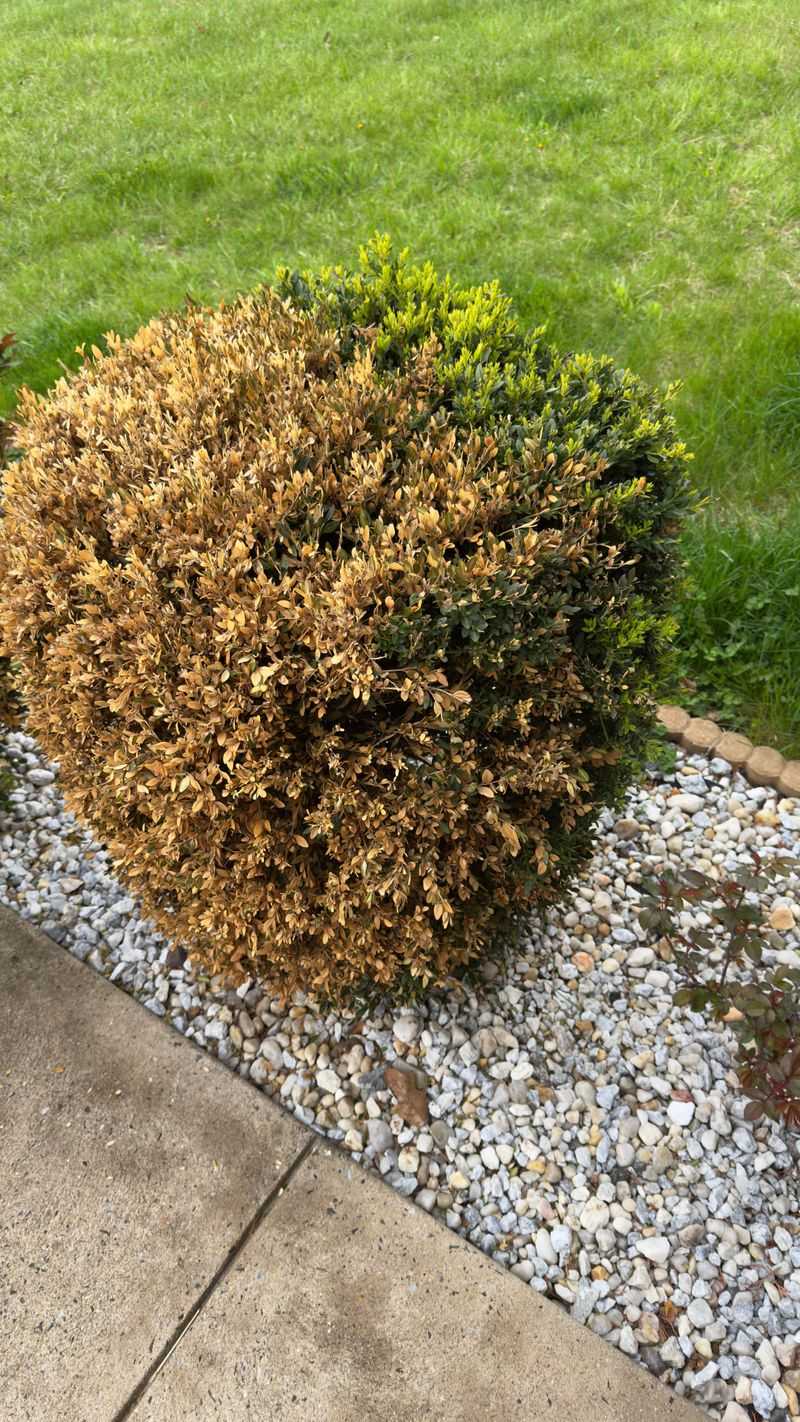
Think back to those sticky, sizzling weeks of summer. Your shrubs felt every bit of that heat, even if they could not complain about it.
Gardening experts point to summer stress as the main trigger for fall blooms. Intense heat and a lack of rain push plants into a kind of survival mode.
When plants feel stressed, they slow down their growth to save energy. Leaves may droop, curl, or even drop early to cut down on water loss.
Flower buds for next spring are also forming during that same stretch. They sit quietly on the branches, waiting for winter to pass before opening.
Your Virginia Garden Changes Every Week. Your Plan Should Too.
Gardening in Virginia changes quickly throughout the season. Every Friday you’ll receive a simple weekly plan showing exactly what to plant, prune, fertilize, harvest, and protect so you never miss the right timing.
Trouble starts when stress confuses the plant’s internal timing. Its natural clock gets a little scrambled, setting the stage for strange behavior later.
Picture a student who stays up all night before a big test. The next day, their schedule feels off, and their body does odd things at odd times.
Shrubs react in a similar way after a brutal summer. A short break followed by changing weather can send them signals they misread.
Watch for clues during hot spells next year. Wilting leaves at midday that do not perk up by evening mean your plants are under real pressure.
Spotting stress early gives you a chance to step in. A little help in July can mean fewer confused blooms when October rolls around.
This Year’s Drought Made Plants Pause Early
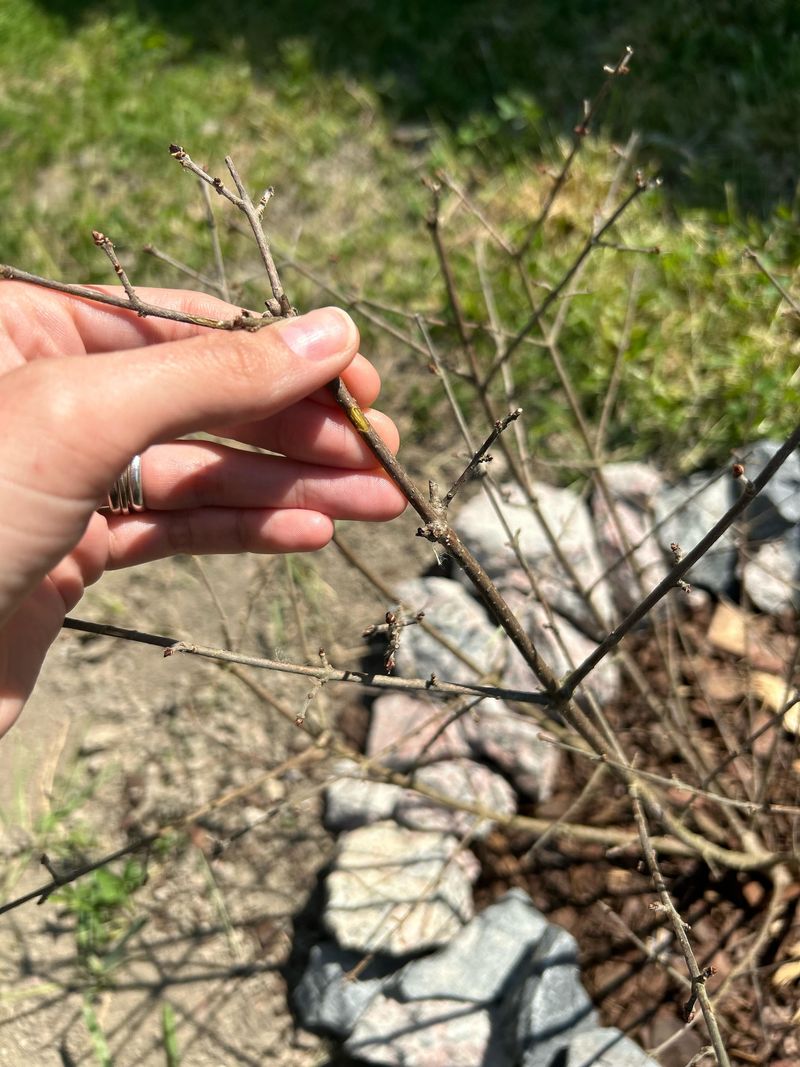
Dry soil tells a story, and Virginia’s story this year was a thirsty one. Rainfall came up short during the winter and spring of 2026.
Growers across the state worried about crops and trees well before summer arrived. By July, long-term drought was expected to hang on across much of the state.
Plants respond to drought by taking a break. Many spring bloomers slipped into a sleepy, dormant-like state much earlier than normal.
Dormancy is basically a plant’s version of hibernation. Growth slows way down, and the shrub focuses on simply holding on until conditions improve.
Normally, that rest period arrives with short days and cold weather. A drought can flip the switch in midsummer instead, which throws everything off.
So your lilac may have started its winter nap in August. By early fall, it already felt like it had rested long enough.
You can often see signs of early dormancy if you look closely. Leaves may yellow, brown at the edges, or fall off weeks ahead of schedule.
Keep a simple rain gauge in your yard to track dry spells. Most shrubs need about one inch of water per week from rain or a hose.
Checking that gauge every few days takes only seconds. It helps you know exactly when your plants need extra help during the hottest months.
Cool Nights And Fall Rain Then Fooled Them
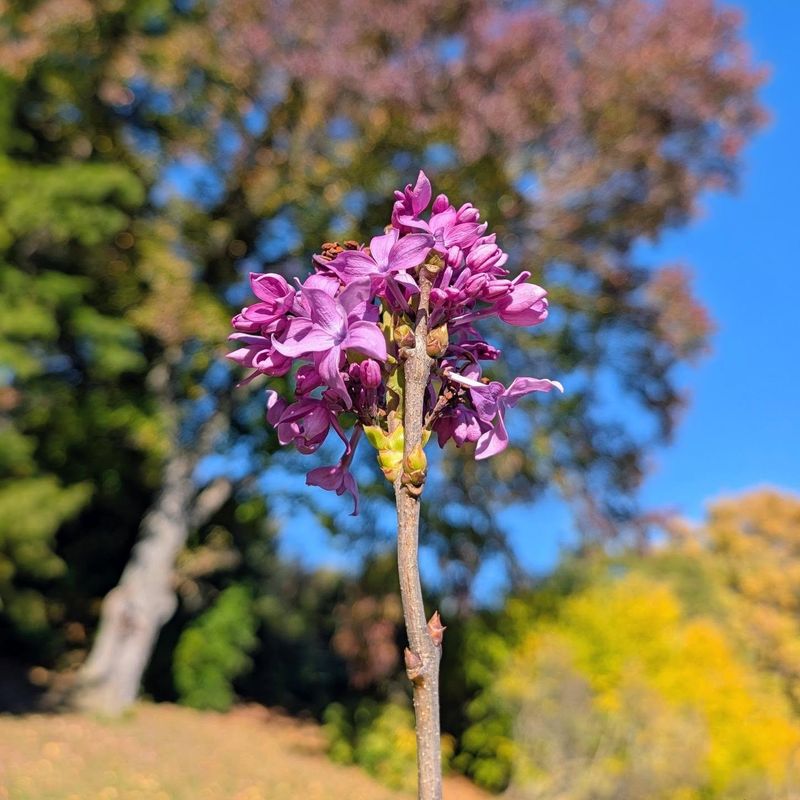
Nature pulled off a pretty clever trick this autumn. After weeks of heat and dryness, the weather suddenly turned cool and rainy.
To a shrub fresh out of an early rest, that shift felt a lot like spring. Chilly nights, mild days, and soaking rain match the signals plants expect in March.
Buds that were meant to wait until next year took the hint. A few of them decided the time had come and opened right up.
Scientists describe this as dormancy being broken too soon. The plant reads the weather, gets the wrong message, and acts on it.
Here is a fun detail many people miss. Plants do not use calendars, so they rely on temperature, moisture, and day length to keep time.
When two of those three signals line up with spring, confusion follows. Day length is shorter in fall, but cool rain can outweigh it for some buds.
Fall in Virginia often swings between warm afternoons and crisp evenings. Those swings make the mix-up even more likely after a dry summer.
Keep an eye on the forecast after a big October rain. A warm, sunny stretch afterward often brings another small wave of surprise flowers.
Enjoy them while they last, since an early frost will usually end the show quickly.
Next Spring’s Buds Were Already Formed
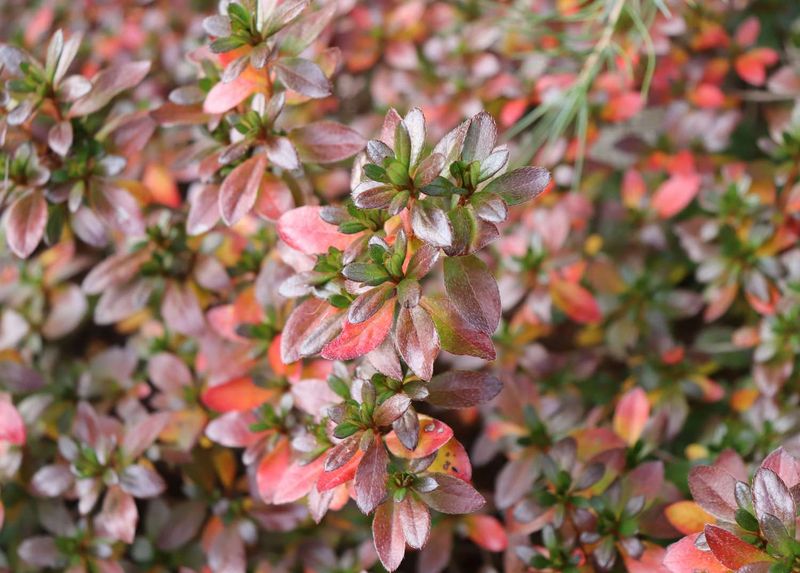
Here is a secret most people never learn about spring shrubs. Their flowers for next year are already sitting on the branches right now.
Forsythia, lilacs, and azaleas set their buds on old wood. Old wood simply means stems that grew during the previous season.
Those buds usually finish forming by mid to late summer. After that, they hang out all fall and winter, tucked inside protective scales.
Getting ready so early gives these shrubs a head start. When warm weather finally arrives, they can burst into color almost overnight.
That same head start is what makes October blooms possible. If the buds were not already there, the plant would have nothing to open.
Try this quick backyard experiment this week. Look closely at an azalea branch tip and find the plump, rounded bud near the end.
Flower buds tend to be fatter than leaf buds. Leaf buds are usually slimmer and pointier, so the difference is easy to spot with practice.
Counting a few flower buds now can help you guess next spring’s show. More fat buds mean more blossoms, while fewer suggest some opened early.
It is a simple way to turn your yard into a science lesson. Kids especially enjoy hunting for the hidden flowers waiting inside each bud.
Fall Blooms Won’t Open Again In Spring
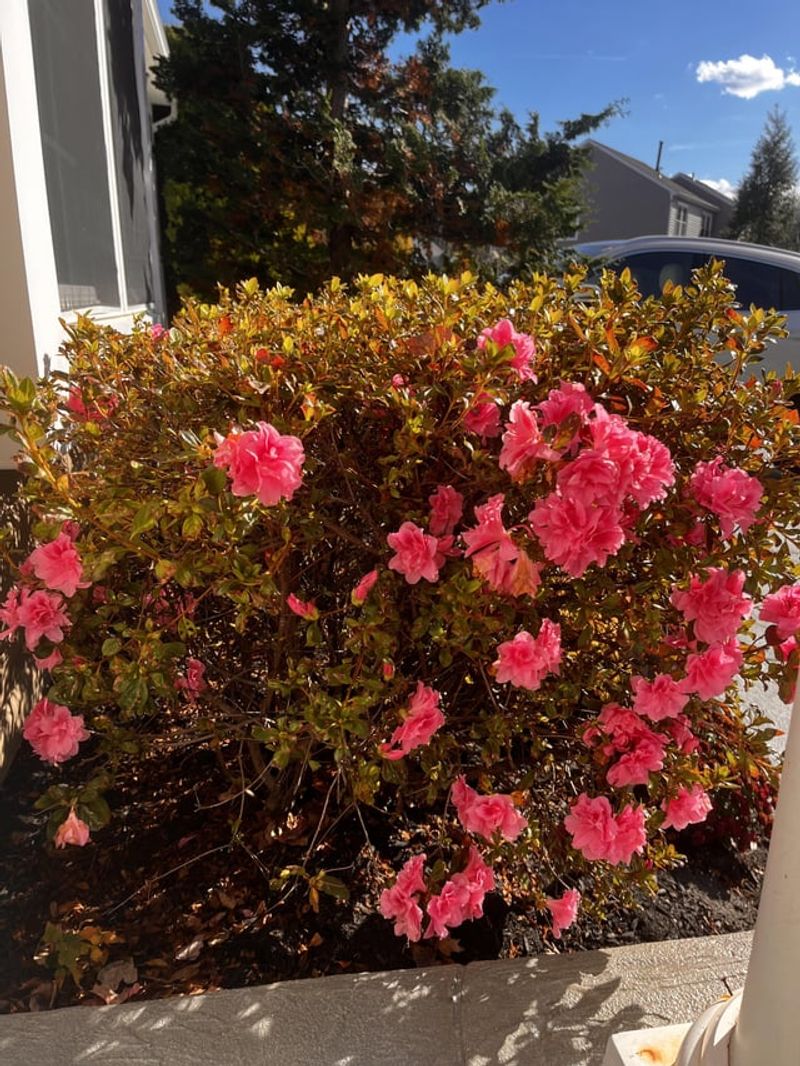
Every bud gets one shot at blooming, and that is the catch. Once a flower opens in October, it cannot save itself for spring.
Think of each bud like a firework. After it pops, the show is over for that spot on the branch.
Shrubs that bloom in fall will have fewer flowers next year. The number depends on how many buds opened early.
For most plants, only a small share of buds react to the weather mix-up. You will likely notice a slightly thinner spring display rather than an empty one.
Some gardeners see heavy fall blooming on a single side of a shrub. That side may look a bit patchy in April while the rest stays full.
Should you pick off the fall blooms to protect the plant? Removing them will not bring the buds back, so there is little point.
Feel free to snip a few for a small vase indoors instead. A tiny bouquet of forsythia in October makes a great conversation starter.
Leave the remaining unopened buds alone, though. They are next spring’s flowers, and they need to stay safely on the branch.
Managing expectations now helps avoid disappointment later. A slightly lighter bloom next year is normal after a season like this one.
Most Shrubs Still Bloom Just Fine Next Year
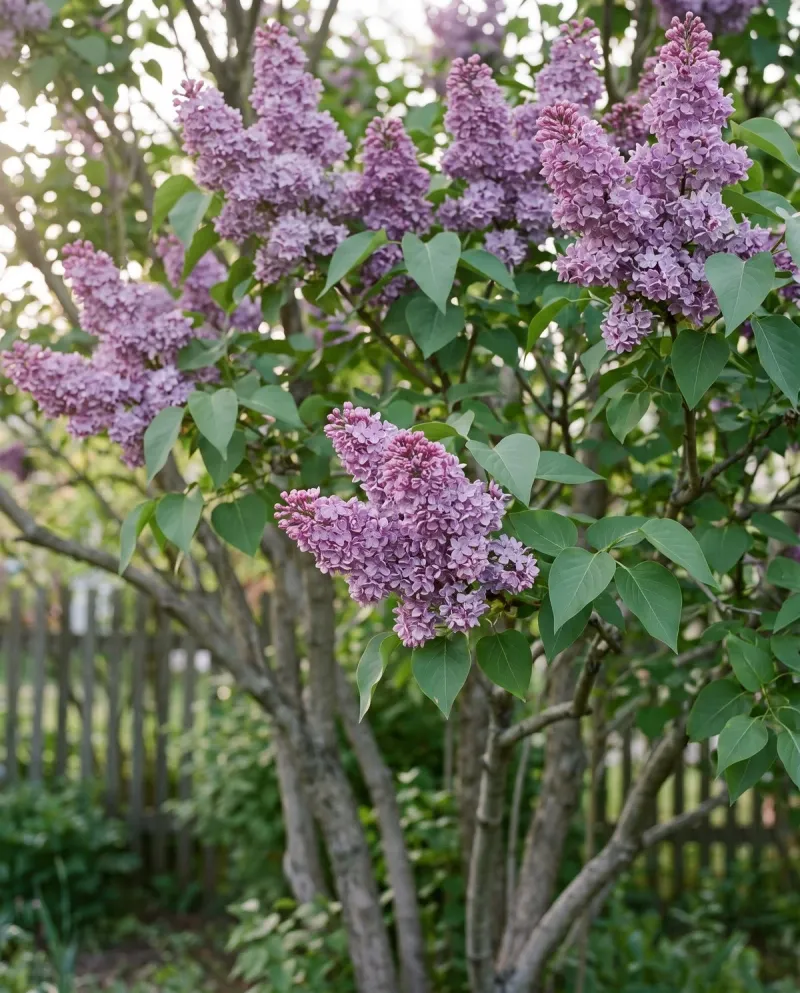
Good news first, because you deserve some. Your shrubs are almost certainly going to be okay.
A few out-of-season blooms do not harm the overall health of the plant. Roots, stems, and leaves keep doing their jobs as usual.
Healthy shrubs bounce back from this kind of mix-up quite easily. The main change is a smaller flower show next spring, not a sick plant.
Many gardeners barely notice the difference when April arrives. Plenty of buds usually stay closed and wait for the right season.
Older, well-established shrubs handle the stress best of all. Their deep roots help them recover from drought faster than young plants can.
Newly planted shrubs might need a bit of extra attention. Give them steady moisture through fall so their roots stay strong going into winter.
A light layer of mulch adds another helpful boost. Two to three inches of shredded bark keeps soil cool and holds moisture in place.
Keep the mulch a few inches away from the main stems, though. Piling it against the trunk can invite rot and pests.
Take a deep breath and enjoy the bonus color. In a few months, your yard will likely be full of blossoms again, right on schedule.
Some Reblooming Varieties Do This On Purpose
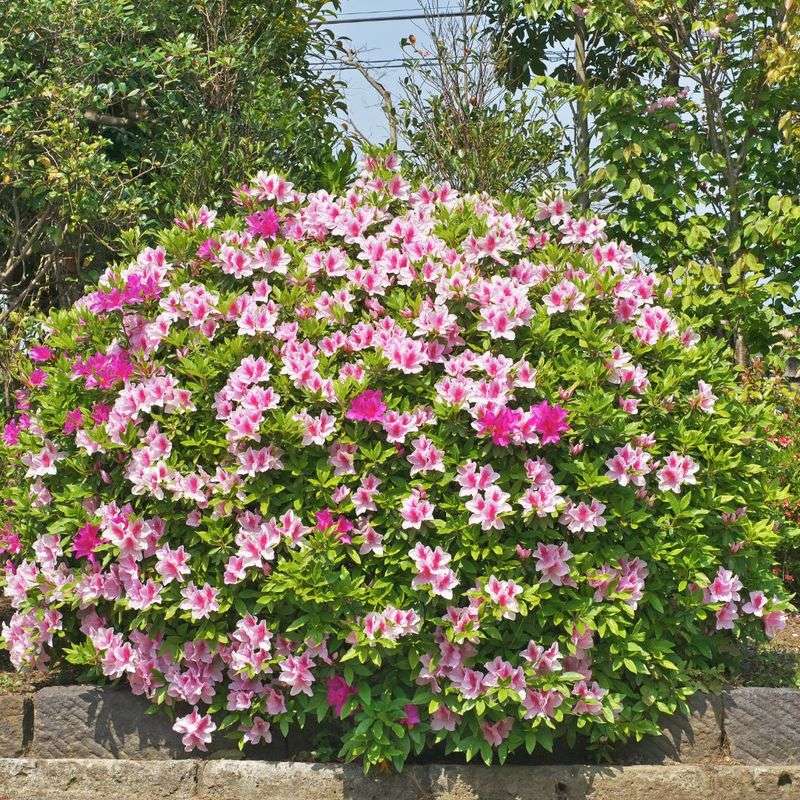
Not every October azalea is confused. Some were bred to bloom in fall, and they are right on time.
The Encore series is the best-known example. Plant breeders developed these azaleas to flower in spring, summer, and fall.
Many Encore varieties even carry the word Autumn in their names. Look for labels like Autumn Angel, Autumn Royalty, or Autumn Twist.
These rebloomers produce new buds through the growing season. That means fall flowers do not steal from their spring display the same way.
Here is a quick way to check what you have. Search your old plant tags or receipts for the variety name.
If you cannot find a tag, watch the shrub’s pattern over a full year. Steady blooms every fall point to a reblooming type rather than stress.
Thinking about adding more color to your yard? Rebloomers are a smart pick for gardens that need interest beyond spring.
Plant them in spots with morning sun and light afternoon shade. Well-drained, slightly acidic soil keeps them happy and flowering.
Reblooming lilacs exist too, like the Bloomerang series. They can extend the fragrance season well past the usual spring window.
Skip Pruning Now, Or You’ll Lose More Buds
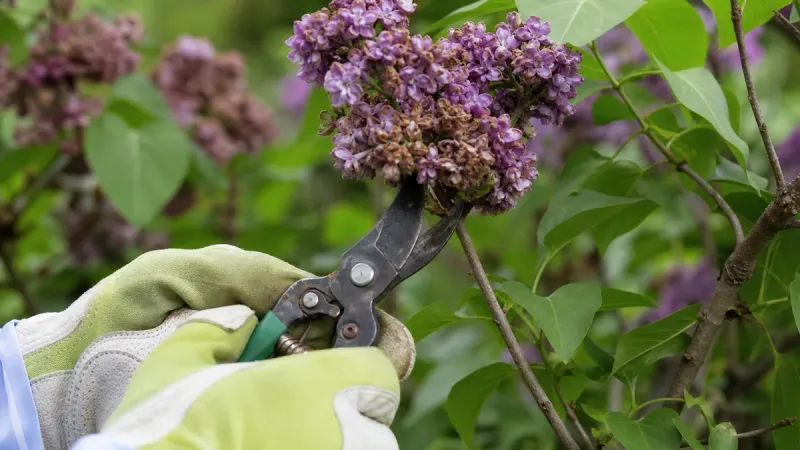
Put down those shears, friend. Fall is the worst time to trim spring-flowering shrubs.
Remember those hidden buds sitting on the branches? Cutting stems now snips off next year’s flowers along with them.
Many people tidy up their yards in autumn out of habit. Unfortunately, a quick trim can wipe out a big chunk of spring color.
The same rule applies in late winter and early spring. Wait until the shrub finishes blooming before you make any cuts.
Experts suggest pruning right after the flowers fade. For forsythia, that usually means April, and for lilacs, often late May.
Pruning then gives the plant all summer to grow new wood. Fresh stems will form next year’s buds by midsummer.
Some cuts are fine any time of year, though. Broken, diseased, or damaged branches can be removed whenever you spot them.
Use clean, sharp tools for those small fixes. Wiping blades with rubbing alcohol helps stop diseases from spreading between plants.
A sticky note on your garage calendar can be a lifesaver. Write a reminder to prune each shrub right after it blooms next spring.
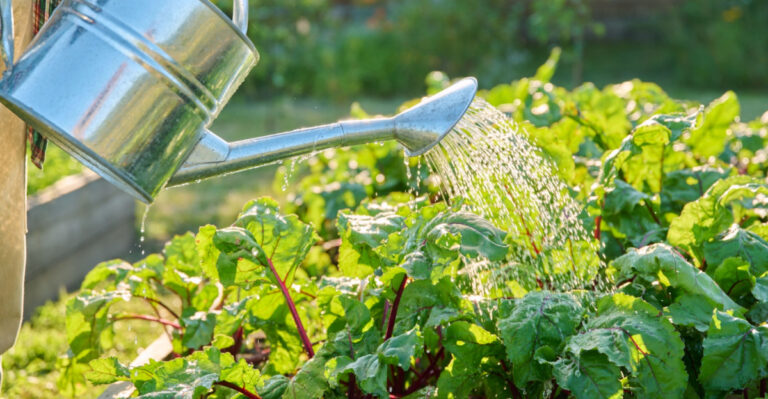
Deep Watering During Dry Spells Helps Prevent It
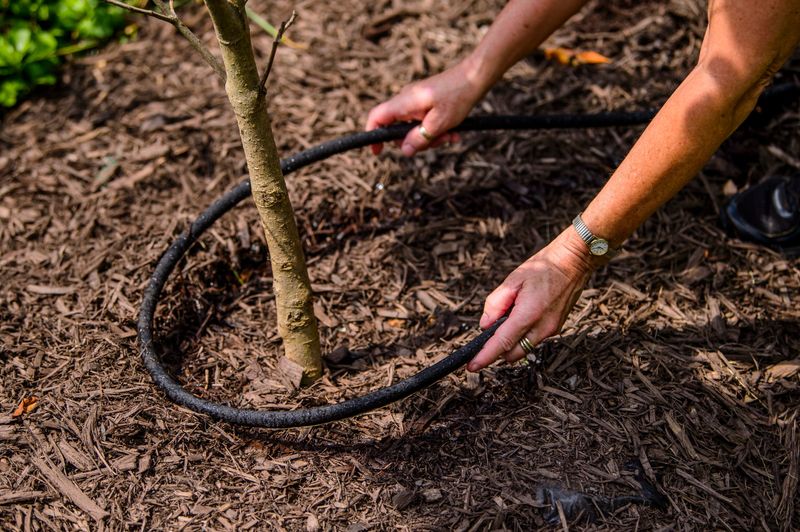
A slow, steady soak beats a quick sprinkle every time. Deep watering is your best defense against next year’s surprise blooms.
When shrubs stay hydrated, they handle summer heat with less stress. Less stress means less chance of a confused fall flower show.
Water deeply and less often rather than a little each day. Deep soaking encourages roots to grow downward, where soil stays cooler and moister.
Shallow watering keeps roots near the surface, where they dry out fast. Those plants struggle more when the next drought rolls through.
Virginia Cooperative Extension recommends watering early in the morning. Aim the water right at the base of each plant, not the leaves.
Morning watering cuts down on evaporation during hot afternoons. Dry leaves overnight also lower the risk of fungal problems.
Soaker hoses and drip lines make the job much easier. They deliver water slowly, so it sinks in instead of running off.
Pair your watering routine with a fresh layer of mulch. Mulch holds moisture in the soil and keeps roots comfortable on scorching days.
Try the finger test before grabbing the hose. Push a finger two inches into the soil, and water if it feels dry.