What Those Overnight Pink Flowers In Your Virginia Yard Really Are
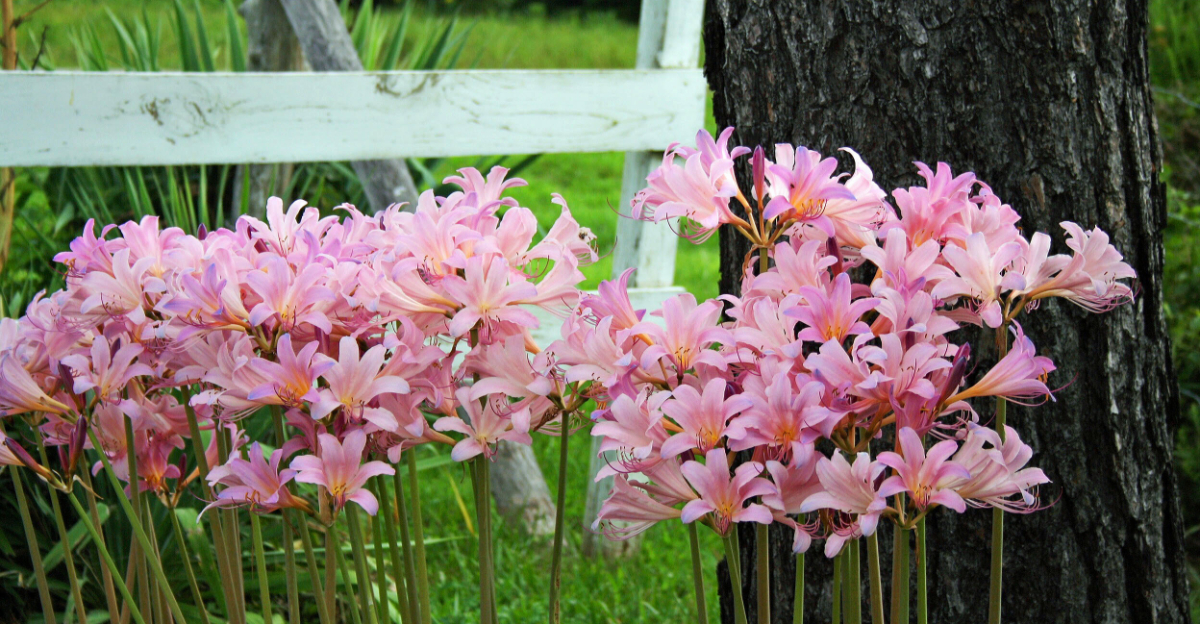
One day the ground is empty. The next, pink flowers are standing three feet tall like they’ve always been there. No transition, no in-between stage, nothing to explain how they got there.
Neighbors start asking questions. Some gardeners panic and yank them out, convinced something invasive just moved in overnight.
But this plant has been pulling this same trick for centuries, and it’s rooted in biology, not magic. Earlier in the year, something completely different occupied that same spot, then vanished without a trace for weeks.
What shows up now is only half the story. The other half explains why so many people in Virginia mistake this bulb for a weed, tear it out, and lose something worth keeping for the next twenty years.
A Sudden Bloom With No Leaves In Sight
Picture this: you mow your lawn on a Friday, and within days, pink flower stalks are standing two feet tall. That is exactly what surprise lilies do, and it startles even experienced gardeners.
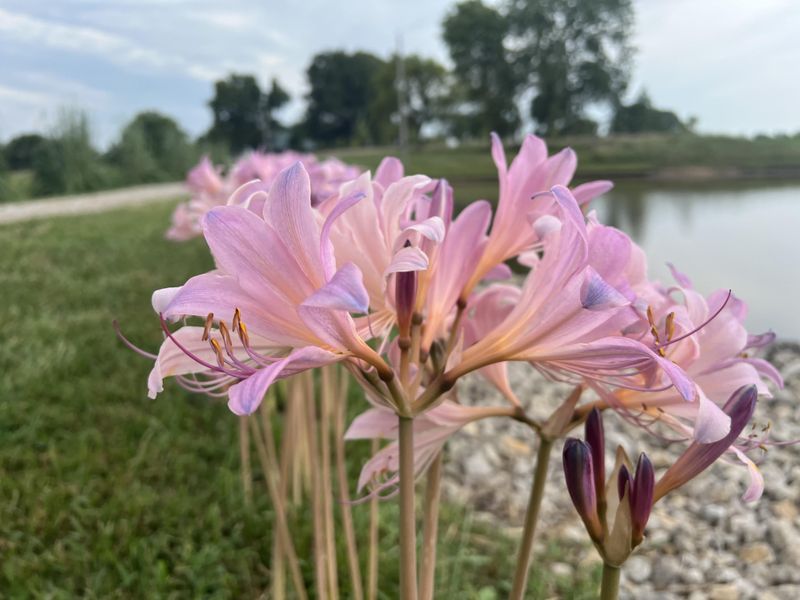
The blooms appear on bare, leafless stalks that shoot straight up from the soil. No foliage accompanies them, which makes them look almost magical or slightly eerie depending on your mood.
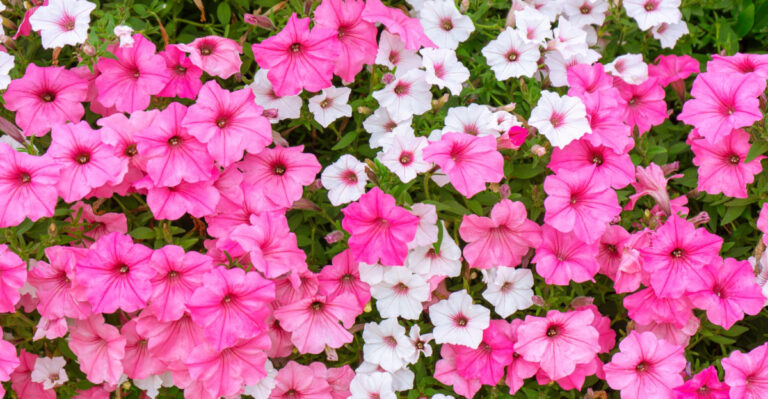
Each stalk can hold four to six trumpet-shaped pink flowers at the top. The blossoms are soft, rosy pink with a slight shimmer, and they open wide like small lilies reaching for the sun.
Botanically, this plant goes by Lycoris squamigera, though most people call it the surprise lily or magic lily. Some gardeners in older neighborhoods call it the naked lily because of those bare stems.
The blooms last about two weeks before fading completely. After that, the stalks fall over and the ground looks bare again, as if nothing ever happened.
The color can shift slightly depending on the individual bulb and growing conditions. Some clusters lean toward a soft lavender-pink, while others show a deeper, more saturated rose tone.
Spotting these flowers for the first time feels like catching a magic trick mid-performance. Once you know the secret behind them, the whole show becomes even more impressive.
Why Surprise Lilies Seem To Appear Out Of Nowhere
Speed is the real trick here. Surprise lily stalks can push several inches out of the ground within a day or two under the right conditions.
Warm soil temperatures in late July and August act like a trigger for the bulbs underground. When conditions line up just right, the plant shifts into high gear almost overnight.
The bulbs store enormous amounts of energy all spring and early summer. That stored fuel powers the rapid growth of the flower stalk when bloom time arrives.
Think of it like a compressed spring being released. All that built-up energy fires upward in a rush, which is why the flowers seem to appear from nowhere so fast.
Rainfall also plays a big role. A good soaking rain after a dry stretch often kicks off the bloom cycle, which is why they tend to pop up right after summer storms roll through.
Your Virginia Garden Changes Every Week. Your Plan Should Too.
Gardening in Virginia changes quickly throughout the season. Every Friday you’ll receive a simple weekly plan showing exactly what to plant, prune, fertilize, harvest, and protect so you never miss the right timing.
Soil warmth, stored energy, and moisture all work together like a timing mechanism. When all three align, the plant launches its flower stalk with impressive speed and zero hesitation.
Gardeners who notice the pattern start watching for them each August. Once you tune in to the seasonal rhythm, those overnight pink flowers in your Virginia yard start to feel less like a mystery and more like a reliable old friend showing up on schedule.
The Bulb Cycle Behind Their Odd Timing
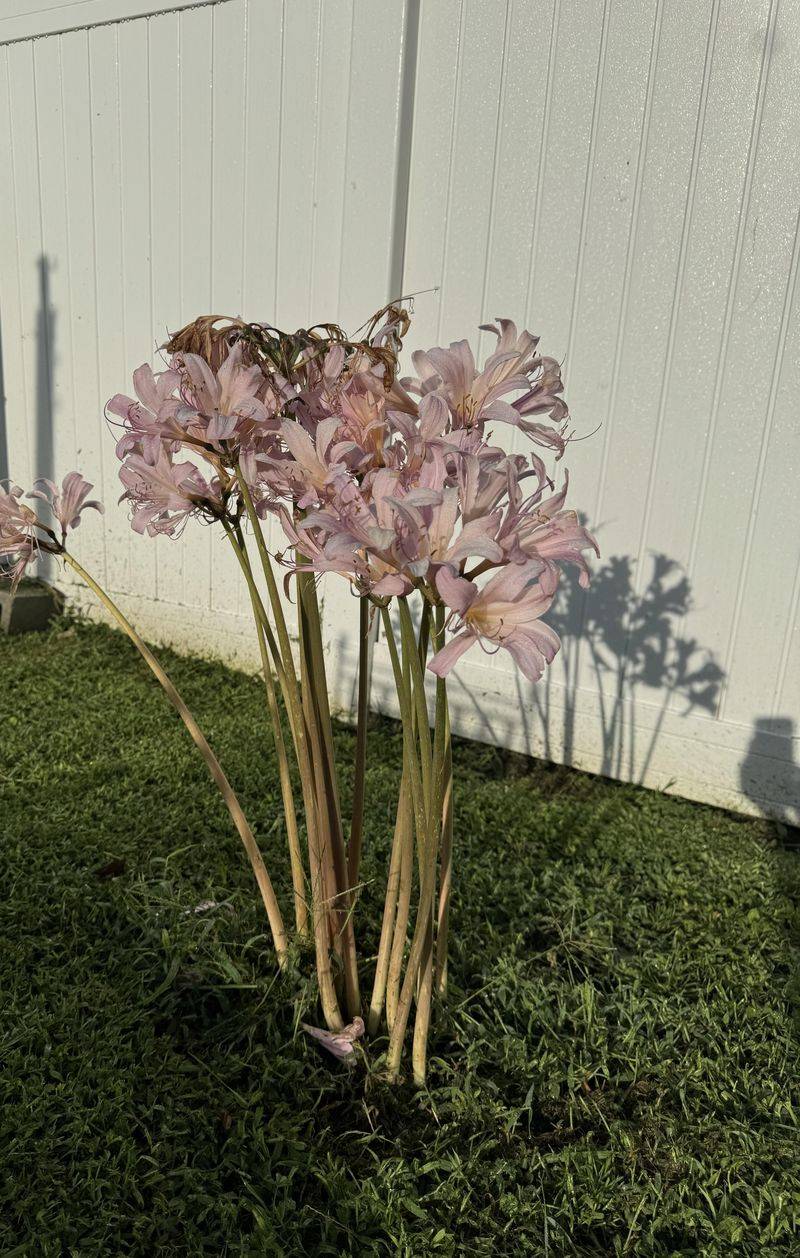
Surprise lilies live a double life, and understanding that split timeline explains everything about their strange behavior. The plant has two separate growth phases that rarely overlap.
In early spring, wide strap-like leaves push up through the soil. They look similar to daffodil foliage, thick and green, and they gather sunlight for several months.
By late spring, those leaves turn yellow and melt back into the ground. The plant goes fully dormant, leaving no trace above the soil surface.
Underground, the bulb spends the summer quietly building energy reserves. It is essentially charging up like a battery, getting ready for the flower show that comes later.
When late summer heat peaks and soil moisture returns, the bloom cycle triggers. The flower stalk bypasses the leaf stage entirely and heads straight for the sky.
This two-phase system is an adaptation that helps the plant survive. Leaves gather energy in the cooler, wetter spring, and flowers bloom when pollinators are most active in summer.
The timing also means the plant avoids competing with itself. Leaves and flowers never share the stage, which keeps the plant efficient and focused on one job at a time.
Understanding this cycle helps gardeners avoid accidentally digging up the bulbs during summer dormancy. The bare patch of ground in July looks empty, but something remarkable is happening just below the surface.
Where This Plant Originally Came From
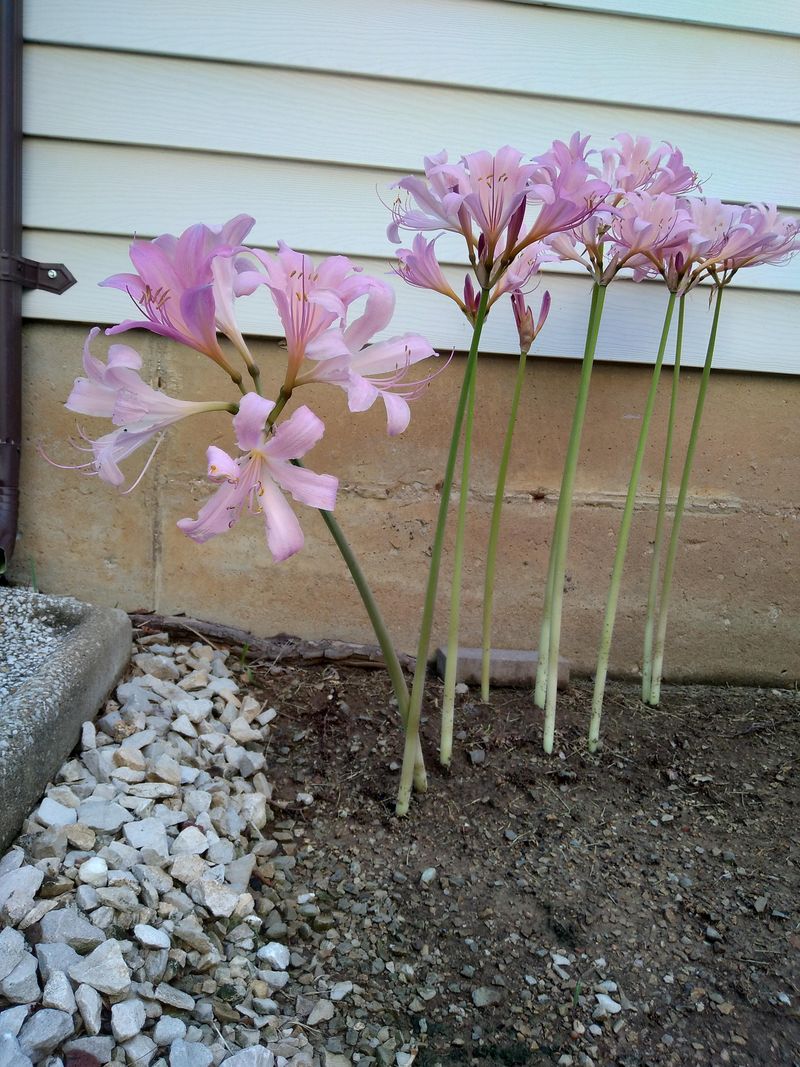
Surprise lilies are not native to North America. They traveled a long way to reach your Virginia yard, and their origin story is worth knowing.
The plant comes from China and Japan, where it has been cultivated for centuries. In Japan, Lycoris squamigera grows wild along hillsides and forest edges in temperate regions.
Plant explorers and traders brought bulbs to the United States during the 1800s. They became popular in Southern and Mid-Atlantic gardens because they thrived in the warm, humid climate.
Victorian-era gardeners loved them for their low-maintenance nature and dramatic late-summer show. Old homesteads across the South still have clumps of these bulbs that have been blooming for generations.
The fact that they naturalize so well is part of their appeal. Plant one bulb, and over time it multiplies into a spreading colony that blooms reliably every August without any extra help.
In Japan, a related species called Lycoris radiata, the red spider lily, carries deep cultural meaning. It is associated with autumn and is often planted near rice paddies and along old farmland borders.
The pink surprise lily carries a quieter symbolism in American garden culture. Gardeners pass bulbs between neighbors and family members, and finding them in an old yard often means someone planted them there with care long ago.
Growing Conditions That Suit Virginia Gardens
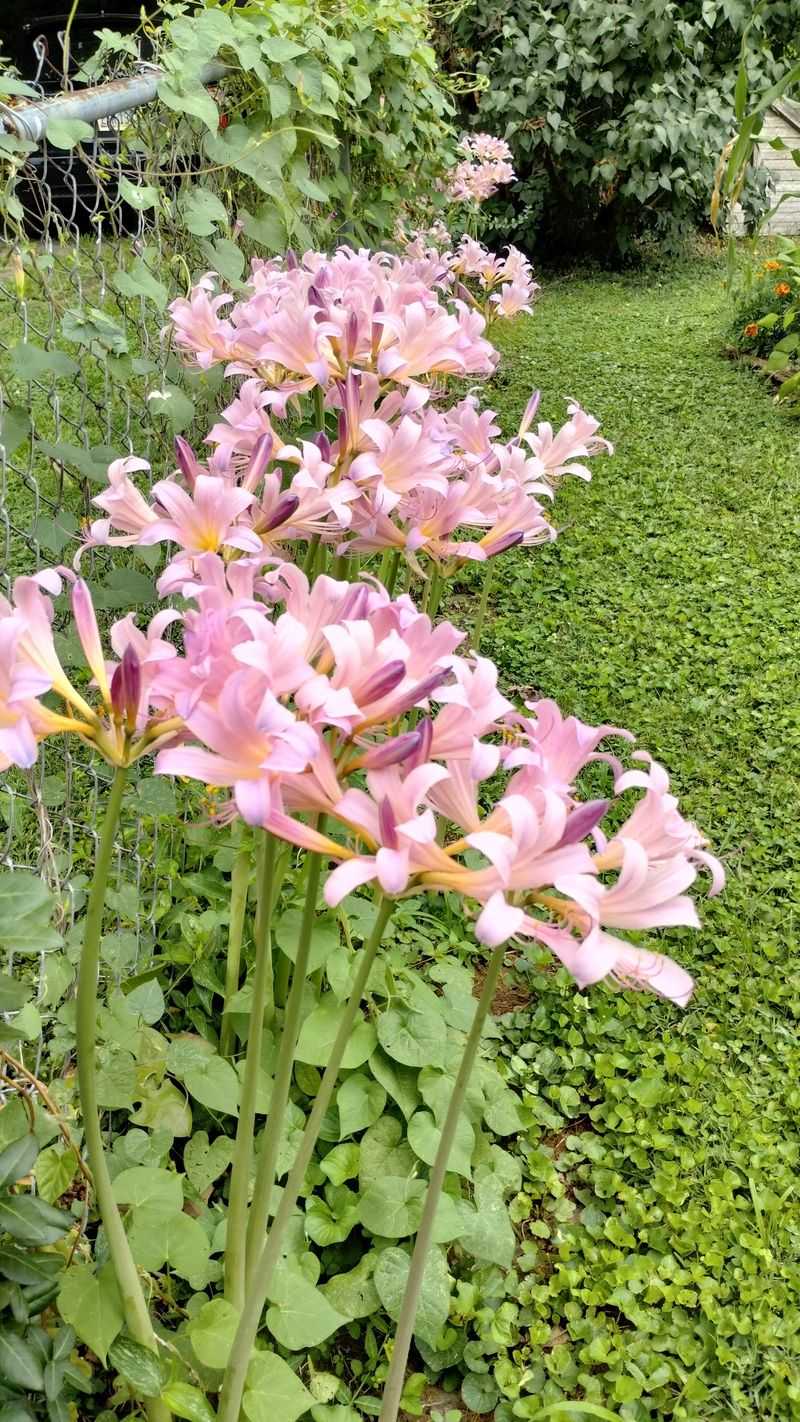
Surprise lilies are practically made for Virginia’s climate. They thrive in USDA hardiness zones 5 through 9, which covers all of the state comfortably.
Full sun to partial shade works well for these plants. A spot that gets morning sun and some afternoon shade tends to produce strong, upright flower stalks with vibrant blooms.
Well-drained soil is the one non-negotiable requirement. Bulbs sitting in soggy ground will rot, so avoid low spots that collect water after rain.
Sandy loam or amended clay soil both work fine as long as drainage is good. Adding a little compost when planting helps the bulbs establish faster and produce more offsets over time.
Plant bulbs about six inches deep with the pointed end facing up. Space them eight to ten inches apart to give the colony room to spread naturally over the years.
Once established, these plants handle drought surprisingly well. Their summer dormancy period actually protects them from heat stress because the plant is not actively growing above ground.
They also tolerate the humidity that comes with Virginia summers without complaint. Fungal issues are rare as long as the soil drains properly and air circulation around the planting area is decent.
Planting near a fence, along a walkway, or at the base of a shrub border works beautifully. Those overnight pink flowers in your Virginia yard will keep showing up in the same spot every August for years.
Caring For Surprise Lilies After They Bloom
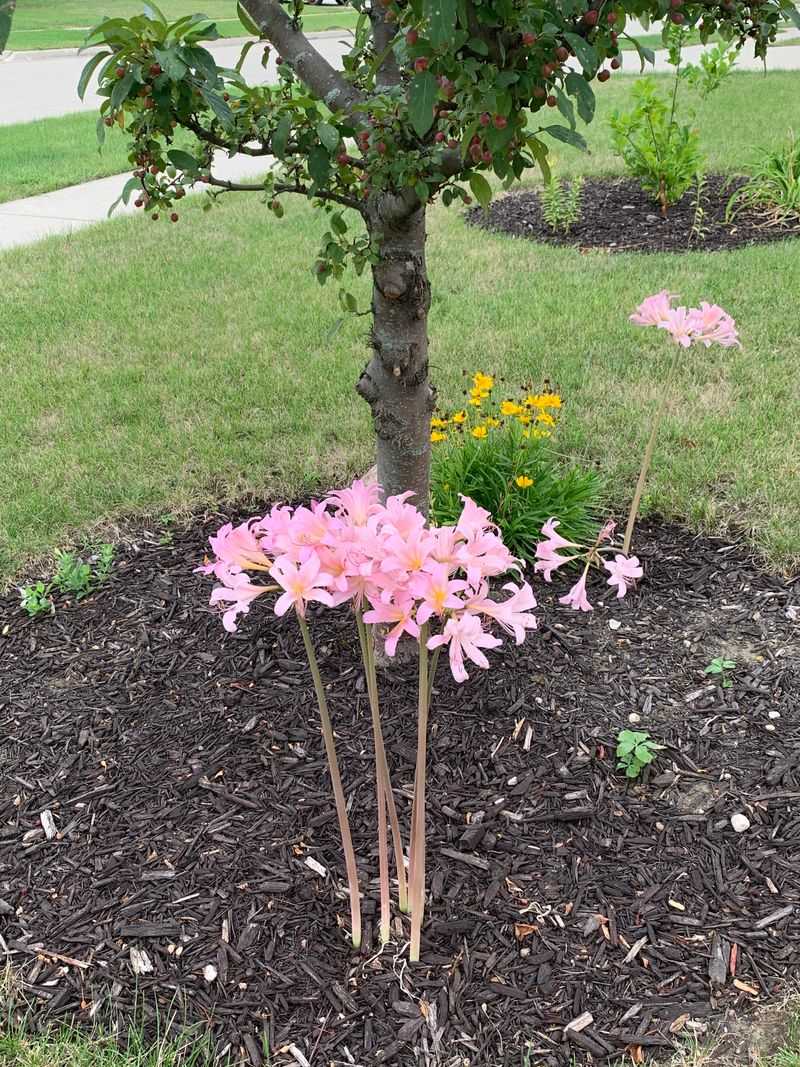
After the blooms fade, most gardeners wonder what to do next. The answer is simpler than you might expect, and it mostly involves doing very little.
Let the flower stalks stand until they fall over naturally. Cutting them too early can reduce the energy that flows back into the bulb below ground.
Once the stalks turn yellow and flop over on their own, you can remove them at the base. A clean cut with pruning shears is all it takes, and the area will look tidy again quickly.
Do not fertilize heavily after blooming. A light application of a low-nitrogen bulb fertilizer in early spring, when the foliage emerges, is plenty to keep the colony healthy.
Avoid planting annuals or digging in the area during summer dormancy. It is easy to accidentally slice through a bulb with a trowel when you cannot see any foliage above ground.
Mark your clumps with a small stake or garden tag so you remember where the bulbs are sleeping. A simple label saves a lot of accidental damage during summer planting projects.
Dividing overcrowded clumps every five to seven years keeps blooming strong. Dig the bulbs in late summer right after they bloom, separate the offsets gently, and replant them right away.
Caring for surprise lilies takes very little effort once they’re established. Those overnight pink flowers in your Virginia yard will keep coming back strong with almost no effort from you.