Virginia Gardeners Use This November Trick To Get Rid Of Moss And Green Up Their Lawns
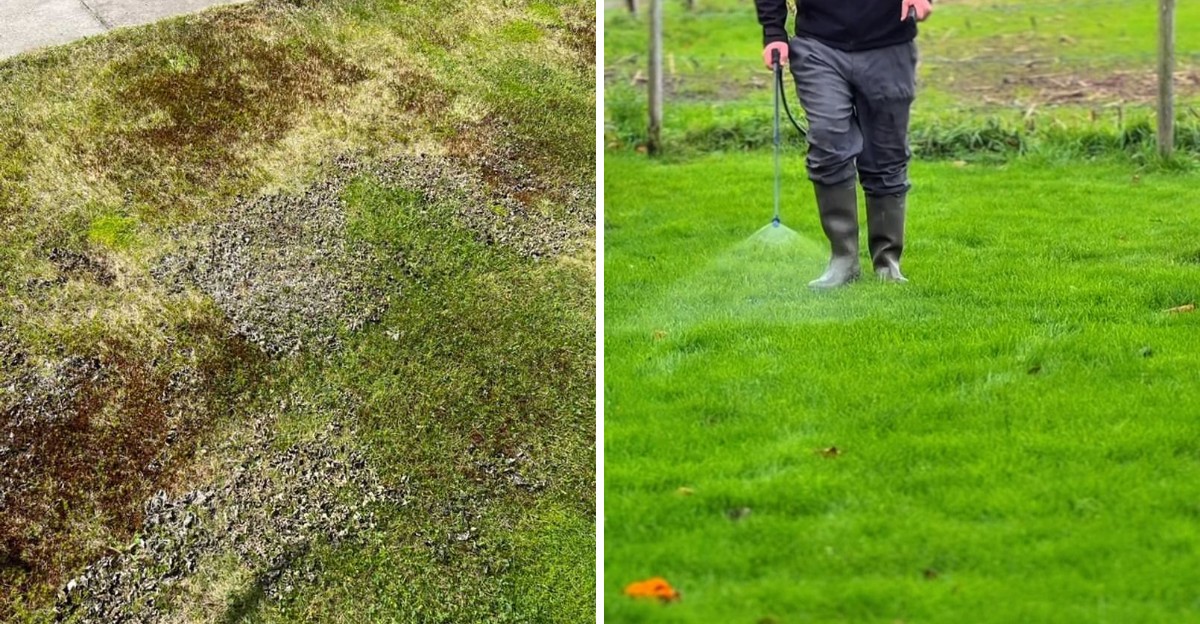
A common garden mineral can turn a bright green carpet of moss nearly black in a matter of hours. The same stuff can make nearby grass blades look a shade deeper, too.
I spent two springs raking fluffy green patches out of my shady side yard, only to watch them creep right back by fall. Looking back, I should have paid closer attention to what was happening underneath them.
Virginia lawns are a cozy home for moss once the weather turns cool and damp. Short days, wet leaves, and soggy soil give it a real head start while many lawns slow down for winter.
For what it’s worth, the trick that finally worked for me was cheap, quick, and a little bit messy. It also came with a lesson about shade and soil that I wish someone had shared with me years ago.
That Blackened Moss Patch Is Actually a Very Good Sign
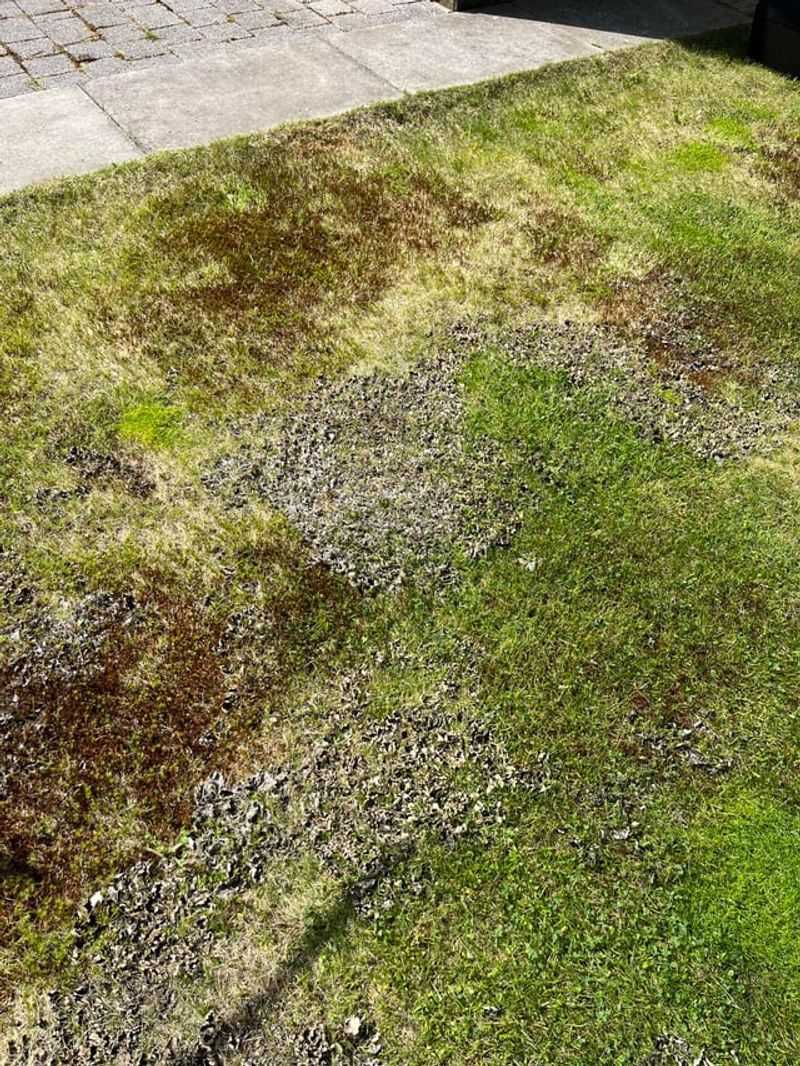
The first time I saw my moss go dark, I honestly thought I had ruined the lawn. Within a day, the soft green cushions had turned a sooty brown-black color.
That color change comes from iron sulfate, also sold as ferrous sulfate. It is a common lawn product found at garden centers across the country.
Moss has no true roots and soaks up water and minerals right through its leaves, so a dose of iron hits it hard and fast.
The iron causes the moss tissue to dry out and darken, often within a few hours to a few days. Grass handles the same light dose much better because it has a tougher outer layer on its blades.
Fun fact for your next backyard chat: gardeners in rainy places like Britain and the Pacific Northwest have leaned on this trick for generations. It earned its fame in climates that stay cool and wet for months.
Keep one thing in mind, though. Darkened moss is a treated patch, not a finished job.
You still have some cleanup ahead, plus a little detective work to figure out why the moss moved in. Those steps decide whether the result lasts one season or many.
Iron Sulfate Gives Grass Blades a Deeper Green Glow
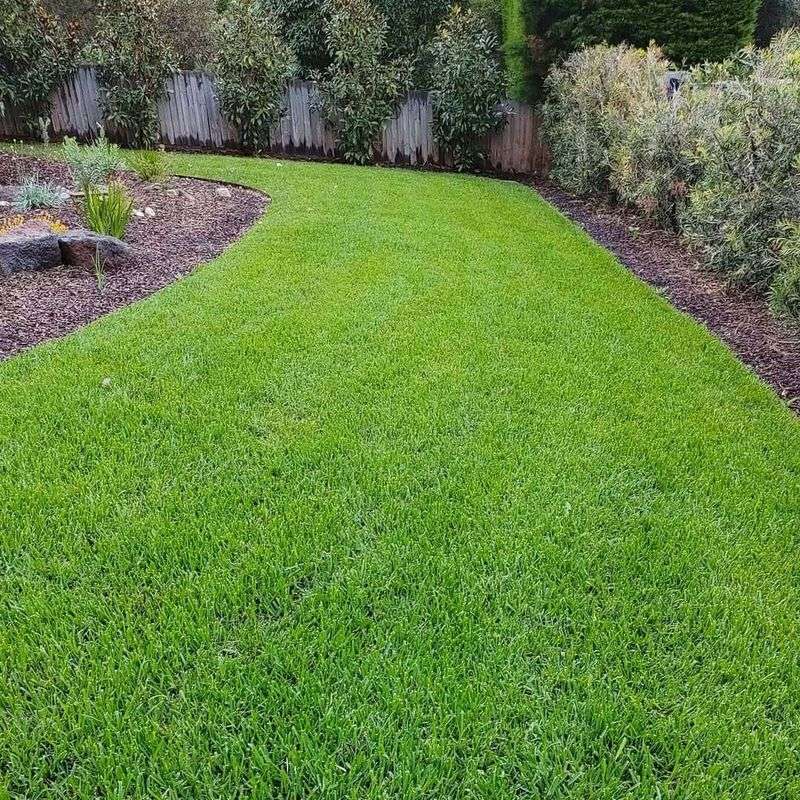
Here is the fun bonus that made me a fan. The same treatment that darkens moss can make your grass look richer and greener within a week or two.
Plants use iron to build chlorophyll, the green pigment that powers photosynthesis. When grass gets a small dose of iron, the blades often deepen in color without the fast, floppy growth that heavy nitrogen fertilizer can cause.
Golf course managers have used iron for years to green up turf quickly.
Still, the effect is mostly cosmetic and temporary. Iron does not replace a balanced fall fertilizer, and it will not fix thin turf all by itself.
Think of it as a nice polish on top of good care, not the whole recipe.
Most Virginia lawns are cool-season grasses like tall fescue, especially in the Piedmont, mountains, and Northern Virginia. Those grasses stay active into late fall, so they respond nicely to that iron boost.
Warm-season lawns such as Bermuda or zoysia, common in Hampton Roads, are going dormant now, so they will not show much color change.
Between you and me, that richer green right before winter feels like a small reward for doing yard work in a jacket.
Pick a Mild, Damp November Day to Spray the Moss
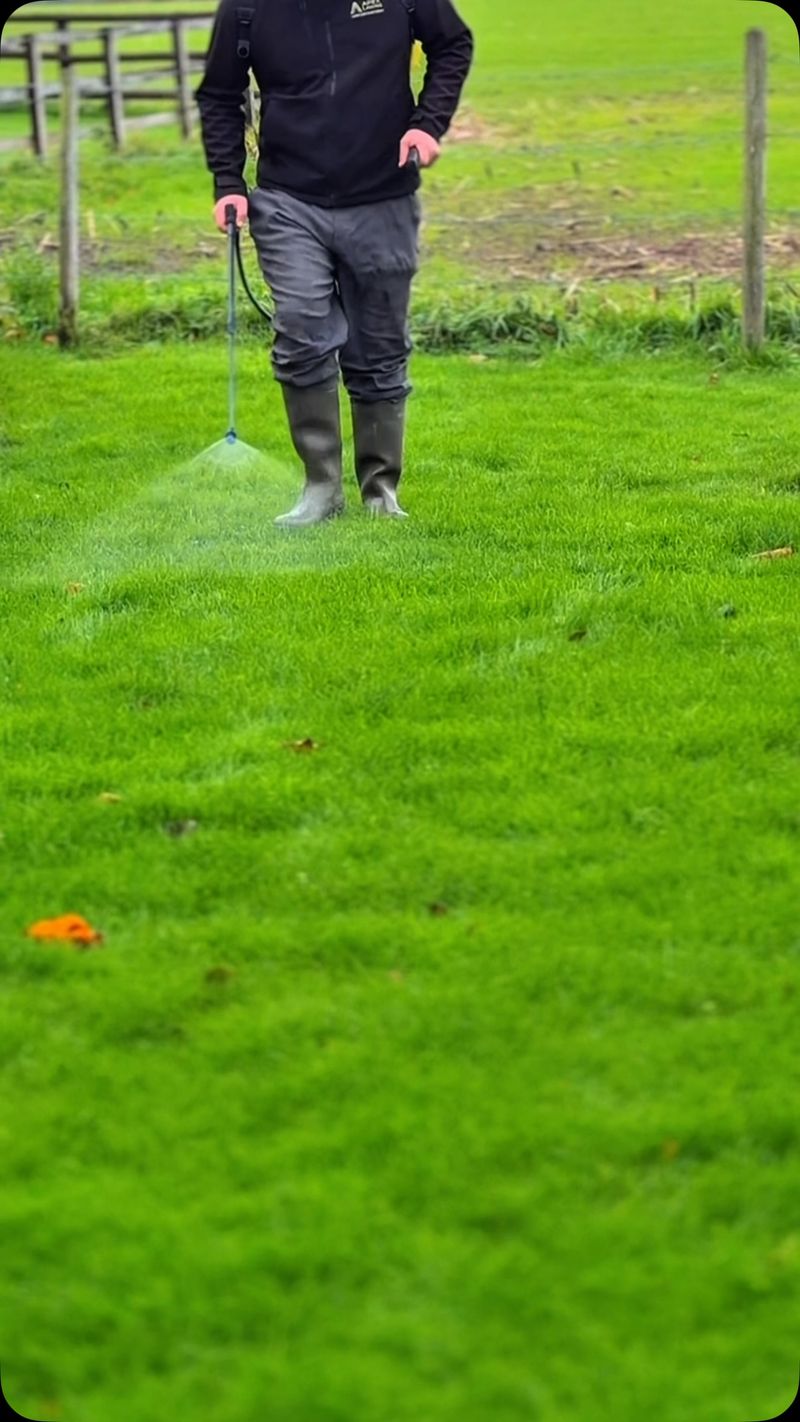
Timing is where many folks slip up, and I was one of them. My first try happened on a breezy, bone-dry afternoon, and the results were patchy at best.
Moss grows actively in cool, moist weather, which makes late fall a smart window to treat it. Aim for a calm day when temperatures sit comfortably above freezing and no hard frost is expected right away.
Slightly damp soil helps, but skip days when rain is coming soon, since a downpour can wash the product off before it works.
Read the label first and follow its mixing rate exactly. Too much iron can scorch grass and leave brown streaks.
A pump sprayer gives a fine, even mist, while granular products work well with a spreader.
Walk at a steady pace and overlap your passes slightly. Rushing creates stripes of heavy and light coverage, and you will spot them later.
Gloves and old shoes are a wise choice too. Iron sulfate can irritate skin and eyes, so keep kids and pets off the area until it dries.
Let’s just say a careful twenty minutes beats a frustrating redo next month.
Keep That Rusty Iron Off Your Patio and Driveway
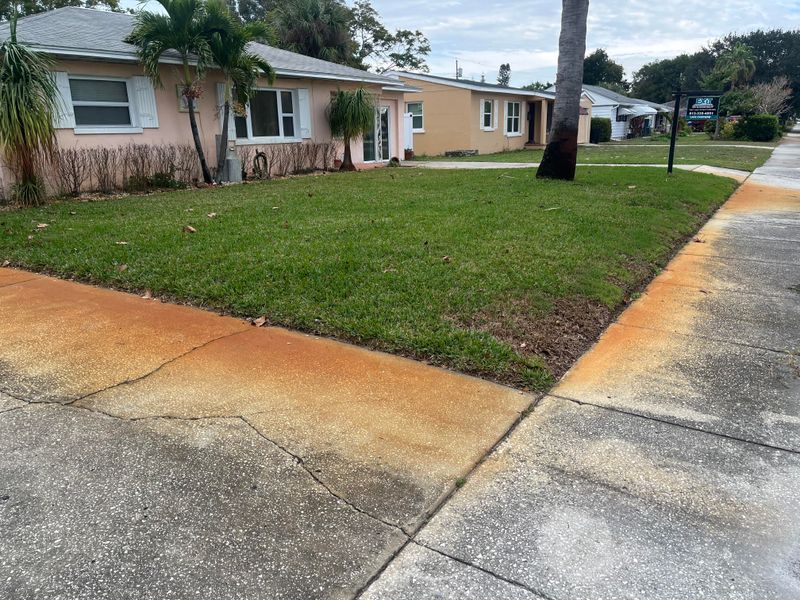
Take it from someone who learned the hard way. One stray handful of iron granules left orange freckles on my concrete walkway for over a year.
Iron sulfate reacts with moisture and air to form rust-colored stains. Concrete, pavers, stone, wood decks, vinyl siding, and even your favorite sneakers can pick up those marks.
Some stains fade slowly, but others hang around stubbornly.
A little prep goes a long way. Lay down cardboard or an old tarp along walkways before spreading, and use a spreader with an edge guard if you have one.
When spraying, keep the nozzle pointed low and away from hard surfaces.
Sweep up any granules on pavement right away, before dew or rain can wet them. A quick sweep beats any scrubbing session later.
If stains do appear, products made for rust removal on masonry can help, so test them on a hidden spot first.
Store leftover product in a sealed container in a dry place. Moisture makes it clump and can stain shelves too.
For what it’s worth, I now treat the edges of my lawn last, with fresh attention. My front steps look much happier for it.
Rake Out the Darkened Moss After a Week or Two
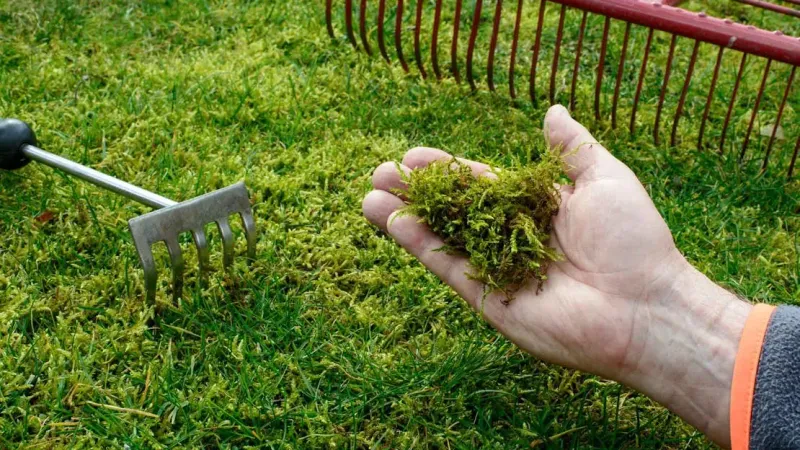
Patience pays off at this stage. Give the treated moss about one to two weeks to darken fully and dry out before you grab a rake.
Once it looks crispy and brown-black, use a sturdy spring-tine rake to pull it loose. Work in short, firm strokes.
You will be surprised how much material comes up, and yes, your arms will notice.
For bigger lawns, a power rake or dethatcher can save time. Set it high enough to lift moss without tearing out healthy grass crowns.
Bag the debris or toss it in a yard waste pile, but keep it out of storm drains.
Removing that layer matters because a mat of old moss blocks air, water, and light. Leaving it in place gives new grass seed nowhere to land and gives fresh moss an easy foothold.
Did you know? Moss spreads partly through tiny spores and small broken fragments.
Raking it into one tidy pile and removing it helps cut down on stray bits drifting around the yard.
The lawn will look a little rough afterward. That bare, scruffy stage is temporary, and it sets the scene for the next step.
Bare Spots Need a Shade-Smart Grass Seed Plan
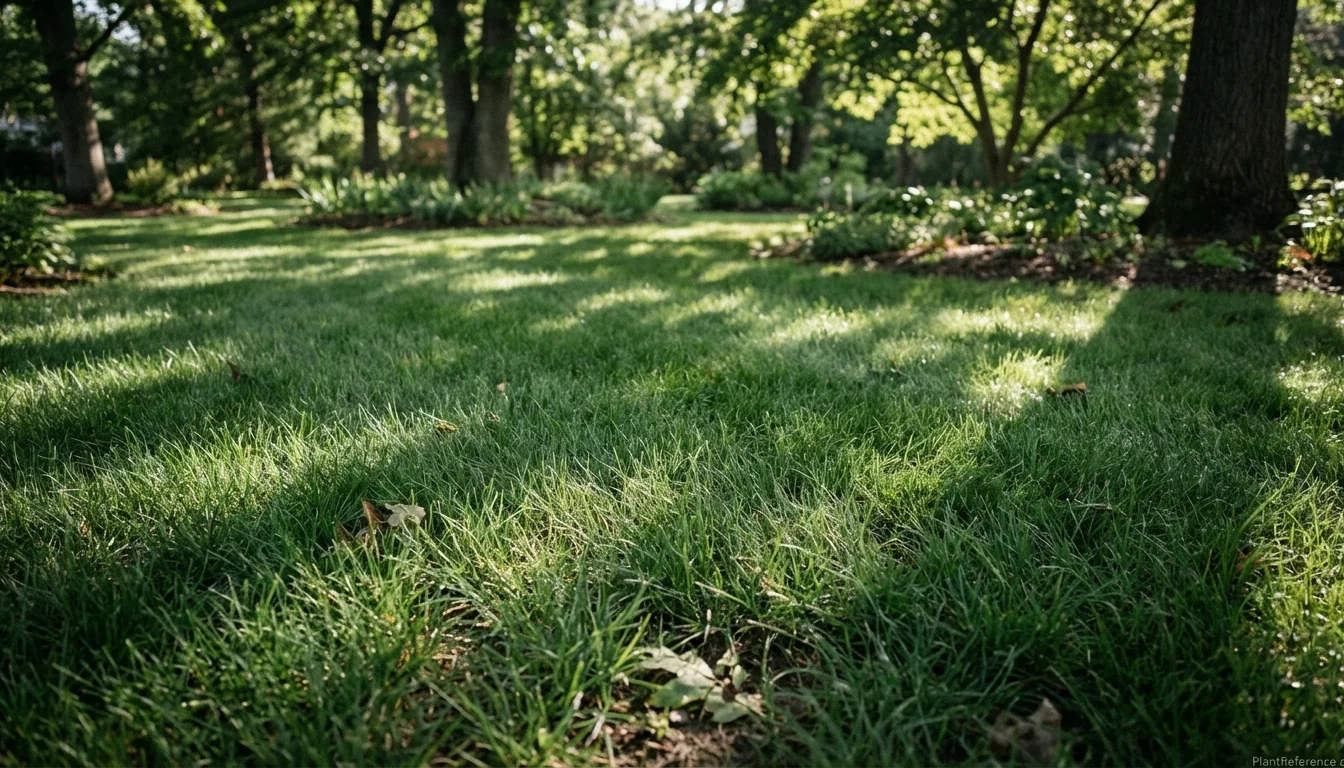
Raking moss away often reveals bare soil, and nature hates an empty spot. If you leave it open, weeds or moss will happily return.
Virginia Cooperative Extension recommends late summer through early fall as the best window to seed cool-season lawns. By November, cooler soil means seed sprouts slowly, and young grass may struggle before winter.
In warmer areas of the state, you may still get some growth, while mountain gardeners will likely have better luck waiting.
A practical approach is to lightly rough up the soil now and plan a fresh seeding for late winter or early fall. Some gardeners try dormant seeding in late winter, letting freeze and thaw cycles work seed into the soil, though results vary.
Shade matters when picking seed. Fine fescues, like creeping red or chewings fescue, handle shade better than most grasses, and shade-tolerant tall fescue blends are popular across the state.
Good seed-to-soil contact is key. Rake the seed in lightly and keep the area evenly moist until it sprouts.
If you ask me, a shady patch with the right grass feels like a small victory every time you mow past it.
Sunlight, Soil Tests, and Lime Keep Moss From Moving Back In
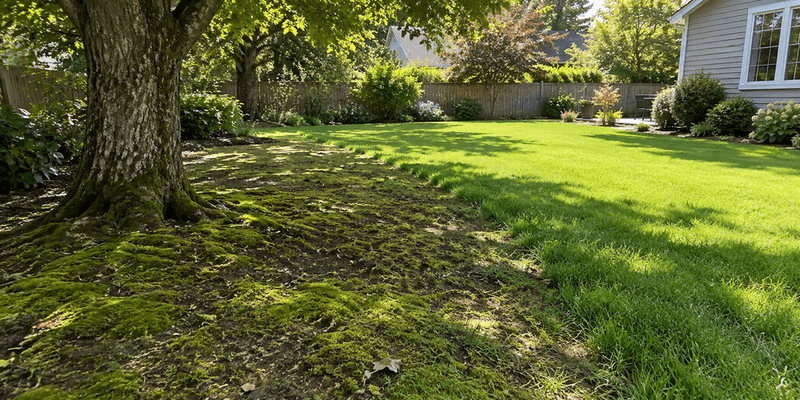
My garden taught me that moss is less of a villain and more of a messenger. It shows up where grass is having a hard time.
Moss loves heavy shade, poor drainage, compacted soil, low fertility, and often acidic soil. Iron sulfate handles the symptom, but those conditions will invite moss right back if nothing changes.
Start with a soil test. Virginia Cooperative Extension offers affordable kits through local extension offices, and the results tell you your pH and nutrient needs.
Many soils in the state lean acidic, and if your test calls for lime, fall and winter are great times to apply it since it works slowly.
Next, look up. Thinning lower tree limbs lets in more light and better airflow.
Grass needs several hours of sun to thrive, so in deep shade, a mulched bed or native shade groundcover may make more sense.
Core aeration in fall helps compacted cool-season lawns breathe, and fixing low soggy spots reduces lingering dampness. Mowing a bit higher also helps grass compete.
Don’t make my mistake of treating moss every year without asking why. Fix the conditions, and your lawn starts doing the hard work for you.