8 Mistakes That Stop Paperwhites From Blooming In Virginia Homes
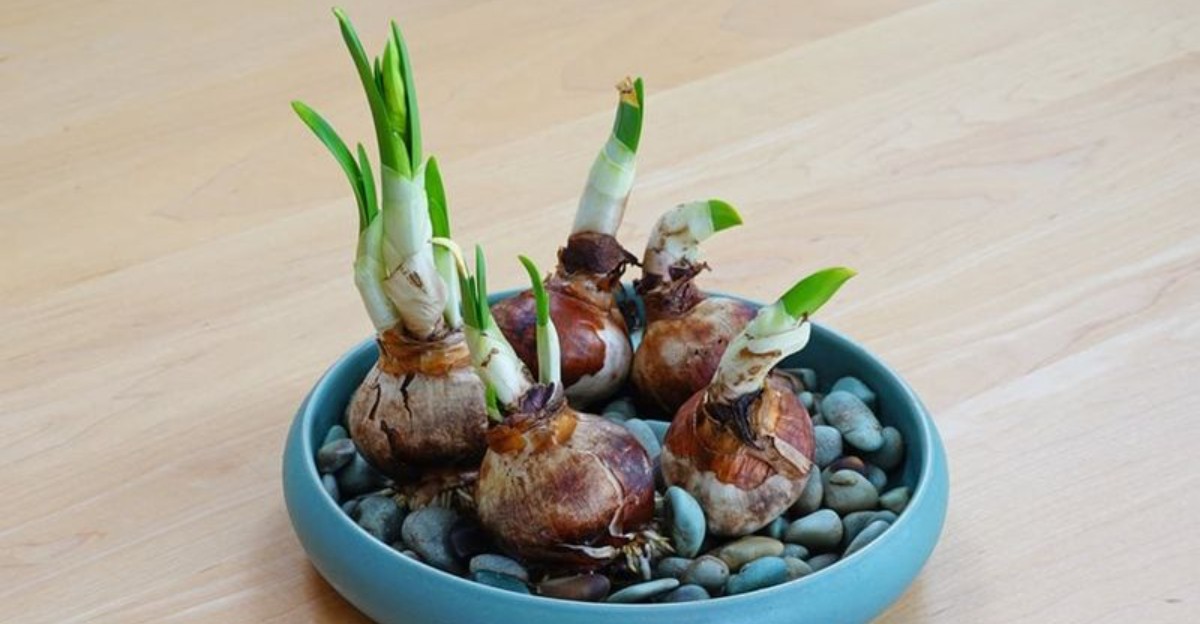
Certain fragrant winter bulbs bloom indoors without any chilling at all, which still amazes me every single December.
Their wild ancestors grow around the Mediterranean, where flowers open during cool and rainy winter months.
You can set them on pebbles in a plain glass bowl and watch roots appear within days. Most growers in Virginia see flowers roughly four to six weeks after planting, which feels wonderfully quick.
I have to admit, my first bowl gave me tall green leaves and not a single flower bud. You might notice the same frustrating result, even when you followed the package directions carefully and patiently.
What surprises me most is how small mistakes cause most of those flowerless bowls in Virginia living rooms. Just one overlooked detail could be keeping that sweet winter fragrance from filling your home.
1. Soft Or Moldy Paperwhite Bulbs Rarely Produce Flowers
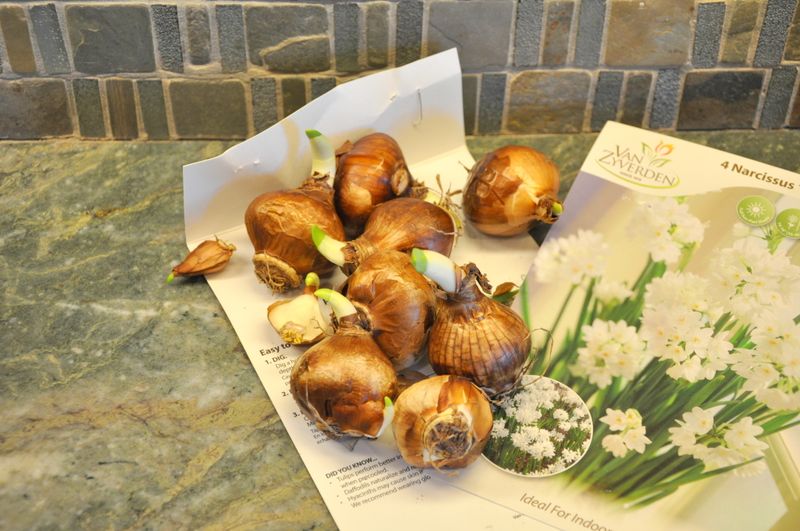
Every flower stalk you hope to see is already tucked inside the bulb before you plant it.
I find that idea thrilling, because a good bulb is basically a packed lunch for the whole season.
Squeeze each bulb gently before buying, and choose ones that feel firm like a fresh onion from the market. Soft spots, gray fuzz, or a sour smell often point to rot, and those bulbs rarely bloom well.
Size matters too, since bigger bulbs usually hold more flower stalks than small, bargain bin bulbs do. Many growers look for bulbs measuring around 14 to 16 centimeters or larger around their widest part.
Paperwhites, known as Narcissus papyraceus, do not store well for long periods like tulips or regular daffodils sometimes can.
Plan to plant them within several weeks of purchase, while their stored energy is still fresh and ready.
Until planting day, keep them somewhere cool and dry, with good airflow and no direct sun shining on them. A paper bag in a cool closet works nicely, but avoid plastic bags because they trap moisture.
Personally, I stagger my planting every two weeks, so I enjoy fresh blooms from late fall into early winter. That rhythm only works with healthy bulbs, so careful shopping really sets up the whole indoor show.
2. Paperwhite Bulbs Sitting Too Deep In Water Will Rot
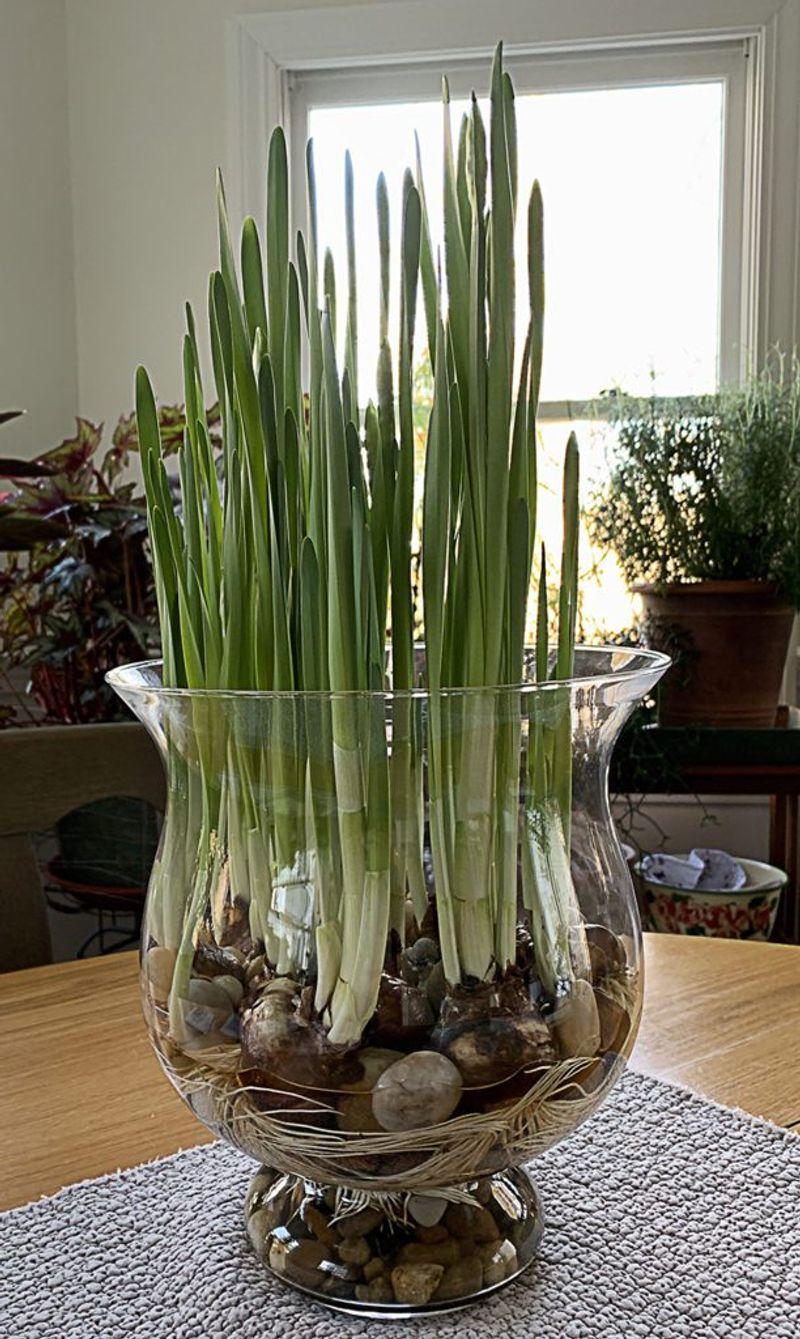
Watching white roots snake through clear pebbles is half the fun of growing paperwhites in a glass bowl.
I could stare at that root show for ages, but the water level decides whether flowers ever arrive.
Bulbs that sit deep in water soak up too much moisture and often turn mushy at the base. Once rot starts, the bulb usually struggles to send up healthy stalks, and the flower buds may stall.
Fill your container with two or three inches of pebbles, gravel, or glass marbles before adding any bulbs. Nestle each bulb pointy end up, pressing it in gently so it stands steady without any wobbling.
Pour in water until it reaches just below the bulb base, close enough for roots to find it quickly. Only the roots should drink deeply, while the papery bulb itself stays mostly dry and comfortably above water.
Check the level every day or two, since warm rooms and thirsty roots can lower water surprisingly fast. Top it up carefully, and swap in fresh water if it starts to look cloudy or smell a little funky.
I like using a clear container for exactly this reason, because I can spot problems right away.
A quick glance at the waterline takes seconds, and it saves a lot of disappointment later in the season.
3. Pots Without Drainage Holes Drown Paperwhite Roots
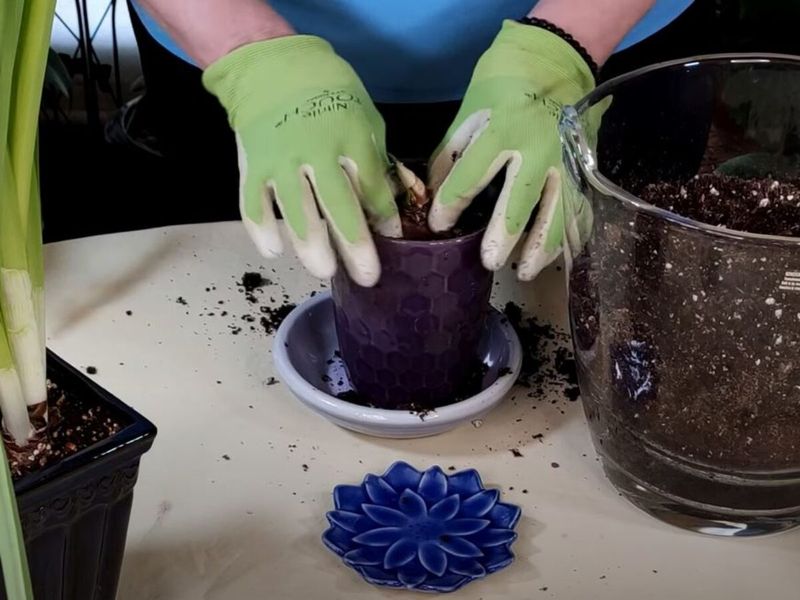
That gorgeous ceramic pot from the gift shop might be the sneakiest trap on your whole windowsill.
Without a drainage hole, extra water collects at the bottom, and paperwhite roots end up sitting in a soggy puddle.
Roots need air as much as water, and waterlogged soil pushes out the oxygen they depend on daily. Smothered roots often turn brown and slimy, which leaves the bulb unable to support a strong flower stalk.
Pick a pot with at least one hole in the bottom, and set it on a saucer to protect furniture. If you love a decorative pot without holes, simply slip a plain nursery pot inside it instead.
Fill the container with a light, fluffy potting mix rather than heavy soil scooped from your backyard garden. Clay soil from the yard packs down tightly indoors and holds water far longer than these bulbs prefer.
Plant the bulbs shoulder to shoulder with their pointed tips showing above the surface of the mix.
Water them well once, then let the extra drain out completely before returning the pot to its saucer.
I always empty the saucer about thirty minutes after watering, because standing water there can wick back upward. It is a tiny chore, yet it keeps the roots healthy and the bulbs moving toward flowers.
A quick check beneath the pot after each watering can prevent moisture problems before they interfere with those long-awaited winter blooms.
4. Overwatered Paperwhites Turn Mushy Instead Of Blooming
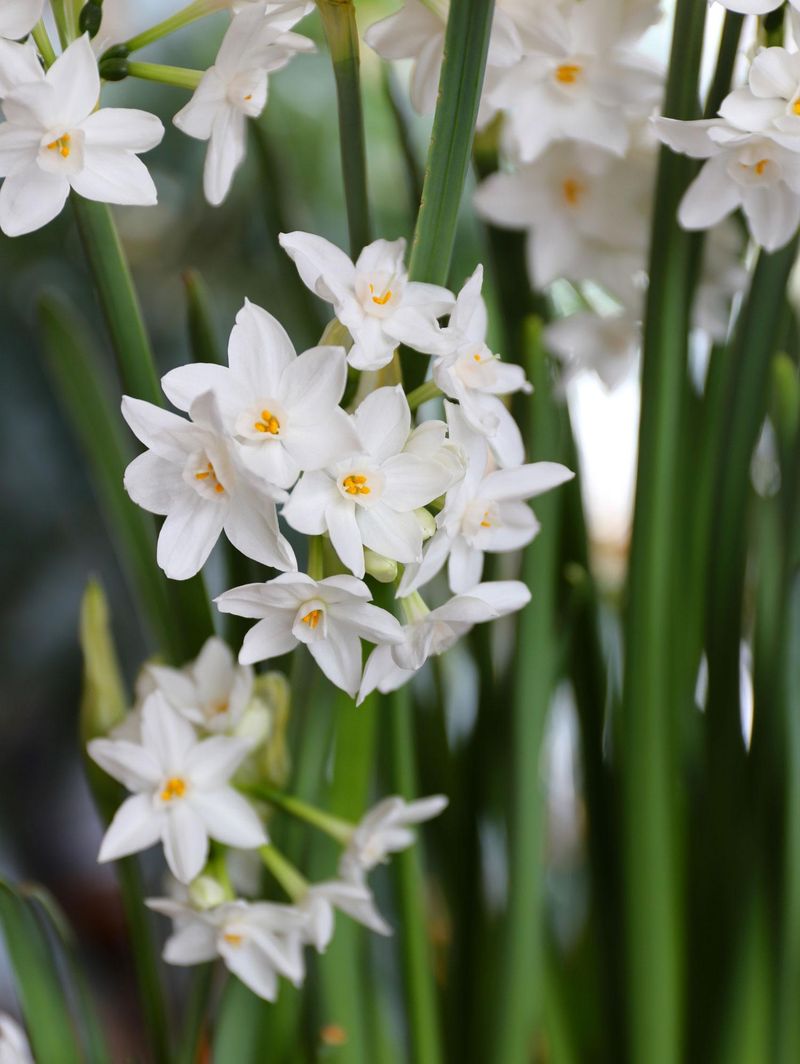
Love can drown a plant, and paperwhites seem especially quick to show it when we water too often. I learned this lesson the hard way with a pot that smelled like a forgotten salad drawer.
Soil that stays wet day after day encourages rot to creep into the base of the bulb.
Leaves may yellow, the bulb may feel spongy, and flower buds often fail to appear on time at all.
Before reaching for the watering can, push a finger about an inch into the potting mix and feel it. If it still feels damp, wait another day, then check again before adding any more water to it.
When the top inch finally feels dry, water slowly until a little drips from the drainage hole below. That deep drink reaches every root, and then the soil gets a chance to breathe between waterings.
Skip the strict calendar schedule, since indoor heat, pot size, and sunlight change how fast the soil dries. Two pots on the same shelf can need water on different days, so check each one separately.
Personally, I keep a small notebook beside my bulbs and jot down each watering date in pencil.
Patterns appear quickly, and I stop guessing, which makes my paperwhites much happier and far more likely to bloom.
Paying attention to how the soil feels is far more reliable than counting days, especially as your paperwhites move closer to flowering.
5. Thirsty Paperwhite Roots Stall Flower Buds
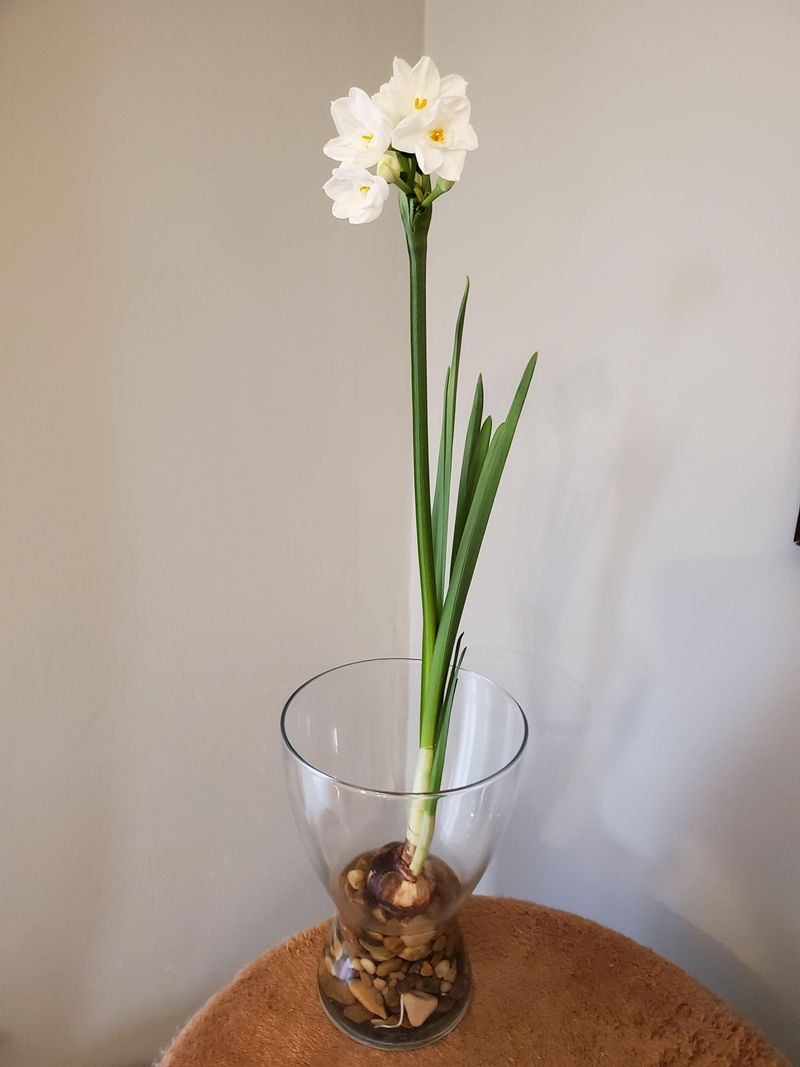
Forgetting the water for a week sounds harmless until you spot crispy roots and stalled flower buds.
Paperwhites grow fast, and that speedy growth means they drink more than many people expect them to.
Once leaves and buds start rising, the plant pulls water quickly through its roots and out through its foliage. Dry roots shrivel fast, and a stressed bulb may abort its buds or produce small, short-lived flowers.
Winter heating in many Virginia homes dries indoor air, so containers can lose moisture faster than in fall. A bowl that lasted five days in November might need topping up every two or three days later.
For pebble bowls, keep the water touching the roots without letting it rise up over the bulb base itself. For potted bulbs, water once the top inch of soil feels dry, then let the extra drain away.
I set a reminder on my phone during the busy holiday season, because life gets hectic around then. That little nudge has rescued more than one bowl of paperwhites from an accidental drought on my kitchen counter.
Balance is the real goal, with steady moisture that never swings between soggy and bone dry for long.
Find that middle ground, and those papery buds should split open into clusters of starry white flowers.
Checking the water level every couple of days takes almost no effort and helps keep your paperwhites growing steadily throughout the holiday season.
6. Paperwhites Stretch And Flop In Dim Rooms
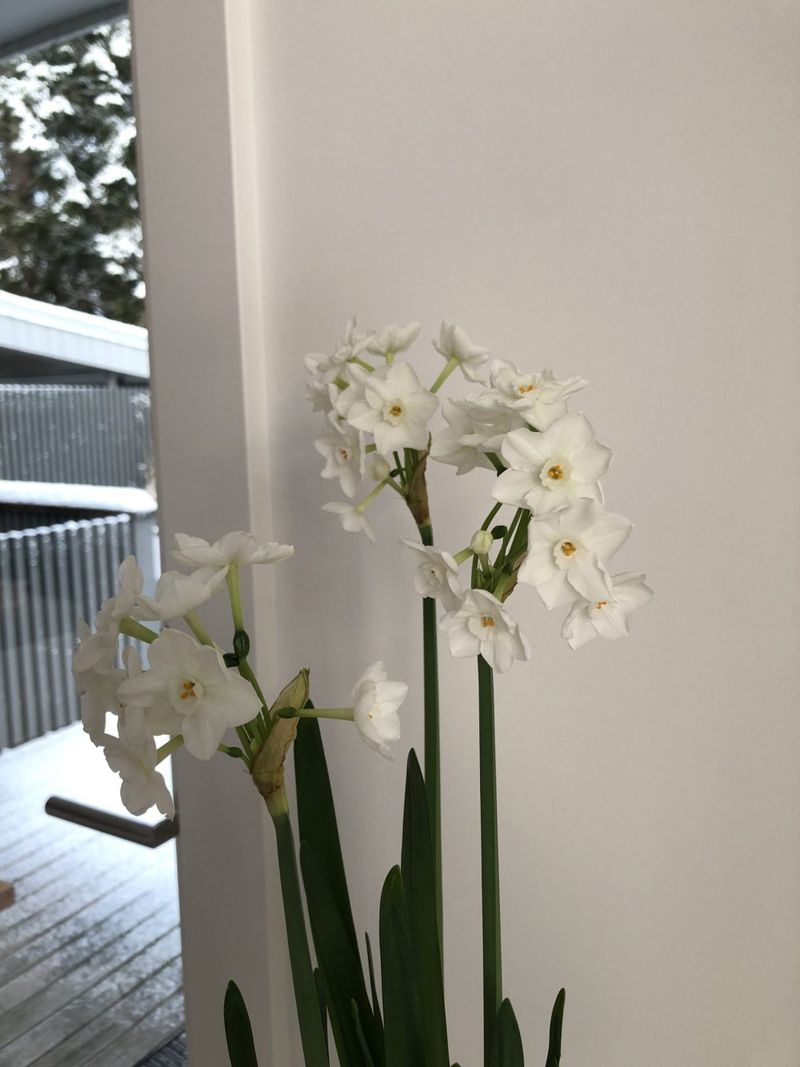
Floppy stems that lean like tired sunflowers usually mean your paperwhites are hunting for more light. I once kept a bowl on a shady bookshelf, and the leaves stretched nearly sideways toward the nearest window.
Paperwhites need bright light once their green shoots appear, since leaves make the energy that supports strong stems.
In a dim corner, stems grow long and weak, and the flower clusters often tip right over.
Move the container to your brightest window as soon as shoots reach a couple of inches tall. A south or west window often works well in winter, when the sun sits lower and feels gentler indoors.
Turn the pot a quarter turn every day or two, so the stems grow straight instead of leaning. It takes seconds, and I like making it part of my morning coffee routine beside the window.
Once flowers open, you can move the bowl out of direct sun to help the blooms last longer. Cooler, softer light near a table or entryway lets you enjoy the fragrance right where friends will notice it.
If your home simply lacks bright windows, a basic LED grow light placed above the bowl can help.
Keep it on for about twelve hours daily, and the stems should stay noticeably shorter and sturdier.
Just make sure the light stays a few inches above the tallest leaves, adjusting its height as the paperwhites continue to grow.
7. Warm Rooms Make Paperwhites Grow Weak And Fade Fast
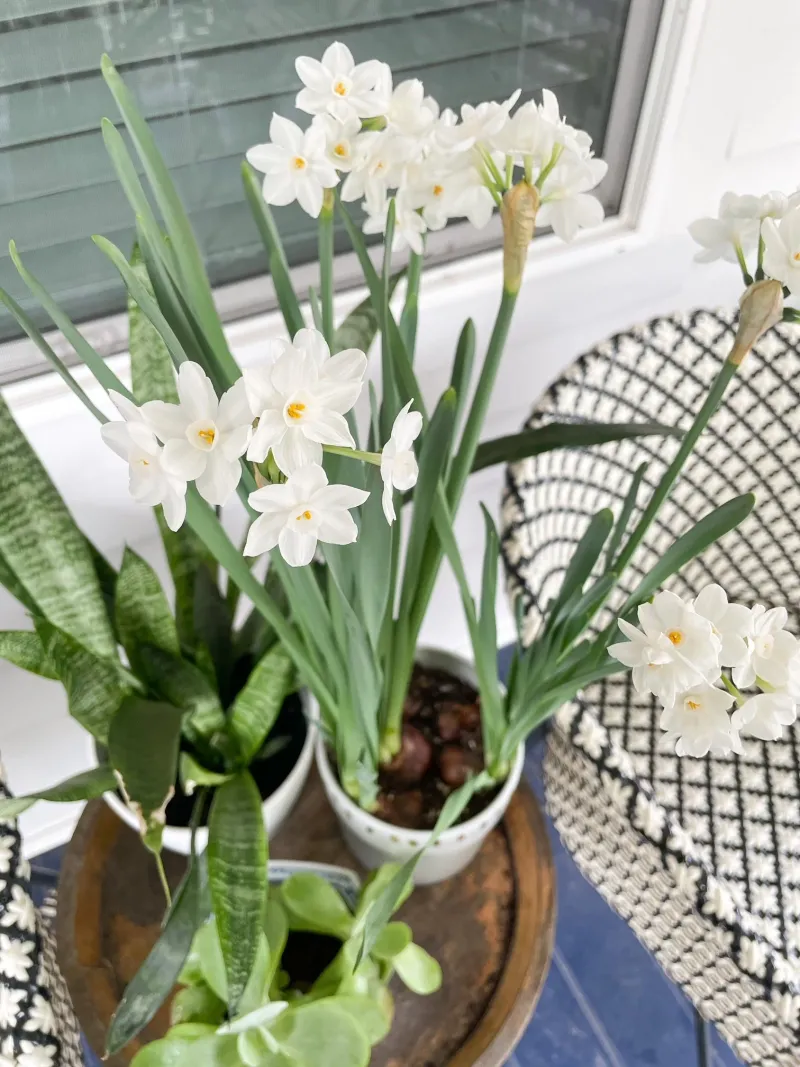
Cozy rooms feel wonderful for people, yet paperwhites often prefer conditions closer to a chilly sunroom than a den.
Their Mediterranean roots favor cool winters, and that history still shapes how they grow indoors today.
Warm air speeds growth so much that stems shoot up quickly and end up thin and floppy. Flowers also open and fade faster in heat, so your fragrant show might last only a short few days.
Aim for a room that stays around 60 to 65 degrees Fahrenheit during the day if possible. Slightly cooler nights help too, and a bright unheated porch or spare bedroom can work beautifully for many growers.
Keep containers away from radiators, heating vents, fireplaces, and the tops of warm appliances like refrigerators.
Those hot spots dry the roots and push growth too fast, even when the rest of the room feels comfortable.
Many coastal and central Virginia homes have chilly mudrooms or sunporches that are perfect for paperwhites in winter. Just make sure the space stays above freezing, since these tender bulbs cannot handle frost inside or outdoors.
Personally, I move my blooming bowls to a cooler hallway at night and back to the window by morning. That small shuffle stretches the flowering time noticeably, and the sweet scent greets me each day for longer.
8. Bulbs Piled On Top Of Each Other Struggle To Bloom
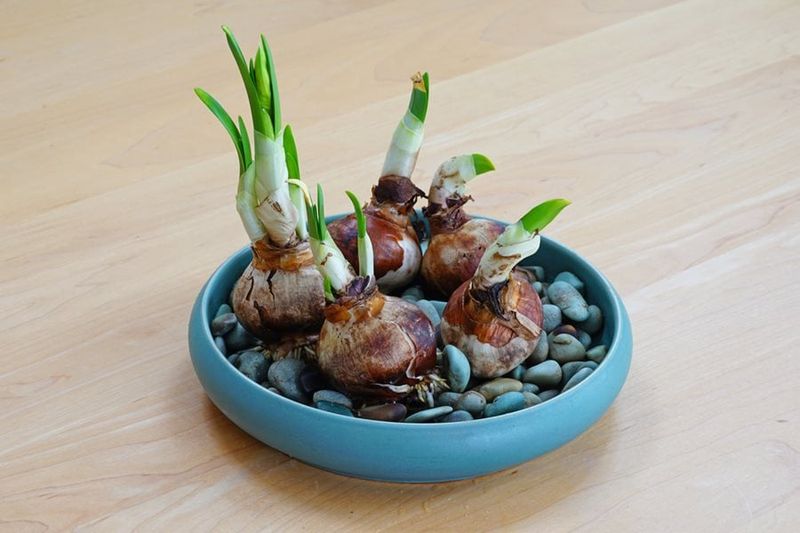
Cramming every bulb from the bag into one small bowl feels generous, but stacking them creates real trouble. Paperwhites do look gorgeous in snug groups, so the trick is close spacing without any piling up.
Bulbs set nearly shoulder to shoulder in a single layer usually do well and create a full, showy display.
Problems start when bulbs sit on top of others, since upper bulbs cannot reach water or anchor roots well.
Wedged bulbs may tilt, rub together, and trap moisture between their papery skins, which can invite rot. Stacked bulbs also shade the shoots below, leaving weak growth that rarely carries strong flower stalks upward.
As a rough guide, five to seven bulbs often fit nicely in a six to eight inch wide container. Arrange them in one level layer, pointed tips up, with their sides lightly touching or nearly so.
If you have extra bulbs, start a second container a couple of weeks later for more winter blooms.
I love handing those second bowls to friends in Virginia, because paperwhites make cheerful gifts during the gray months.
One extra tip helps crowded bowls stand tall, which is a ring of twine or a few twiggy stakes. Tuck them around the edge early, and the clustered stems can lean on each other without falling.