Where Do New York Frogs Go in Winter? The Surprising Way They Survive Freezing
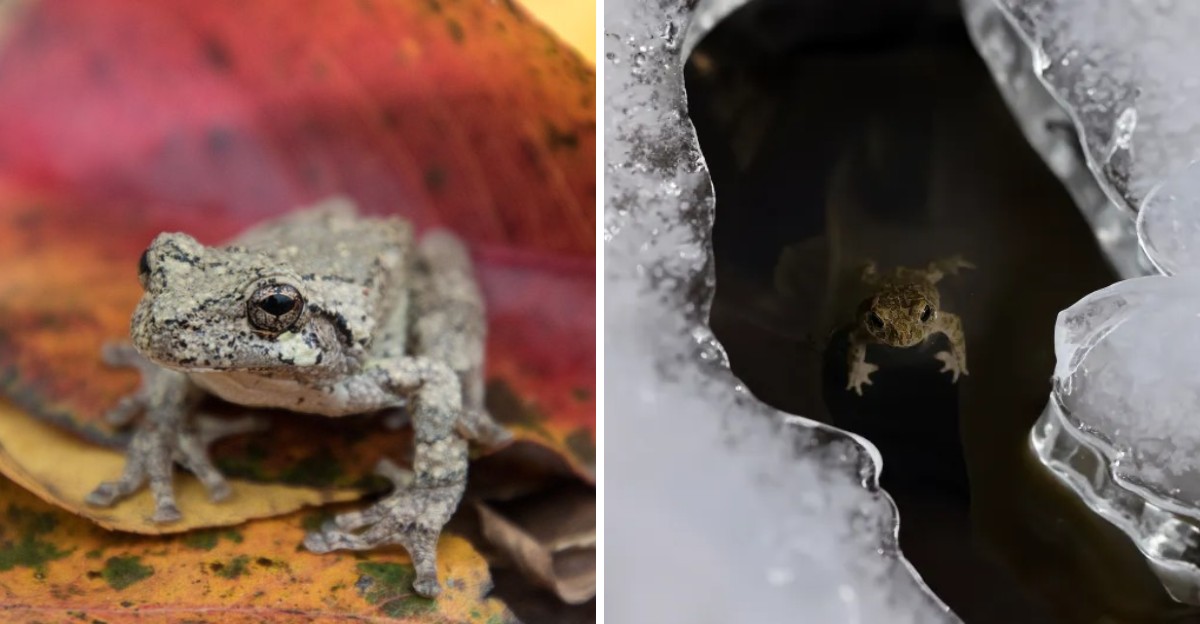
Somewhere under a pile of oak leaves, a small brown animal sits frozen hard as a pebble. Its heart is not beating.
It is not breathing, yet come spring it will hop away like nothing happened.
You might find it hard to believe, but that scene plays out every winter across New York. It happens in quiet woodlots, along stone walls, and maybe even under the leaf pile you skipped raking last fall.
What I find fascinating is how ordinary these spots look. A rotting log or a shallow hollow under leaves can hold a living secret until April.
Meanwhile, a few of their cousins choose a very different winter home at the bottom of the pond.
I never get tired of learning how small creatures handle brutal cold. So how does a soft, wet little body turn to ice and still wake up ready to sing?
1. Frozen Wood Frogs Are Hiding Just Inches Below Your Leaf Litter
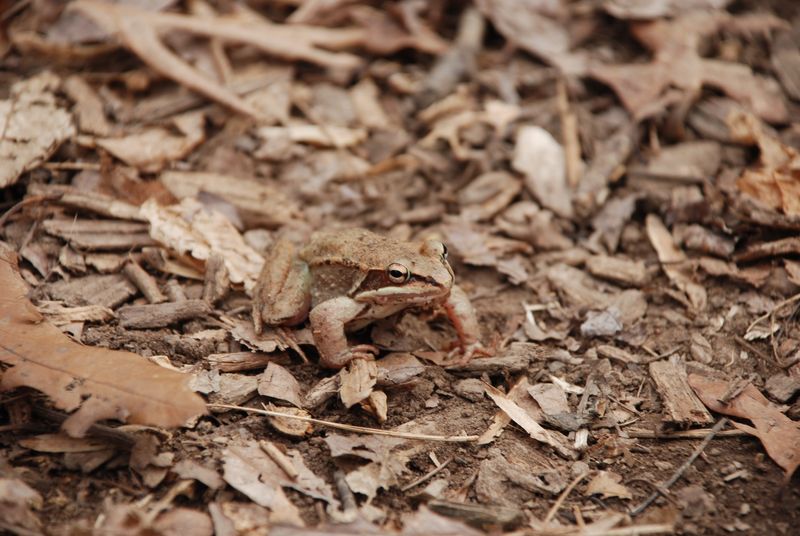
Kick through a winter woodland in the Adirondacks or the Hudson Valley, and you may step right over a frog without knowing it. Wood frogs, spring peepers, and gray treefrogs do not dig deep.
They tuck themselves just a few inches down in leaf litter, under bark, or beneath logs.
That shallow spot sits well above the frost line, which means these frogs freeze along with the ground. Scientists at SUNY ESF and other research groups have studied this for years.
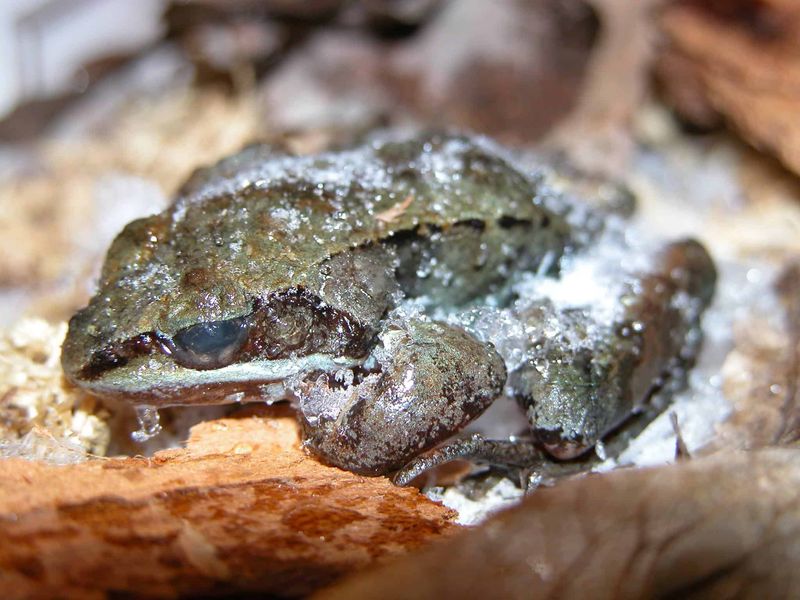
The frogs can let roughly 65 to 70 percent of their body water turn to ice.
During the frozen stretch, the heart stops beating and breathing pauses. A frozen wood frog feels stiff, and its eyes may look cloudy.
To a curious hiker, it would seem lifeless, yet it is simply waiting.
I love that these frogs skip the hard work of burrowing. They let the cold come to them and handle it with chemistry instead of shelter.
A blanket of snow on top actually helps by keeping temperatures steadier underneath.
Wood frogs are the champions here. They range farther north than any other North American amphibian, reaching past the Arctic Circle in Alaska and Canada.
Their tough freeze tolerance is a big reason why.
So the next time you see a quiet patch of leaves in January, give it a little respect. There could be a frog sleeping on ice right there.
2. A Sugary Antifreeze Keeps Frog Cells Safe From Ice
Sugar is the secret weapon. When ice first touches a wood frog’s skin, its liver kicks into high gear and turns stored glycogen into glucose.
Within hours, that sugar floods through the bloodstream to every organ.
Glucose works like a natural antifreeze, or cryoprotectant. It keeps the water inside cells from freezing, which matters a lot.
Ice crystals inside a cell can tear it apart, while ice outside the cell is far less harmful.
Gray treefrogs lean more on glycerol, a different protective compound. Urea, a waste product the frogs build up in fall, also pitches in.
Each species has its own recipe, but the goal stays the same.
Here is the clever part. Ice forms mostly in spaces between cells, under the skin, and in the body cavity.
Water gets pulled out of the cells, so they shrink a bit but stay whole.
Researchers have found that frogs can build glucose levels many times higher than normal. In people, numbers like that would be a medical emergency.
For the frog, they are a winter survival kit.
Scientists who study organ storage for transplants find this amazing too. Learning how frogs protect cells from ice may one day help doctors keep tissues healthy longer.
Not bad for a creature smaller than your palm.
Nature figured this out long before any lab did.
3. Bullfrogs And Green Frogs Wait Out Winter At The Pond Bottom
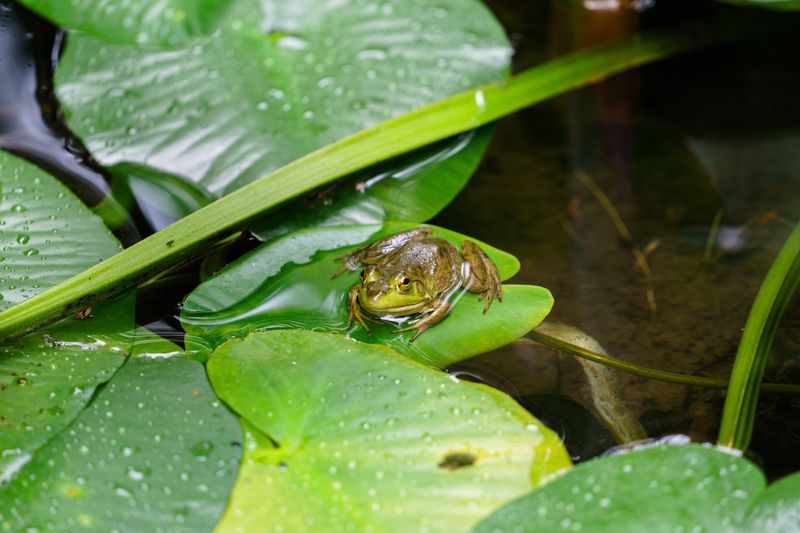
Not every frog wants to become a frogsicle. Bigger, water-loving species like American bullfrogs, green frogs, and northern leopard frogs head for ponds, lakes, and slow streams instead.
They cannot survive freezing solid, so they need water that stays liquid.
Ice floats, and that simple fact saves them. The surface freezes while deeper water stays a few degrees above freezing all winter.
Down there, the frogs settle in and slow everything way down.
Their heart rate drops, and they barely move. Some people call this state brumation, though many biologists just call it hibernation for amphibians.
Either way, the frog uses very little energy.
You might expect them to dig deep into the mud like turtles sometimes do. Most of them do not.
They usually rest on top of the mud or only partly buried, and there is a good reason for that.
Thick, mucky mud holds very little oxygen. A frog sunk deep in it could run short of air.
Staying near the surface of the mud keeps them in touch with the water around them.
If you have ever seen a frog drifting slowly under clear ice on a sunny day, you were not imagining it. They sometimes shift spots during winter.
It is one of my favorite surprises on a frosty pond walk.
4. Breathing Through Their Skin Under The Ice
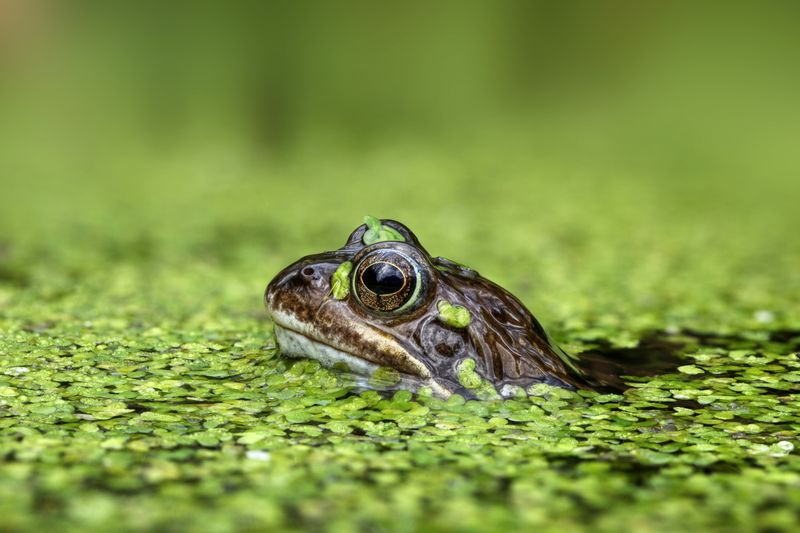
Lungs take a long vacation in winter. A green frog parked under the ice is not gulping air at all.
It pulls oxygen straight out of the water through its thin, moist skin.
Frog skin is loaded with tiny blood vessels close to the surface. Oxygen slips in, and carbon dioxide slips out.
Because the cold has slowed the frog’s body so much, that gentle trickle of oxygen is enough.
Cold water also holds more dissolved oxygen than warm water. That works in the frog’s favor, at least early in the season.
Trouble can show up later, though.
When snow piles on top of the ice, sunlight cannot reach water plants. Plants stop making oxygen, and rotting leaves on the bottom use oxygen up.
In shallow, mucky ponds, oxygen can drop low by late winter.
Wildlife biologists call this a winterkill when fish and frogs are lost in large numbers. It happens most in small, shallow, plant-choked ponds.
Deeper, cleaner water gives frogs a much better shot.
I find it humbling that a frog’s whole winter depends on the quality of the water around it. Clean ponds are not just pretty in summer.
They are life support systems in January.
Keep that in mind if you ever manage a pond of your own. What goes into the water in fall still matters months later.
5. A Spring Peeper Thaws From The Inside Out
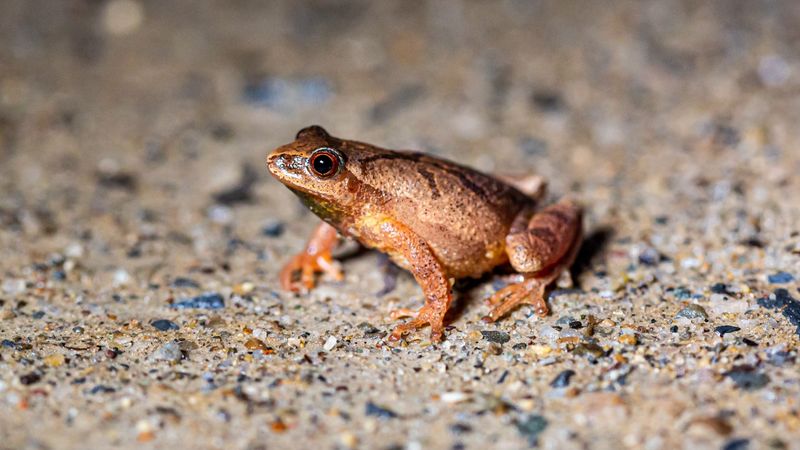
Spring wakeup for a frozen frog is slow and careful. As the ground warms, the frog thaws, and research shows the core and organs tend to come back first.
That timing helps the heart start pumping before the legs need blood.
The first heartbeats can return within hours of thawing. Breathing follows, then reflexes, then muscle control.
Within about a day or so, the frog is usually moving normally again.
Mild spells in winter can cause frogs to thaw and refreeze more than once. They can handle a few cycles, but each one uses up energy.
Steady cold followed by a clean spring warmup suits them best.
Spring peepers are tiny, often under an inch and a half long. Look for a dark X shape on the back, which gives them their scientific name, Pseudacris crucifer.
They are much easier to hear than to see.
Once they wake, they head straight for wet spots. By late March or April in much of New York, the high peep of the males rings out at dusk.
A full chorus can be loud enough to drown out conversation.
Honestly, that first peep is my favorite sign of spring. It means a tiny frog made it through months of ice in the dirt.
It deserves a little cheer from the back porch.
6. Wood Frogs Race To Vernal Pools While Snow Still Lingers
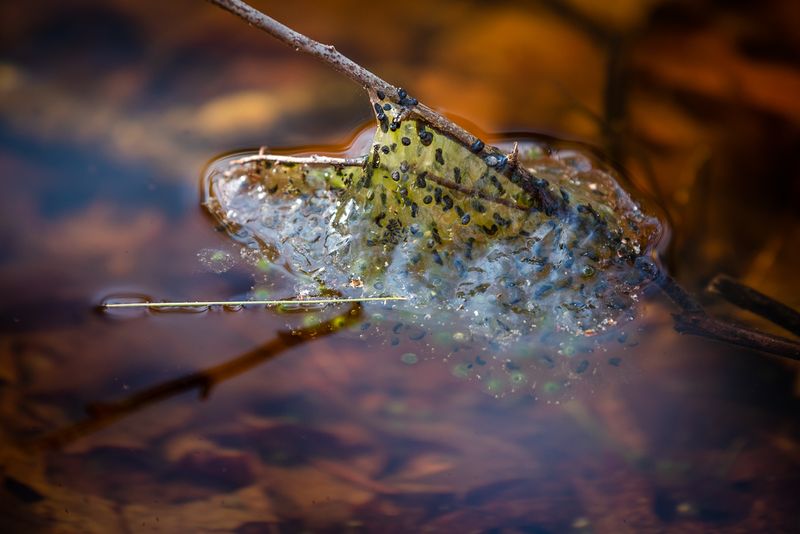
Freezing in place pays off big time in early spring. Wood frogs overwinter close to the woodland pools where they breed.
When the first warm, rainy night arrives, they do not have far to travel.
These breeding spots are often vernal pools. They fill with snowmelt and spring rain, then dry up by summer.
Because they dry out, fish cannot live there, so frog eggs face fewer hungry mouths.
Wood frogs are often among the first frogs calling, sometimes with ice still rimming the pool. Their call sounds more like quacking ducks than singing frogs.
Once you learn it, you will notice it every March.
The breeding season is short and busy. Females lay egg masses in clusters, and the tadpoles must grow into froglets before the pool dries.
Getting an early start gives them a real edge.
Many communities in New York run Big Night volunteer efforts. People help frogs and salamanders cross roads safely on rainy nights.
The DEC and local nature centers often share how to join safely.
Want to help? Drive slowly on wet spring nights near wooded wetlands, and watch for small shapes hopping across the pavement.
Wear a reflective vest if you go out to help, and stay alert for traffic. A little patience on the road can save many frogs in one evening.
7. That Leaf Pile In Your Garden Might Be A Gray Treefrog Hotel
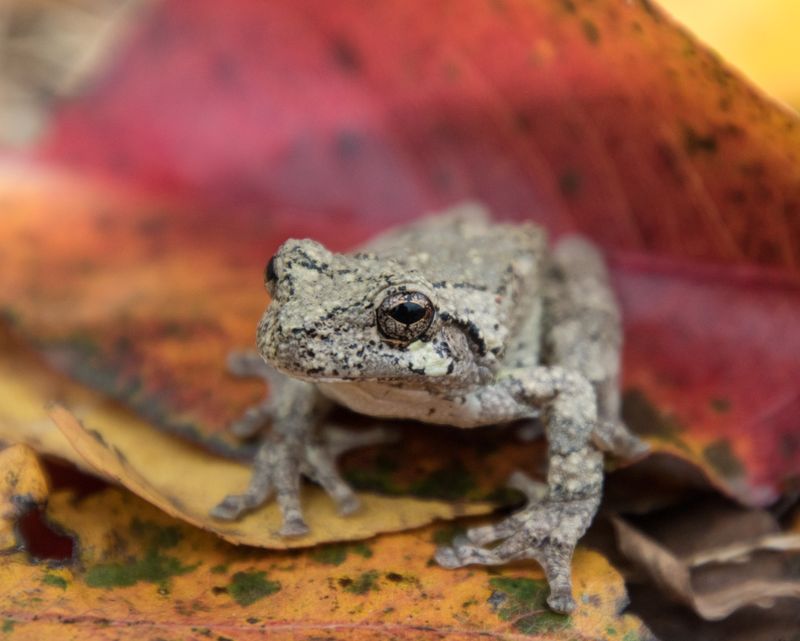
Raking every last leaf can feel tidy, but your frogs may disagree. Gray treefrogs, peepers, and wood frogs often spend winter under leaf litter in yards that sit near woods or wetlands.
A bare, scraped bed gives them nowhere to tuck in.
Try leaving leaves in planting beds, under shrubs, and along fence lines. Shredded or whole, they insulate soil and break down into rich organic matter.
Your perennials will likely thank you too.
Brush piles, old logs, and loose stone walls make cozy hiding spots as well. Gray treefrogs especially like to slip under bark or into crevices.
A small corner left a little wild goes a long way.
Hold off on heavy fall tilling in spots near woods or water. Digging and turning soil late in the season can expose sleeping frogs to harsh cold and predators.
Light cleanup is fine where needed.
In spring, wait for steady warm weather before clearing those beds. Many gardeners use a simple rule of waiting until daytime temps reach the 50s for a week or so.
That gives frogs and helpful insects time to wake and move on.
Gray treefrogs are fun to spot later in the year. They change color from gray to green to blend in.
Their sticky toe pads let them climb siding, posts, and even windows.
8. Give Pond Frogs A Deep Spot And A Little Air Under The Ice
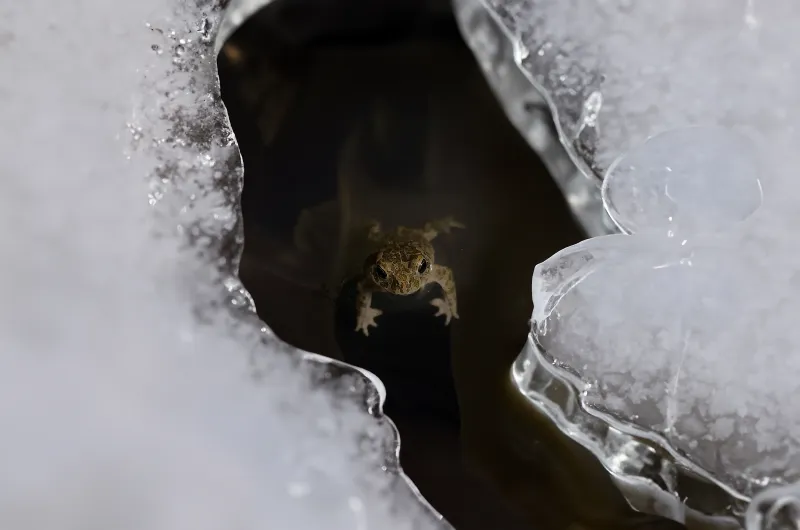
A backyard pond can become a winter refuge with just a few smart choices. Frogs need water that stays liquid at the bottom.
Many pond experts suggest a deep zone of at least 18 to 24 inches in colder parts of the state.
Oxygen matters as much as depth. A small air pump or bubbler placed in shallower water can keep a hole open and let gases escape.
Some folks use a floating pond de-icer for the same reason.
Please skip smashing the ice with a hammer or shovel. The shock waves can stress fish and frogs resting below.
Melting a hole gently with a pan of hot water works better in a pinch.
Clean out excess leaves and muck in fall, before the water freezes. Rotting debris uses up oxygen all winter.
A net over the pond during leaf drop saves you a lot of work.
Plant native species around the edges to give frogs cover in warmer months. Pickerelweed, blue flag iris, and native sedges are lovely choices.
Avoid invasive plants like purple loosestrife, which is prohibited in New York.
Above all, give these little survivors some peace. Leave the leaves, keep the water healthy, and listen for those first spring calls.
Few garden rewards beat hearing frogs you helped carry through the winter.