These Are The 9 Most Common Coastal Florida Landscaping Mistakes
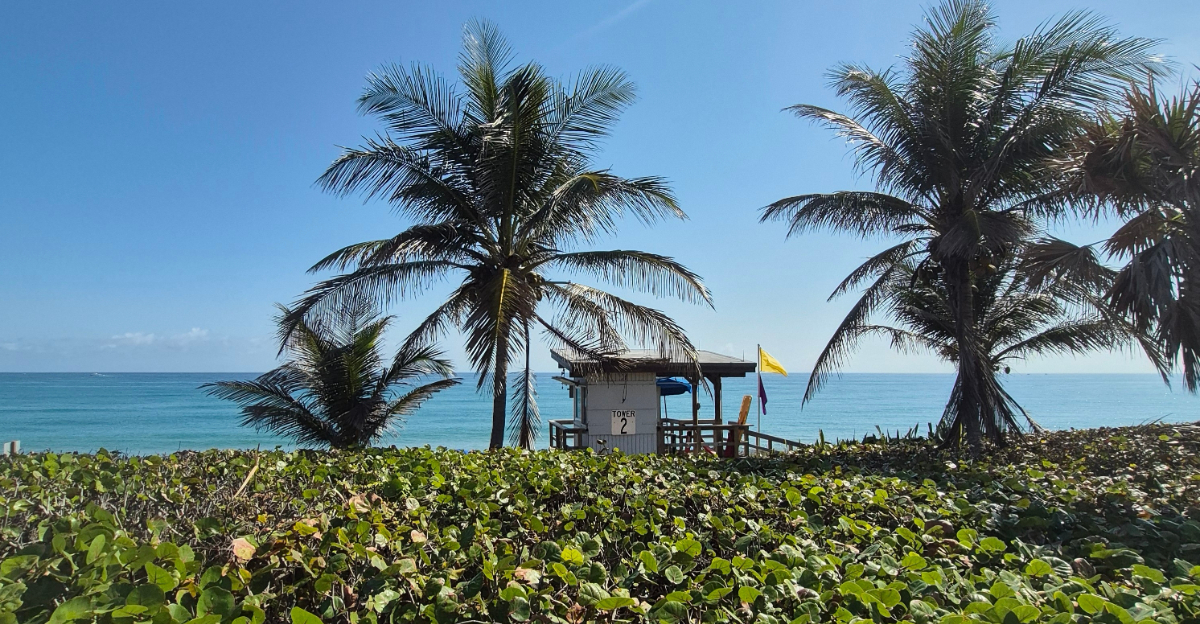
Coastal Florida landscaping looks straightforward until you actually try it. The views are spectacular, the outdoor living potential is real, and the climate feels generous enough to grow almost anything.
So homeowners plant what they like, arrange things the way they look good, and wait for the results. The results, more often than not, tell a different story.
Coastal conditions in Florida operate by a completely different rulebook than even inland Florida gardening.
Salt air, sandy soil that holds almost nothing, wind that works against broad-leafed plants constantly, and storm surge risk that can change a landscape overnight.
The mistakes that coastal homeowners make are not random. The same ones show up yard after yard, neighborhood after neighborhood, from the Panhandle beaches down through the Keys.
Most of them trace back to treating a coastal Florida property like any other Florida property, or worse, borrowing landscaping ideas from places that share none of the same conditions.
What photographs well in a garden magazine and what survives a full year forty feet from saltwater are two very different conversations.
Knowing where coastal landscaping goes wrong most often is the clearest starting point for getting it right.
1. Planting Too Close To The Water
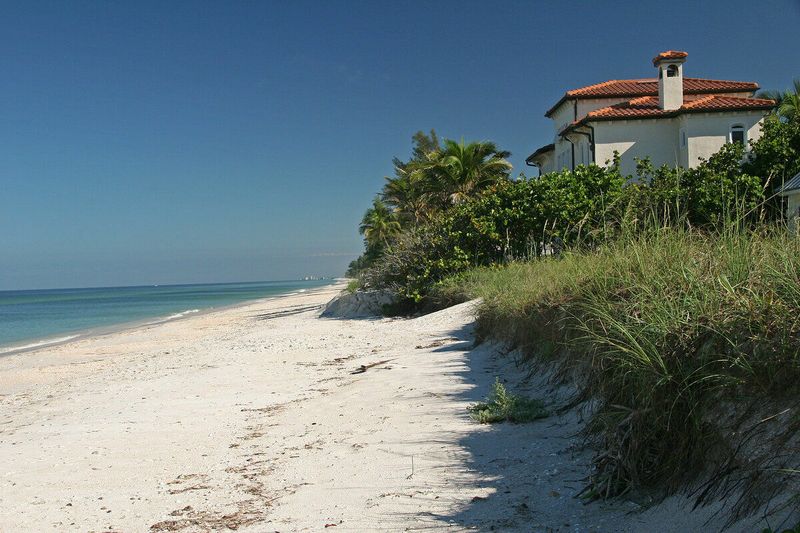
Standing at the edge of a coastal Florida property and imagining a lush garden right at the waterline sounds appealing, but the reality near the shore is far less forgiving.
Salt exposure, storm surge, shifting sand, and relentless wind make the zone closest to the water one of the harshest planting environments in the state.
Delicate ornamentals that thrive in inland yards simply cannot handle those conditions, and replacing them season after season wastes both money and effort.
Setback rules are another serious concern. Many beachfront properties, dune areas, and shorelines near mangroves fall under local or state regulations that restrict what can be planted or removed.
Homeowners near protected coastal zones should always check with their local government or Florida Sea Grant extension before digging. Skipping that step can lead to fines or forced removal of newly installed plants.
A smarter approach is choosing regionally appropriate coastal-tolerant plants that are built for tough exposure.
Sea grape, saw palmetto, railroad vine on suitable dune sites, and beach sunflower are far better fits for exposed coastal edges than roses, gardenias, or ornamental grasses bred for sheltered gardens.
Matching the plant to the actual site conditions near the water saves frustration and supports the natural coastal environment at the same time.
2. Choosing Plants That Hate Salt Spray
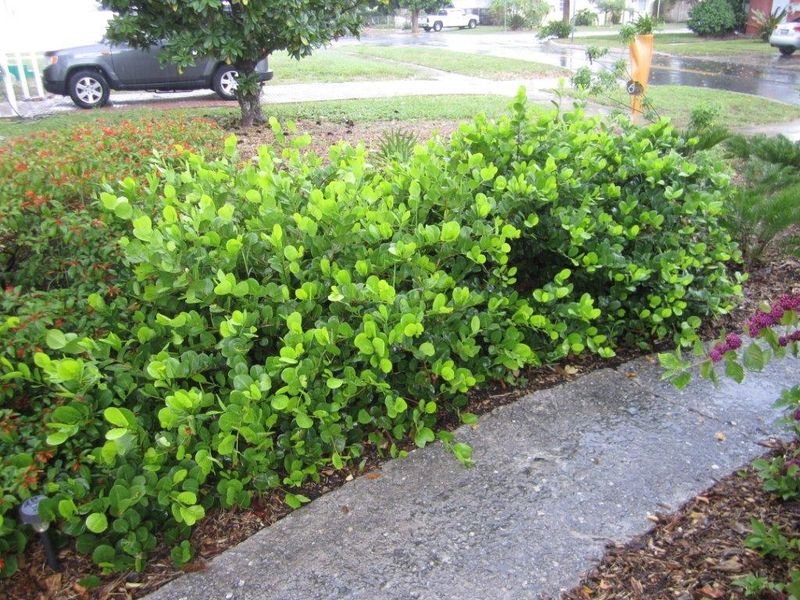
Salt spray is one of the sneakiest problems in a coastal Florida yard.
You cannot always see it landing on your plants, but over time the damage shows up as brown leaf edges, stunted growth, and shrubs that just never seem to recover no matter how much water or fertilizer you add.
Many popular nursery plants sold across Florida are simply not bred to handle salty wind, and planting them in exposed coastal spots sets them up for constant stress.
Your Florida Garden Changes Every Week. Your Plan Should Too.
Gardening in Florida changes quickly throughout the season. Every Friday you’ll receive a simple weekly plan showing exactly what to plant, prune, fertilize, harvest, and protect so you never miss the right timing.
Exposure level matters a lot when choosing plants near the coast. A yard on the ocean-facing side of a barrier island deals with far heavier salt loading than a lot two streets inland.
UF/IFAS Extension groups coastal plants by high, moderate, and low salt tolerance, which makes it easier to match the right plant to the right spot. Using that framework before you buy saves a lot of replacement work later.
Plenty of beautiful Florida-friendly options actually thrive with salt exposure.
Sea grape, yaupon holly, cocoplum in warmer South Florida coastal areas, saw palmetto, muhly grass, beach sunflower, and Simpson’s stopper in suitable regions all perform well under salty conditions.
Swapping struggling ornamentals for these regionally appropriate choices makes the whole yard easier to manage and far more resilient through storm season.
3. Ignoring How Strong Coastal Wind Gets
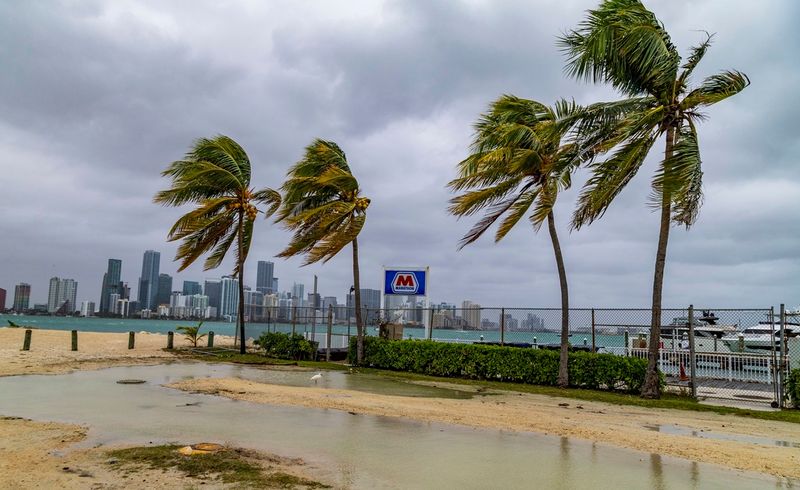
Anyone who has spent a summer afternoon on a Florida barrier island knows the wind never really stops.
Coastal yards face constant air movement that dries out soil faster, shreds broad leaves, leans young trees sideways over time, and turns tall top-heavy plantings into liabilities when a storm rolls in.
Wind stress is often underestimated by homeowners who move to coastal areas from inland Florida or other states where sheltered conditions are the norm.
Poor plant placement makes wind damage worse. Planting a tall, single-trunk tree in a completely open yard with no surrounding windbreak gives it almost no protection during strong weather events.
Over-pruning is another common error. Removing too many branches in the name of storm prep can actually weaken a tree’s structure and make it more vulnerable, not less.
Proper pruning by a certified arborist familiar with Florida coastal conditions is always the better choice.
Layered plantings work much better in exposed coastal sites. Mixing low groundcovers, mid-height shrubs, and wind-tolerant trees creates a natural buffer that slows air movement across the yard.
Sturdy coastal-adapted choices like sea grape, wax myrtle, yaupon holly, and saw palmetto handle sustained wind far better than ornamental trees bred for calmer climates. Stake young trees only when truly necessary, and remove stakes once the root system is established.
4. Trying To Force A Thirsty Lawn
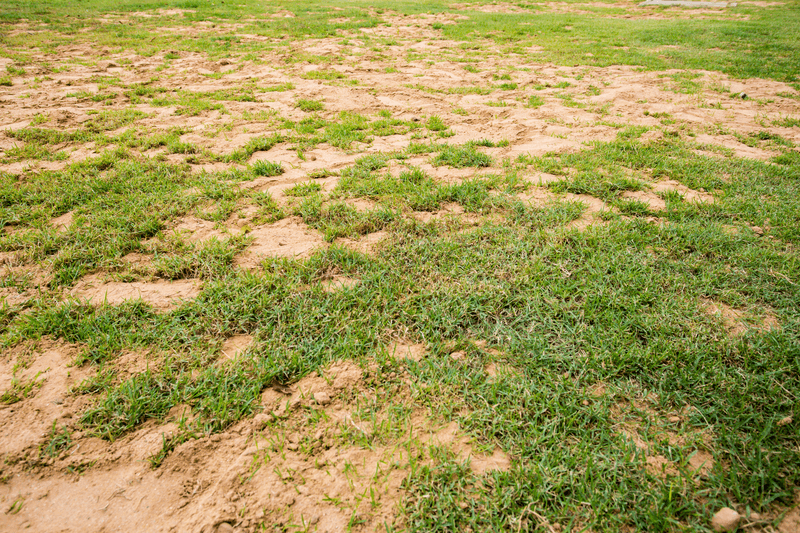
Large, perfectly green lawns look great in lawn care commercials, but coastal Florida sandy soil tells a completely different story.
Water drains through sandy coastal soil so quickly that keeping a thirsty lawn green demands constant irrigation, heavy fertilizer inputs, and ongoing maintenance that rarely pays off near the coast.
Runoff from over-irrigated and over-fertilized turf areas can also carry nutrients into nearby coastal waterways, which contributes to algae problems and water quality issues that Florida communities are actively working to reduce.
Turf is not always the wrong choice. Some coastal yards have soil and sun conditions where a well-selected grass variety performs reasonably well with smart irrigation habits.
The key is matching the grass type to the site and following local watering restrictions, which vary by county and can be strict in coastal communities. Forcing a northern-style lawn into a beachside lot almost never ends well.
Reducing lawn size and replacing high-maintenance turf areas with mulched beds, native groundcovers, beach sunflower, or sunshine mimosa where regionally appropriate gives coastal yards a much more manageable footprint.
Florida-Friendly Landscaping principles from UF/IFAS encourage right-plant, right-place thinking that works especially well in coastal settings where water, wind, and salt already create enough pressure on the landscape without adding a demanding lawn on top.
5. Skipping Native Plants That Hold Sand
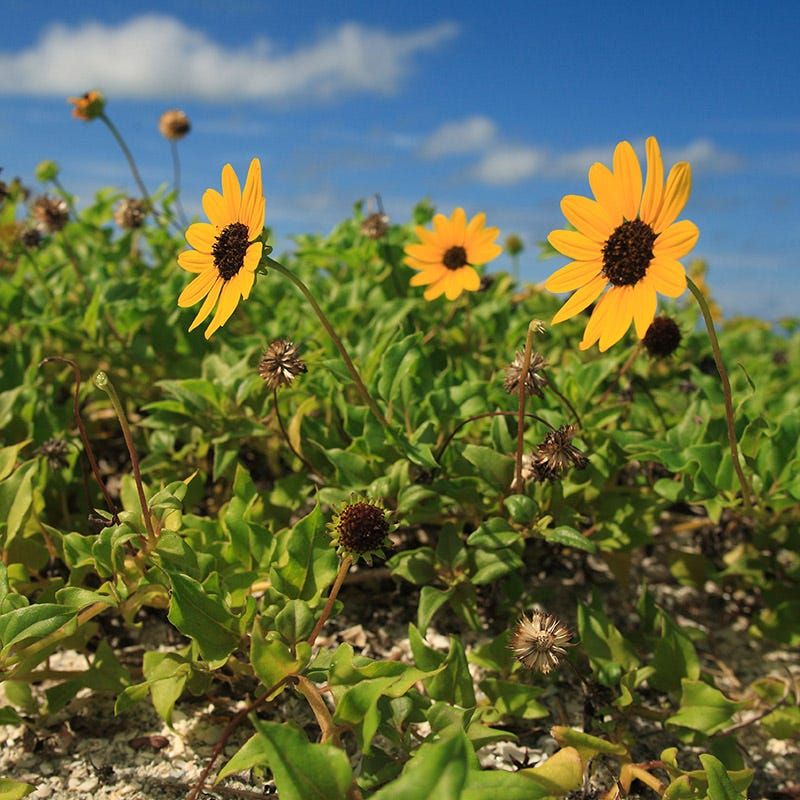
Sandy coastal soil does not hold together on its own. Without the right plants anchoring it, wind and wave action can move sand quickly, eroding dunes, destabilizing slopes, and creating bare patches that expand with every storm.
Native coastal plants have evolved specifically to handle these conditions, and their deep root systems do a job that no mulch, rock, or landscaping fabric can fully replicate.
Skipping them in favor of ornamental ground covers is one of the most common and costly mistakes coastal Florida homeowners make.
Beachfront and dune areas require extra care and may be regulated under state or local rules. Sea oats, one of the most effective dune-stabilizing plants in Florida, are protected and cannot be removed from natural areas without permits.
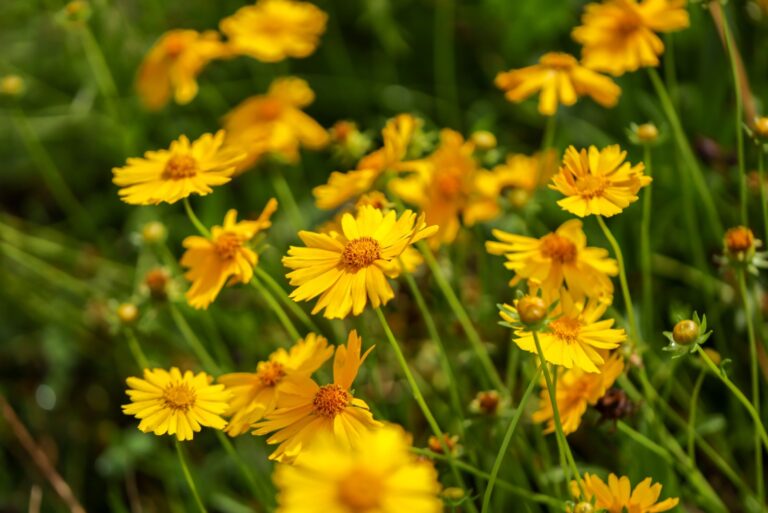
Planting them in appropriate dune restoration projects, however, is encouraged. Railroad vine, beach sunflower, and dune sunflower spread naturally across sandy sites and help lock soil in place without heavy maintenance demands.
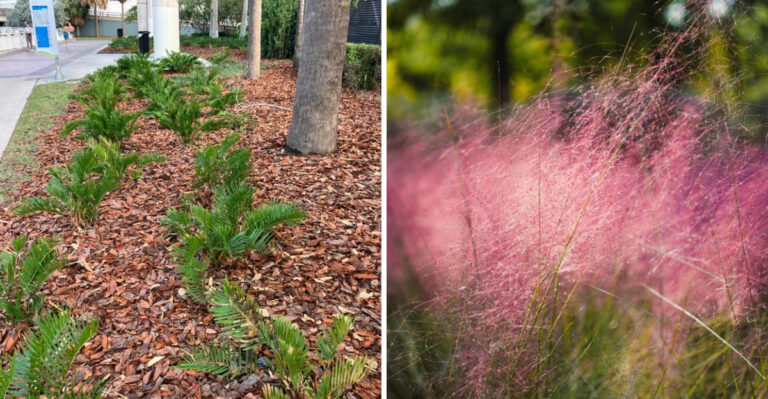
Further back from the waterline, muhly grass, saw palmetto, sea grape, and cocoplum in South Florida provide excellent erosion control while also supporting pollinators and coastal wildlife.
The Florida Native Plant Society and local UF/IFAS Extension offices are great resources for finding the right native plants based on your specific coastal region, whether that is North, Central, or South Florida.
6. Overusing Palms Where Shrubs Work Better
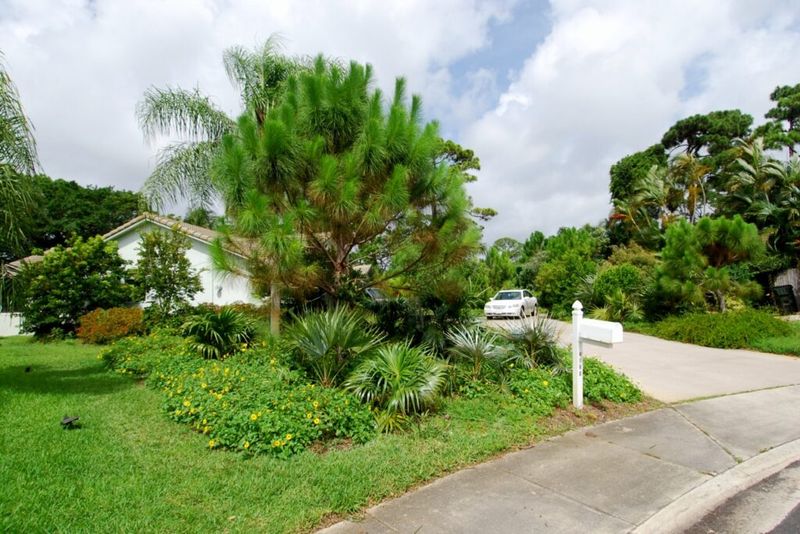
Palms are practically the symbol of Florida, so it makes sense that coastal homeowners reach for them first when planning a new landscape. The problem is that a yard full of palms and nothing else leaves some real gaps.
Single-trunk palms provide almost no horizontal shade, very little wind buffering at ground level, minimal screening from neighbors or roads, and limited wildlife habitat compared to what a layered mix of shrubs and small trees can offer.
Relying on palms alone creates a yard that looks tropical but functions poorly as a living landscape.
Palms absolutely have a place in coastal Florida yards. They handle salt spray and sandy soil well, and certain species like sabal palm, the Florida state tree, are genuinely tough and ecologically valuable.
The issue is using them as the only structural plant in every part of the yard. That approach leaves the landscape feeling sparse and offers little resilience when storms arrive or when privacy screening is needed.
Mixing palms with coastal-tolerant shrubs fills those gaps beautifully.
Yaupon holly, Simpson’s stopper, wax myrtle, sea grape, saw palmetto, cocoplum in suitable South Florida coastal areas, and buttonwood in appropriate regions all add layered structure, wildlife value, and wind protection that palms alone cannot provide.
A thoughtfully mixed coastal yard is more functional, more resilient, and honestly more interesting to look at year-round.
7. Letting Invasive Plants Escape The Yard
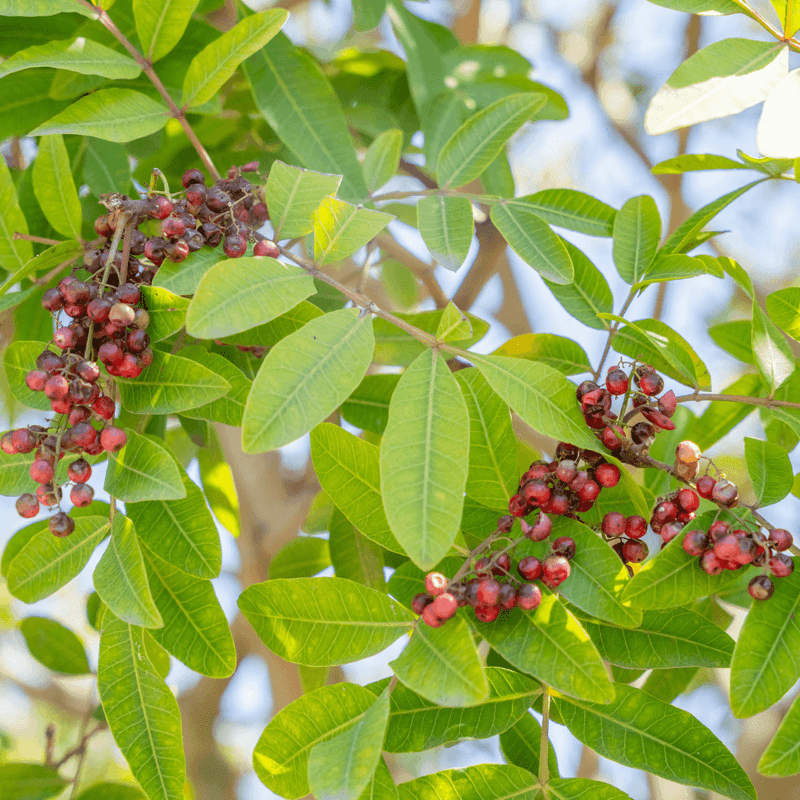
Some of the most aggressive invasive plants in Florida got their start in someone’s garden.
Coastal ecosystems are especially vulnerable because they sit right next to dunes, coastal hammocks, mangrove edges, and preserves where native plants are already under pressure from development and climate stress.
An attractive shrub or vine that spreads aggressively from a residential yard into a natural area can crowd out native species, reduce wildlife habitat, and create restoration problems that take years and significant resources to fix.
Brazilian pepper is one of the most widely recognized examples in Florida. It spreads rapidly along coastal edges, waterways, and disturbed areas across much of the state, and it is listed as a Category I invasive by the Florida Invasive Species Council.
Other plants worth approaching carefully in coastal settings include carrotwood, which spreads in South Florida coastal areas, and beach naupaka in some regions where it escapes cultivation.
Local conditions vary, so what is problematic in one county may be handled differently in another.
Before adding any unfamiliar plant to a coastal yard, checking with UF/IFAS Extension, the Florida Invasive Species Council, or your local county Extension office takes just a few minutes and can prevent a much bigger problem down the road.
Local ordinances in some coastal counties also restrict certain plants, so confirming what is and is not allowed in your specific area is always a smart first move.
8. Piling Mulch Against Trees And Palms
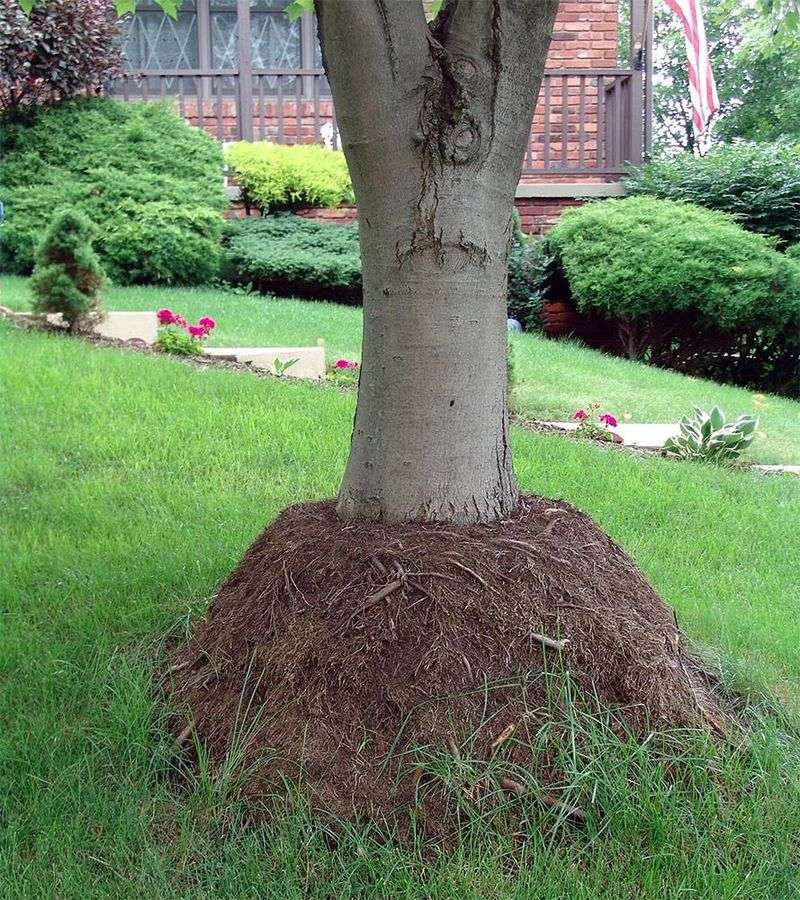
Mulch is genuinely helpful in coastal Florida yards. It slows moisture loss from sandy soil, moderates soil temperature, reduces weeds, and gradually improves soil structure over time.
The problem is not the mulch itself but where it ends up.
Piling mulch directly against tree trunks and palm bases, often called a mulch volcano, traps moisture against the bark, encourages fungal problems, invites pests, and can gradually damage the root flare by burying it under layers of decomposing material.
Palms are particularly sensitive to improper mulching. Their root systems are shallow and spread outward, and piling mulch against the base can interfere with healthy root development and create conditions that stress the entire plant over time.
In coastal sandy soil, where drainage is fast and roots are already working hard to find nutrients, adding unnecessary stress at the base of the tree is the last thing a healthy palm needs.
Proper mulch placement is straightforward once you know the basics. Keep mulch a few inches away from any trunk or palm base, spread it out in a wide ring rather than a mound, and aim for a depth of two to three inches.
UF/IFAS Extension recommends these simple practices for Florida landscapes, and following them in a coastal yard helps trees and palms stay healthy through the heat, wind, and heavy rain that coastal sites regularly deliver.
9. Forgetting About Stormwater Before The Next Storm
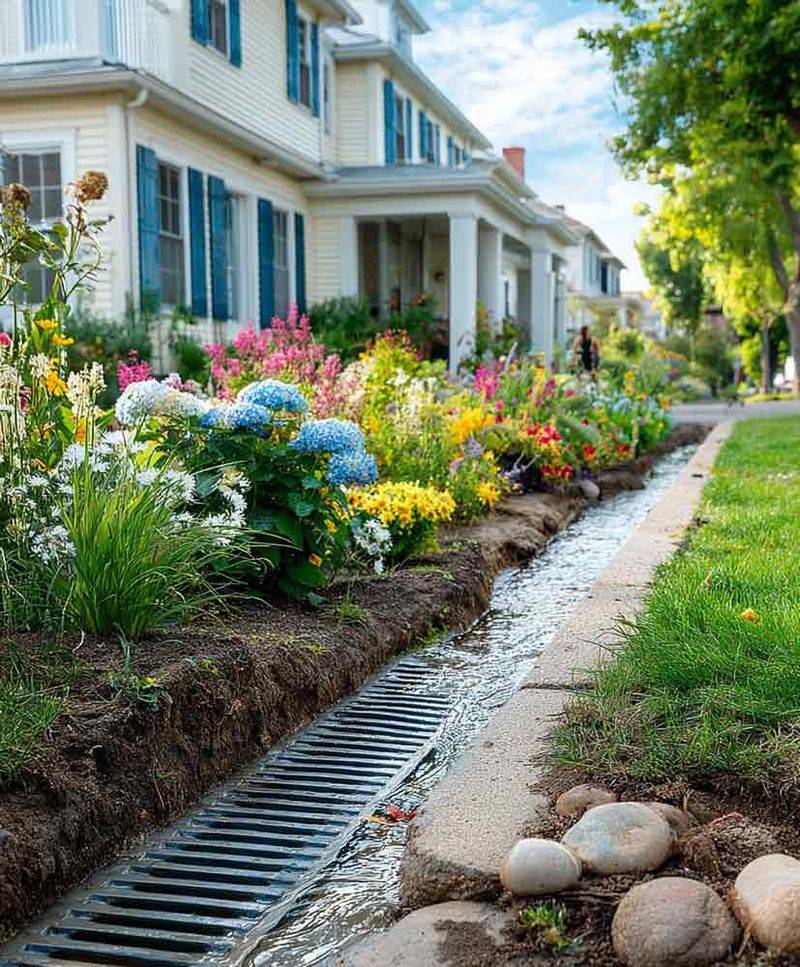
Heavy rain has a way of exposing every landscaping shortcut all at once. Coastal Florida properties already deal with high water tables, saturated sandy soil during wet season, and the occasional tropical system that dumps several inches of rain in just a few hours.
When drainage has not been planned thoughtfully, water pools against foundations, flows toward neighboring properties, and floods low-lying planting beds in ways that stress even tough coastal plants.
Waiting until after a major storm to think about stormwater is almost always too late.
Hardscape choices matter more than most homeowners realize. Large areas of concrete, pavers set without gaps, and compacted pathways all shed water quickly instead of letting it absorb into the ground.
Directing downspouts toward planted beds or rain gardens rather than paved surfaces helps slow runoff and gives water somewhere useful to go.
Rain gardens planted with species that tolerate occasional wet feet, such as swamp sunflower or certain native sedges, can handle overflow while still looking like intentional landscape features.
Local coastal stormwater guidance from county extension offices and Florida Sea Grant programs offers region-specific advice that accounts for tidal influence, high water tables, and storm surge risk in ways that general landscaping guides often miss.
Using permeable surfaces where possible, grading soil away from structures, and choosing plants suited to both drought and brief flooding gives coastal Florida yards the best chance of handling whatever storm season delivers.