Warning Signs A Tree Is About To Fall In Your Texas Yard
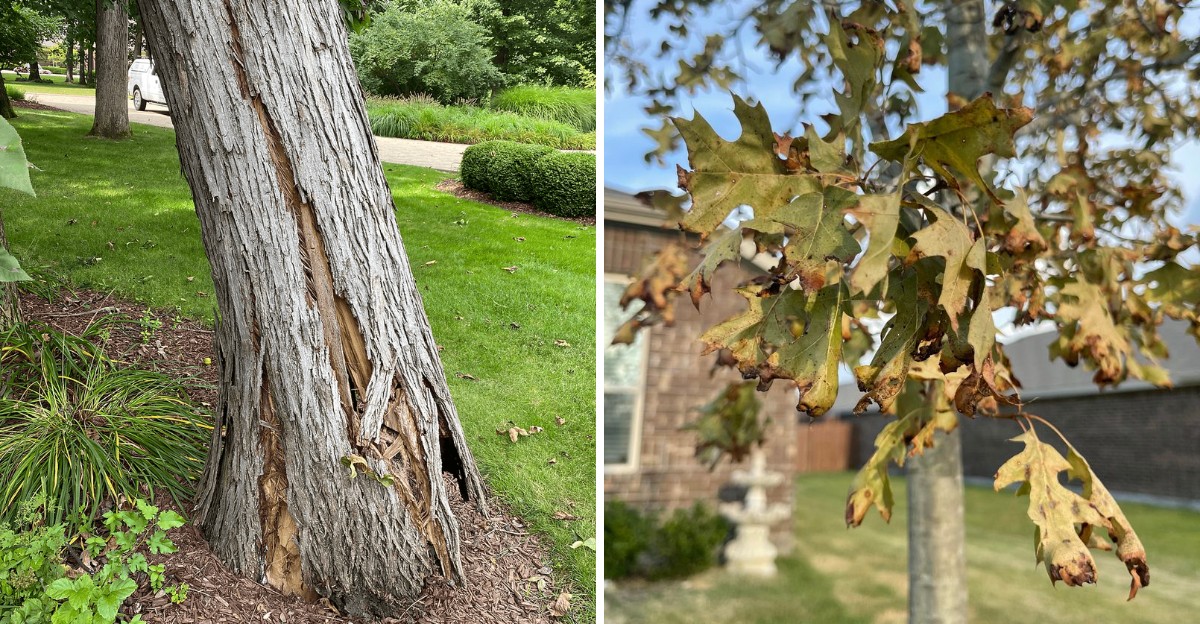
A sneaky fungus can live quietly inside healthy oak wood for years without causing any visible trouble at all. Once drought stress hits, it can wake up and start rotting the tree from the inside out.
Texas summers bake the soil dry, and winter ice storms can snap thick limbs like breadsticks overnight. Even sturdy shade trees like pecans and cedar elms can hide serious weakness behind a full green canopy.
I have to admit that I used to judge tree health only by how many leaves it held. Nobody warned me that a tree can look lush while its roots or trunk quietly lose their grip.
Your Texas yard holds clues, and most of them are visible if you know where to look.
1. A Fresh Lean With Cracked Soil At The Base
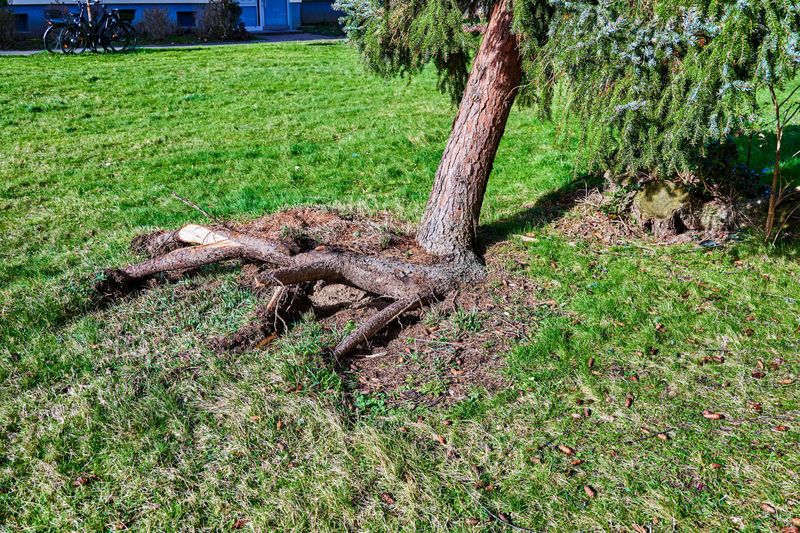
Trees rarely fall flat out of nowhere, and a brand-new lean is often the first loud hint something shifted. I spotted one after a spring storm and my stomach dropped faster than the barometer did.
Plenty of trees grow with a gentle tilt for decades, reaching toward sunlight and staying perfectly sturdy the whole time. The worry starts when a lean appears suddenly or grows worse after heavy wind and soaking rain.
Walk around the trunk and study the ground on the side opposite the lean very closely. Lifted or mounded soil there suggests roots are tearing loose and the whole anchor is slowly slipping.
Shallow soil over limestone in the Hill Country gives roots little room to grip during violent storms. Heavy clay in other regions swells when wet and shrinks when dry, which can loosen roots too.
Snap a photo of the trunk from the same spot today, then compare it after every big storm. A simple fence post or house corner in the background makes even small changes much easier to notice.
If the lean is new and the soil is heaving, keep children and parked cars well outside the fall zone. A safe zone usually equals the tree’s full height, so give it more space than feels necessary.
Then call an ISA Certified Arborist, who can judge root stability with trained eyes and proper tools. Quick action here can mean the difference between careful removal and a trunk across your roof.
2. Deep Cracks Splitting The Trunk Or Big Limbs
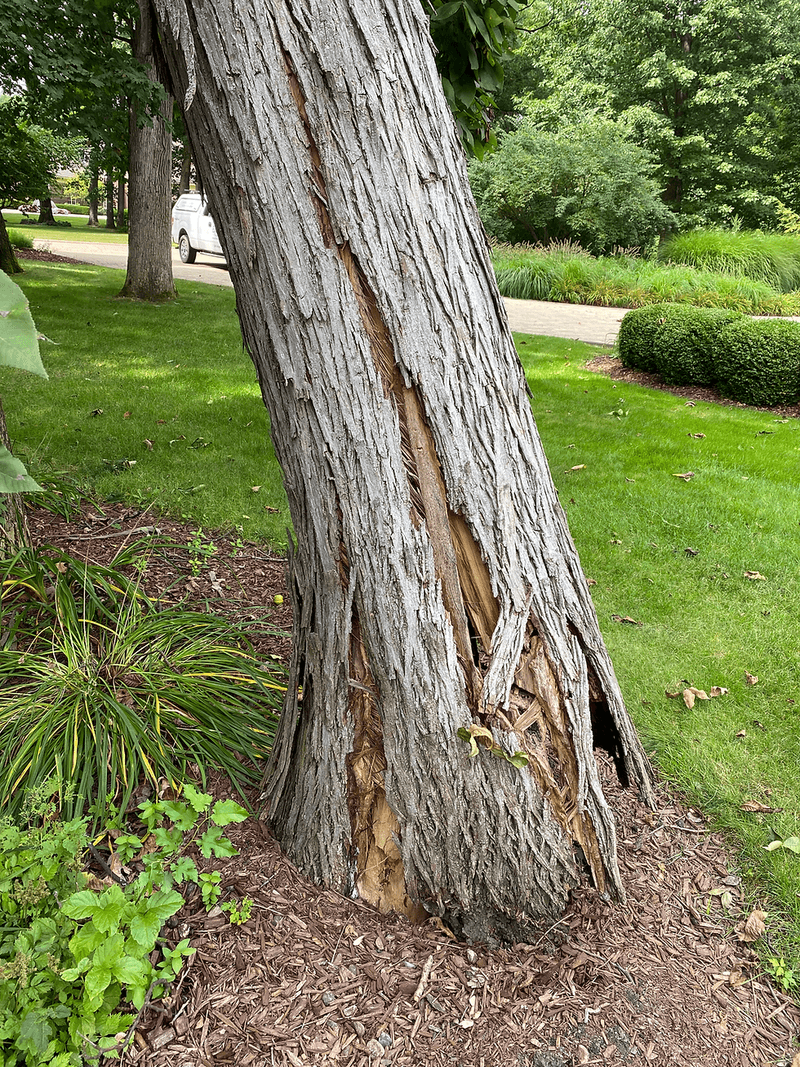
A crack in a tree trunk works a lot like a crack in your windshield, quietly spreading when stressed. Strong gusts and swinging temperatures can push that split a little deeper with each passing season.
Deep vertical cracks running along the trunk or major limbs are a serious sign of structural weakness. If you can slide a fingertip or coin inside, the damage reaches well beyond the outer bark.
Pay special attention where two trunks of similar size grow from the same point, called codominant stems. Bark often gets pinched between them, creating a weak seam that can split apart under heavy loads.
Arborists call that pinched bark included bark, and it shows up often in Bradford pears and some elms.
Personally, I check every V-shaped fork in my yard after storms, because those unions fail more often than U-shaped ones.
Cracks also open a doorway for rainwater and wood-rotting fungi to slip quietly inside the tree. Decay can then spread behind the crack, hollowing the wood while the canopy still looks healthy.
Look for cracks paired with a sideways bulge or fresh splitting sounds during wind, which signal active movement.
Those combinations deserve a professional visit soon, rather than a wait-and-see approach through another storm season.
An arborist may suggest cabling support or removal, depending on how deep the crack runs and where the tree stands. Please avoid filling cracks with concrete or caulk, since that old trick traps moisture and speeds rot.
3. Mushrooms And Shelf Fungi Growing On The Trunk
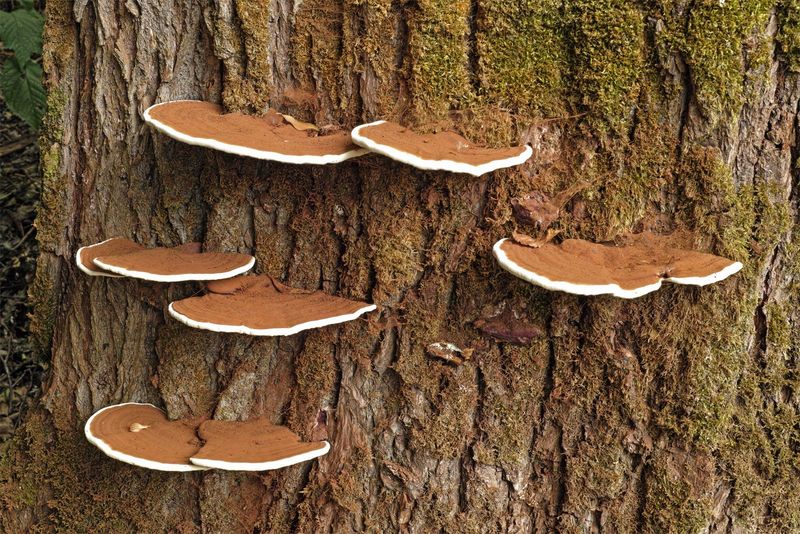
Mushrooms popping up at a tree’s base look charming, almost like a fairy picnic after a rainy week. I used to walk right past them, until an arborist explained what they usually mean for the wood.
Fungi growing on or around a trunk are often the visible fruiting bodies of decay happening deep inside. The main body of the fungus spreads through wood or roots for months or years before mushrooms appear.
Hard, shelf-like growths called conks are a big red flag, especially low near the root flare. Ganoderma species form shiny reddish conks and cause root and butt rot in many common shade trees.
Armillaria root rot is another troublemaker, sometimes showing honey-colored mushroom clusters near the base in fall. Peel back loose bark, and you may find white, fan-shaped fungal sheets pressed against the wood.
A tree with heavy internal rot can still leaf out beautifully, which fools many homeowners every spring. Strength comes from solid wood, so a green crown says little about how much support remains inside.
Try tapping the trunk gently with a rubber mallet and listening for a hollow, drum-like sound. Soft, crumbly wood around old pruning cuts or wounds is another clue that decay has moved in.
Snap clear photos of any conks before removing them, since arborists can often identify the fungus from pictures.
Knowing the species helps them estimate how fast the rot spreads and how risky the tree really is.
4. Exposed Roots And Heaving Soil Around The Base
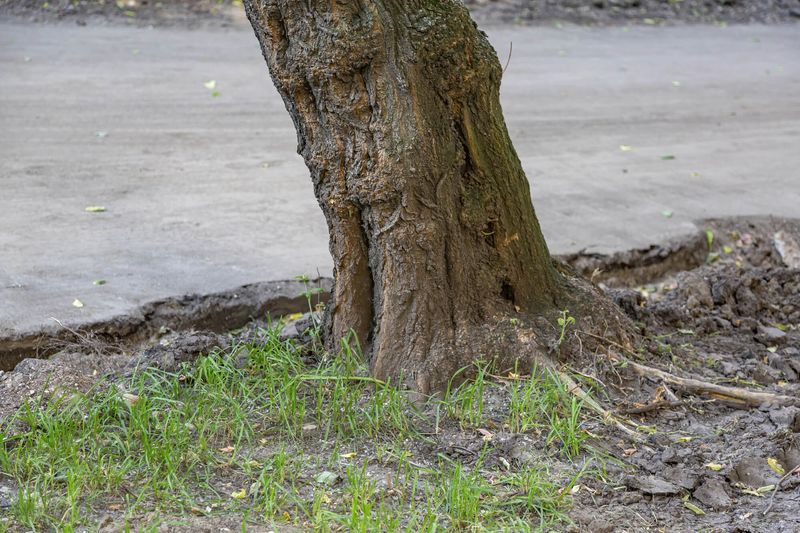
Roots do the quiet heavy lifting, holding tons of wood upright while you sip iced tea on the porch. When they weaken, the whole tree can tip over on a calm day after soaking rains.
Look closely for roots that are snapped or suddenly lifting above the soil surface like bony knuckles. Heaving ground or fresh cracks in the lawn near the trunk can mean the root plate is moving.
Saturated soil loses much of its grip, which explains why trees often topple after long rainy spells. Add strong wind to soggy ground, and even large healthy trees can uproot surprisingly fast and hard.
Construction is a sneaky culprit, because trenching for pipes or driveways can sever major roots close to the trunk. Damage like that may take several years to show, so think back on any digging near your tree.
Compacted soil from parked vehicles or heavy foot traffic also squeezes out air that roots need to grow. Roots then stay shallow, which weakens anchoring and leaves the tree more vulnerable to strong gusts.
Spread a few inches of mulch out toward the drip line, keeping it pulled back from the trunk itself. Mulch protects roots from heat and foot traffic while slowly improving the soil beneath it over time.
Also watch for mushrooms or oozing near the root flare, since root rot often travels with these symptoms. Any heaving soil paired with a lean deserves an arborist visit right away, not next month.
5. Broken Hanging Limbs Caught High In The Canopy
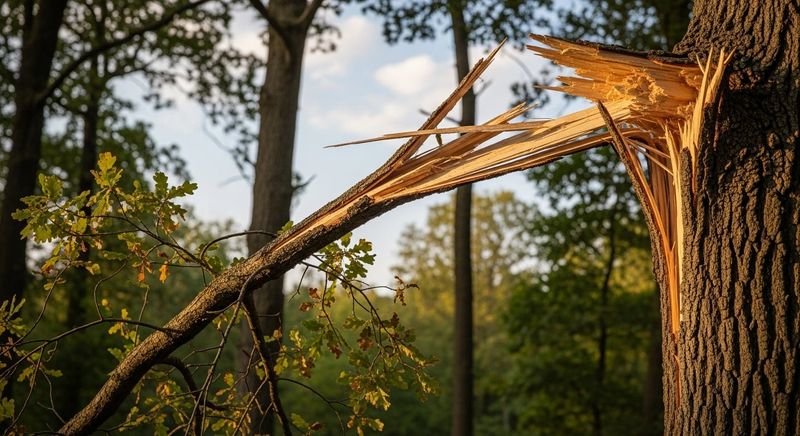
Arborists have a perfect nickname for broken branches dangling in the canopy, and they call them hangers. I love how blunt that name is, because it tells you exactly where the danger is waiting.
A hanger can stay lodged for weeks, then slip loose with a light breeze or a passing squirrel. Limbs falling from height carry real force, so they can dent cars and crack roofs with ease.
Lifeless branches are easy to spot in summer because they stay bare while the rest of the tree is green. Brittle twigs that snap cleanly and bark flaking off a limb are other giveaways worth noting.
Bare limbs concentrated at the top of the crown often point to root trouble or long drought stress. When a large share of the upper canopy goes leafless during the growing season, the tree is declining.
Pecans and some oaks can drop large, healthy-looking limbs on hot calm afternoons, called summer branch drop. Scientists still debate the exact cause, so it helps to avoid lingering under heavy horizontal limbs in summer.
Stay out from under any hanger, and keep the driveway clear until the limb comes down safely. Climbing a ladder with a chainsaw belongs with trained crews who carry insurance and proper rigging gear.
Regular pruning every few years removes weak and lifeless wood before storms do the job for you. Late winter often works well for many trees, though oaks need special timing because of oak wilt.
6. Peeling Bark With Crusty Hypoxylon Canker Patches
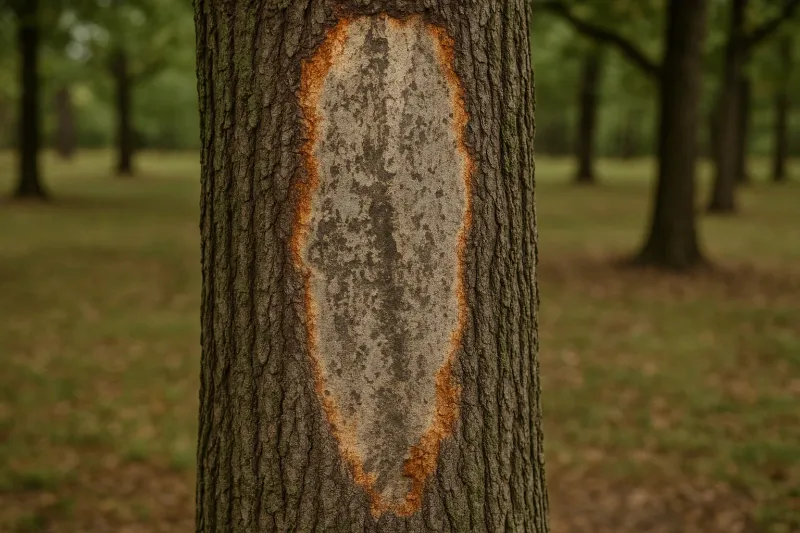
Bark works like a tree’s raincoat and sunscreen, so big bare patches should catch your eye quickly. Nobody warned me that loose bark could reveal such a dramatic problem hiding just underneath the surface.
Hypoxylon canker is a common fungal disease of stressed oaks, along with elms, pecans, and other hardwoods. It usually strikes trees already weakened by drought or root damage, rather than healthy, vigorous ones.
As the disease advances, bark sloughs off and reveals crusty fungal mats that start out tan or greenish. Later those mats turn silver-gray and then black, looking a bit like charcoal smeared on the trunk.
No cure exists for hypoxylon canker, and the wood under those mats decays and becomes brittle quickly.
Texas A&M AgriLife experts generally recommend removing infected trees, especially those near homes or busy areas.
Other cankers appear as sunken, cracked patches on limbs, where bark has stopped growing around a wound. Those weak spots can snap under wind, so note their size and location when you inspect branches.
Prevention focuses mostly on keeping trees unstressed, which matters most during long, hot summer stretches with little rain.
Deep watering every couple of weeks during drought helps mature shade trees hold steady against this opportunistic fungus.
Avoid nicking bark with mowers and string trimmers, since every wound gives fungi an easy way inside. A wide mulch ring around the trunk keeps equipment back and protects that thin living layer beneath.
7. Browning Oak Leaves And Boring Insect Holes
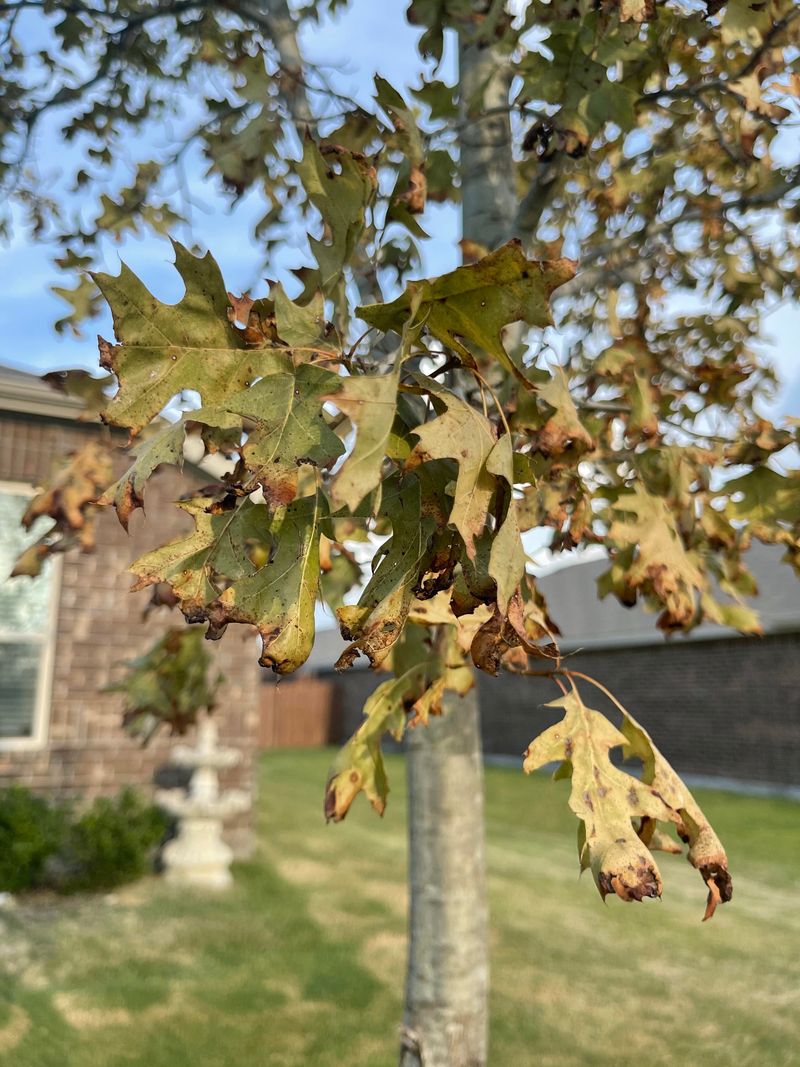
Leaves are like a tree’s mood ring, and sudden color changes can reveal trouble long before a limb falls. Oak wilt is one of the most serious diseases in the state, especially for live oaks and red oaks.
On live oaks, look for veinal necrosis, where leaf veins turn yellow and then brown while tissue between stays green. Red oaks often wilt quickly in late spring, sometimes losing most of their canopy within a few weeks.
Infected live oaks connected by shared roots can pass the disease to neighbors, creating expanding pockets of decline. Weakened trees develop brittle limbs and are more likely to fail during storms over the following years.
Texas A&M Forest Service advises avoiding oak pruning from February through June, when beetles that spread the fungus are active. Paint every oak wound right after pruning, any time of year, to keep those sap beetles away.
Wood-boring insects leave their own clues, like tiny exit holes and fine sawdust piled at the trunk base. Emerald ash borer has been found in parts of the state, leaving D-shaped holes in infested ash trees.
Borers usually target trees already stressed by drought, so healthy watering habits remain your best protection. Thinning crowns and early leaf drop in summer can also hint at root trouble hiding deep underground.
I truly believe a slow walk around your trees each month is the cheapest insurance any homeowner can buy. Catching these signs early gives an arborist time to treat or remove a tree on your schedule.