This Underrated Texas Native Groundcover Reduces Tick Habitat In Shady Side Yards
Shady side yards in Texas are tricky spaces. Too much shade for most flowering plants, too dry for true shade lovers, and often left bare or covered in mulch that doesn’t really solve anything.
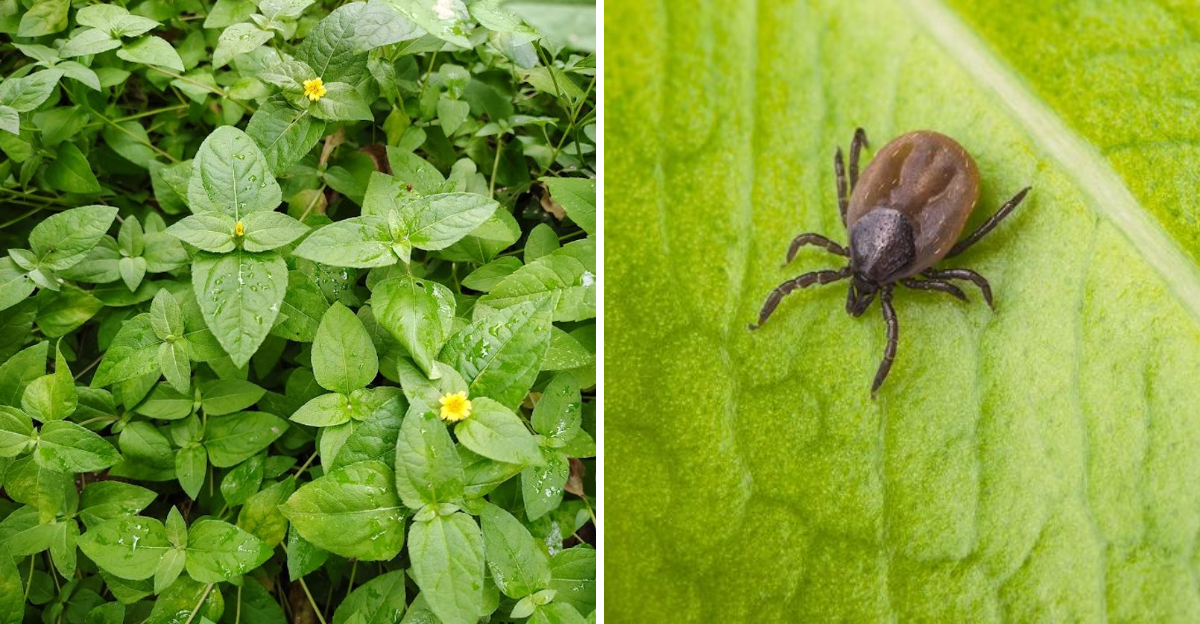
But there’s another problem with bare, shady side yards that doesn’t get talked about enough. They’re exactly the kind of environment ticks prefer.
Damp ground, low light, and minimal foot traffic make shady side yards a prime hiding spot for ticks, especially during the warmer months when activity peaks. There’s a native Texas groundcover that addresses this problem quietly and effectively.
It fills in shady areas beautifully, creates a dense low growing layer that ticks find far less hospitable, and thrives in the kind of conditions that defeat most other plants.
It looks great, requires almost no maintenance, and brings genuine ecological value to a space most homeowners write off entirely.
Meet Horseherb, The Texas Native Groundcover
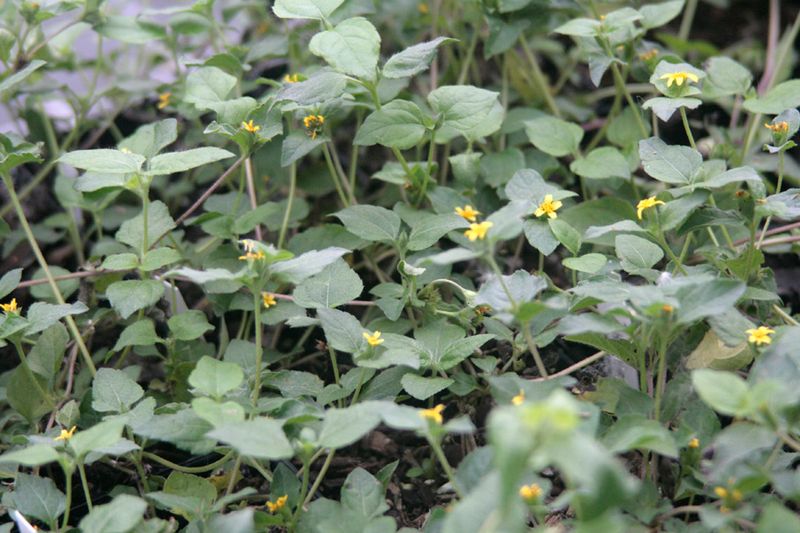
Most people walk right past it without a second glance, but horseherb is quietly one of the most useful plants in the Texas landscape world. Also called straggler daisy, its scientific name is Calyptocarpus vialis.
It is a low-growing native groundcover that spreads naturally across shady and semi-shady areas all across Texas.
Horseherb hugs the ground, rarely growing taller than about six inches. It has small, bright green leaves with a slightly rough texture, and it produces tiny cheerful yellow flowers throughout much of the year.
The plant spreads by seeds and creeping stems, slowly filling in bare patches without any help from you. What makes it special is where it thrives. Horseherb does not need full sun.
It actually prefers the kind of dappled or deep shade that makes most lawn grasses give up entirely. That makes it a natural fit for those tricky side yards where the house blocks the sun most of the day.
Gardeners in Central Texas have noticed horseherb popping up on its own under oak trees and along fence lines for years. Many used to yank it out, thinking it was just a weed.
Now, more people are letting it grow on purpose because they understand its real value. It is tough, it is native, and it asks for very little in return.
If you have a shady side yard with thin or bare soil, horseherb might be exactly the plant you have been looking for without even knowing it.
Why Shady Side Yards Attract Ticks
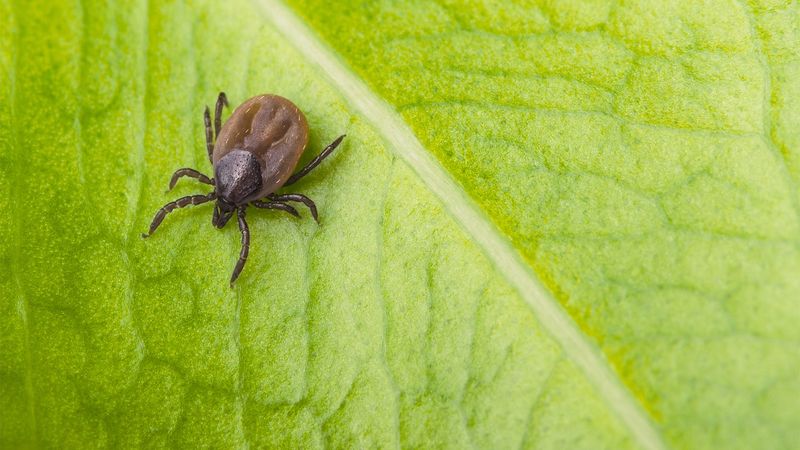
Ticks are not random. They are actually pretty picky about where they hang out, and shady side yards often check every box on their wish list.
Understanding why helps you make smarter choices about your yard. Ticks need moisture to survive. They cannot handle dry, sunny, open spaces for long.
A shady side yard stays cool and damp, especially if there is leaf litter piling up along the fence or under shrubs. That layer of dry leaves acts like a cozy blanket for ticks, keeping the ground beneath it moist and protected.
Your Texas Garden Changes Every Week. Your Plan Should Too.
Gardening in Texas changes quickly throughout the season. Every Friday you’ll receive a simple weekly plan showing exactly what to plant, prune, fertilize, harvest, and protect so you never miss the right timing.
Tall weeds and overgrown brush add another layer of appeal. Ticks like to climb up onto grass blades, weeds, and low shrubs and wait for a host to brush past.
Scientists call this behavior questing. The taller and messier the vegetation, the more spots ticks have to wait and hitch a ride. Thin turf is also a problem. When grass struggles in the shade, bare patches of soil appear.
Those open, weedy areas are perfect for tick activity because there is little competition from healthy, dense plant growth.
Mice, deer, and other small animals that carry ticks also love to travel through brushy, overgrown corridors, which is exactly what a neglected side yard can become.
The good news is that you do not need to pave over your side yard to fix this. Smart plant choices and basic tidying can change the whole picture.
Recognizing the problem is the first step toward making that shady space a lot less appealing to ticks.
How Horseherb Fills Bare Shade
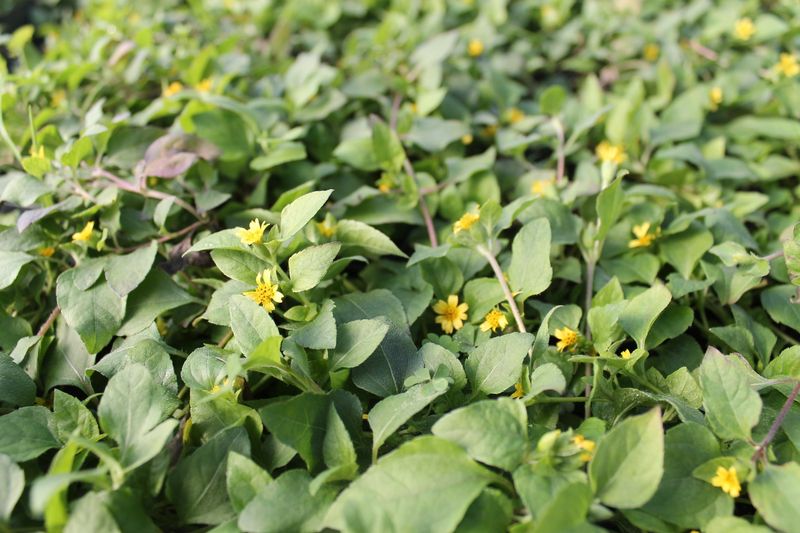
Bare soil in a shady yard is basically an open invitation for weeds, and where weeds grow tall and tangled, ticks feel right at home. Horseherb tackles this problem in a surprisingly simple way: it just fills in the gaps.
Once horseherb gets established, it spreads into a low, dense mat that covers the ground surprisingly well. It creeps along by sending out stems that root as they go.
Over time, it can cover a wide area without you doing much of anything. That living mat crowds out many of the weedy plants that would otherwise take over a shady, bare patch.
Regular lawn grasses like St. Augustine or Bermuda really struggle in deep shade. They thin out, turn yellow, and eventually leave bare dirt behind.
Horseherb, on the other hand, is built for exactly that kind of light. It stays green and active even under dense tree canopies where most other plants would fade away.
A thick, low groundcover like horseherb changes the whole environment at ground level. Instead of loose, exposed soil surrounded by tall weeds, you get a tidy, even carpet of greenery.
That kind of coverage leaves fewer hiding spots for leaf litter to pile up undisturbed, which is one of the main things that makes shady areas so tick-friendly in the first place. Horseherb will not fill in overnight. It takes a season or two to really establish and spread.
But once it gets going, it is remarkably self-sufficient and keeps working for you year after year with very little effort required.
Why Low Growth Matters
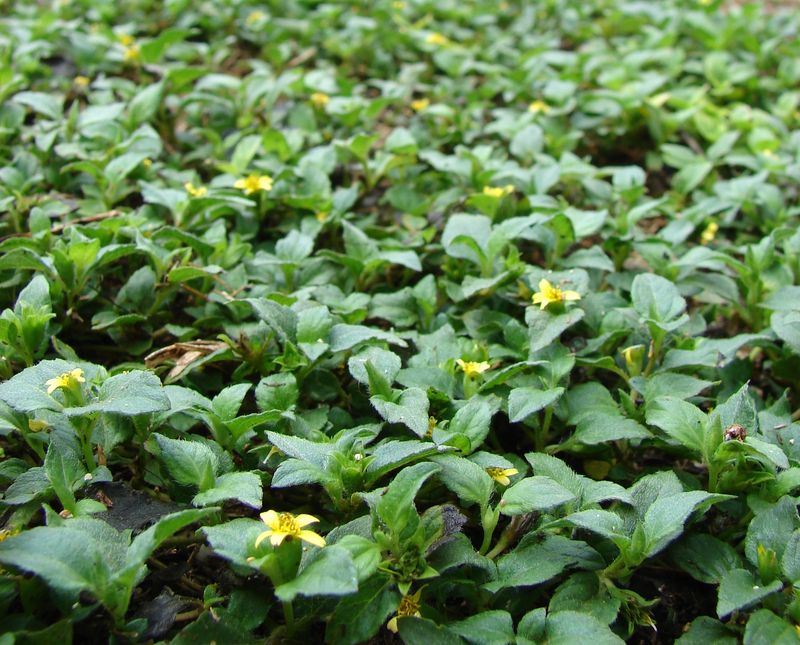
Here is something worth being upfront about: horseherb does not repel ticks or act as some kind of natural pesticide. No groundcover does that on its own.
But the height and density of your vegetation still matters a lot when it comes to how tick-friendly your yard feels.
Ticks prefer to quest from tall grass, brush, and weedy growth. The higher the vegetation, the more surface area ticks have to climb and wait.
A yard full of knee-high weeds and tangled brush gives ticks dozens of perching spots. A yard covered in a tidy, low mat of horseherb that stays under six inches gives them far fewer places to set up and wait.
Think of it like this: ticks are ambush hunters. They need height to intercept passing hosts. Cut the height of your vegetation way down, and you reduce the number of good ambush spots available.
Horseherb naturally stays low without needing constant mowing, which makes it a low-effort way to keep ground-level vegetation manageable.
Messy leaf buildup is another piece of the puzzle. Thick, undisturbed leaf litter in tall weedy areas holds moisture and shelters ticks beautifully.
A living groundcover like horseherb helps slow that buildup and makes it easier to rake away what does fall. Keeping the ground covered but low and tidy is a meaningful part of a smart tick-management plan.
Pairing horseherb with regular yard maintenance gives you the best results. No single plant or trick solves everything, but smart choices add up over time and make a real difference in your yard.
Extra Perks For Texas Gardens
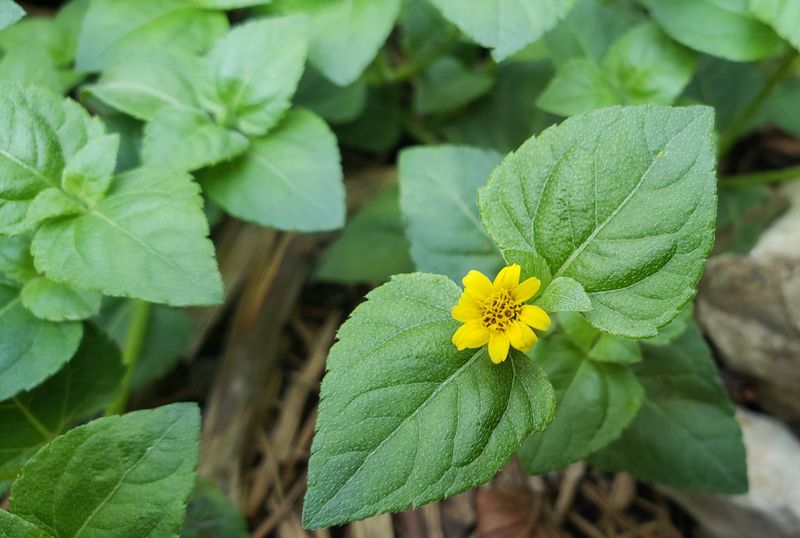
Beyond its practical role in covering bare shade and helping reduce tick-friendly conditions, horseherb brings some genuinely delightful extras to the table. It is not just a workhorse plant. It has real charm, too.
Those tiny yellow flowers are easy to miss at first glance, but they bloom almost year-round in warmer parts of Texas. Small native bees, sweat bees, and other pollinators visit them regularly.
If you care about supporting local wildlife and native insects, planting horseherb is a quiet but meaningful contribution to your local ecosystem.
Being a true Texas native means horseherb evolved here. It is adapted to Texas soils, Texas heat, and Texas rainfall patterns.
Once it gets established, usually after one good growing season, it handles drought surprisingly well. You do not need to water it constantly or fuss over it the way you might with non-native plants trying to survive in conditions they were not built for.
Horseherb also plays nicely with other native plants. It works beautifully as a filler under native trees like live oaks, cedar elms, and Mexican plums.
It does not aggressively crowd out other desirable plants the way some exotic groundcovers can. That makes it a good team player in a thoughtfully designed native garden.
Another underappreciated perk is that horseherb stays green even during mild Texas winters. It may thin out a bit in a hard freeze, but it bounces back quickly when temperatures warm up again.
For a shady side yard that needs year-round coverage, that kind of resilience is genuinely valuable and hard to find in many other plants.
Keep It Tidy For Best Results
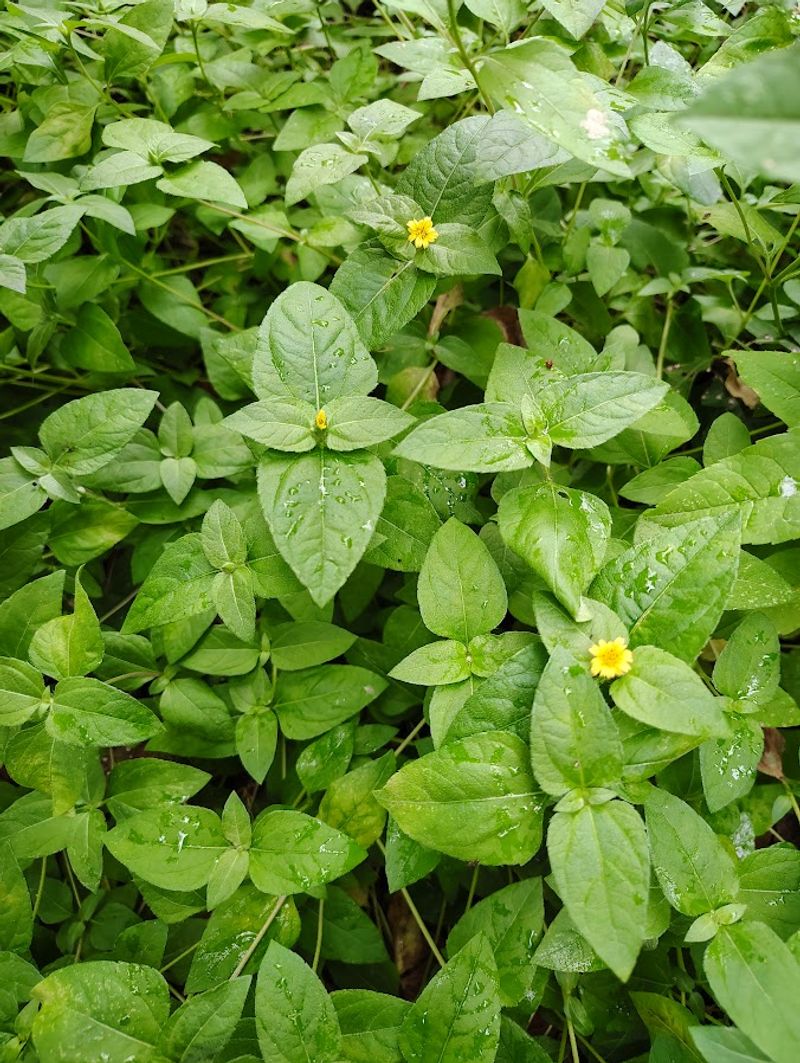
Planting horseherb is a great start, but pairing it with some basic yard maintenance is what really makes your shady side yard less attractive to ticks. A little regular effort goes a long way.
Raking up heavy leaf litter is one of the most important things you can do. Leaves that pile up thick and deep stay moist underneath, which is exactly what ticks love.
You do not need to remove every single leaf. Just keep the buildup from getting too deep, especially along fence lines and under dense shrubs where leaves tend to collect.
Trim back any brush, overgrown shrubs, or weedy growth along the edges of your side yard. Ticks travel in from wooded areas, brush piles, and overgrown borders.
Keeping those edges clean and trimmed creates a less welcoming entry point. A clean edge also just makes your yard look sharper and more cared for.
Horseherb itself is pretty low maintenance, but an occasional mow or trim keeps it looking neat and prevents it from getting scraggly. A light trim once or twice a season is usually enough. You are not trying to keep it perfectly manicured, just tidy and low.
Pair these habits with other smart practices like checking yourself and your pets after spending time outside, and you have a solid, layered approach to reducing tick encounters. No single strategy is a perfect fix on its own.
But a tidy yard covered in a low native groundcover, with clean edges and minimal leaf buildup, is a much less appealing place for ticks to set up compared to a neglected, weedy, overgrown space. Small, consistent efforts really do add up over time.