7 Animals That Slow Down Or Hibernate In California Yards Every Winter
A backyard bird lighter than a nickel can let its body temperature drop near fifty degrees on chilly nights. By sunrise, its heart speeds back up, and the tiny flier zips off to the feeders like nothing happened.
California winters feel gentle compared to snowy states, yet plenty of yard creatures still hit the pause button. Some sleep underground for weeks, while others just slow down on cold nights and wake up on sunny afternoons.
I love how my quiet winter garden is secretly packed with sleepers hiding under mulch piles and loose bark. You might notice fewer visitors right now, but many of them are closer to your back door than you think.
Knowing where they rest helps you garden smarter, especially when you rake leaves or turn soil in California. So which of your wild neighbors are quietly snoozing just a few steps from your favorite garden chair?
1. California Ground Squirrels Hibernate In Underground Burrows
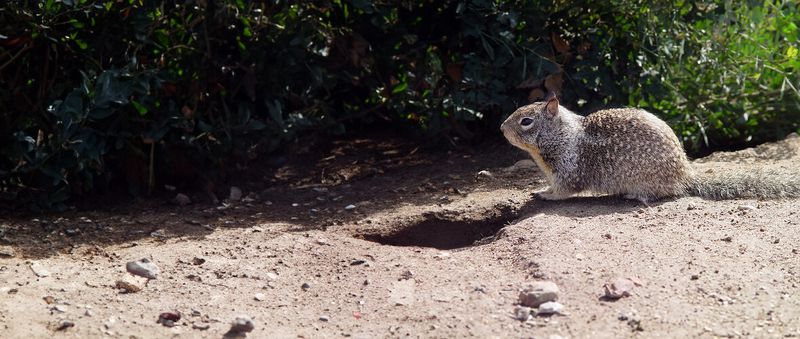
That gray-flecked squirrel raiding your tomatoes last summer may now be curled up a few feet underground. Many California ground squirrels spend part of winter in hibernation, tucked inside burrows they dug themselves.
According to UC IPM, burrows often run two to four feet deep and stretch five to thirty feet long. That gives the animals a snug, steady hideout far away from chilly winds and soggy winter soil.
Most adults in colder areas hibernate from about November through January, while many young squirrels stay active. Along the mild coast, you may spot some of them sunning on warm days even in midwinter.
During hibernation, their heart rate and breathing slow dramatically, which helps them stretch stored fat for weeks. They also wake up briefly every so often, which is normal behavior for most hibernating rodents.
I have to admit, winter is my favorite time to map their holes without dodging busy squirrels. Look for open burrow entrances about four inches wide, often near fence lines or old tree stumps.
If squirrels have caused trouble, UC IPM notes that most control methods work poorly while they hibernate. Spring, when they emerge hungry and before they breed, is usually the better window for managing them.
Meanwhile, keep fallen fruit cleaned up and protect young trees with wire guards before the busy season returns. Personally, I enjoy this quiet break, knowing those chatty little diggers will be back soon enough.
2. Anna’s Hummingbirds Drop Into Nightly Torpor
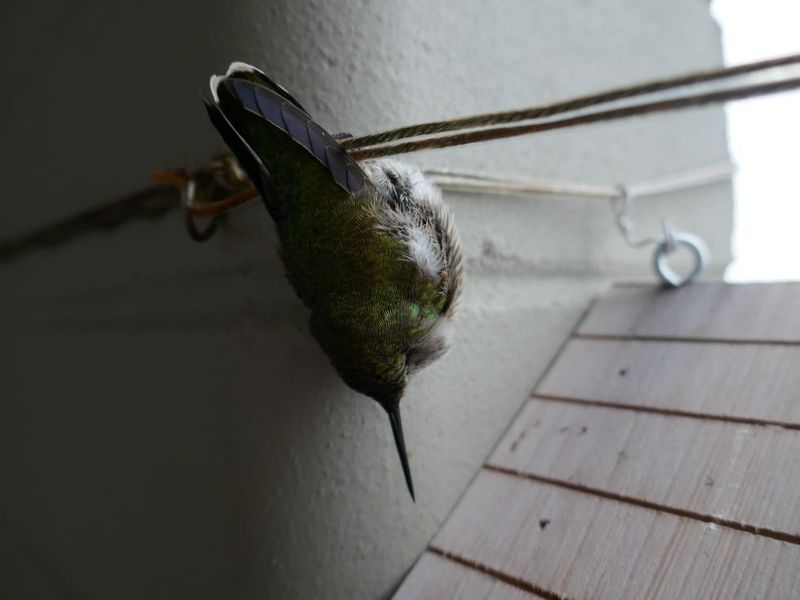
Few things make me grin like a male Anna’s hummingbird flashing his rosy pink head on a gray January morning. Unlike many hummingbirds, this species stays in much of the state year-round instead of migrating south.
So how does a bird this tiny survive frosty nights without a cozy burrow or a thick coat? It slips into torpor, a deep overnight slowdown that saves a huge amount of precious energy.
Its body temperature can fall dramatically, and its racing heart can slow to around fifty beats per minute. At dawn, the bird shivers to warm itself back up, which can take several minutes before it flies.
What surprises me most is that Anna’s hummingbirds often start building nests in December or January. Females weave tiny cups from plant down and spider silk, then sit tight through chilly winter rains.
You can help by keeping a clean feeder filled with one part sugar to four parts water. Skip red dye and honey, and change the nectar every few days so it stays fresh and safe.
On rare freezing nights in inland valleys, bring the feeder indoors and rehang it early in the morning. Those first sips after torpor matter, because the birds wake up with very little fuel left.
Planting native winter bloomers like manzanita and flowering currant gives them natural nectar during the coldest weeks. I like how one blooming shrub can turn a sleepy yard into a buzzing hummingbird hangout.
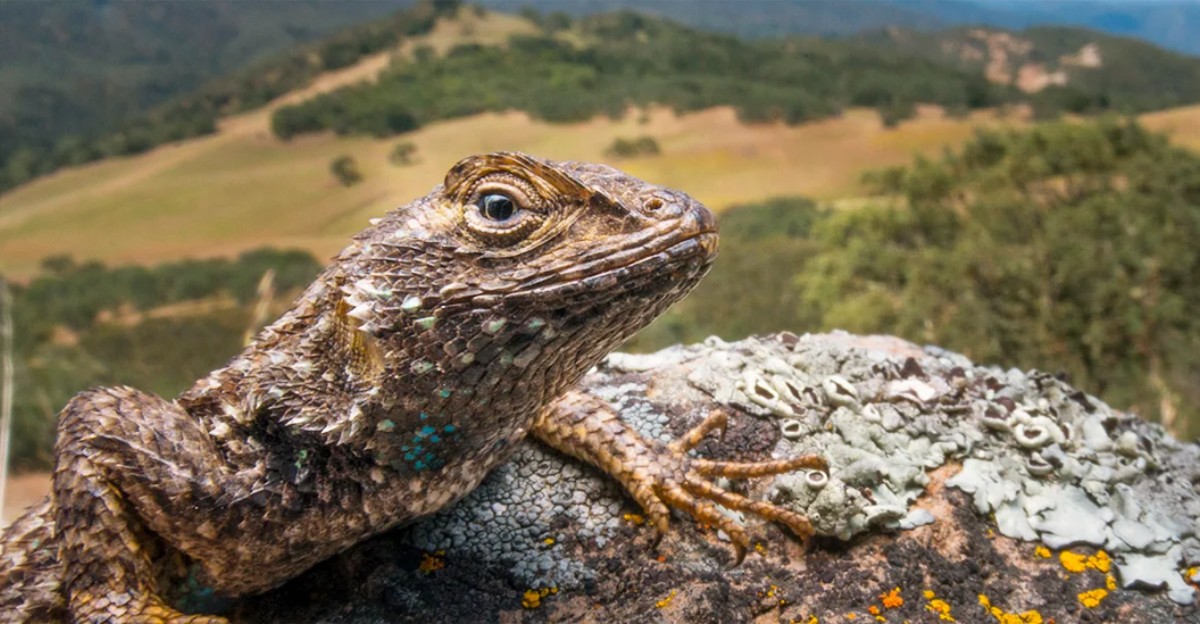
3. Western Fence Lizards Brumate Under Rocks And Logs

Those push-up champions with bright blue bellies vanish from fence posts once the days turn short and cool. Western fence lizards spend much of winter in brumation, the reptile version of a long, sluggish rest.
As cold-blooded animals, they rely on outside heat to power their muscles and digest their meals. When temperatures drop, they squeeze into rock cracks or old rodent burrows to wait out the chill.
Brumation is lighter than true hibernation, so a warm, sunny afternoon can coax one out briefly. I love spotting a groggy lizard basking on a stepping stone in February, looking a bit stiff.
These little lizards do gardeners a big favor by snapping up beetles and plenty of other garden insects. Researchers at UC Berkeley also found a protein in their blood that clears Lyme bacteria from feeding ticks.
That surprising discovery may help explain why Lyme disease is less common in many parts of the West. It gives me one more reason to roll out the welcome mat for these scaly neighbors.
You need to leave a few flat rocks or a small log pile in a sunny corner for shelter. Try not to move those piles during the cold months, since a sluggish lizard cannot escape very quickly.
Skipping broad insecticides helps too, because the lizards depend on a steady supply of bugs in spring. Once warm weather returns, you will likely see them back on the fence, bobbing proudly in the sunshine.
4. Gopher Snakes Retreat Into Burrows For Winter
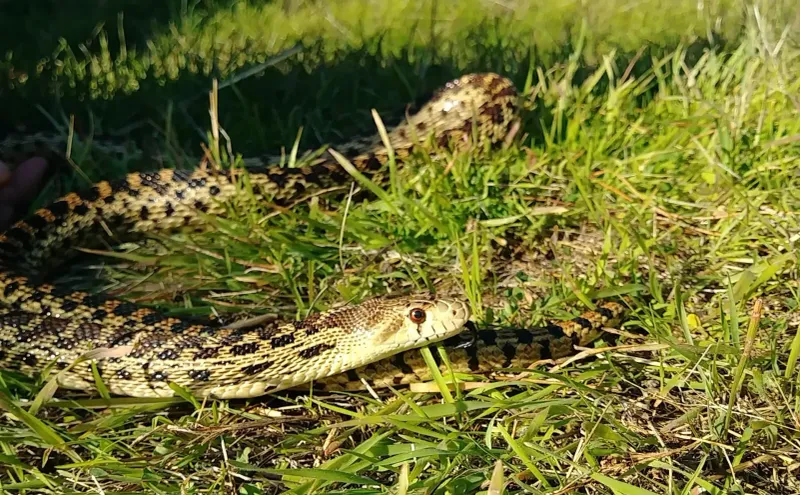
Hearing a loud hiss from the woodpile can make anyone jump, but a gopher snake is mostly bluffing. These harmless constrictors puff up and buzz their tails against dry leaves to imitate a rattlesnake.
Once the weather cools in late fall, gopher snakes slip underground and enter brumation for the winter. They often use old rodent burrows or deep rock crevices, sometimes sharing space with other snakes.
Their body processes slow way down, so they eat little or nothing until temperatures climb again in spring. In warmer southern lowlands, you might still catch one moving around on a sunny winter afternoon.
Personally, I count these snakes among the most helpful pest controllers any vegetable garden could ask for. They hunt gophers and mice, often following them right down into their tunnels to catch them.
Telling them apart from rattlesnakes gets easier once you know exactly which features to look for. Gopher snakes have a narrow head and a skinny, pointed tail with no rattle at the end.
Still, give any snake plenty of space, and teach kids to back away slowly instead of reaching out. If you are unsure what you are seeing, admire it from a distance and call it a day.
During winter cleanup, lift boards and debris slowly, since a resting snake may be tucked underneath. I like leaving a brushy back corner alone, because it gives them a quiet place to rest until spring.
5. Big Brown Bats Hibernate In Sheltered Roosts
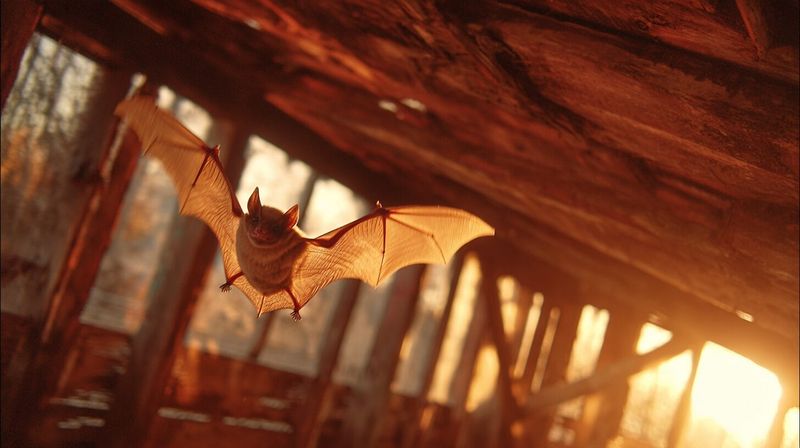
Somewhere in your attic vent or behind a loose shutter, a furry insect hunter might be sleeping right now. Big brown bats are one of the most common bats in the state, and many hibernate through cold months.
They tuck into buildings, rock crevices, or caves where temperatures stay cool but rarely drop below freezing. Their heart rate and body temperature plunge, letting a small fat reserve last for many weeks.
In milder parts of the state, they may wake and fly on warm evenings to snag a few insects. I have to admit, seeing a lone bat flutter past in January gave me quite a happy surprise.
Waking a hibernating bat is a real problem, because each arousal burns through precious stored energy. If you find one roosting somewhere, leave it alone and avoid touching it with bare hands.
Bats can carry rabies, so contact a local wildlife rehabilitator if one seems hurt or stuck indoors. Wildlife experts recommend sealing building gaps only after bats have moved out, not while they rest inside.
Come summer, a single big brown bat can gobble up many beetles that chew on your garden plants. That makes them excellent partners for anyone growing vegetables or fruit trees without relying on heavy sprays.
Mounting a bat house on a sunny wall now gives them a ready home when spring arrives. Face it toward the morning sun and hang it at least twelve feet high for the best results.
6. Convergent Lady Beetles Cluster In Winter Hideouts
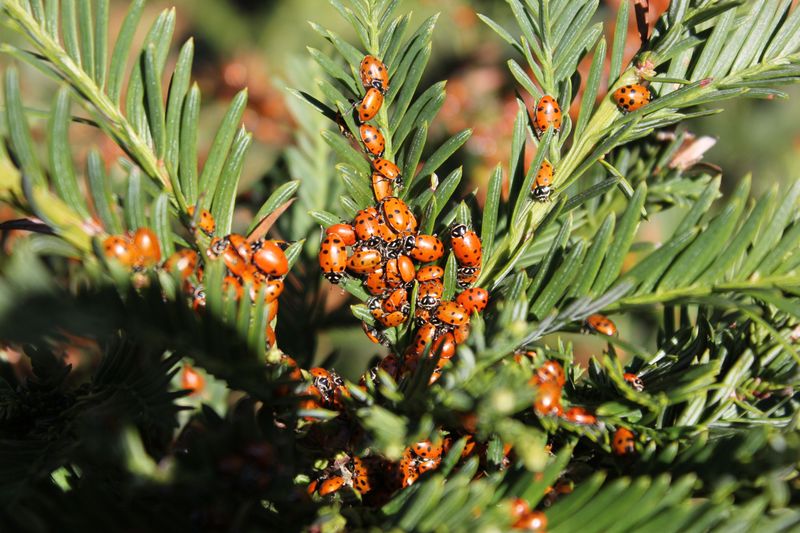
Thousands of ladybugs piled on a single mountain log look like spilled red candy, and the sight is unforgettable. Convergent lady beetles fly from the Central Valley into Sierra foothills and mountains to spend winter in clusters.
Huddling together helps them hold moisture and survive cold weeks in a resting state called diapause. Their bodies barely use energy, and they live off fat stored from summer feasts on aphids.
Back home, a few lady beetles may also overwinter tucked under loose bark or deep leaf litter. You might notice a few of them waking sluggishly on warm February days, crawling slowly toward new leaves.
I believe this is the strongest argument for being a little bit lazy with your fall garden cleanup. Leaving some leaves under shrubs gives beneficial insects a safe place to rest until spring returns.
UC IPM points out that store-bought ladybugs are often collected from those winter clusters in the mountains. Many released beetles fly away soon after, because they are still programmed to disperse before feeding.
For better results, attract wild lady beetles by growing flowers with small blooms like yarrow and sweet alyssum. Adults sip nectar and pollen when aphids are scarce, so a few blooms keep them nearby.
Go easy on broad-spectrum sprays, since those can harm the very helpers you hope to keep around. Personally, I love finding that first spotted beetle on my roses, like a tiny red alarm clock for spring.
7. Bumble Bee Queens Sleep Underground Until Spring
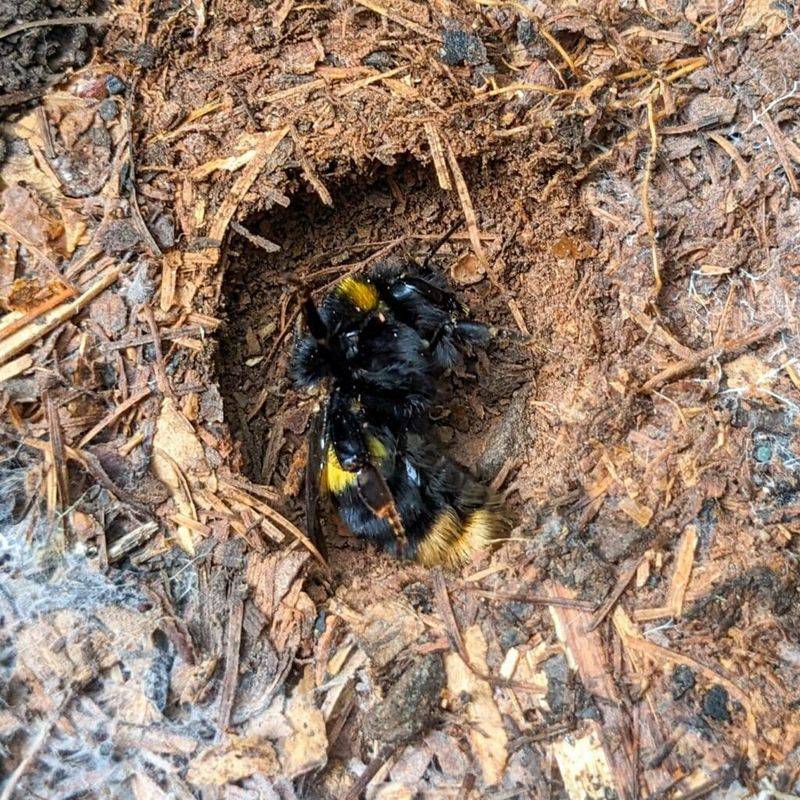
Only the newly mated queens of a bumble bee colony survive into the next year, resting alone underground. The workers and males fade away by late fall, leaving these young queens to restart everything.
In California, the yellow-faced bumble bee is one of the most common species buzzing through gardens. Its queens dig small chambers in loose soil or burrow under leaf litter to wait out the cool season.
During this hibernation, a queen survives on fat and stored energy built up from autumn flowers. In mild coastal areas, some may wake early, and I have seen queens bumbling around in late winter.
Each queen that wakes up searches for a nest site, often an abandoned rodent hole or thick grass clump. She then gathers pollen and lays her first eggs, raising the earliest workers all on her own.
You need to think twice before tilling bare ground or raking every leaf in a quiet corner. Patches of undisturbed soil and leaves can protect sleeping queens and the whole future colonies they carry.
Early native bloomers like manzanita and ceanothus give hungry queens a vital first meal when they emerge. I love how a single flowering shrub can fuel a brand new colony for the coming season.
Bumble bees rarely sting unless someone handles or squeezes them, so you can watch them without much worry. Leaving some winter mess might look untidy, but it quietly protects one of your hardest working pollinators.