Warning Signs Of A Coyote Den Near Your Texas Home
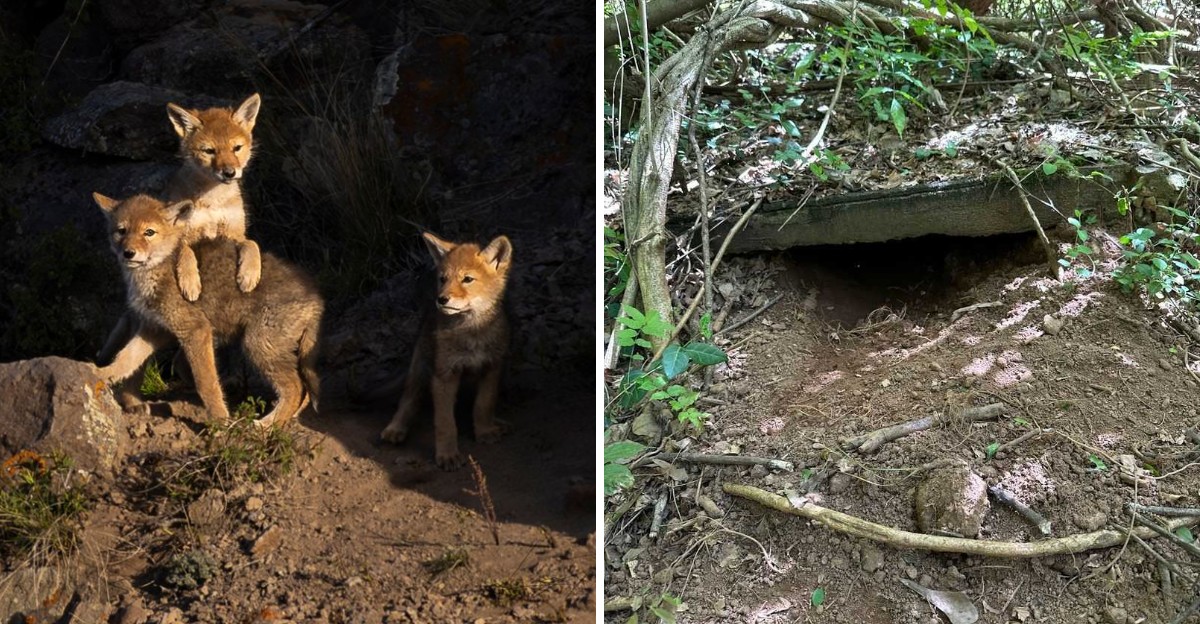
A mother wild dog can quietly raise six pups beneath a backyard shed while the homeowners sip coffee nearby. Wildlife rescuers across Texas field calls about hidden dens like this every spring, after weeks of unnoticed comings and goings.
The parents favor tucked-away spots, including old armadillo burrows and shady gaps beneath porches or garden sheds. Even better for them, a quiet yard with water nearby feels like a five-star hotel with room service.
I used to walk right past the little clues in my own garden, until one morning changed everything. A pair of golden eyes watched me from the fence line while I pulled weeds near the tomatoes.
Learning the signs early helps you protect pets and keeps your Texas yard a calmer place for everyone. So what exactly gives these secretive neighbors away before you ever spot one of them up close?
1. Coyotes Trotting Through Your Yard In Broad Daylight
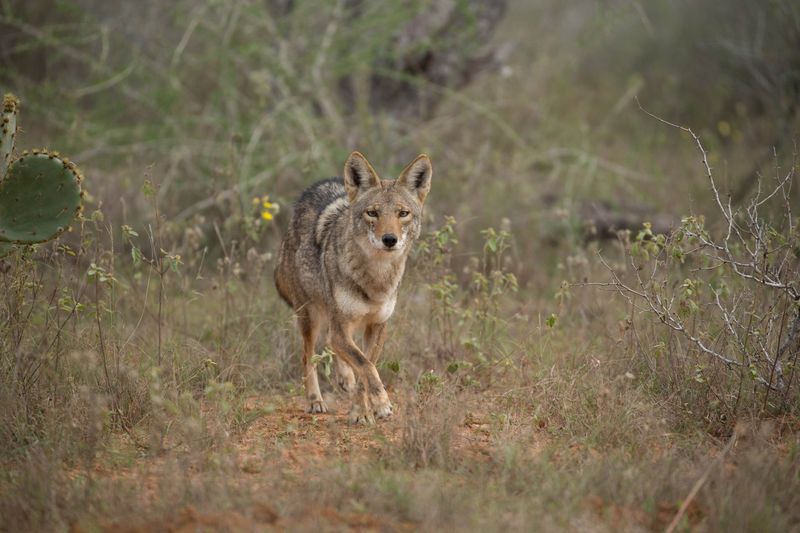
Spotting a coyote at noon can startle anyone, especially when it trots past your raised beds like it pays rent. Coyotes in towns mostly hunt at night, so a sunny-day visitor usually has a pressing reason to be out.
That reason is often a den full of hungry pups, since parents work overtime from spring into early summer. Pups in Texas are usually born between March and May, after a pregnancy lasting about nine weeks.
Growing pups need a steady supply of food, and both parents share the job of bringing meals home. That extra pressure can push the adults to hunt during daylight hours, when they normally prefer to rest.
Personally, I pay close attention to how the animal moves rather than simply noting that it showed up. A parent with a den nearby tends to travel with purpose, often carrying prey in its mouth.
If you see the same coyote passing the same spot several days in a row, keep a written log. Note the time and direction it travels, because repeated routes often point back toward a hidden family site.
Daytime sightings alone do not mean a coyote is sick or dangerous, so try not to panic. Wildlife experts suggest making yourself look big and loud, which teaches the animal that people are worth avoiding.
Bring small pets inside at dusk and dawn, and pick up fallen fruit that might tempt a hungry visitor. Those simple habits make your yard less inviting while the busy parents finish raising their young.
2. A Coyote Following You And Your Dog On A Walk
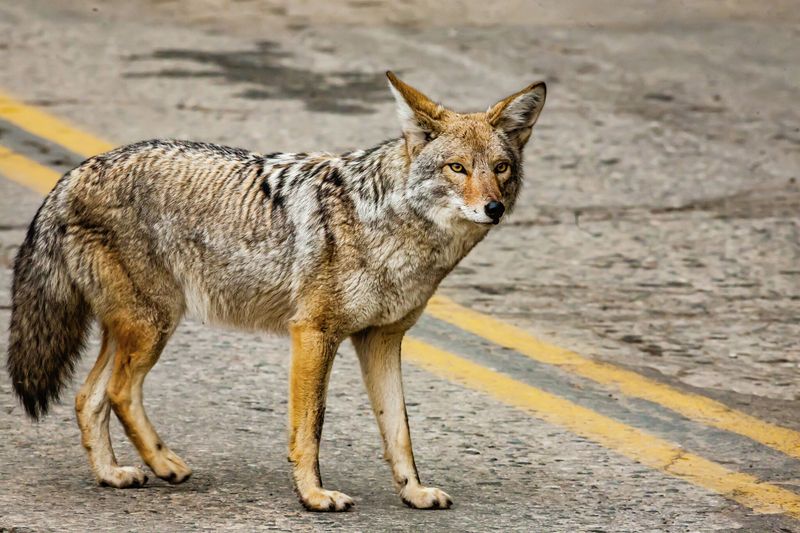
Few things feel stranger than glancing back on an evening stroll and finding a coyote trailing you at a distance. Biologists call this escorting, and it usually happens when you wander too close to an active den.
The parent is not hunting you, but it is sending a clear message to move along. Dogs get the most attention, since coyotes see them as rivals that might threaten their tiny pups.
You might notice the coyote matching your pace, pausing whenever you pause and then trotting forward again. Some parents add quick bluff charges toward a leashed dog, then retreat once the intruders head away.
Escorting can begin surprisingly far from the den, sometimes a few hundred feet away from the hidden entrance. So the spot where you first notice your shadow may not be where the pups actually sleep.
I have to admit my heart raced the first time it happened, but staying calm made all the difference. Keep your dog on a short leash and walk away steadily without turning your back or breaking into a run.
Running can trigger a chase response, while slow backing away shows the parent that you respect its boundary. Once you leave the zone, most escorting coyotes lose interest and return to guarding their family.
Choose a different walking route for several weeks if the escort keeps happening in the same place. Pups typically leave the den by midsummer, and the family becomes far less protective of that area.
3. Coyote Howls And Yips Echoing Near Your Home At Dusk
Two coyotes can sound like a full choir, thanks to a trick scientists call the beau geste effect. Their rapid yips and wavering howls bounce around, fooling our ears into counting far more animals than exist.
Coyotes use a big vocabulary of barks and group howls to stay connected with family members across distance.
Around a den, adults call to locate one another and warn intruders that the territory is already claimed.
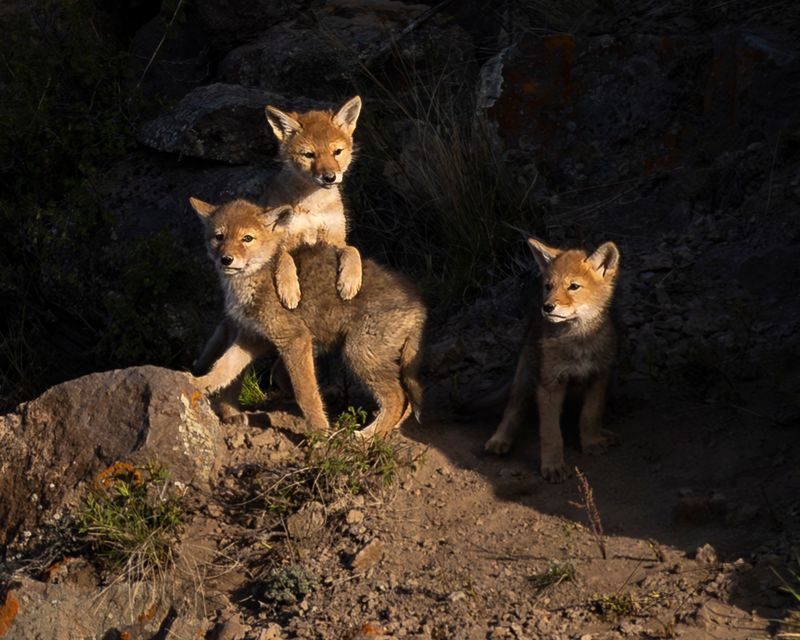
You might notice the chorus growing louder and more frequent near your home during spring and early summer. Once pups get a few weeks old, their squeaky, high-pitched yips sometimes join the adults in the evening.
Those tiny voices are a strong clue, because young pups stay close to the den for weeks. If the same squeaky chorus rises from one patch of brush night after night, you have likely found the nursery.
Researchers sometimes play recorded howls to find dens, since resident families often answer back from their home turf.
I do not recommend trying that yourself, because inviting a protective parent closer is rarely a smart plan.
Instead, jot down the direction and time of the calls on your phone for a week or so. A consistent pattern near dusk or dawn often hints that a family has settled somewhere close by.
Sirens can also set off a burst of howling, so one noisy night alone proves very little. Steady, repeated calls from the same direction tell a far more convincing story about a nearby den.
4. Oval Coyote Tracks Pressed Into Garden Soil
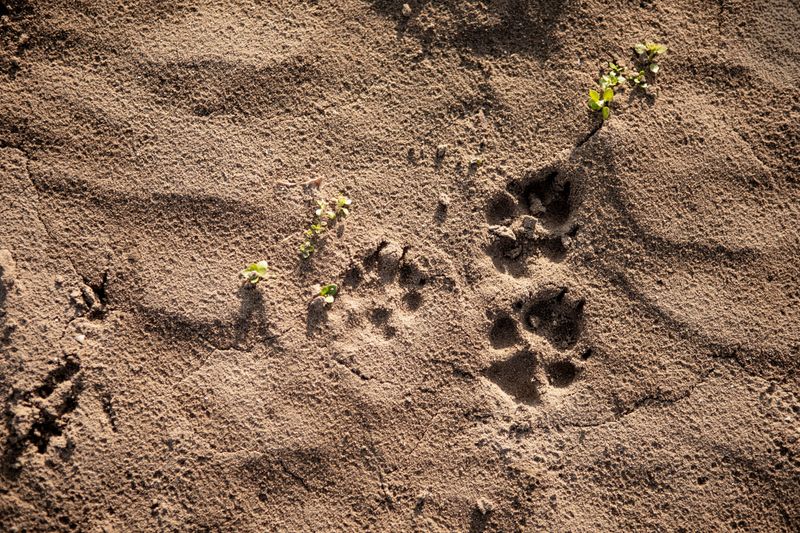
Fresh mud after a spring shower turns your garden paths into a guest book for every night visitor. Coyote prints are some of the easiest signatures to read once you know what shape to look for.
Each print shows four toes and is shaped like a neat oval, usually around two and a half inches long. Claw marks often appear at the tips of the two middle toes, pointing straight ahead like tiny arrows.
Telling these tracks apart from a pet dog can feel tricky, but a few features help a lot. Coyote prints look narrower and more compact, and you can often draw an X between the toes and heel pad.
The trail pattern matters too, because wild canines tend to travel in a tidy, efficient straight line. Dogs on a walk usually zigzag everywhere, sniffing every bush and doubling back for no clear reason.
I love checking soft soil along fence lines and dusty bed edges early in the morning with coffee. Snap a photo with a coin beside the print, because that little scale trick makes identification much easier later.
One set of tracks just means a visitor passed through, which happens in many neighborhoods across the state. Repeated trails heading toward the same brushy corner or shed are what deserve your closer attention.
Small, clumsy prints mixed with adult tracks in late spring can point to pups exploring near home. Spotting those tiny paw marks feels thrilling, yet it is also your cue to keep pets supervised.
5. Twisted Coyote Scat Full Of Fur And Seeds
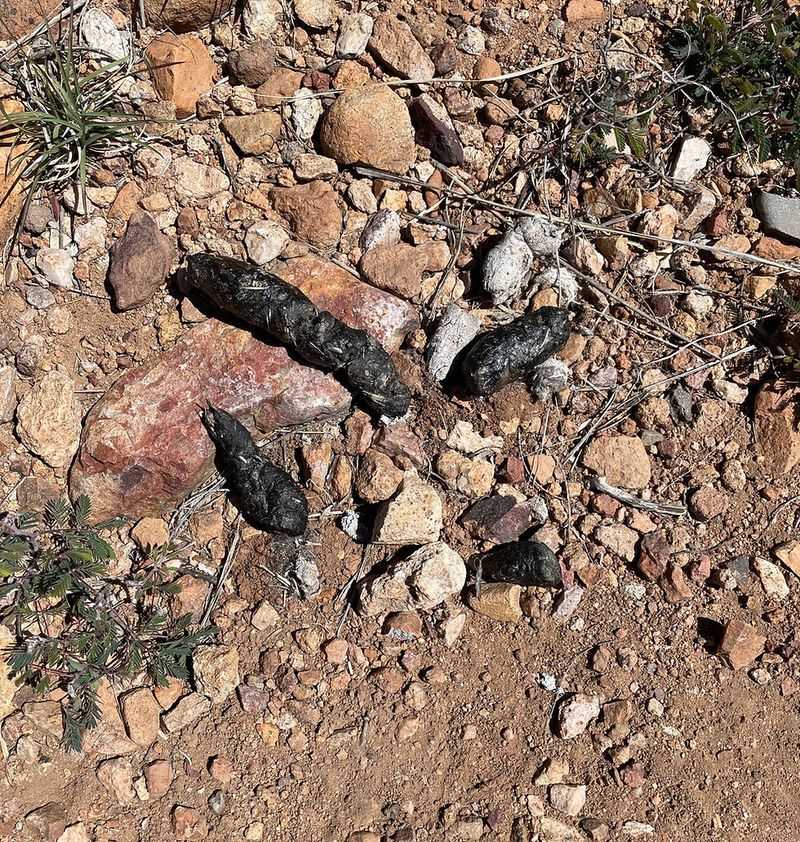
Nobody warned me that I would someday kneel over a pile of droppings with the focus of a detective. Coyote scat tells you what the local family has been eating, and where they like to announce themselves.
Look for rope-like droppings roughly three to four inches long, with twisted, tapered ends that set them apart.
Dog waste usually looks smoother and softer, since most pets eat processed kibble instead of whole wild prey.
The contents often reveal matted fur and tiny bones left over from meals of rabbits and rodents. In late summer and fall, Texas coyotes also gobble persimmons and mesquite beans, so seeds show up too.
Placement is the real giveaway, because coyotes leave scat in obvious spots as a kind of signpost. You might find it squarely in the middle of a trail or perched on a raised rock.
Fresh piles appearing along the same path week after week suggest a family uses that route regularly. Combine that clue with tracks or nightly howls, and the case for a nearby den grows much stronger.
Grab your gloves before cleaning up, because wild animal droppings can carry parasites that affect people and pets. Use a plastic bag or shovel, then wash your hands well, even if you wore protection.
Keep curious dogs from sniffing or rolling in the piles, since that habit spreads germs around quickly. Picking up fallen fruit under your trees also removes one tasty reason for coyotes to visit at night.
6. A Fresh Dirt Mound At A Hidden Burrow Entrance
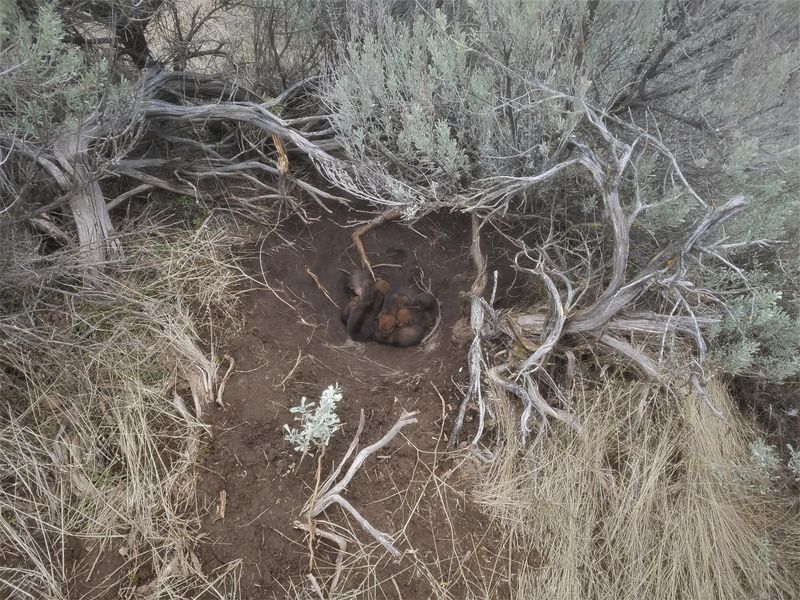
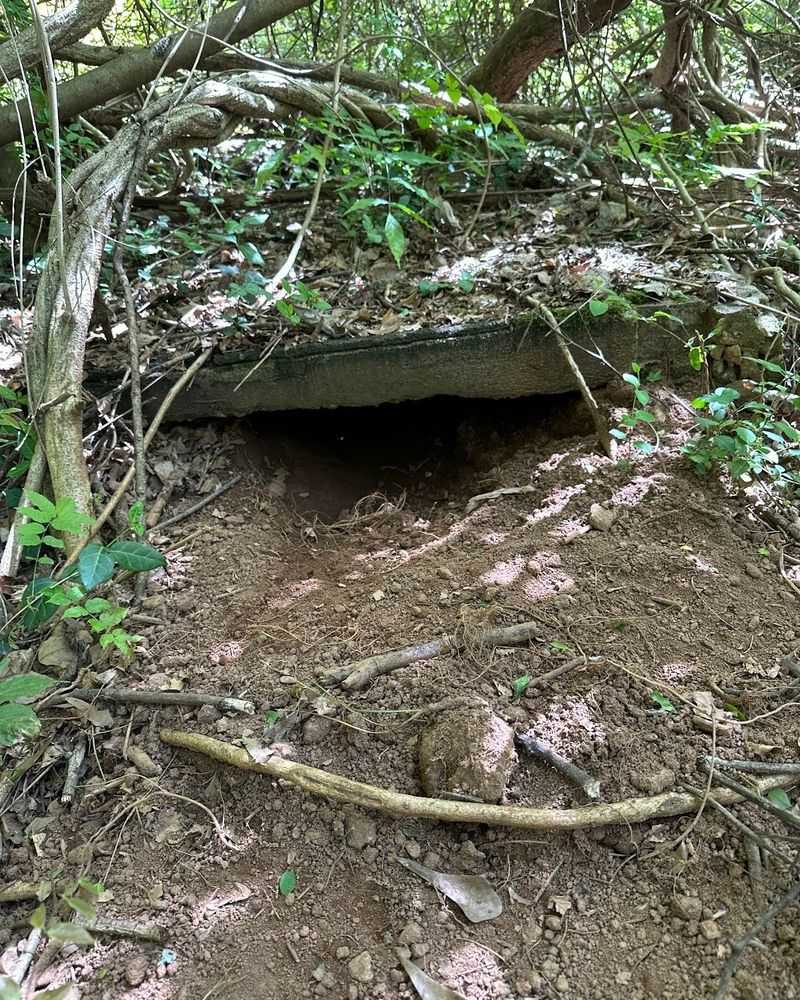
Coyotes are surprisingly lazy home builders, often renovating an old armadillo or skunk burrow instead of digging from scratch. I find that thrifty habit oddly charming, though it means a den can appear almost overnight near you.
Most dens have an entrance about one to two feet wide, often tucked into a slope or brushy bank. A fan of fresh dirt spilling from the opening is a strong sign that someone has been cleaning house.
In neighborhoods, parents also slip into spaces beneath sheds and decks or tuck dens into overgrown drainage areas. Those spots stay cool and hidden, which helps a great deal during a hot Texas spring.
Take a closer look for a narrow, beaten path leading through tall grass straight toward the hidden opening. Flattened grass and a faint musky smell near the entrance usually point toward a busy, active nursery inside.
Please resist the urge to poke around or block the hole while pups might still be inside. Parents that feel disturbed often move their litter to a backup den, which may sit even closer.
Coyotes are classified as nongame animals here, yet many cities set their own rules about trapping and removal. Call your city animal services or a licensed wildlife professional before taking any action on your own.
After the family moves out by summer, seal gaps under sheds and decks with sturdy buried wire mesh. That simple fix keeps next year’s expecting parents from choosing your backyard as their cozy nursery again.
7. Scattered Rabbit Fur And Small Bones Near Brush
Tufts of cottontail fur scattered across the lawn can look like a pillow fight happened overnight. Sadly, those fluffy clues often mean a hungry predator found dinner and carried part of it away.
Coyotes eat a varied menu, with rabbits and rodents making up a large share of most diets. They also snack on insects and fruit, which helps explain why they adapt so well to busy suburbs.
During pup season, parents carry food back to the den and sometimes bring it up for young pups. Leftover scraps such as small bones and loose feathers may collect around the den entrance over time.
Coyotes also bury extra food in shallow caches, returning later when hunting gets tough or pups need more. You might notice small patches of freshly turned soil in mulch beds that look oddly like someone gardened.
Hawks and free-roaming cats leave similar remains, so one messy scene rarely proves much on its own. Look for patterns instead, especially repeated finds near the same brushy corner over a week or two.
I truly believe the smartest defense is keeping tempting snacks out of reach rather than chasing wildlife away. Bring pet food indoors at night and keep spilled birdseed cleaned up, since it attracts rodents coyotes love.
Backyard chickens and small pets need secure shelters, with sturdy wire covering both the sides and top. With fewer easy meals around, a coyote family usually raises its pups and moves on without much fuss.