How To Root Fig Cuttings Over A North Carolina Winter
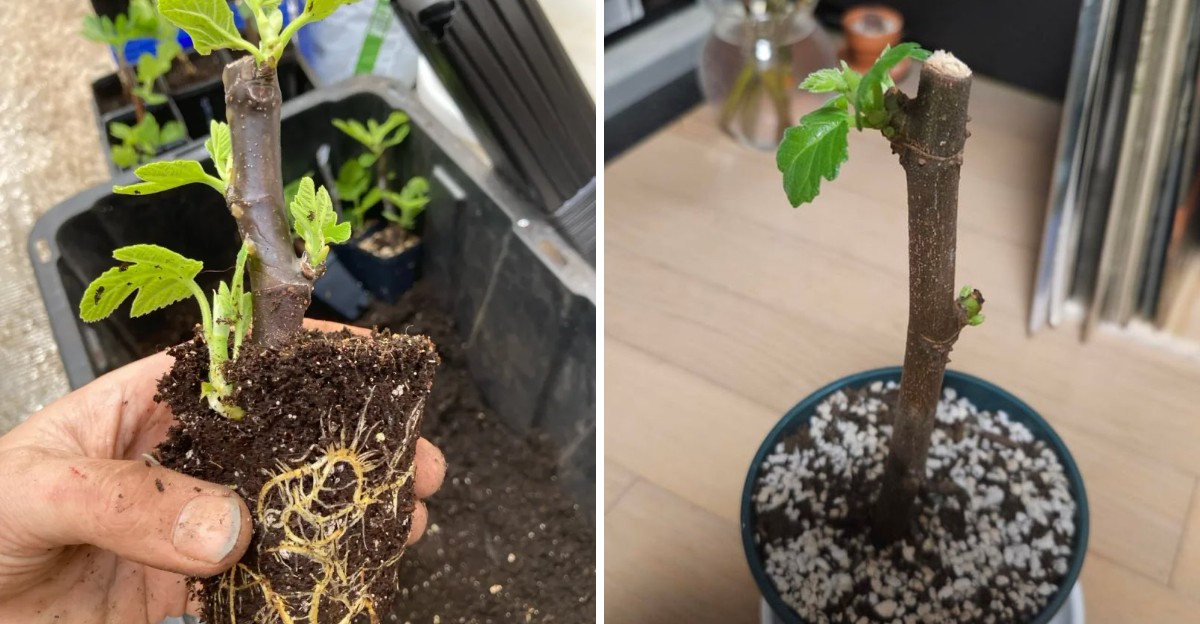
A bare stick about the length of a pencil can grow into a tree that hands you sweet fruit within two or three summers. I still find that a little wild.
Truth is, I spent years ignoring the twiggy pruning scraps piled beside my back fence. Then a friend in Raleigh showed me a plastic cup stuffed with fuzzy white roots, all from wood I would have tossed. I felt slightly robbed of every pile I ever hauled to the curb.
North Carolina winters swing from mountain freezes to mild coastal days, and that unpredictability shapes how this trick works. You don’t need a greenhouse, fancy lights, or a degree in botany. A warm corner, a bit of patience, and the right timing carry most of the load.
And what if the best fruit tree in your yard next decade is sitting in your brush pile right now?
Those Bare Winter Fig Branches Hold More Promise Than They Let On
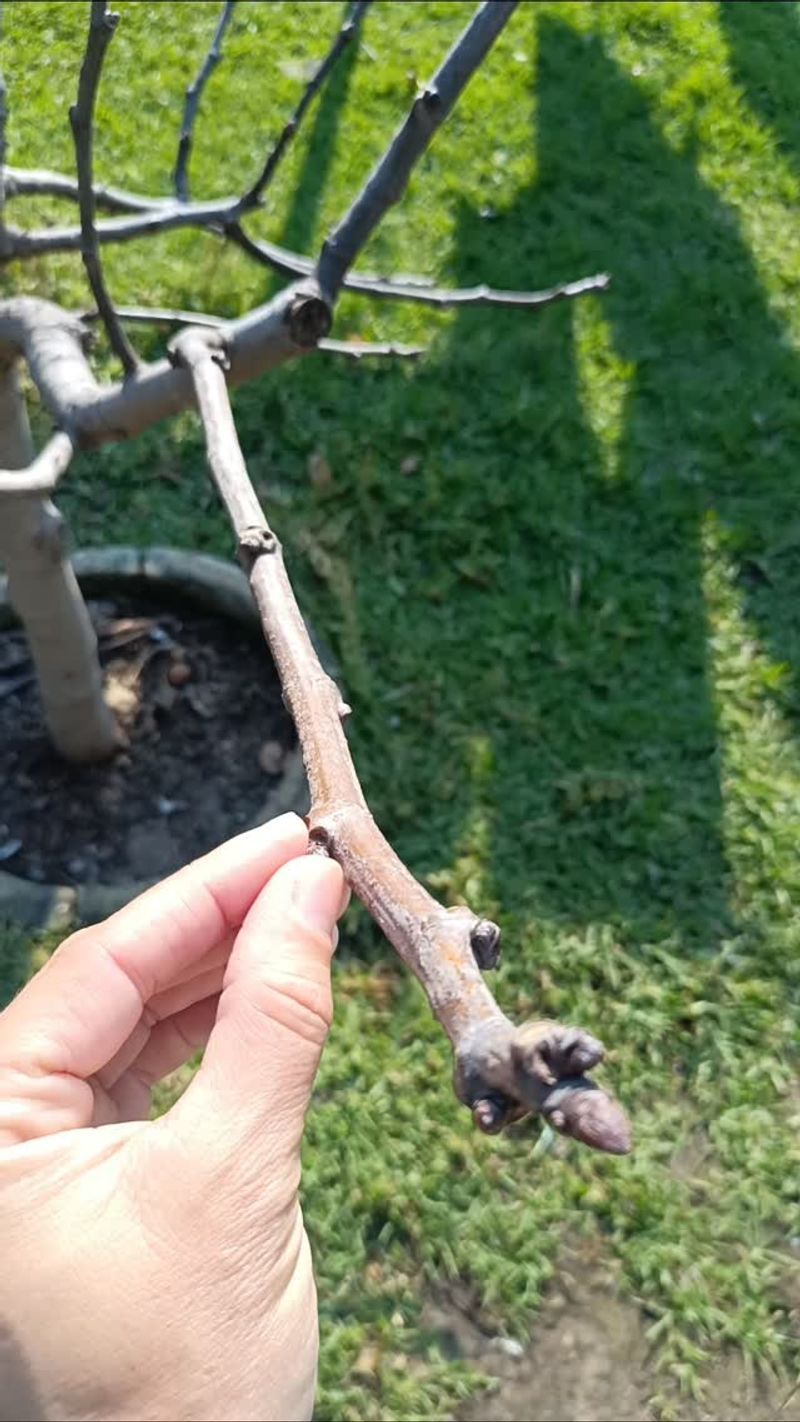
Fig wood is one of the friendliest materials a home propagator can handle. Common figs (Ficus carica) root readily from dormant hardwood cuttings, which is why gardeners have shared them for centuries across the Mediterranean and beyond.
Winter is actually the sweet spot. Once the tree drops its leaves, the branches are packed with stored sugars and starches. Those reserves fuel new roots and buds before the cutting has any leaves to feed itself.
North Carolina gives you a big advantage here too. NC State Extension recommends cold-hardy varieties like Celeste and Brown Turkey for North Carolina, and figs in general are easy to start from cuttings. Hardy types such as Chicago Hardy are another solid pick for colder spots.
I’ll admit my first batch was pure guesswork. Still, about half rooted, which tells you how forgiving figs can be. With a little more care, success rates often climb much higher.
The bigger idea is simple. You take sleeping wood in winter, give it warmth and moisture indoors, and let it build roots while the outdoor garden rests. By spring, you have young trees ready to grow on, not just a pile of trimmings.
Snip Fig Cuttings Right After The Leaves Drop
Timing does most of the heavy lifting with this project. The ideal moment arrives in late fall or early winter, after your fig has shed its leaves and gone fully dormant.
Across North Carolina, that usually lands somewhere between November and early January. Mountain gardeners often see leaf drop sooner, while coastal trees can hang on a bit longer. Watch your own tree instead of the calendar.
Try to collect wood before a hard freeze hits. Temperatures in the mid-teens can injure young fig stems, and damaged wood rarely roots well. Pruning cuts made now also double as your cutting supply, so you get two jobs done at once.
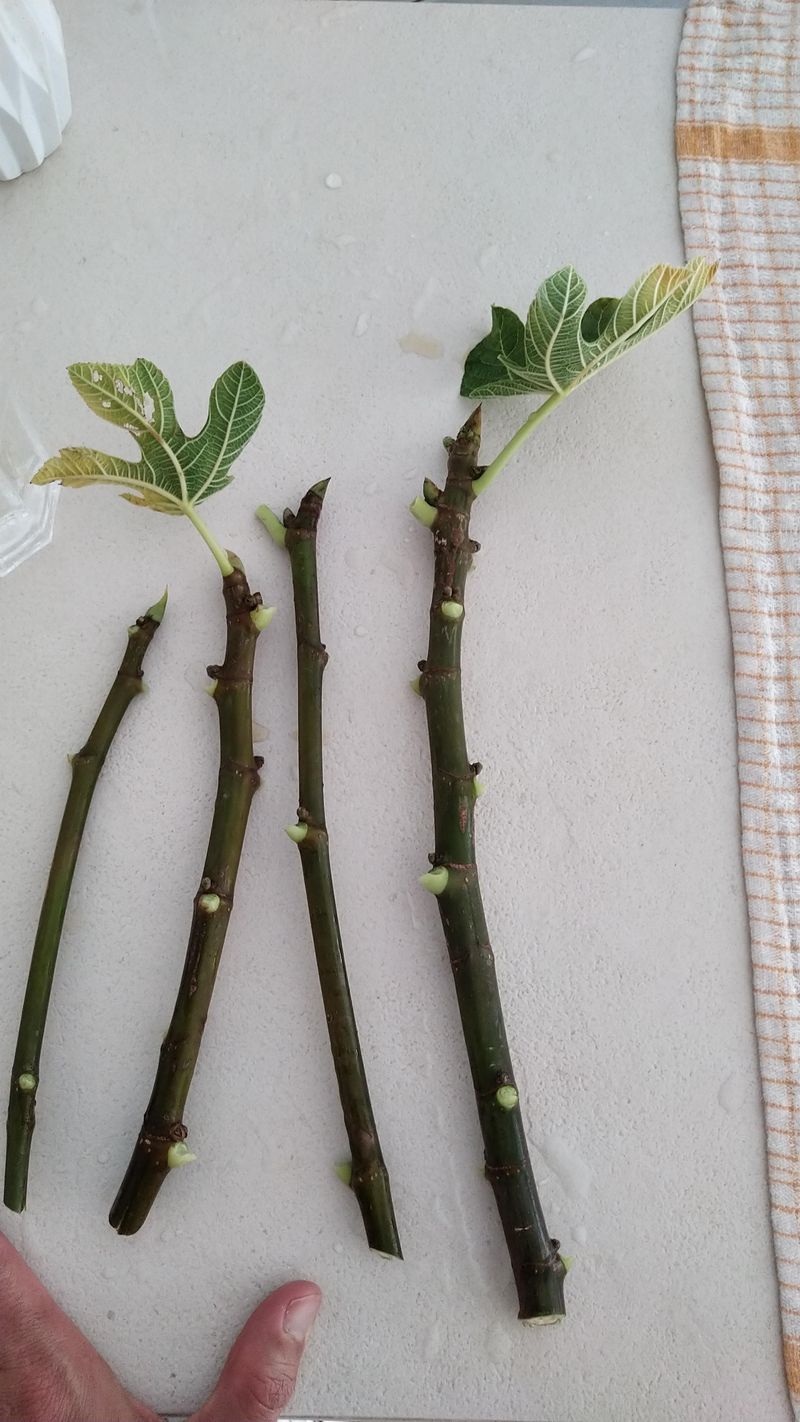
Pick healthy, one-year-old growth about as thick as a pencil or a little thicker. Cut pieces 6 to 10 inches long with at least three nodes, which are the small bumps where buds sit.
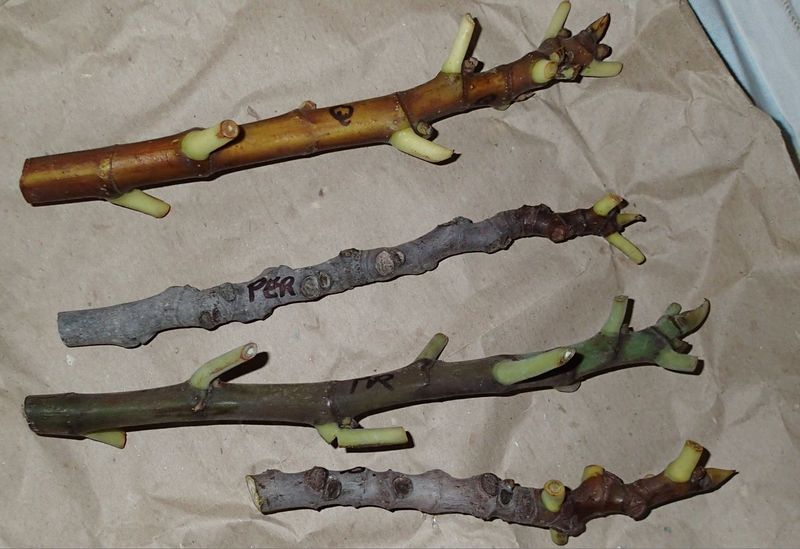
Make a flat cut at the bottom just under a node and a slanted cut at the top. That trick helps you remember which end goes down later. Label each bundle with the variety name, because every bare fig stick looks alike by February.
A Damp Paper Towel And Your Fridge Can Buy You Weeks
Life gets busy around the holidays, and that’s fine. Fig cuttings store beautifully if you can’t start them right away.
Wrap the bundle loosely in a barely damp paper towel. Slip it into a zip-top bag, press out most of the air, and set it in the refrigerator. The crisper drawer works well, as long as it stays above freezing.
Stored this way, dormant cuttings often hold for several weeks to a few months. Check them every couple of weeks. A towel that feels soggy invites mold, so swap in a fresh one if things look slimy.
Keep fruit like apples out of that same drawer if you can. Ripening fruit gives off ethylene gas, which may nudge buds to wake up too soon.
Fair warning, some growers like to wipe cuttings with a mild bleach solution, about one part bleach to ten parts water, before storage. It can reduce mold, but rinse and dry them well afterward.
Cold storage also lets you trade wood with friends. Plenty of fig fans across the Southeast swap cuttings every winter, and a fridge bag keeps those gifts in great shape until rooting day arrives.
Clear Cups And Airy Mix Make Fig Roots Easy To Spot
Guilty as charged, I’m a sucker for clear plastic cups. They let you see roots form without tugging on the cutting, which saves a lot of nervous poking.
Poke a few drainage holes in the bottom of each cup. A 16-ounce size gives roots enough room for the first couple of months.
The mix matters even more than the container. Figs want air around the stem, so skip heavy garden soil. A blend of roughly half peat moss or coco coir and half perlite works well, and some growers push perlite even higher.
Moisten the mix until it feels like a wrung-out sponge. Squeeze a handful, and only a drop or two of water should appear.
Soggy mix is one of the most common reasons cuttings rot. If the bottom of the stick turns black and mushy, the medium was too wet or too cold.
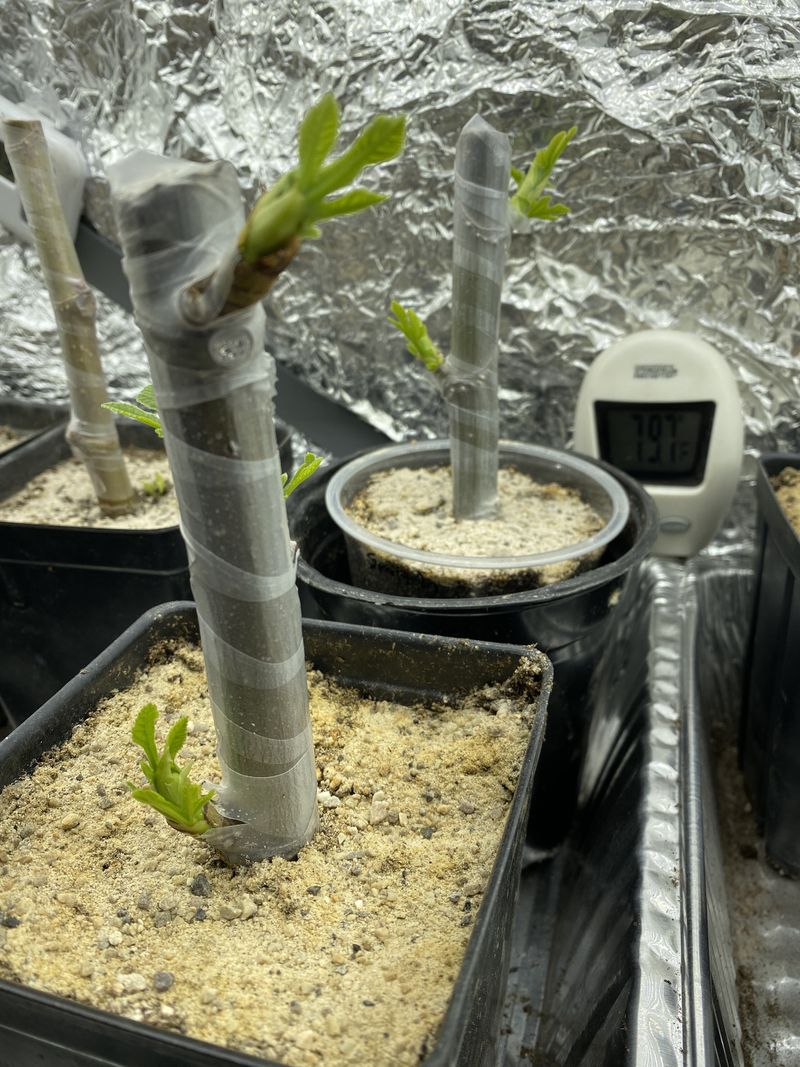
Push the cutting in so most of it sits below the surface, leaving one or two buds above. At least two nodes should be buried, since roots often sprout from those spots. Firm the mix gently so the stick stands upright without wobbling.
Bottom Heat Wakes Up Sleepy Fig Cuttings Faster
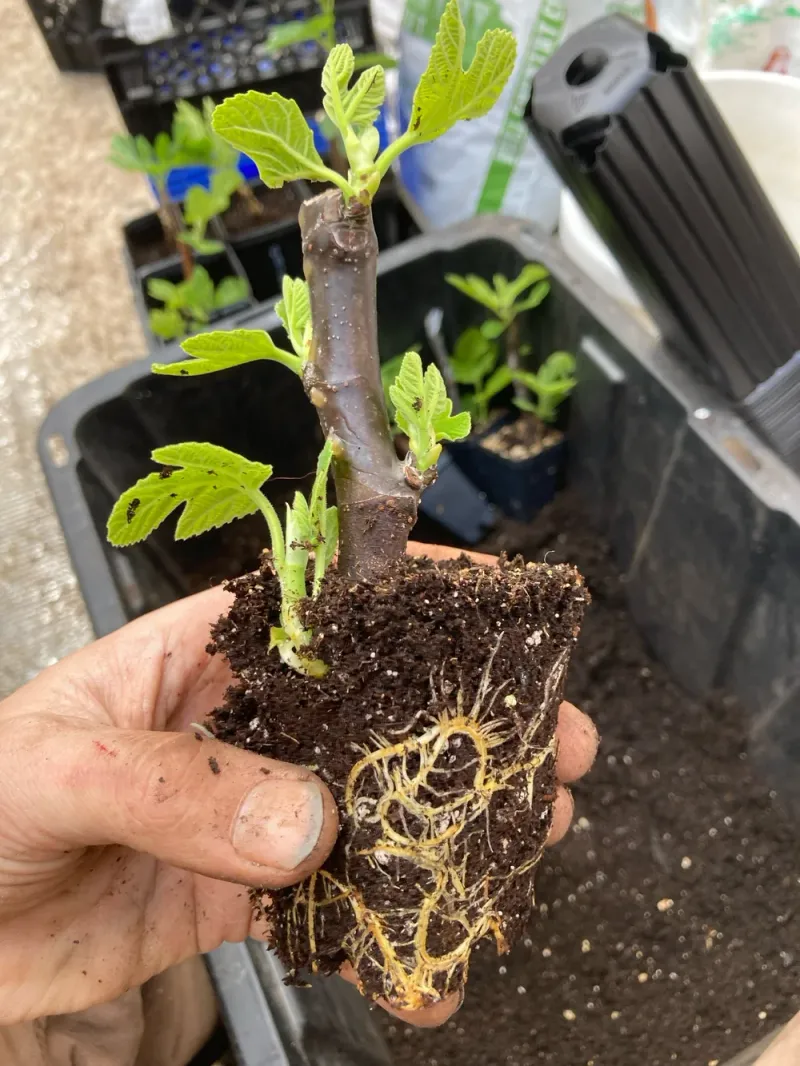
Cold toes slow everything down, and fig cuttings agree. Roots form fastest when the mix stays warm, ideally somewhere in the mid-70s to around 80°F.
A seedling heat mat is the easiest way to get there. Pair it with an inexpensive thermostat so the mix doesn’t overheat. The top of a refrigerator also gives gentle warmth if you’d rather skip the gadget.
Many North Carolina homes drop into the low 60s overnight in January. That’s comfortable for people but sluggish for cuttings, so a heat source really pays off.
Humidity is the other half of the puzzle. Leaves often pop before roots do, and those tender leaves lose water quickly. A clear dome, a storage tote with the lid cracked, or a loose plastic bag keeps the air moist.
Leave a little airflow, though. Sealing everything up tight can encourage mold on the stems. Open the cover for a few minutes each day to refresh the air.
Bright, indirect light or a basic LED shop light hung a foot or so above works once leaves appear. Avoid harsh direct sun on a covered container, because heat builds up fast inside.
Early Fig Leaves Can Fool You Before The Roots Show Up
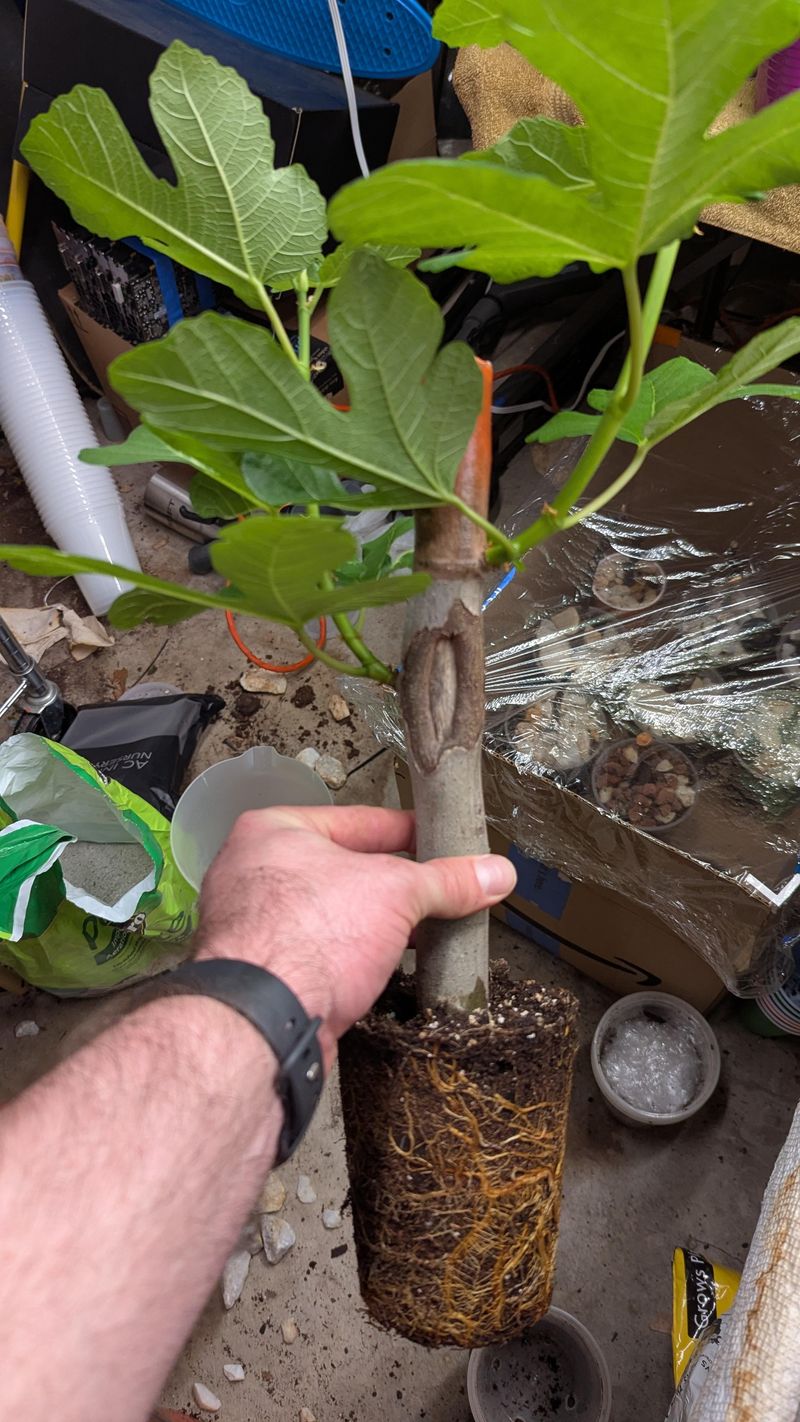
Don’t laugh, but I once celebrated a cutting with three perfect leaves. Two weeks later it collapsed, because it had zero roots underneath.
Fig cuttings often push leaves first, using energy stored in the wood. Those leaves look exciting, yet they don’t mean the cutting is established. Roots are the real scoreboard.
Expect visible roots somewhere between three and eight weeks, depending on warmth and variety. Some stubborn sticks take longer, so don’t toss them too early.
Resist the urge to water often. Check the mix with a fingertip, and add a little only when the top feels dry. Overwatering during this stage causes far more trouble than thirst.
Watch for a few warning signs. Fuzzy gray mold on the stem, wrinkled bark, or a black base usually means that cutting won’t recover. Pull it out so problems don’t spread to its neighbors.
Many experienced growers report success rates well above half, though results vary. A few duds come with the territory, which is one reason to start extra cuttings. Once thick white roots circle the cup, you can finally relax and enjoy your new little trees.
Rooted Fig Starts Need A Slow Walk Into Spring Sunshine
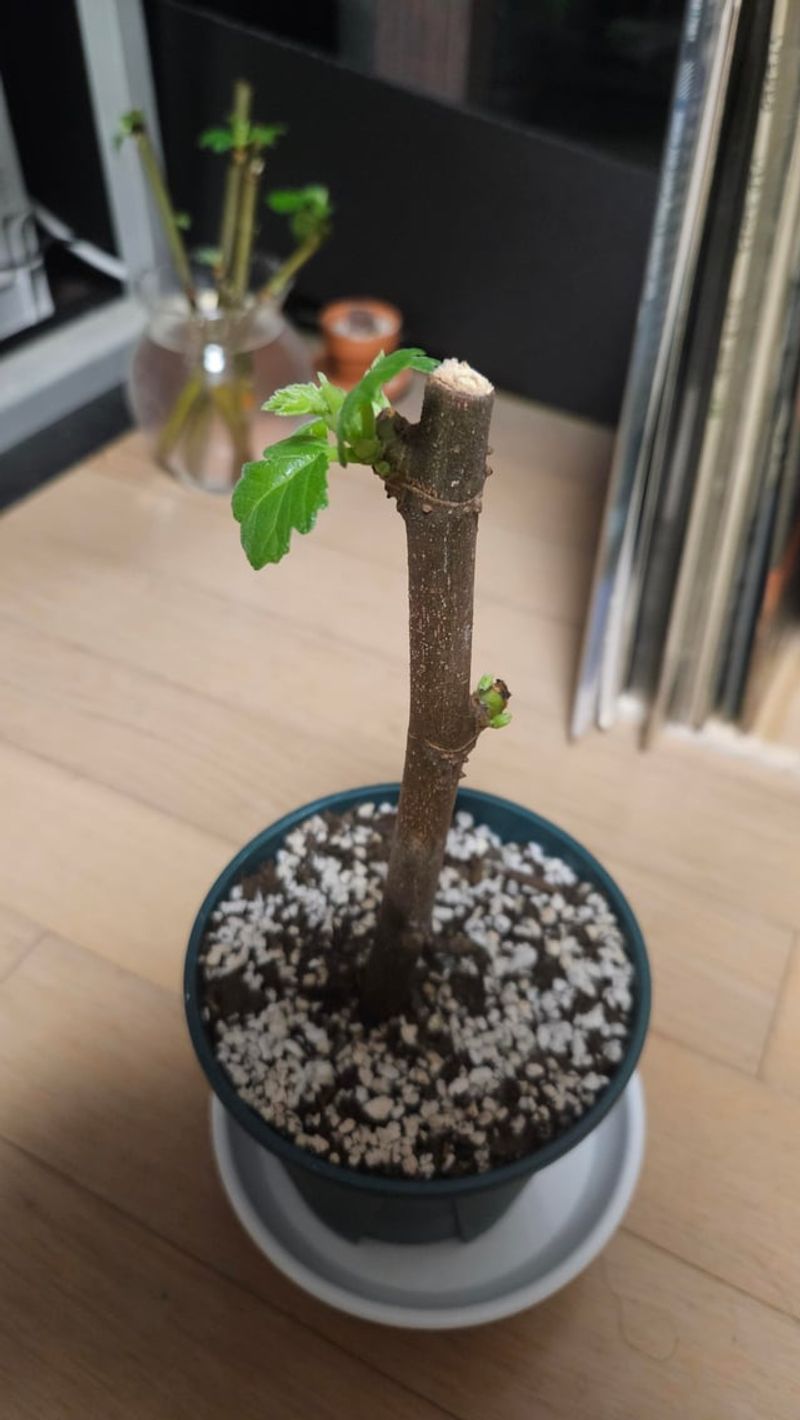
Moving day is a big deal for a tiny tree raised indoors. Once roots fill the cup, step each plant up into a one-gallon pot using a light, well-draining potting mix.
Keep them inside until your local frost danger passes. In the coastal plain that may be late March or early April. Piedmont gardeners usually wait until mid-April, and mountain growers often hold off until May.
Hardening off comes next, and it can’t be rushed. Set plants in a shady, sheltered spot for an hour or two on a mild day. Over about a week or two, add more time outdoors and more morning sun.
Indoor leaves are soft and scorch easily. Wind can also shred them, so a porch corner or the lee side of a fence works well at first.
Water whenever the top inch of the pot dries out. Young figs in containers can dry quickly once summer heat arrives.
Most growers keep first-year figs potted all season. That lets roots grow strong before the plants face the ground and their first real winter outdoors.
Give Your Young Fig Tree A Warm Wall And A Winter Blanket
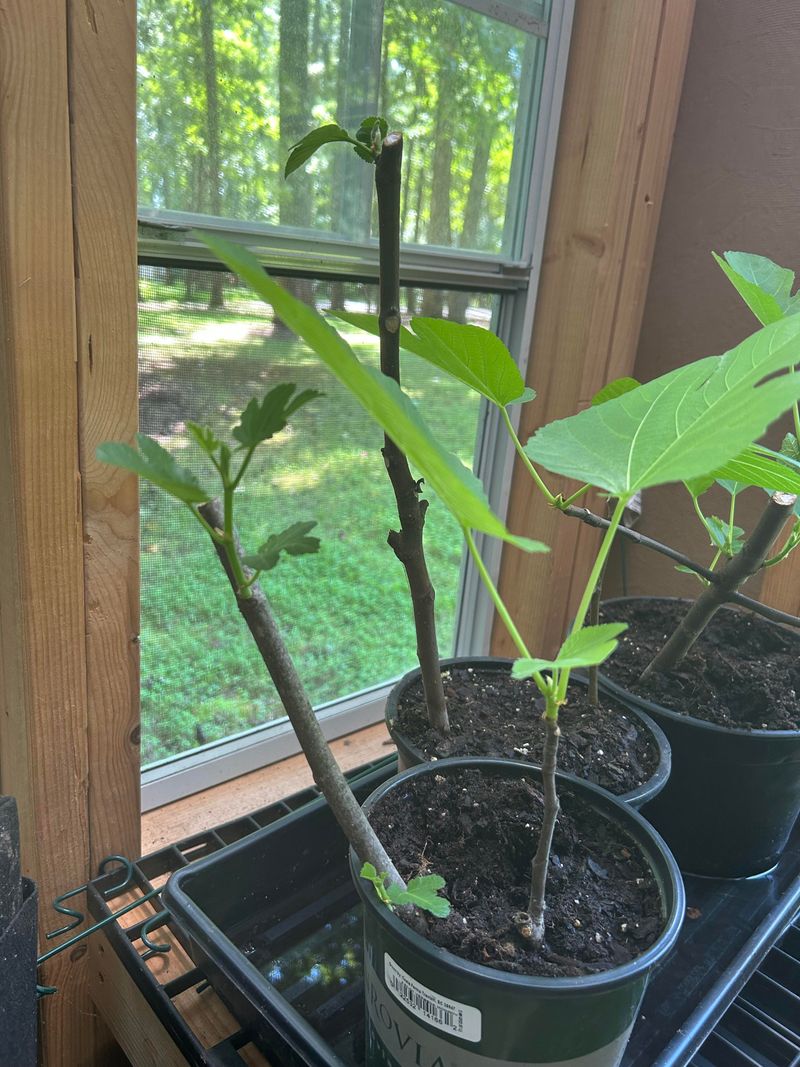
Every fall, I start eyeing the warmest wall on my property. Figs love reflected heat, and a sunny south-facing spot gives them a real head start in North Carolina.
Plant in full sun and well-drained soil. Figs dislike wet feet, so avoid low spots where water sits after storms. Many growers plant in early fall or the following spring once the young tree has a sturdy root system.
Young figs are more tender than older ones. In the mountains and colder Piedmont areas, pile mulch or loose soil 1 to 2 feet up the base in late fall. Pull it back in spring once hard freezes pass.
Tops may freeze back during a rough winter, but figs often resprout from the roots. Many coastal gardeners need little more than a thick mulch ring.
Potted figs can head into an unheated garage or shed after leaf drop. Water lightly about once a month so the roots stay barely moist.
Best of all, next winter you’ll have your own fig to prune. Those clippings become fresh cuttings, and the whole cycle starts again for friends, family, and your next row of trees.