Watch For These Snake Warning Signs In Your New York Yard This Fall
A papery snake skin by the steps can make any homeowner jump. As fall settles over New York, snakes start searching for warm hideouts before winter.
The state is home to 17 native snake species, and many of them wander right into backyards. Most are shy and helpful, and only three carry venom.
Knowing the clues snakes leave behind can save you a scare, and maybe a surprise in the garage. Some signs are easy to spot, like a snake lounging on a sunny driveway.
Others are sneakier, like a sudden boom in chipmunks or a group of scolding birds. Each hint says something about who might be living nearby.
1. Shed Skins Tucked Along Foundations
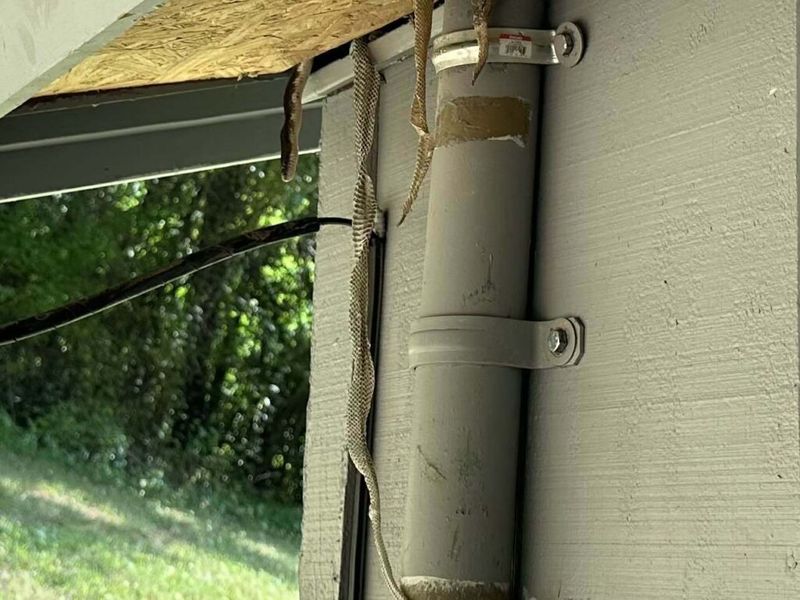
Picture yourself raking leaves and spotting something that looks like crinkly tissue paper. Chances are good you just found a shed snake skin.
Snakes grow their whole lives, but their skin does not stretch along with them. So they wriggle out of the old layer, leaving behind a see-through copy of themselves.
Finding one near your home tells you a snake has spent time close by. Foundations are popular shedding spots because they stay damp, shaded, and quiet.
Snakes like rough surfaces to rub against when starting the shed. Concrete edges, stone steps, and brick corners work like a built-in scratching post for them.
Look closely and you can learn a lot from that dull, papery skin. The scale pattern often stays visible, even though the color fades away.
Measure the length if you are curious about the snake’s size. Keep in mind that skins stretch during shedding, so the real snake is usually a bit shorter.
Here’s a handy trick for identification. Check the scales along the middle of the back for a raised ridge, called keeling, which garter snakes have.
Wear gloves when you pick up a shed, just to stay clean. Snap a photo and compare it with a New York field guide or wildlife website.
Fun fact: snakes shed their eye coverings too. You may even see little clear caps where the eyes once sat, which looks pretty wild up close.
One skin is not a reason to panic. Several skins in one spot, though, suggest a snake that treats your foundation like home.
2. A Surge In Mice Or Chipmunks
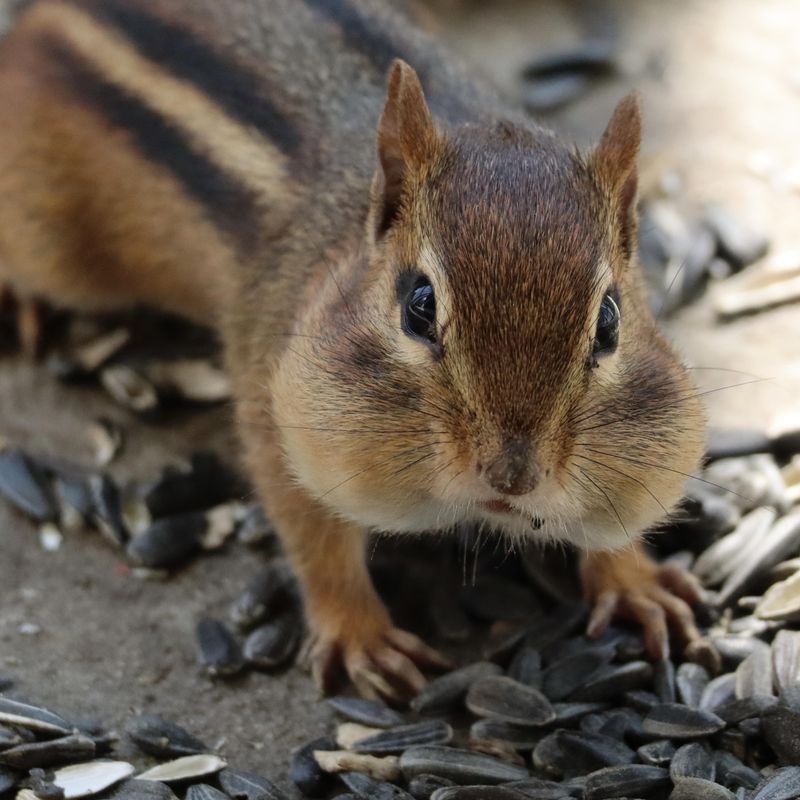
Snakes follow food the way kids follow the smell of fresh cookies. When mice and chipmunks crowd your yard, hungry snakes often show up next.
Fall is a busy season for small rodents. They race around gathering seeds, nuts, and acorns to stash away before winter hits.
All that scurrying creates a buffet for rat snakes, milk snakes, and other hunters. A yard full of snacks is hard for them to ignore.
Watch for small burrow holes near patios, sheds, and garden beds. Chewed seed shells and tiny droppings also point to a growing rodent crowd.
Bird feeders are a common culprit in many yards. Spilled seed on the ground invites mice, and mice invite snakes.
Try placing a tray under your feeder to catch fallen seed. Sweeping the area every few days helps too.
Your New York Garden Changes Every Week. Your Plan Should Too.
Gardening in New York changes quickly throughout the season. Every Friday you’ll receive a simple weekly plan showing exactly what to plant, prune, fertilize, harvest, and protect so you never miss the right timing.
Pet food left outside can cause the same trouble. Bring bowls inside at night and store bags in sealed metal or plastic bins.
Compost piles deserve a quick check as well. Cover food scraps and turn the pile often so rodents do not settle in.
Here is the upside of snakes chasing rodents. Many of them act like free pest control, cleaning up mice you would rather not have.
Still, fewer rodents usually means fewer snakes hanging around. Tackle the food source first, and the snakes will often move along on their own.
Think of it as cutting off the menu. When the restaurant closes, the customers go looking elsewhere.
3. Snakes Sunning On Warm Driveways And Rocks
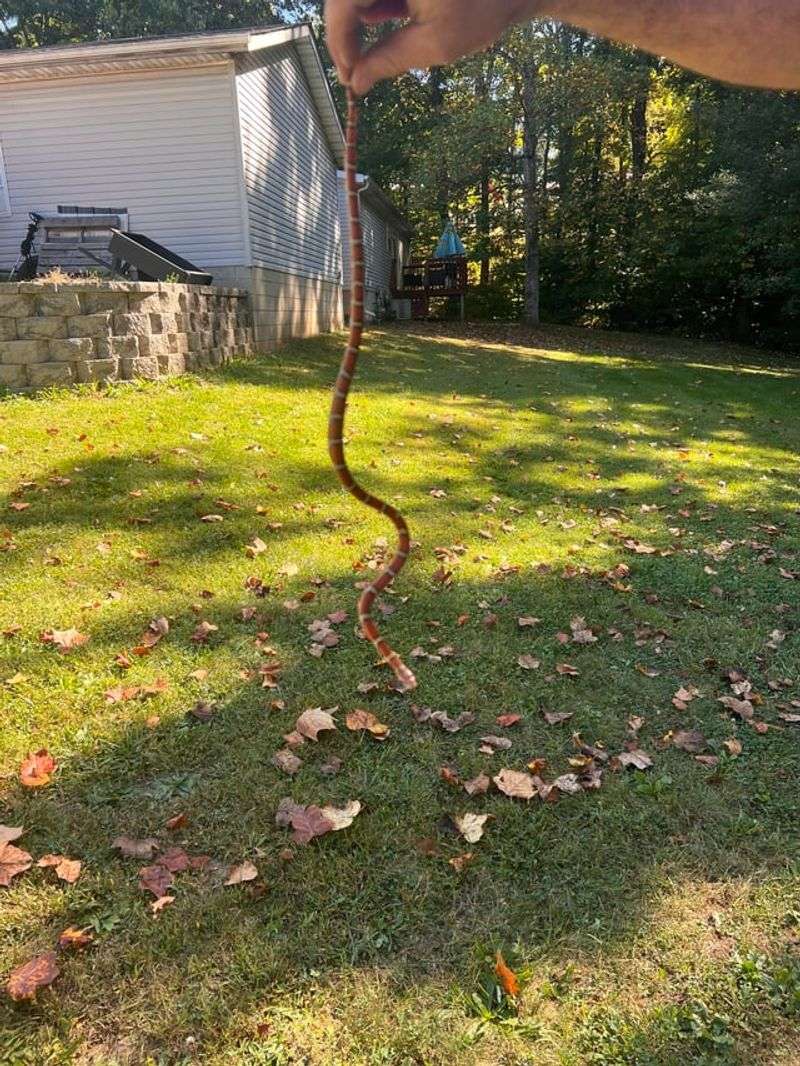
A chilly October morning can turn your blacktop driveway into a snake’s favorite heating pad. Don’t be shocked to find one stretched out in the sunshine.
Snakes are cold-blooded, so outside warmth controls their body temperature. When the air cools, they need sunny spots to warm up and get moving.
Driveways, sidewalks, and flat rocks soak up heat during the day. By afternoon, those surfaces feel toasty compared to the cool grass.
A basking snake is usually slow and sleepy. It may lie still for a long time, soaking up every bit of warmth it can find.
Give it space and let it finish its sunbath. Most snakes will slide off to cover once they feel warm enough.
Drivers should take a quick look before backing out on sunny fall days. Snakes on pavement can be hard to see, especially near the edges.
Kids and pets need a gentle reminder too. Teach little ones to look but not touch, and keep dogs on a leash near rocky areas.
Stone walls and rock gardens facing south get the most sun. Those spots often become regular basking stations year after year.
Want to move a lingering snake along? A gentle spray from a garden hose usually encourages it to head for the bushes.
Here’s a neat bit of trivia. Some snakes flatten their bodies while basking, which helps them catch more sunlight, just like a solar panel.
4. S-Shaped Tracks In Dust Or Sand
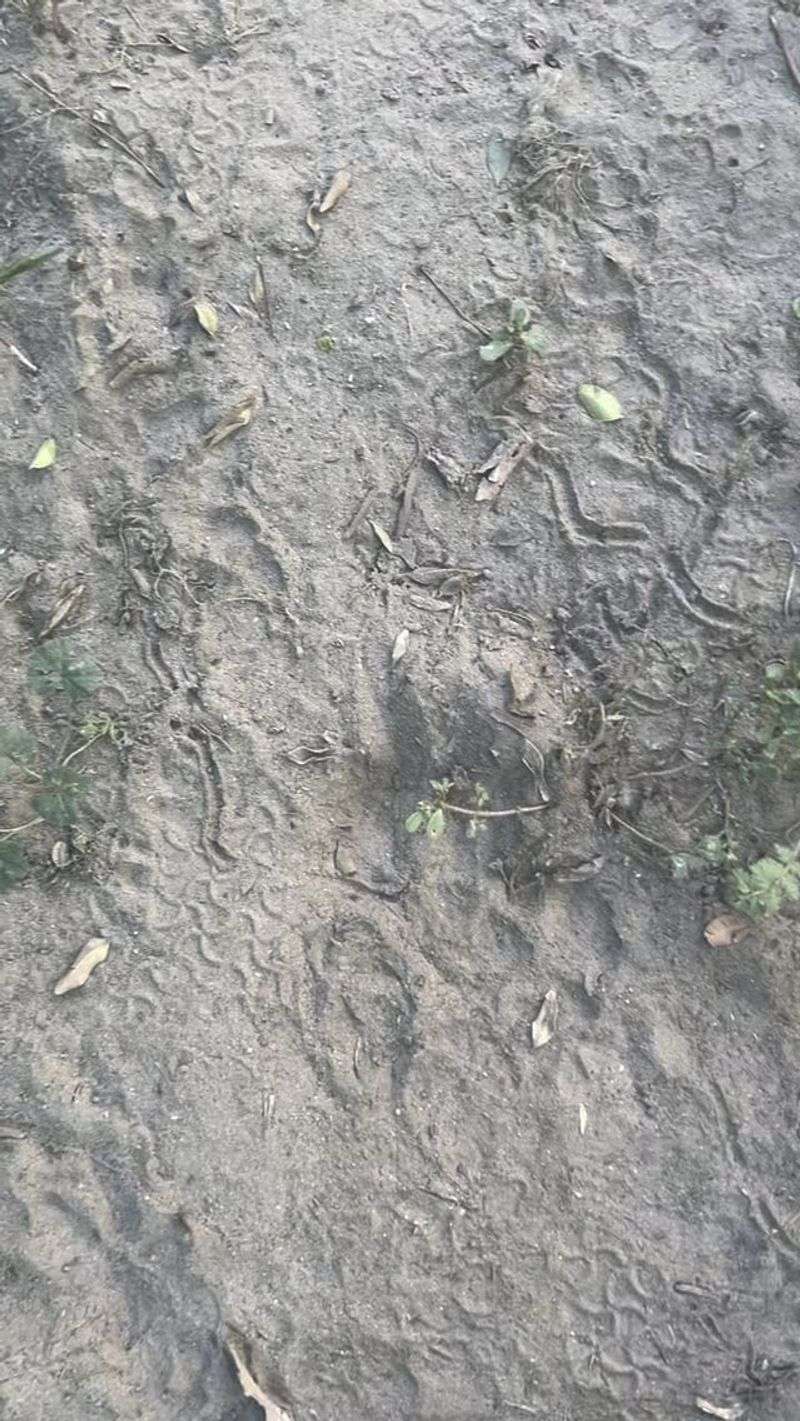
Nature detectives, grab your magnifying glass. Some of the best snake clues are written right in the dirt.
Snakes moving across soft ground often leave a wavy S-curve trail. Scientists call the motion lateral undulation, which simply means side-to-side wiggling.
The snake pushes against the ground at each bend to move forward. Those pushes leave small ridges of dirt along the outer curves.
Check dusty garden edges, sandy play areas, and dirt paths after dry days. Early morning light makes faint tracks easier to spot.
The width of the track gives a rough idea of the snake’s size. A thin line suggests a small snake, while a wide groove hints at a bigger one.
Look for tracks that repeat in the same spot. Snakes often follow the same travel routes between hiding places and hunting areas.
Can’t tell a snake trail from a garden hose mark? Hose drag lines are usually straight or gently curved, not tight and wavy.
Try a simple tracking trick used by wildlife pros. Smooth a patch of sand near a suspected hideout, then check it the next morning.
Fresh marks mean something passed through overnight. Take photos with a coin beside them for size comparison.
Tracking can be a fun family project on a crisp fall weekend. Kids love playing detective, and they learn to respect wildlife along the way.
5. Scolding Birds Gathered Around One Spot
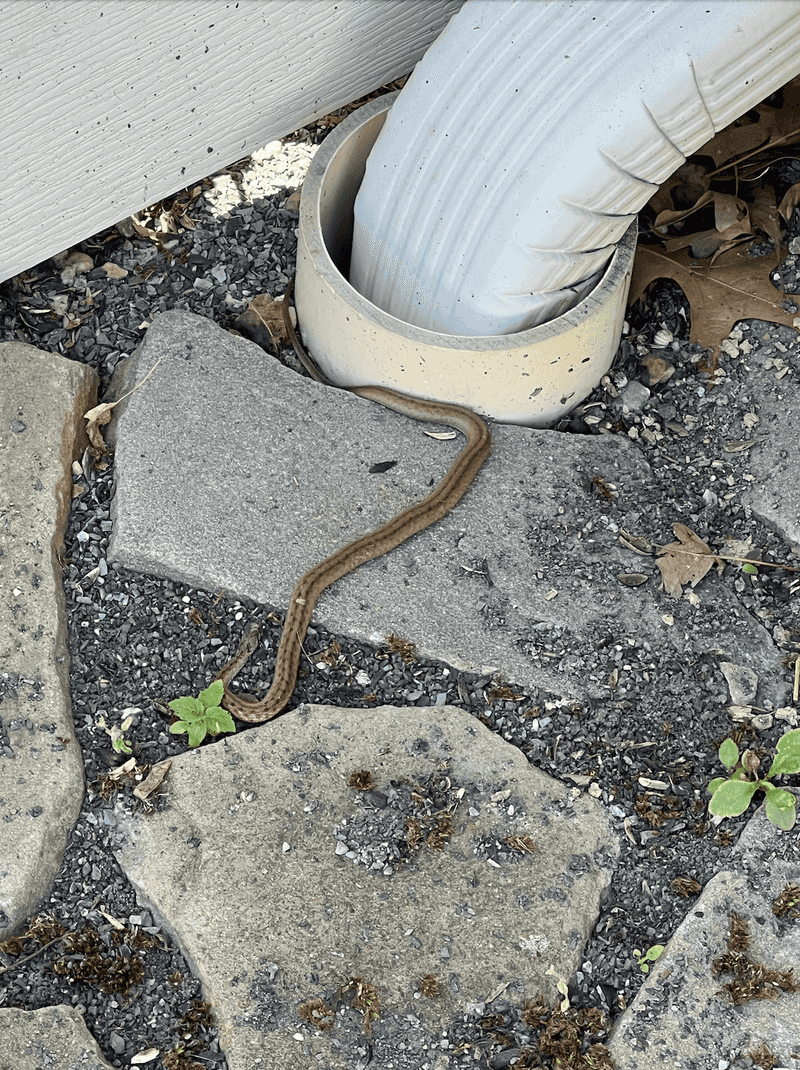
Ever hear a racket of chirps and squawks that sounds like a backyard argument? Your local birds might be yelling at a snake.
Bird experts call the behavior mobbing. Birds gather near a predator and make loud, repeating calls to drive it away.
Blue jays, robins, chickadees, and catbirds are famous for this noisy teamwork. They flutter, dive, and scold from nearby branches.
The commotion warns other birds that danger is close. It can also confuse the snake and push it to leave the area.
Pay attention to where the birds are looking. They usually focus on one bush, woodpile, or patch of tall grass.
Approach slowly and stay a safe distance away. Use binoculars if you have them, so you can peek without getting too close.
Of course, birds also mob cats, hawks, and owls. Look around carefully before deciding a snake is causing the fuss.
Birdhouses and feeders sometimes draw snakes looking for eggs or chicks. Adding a baffle to poles can keep climbing snakes from reaching nests.
Here’s a cool fact many people miss. Some birds use different alarm calls for snakes than for flying hunters like hawks.
Learning those sounds turns your yard into a living alarm system. Before long, you may recognize a snake warning just by listening.
6. Gaps Under Doors And Foundation Cracks
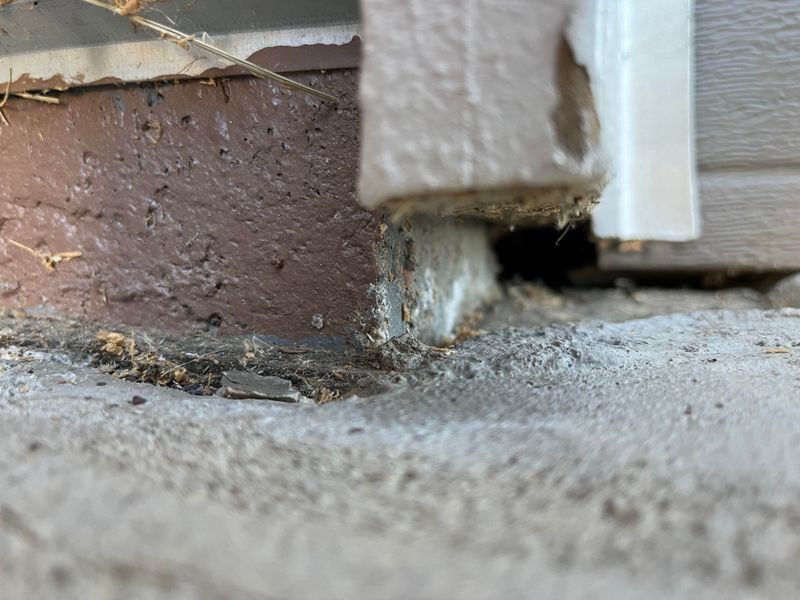
Snakes are skinny escape artists. A crack no wider than a pencil can be enough for a small one to squeeze through.
Fall is when many snakes start scouting for winter shelter. Tiny openings around your home can look like perfect front doors to them.
Check the bottoms of garage, basement, and shed doors. If you can see daylight underneath, a snake might find its way in.
Walk slowly around your foundation with a flashlight. Look for cracks, gaps around pipes, and loose spots near dryer vents.
Utility openings are sneaky trouble spots. Wires and pipes often enter homes through holes that were never fully sealed.
Luckily, most fixes are cheap and quick. Caulk, expanding foam, and weather stripping handle many small gaps in an afternoon.
Door sweeps are a smart buy for garages and basements. They close the space under doors and help block drafts too.
Hardware cloth works well for larger openings like vents. Choose a quarter-inch mesh so air flows while critters stay out.
Sealing gaps helps with more than just snakes. Mice, insects, and cold air get blocked at the same time, which may even lower heating bills.
Make a habit of checking every September in New York, before the first real cold snap. A little prep now can save a startling basement surprise in November.
7. Cluttered Woodpiles And Stone Walls
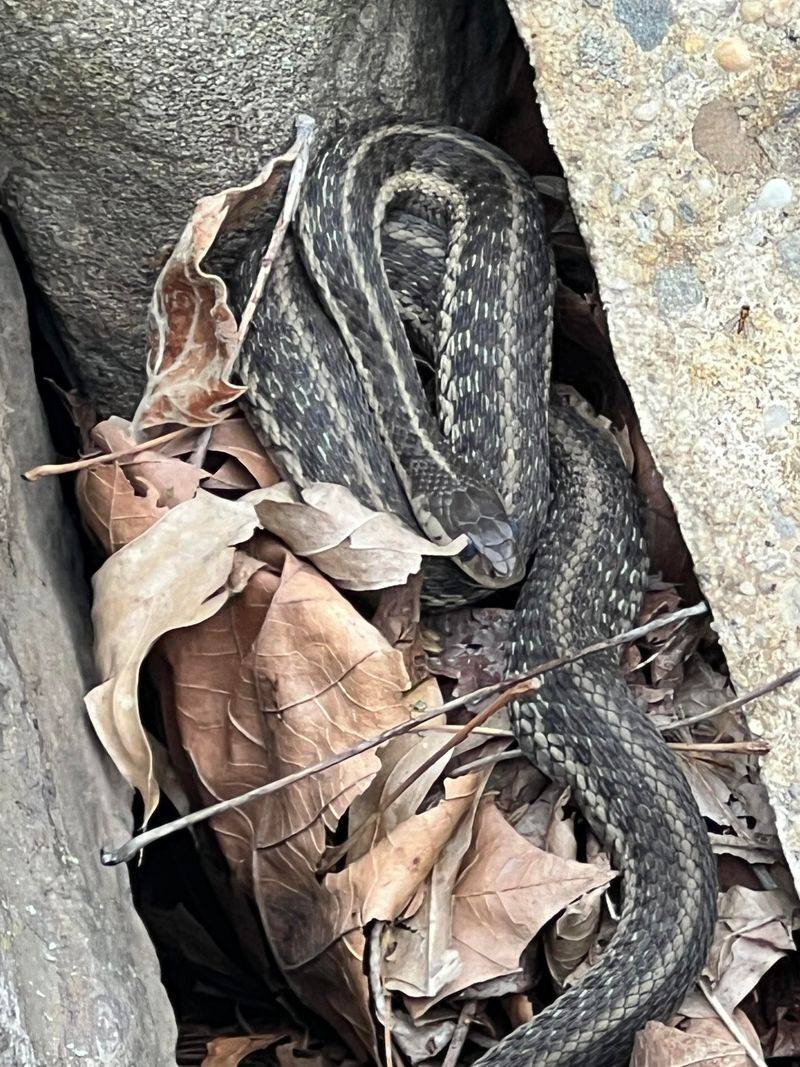
Stacks of firewood feel cozy on a cool evening. To a snake, though, that pile looks like a five-star hotel.
Woodpiles and stone walls offer shade, shelter, and plenty of hiding spots. They also attract mice, which gives snakes an easy meal.
Old fieldstone walls are common across rural properties. Their deep cracks stay cool in summer and protected in fall.
Move firewood at least 20 feet from your house if you can. Stack it on a raised rack about a foot off the ground.
Wear thick gloves when grabbing logs from a pile. Lift pieces toward you, so anything underneath can escape away from your hands.
Brush piles, old boards, and forgotten tarps cause similar issues. Clearing them out removes easy hideouts before snakes settle in.
Keep grass trimmed short near walls and woodpiles. Snakes feel exposed in open lawn and tend to avoid it.
Stone walls are worth keeping for their charm and history. Just avoid reaching blindly into gaps, especially during warm fall afternoons.
Fun fact: some farm walls in the region date back over 200 years. Generations of snakes may have lived in the same one.
A tidy yard does not mean a bare yard. Aim for fewer messy piles and more open space, and snakes will look elsewhere for shelter.
8. Snakes Turning Up In Garages As Nights Cool
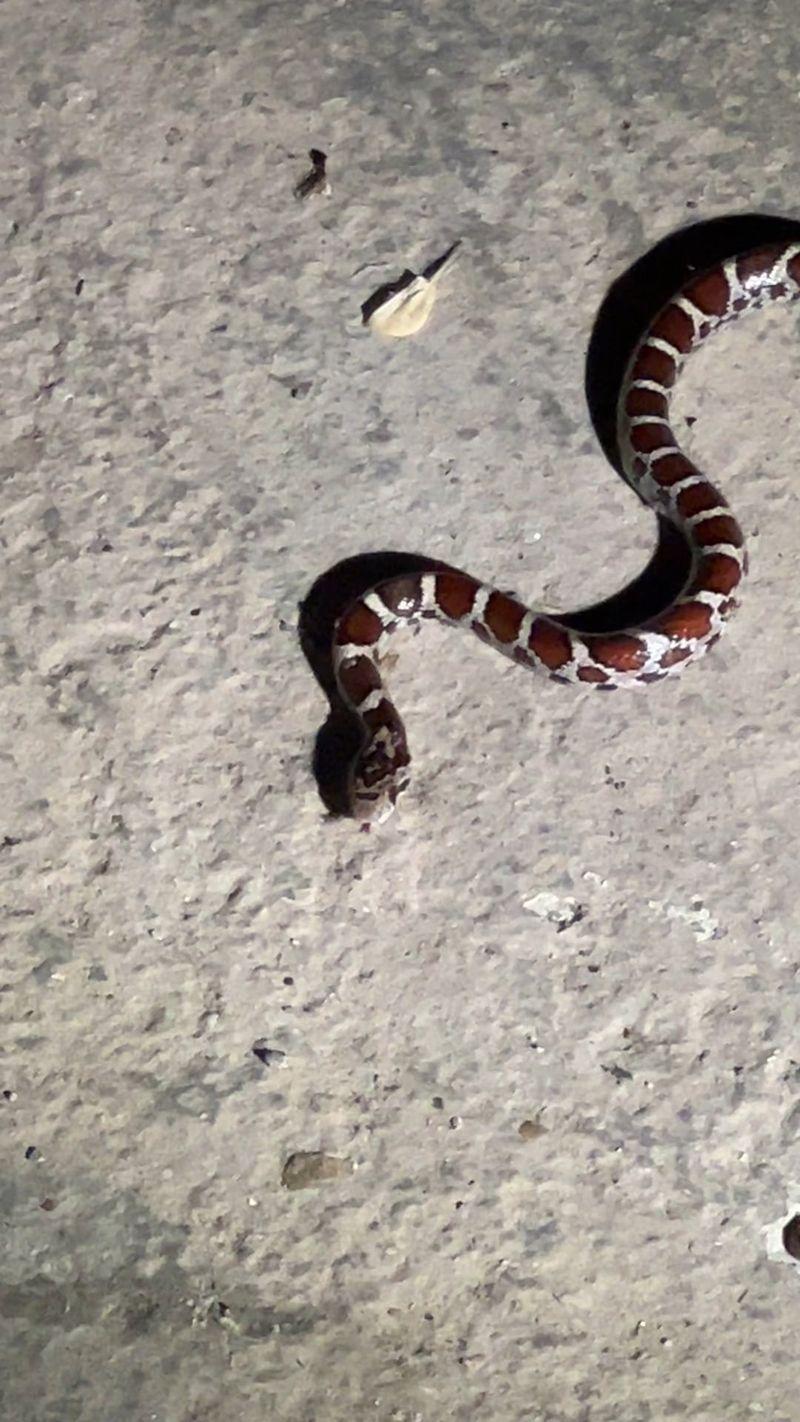
You flip on the garage light to grab a rake, and something slithers behind the storage bins. Welcome to snake season’s grand finale.
As nights grow chilly, snakes hunt for warm places to ride out the cold. Garages hold heat better than open yards and offer loads of hiding spots.
Many snakes are looking for a spot to spend winter. Scientists call the long rest brumation, which is a lot like hibernation.
Milk snakes and garter snakes are frequent garage guests in New York. Both are harmless and would rather hide than cause trouble.
Stay calm if you spot one. Open the garage door, step back, and give the snake a clear path outside.
A broom works well for gently guiding a slow snake. Sweep softly behind it, never toward yourself.
Cardboard boxes on the floor make great snake hideouts. Switch to sealed plastic bins and store them on shelves when possible.
Close garage doors at dusk, especially in October. Snakes often slip in during evening hours when the door sits open.
Glue traps are a poor choice for snakes. They cause needless suffering and can catch pets or birds by accident.
Found a snake you cannot move or identify? Call a local wildlife removal service, and they will relocate it safely.
9. A Rattle Or Hourglass Pattern Means Keep Your Distance
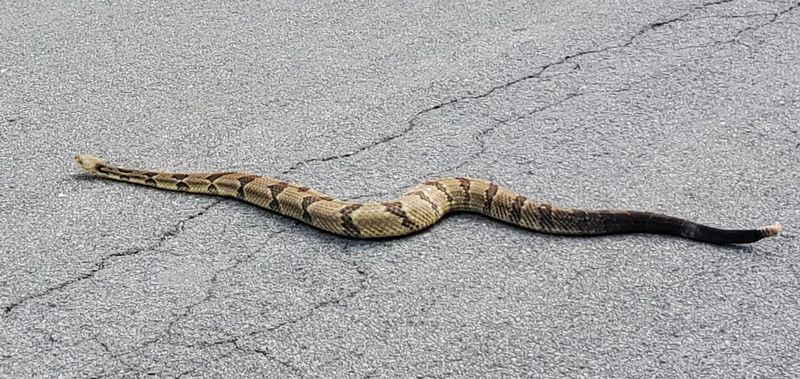
A dry buzzing sound from the leaves should stop you in your tracks. Out of 17 native species, New York has only three venomous snakes, and they deserve serious respect.
The timber rattlesnake is the largest, usually 3 to 4.5 feet long. Look for a triangular head, dark crossbands, and a rattle on the tail.
Eastern massasaugas are much smaller, about 18 to 40 inches. Their rattle sounds like a buzzing insect, and their backs show hourglass-shaped blotches.
Northern copperheads have no rattle at all. Instead, they sport a coppery-red head and dark hourglass bands along a lighter body.
Copperheads may shake their tails in dry leaves when nervous. The sound can mimic a rattle, so treat any buzzing with caution.
Back away slowly if you spot one of these snakes. Six feet or more is a smart buffer for everyone involved.
Resist any urge to handle or harm them. Timber rattlesnakes are threatened in the state, and massasaugas are endangered.
Rocky hillsides and wooded ridges are home to rattlers and copperheads, while massasaugas stick to two big wetlands. Suburban backyards see all three far less often than garter snakes.
Keep a local wildlife office number saved in your phone. Experts can identify and relocate a venomous snake safely.
If a bite happens, stay calm and call 911 right away. Keep the bitten limb still and skip old tricks like ice or cutting the wound.
10. Most Signs Point To Harmless Garter Snakes
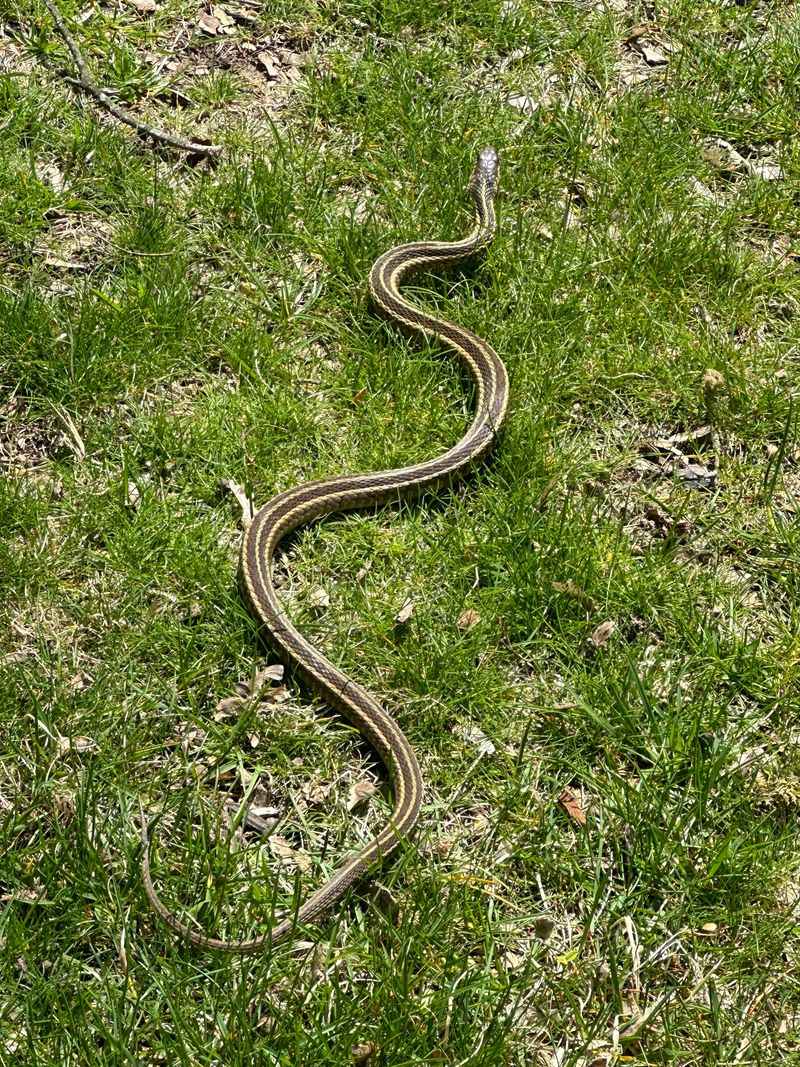
Here’s the good news that should help you breathe easier. Most snake clues in your yard lead straight to a friendly garter snake.
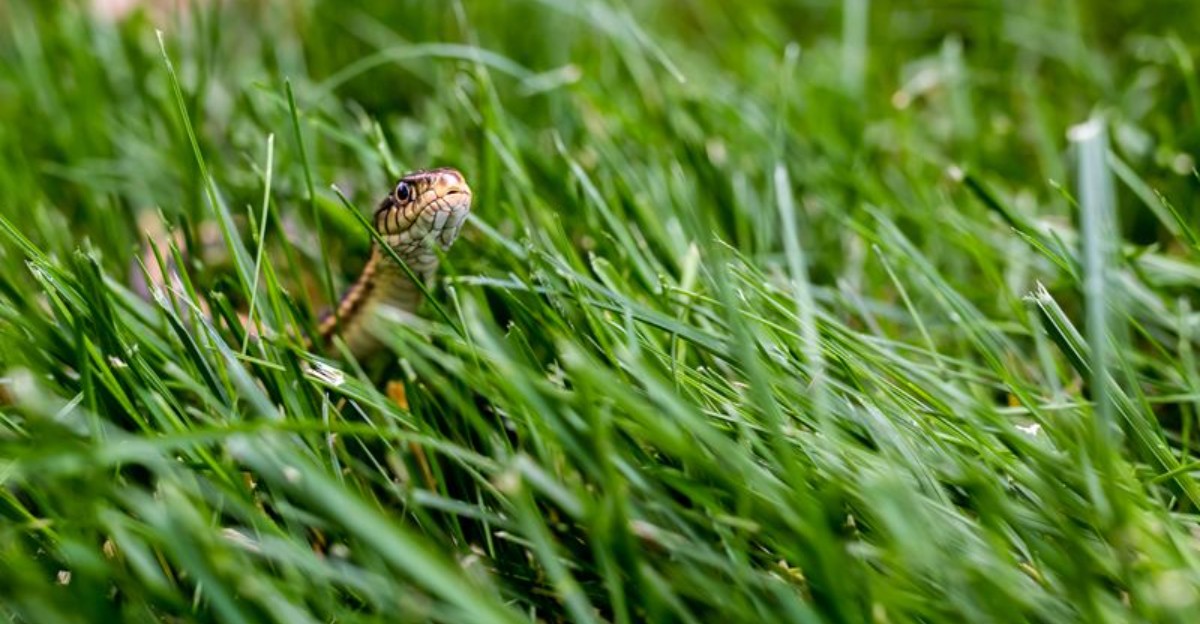
Eastern garter snakes are the most common snakes across New York. They live happily in lawns, gardens, parks, and woodland edges.
Spotting one is usually easy. Look for a dark body with three yellowish stripes running from head to tail.
Most adults stay between 18 and 26 inches long. They are slim, quick, and far more interested in escaping than fighting.
A startled garter snake may release a stinky musk. It smells awful but causes no harm, so just wash your hands and move on.
These little snakes are garden helpers in disguise. They munch on slugs, insects, worms, and sometimes small rodents.
Gardeners often notice fewer slugs chewing their lettuce when garter snakes are around. That makes them a quiet ally for your vegetable beds.
Fun fact: garter snakes gather in big groups for winter. Hundreds may share one underground den to stay warm together.
Letting them stay is a kind choice for your yard. A flat stone or small brush pile far from the house gives them a safe spot.
Knowing what you are seeing takes the fear out of fall yard work. With a little know-how, a striped visitor can feel more like a neighbor than a threat.