8 Easy Ways To Set Up Your North Carolina Hostas For An Even Better Comeback Next Spring
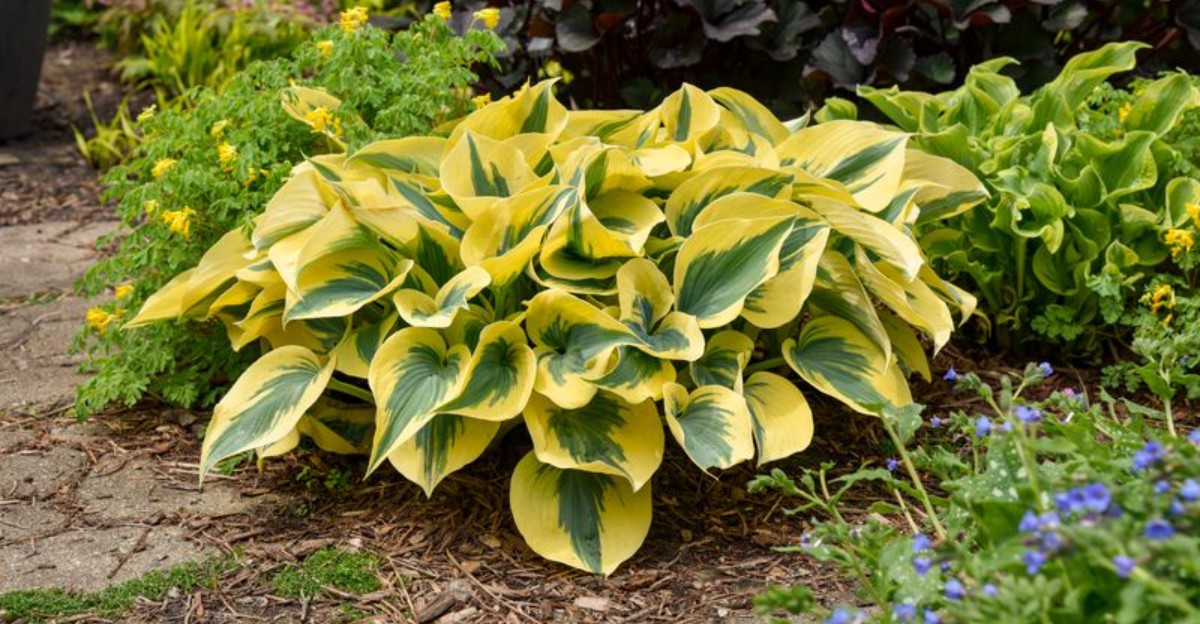
Hostas have a reputation as one of the most forgiving perennials a North Carolina gardener can grow, but a handful of simple fall steps can push next year’s comeback from merely good to genuinely impressive.
Because hostas store energy in their roots throughout fall, small adjustments made now, like proper watering, mulching, and pest prevention, directly influence how vigorously the plant emerges once spring arrives.
These steps require relatively little time or effort compared to the payoff, making them an easy addition to an already low-maintenance plant’s care routine.
Skipping this fall preparation doesn’t necessarily doom a hosta, but it often means missing out on the fuller, more vibrant growth that a little extra attention could have delivered.
For gardeners already sold on how easy hostas are to grow, these eight steps offer a way to get noticeably more out of a plant that already asks for so little.
1. Clean Up Leaves After They Collapse
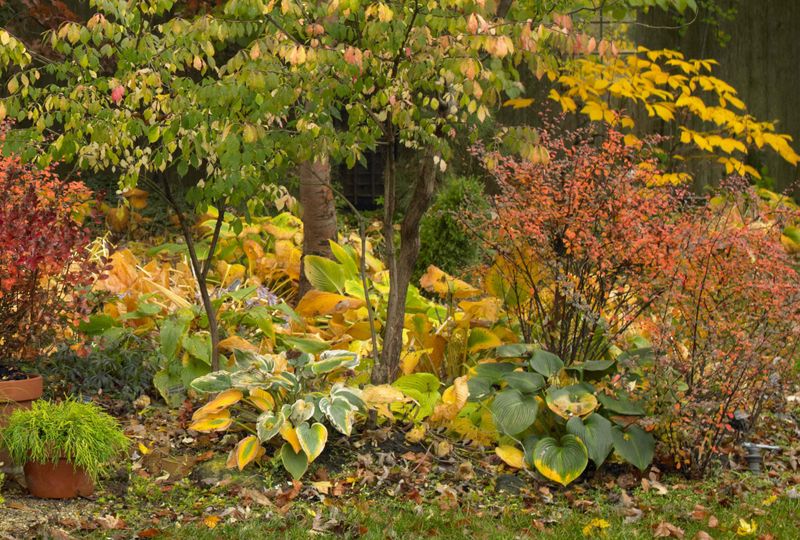
Once the first frosts roll through, hosta leaves flop over like wet paper and turn a mushy yellow. That soggy pile may look harmless, but it can cause real trouble next year.
Clearing it away is one of the best favors you can do for your plants. Slugs love to lay their eggs in that cozy layer of old foliage. The leaves also hold fungal spores from diseases like anthracnose, which can splash onto fresh shoots in spring.
When you remove the debris, you remove many of those hidden problems before they ever get started.
Timing matters here. Wait until the leaves have fully turned yellow and collapsed, since the plant pulls stored energy back into its roots as the foliage fades.
After that, cut or gently pull the leaves away from the crown, leaving the base of the plant clean and open.
Pay close attention to any leaves that had spots, holes, or heavy slug chewing. Put those in a bag for the trash instead of your compost pile, because home compost often doesn’t get hot enough to destroy spores or eggs.
Healthy leaves can go into the compost without worry. Keep a rag and some rubbing alcohol handy, too. Wiping your pruners between plants stops you from carrying disease from one hosta to the next.
North Carolina gardeners have extra reason to stay on top of this chore. Our mild, damp winters let slugs and their eggs survive nicely in garden litter, so a tidy bed now means far fewer hungry slugs chewing holes in your beautiful new leaves come April.
2. Keep Watering Through Fall Dry Spells
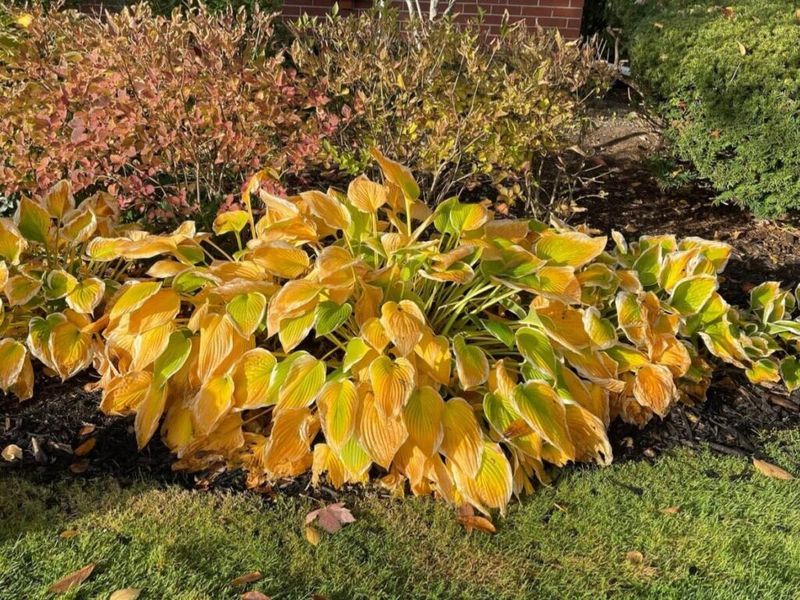
Plenty of gardeners put the hose away as soon as summer ends. It feels natural, since the air is cooler and the plants seem to be winding down. Hostas, however, are still hard at work underground.
During fall, a hosta packs energy into its thick roots and crown, almost like a bear filling up before a long nap. That stored fuel powers the burst of new leaves you see in spring.
Your North Carolina Garden Changes Every Week. Your Plan Should Too.
Gardening in North Carolina changes quickly throughout the season. Every Friday you’ll receive a simple weekly plan showing exactly what to plant, prune, fertilize, harvest, and protect so you never miss the right timing.
If the plant goes into winter thirsty and stressed, it has less to work with, and it may come back smaller and weaker.
So how much water is enough? Aim for one deep soaking each week whenever fall turns dry, and keep it up until the leaves collapse. A good soak reaches down six inches or more, where most roots live.
Point the water at the soil, not the foliage. A soaker hose, a slow trickle from a garden hose, or a watering can held low works far better than a quick sprinkle over the top.
Wet leaves in cool weather can also invite fungus, so keeping them dry is a nice bonus.
Hostas tucked under trees need a little extra love. Big tree roots slurp up moisture fast, leaving shallow-rooted plants nearby with very little to drink.
Here in North Carolina, fall is often one of the driest stretches of the whole year. September and October can go weeks without a solid rain, so a quick finger test in the soil each week helps you know exactly when your hostas need a drink.
3. Divide Crowded Clumps In Early Fall
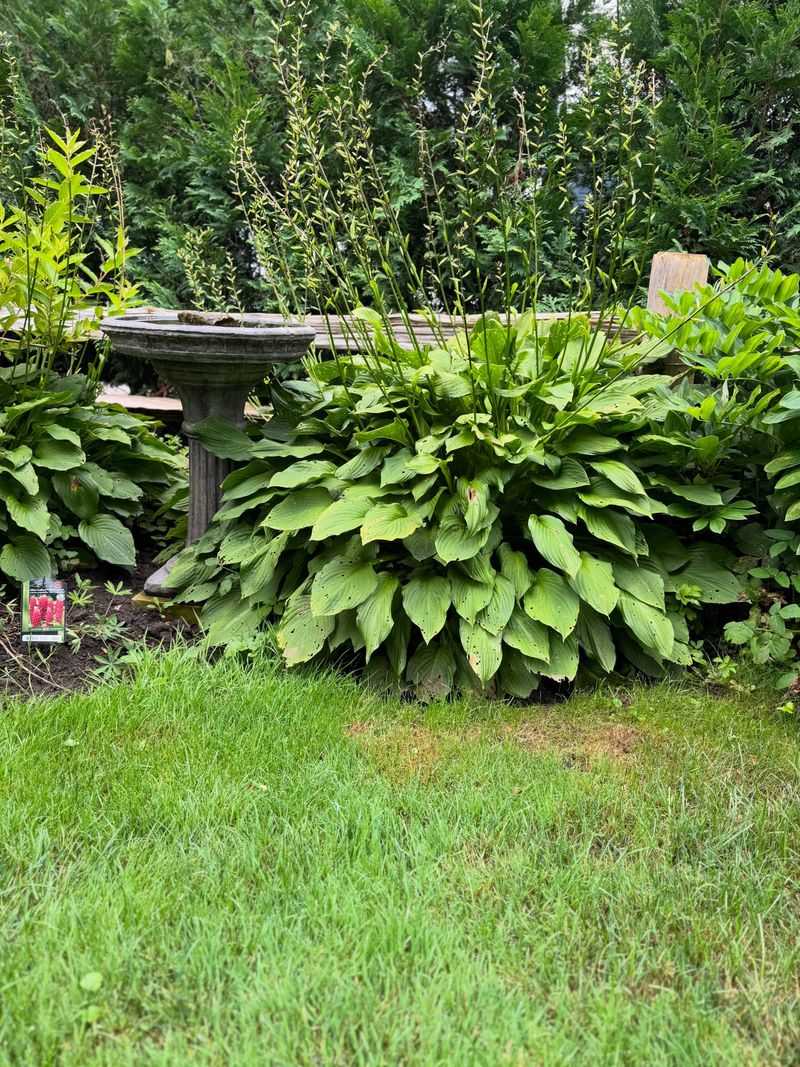
Got a hosta that looks like it swallowed half the flower bed? Over time, big clumps get so packed that the center thins out and the leaves shrink. Splitting them up gives each piece room to thrive again.
Crowded plants fight each other for water and nutrients, and nobody wins. When you divide in early fall, the soil is still warm from summer, so the new pieces can grow fresh roots before cold weather arrives.
By spring, they are settled in and ready to grow. Start by digging around the whole clump and lifting it out of the ground. A garden fork helps loosen the roots without tearing them too much.
Then use a sharp spade or a sturdy knife to cut the clump into sections. Each section should have at least a few growing points, which are the little buds or shoots at the base. Pieces with three to five buds usually bounce back the fastest.
Replant them at the same depth they grew before, firm the soil gently, and give them a long, deep drink.
Try to finish the job at least four to six weeks before the ground turns cold. That window gives the roots enough time to anchor themselves.
North Carolina covers a lot of ground, so timing shifts depending on where you live. Gardeners in the Mountains should aim for late August or early September, since frost shows up early.
Folks in the Piedmont and Coastal Plain can keep dividing well into October, thanks to their longer, warmer falls.
4. Skip Fertilizer Until Spring
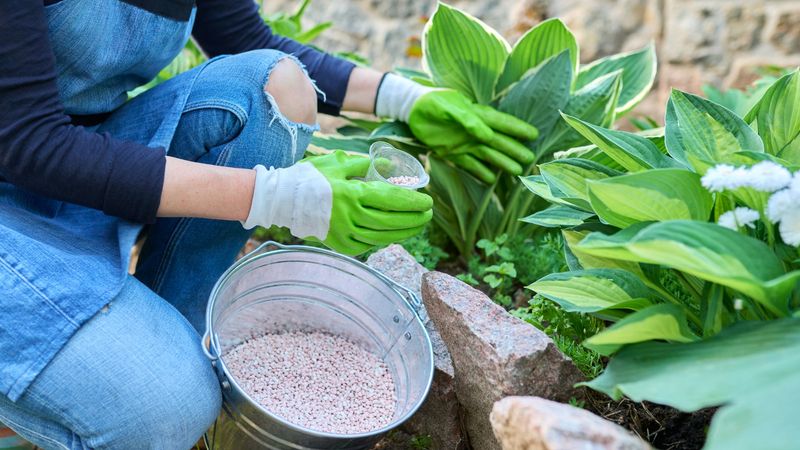
More food means bigger plants, right? Not in the fall. Feeding hostas late in the year can actually do more harm than good.
Fertilizer tells a plant to grow, and hostas listen. If you feed them in autumn, they may push out soft, tender leaves that never get the chance to toughen up before cold nights arrive.
That fragile growth gets zapped by frost, and the plant wastes energy it should be saving for spring.
On top of that, hostas simply don’t use nutrients well as they slow down for winter. Much of what you add just sits in the soil or washes away with the rain.
That means wasted money and possible runoff into nearby streams. A simple schedule keeps things easy. Stop feeding your hostas by midsummer, around the end of June or early July. After that, let them coast through the rest of the season on their own.
When spring rolls around and the first pointy shoots start poking through the soil, that is your moment. Scatter a balanced slow-release fertilizer around each plant, or spread a layer of compost over the root zone.
Both options feed the plant steadily as the leaves unfurl, giving you lush growth right when you want it.
North Carolina gardeners need to be extra careful with this rule. Our falls often stay warm well into October and even November, and that mild weather can trick well-fed hostas into sprouting new leaves at the worst possible time.
5. Mulch Once Plants Go Dormant

Think of mulch as a cozy blanket for the soil. A good layer keeps things steady underground while the weather above goes wild. Your hostas will thank you for it in spring.
Mulch does several jobs at once. It evens out soil temperature, holds in moisture, and slowly breaks down into rich organic matter that feeds the soil.
It also helps prevent heaving, which happens when soil freezes, swells, then thaws and shrinks, pushing crowns right up out of the ground.
Wait until the foliage has collapsed and you have cleaned it away. Then spread about 2 to 3 inches of mulch around each plant.
Shredded leaves, pine bark, and compost all work well, and shredded leaves are free if you have trees nearby.
Leave a little breathing room around the crown itself, though. Piling mulch right on top of the plant traps extra moisture, and that damp, dark spot can lead to rot.
A small ring of bare soil just around the center keeps the crown dry while the roots stay snug.
If you use leaves, run them over with the lawn mower first. Whole leaves can mat down into a soggy layer, but shredded ones stay loose and airy.
North Carolina winters love to swing back and forth. One night drops below freezing, and the next afternoon feels almost like spring.
That constant freeze and thaw is exactly when mulch earns its keep, protecting crowns from being jostled around all season long.
6. Protect Roots From Voles
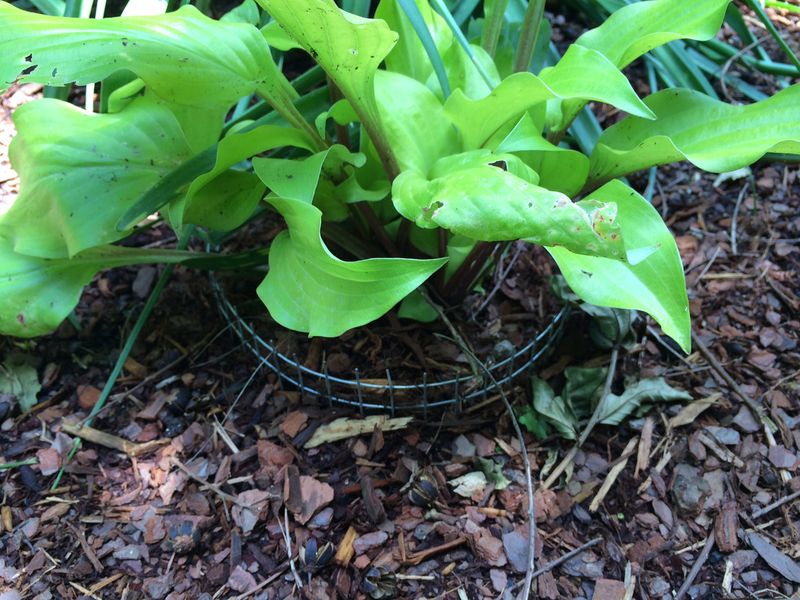
Some hosta thieves never show their faces. You plant a lovely clump, it looks fine all fall, and then spring arrives and nothing comes up. Voles are often the sneaky culprits.
These small, chubby rodents look a bit like mice with short tails. They tunnel just under the soil surface and beneath mulch, where hosta roots and crowns make an easy meal.
Because all the snacking happens underground, you might not notice any damage until it is too late.
Start by playing detective. Look for small, round holes about the size of a quarter and narrow runways running through the grass or mulch near your plants. Those little trails are a clear sign voles are nearby.
Next, pull thick mulch back from the crowns, since deep mulch gives voles a safe hiding spot. Traps work well, too.
Set ordinary mouse traps baited with apple slices near runways, and cover them with a box or overturned pot so pets and birds stay safe.
When you divide or replant, fight back from below. Mix coarse gravel or expanded slate into the planting hole.
The sharp, gritty pieces make digging uncomfortable, so voles tend to move on to easier spots.
North Carolina gardeners know this pest all too well. Voles rank among the most common causes of hosta losses in home gardens across the state, so a little prevention now can save your favorite plants and a lot of disappointment next spring.
7. Improve Drainage Around The Crowns
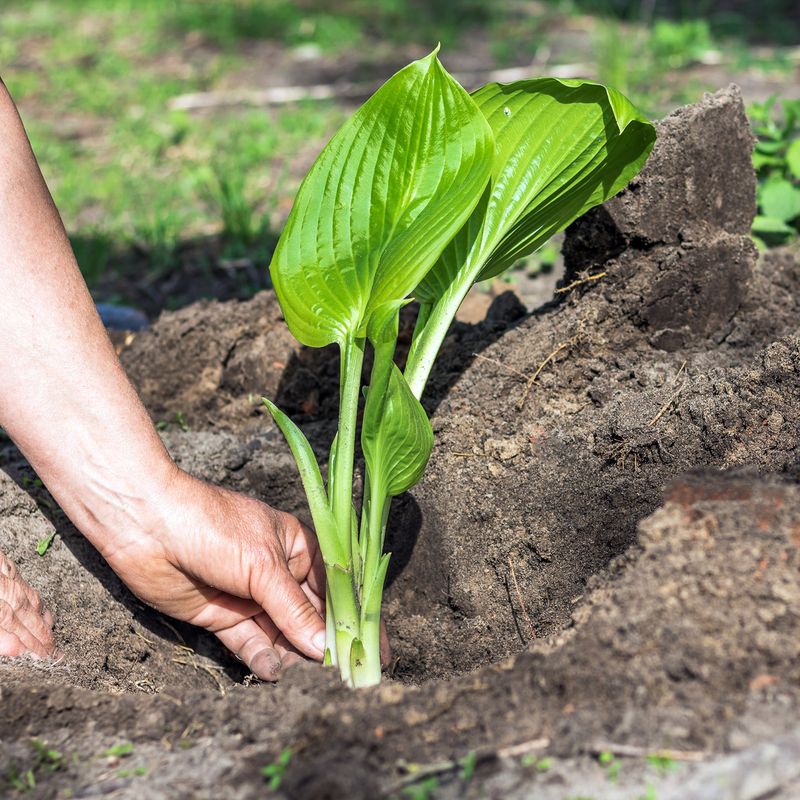
Hostas enjoy moist soil in summer, but winter is a different story. A sleeping crown sitting in a cold puddle for weeks is asking for trouble. Good drainage keeps it healthy until spring.
When soil stays soaked and chilly for long periods, air can’t reach the roots. The crown may start to rot, and a plant that looked fine in fall can come back weak or fail to return at all.
Even a strong, established hosta can struggle after a soggy winter. The fix starts with the soil itself. Whenever you plant or divide, work plenty of compost into heavy ground.
Compost loosens tight soil and creates tiny pockets where extra water can drain away. Location matters, too. Walk your yard after a hard rain and notice where puddles linger.
Those low spots are poor homes for hostas, so choose slightly higher ground or build a gently raised bed instead.
Don’t forget the roof. A downspout dumping water right into a shade bed can flood your plants every time it storms.
A simple extension or splash block can send that water somewhere safer, like a rain garden or lawn area.
North Carolina’s Piedmont is famous for its thick red clay, which holds water like a bathtub. Add steady winter rains, and beds can stay soggy for days at a time.
Taking a few steps to improve drainage now gives your hostas a much better shot at a strong, vigorous return.
8. Plan Ahead For Deer In Early Spring
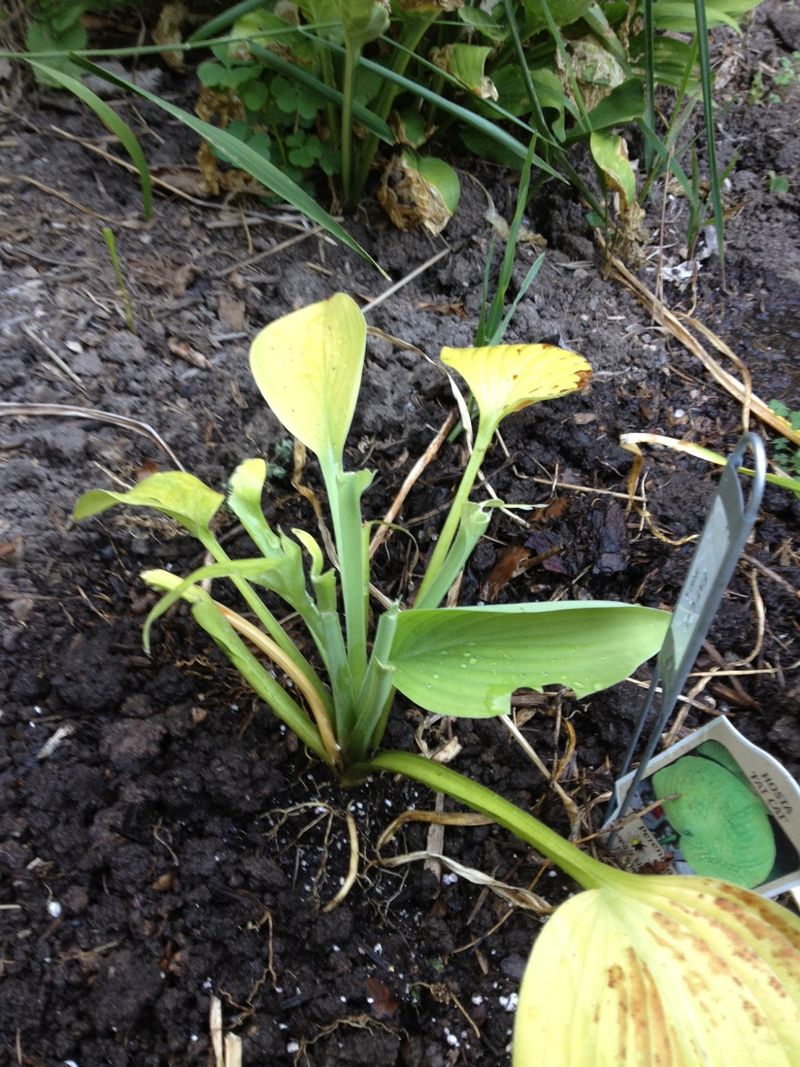
Ask any hosta lover in the South about deer, and you will probably hear a groan. To a white-tailed deer, a bed of fresh hosta shoots looks like a salad bar. One quick visit can chew a plant down to stubs.
Those first tender spring leaves are among a deer’s favorite foods. When they get eaten early, the plant has to spend precious energy growing new ones, and it may stay smaller for the rest of the season.
Preventing that first bite is far easier than fixing the damage. Fall is the perfect time to get ready. Mark each hosta’s location with a plant tag or small stake, so you know exactly where shoots will pop up.
That way you can protect them the moment they appear. Next, gather your supplies before spring arrives. Fencing, lightweight netting, or deer repellent sprays all work, and having them on hand means you won’t scramble when growth begins.
Many gardeners have good luck switching between two repellent brands so deer don’t get used to one scent.
As soon as shoots break through the soil, start spraying. Reapply after every rain, since water washes the protection away, and keep up the routine as new leaves unfold.
White-tailed deer roam suburban neighborhoods and rural yards all across North Carolina. Hostas land near the top of the list of plants they browse most heavily, so a little planning in fall is the key to enjoying full, beautiful leaves all summer.