7 Ways Pennsylvania Gardeners Use Oak Leaves Instead Of Sending Them To The Curb
The trees shading many Pennsylvania backyards feed caterpillars of more than 500 moth and butterfly species. Their fallen leaves keep working long after autumn, yet plenty of bags still end up waiting at the curb.
Those tough, leathery leaves break down slowly, which sounds like a flaw until you see what they do. Slow decay means longer shelter for firefly larvae and the many small soil creatures your garden quietly depends on.
I used to rake every last one into paper bags, feeling proud of my tidy, bare lawn. Nobody warned me that I was hauling away free mulch and rich soil food every single weekend.
Gardeners across Pennsylvania have found clever ways to put that crunchy pile to work right where it falls. Some uses take minutes, while others reward a little patience, so which one will your yard try first?
1. Shredded Oak Leaves Make A Cozy Garden Mulch
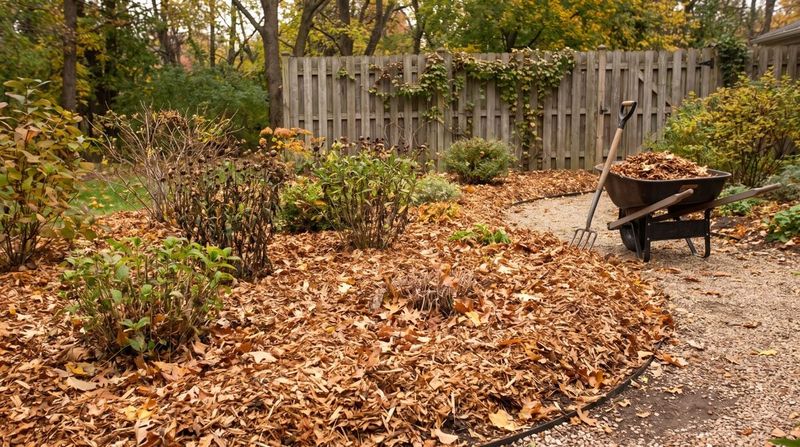
My favorite free garden product shows up every fall, and it crunches under my boots on the way to the shed. Run a mower over a pile of oak leaves, and suddenly you have a fluffy mulch that smells earthy.
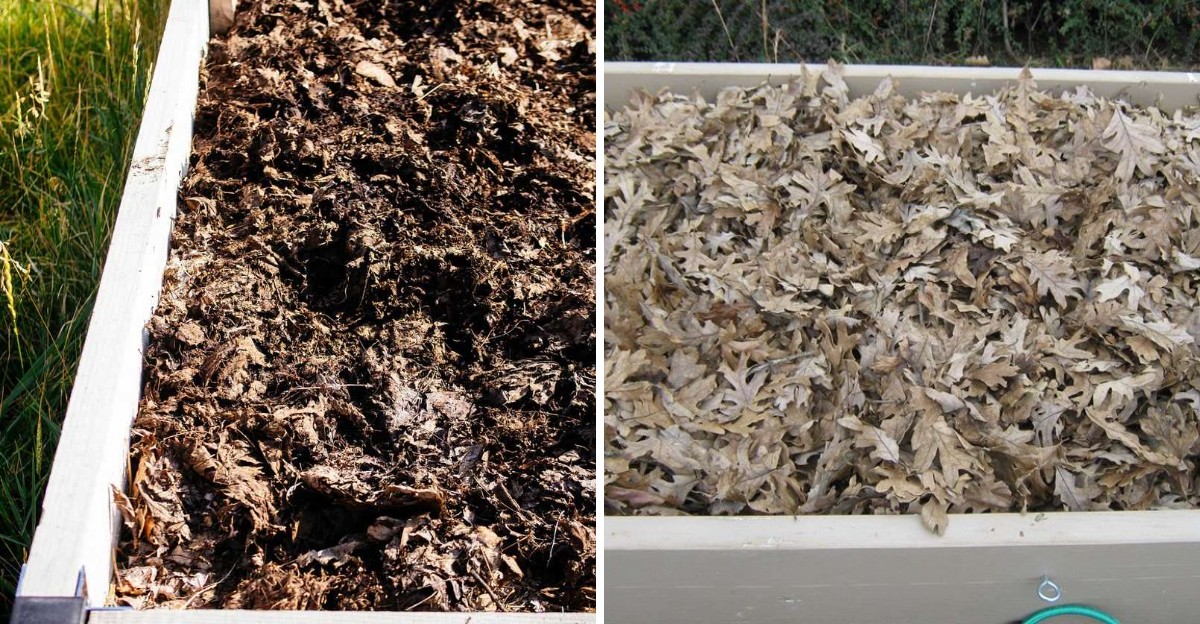
Whole oak leaves are stiff and leathery, so they can mat into soggy sheets that shed rain like a tarp. Shredding them first lets water and air slip through, and the pieces stay put better in wind.
You can use a lawn mower with a bagger or a leaf shredder for this job. I like making two passes with the mower, since smaller bits settle in faster and look neater around plants.
Spread the shredded leaves about 2 to 4 inches deep across vegetable beds and perennial borders. That layer helps hold moisture in the soil and keeps many weed seeds from getting the light they need.
Around trees and shrubs, pull the mulch back a few inches from trunks and stems. Bark that stays wet against mulch can invite rot, so a little breathing room keeps woody plants much happier.
Worried about acid? Studies show decomposed oak leaves have little effect on overall soil pH, often drifting toward neutral as they break down.
As the mulch slowly breaks apart, it feeds soil organisms and adds organic matter to your beds. I truly believe it beats store-bought bark, partly because the price is hard to argue with.
2. Oak Leaves Feed A Hungry Compost Pile
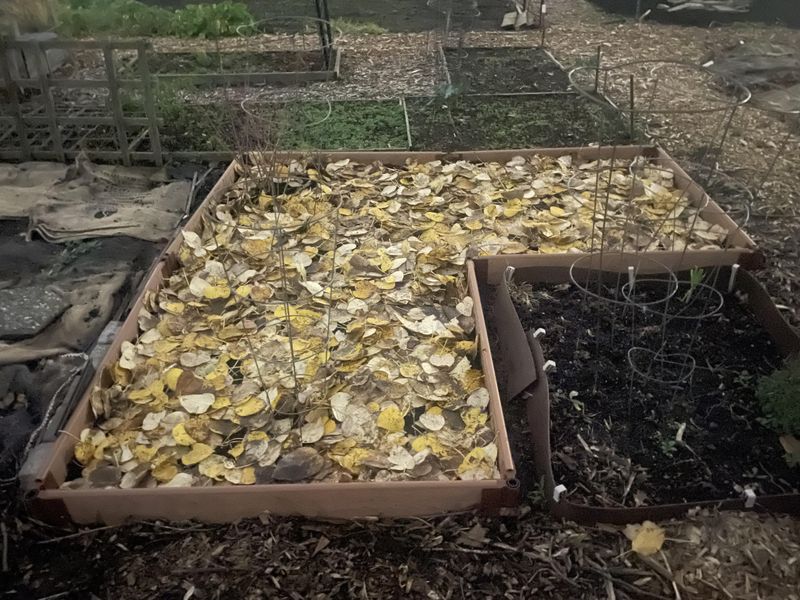
Compost piles get grumpy when they are fed nothing but kitchen scraps and fresh grass. Toss in a few armloads of oak leaves, and that slimy, smelly mess starts behaving like a proper compost heap.
Pennsylvania gardeners call these leaves a brown material, which simply means they are rich in carbon. Green materials like grass clippings, vegetable peels, and manure bring the nitrogen that microbes need to stay busy.
A common rule of thumb suggests mixing roughly two or three parts browns to one part greens by volume. You do not need perfect math, though, since your nose and the pile’s texture will guide you.
Shred the oak leaves before adding them, because whole ones are tough and can sit untouched for ages. Chopped pieces shrink down, take up less space, and give hungry microbes far more surface to munch.
I keep a few bags of shredded leaves beside my bin all year long. When summer brings heaps of grass clippings, I have a ready supply of browns waiting to balance them out.
Turn the pile every week or two, and keep it about as damp as a wrung-out sponge. A warm, steamy center tells you the microbes are happily breaking everything down into dark, sweet-smelling compost.
Finished compost adds nutrients and helpful microbes back into your beds. Personally, I love knowing the leaves that shaded my porch will end up feeding next season’s tomatoes.
3. Bagged Oak Leaves Turn Into Crumbly Leaf Mold
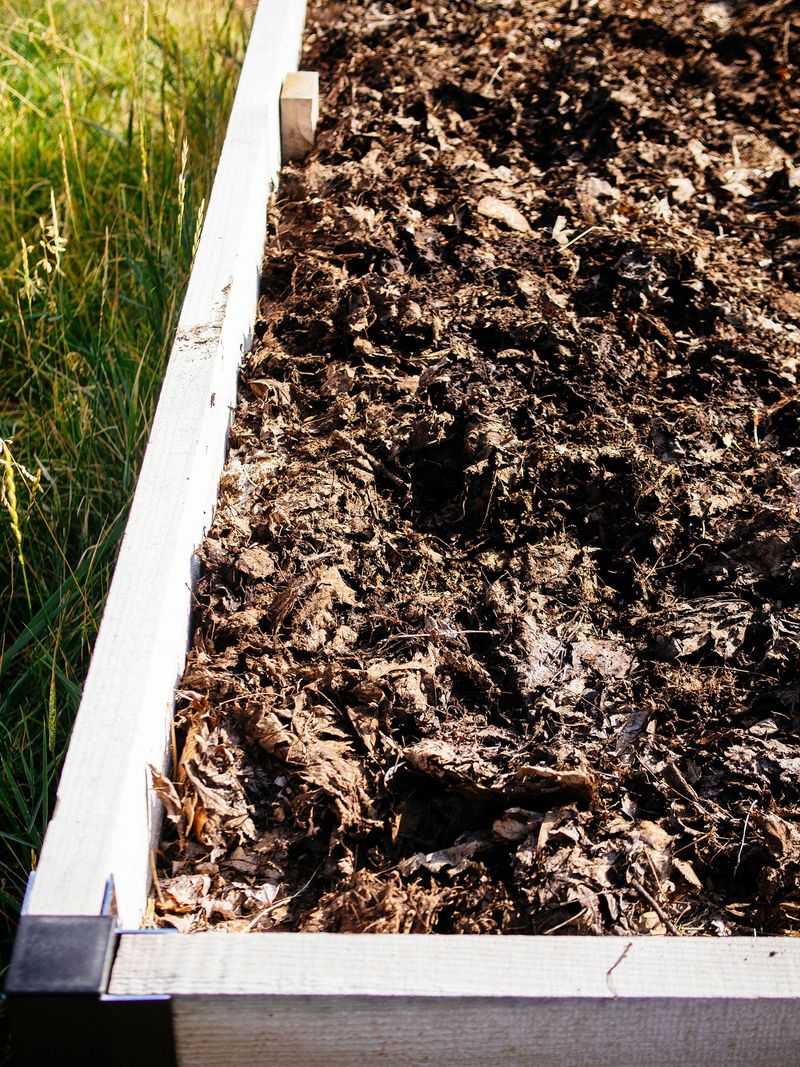
Leaf mold might be the laziest gardening project on earth, and I mean that as a sincere compliment. You stuff leaves somewhere, walk away, and come back later to find something that looks like chocolate cake crumbs.
Unlike regular compost, leaf mold forms mostly through slow fungal action rather than hot bacterial activity. That means no turning schedules, no balancing greens, and very little fuss beyond keeping the leaves moist.
Oak leaves are on the slow side, so expect anywhere from several months to about two years. Shredding them first speeds things along nicely, and dampening the pile helps the fungi settle in sooner.
A simple wire bin works great, though a heap in a shady corner does the job too. You can also pack leaves into black plastic bags, poke a few air holes, and tuck them aside.
The finished product is light, fluffy, and holds several times its own weight in water, making it a good substitute for peat moss.
It is not packed with nutrients, but it improves soil structure and gives earthworms and microbes a welcoming home.
I mix leaf mold into containers, seed beds, and the planting holes of new perennials. Plants seem to settle in faster when their roots meet that soft, spongy texture right away.
Here’s a fun twist for small yards: label your bags with the date you filled them. Future you will appreciate knowing which batch is ready and which still needs a little more time.
4. A Leaf Blanket Keeps Perennials Safe From Winter Heaving
Late winter in much of the state brings a strange dance of frozen nights and mild, muddy afternoons. That constant freeze and thaw can push shallow-rooted plants right out of the ground like toast popping up.
Gardeners call this frost heaving, and it can leave tender roots exposed to drying winds and bitter cold. Newly planted perennials and small strawberry plants are often the ones I find lifted after a rough stretch.
A layer of shredded oak leaves acts like a cozy quilt over the soil surface. It keeps the ground temperature steadier, so the soil stays frozen longer instead of bouncing back and forth every few days.
Timing matters more than most people expect for this simple trick. Many extension experts suggest adding winter mulch after the ground starts to freeze, which also discourages voles from moving in early.
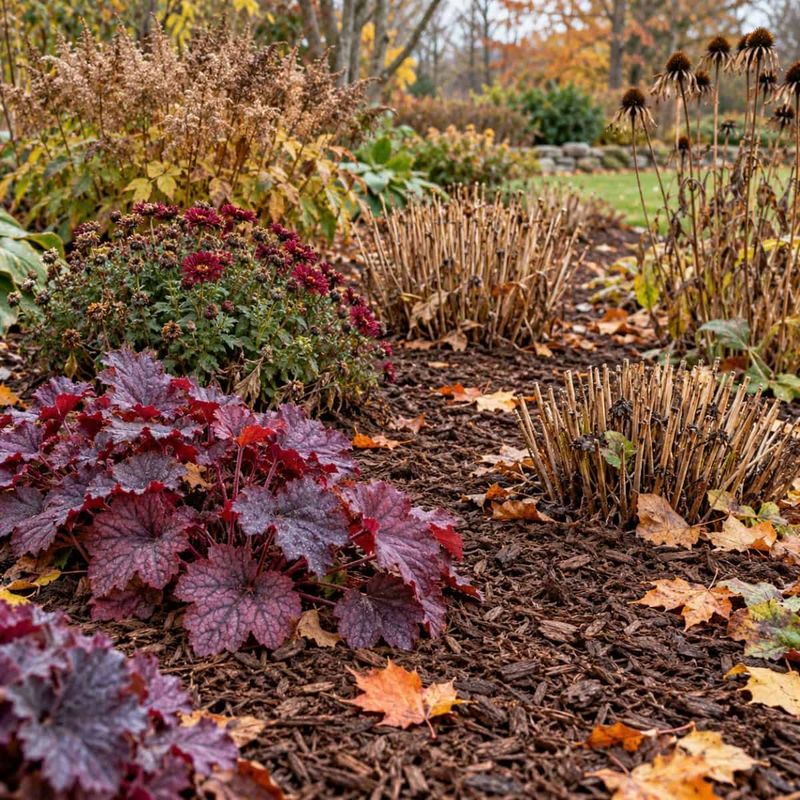
Spread a few inches over beds, but avoid burying the crowns of plants that dislike staying wet. Plants like heuchera and lavender appreciate having their centers left a bit open to the air.
Come spring, I gently pull some of the leaves aside once new shoots begin poking through. The rest stays in place as mulch, quietly breaking down and feeding the soil all season long.
To my surprise, my beds have fewer heaved plants since I started this habit years ago. It takes one afternoon with a rake, and the payoff lasts all the way through to warmer days.
5. Leaf Piles Shelter Fireflies And Overwintering Caterpillars

Summer fireflies blinking over your lawn may have spent their younger days hiding in last fall’s leaves. Firefly larvae live in moist leaf litter, hunting tiny snails and slugs long before they ever light up.
That soft brown carpet under an oak is a busy neighborhood during the colder months. Overwintering insects, salamanders, toads, and small mammals all use fallen leaves as shelter from wind and freezing temperatures.
Oaks are superstars for wildlife, supporting more than 500 species of moths and butterflies in the region.
Many of those caterpillars become baby bird food, since nesting songbirds rely heavily on soft, protein-rich larvae.
Several moths and butterflies spend winter tucked inside the leaf layer as caterpillars or pupae. When leaves get bagged and hauled away, those hidden insects often leave the yard right along with them.
You don’t need to turn your whole lawn into a forest floor to help. I leave one generous strip of whole, unshredded leaves under my shrubs and along the back fence each autumn.
Keeping leaves whole in these spots matters, because shredders and mowers can harm the creatures sheltering inside.
Planting native shrubs or perennials around the leaf layer helps it look intentional rather than forgotten.
Believe it or not, this might be the easiest garden task on the entire list. You simply stop raking one corner, then enjoy the birds and blinking lights that show up later in the year.
6. Chopped Oak Leaves Get Worked Straight Into Garden Soil
Heavy clay soil can feel like modeling dough in spring and cracked pottery by late summer. Plenty of yards across Pennsylvania deal with that sticky problem, and shredded oak leaves offer a surprisingly simple fix.
In fall, after harvesting the last vegetables, you can spread chopped leaves over empty beds. Then dig or till them into the top several inches, letting soil life work on them through the colder months.
Organic matter is the secret ingredient behind this trick. It helps clay drain better and loosen up, while sandy soil gains the ability to hold more water for thirsty roots.
Keep the layer moderate, around two or three inches, so the soil does not get overloaded with tough leaves. Adding a sprinkle of compost or grass clippings gives microbes extra nitrogen to help them break everything down.
Fall timing is the key here, since fresh leaves can tie up nitrogen briefly while they decompose. By spring planting time, most of that early competition for nutrients has usually settled down nicely.
I have to admit my first attempt was messy, with whole leaves clumping in soggy layers. Shredding them first made a huge difference, and the soil turned dark and crumbly by April.
Earthworms seem to celebrate this practice more than anyone else in the garden. You might notice far more wiggling helpers in your beds after a season or two of steady leaf additions.
7. Oak Leaves Over Cardboard Build Soft Weed-Free Garden Paths
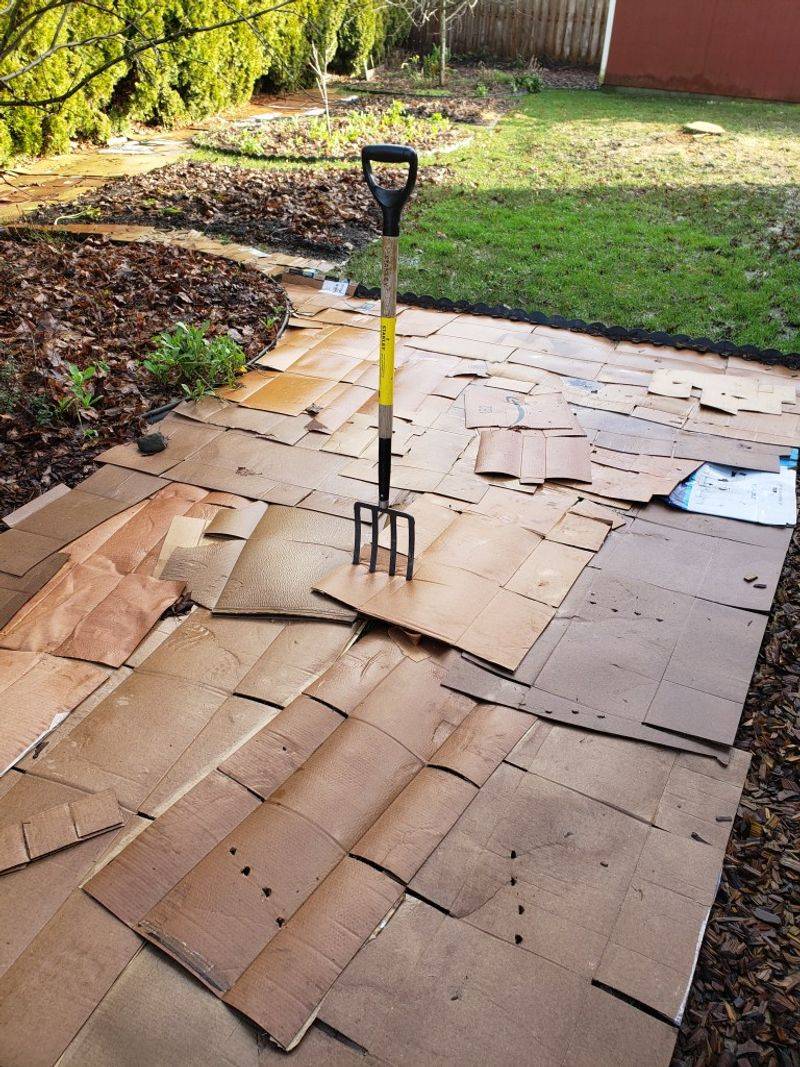
Walking between Pennsylvania garden beds should feel pleasant, not like tiptoeing through a jungle of crabgrass. A thick path of oak leaves gives your feet a springy, quiet surface that crunches gently with every step.
Start by laying flattened cardboard along the walkways between your planting areas. Remove tape and shiny labels first, then overlap the edges by several inches so weeds cannot sneak through the gaps.
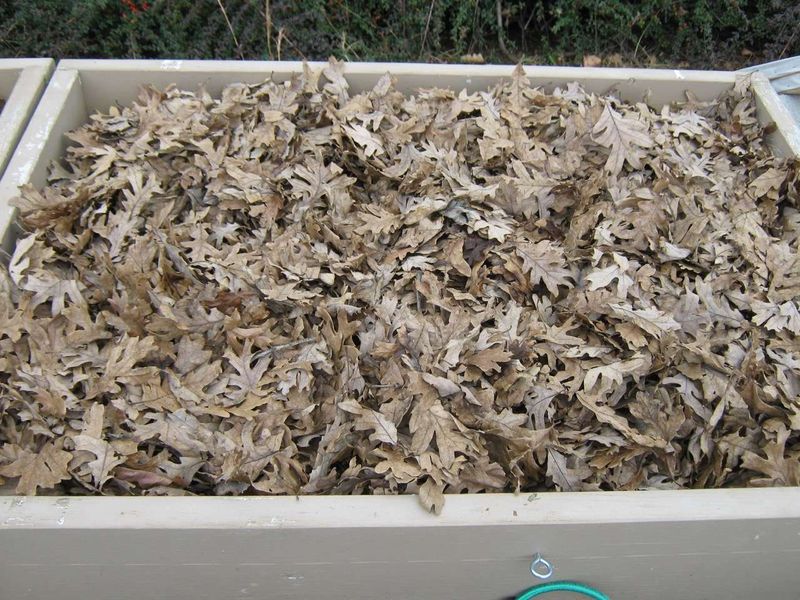
Wet the cardboard well, and pile oak leaves on top in a deep, generous layer. Whole leaves work fine for paths, though shredded ones settle down flatter and blow around a little less.
The cardboard blocks sunlight from reaching weed seeds sitting below the surface. Meanwhile, the leaves hold the cardboard in place and keep it looking natural rather than like a recycling bin exploded.
Over the next year, both layers slowly break down and feed the soil underneath your paths. Earthworms move in, and the ground beneath often becomes rich enough to plant in later if you choose.
I top up my paths every fall with fresh leaves from the yard, which takes very little time. Fresh layers keep weeds in check and give the walkways a tidy, woodland feel all year round.
You’ll wonder why you didn’t try this sooner, especially if you have been buying wood chips. Your feet stay drier on muddy days, and your rake finally has a happy purpose for every leaf.