Spot Late Blight Before It Spreads Through Your Ohio Tomato Garden
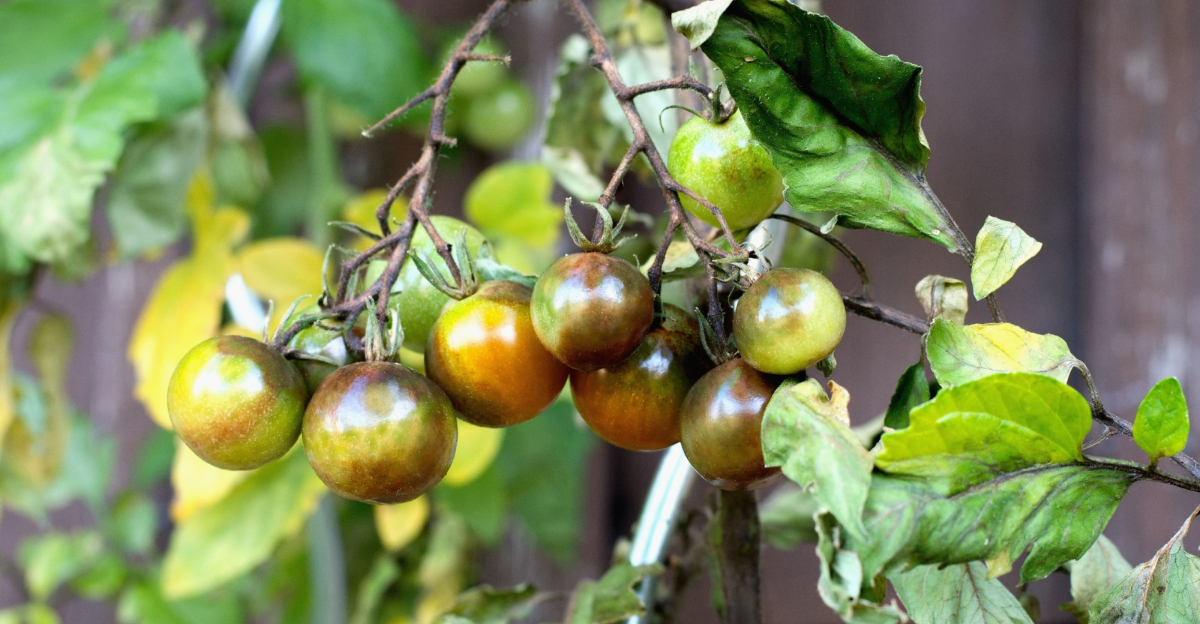
Dark patches spread across your tomato leaves overnight. Blackened stems mean the infection has reached a critical stage. White fuzz clings quietly beneath foliage, silent and unforgiving.
Cool, damp air across Ohio puts your entire crop at risk. Spores travel invisibly through your garden rows within a few hours. Wilting leaves signal trouble long before you ever notice subtle color change.
Speed decides everything once symptoms appear on your plants. Every hour of quiet hesitation lets damage spread rapidly into healthy stems. Gardeners across Ohio face this exact challenge every single season.
Nothing about this fast-moving pathogen ever waits for your personal convenience. Confusion delays action, and delay costs your harvest quickly.
Symptoms often mimic common problems, fooling even seasoned growers instantly. Watching closely becomes your single strongest defense against total loss.
Careful observation ultimately separates thriving gardens from struggling plants entirely. You cannot afford to skip what comes next.
Caused By A Fast-Moving Fungus-Like Pathogen
Most gardeners call it a fungus, but late blight is actually caused by something sneakier. The culprit is Phytophthora infestans, a water mold known as an oomycete.
Oomycetes look and act like fungi, but they are genetically closer to algae. That distinction matters because standard fungicides do not always stop them effectively.
This pathogen produces spores called sporangia, which travel through air and water. A single infected tomato plant left in place can become a source of infection for nearby gardens.
Those spores land on nearby leaves and germinate within hours when conditions are right. The speed of spread is significant, especially the first time you see it.
Understanding the biology helps you make smarter decisions about treatment and prevention. You cannot outsmart an enemy you do not understand.
Ohio gardeners should know that new, more aggressive strains of this pathogen have emerged in recent decades. These modern strains spread faster and resist some traditional controls.
Plant pathologists have tracked these evolving strains over the years, and local extension offices can offer guidance specific to your region. Staying connected with local extension resources gives you an edge when outbreaks occur.
The best defense starts with knowing exactly what you are up against. When you understand this pathogen at its core, every other warning sign on this list will make much more sense.
Spreads Fastest During Cool Damp Weather
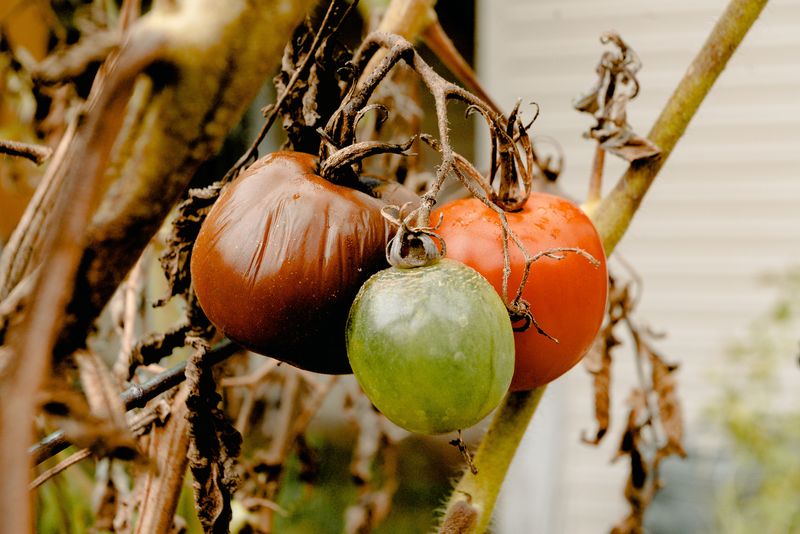
Picture a stretch of cloudy Ohio days with temperatures hovering around 60 degrees and steady drizzle. That is basically a welcome mat for late blight.
The pathogen thrives when nighttime temperatures drop below 65 degrees Fahrenheit and humidity stays above 90 percent. Ohio summers regularly deliver exactly those conditions.
During warm, dry spells, the disease slows down considerably. But the moment a cool front rolls in with rain, the spores activate and spread with alarming speed.
Gardeners often get caught off guard after a week of beautiful weather followed by a rainy cool snap. The plants can move from early symptoms to widespread infection in a matter of days.
Checking your local weather forecast is genuinely part of good tomato care in Ohio. When you see a cool, wet week ahead, start scouting your plants more aggressively.
Your Ohio Garden Changes Every Week. Your Plan Should Too.
Gardening in Ohio changes quickly throughout the season. Every Friday you’ll receive a simple weekly plan showing exactly what to plant, prune, fertilize, harvest, and protect so you never miss the right timing.
Morning leaf wetness that lasts past 10 a.m. is a red flag worth noting. The longer leaves stay wet, the longer spores have to germinate and penetrate leaf tissue.
Overhead watering at night also creates the kind of moisture that accelerates spread. Switching to drip irrigation and watering in the morning can make a real difference.
Weather-aware gardening is one of the most underrated skills in plant disease management. When the forecast looks threatening, your garden needs your attention most.
Can Spread Through Tomato Patches Fast
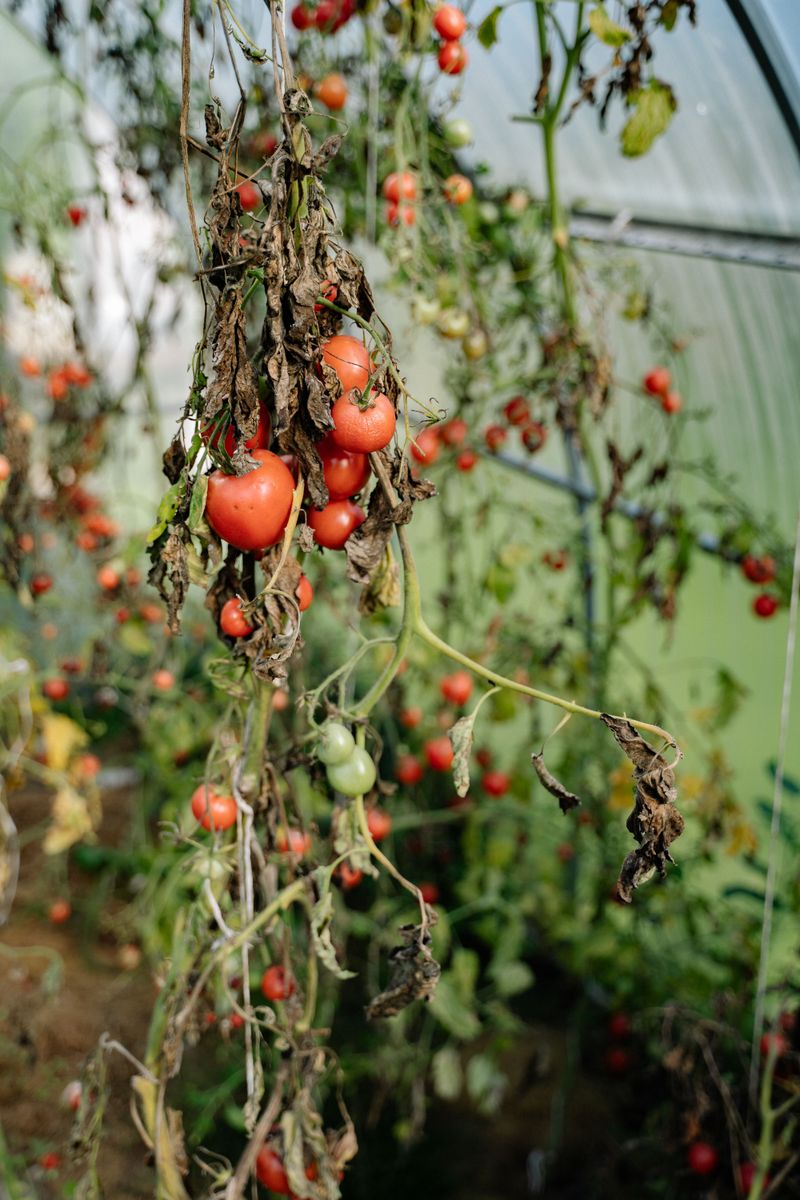
Experienced gardeners who have dealt with late blight often describe how quickly symptoms can escalate. The speed of spread can be surprising the first time you see it.
Unlike other tomato diseases that creep along slowly over weeks, this one operates on a dramatically compressed timeline.
Under ideal conditions for the pathogen, a garden can decline severely within one to two weeks of continuous favorable weather.
The infection moves from leaf to leaf and plant to plant through airborne spores. A single infected plant can release a large number of spores during a single rainy night.
This is why early detection is so critical when trying to spot late blight before it spreads. Every hour of delay gives the pathogen more ground to cover.
Ohio gardeners who grow tomatoes in raised beds or tight rows face especially fast spread. Close plant spacing creates a humid microclimate that the pathogen takes advantage of.
Once blighted tissue appears, it does not recover. Removing and bagging infected plants immediately is often the only way to slow the progression.
Do not compost infected material, that spreads the problem. Bag it and put it in the trash, far away from your garden beds.
The urgency here is real, not exaggerated. Acting fast when you first notice symptoms is the single most powerful thing you can do to protect your harvest.
Linked Historically To The Irish Potato Famine
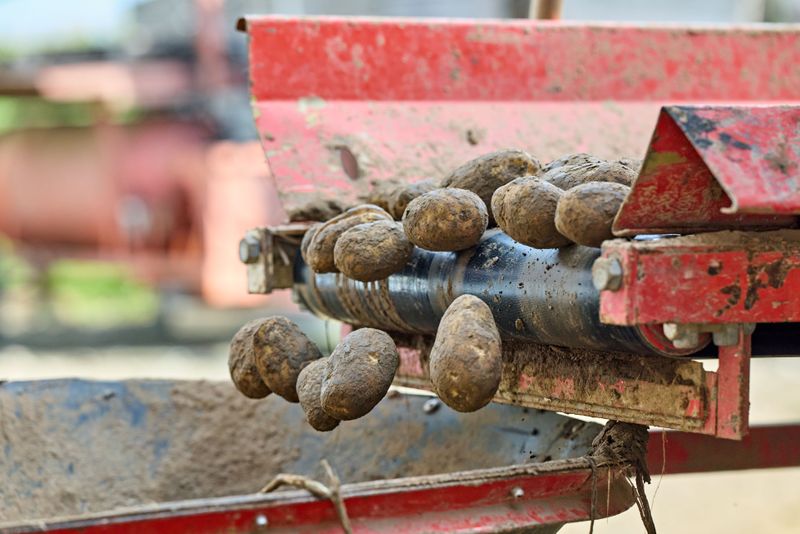
Few plant diseases carry as much historical weight as late blight. The same pathogen that is threatening your Ohio tomato patch today caused one of history’s most catastrophic humanitarian disasters.
In the 1840s, Phytophthora infestans swept through Ireland’s potato crops with devastating results. The Irish Potato Famine lasted roughly seven years and caused mass starvation and emigration on a massive scale.
Over one million people perished, and another million emigrated from Ireland during that period. The population of Ireland dropped by nearly 25 percent as a direct result of the famine.
Potatoes and tomatoes are both members of the Solanaceae family, which is why both are vulnerable to this same pathogen. The disease does not discriminate between the two crops.
Understanding this history puts the seriousness of late blight into sharp perspective. This is not just a gardening inconvenience. It is a pathogen with a documented history of significant crop loss.
Modern plant science has given us better tools than 19th century farmers ever had. Resistant varieties, fungicide options, and early detection methods have all improved significantly.
Still, complacency is dangerous. The pathogen has continued to evolve, producing new strains that overcome some of those same resistant varieties.
Knowing the history of late blight makes you a more motivated and informed gardener. Respect for the pathogen’s power is the first step toward keeping your plants safe.
Dark Water-Soaked Spots Appear On Leaves
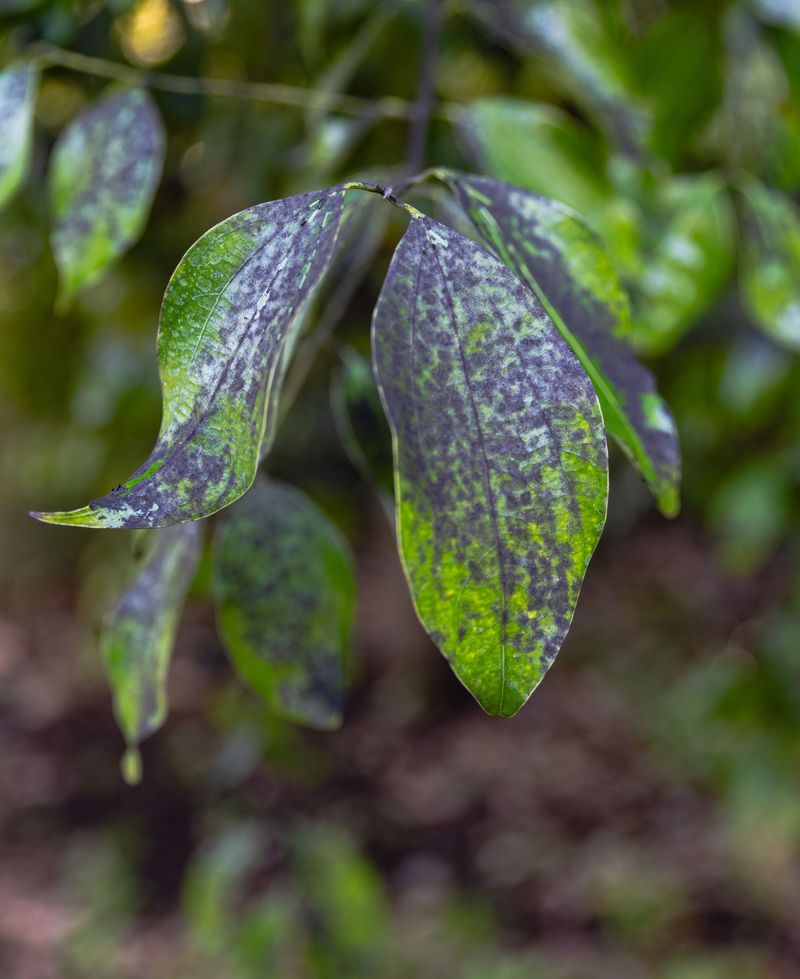
Walk up close to your tomato plants and flip a few leaves over. If you see dark, greasy-looking patches that appear wet even when the weather has been dry, pay attention immediately.
Those water-soaked spots are the earliest visible sign of late blight infection on foliage. They typically start small, maybe the size of a dime, but they expand quickly.
The spots often appear first on the lower, older leaves near the base of the plant. From there, the infection travels upward through the canopy at a rapid pace.
Early spots may look almost translucent when held up to sunlight. Within 24 to 48 hours, they darken to a deep brown or olive-green color with irregular edges.
Gardeners sometimes confuse these spots with early blight or Septoria leaf spot. The key difference is the water-soaked, greasy appearance and the speed at which the lesions grow.
Early blight typically shows concentric rings inside the spots, like a target. Late blight spots are messier, larger, and spread without that distinctive ring pattern.
Once you see these lesions, scout the entire plant immediately. Check every leaf, top and bottom, and examine neighboring plants as well.
Catching late blight at the water-soaked spot stage gives you the best possible window for intervention. That early action is what separates gardeners who save their crop from those who lose everything.
White Fuzzy Growth Shows On Leaf Undersides
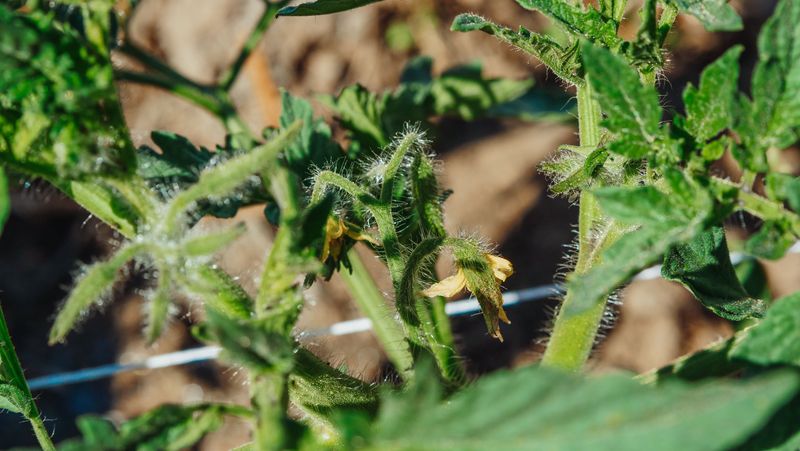
Flip a blighted tomato leaf over during humid conditions and you might see something that looks like white powder or fine cotton fuzz. That fuzzy coating is actually a mass of late blight spores ready to launch into the air.
The white growth is called sporulation, and it is the pathogen actively reproducing on your plant tissue. Each tiny structure releases spores that can travel on the wind for miles.
Sporulation appears most visibly in the morning after a humid or rainy night. By midday when things dry out, it may become less noticeable, but the spores have already dispersed.
This is one of the most definitive signs that you are dealing with late blight and not another tomato disease. Early blight and bacterial speck do not produce this kind of white fuzzy sporulation.
If you spot this growth, handle the plant gently to avoid releasing more spores into your garden. Place a plastic bag over the infected branch before removing it when possible.
Wear gloves when handling infected material and wash your hands and tools thoroughly afterward. Spores can hitch a ride on your clothing, gloves, and garden tools to infect other areas.
Photographing the white growth and comparing it to reference images from Ohio State Extension can confirm your diagnosis. Accurate identification leads to faster and more effective treatment decisions.
That white fuzz is an important warning sign from your garden. Respond to it quickly and your remaining plants have a fighting chance.
Blackened Streaks Develop Along Stems
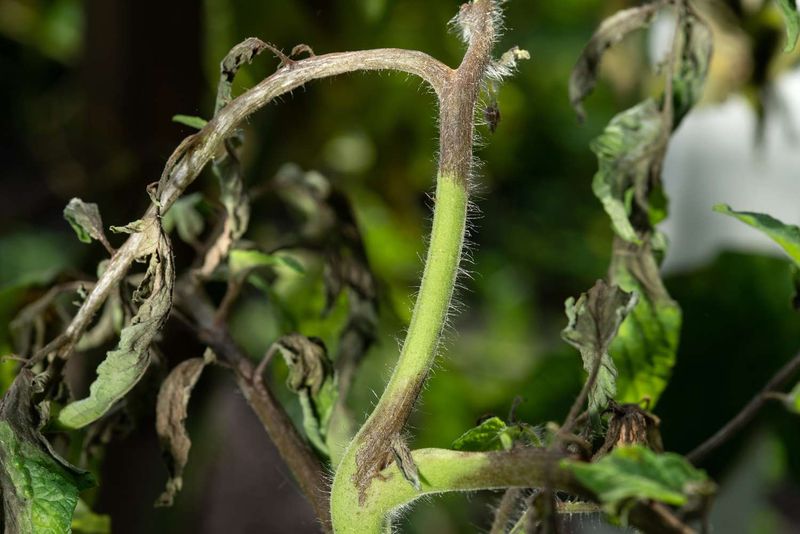
Most gardeners focus on the leaves when scouting for disease, but the stems tell an equally important story. Dark, blackened streaks running along tomato stems are a serious late blight warning sign.
These stem lesions develop when the pathogen moves from infected leaves into the vascular tissue of the plant. Once inside the stem, it can travel upward and downward through the entire plant rapidly.
The streaks often start as a brown or dark olive discoloration that feels slightly sunken to the touch. As the infection progresses, the area turns black and the stem may begin to collapse.
When a main stem becomes heavily infected, the plant above that point cannot be saved. Water and nutrients can no longer move through the damaged tissue effectively.
Check your tomato stems at least twice a week during cool, wet stretches of Ohio weather. Run your fingers gently along the stem from the soil line upward and look for any discoloration.
Stem infection is particularly dangerous because it can happen before leaf symptoms are obvious. A plant may look nearly healthy from a distance while its main stem is already compromised inside.
Young transplants and seedlings are especially vulnerable to stem infections. Their thinner, more delicate stems offer less resistance to the advancing pathogen.
Blackened stems mean the infection has moved to a critical stage. Removing affected plants promptly protects the healthy ones still standing nearby.
Brown Lesions Spread Across Fruit Surface
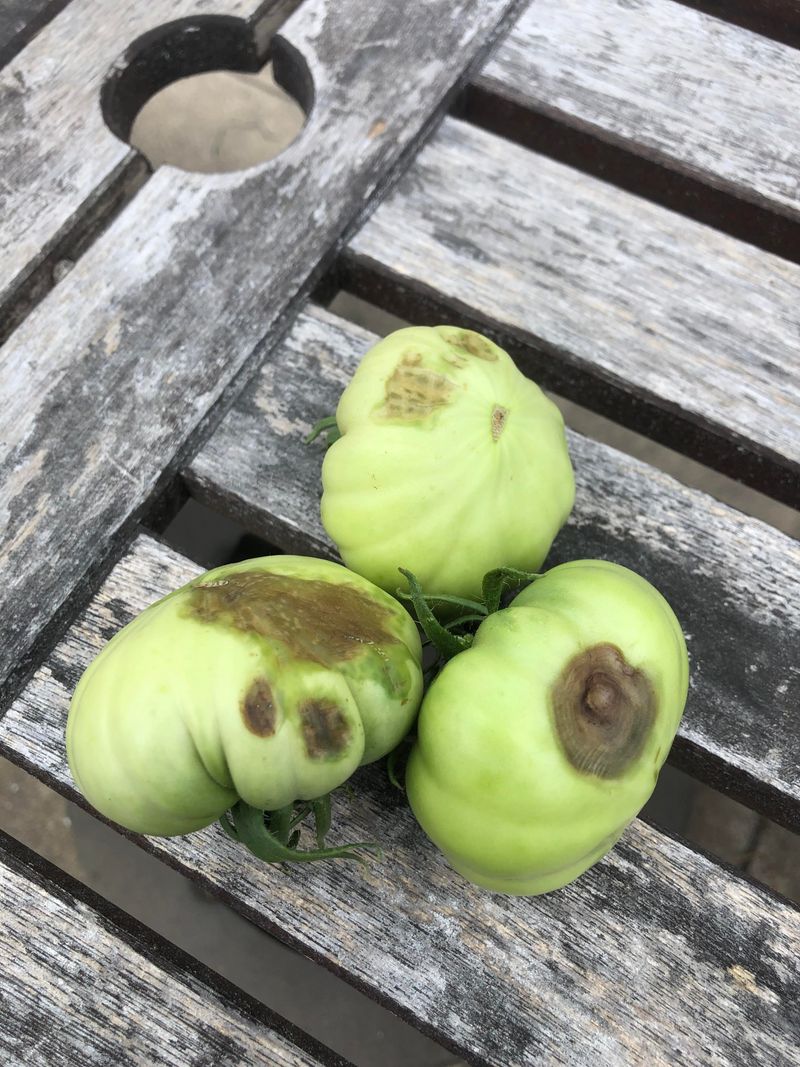
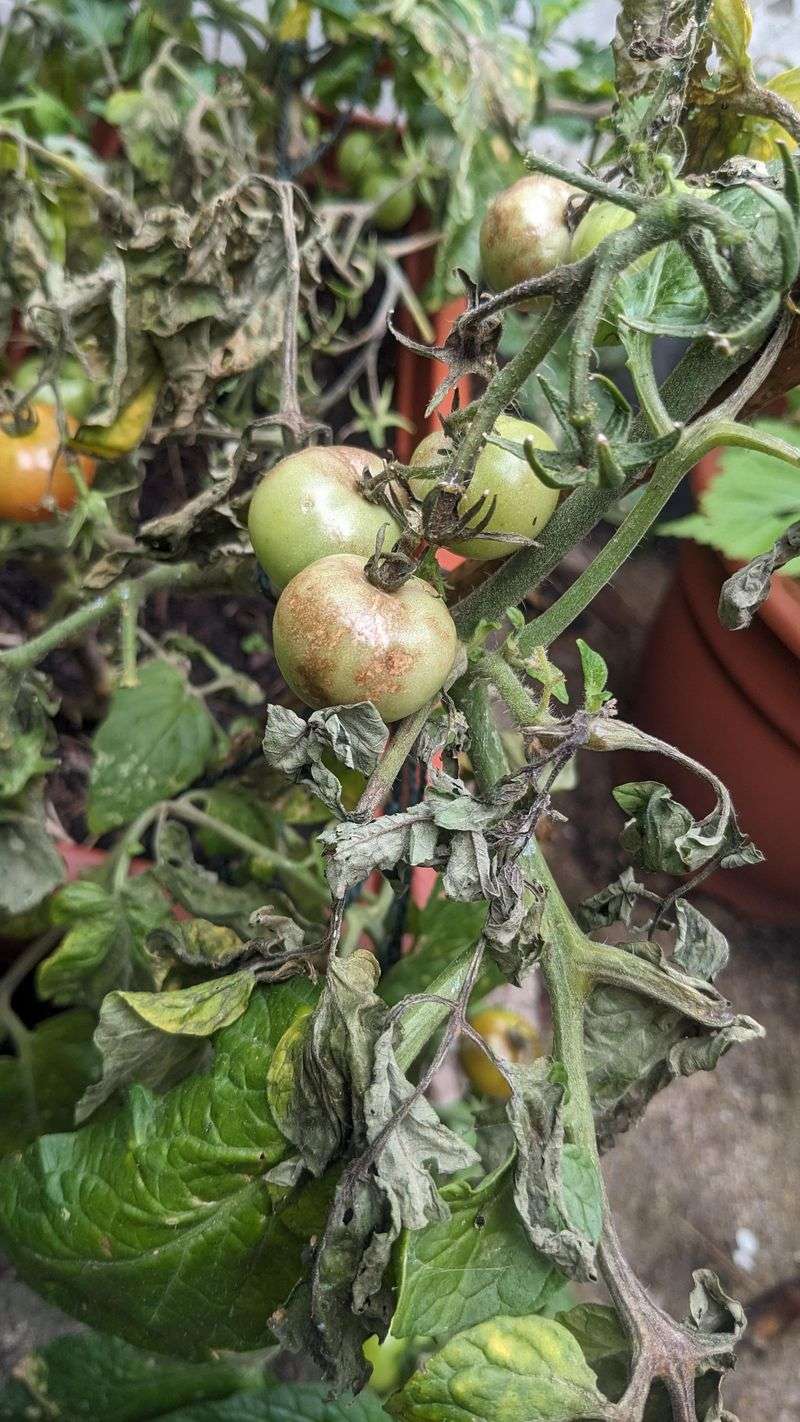
Nothing is more disheartening than watching a nearly ripe tomato get covered in spreading brown patches just before harvest. Fruit infection is the final stage of late blight affecting your garden.
The lesions on fruit appear as firm, brown, greasy-looking patches that spread irregularly across the surface. Unlike soft rot from bacterial diseases, late blight lesions stay firm and dry at first.
Green tomatoes are actually more susceptible to fruit infection than fully ripe ones. The pathogen enters through the skin and spreads inward, making the fruit inedible quickly.
Infected fruit will not ripen normally and should never be saved for seed. The pathogen can survive on seed surfaces and reintroduce the disease next season.
Even fruit that looks mostly healthy should be inspected carefully if nearby plants show symptoms. The infection can be present just below the skin before visible lesions fully develop on the outside.
Picking tomatoes early when late blight is active in your garden is a smart protective strategy. Letting them ripen indoors on your counter keeps them away from further exposure in the garden.
Affected fruit should be discarded in sealed bags and placed in the trash. Leaving blighted tomatoes on the ground creates a reservoir of spores that will linger into next season.
Spotting late blight before it spreads through your Ohio tomato garden starts with knowing every symptom, including what happens to the fruit. Protect your harvest by staying vigilant all the way to picking day.