What A Sudden Influx Of Wasps Means For The Pests In Your Oregon Yard
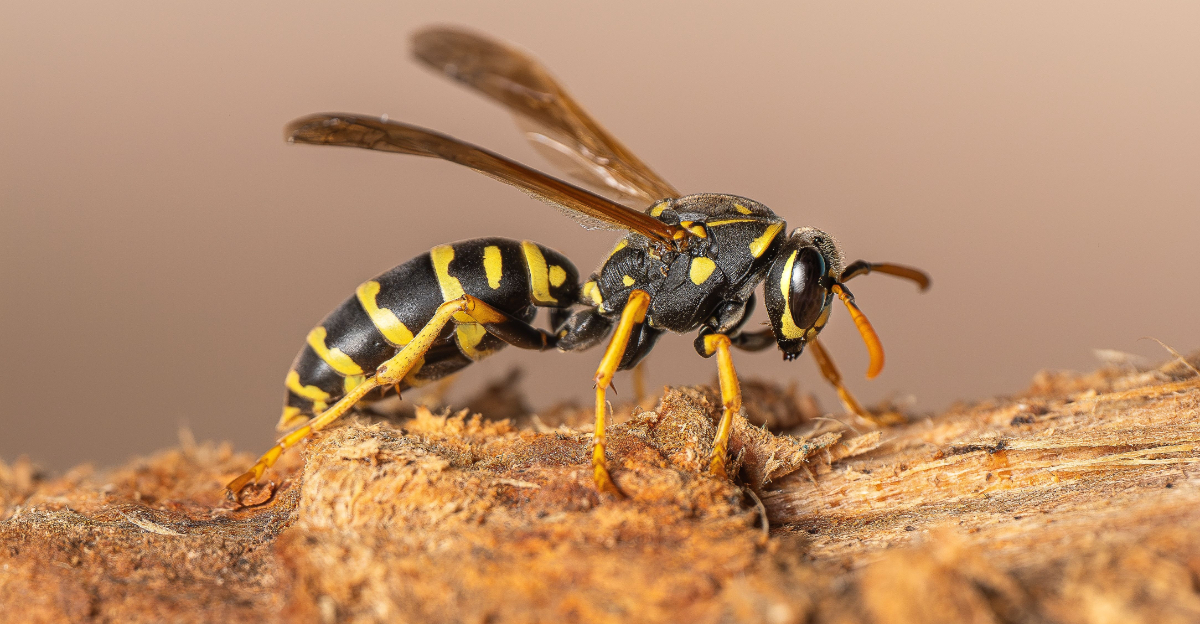
A sudden wave of wasps can make an Oregon yard feel busy fast.
One day the garden seems calm. The next, wasps are cutting through the tomato patch, circling the compost, checking the eaves, and hovering near flowers like they received a neighborhood-wide invitation.
That activity is not always bad news.
Wasps can be predators, scavengers, nectar feeders, nest builders, and pollinators.
Their sudden arrival often means something else is happening nearby: caterpillars are feeding, aphids are producing honeydew, flies are breeding, fruit is fermenting, or late-summer flowers are offering easy fuel.
The trick is to watch before reacting.
A wasp hunting leaves tells a different story than a yellowjacket guarding a ground nest. A wasp sipping nectar is not the same as one patrolling the barbecue.
So what does a sudden influx of wasps really mean for the pests in your Oregon yard?
It means your garden is giving you clues, and the wasps may be pointing straight toward the next problem worth checking.
1. Caterpillars May Be Active
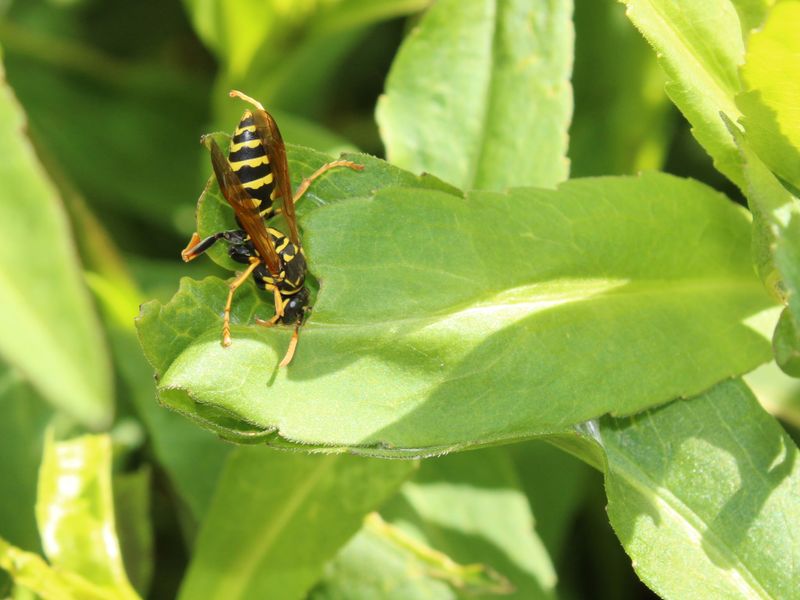
Low-flying wasps around leafy crops often mean caterpillars are nearby.
Paper wasps and other social wasps hunt soft-bodied insects to feed their young. Tomatoes, cabbage, kale, broccoli, and other leafy plants can draw wasp attention when caterpillars are chewing quietly out of sight.
Leaf damage is the first clue.
Look for ragged holes, chewed edges, skeletonized patches, rolled leaves, or droppings tucked along leaf veins. Those signs may show up before the caterpillar itself becomes easy to spot.
Check the undersides.
Many caterpillars hide beneath leaves during the bright part of the day. Lift leaves gently and inspect stems, veins, and curled tips.
Dusk can be useful.
Some caterpillars feed more actively later in the day, so a second check in softer evening light may reveal what was hidden earlier.
Do not spray first.
Wasps may already be reducing the pest pressure for you. A broad insecticide can remove the helpers along with the problem insects.
Identify the caterpillar before treating.
A heavy outbreak may need a targeted option such as Bt, but that choice works best after you know caterpillars are truly the issue.
Leave hunting wasps alone when possible.
A wasp working your kale is not always a threat. It may be doing pest patrol while you stand there deciding what to do.
Caterpillar clues are easy to miss.
The wasps may find them before you do.
2. Aphids May Be Drawing Hunters
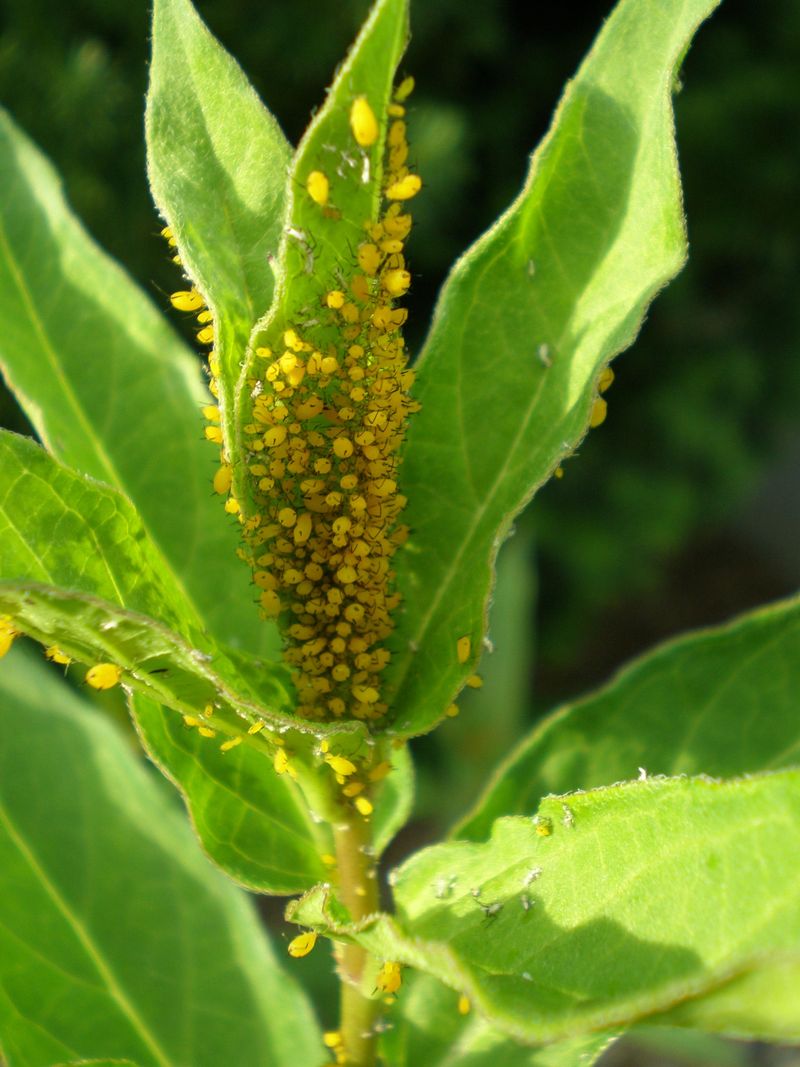
Wasps circling tender growth may be following sugar.
Aphids produce sticky honeydew as they feed, and that sweet residue attracts many insects. Wasps may stop by for the sugar, the aphids, or both.
Curled leaves deserve a closer look.
Aphids often gather inside cupped or twisted new growth, especially on roses, peppers, beans, milkweed, and tender ornamentals. Peel back the curled edges and inspect the stems.
Ants strengthen the clue.
Ants often guard aphids for honeydew. A plant with ants and wasps moving around the same shoots may have an established aphid colony.
Your Oregon Garden Changes Every Week. Your Plan Should Too.
Gardening in Oregon changes quickly throughout the season. Every Friday you’ll receive a simple weekly plan showing exactly what to plant, prune, fertilize, harvest, and protect so you never miss the right timing.
Check before acting.
A small aphid group on a healthy plant may shrink once predators arrive. Lady beetles, lacewings, hoverfly larvae, and wasps can all help.
Use water first.
A firm spray from the hose can knock aphids off tender growth without leaving residue behind. Aim carefully so stems are not damaged.
Soap is the next step for bigger colonies.
Insecticidal soap can help when used directly on aphids and according to label directions. Avoid spraying open blooms or beneficial insects whenever possible.
Repeat inspections matter.
Aphids can rebuild quickly in warm weather, especially on lush new growth. Check the same plant every few days until the leaves stop curling with fresh colonies.
A wasp on your rose may not be the problem.
It may be pointing out the aphids you missed.
3. Flies Are Feeding The Patrol
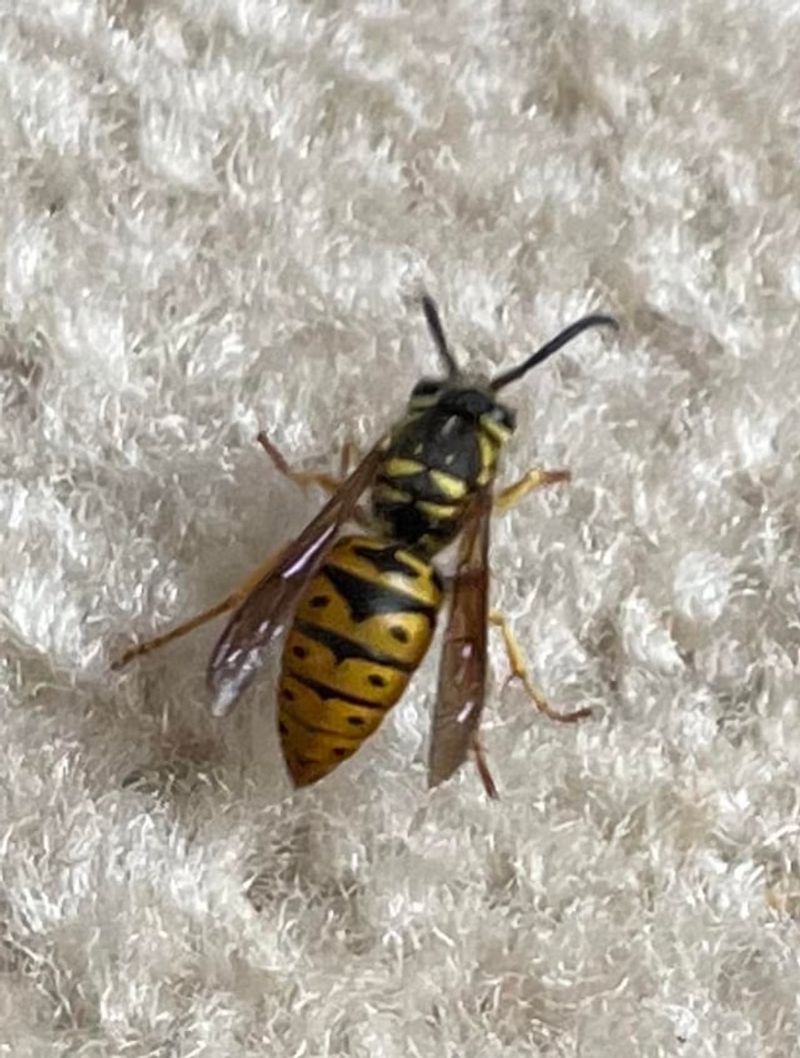
Compost-area wasps may be following flies.
Yellowjackets and other wasps are opportunistic hunters, and flies around garbage, compost, fallen fruit, or pet waste can draw them into a yard. A fly-heavy corner often becomes a wasp patrol zone.
Watch the behavior first.
A wasp chasing insects acts differently from one landing on food scraps or sugary residue. Spend a minute observing before deciding what attracted it.
Compost odors matter.
Uncovered food scraps, wet piles, and rotting fruit can bring flies first, then wasps after them. A tight lid and regular turning reduce the invitation.
Garbage lids need attention.
Even a small gap or sticky spill on the rim can attract flies and yellowjackets. Rinse bins and keep lids fully closed during late summer.
Pet areas can be hotspots.
Clean up pet waste quickly and avoid leaving pet food bowls outdoors. Protein sources are especially attractive as wasp colonies grow.
Fallen fruit changes everything.
Apples, pears, plums, and berries on the ground can ferment fast in August. Pick them up before they become a sugar-and-fly station.
Reduce the flies, and wasp traffic often drops.
You do not have to remove every insect from the yard. You just need to remove the easy buffet.
Sometimes the wasps are not invading.
They are following a food trail your yard accidentally created.
4. Beetles May Be On The Menu
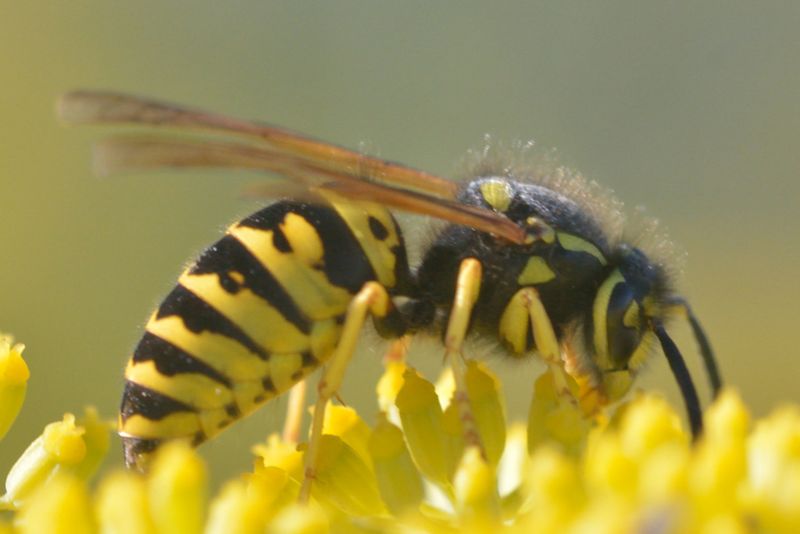
Wasps searching low over soil may be hunting underground prey.
Many solitary wasps are specialized hunters. Some search for beetles, grubs, or other insects to place in small burrows as food for their young.
Their flight looks deliberate.
Instead of darting around flowers, these wasps often move low over mulch, bare soil, or lawn edges. They pause, inspect, land, and sometimes enter small holes.
Beetle damage has patterns.
Adult beetles may chew notched leaves, skeletonize foliage, or damage flowers. Larvae may feed underground, leaving weak turf patches or struggling transplants.
Do not panic over ground-nesting wasps.
Many solitary species are not aggressive and do not defend a colony the way yellowjackets do. They are often far more useful than dangerous.
Look for small excavation holes.
A few neat holes in dry soil or mulch may belong to solitary wasps. Heavy traffic in and out of one entrance may suggest a social nest instead.
Identify before disturbing the area.
Removing beneficial solitary wasps can take away a natural pest hunter. Give them space unless they are directly creating a safety issue.
Manage beetles with targeted methods.
Beneficial nematodes, handpicking, row covers, or crop-specific controls may help, depending on the beetle involved.
A wasp crossing bare soil is worth watching.
It may be showing you where the beetle problem starts.
5. Flowers Are Fueling Adults
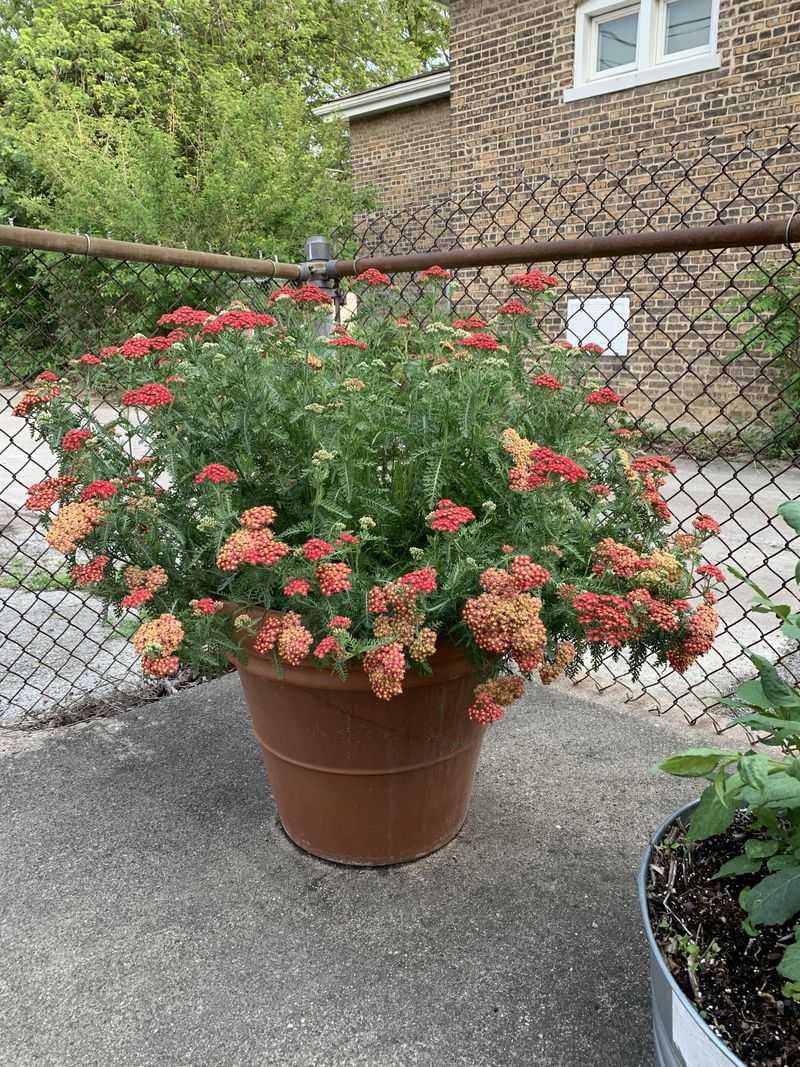
Not every wasp is hunting pests.
Adult wasps need carbohydrates, and flower nectar is a major fuel source. Late-summer blooms can draw wasps even when pest levels are low.
Shallow flowers are especially attractive.
Yarrow, dill, fennel, goldenrod, mountain mint, asters, and other open blooms make nectar easy for wasps to reach.
Nectar-feeding wasps are usually focused.
They move from flower to flower and rarely bother people unless trapped, grabbed, or pressed against skin. Their behavior around blooms is different from nest defense.
Wasps can help pollinate.
They are not as fuzzy as bees, but they still move pollen as they feed. In a diverse Oregon yard, they can play a useful supporting role.
Do not spray flowering plants casually.
Spraying blooms can harm beneficial insects and pollinators that are simply feeding. It also disrupts the predator population that may be helping with pests elsewhere.
Spread the activity out.
A mix of late-blooming plants can keep wasps from crowding one small area. More flowers often means less pressure in a single spot.
Keep flowers away from tight gathering areas.
Place nectar-rich plantings near garden beds instead of right beside doorways, seating, or play spaces when possible.
Flower visitors are not automatically a warning.
Sometimes wasps mean your yard has the late-season fuel beneficial insects need.
6. Yellowjackets Want Protein Now
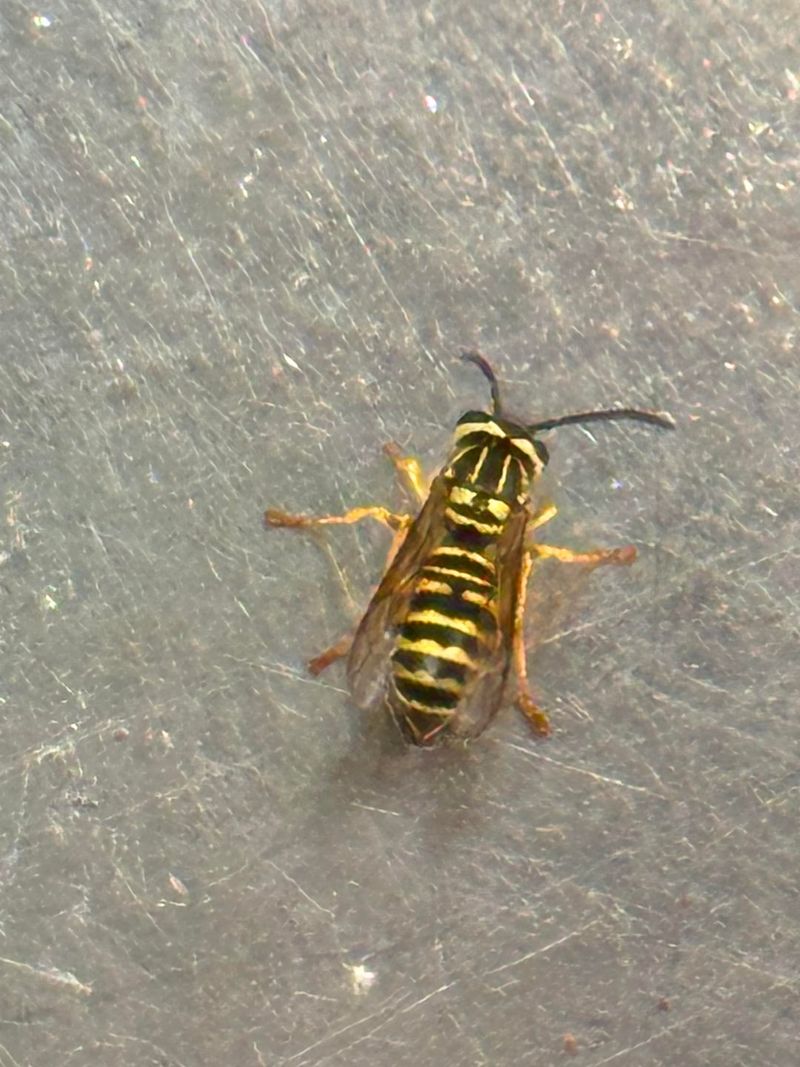
Late summer makes yellowjackets more noticeable.
By August, colonies are larger, workers are busier, and food demands are high. That is when Oregon gardeners often see yellowjackets become bolder around patios, garbage cans, fruit trees, and outdoor meals.
Protein is a major draw.
Meat scraps, pet food, picnic leftovers, and insect prey all matter to a growing colony. That is why yellowjackets may appear right when people start eating outside.
Sugar attracts them too.
Fallen fruit, soda cans, juice cups, and fermenting produce can pull yellowjackets into the same spaces people use.
Clean up fruit quickly.
Dropped apples, pears, plums, and berries can become yellowjacket magnets. Collect them often and compost them in a sealed system.
Cover food outdoors.
Keep serving dishes closed, rinse drink containers, and bring pet bowls inside after meals. Small habits reduce the reason for yellowjackets to linger.
Nest location changes the response.
A nest in a far corner may be left alone when nobody disturbs it. A nest beside a door, walkway, play area, or pet zone creates a real safety concern.
Do not disturb an active nest.
Flooding, sealing, kicking, or spraying without a plan can make the situation dangerous. A nest in a high-traffic area is usually a job for a licensed professional.
Yellowjackets are not random troublemakers.
In late summer, they are following the strongest food signals in the yard.
7. Pest Balance Is Shifting
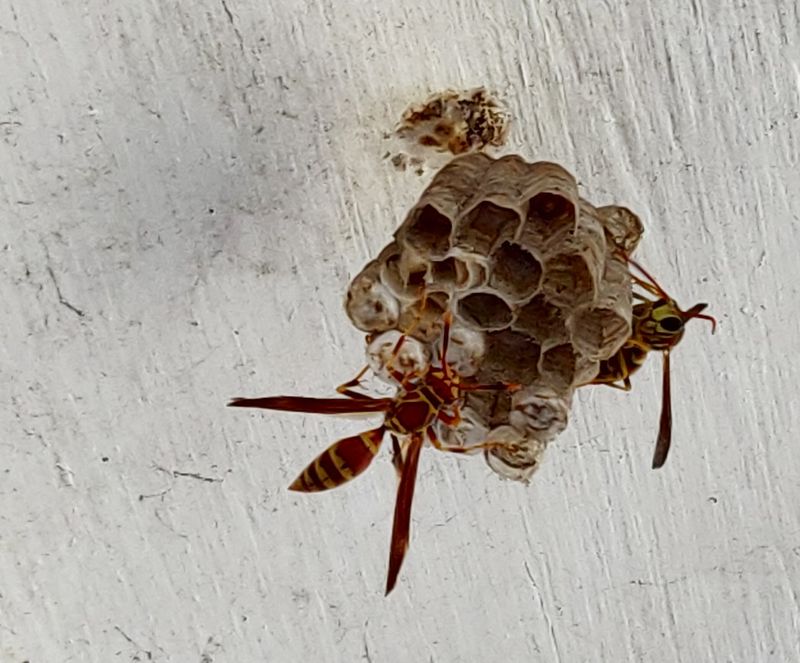
More wasps can mean the food web is working.
Predators often increase when prey increases. A sudden rise in wasp activity may show that your yard has enough caterpillars, aphids, flies, or other insects to support natural pest control.
That does not always mean an outbreak.
Sometimes predator numbers rise before plant damage becomes obvious. Wasps may be responding to pests while the garden still looks mostly healthy.
Seasonal growth matters too.
Social wasp colonies naturally become more active toward late summer as worker numbers build. More foragers can make activity seem sudden, even without one specific pest surge.
Less spraying can change the yard.
When broad pesticides are used less often, beneficial insects may rebound. That can make wasps, ground beetles, lacewings, and other predators more visible.
Diverse plantings support balance.
Flowers, shrubs, mulch, leaf litter, and undisturbed corners create habitat for many insect predators. A more complex yard usually has more natural checks on pests.
Scout plants before deciding.
Look for leaf damage, sticky honeydew, curled growth, fruit damage, or soil pests. Wasp activity is a clue, not a full diagnosis.
Intervene only where needed.
A targeted response protects the helpful insects while addressing the actual pest problem.
A busy yard can feel chaotic.
But sometimes those wasps are proof that the garden’s natural pest patrol has arrived.
8. Identify Before You Intervene
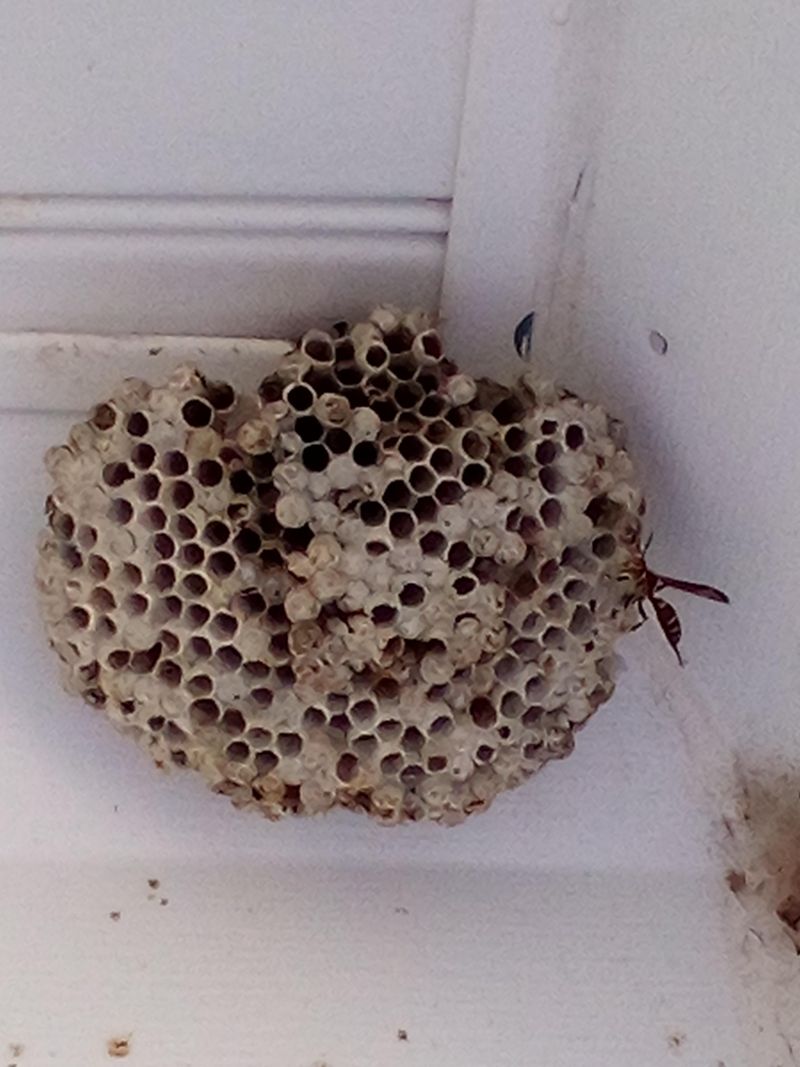
The type of wasp changes everything.
Paper wasps, yellowjackets, bald-faced hornets, mud daubers, sand wasps, and other solitary wasps do not behave the same way. Treating them all as one problem leads to bad decisions.
Look at body shape from a distance.
Paper wasps are long and slender with dangling legs. Yellowjackets are stockier and more intense around food or nest entrances. Bald-faced hornets are larger, black-and-white yellowjacket relatives.
Nest style helps.
Paper wasps build open, umbrella-like nests under eaves and rails. Yellowjackets often nest underground or in wall voids. Bald-faced hornets build gray paper nests in trees, shrubs, or structures.
Flight pattern gives clues.
Hunting wasps move low and inspect leaves or soil. Nectar feeders move between flowers. Wasps circling one fixed point may be entering and leaving a nest.
Do not test a nest.
Poking, spraying water, vibrating the area, or blocking the entrance can provoke defensive behavior. Watch from a safe distance instead.
Solitary wasps are usually low-risk.
Most do not defend large colonies and can often be left alone. They are often valuable predators.
Social nests near people need caution.
A nest beside a door, walkway, deck, play area, or pet run may require professional help, especially with yellowjackets.
Identification saves the useful insects.
Once you know what kind of wasp you have, you can protect the helpers, manage the hazards, and understand what the pests in your Oregon yard are really doing.