What It Really Means When Box Turtles Keep Turning Up In Your North Carolina Garden Beds
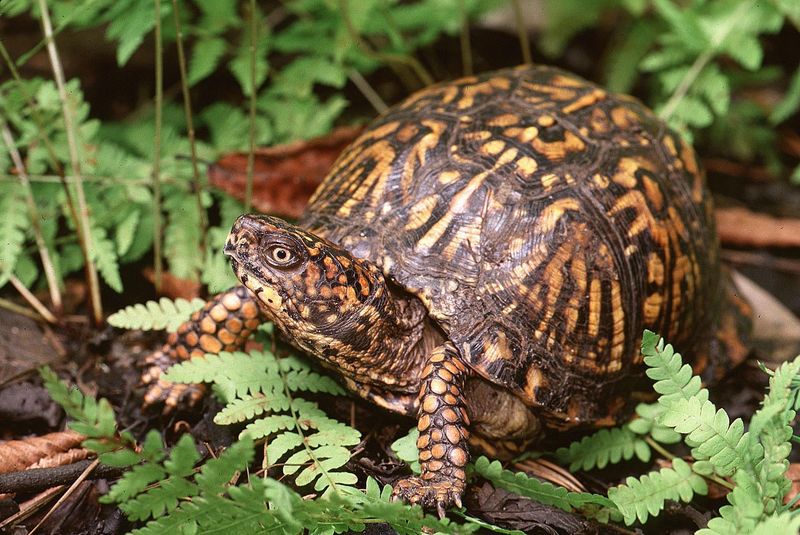
You’re pulling weeds between the bean rows on a muggy July afternoon when something slow and domed stops you cold, a turtle, right there in the garden bed. It happens to North Carolina gardeners more often than you might think, and the question that follows is always the same: what does this actually mean? The answer says something real about your yard, though not everything people tend to assume. Getting the interpretation right starts with knowing what you are actually looking at.
Identify the Turtle Before You Interpret the Visit
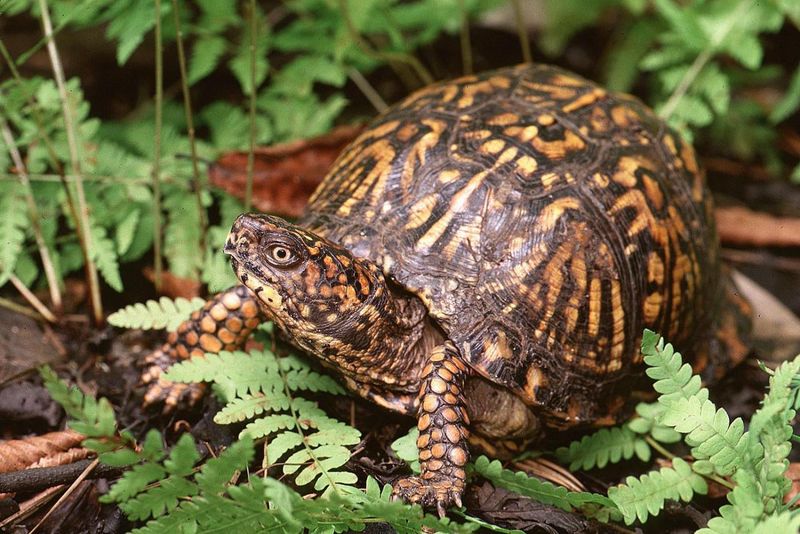
Not every turtle that wanders into a North Carolina garden bed is an eastern box turtle, and that distinction matters before drawing any conclusions about what the visit means. The most reliable field check is the shell shape. An eastern box turtle carries a noticeably high-domed top shell and, crucially, a hinged lower shell that allows the animal to close itself up almost completely. That closing ability is the clearest sign you are looking at a box turtle rather than something else.
If the turtle in your bed has a flatter profile, webbed feet, or a long neck that stretches out when it moves, you are likely looking at an aquatic or semi-aquatic species, possibly a painted turtle, a slider, or a snapping turtle that has wandered from a nearby pond or ditch. NC State Extension guidance on backyard reptiles and amphibians notes that several turtle species share North Carolina landscapes, and a flat shell or webbed feet should prompt a different response than a high dome and hinged plastron.
Eastern box turtles, known scientifically as Terrapene carolina carolina, are the only native terrestrial turtle species in North Carolina. The North Carolina Wildlife Action Plan identifies the species as a priority for conservation attention across the state. North Carolina has also formally recognized the eastern box turtle as the
state’s official turtle emblem, though specific questions about what that means for any given encounter are best directed to the North Carolina Wildlife Resources Commission rather than treated as a simple blanket rule.Confirm the dome and the hinge first. Everything else in this article applies only after you have done that.
Rain and Shade Can Bring a Box Turtle Into the Bed
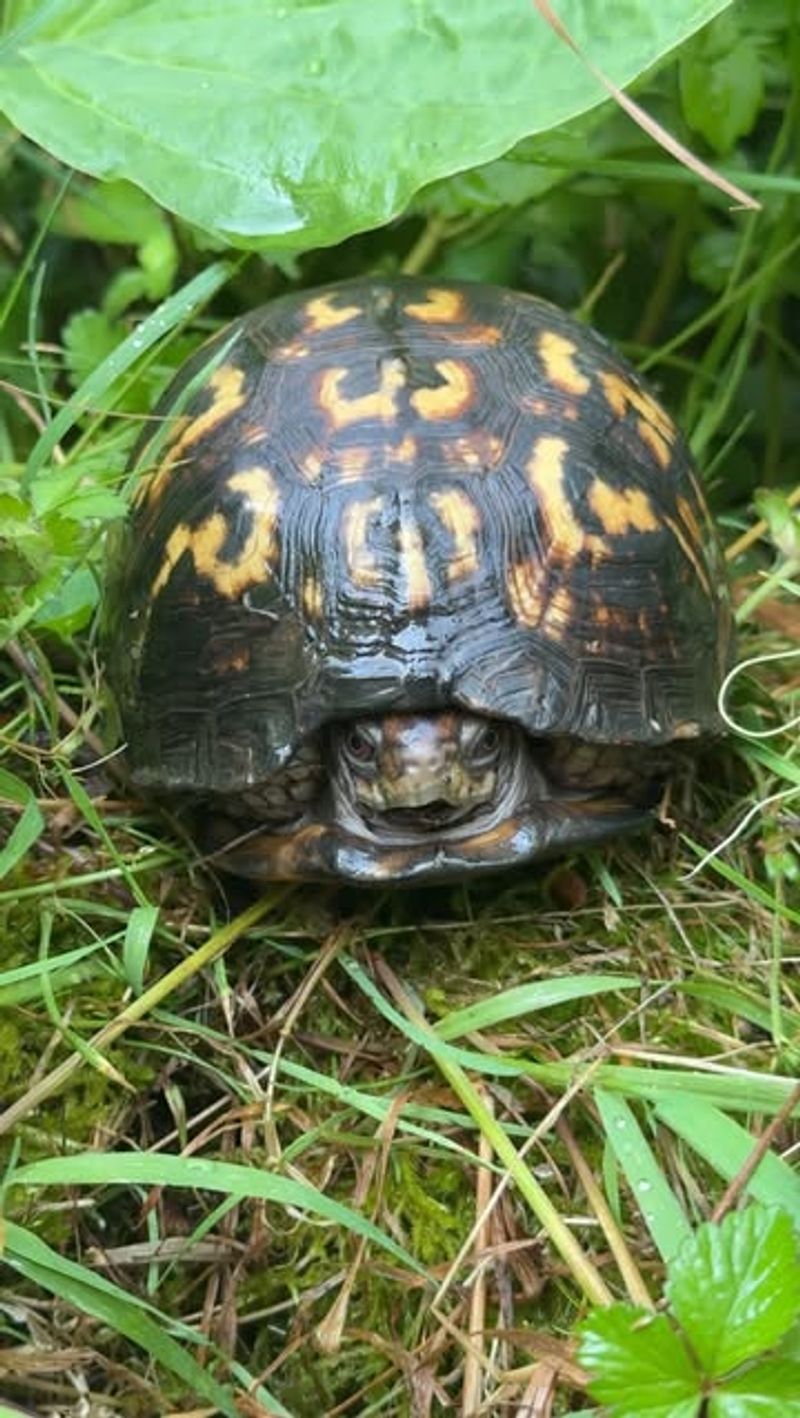
After a good afternoon storm rolls through the Piedmont, the garden smells like wet earth and every slug in the county comes out to celebrate. Box turtles notice the same change in conditions you do, and warm, humid weather following rainfall is one of the most straightforward reasons a turtle might show up between your tomato cages.
Research on box turtle activity patterns consistently connects movement with moisture and warmth. Long-term population and home-range studies of Terrapene carolina describe activity peaks during warm, humid periods and reduced movement during dry or cold stretches. A garden bed that holds moisture after rain, sits in partial shade from a fence or nearby shrubs, and carries a layer of mulch or leaf litter can feel genuinely inviting to a turtle looking for a cool, damp retreat during a muggy North Carolina summer.
Your North Carolina Garden Changes Every Week. Your Plan Should Too.
Gardening in North Carolina changes quickly throughout the season. Every Friday you’ll receive a simple weekly plan showing exactly what to plant, prune, fertilize, harvest, and protect so you never miss the right timing.
Shade matters as much as moisture here. Brush piles, low-hanging limbs, dense plantings, and even the shadow cast by a raised bed can create the kind of sheltered microhabitat a box turtle uses to regulate its body temperature during the hottest part of the day. Logs and accumulated leaf litter serve the same purpose and are described in habitat selection research on eastern box turtles as important structural features in the landscapes these animals use.
One thing to be clear about: moist does not mean wet. Eastern box turtles are terrestrial animals, and standing water, flooding, or permanently saturated soil is not what draws them in. The garden is attractive because it offers a seasonally damp, shaded microhabitat, not because it resembles a pond edge. Weather is one plausible explanation for a sighting, but it rarely acts alone.
The Garden Supplies Food and Cover, Not a Pest-Control Service
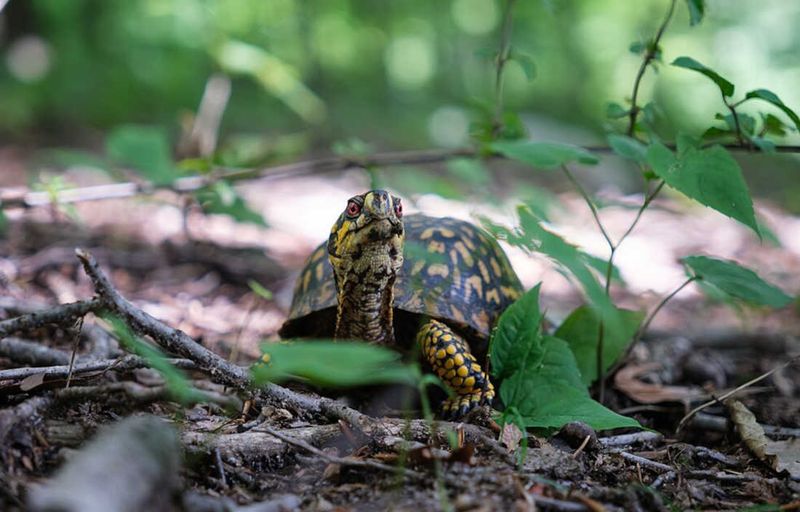
A box turtle moving through your garden bed is almost certainly looking for something to eat, and the menu is surprisingly broad. Eastern box turtles are omnivores that take advantage of whatever is available: earthworms, slugs, snails, beetles, mushrooms, berries, fallen fruit, flower petals, grasses, and other plant material all appear in their diet. Master Gardener resources on box turtle diet and behavior describe this feeding pattern as opportunistic and seasonally variable, meaning the turtle eats what it finds rather than targeting specific crops.
Your vegetable bed may genuinely gather several of those food sources in one spot. Mulch and moist soil concentrate earthworms and slugs. Fallen or overripe fruit draws the turtle just as it draws other wildlife. Native grasses and flowering plants nearby offer additional options, and NC State Extension’s guide to herbaceous plants for wildlife notes that grasses, sedges, ferns, and forbs provide both food and cover resources for eastern box turtles and other yard wildlife.
Here is where gardeners often get excited in a way the evidence cannot support. Box turtles do eat slugs and some insects, but they are not a reliable pest-control service. Their diet is broad and their movements are their own. No research establishes that having a box turtle in the garden will meaningfully reduce Japanese beetles, stink bugs, ticks, or any other specific North Carolina pest population.
Think of any pest reduction as a side effect, not a service.
The turtle also is not targeting your bean plants or squash seedlings. It is using the bed as a convenient patch of cover and food within a much larger movement area, and the garden’s appeal has more to do with worms and shade than with what you planted.
Repeated Visits May Reflect One Turtle’s Larger Range
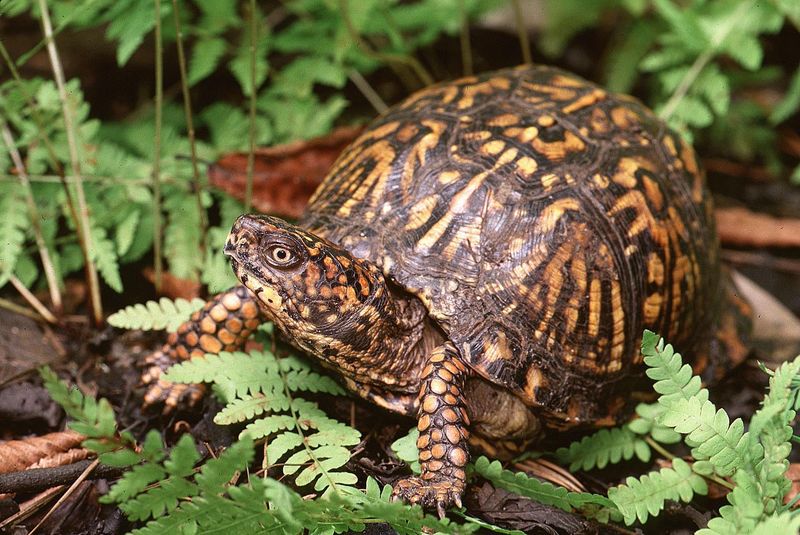
Spotting a turtle in the same garden bed two or three times across a season is easy to read as a sign that multiple turtles are moving through, or that the yard has become some kind of local hotspot. The more likely explanation is simpler: one turtle keeps coming back.
Eastern box turtles can maintain home ranges covering several hectares, and they often revisit the same patches repeatedly across weeks and seasons. Home-range and habitat-selection research on eastern box turtles in longleaf pine reserves found that individuals use overlapping areas and return to familiar resources rather than wandering randomly. The garden bed that offered food and shade once is likely to draw the same animal again when conditions are right.
That broader movement area can include forests, field edges, wetland margins, open grassy areas, and developed or fragmented landscapes. USGS research on box turtle movement in urban green spaces documented turtles moving outside managed parks and into surrounding residential development, which means a box turtle in your Piedmont garden may be navigating a landscape that includes roads, mowed lawns, and neighboring yards as well as any wooded patches nearby.
Repeated sightings may indicate that the turtle can reach habitat beyond your yard or is using your property as a regular stop within its range. What they do not establish is that full conservation connectivity is intact, that a healthy population is thriving nearby, or that the surrounding landscape is free of threats. Long-term population studies make clear that individual box turtles can persist in surprisingly fragmented areas while still facing serious pressures from roads, habitat loss, and predation.
Repeated visits are worth noticing, but they tell a modest story: one animal finds your yard usable enough to return.
A Sighting Is a Habitat Clue, Not a Garden Health Score
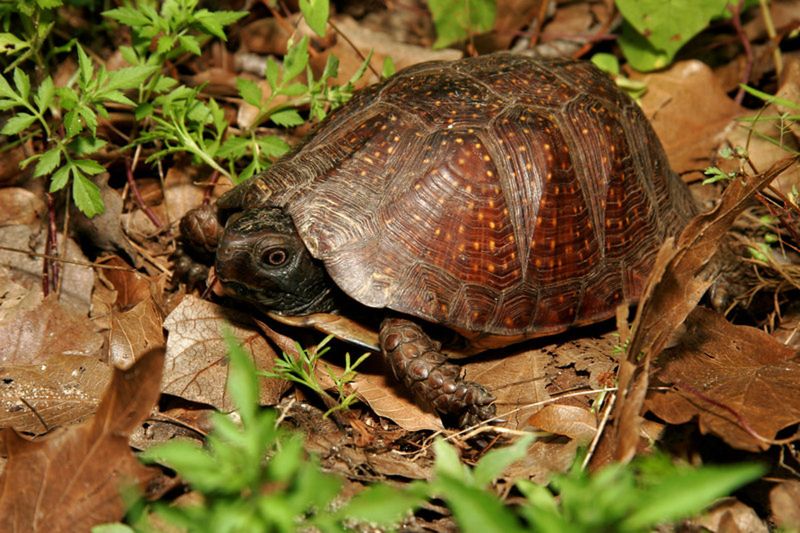
Finding a box turtle in the vegetable bed feels like a green flag, and in a modest sense it is. The animal’s presence suggests that at least part of your property or the surrounding neighborhood offers some usable combination of cover, moisture, food, and access. That is a real and encouraging observation.
But a turtle sighting cannot certify what many gardeners want it to certify. USGS urban movement research documented eastern box turtles actively using landscapes that included roads, fragmented patches, and developed areas alongside green space. Their presence in a yard does not mean the soil is clean, pesticide exposure is low, the plants are thriving, or the ecology is in balance. Turtles can move through disturbed, suburban, and urban environments while still facing real hazards in those same spaces.
The NC State Extension backyard reptile guide frames box turtles as animals that can coexist with mowing, pets, roads, and other human pressures, which is a reminder that their presence and their safety are different questions. A turtle that crosses your garden may have just crossed a road to get there.
Pesticide exposure is worth thinking about separately. EPA exposure assessment guidance explains that garden pesticides can contaminate soil, food sources, and water even when applied legally, and that wildlife can be affected by misapplication or excessive rates. A turtle using your yard does not mean pesticide levels are safe for it.
And the reverse is also true: not seeing a turtle does not mean your yard lacks habitat. Box turtles spend long stretches hidden under leaf litter, logs, or soil, especially during dry spells or cold weather. Absence is not evidence of a problem any more than presence is evidence of perfection.
Support Wildlife Without Trying to Keep the Turtle
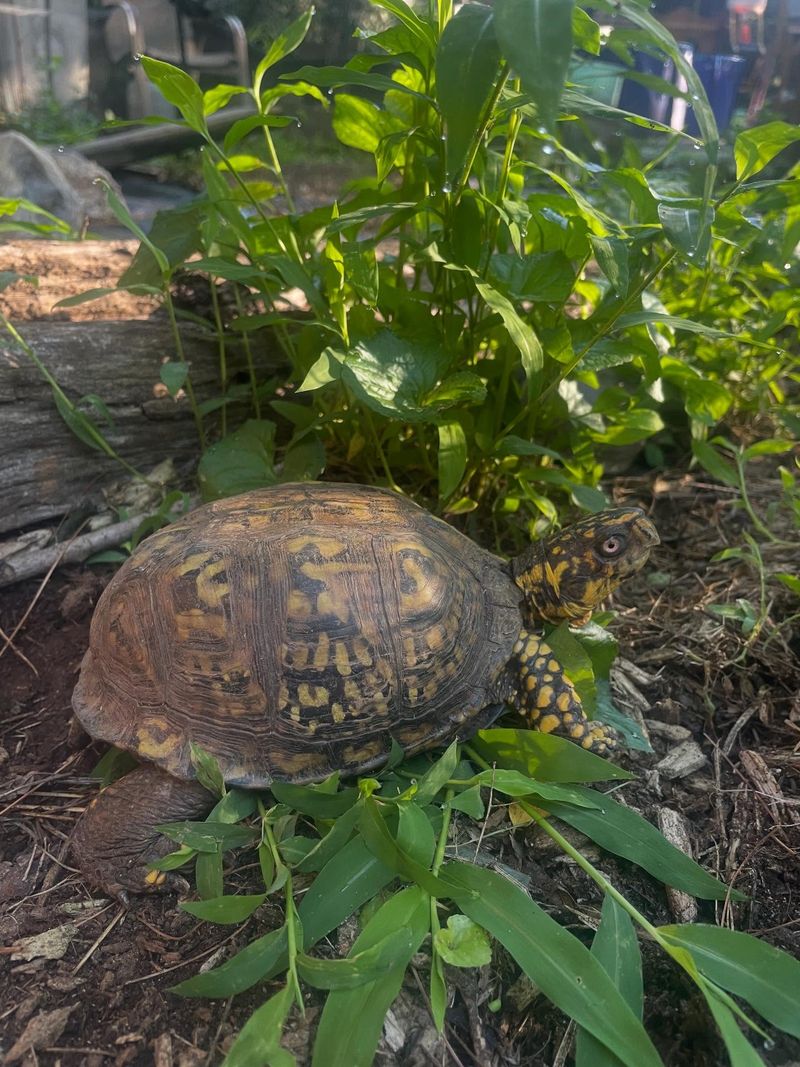
Learning that a box turtle finds your yard usable is a natural nudge toward wanting to make it more welcoming, and that instinct is worth acting on carefully. The goal is to improve the habitat, not to trap or tame the animal.
Practical improvements do not require major landscaping. Leaving a corner of the yard with intact leaf litter, a few logs or branches, and some brush can provide the cover and moisture retention that box turtles and many other wildlife species use. NC State Extension’s herbaceous plants for wildlife resource identifies native grasses, sedges, ferns, and forbs as valuable food and cover plants for eastern box turtles. Adding even a modest patch of these near a shaded fence line or garden edge can make a genuine difference for wildlife moving through the neighborhood.
For broader planting ideas, NC State Extension’s native landscaping guide and the Extension Gardener Handbook’s wildlife chapter both offer North Carolina-specific plant lists and design approaches that support a range of backyard wildlife without requiring a full garden overhaul.
Do not build an enclosure, leave food out deliberately, or try to keep the turtle on the property. Box turtles are wild animals with their own ranges, and attempts to contain or habituate them to human feeding can do more harm than good.
Pesticide habits matter here too. The practical approach is to identify the pest before reaching for a product, try nonchemical controls when they are realistic, follow the label exactly, and avoid applying anything in areas where wildlife is actively foraging. EPA documentation on common causes of pesticide incidents shows that misapplication and excessive rates are recurring problems, and keeping applications away from visible wildlife is a straightforward way to reduce unintended exposure.
Leave an Uninjured Turtle Alone
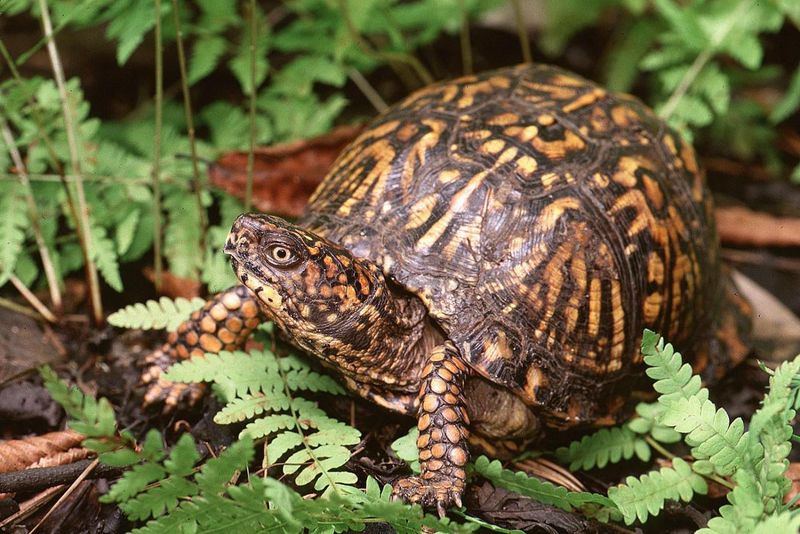
The best thing most North Carolina gardeners can do when they spot a box turtle in the bed is step back and watch from a few feet away. An uninjured turtle that is simply moving through does not need help, does not need to be relocated, and does not need to be carried to a pond, creek, park, or wooded area that looks more suitable to you.
Moving a box turtle away from where it was found can genuinely harm it. Wildlife agency guidance on turtle road crossings explains that box turtles are strongly oriented to their home areas, and displacing one forces it to navigate unfamiliar territory while trying to return, often crossing additional roads in the process. The well-meaning move to a better spot can end worse than leaving the animal where it was.
If a turtle is in immediate danger on a road and traffic conditions make it safe to act, you can move it. Place it on the side toward which it was already traveling, not the side it came from. Eastern box turtle natural history guidance reinforces that the direction of travel matters and that the animal should be moved the shortest distance necessary to get it out of danger.
A turtle with a cracked shell, visible bleeding, abnormal movement, or any injury that looks serious is a different situation entirely. Do not attempt home treatment. NC State Extension advises contacting a licensed wildlife rehabilitator or the North Carolina Wildlife Resources Commission for guidance on injured reptiles. Bringing a wild turtle indoors, treating a wound without training, or keeping it as a pet are not safe options for the animal or for the people in the household.
Observation is almost always the right first move. The turtle usually knows what it is doing.
Watch Respectfully and Wash Your Hands
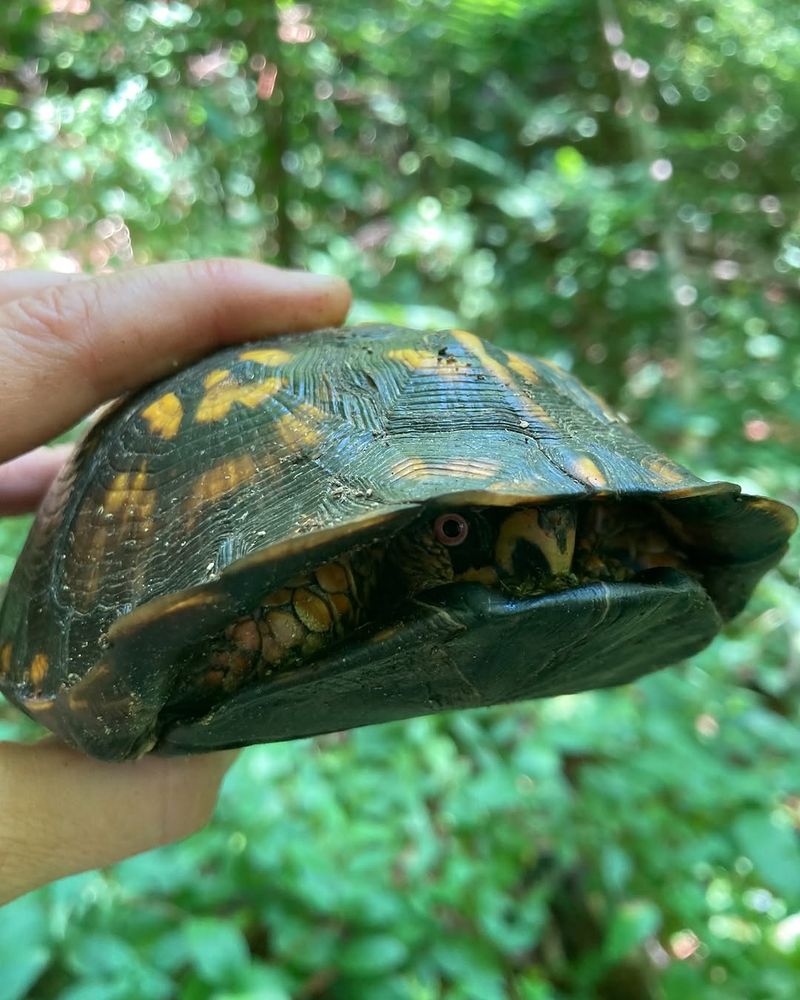
Every time a box turtle shows up in the garden, you get a small, useful piece of information: some part of your yard or the surrounding neighborhood is offering enough cover, moisture, food, or access to make the property worth visiting. Long-term population research on Terrapene carolina and habitat-selection studies both point to the same modest conclusion: a sighting reflects favorable conditions in a patch of a larger landscape, especially during warm, humid weather following rain. It does not score the whole yard.
Keep the interpretation proportionate. The turtle may be using the same route it used last summer, or it may be responding to last week’s rain, or both. What it cannot tell you is whether the soil is clean, the plants are thriving, or the surrounding habitat is intact.
One practical note before anyone in the family picks it up: CDC guidance on reptiles and amphibians is clear that turtles can carry Salmonella even when they look perfectly healthy, and that the bacteria can spread to people through contact with the animal or any surface it has touched. Anyone who handles a turtle should wash hands thoroughly with soap and water before eating, drinking, or touching their face. Young children under five, older adults, and people with weakened immune systems face a higher risk of serious illness and should avoid handling turtles whenever possible.
Watch from a short distance, keep the kids back a step, and let the turtle move on when it is ready. A slow-moving animal with a hinged shell and a high dome is, at its core, a sign that the neighborhood still has room for something unhurried, and that is worth a moment of quiet attention.