What California Gardeners Plant Near Citrus To Keep Pests From Moving In
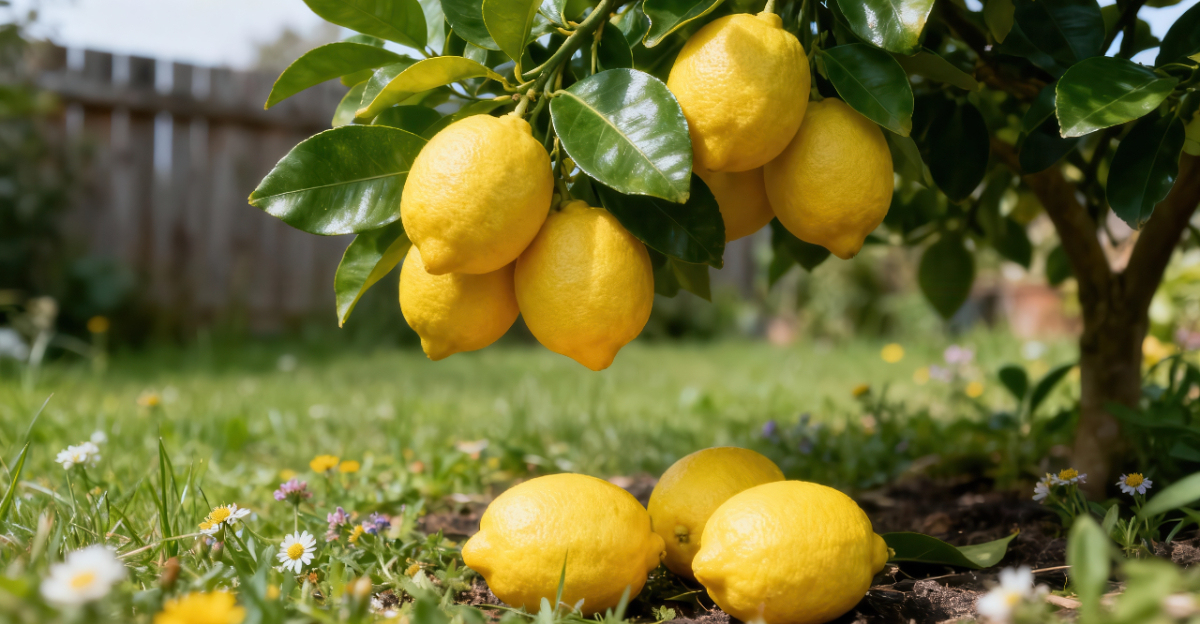
Citrus trees can become busy little pest magnets once warm weather settles in. Fresh growth draws attention fast, and stressed trees can make the problem worse.
That is why the space around the tree matters more than it seems. A small flowering plant nearby can help change the mood of that whole area.
Sweet alyssum is one choice California gardeners often use because it brings in helpful insects with its tiny blooms.
It also looks soft and cheerful around the base of a citrus tree without stealing the spotlight.
This is not a magic fix, and it will not replace good tree care. But it can be a smart part of a healthier garden setup.
Plant it in the right spot, and sweet alyssum may help your citrus corner feel more balanced before pests get too comfortable.
1. Sweet Alyssum Is The Citrus Companion
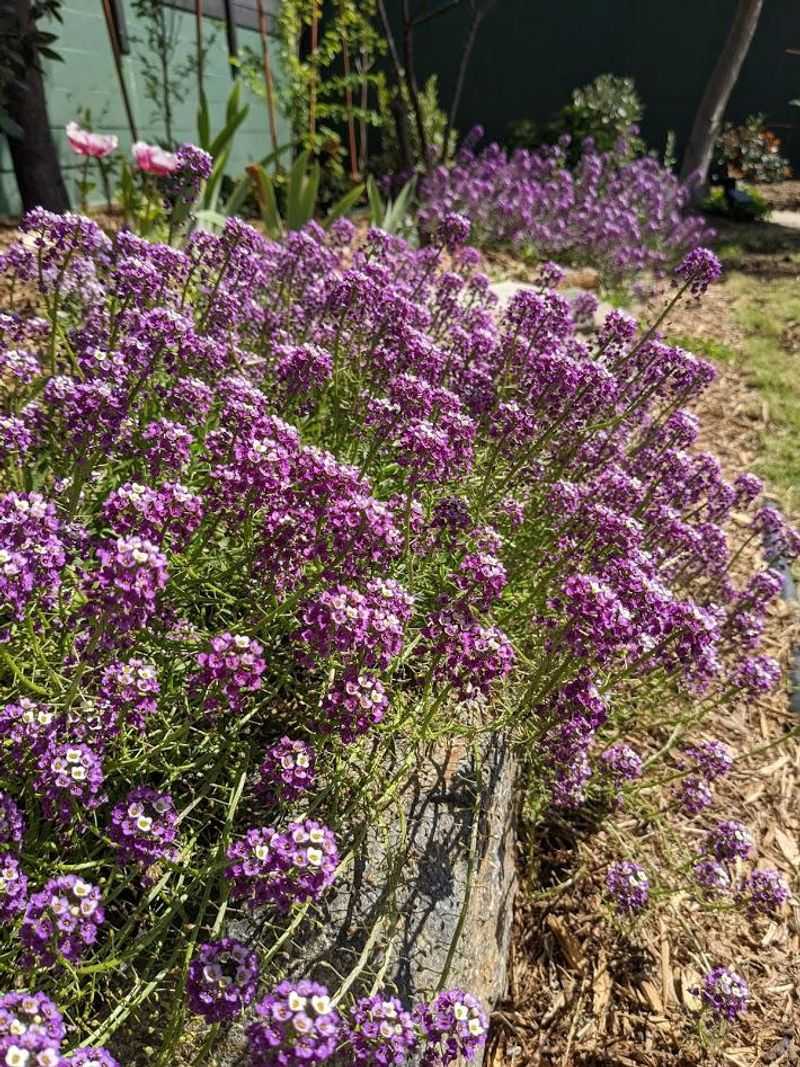
Few plants earn their place in a citrus garden as quickly as sweet alyssum does. This low-growing flower is small in size but enormous in usefulness.
Gardeners across our state have been using it for years to attract the kinds of insects that naturally control pests on citrus trees.
Sweet alyssum grows only about three to six inches tall, which makes it easy to tuck in around the base of a tree without crowding it.
The flowers are tiny and white, and they bloom in thick, carpet-like clusters. They look delicate, but they are surprisingly tough and drought-tolerant once established.
What makes this plant so valuable is its scent. Sweet alyssum releases a honey-like fragrance that floats through the air and pulls in beneficial insects from a surprising distance.
Those insects are the ones that feed on aphids, whiteflies, and other common citrus pests.
It is also fast-growing and easy to find at most nurseries in our state. You can start it from seed or transplant small starts directly into the soil.
Either way, it tends to settle in quickly and start blooming within a few weeks. For citrus growers looking for a natural, chemical-free way to manage pest pressure, sweet alyssum is a strong and reliable starting point.
2. Tiny Flowers Feed Beneficial Insects
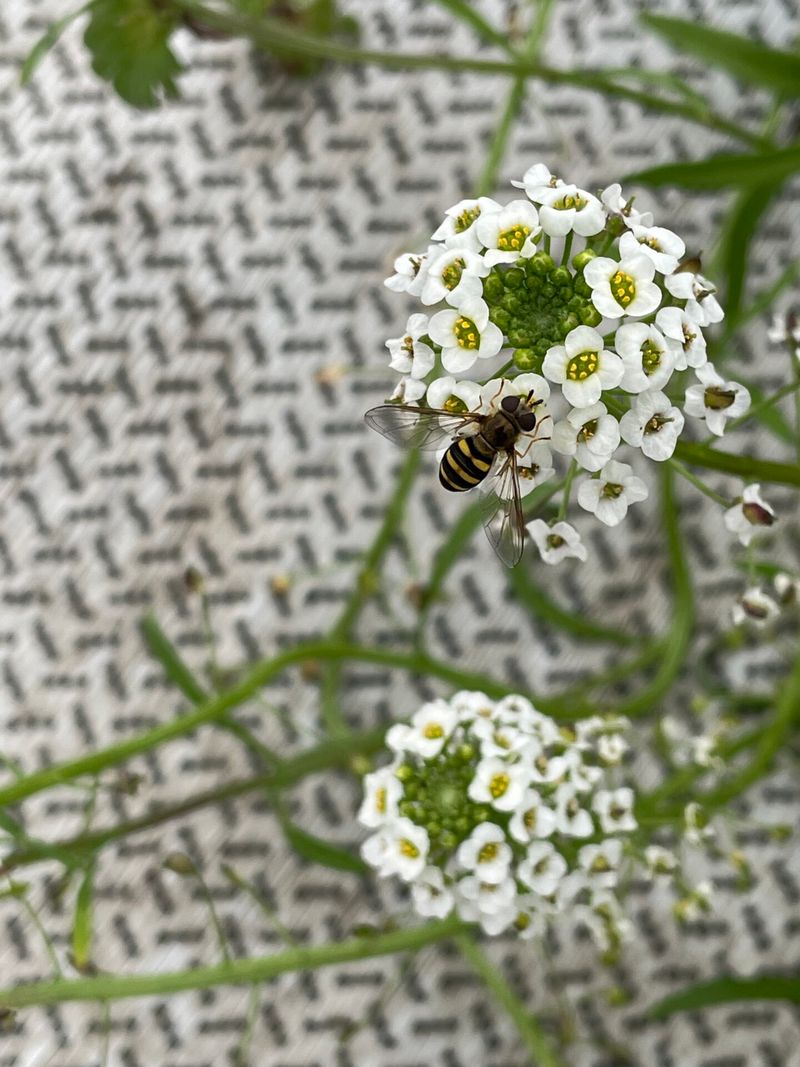
Not all flowers are created equal when it comes to feeding beneficial insects. The shape and size of a bloom matters a lot.
Sweet alyssum produces clusters of very small, open flowers that are easy for tiny insects to land on and feed from.
Many beneficial insects are small themselves. Parasitic wasps, for example, are often no bigger than a sesame seed.
They need shallow, open flowers where the nectar is easy to reach. Larger, tubular flowers like those on trumpet vines are simply too deep for them to access.
Sweet alyssum fits their needs perfectly.
When beneficial insects have a steady food source nearby, they tend to stay in the area longer. That means they are around when pest populations start to build up on your citrus.
They can begin feeding on or parasitizing those pests before numbers get out of control.
Your California Garden Changes Every Week. Your Plan Should Too.
Gardening in California changes quickly throughout the season. Every Friday you’ll receive a simple weekly plan showing exactly what to plant, prune, fertilize, harvest, and protect so you never miss the right timing.
Nectar and pollen from sweet alyssum also support adult stages of insects whose larvae are the actual pest hunters. An adult hoverfly, for instance, feeds on nectar as an adult but lays eggs near aphid colonies.
The larvae that hatch then feed heavily on those aphids. Keeping adult hoverflies well-fed and nearby is a key part of making this whole system work in your garden.
3. Lady Beetles And Lacewings May Follow
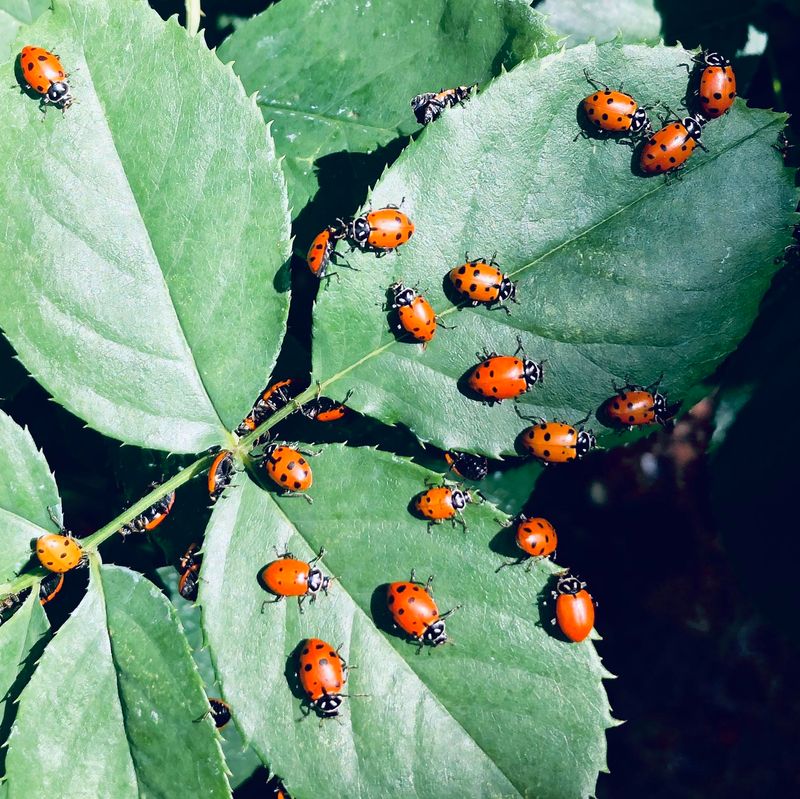
Sweet alyssum does not just attract hoverflies. Over time, a well-established patch near your citrus trees can bring in a whole community of helpful insects, including lady beetles and lacewings.
Both of these are among the most effective natural pest controllers you can have in your yard.
Lady beetles, often called ladybugs, are well-known for their appetite for aphids. A single adult can eat dozens of aphids per day.
Their larvae are even hungrier and less picky. They will feed on aphids, scale insects, and small caterpillars without hesitation.
Having a population of lady beetles living near your citrus is a real advantage.
Lacewings are a little less familiar to most people, but equally valuable. Adult lacewings feed mainly on nectar and pollen, which is why sweet alyssum attracts them.
Their larvae, however, are fierce hunters. They are sometimes called aphid lions because of how aggressively they feed on soft-bodied pests.
They use their curved jaws to grab prey and drain it quickly.
Both of these insects need two things to stick around: food for adults and prey for larvae. Sweet alyssum handles the adult food side of the equation.
Your citrus pests, unfortunately, provide the rest. Together, these factors create a self-sustaining pest management system that costs very little to maintain once it gets going.
4. Hoverflies Love Sweet Alyssum Blooms
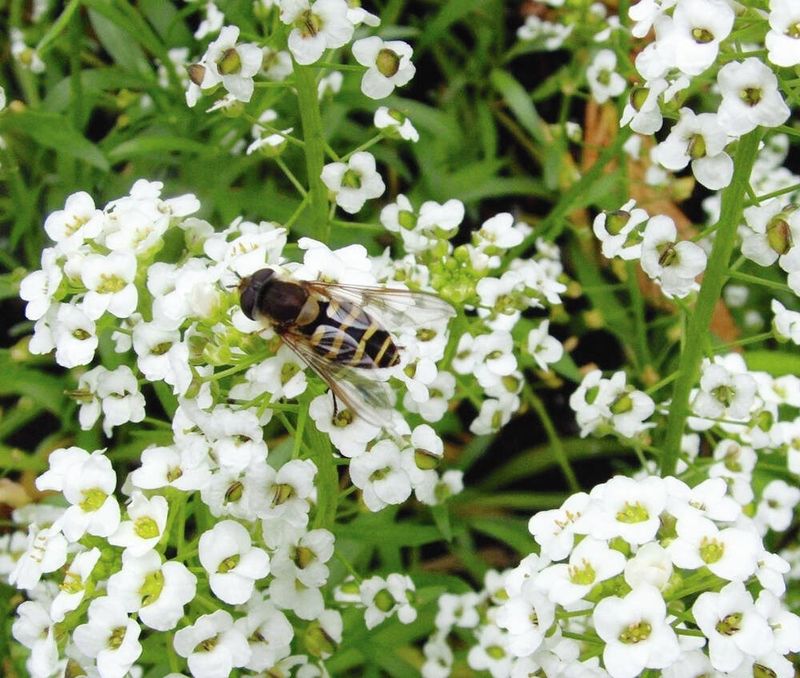
Hoverflies are one of the most underappreciated insects in any garden. They look a little like small bees or wasps, but they are actually flies.
Many gardeners do not even notice them because they hover quietly near flowers without making much fuss.
These insects are drawn strongly to sweet alyssum. The fragrance and the open flower structure make it one of their favorite stops.
Once they find it, they tend to return again and again throughout the blooming season. That consistent presence near your citrus trees is exactly what you want.
Here is where things get interesting. Adult hoverflies feed on nectar and pollen, but their larvae are active predators.
A female hoverfly will lay her eggs directly in or near aphid colonies on your citrus leaves. When the larvae hatch, they immediately start feeding on those aphids.
A single larva can consume hundreds of aphids before it matures.
This means that by keeping adult hoverflies happy and well-fed with sweet alyssum, you are essentially encouraging them to set up a pest control operation right in your citrus canopy.
It is a completely natural process that requires no spraying, no mixing, and no special equipment. Just a patch of sweet alyssum and a little patience, and the hoverflies will do the rest.
5. More Good Bugs Means Less Pest Pressure
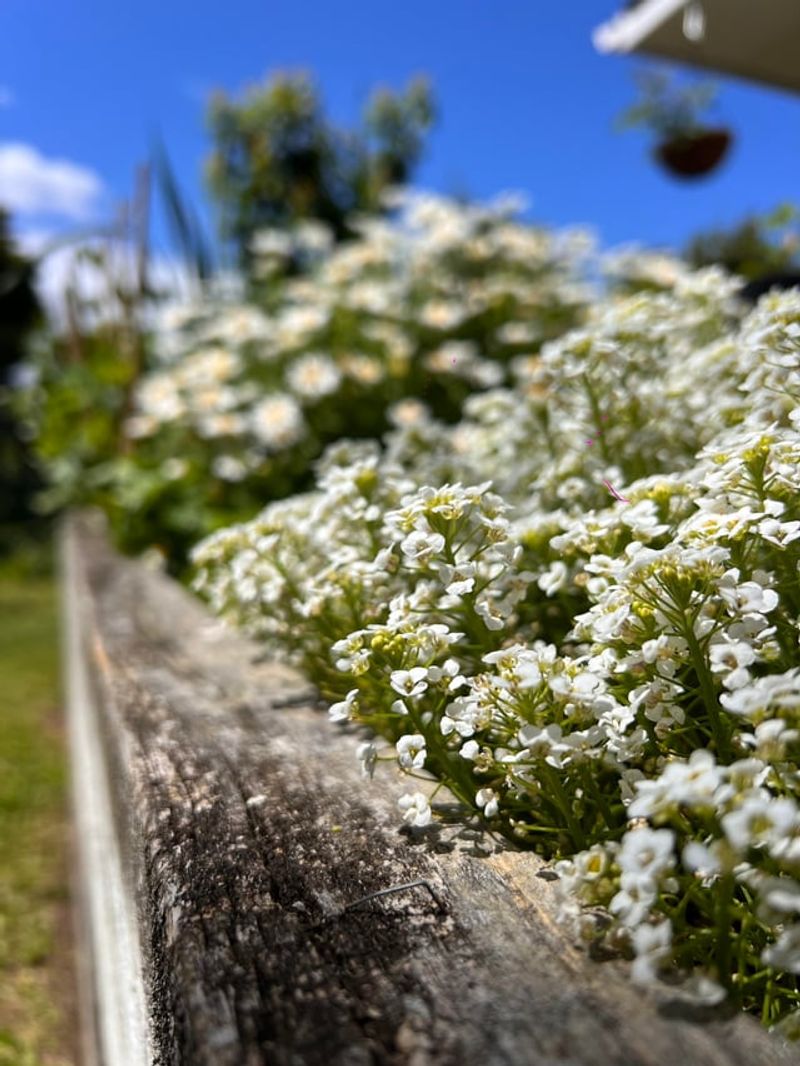
There is a simple truth in gardening that experienced growers understand well. When a yard is full of beneficial insects, pest problems tend to stay manageable on their own.
The bugs that cause trouble rarely get a chance to multiply unchecked because something is always there eating them or laying eggs in them.
This balance is called biological control, and it happens naturally in healthy garden ecosystems.
Sweet alyssum helps tip the balance in your favor by giving beneficial insects a reason to hang around your citrus trees.
The more of those good bugs you have, the less likely any single pest species is to explode in population.
Pest outbreaks often happen in gardens that have been sprayed heavily with broad-spectrum pesticides. Those products remove both the bad bugs and the good ones, leaving a blank slate.
Pests tend to recolonize faster than their predators do, which leads to even worse outbreaks later.
Avoiding that cycle is one of the biggest reasons to go the companion planting route instead.
When you plant sweet alyssum near your citrus and let the beneficial insects build up naturally, you are investing in long-term garden health. It may take a season or two to see the full effect.
But once that community of good bugs is established, it becomes one of the most powerful pest management tools you have access to.
6. Plant It Near The Drip Line
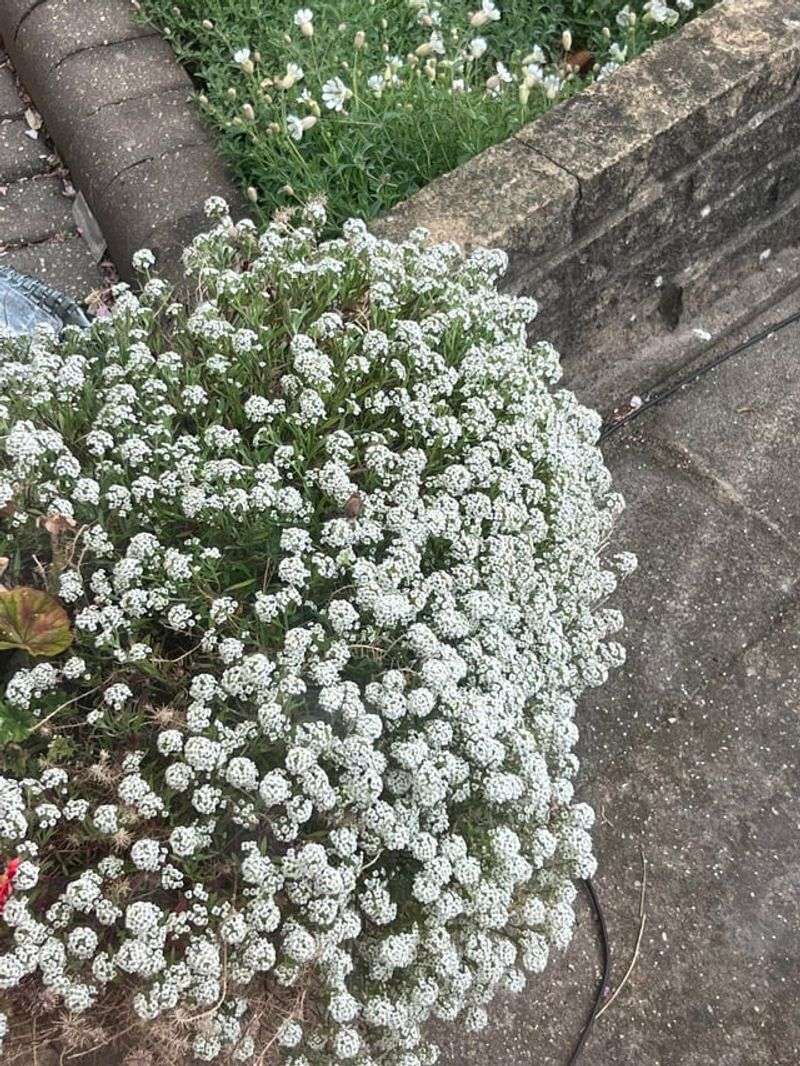
Placement matters a lot when you are using companion plants to protect citrus trees.
Putting sweet alyssum in the right spot can make a big difference in how effective it is at drawing in beneficial insects where you actually need them.
The drip line of a tree is the outer edge of its canopy, where rain and irrigation water drip off the leaves and reach the soil below.
Planting sweet alyssum along this line puts the flowers right beneath the outer branches of the citrus tree.
Beneficial insects attracted to the blooms will naturally move up into the canopy to hunt for prey.
This positioning also avoids some of the moisture and shading issues that can come with planting too close to the trunk.
The drip line area tends to get good light and reasonable airflow, which sweet alyssum appreciates.
It will bloom more consistently in those conditions than it would in deep shade or in waterlogged soil near the base of the trunk.
You do not need a thick, continuous border of sweet alyssum to make this work. A few clusters spaced a couple of feet apart along the drip line is usually enough to attract a steady flow of beneficial insects.
Keep the plants watered during dry stretches, and deadhead them occasionally to encourage continuous blooming throughout the growing season.
7. Keep It Away From The Trunk
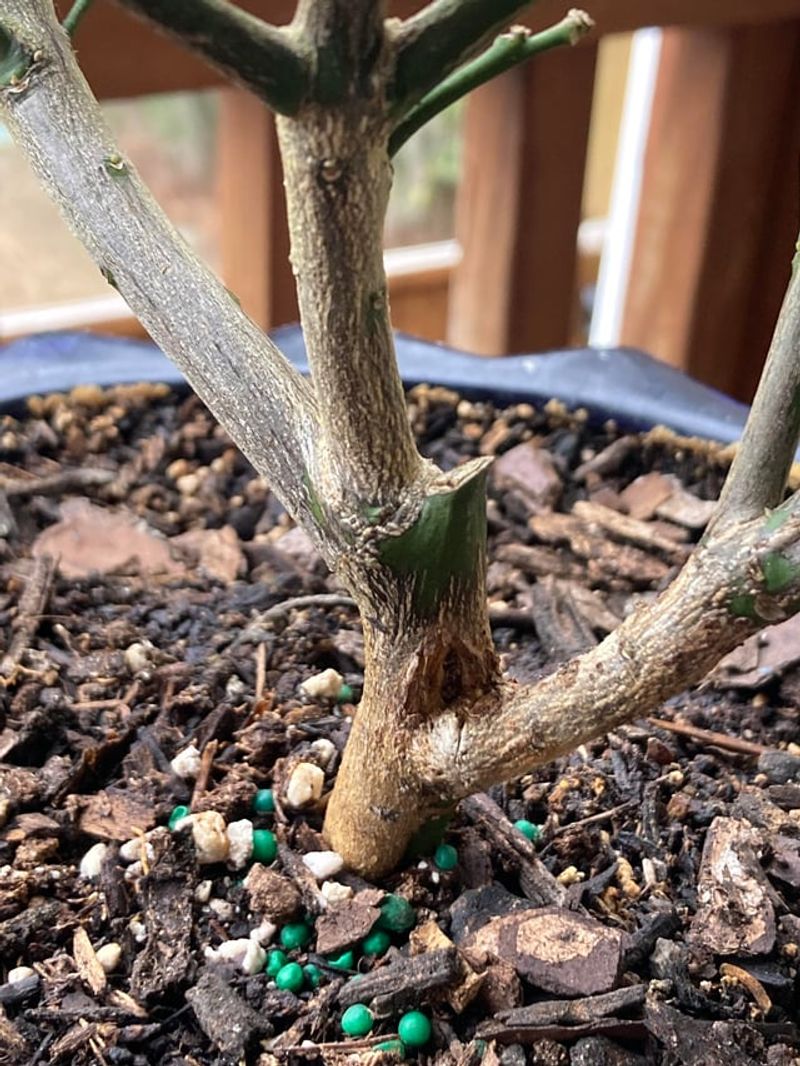
One of the most common mistakes gardeners make with companion planting is putting ground cover plants too close to the trunk of a tree.
It feels natural to want to fill in every bare spot, but the area right around the trunk needs to stay clear for the health of the tree itself.
When plants grow up against the trunk of a citrus tree, they trap moisture against the bark. That moisture can lead to fungal problems and bark rot over time.
It also creates hiding spots for snails, slugs, and certain insects that can chew on the bark or feed on roots near the surface. Keeping a clear zone of at least a foot around the trunk removes those risks.
Sweet alyssum spreads as it grows, so if you plant it too close to the trunk, it will eventually creep inward unless you manage it regularly.
Starting it at a safe distance from the beginning saves you that maintenance headache. The drip line is usually a good target for where to begin your planting.
Some gardeners use a light layer of wood chip mulch in the clear zone around the trunk to suppress weeds and keep soil moisture stable. That is a smart approach.
Just make sure the mulch does not pile up against the bark itself, which creates the same moisture-trapping problem you are trying to avoid. Keep it a few inches away from direct contact with the trunk.
8. Let It Bloom Instead Of Cutting It Back
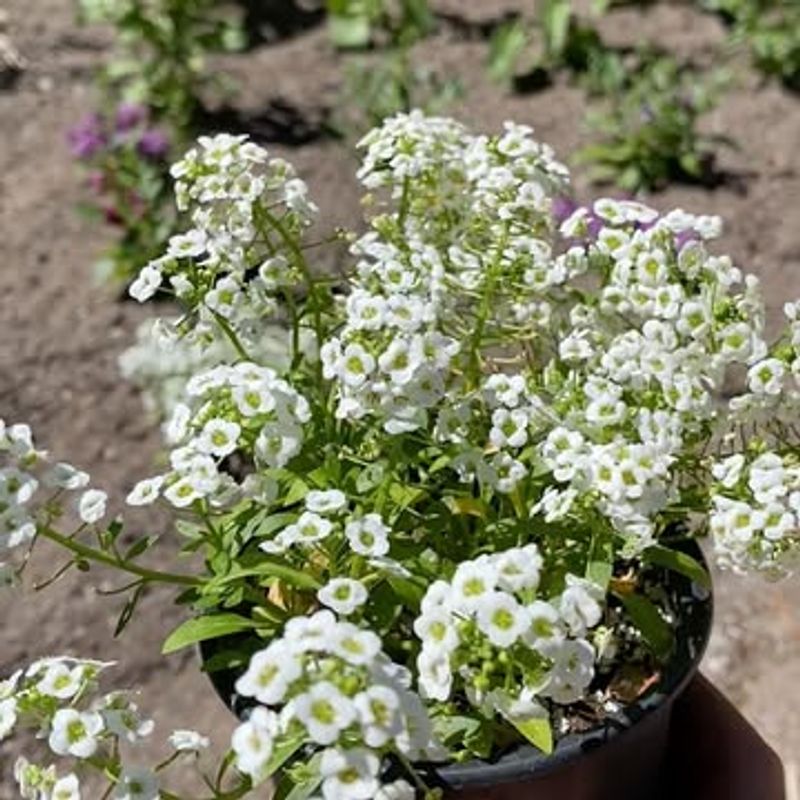
Sweet alyssum has a natural tendency to spread and bloom freely, and that is actually one of its greatest strengths as a companion plant.
Some gardeners get the urge to trim it back to keep things looking tidy, but cutting it back too aggressively removes the very flowers that attract beneficial insects.
The blooms are the whole point. Without them, sweet alyssum is just a small green plant that does not do much for your pest management goals.
Letting it flower as freely as possible keeps the fragrance strong and the nectar flowing, which keeps beneficial insects visiting consistently throughout the season.
If the plant starts to look leggy or sparse in midsummer, you can give it a light trim to encourage a fresh flush of blooms. But this is different from cutting it all the way back.
A light shear of about a third of the plant is usually enough to refresh it without taking away too much flower power at once.
In our state’s mild coastal climates, sweet alyssum can bloom nearly year-round. In hotter inland areas, it may slow down during the peak of summer heat.
If that happens, do not panic. It will often bounce back on its own as temperatures cool in the fall.
That late-season bloom period is especially valuable because many citrus trees are putting out new growth flushes in autumn, which is exactly when pests like aphids tend to show up.
9. Still Check Citrus New Growth
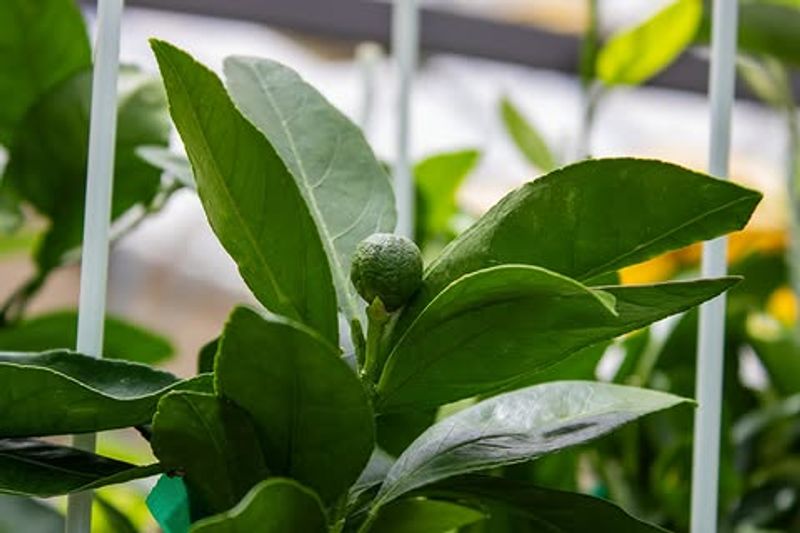
Companion planting with sweet alyssum is a powerful tool, but it is not a set-it-and-forget-it solution.
Even with a healthy population of beneficial insects working in your favor, it is still worth checking your citrus trees regularly, especially when new growth is pushing out.
New citrus growth is soft, tender, and full of the sugary sap that pests love. Aphids in particular are drawn to fresh flushes like a magnet.
They can show up very quickly, sometimes within days of new leaves emerging. Catching them early makes a big difference in how easy they are to manage.
A quick walk through your garden every week or two is usually enough. Look at the undersides of new leaves, where aphids and whiteflies tend to cluster.
Check for sticky residue on leaves, which can be a sign of pest activity even before you spot the insects themselves.
Look for ants moving up and down the trunk, since they often farm aphids and can signal a colony building up in the canopy.
If you spot a small infestation early, a strong blast of water from a hose is often enough to knock the pests off without any chemicals. Beneficial insects will handle the stragglers.
The goal of companion planting is to reduce how often problems reach that level, but staying observant keeps you one step ahead all season long.