The Michigan Garden Pests That Show Up Every July And How To Stop Them Before They Spread
July in Michigan feels like peak garden season from the outside, but experienced growers know it is also when pest pressure reaches its highest point of the entire year.
Several insects and other garden threats follow a predictable calendar, arriving within the same narrow window each summer regardless of what was planted or how well the garden was managed through spring.
By the time damage becomes obvious across multiple plants, the population causing it has usually been building for longer than it appears.
Getting familiar with which specific pests arrive in July and which interventions work fastest is what separates gardeners who protect their harvests from those who spend August trying to recover from damage.
1. Japanese Beetles
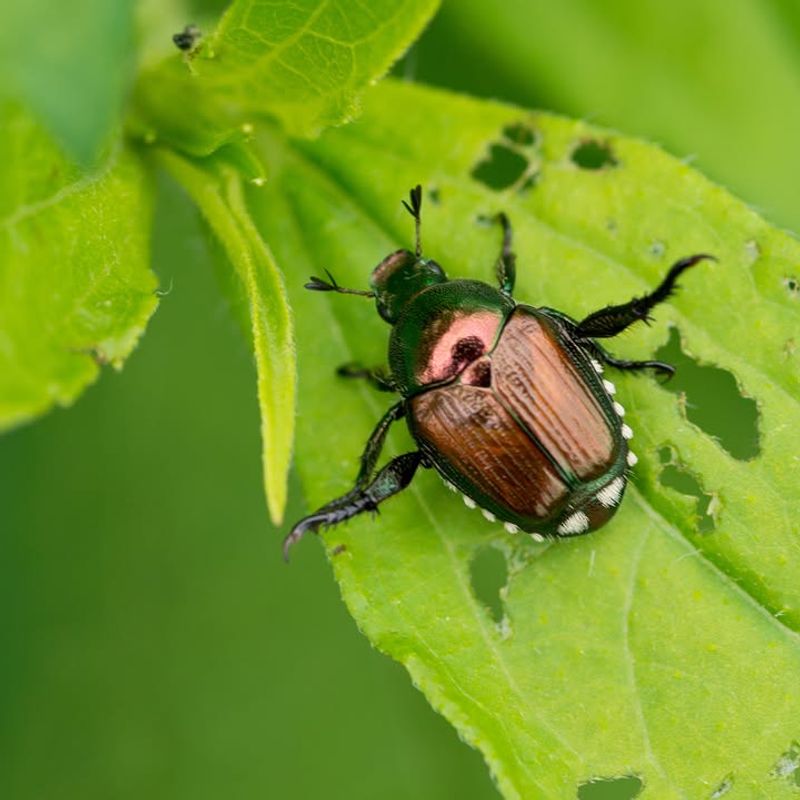
Few garden pests announce their arrival quite as boldly as the Japanese beetle.
Starting in early July, these shiny, metallic green and copper insects swarm roses, grapes, beans, and dozens of other plants, chewing leaves down to their skeleton framework in just a matter of days.
The damage looks unmistakable. Leaves turn brown and lacy, almost like someone took a tiny hole-punch to every single one.
Flowers and soft fruits get eaten too, which makes these beetles especially frustrating for gardeners who have worked hard all spring to grow beautiful blooms and produce.
Handpicking is one of the most effective ways to fight back. Go out early in the morning when beetles are sluggish, hold a bucket of soapy water under the plant, and knock them right in.
Beetle traps can help but should be placed far from your garden since they may attract more beetles than they catch.
Planting resistant varieties is a smart long-term strategy. Plants like boxwood, red maple, and lilac are far less appealing to Japanese beetles.
Neem oil spray applied every few days during peak activity can also slow feeding and disrupt the beetle life cycle without harming beneficial insects nearby. Staying consistent with your approach throughout July makes a real difference.
2. Squash Vine Borers
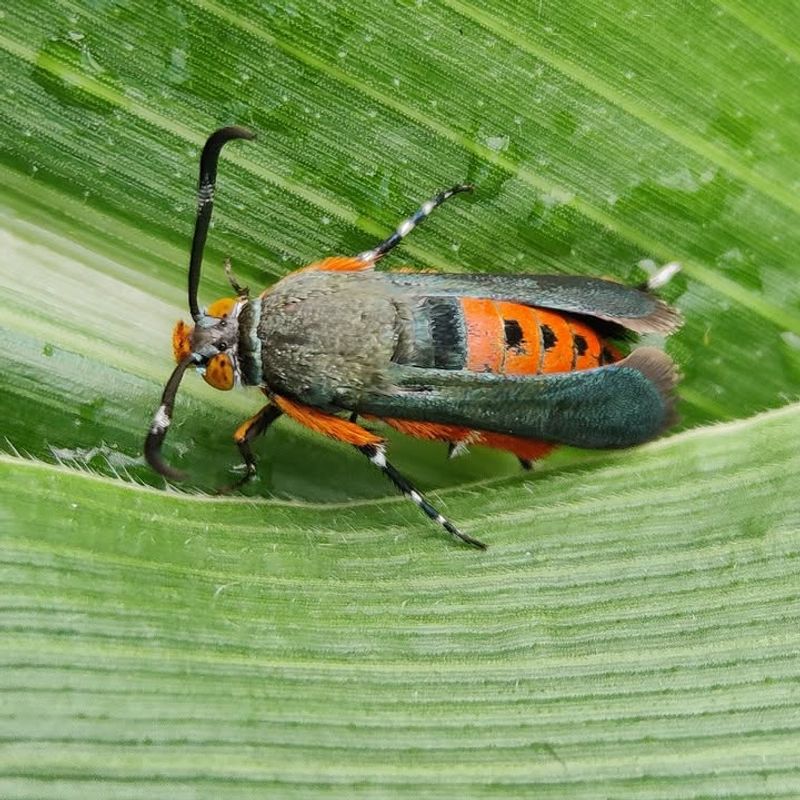
Squash vine borers are sneaky. By the time most gardeners notice something is wrong, the larvae are already tunneling inside the stems of zucchini, summer squash, and pumpkins, causing vines to wilt almost overnight.
July is prime time for this pest in Michigan, and early detection is everything.
The adult borer looks like a wasp with bright orange and black markings, which helps it avoid predators. It lays flat, reddish-brown eggs right at the base of squash stems.
Once those eggs hatch, the larvae bore straight inside and start feeding on the soft tissue within, cutting off the plant’s ability to move water and nutrients.
Watch for wilting that does not recover after watering, plus small entry holes surrounded by a sawdust-like material called frass at the base of stems. Finding these signs early gives you a real shot at saving the plant.
You can carefully slit the stem, remove the larva by hand, and then bury that section of stem under moist soil so it can re-root.
Wrapping the base of young stems with aluminum foil or row cover fabric before egg-laying begins is a proven preventive method.
Your Michigan Garden Changes Every Week. Your Plan Should Too.
Gardening in Michigan changes quickly throughout the season. Every Friday you’ll receive a simple weekly plan showing exactly what to plant, prune, fertilize, harvest, and protect so you never miss the right timing.
Planting a second round of squash seeds in late June also helps you sidestep the peak borer season entirely, giving your garden a fresh start just as the first wave passes.
3. Cucumber Beetles
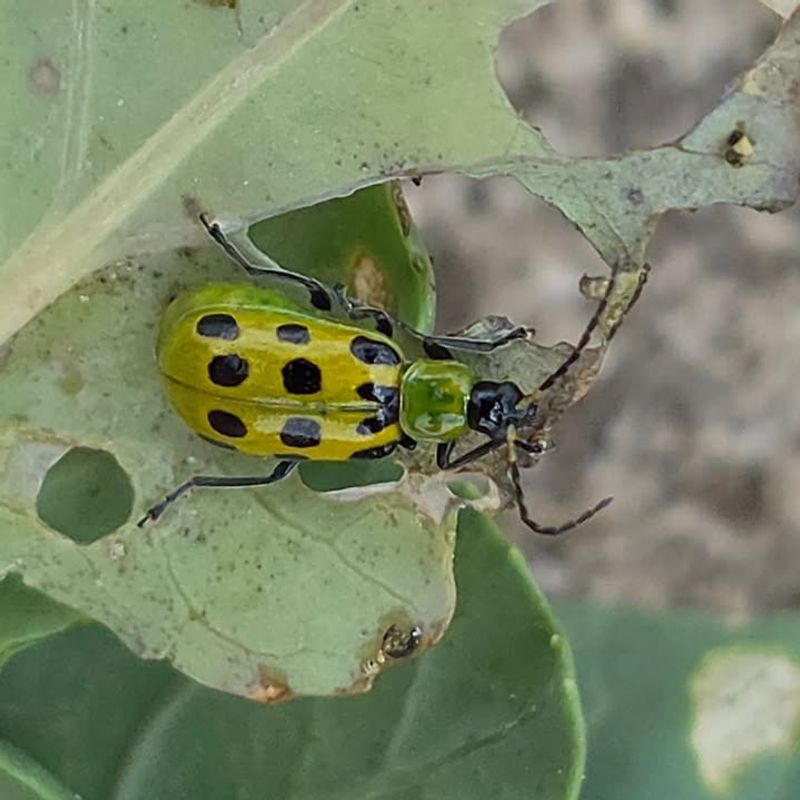
Striped and spotted cucumber beetles are small but seriously damaging. They show up in Michigan gardens every July, targeting cucumbers, melons, squash, and beans with a double-threat strategy that makes them especially hard to ignore.
Not only do they chew on leaves, flowers, and roots, but they also spread bacterial wilt, a disease that can wipe out an entire cucumber plant in under two weeks.
Bacterial wilt has no cure once it takes hold, which is why preventing cucumber beetle feeding matters so much. You can test a plant by cutting a stem and pressing the cut ends together, then pulling them apart slowly.
If thin, thread-like strings stretch between the cuts, bacterial wilt is already present.
Row covers placed over young plants right after transplanting are one of the best defenses available. They physically block beetles from reaching your plants during the most vulnerable stage of growth.
Just remember to remove the covers once flowering begins so pollinators can still access the blossoms.
Companion planting with radishes, tansy, or catnip can help deter cucumber beetles naturally. Yellow sticky traps placed near plants help you monitor population levels so you know when numbers are rising.
For heavier infestations, pyrethrin-based organic sprays applied in the evening protect beneficial insects while still targeting the beetles effectively. Staying watchful through mid-July is your best protection.
4. Aphids
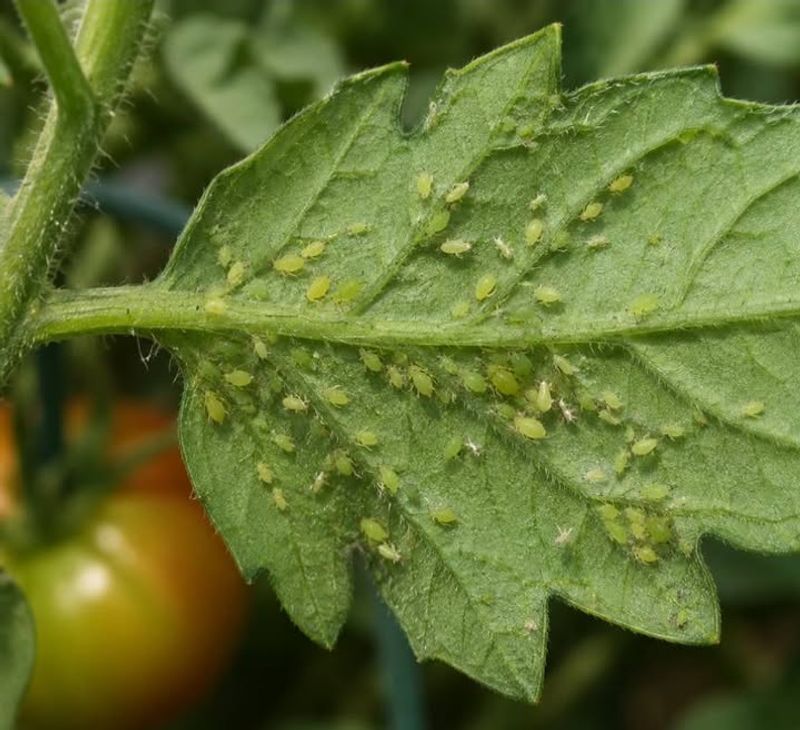
Aphids might be tiny, but they cause big problems when left unchecked. These soft, pear-shaped insects cluster on new growth, flower buds, and the undersides of leaves, using their piercing mouthparts to suck out plant sap.
In July, warm Michigan temperatures allow aphid populations to explode within just a few days.
One of the most telling signs of an aphid infestation is a sticky residue called honeydew left behind on leaves and stems.
This sugary substance attracts ants and encourages a black fungal growth called sooty mold, which further weakens the plant by blocking sunlight from reaching the leaf surface.
Aphids also transmit plant viruses as they feed, moving from one plant to the next across your garden. Checking the undersides of leaves regularly, especially on tomatoes, peppers, and roses, helps you catch colonies before they spread.
A strong blast of water from your garden hose can knock large numbers off plants quickly and effectively.
Encouraging natural predators is one of the smartest long-term strategies you can use. Ladybugs, lacewings, and parasitic wasps all feed on aphids and will naturally keep populations in balance if you avoid broad-spectrum pesticides.
For a quick organic fix, neem oil or insecticidal soap sprayed directly on colonies every few days works well without harming your garden’s beneficial insect community. Consistency is what makes the difference here.
5. Spider Mites
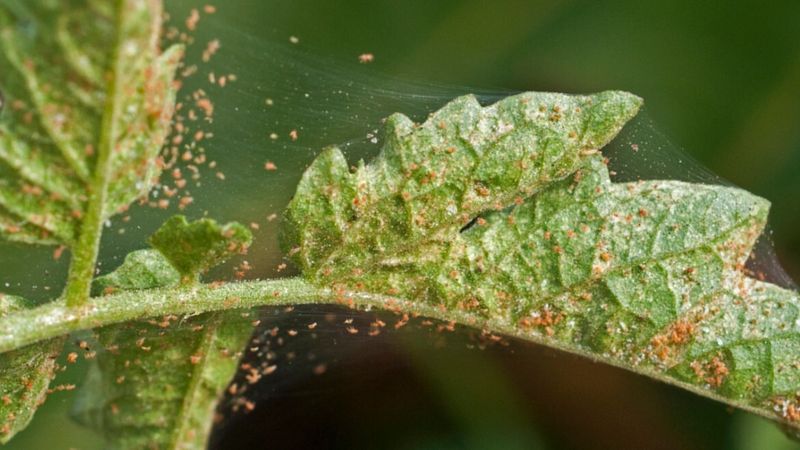
Hot, dry July weather in Michigan creates perfect conditions for spider mites, and they take full advantage of it.
These near-microscopic pests belong to the arachnid family, not the insect family, which means many standard insecticides simply do not work on them.
They thrive when plants are heat-stressed and under-watered, making summer gardens especially vulnerable.
The first signs of spider mite activity are easy to miss. Look for a faint stippling or bronzing on leaf surfaces, almost like someone flicked tiny dots of bleach across the foliage.
As populations grow, fine silk webbing appears on the undersides of leaves and between stems. Shake a suspicious leaf over a white piece of paper and look for tiny moving specks to confirm their presence.
Regular, deep watering is one of the most powerful preventive tools you have. Spider mites hate humidity, so keeping soil consistently moist and misting foliage during dry spells creates an environment they find uncomfortable.
Avoid over-fertilizing with nitrogen, which creates the soft, lush growth that mites love most.
Insecticidal soap and neem oil sprays applied directly to the undersides of leaves disrupt mite feeding and reproduction effectively.
Introducing predatory mites like Phytoseiulus persimilis into your garden is a highly effective biological control option, especially in greenhouse settings.
Repeat applications every five to seven days during peak July heat keep populations from rebounding between treatments.
6. Tomato Hornworms
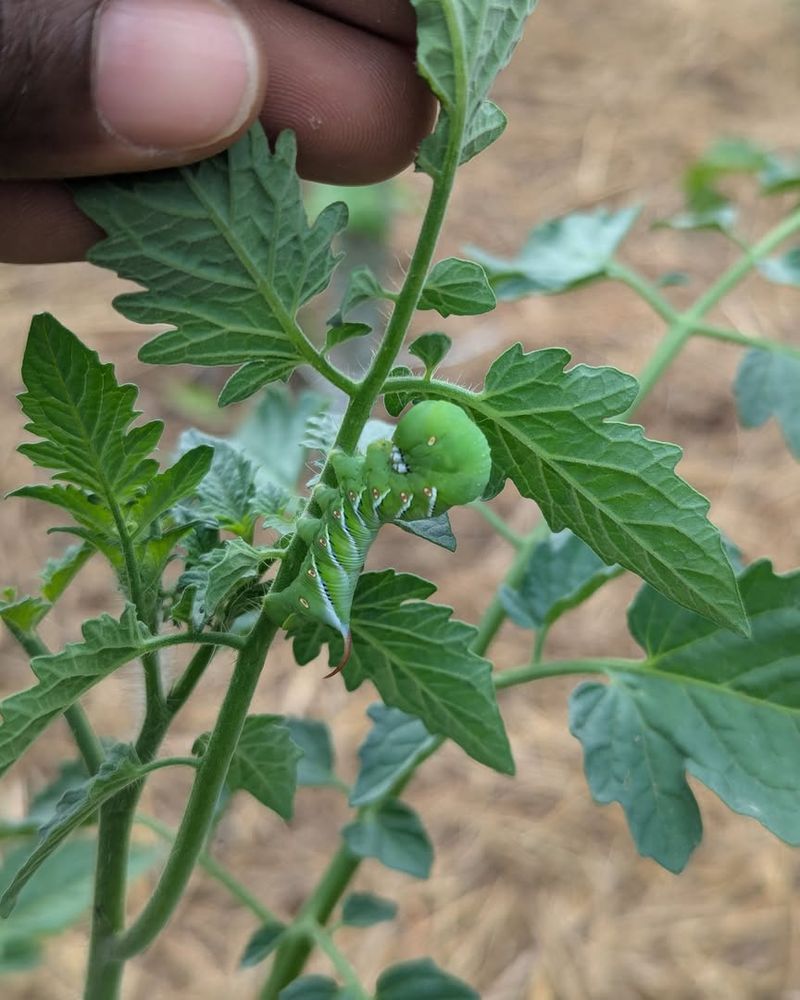
Tomato hornworms are genuinely impressive in size, and that is part of what makes them so surprising when you finally spot one.
These bright green caterpillars can grow up to four inches long, blending almost perfectly into tomato and pepper foliage with their striped green bodies.
By mid-July in Michigan, they are actively feeding around the clock, stripping entire branches bare in just a few days.
Spotting them early takes patience and a sharp eye. Look for large, dark green droppings on leaves and soil beneath your tomato plants as your first clue.
Follow the trail upward and you will usually find the hornworm clinging to a stem or tucked against a leaf cluster, motionless and well-camouflaged.
Handpicking works extremely well for this pest since hornworms are large enough to grab easily. Drop them into a bucket of soapy water or relocate them far from your garden.
Checking plants every two to three days during July keeps populations from building up before you notice the damage.
Parasitic wasps are natural allies in the fight against hornworms. If you spot a hornworm covered in small white rice-like cocoons attached to its back, leave it alone.
Those are braconid wasp pupae, and they will hatch into more wasps that go on to attack other hornworms throughout your garden. Planting dill, basil, and marigolds nearby also helps attract these helpful insects naturally.
7. Leaf Miners
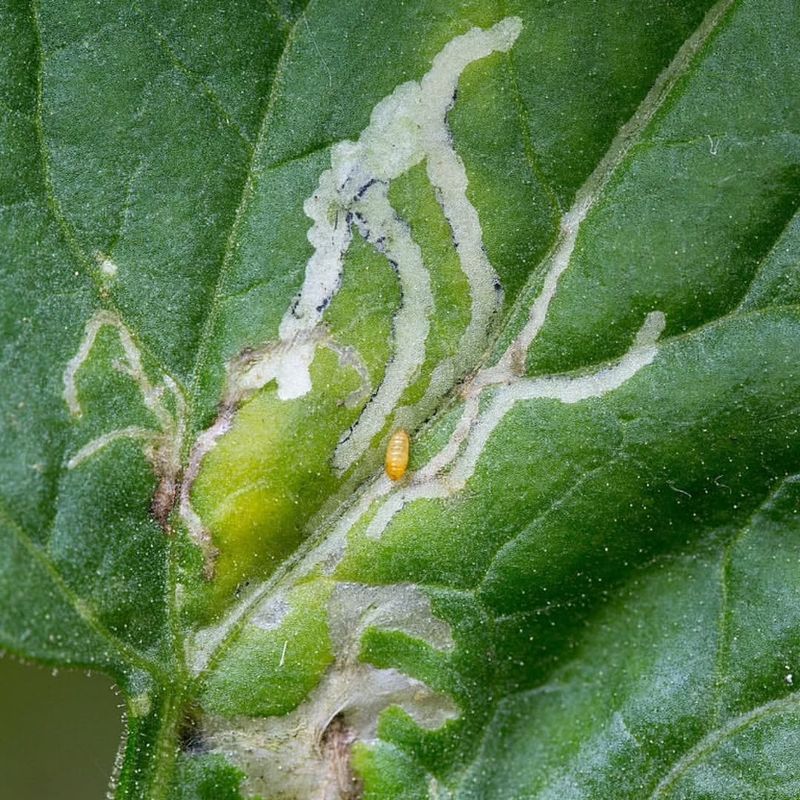
Leaf miners leave behind one of the most recognizable calling cards in the garden world. Those pale, winding trails etched through the surface of leaves are actually tunnels created by tiny larvae feeding between the upper and lower layers of leaf tissue.
In Michigan, July brings a surge in leaf miner activity across spinach, Swiss chard, tomatoes, and ornamental plants.
The adult leaf miner is a small fly that lays eggs directly inside leaf tissue. Once the eggs hatch, larvae begin tunneling immediately, feeding as they go.
The damage weakens the plant by reducing its ability to photosynthesize, and heavy infestations can cause leaves to yellow and drop prematurely, setting back plant growth significantly.
Removing affected leaves as soon as you spot trails is one of the most effective ways to break the cycle. Seal removed leaves in a bag before throwing them away to prevent larvae from completing their development in your compost pile.
Checking plants every few days during July helps you stay ahead of new egg batches before they hatch.
Row covers placed over vulnerable crops early in the season prevent adult flies from reaching plants to lay eggs. Yellow sticky traps hung near susceptible plants help monitor adult fly populations and reduce their numbers over time.
Neem oil applied as a preventive spray makes leaves less attractive for egg-laying and can disrupt larval development when applied consistently throughout the summer season.
8. Slugs And Snails
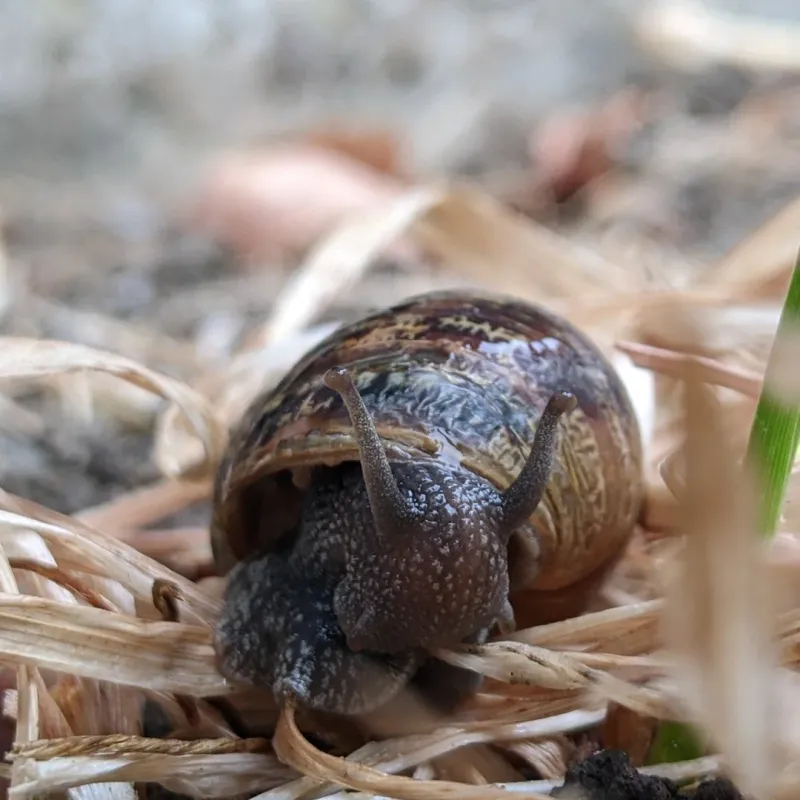
Slugs and snails are classic summer nuisances, and Michigan gardeners know them well. These soft-bodied creatures prefer cool, moist conditions, which makes July evenings and rainy periods especially active times for them.
They feed primarily at night, targeting tender seedlings, lettuce, hostas, and strawberries, leaving behind ragged holes and glistening slime trails as their unmistakable signature.
Heading out to the garden after dark with a flashlight is one of the fastest ways to confirm a slug problem. You will often find them right on the foliage they are feeding on, or hiding just beneath the soil surface near the base of damaged plants.
Handpicking during these nighttime checks and dropping them into soapy water is simple and surprisingly satisfying.
Reducing moisture around vulnerable plants makes your garden much less welcoming to slugs and snails. Water in the morning rather than the evening so soil surfaces dry out before nightfall.
Remove boards, rocks, and dense mulch layers near seedlings since these provide ideal daytime hiding spots for large slug populations.
Copper tape placed around raised garden beds creates a mild electrical barrier that slugs and snails avoid crossing. Diatomaceous earth sprinkled around plant bases acts as a physical deterrent, though it needs reapplication after rain.
Iron phosphate-based slug baits are an effective and pet-safe option that works well when scattered around affected areas during July without posing risks to birds, beneficial insects, or other garden wildlife.
9. Whiteflies
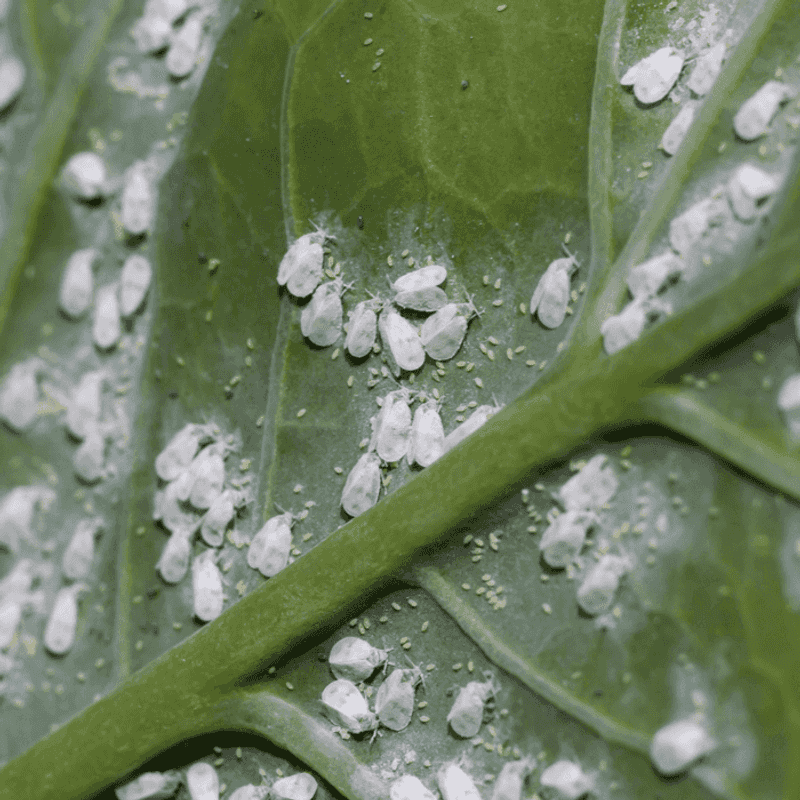
Shake a tomato or pepper plant in July and watch what happens. If a cloud of tiny white insects rises up from the leaves, you are dealing with whiteflies, and they are already well-established.
These small, moth-like pests cluster on the undersides of leaves in large numbers, sucking out plant sap and excreting sticky honeydew that promotes sooty mold growth just like aphids do.
Whiteflies reproduce rapidly in warm weather, completing a full generation in as little as three weeks during Michigan summers.
A single female can lay up to 400 eggs in her lifetime, which means a small infestation can turn into a massive one with startling speed.
Greenhouse plants brought outdoors for summer are a common entry point for whitefly populations into home gardens.
Yellow sticky traps hung at plant height are one of the most effective monitoring and control tools available for whiteflies. They attract adults with their color and trap them before they can continue laying eggs.
Checking and replacing traps regularly gives you a clear picture of whether populations are rising or falling over time.
Natural predators like Encarsia formosa, a parasitic wasp, and silverleaf whitefly predators provide excellent biological control, especially in greenhouse settings.
Neem oil and insecticidal soap sprays applied to the undersides of leaves every five days during peak July activity disrupt the whitefly life cycle effectively.
Removing heavily infested leaves before spraying also helps reduce overall population pressure on your plants considerably.