What Drooping Cilantro Leaves In Your North Carolina Garden Are Really Telling You
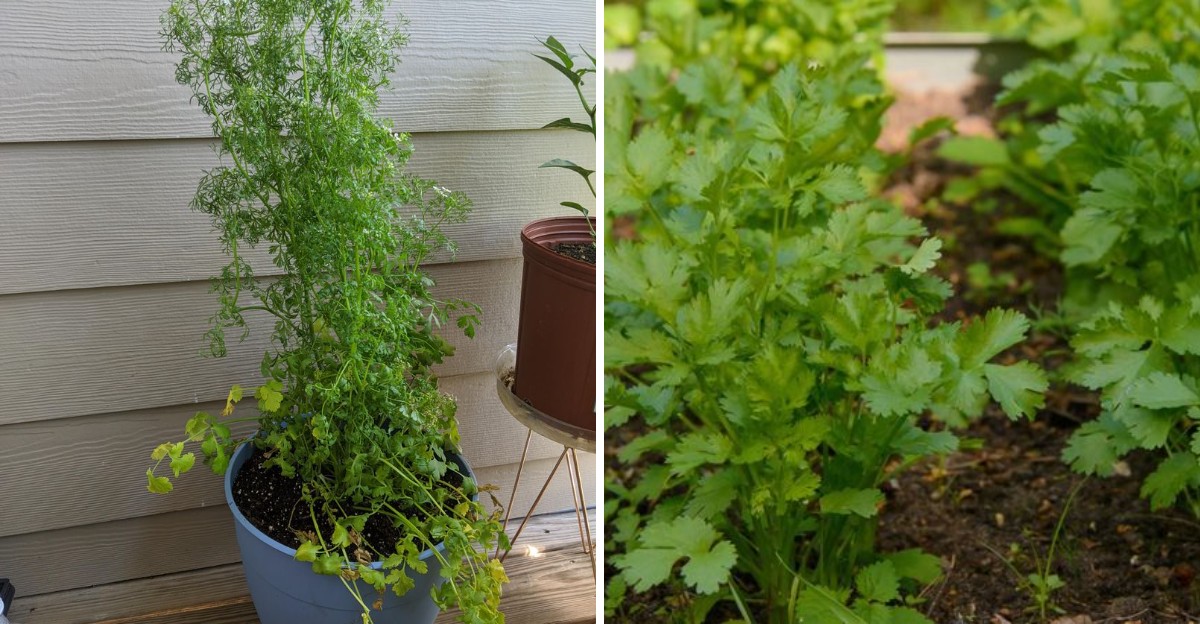
You tucked a few cilantro transplants into the garden in late August, picturing fresh salsa by September without much thought given to the calendar.
Within a week the leaves went limp and sad-looking, even though you watered every single morning without fail.
That droop is not a scolding about your watering can. It is a plant telling you the weather is wrong for it entirely.
Most gardeners respond by watering more, assuming thirst explains the problem when something else is actually going on underground.
Understanding what cilantro is actually asking for can save you a lot of frustration and point you toward a planting date that finally works.
1. Heat Stress Is The Usual Cause
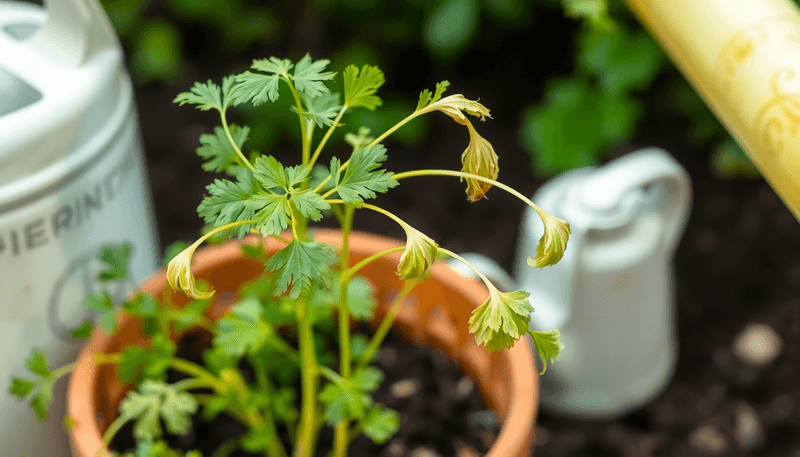
Nine times out of ten, that limp cilantro is reacting to temperature, not thirst. Gardeners across the Piedmont and coastal plain report the same thing every summer without fail, describing the exact same sequence of events.
They water faithfully, the soil feels damp two inches down, and the plant still flops by early afternoon regardless of the effort put in that morning.
Here is what is happening inside the plant during this stretch of heat. When air temperatures climb into the upper 80s and 90s, cilantro loses water through its leaves faster than its shallow roots can pull it back from the soil.
The leaves go soft as a defense move, reducing the surface area exposed to sun during the hottest hours of the day when damage would otherwise be worse.
NC State Extension lists cilantro squarely among the cool-season herbs, which means summer heat is a stress the plant was never built to handle well, no matter how attentive the gardener.
Adding more water to already moist soil does not fix a temperature problem at all, and it can actually invite root rot in our humid conditions, turning one problem into two.
A quick test helps sort this out reliably. Push your finger two inches into the soil in the morning before the heat builds up for the day. If it feels cool and damp and the plant still wilted the previous afternoon, heat is your answer.
Watch the recovery pattern too for confirmation of the diagnosis. Heat-stressed cilantro often perks back up after sunset and looks fine at dawn, then collapses again by two in the afternoon like clockwork, day after day.
Truly dry plants behave differently and stay droopy overnight regardless of temperature, which gives you a clean way to separate the two causes without guessing.
2. Cilantro Prefers Cool Not Hot Weather
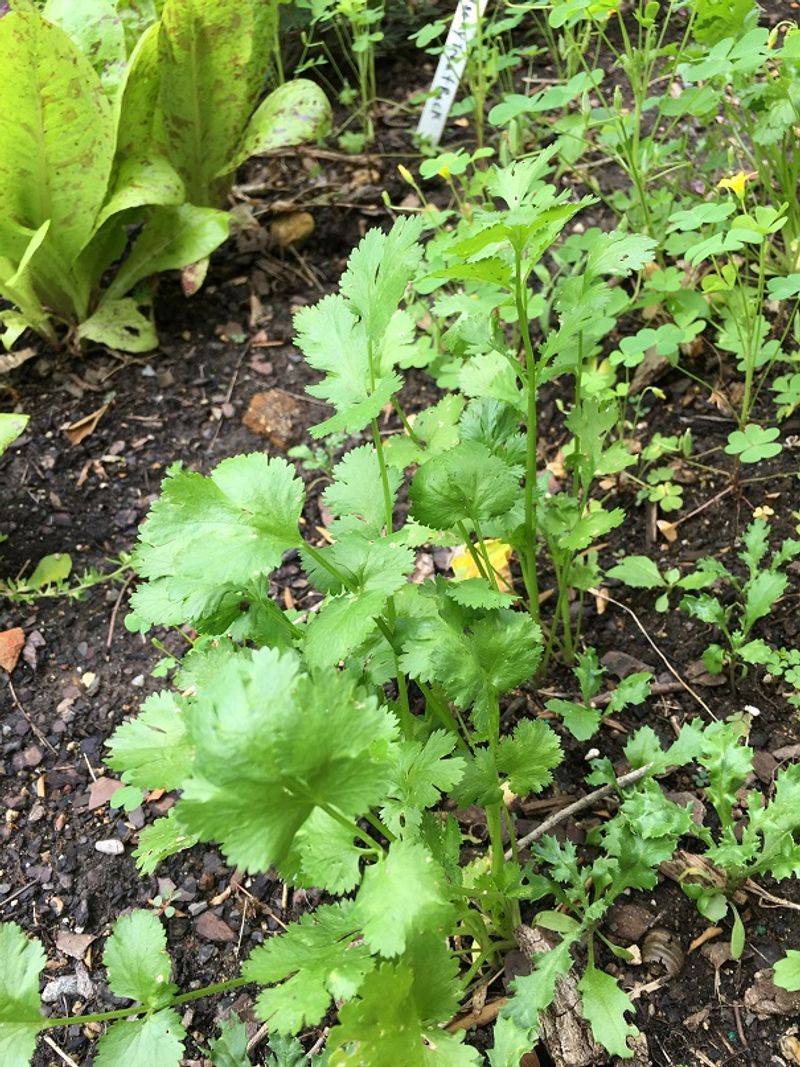
Think of cilantro as a lettuce-minded herb wearing a salsa disguise, since its biology has almost nothing in common with heat-loving summer crops. It belongs to the same general cool-season group as spinach, arugula, and parsley.
It grows best when daytime temperatures sit roughly between 50 and 75 degrees, a range North Carolina summers blow right past without much mercy for weeks at a stretch.
June through early September routinely brings 90-degree afternoons plus overnight lows that stay in the 70s. Those warm nights matter just as much as hot days, since the plant never gets a real chance to recover.
Your North Carolina Garden Changes Every Week. Your Plan Should Too.
Gardening in North Carolina changes quickly throughout the season. Every Friday you’ll receive a simple weekly plan showing exactly what to plant, prune, fertilize, harvest, and protect so you never miss the right timing.
NC State Extension guidance groups cilantro with crops planted in spring and fall, not midsummer, for exactly this reason worth understanding before choosing a planting date.
The irony is hard to miss once you notice it clearly. Cilantro peaks in flavor during the very months when tomatoes and peppers are nowhere near ripe yet, creating an awkward mismatch for anyone craving fresh salsa in July.
Knowing this changes how you plan the whole garden calendar. Instead of treating cilantro as a summer herb that keeps failing, treat it as a cool-season crop that happens to pair with foods harvested later on in the season.
Many North Carolina cooks simply freeze chopped cilantro from their spring harvest or make cilantro cubes in ice trays to bridge that gap between harvests.
Accepting the plant’s nature beats arguing with it season after season, wasting seed and effort on a fight that heat always wins eventually. Once you stop expecting July performance, cilantro becomes one of the easiest herbs in the whole garden to grow well.
3. Bolting Often Follows Right Behind Drooping
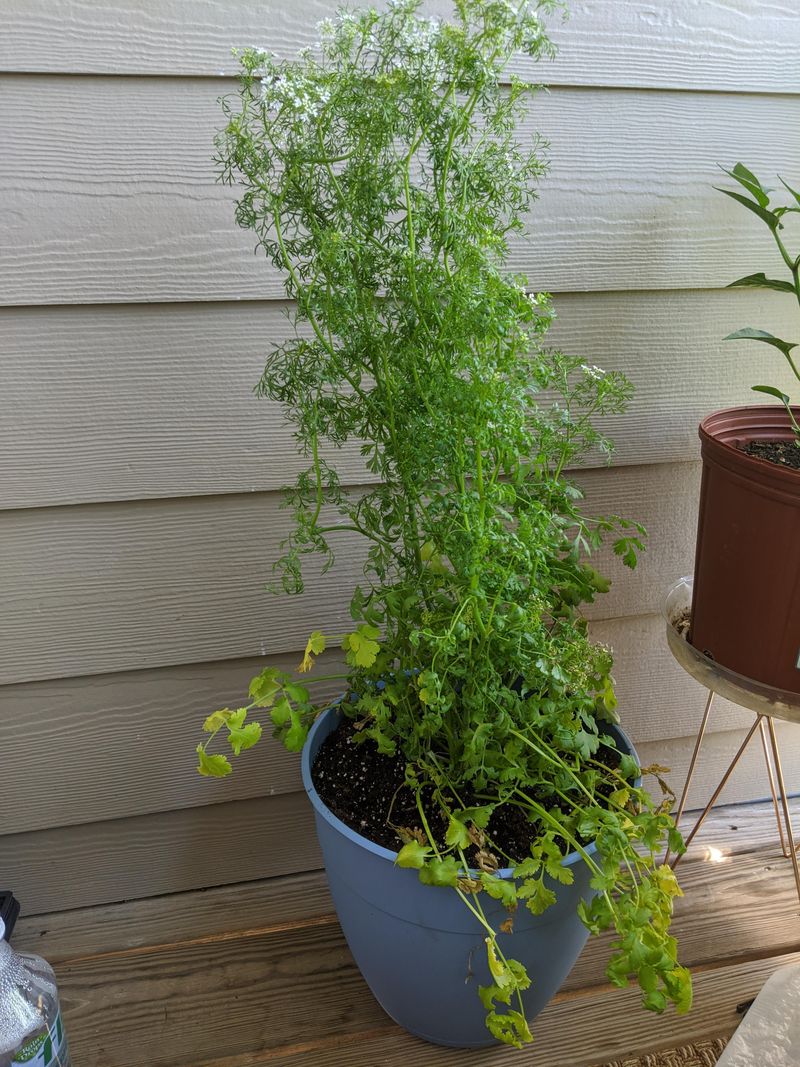
Give a heat-stressed cilantro plant another week or two, and you will likely see a tall stalk shoot up from the center of the plant. That is bolting, and it usually arrives right on the heels of the drooping already covered above.
The plant is not being difficult on purpose or punishing you for a mistake. Cilantro is an annual with one biological goal, which is producing seed before conditions turn harsh for the whole plant.
Heat signals urgency to the plant’s internal clock, so it redirects energy away from leaf production and into flowering as fast as possible, abandoning the leafy growth gardeners actually want.
You can spot the early warning signs if you know what to look for on the plant itself. Leaves near the top change shape, going from the broad, scalloped form you want for cooking to thin, feathery, almost dill-like fronds.
Flavor turns sharp and soapy at that point in the process, no longer suited for fresh salsa the way you had hoped when you planted it.
Pinching off flower stalks buys a few days, maybe a week at most, but it does not reverse the decision once the plant has made it internally.
There is a consolation prize worth taking here though, softening the disappointment somewhat. Let the flowers finish, and you get coriander seed, the spice, plus small white blooms that attract beneficial insects like hoverflies to your garden.
Some seed catalogs list slow-bolt varieties such as Santo or Calypso, bred specifically to delay this response. These hold slightly longer than standard varieties, though heat will still win eventually in a North Carolina July no matter what you plant.
4. Inconsistent Watering Adds To The Stress
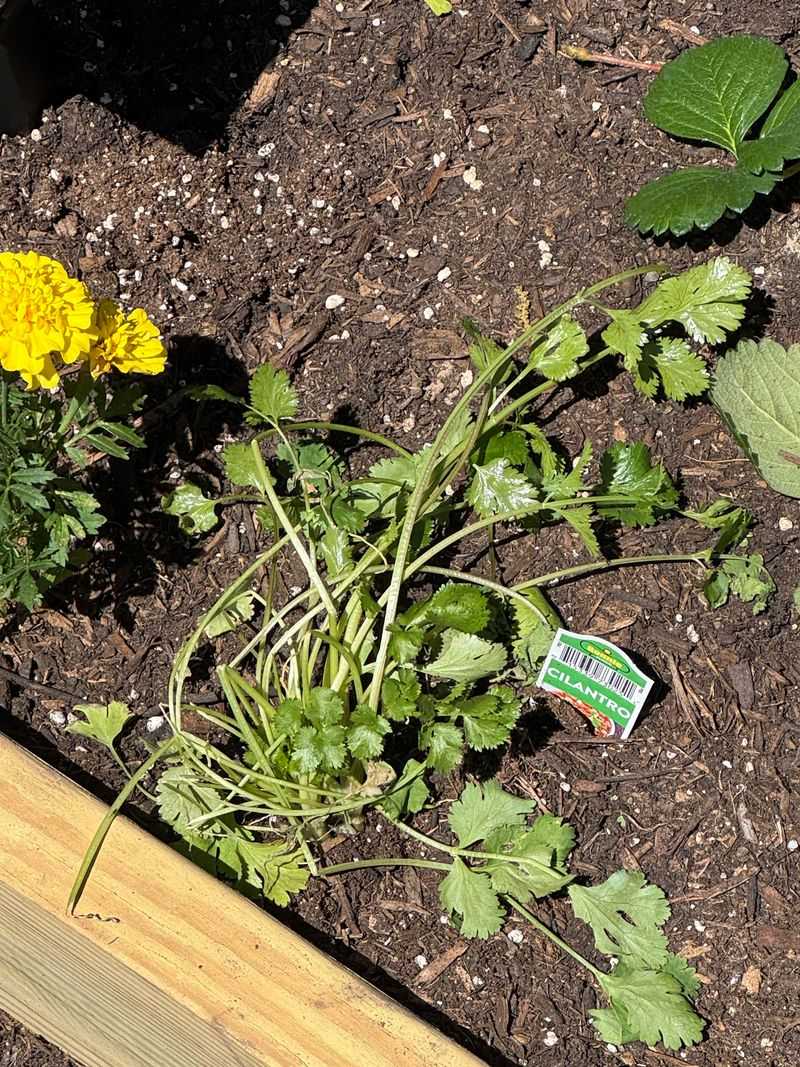
Heat may be the main villain here, but swinging soil moisture is the sidekick that makes everything worse for an already struggling plant fighting the temperature.
Cilantro roots run shallow, often in the top four to six inches of soil, which happens to be the exact zone that dries out fastest during a Carolina heat wave.
Picture the cycle playing out over and over across a typical summer week. Soil bakes dry by afternoon, you soak it in the evening out of concern, it dries again the next day, and the plant rides that roller coaster until it gives up.
Steady moisture will not make cilantro heatproof entirely, though it does slow the decline considerably compared to the alternating wet-dry pattern most gardens fall into.
Aim for soil that stays evenly damp, similar to a wrung-out sponge, rather than alternating between soggy and bone dry constantly throughout the week.
Mulch does the heavy lifting here in most home gardens. Two inches of straw, shredded leaves, or fine pine bark keeps soil temperature down and moisture more even throughout the hottest part of the day.
Container growers face the toughest version of this problem by far, since pots offer so little buffer against heat. A six-inch pot on a sunny deck can dry completely in a single hot afternoon, and dark plastic pots cook the roots directly.
Morning watering works better than evening in our humid climate because leaves dry before nightfall, reducing fungal trouble that thrives in damp overnight conditions.
5. Afternoon Shade Can Buy You Time
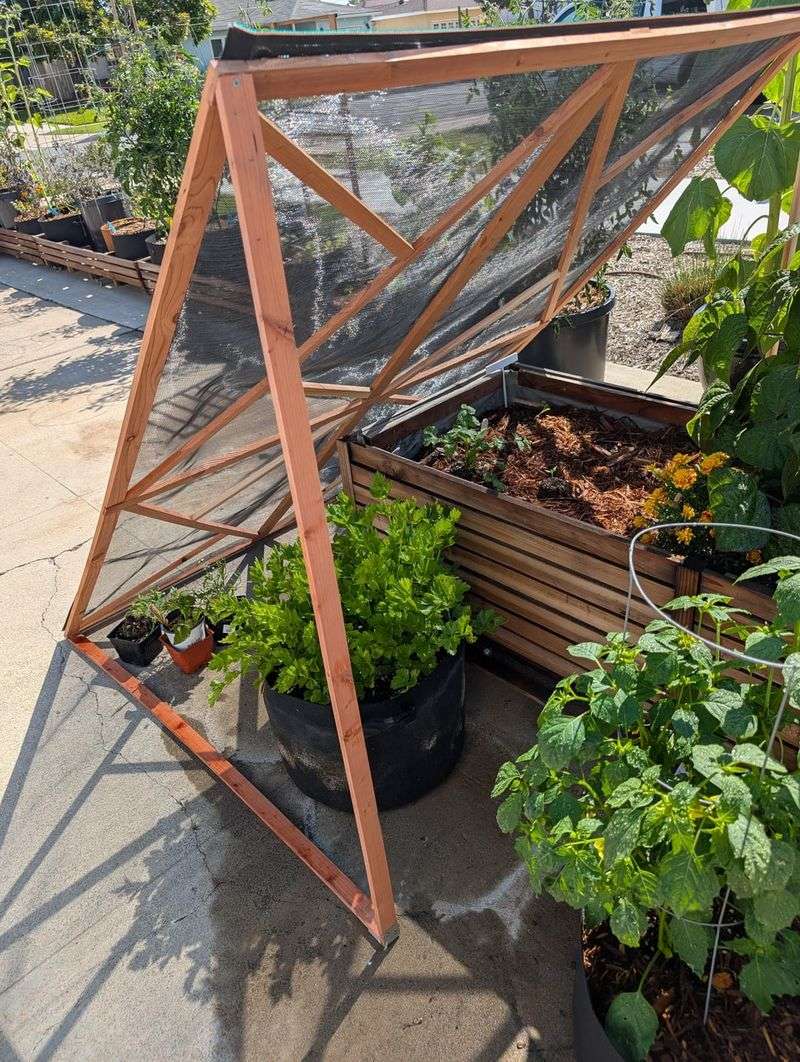
Shade will not turn July into October, but it can stretch a struggling planting by a couple of weeks with the right setup and a little planning ahead.
In North Carolina, the brutal stretch runs from roughly noon to six in the evening, when sun and heat stack up together against any tender plant trying to survive.
Position matters more than people expect when placing cilantro in the garden. Planted on the east side of a fence, tall tomato row, or trellised beans gets morning light and afternoon relief without any extra equipment needed.
Shade cloth rated around 30 to 40 percent works well over raised beds for this purpose. Anything denser tends to make plants stretchy and weak, which defeats the whole point of providing shade.
Movable containers give you the most control over the situation throughout a hot week. Slide the pot onto a shaded porch at midday and back into morning sun the next day for the best of both conditions.
Be honest about what shade accomplishes though, since it has real limits worth acknowledging upfront. It slows leaf loss and delays bolting a little, but it will not deliver the lush, bushy growth you get in spring or fall.
One practical bonus worth mentioning here for anyone trying this approach. Shaded cilantro tends to keep better flavor a bit longer because the leaves stay broader and less bitter than sun-stressed plants.
6. Fall Planting Solves Most Of The Problem
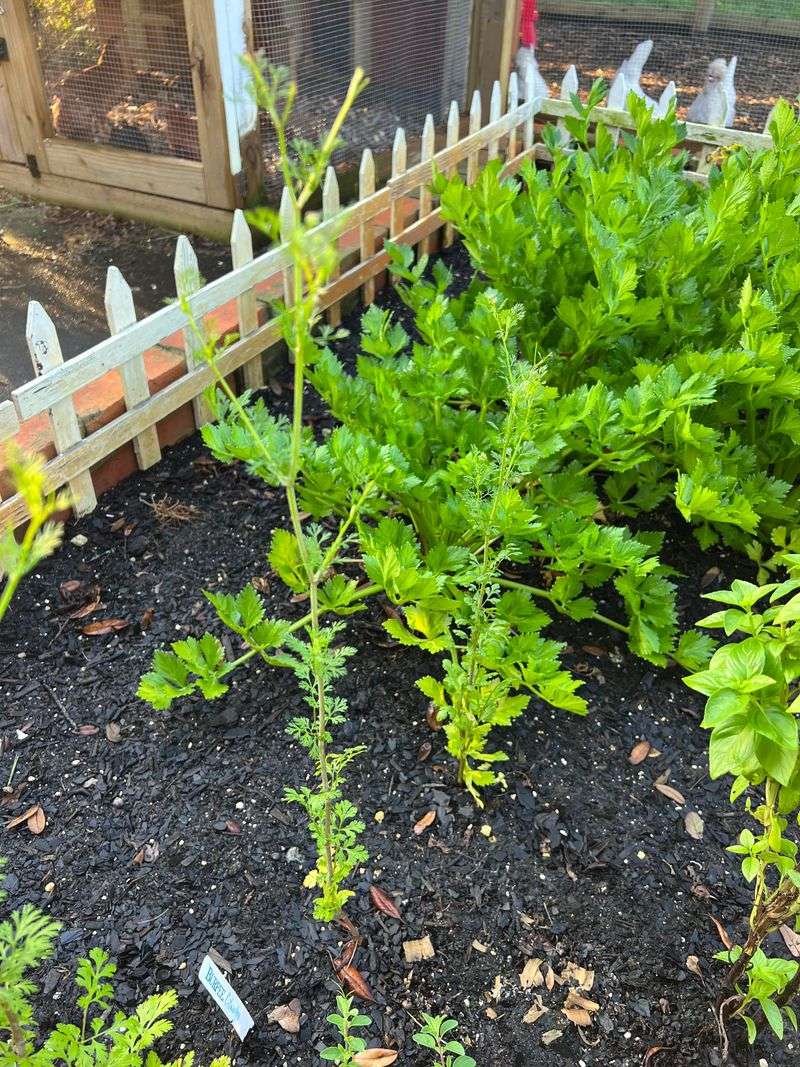
Here is the fix most North Carolina gardeners wish someone had told them years earlier, saving whole seasons of frustration. Stop planting cilantro in summer and start planting it in fall instead.
Sow seed once the worst heat breaks, generally from early September into October depending on where you live in the state, with regional variation worth noting.
Fall-planted cilantro grows into cooling weather rather than worsening heat, so the plant never receives the panic signal that triggers bolting early in its life cycle.
Leaves stay broad, stems stay sturdy, and flavor stays bright throughout the whole harvest window when planted at the right time of year.
Cold tolerance is the pleasant surprise most gardeners never expect from what looks like a delicate herb. Established cilantro shrugs off light frost and often keeps producing into December across much of the state.
Plenty of Piedmont gardeners report plants surviving the whole winter under simple protection and resuming growth in February, then bolting naturally in April when spring warmth returns.
Direct seeding usually beats transplants because cilantro has a taproot that dislikes disturbance during the moving process, often stalling growth for weeks afterward.
NC State Extension recommends fall as a prime cilantro window for exactly these reasons, backed by years of regional trial data worth trusting.
7. Second Plantings Beat Fighting The Heat
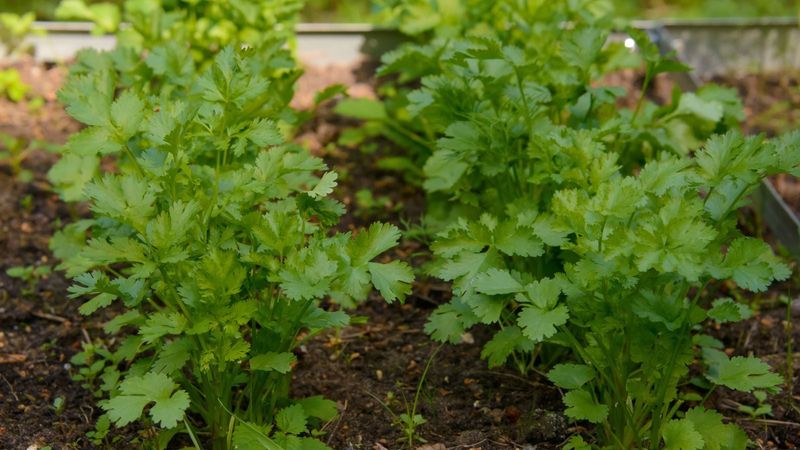
Succession planting is the quiet trick that separates gardeners who always have cilantro from gardeners who always complain about it failing every single summer.
Instead of one big sowing, you scatter small batches every two to three weeks throughout the cool stretches of the year, keeping a steady supply coming.
Run that schedule through the cool months specifically for the best results. In North Carolina that means roughly late February through April in spring, then September through late October in fall.
Each small planting matures while the previous one starts fading, so your kitchen never goes empty of fresh cilantro entirely across the whole season.
When summer arrives, let cilantro go without a fight or wasted effort. Trying to nurse a wilting July planting along costs water, bed space, and patience for very little reward at the end.
Fill that gap with a substitute that actually enjoys the heat instead of fighting it. Culantro, sometimes called recao or Mexican coriander, thrives in warm humid conditions and carries a remarkably similar flavor profile.
Save seed from your bolted plants too when the season naturally ends. Coriander seed stores well and germinates readily, making next season’s succession plantings essentially free of any additional cost.