The One Thing To Do With Your Florida Roses In July To Keep Them Blooming
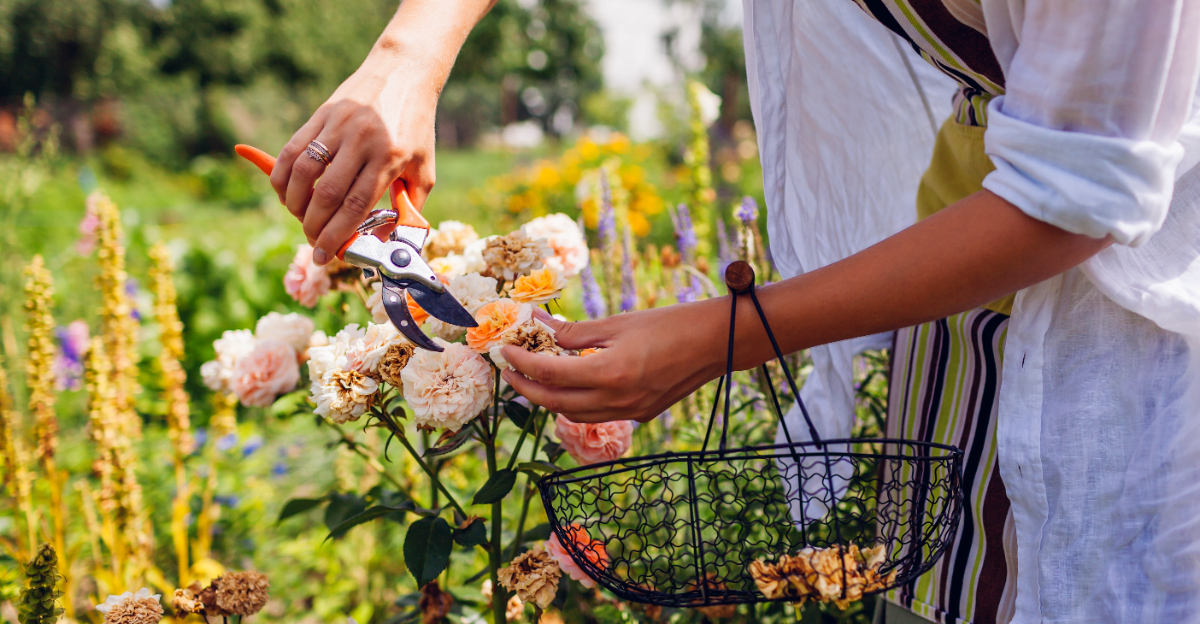
Florida roses in July look like they are managing summer on their own terms. Color still coming, foliage holding, nothing obviously wrong.
That picture is what makes the one thing roses actually need this month so easy to skip. July is the month Florida roses make decisions about how long they keep performing.
Left alone, most make the conservative choice. Energy pulls back, bloom frequency drops, and the gardener spends August watching a plant that had more to give and did not get the nudge it needed.
One targeted task changes that trajectory. It takes minutes, it costs nothing, and the response from the plant is visible within days rather than weeks.
Most rose advice focuses on spring planting and winter pruning. July sits in the gap between those two conversations, under-discussed and consistently overlooked by gardeners who did not know it mattered this much.
It does. Right now more than any other month.
1. Prune Faded Blooms Before Energy Shifts
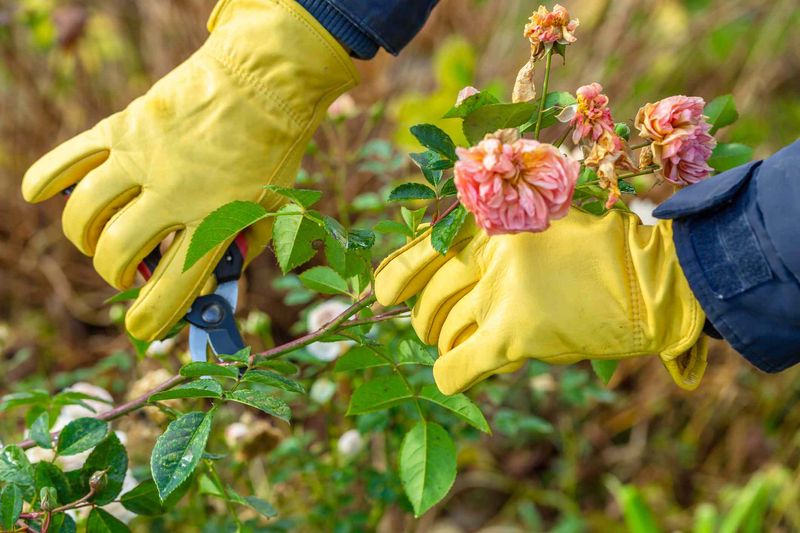
Picture a bloom that was brilliant last week but now hangs limp, petals browning at the edges, stem soft and tired. That moment is exactly when action helps most.
On repeat-blooming roses, a spent flower left in place can signal the plant to shift resources toward forming a hip instead of pushing new buds.
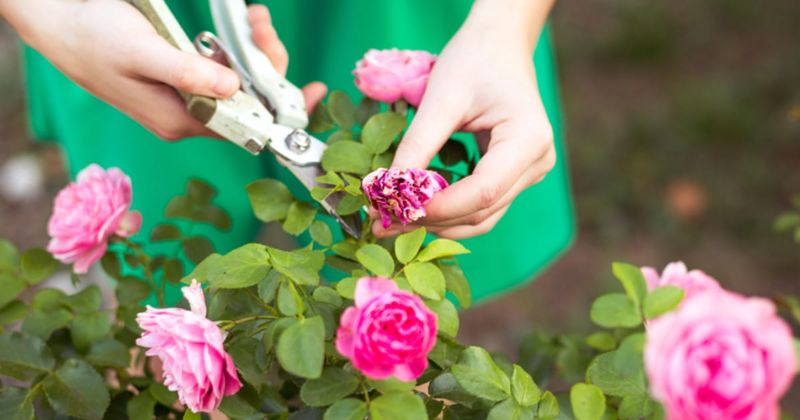
Pruning faded blooms is the one main July task because it redirects that energy. You are not cutting the rose back hard.
You are making a small, deliberate cut to remove what the plant no longer needs. The goal is to keep the flush cycle moving without stressing the plant during peak heat.
Not every rose responds the same way. Some repeat bloomers cycle quickly, while others take longer between flushes.
Rose type, plant health, sunlight, water, and drainage all play a role. Pruning faded blooms supports the process, but it does not guarantee nonstop flowers.
Think of it as giving your rose a clear signal that the work is not finished yet. Check plants every few days so spent blooms do not linger too long in the summer heat and rain.
2. Cut Above A Strong Leaf Set
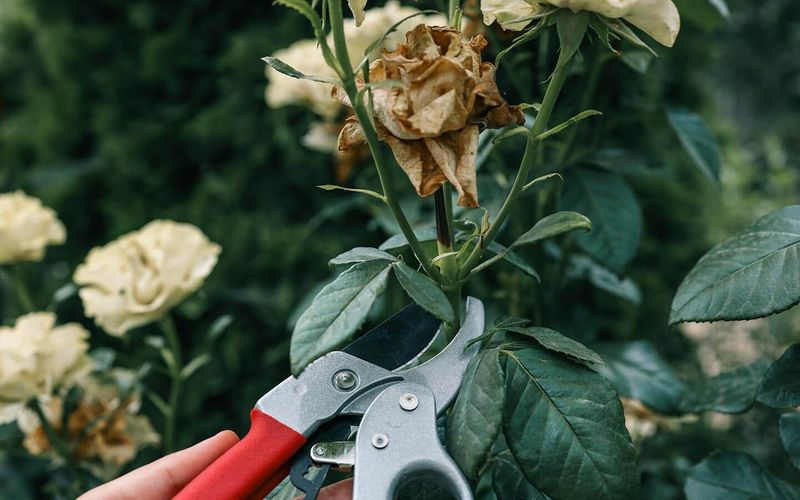
Knowing where to make the cut matters just as much as knowing when. For repeat-blooming roses, UF/IFAS and experienced rose growers often suggest cutting just above a healthy outward-facing leaf set with five or seven leaflets.
That leaf axil is where the next bud has the best chance to form and grow outward rather than crowding the center of the plant.
Weak stems call for a lighter approach. If the stem below the spent bloom feels thin or soft, make a minimal cut just above the nearest healthy leaf rather than reaching far down the cane.
Strong, firm stems can handle a slightly lower cut when needed to shape the plant or remove a damaged tip.
Always use clean, sharp bypass pruners. Dull blades crush stem tissue instead of cutting cleanly, which slows recovery and can invite problems.
Wipe blades with a clean cloth between plants if disease is present in the bed. Cut at a slight angle so water does not pool on the exposed surface.
Your Florida Garden Changes Every Week. Your Plan Should Too.
Gardening in Florida changes quickly throughout the season. Every Friday you’ll receive a simple weekly plan showing exactly what to plant, prune, fertilize, harvest, and protect so you never miss the right timing.
One careful cut above a solid leaf set is a small action with a meaningful payoff for roses trying to bloom through a Florida July.
3. Skip Hard Pruning In July Heat
A slowdown in blooms can feel like a reason to grab the pruners and cut everything back. That instinct makes sense, but July is not the right time for a major pruning session.
Removing large amounts of healthy foliage during peak heat strips the plant of the leaves it needs. Those leaves help manage temperature, produce energy, and protect tender stems from sun exposure.
Hard pruning in summer can set a rose back significantly. Bare stems exposed to intense heat and humidity stress the plant at a time when recovery is slower.
UF/IFAS guidance supports saving heavy pruning for late winter or early spring, when temperatures are cooler and the plant can bounce back more easily.
Pruning faded blooms is a light, targeted task. Remove spent flowers, trim clearly damaged or diseased tips only when necessary, and leave the rest of the healthy growth alone.
If a cane looks truly damaged or shows signs of disease, removing it is reasonable. Otherwise, resist the urge to cut back hard just because bloom production slowed during a hot week.
Patience and restraint in July protect the plant and set it up for a stronger flush when conditions improve slightly in late summer or fall.
4. Clean Up Fallen Petals And Leaves
After pruning faded blooms, the job is not quite finished. Petals and leaves that fall to the ground around the base of the plant become a problem during the rainy season.
Wet debris sitting on warm soil creates conditions where fungal spores can build up and splash back onto lower leaves during heavy afternoon downpours.
Removing fallen petals and old leaves from the bed after each pruning session is a simple habit that reduces that risk. Bag or discard the material rather than leaving it in a pile near the plant.
If any leaves show signs of black spot or other disease, do not add them to a home compost pile. Only do that if you are certain the pile gets hot enough to break down pathogens safely.
Keeping the area around the base of the plant tidy also makes it easier to spot new problems early. A clean bed lets you see fresh debris, watch for pest activity, and check soil moisture without digging through layers of old material.
Mulch helps retain moisture and reduce splash, but old organic debris left sitting on top of mulch still needs to be removed regularly. A few minutes of cleanup after pruning faded blooms protects the whole plant through the wet summer months.
5. Water Deeply Before Plants Wilt
Stressed, thirsty roses do not respond well to pruning faded blooms. When a plant is already struggling with dry or inconsistent soil moisture, removing even a small amount of growth adds to that burden.
Deep watering before and after pruning sessions gives the plant the best chance to recover and push new growth.
Deep watering means letting moisture reach several inches into the soil rather than just wetting the surface.
Sandy soils common across much of this state drain quickly, so roses may need water more often than Florida gardeners expect, even during the rainy season.
Check soil moisture by pressing a finger two to three inches into the ground near the root zone. If it feels dry at that depth, it is time to water.
Avoid watering overhead when possible. Wet foliage during warm, humid nights encourages fungal problems.
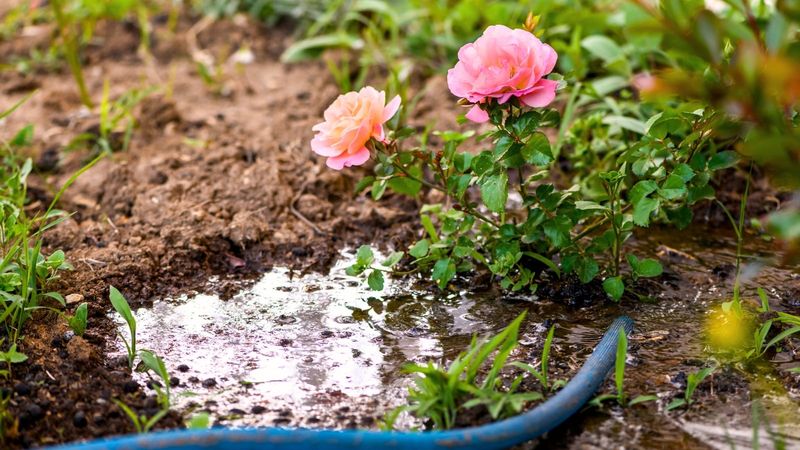
A soaker hose or drip line delivers water directly to the root zone and keeps leaves dry. During weeks with heavy afternoon rain, check drainage to make sure roots are not sitting in soggy soil.
Roses need consistent moisture, but waterlogged roots cause their own set of problems. Balance is the goal: moist but well-drained soil that supports steady growth through a hot July.
6. Feed Lightly Without Forcing Weak Growth
Nutrition matters during the growing season, but July is not the month to push roses hard with fertilizer. Heavy feeding before or during a stretch of tropical storms and afternoon downpours can send nutrients washing away before the plant absorbs them.
Worse, aggressive feeding can force soft, weak new growth that struggles in high humidity and heat.
Light, balanced feeding following label directions or guidance from UF/IFAS extension resources supports steady growth without overloading the plant.
Some Florida gardeners use a slow-release granular fertilizer applied earlier in the season and simply maintain moisture and pruning habits through July without adding more.
Others apply a light liquid feed at reduced rates when the plant shows signs of needing a boost. That may include pale leaves or stalled growth despite good water and pruning habits.
Fertilizer is not a shortcut to more blooms. Pruning faded blooms, consistent moisture, and good drainage do more for bloom production than heavy feeding ever will.
If a storm is forecast within a day or two, hold off on fertilizing until the weather settles. Feeding right before heavy rain mostly feeds the lawn and nearby waterways rather than the rose.
Patience and timing make light feeding a helpful tool rather than a wasted effort in the summer garden.
7. Watch Black Spot After Rainy Weeks
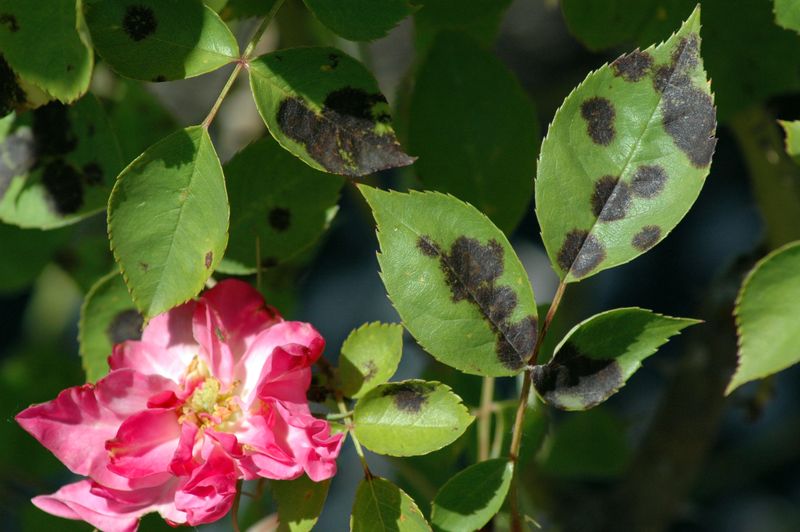
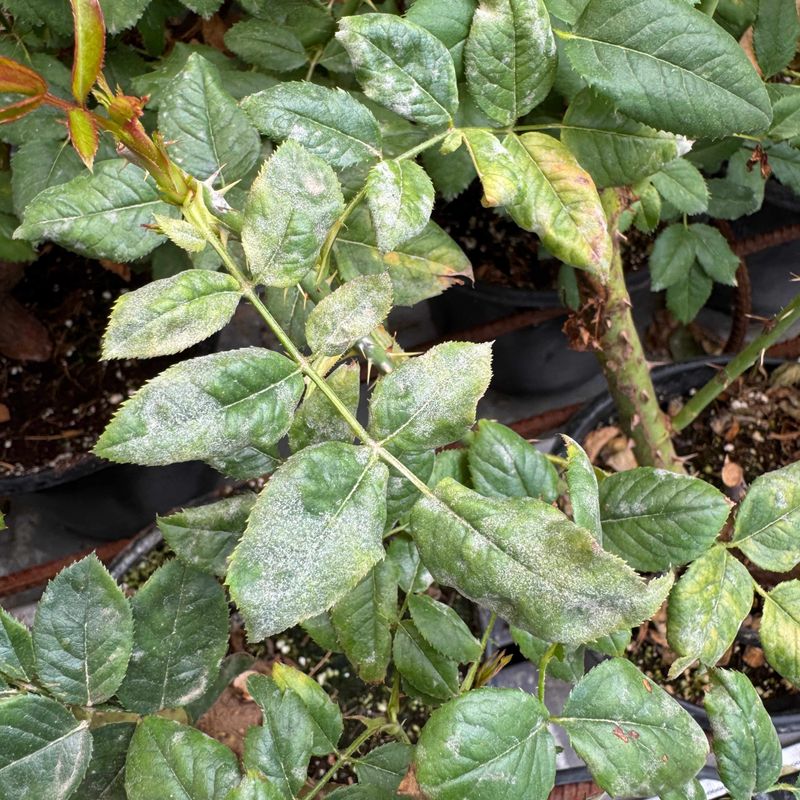
Warm temperatures and repeated afternoon rain create ideal conditions for black spot, one of the most common fungal diseases on roses in humid climates. Black spot appears as dark, roughly circular spots on leaf surfaces, often surrounded by a yellow halo.
Affected leaves tend to drop early, which weakens the plant over time if the problem is not addressed.
Checking leaves regularly after rainy stretches is one of the most useful habits a Florida rose gardener can build in July. Catching early signs of black spot means you can act before the disease spreads across the plant.
Remove and discard affected leaves rather than letting them fall and sit on the soil where spores can continue to spread.
Good airflow around the plant reduces disease pressure significantly. Avoid crowding roses with other plants, and do not let dense growth build up in the center of the bush.
Watering at the soil level rather than overhead keeps foliage drier and less hospitable to fungal growth. If a fungicide becomes necessary, choose a product labeled for black spot on roses and follow all label directions carefully.
A diagnosis first, then a label-guided response, is always safer than reaching for a product without knowing what you are treating.
8. Keep Repeat Bloomers On A Steady Rhythm
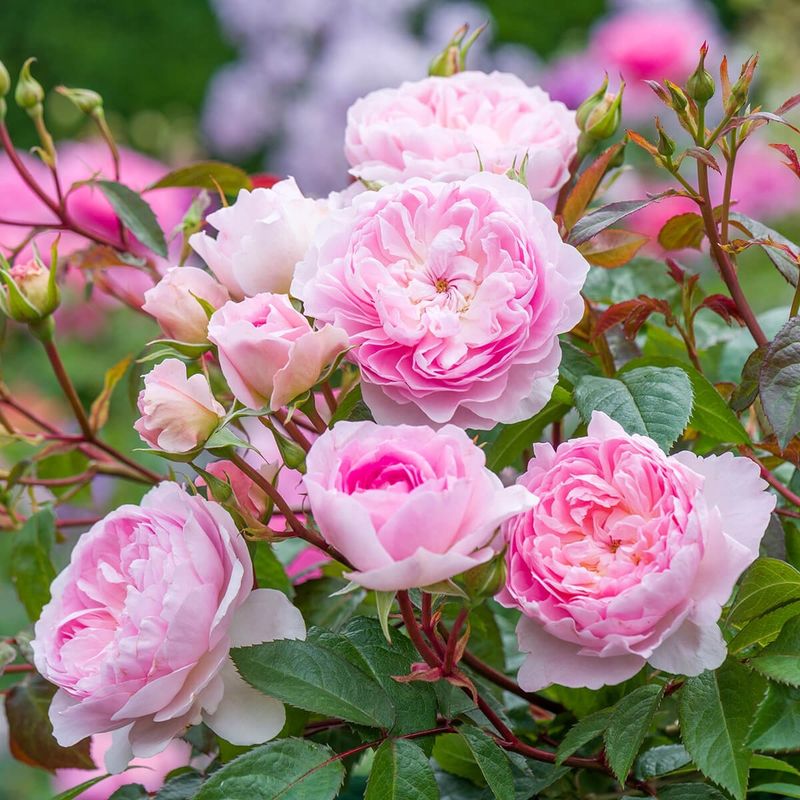
One good pruning session will not carry your roses through the entire month. Repeat bloomers respond best when pruning faded blooms becomes a steady, consistent habit rather than a single event.
Checking plants every few days lets you catch spent blooms early, before the plant shifts energy away from the next flush.
Build a simple July routine around the rose bed. Walk through every two or three days, pruners in hand.
Remove faded blooms, check for fallen debris, look at lower leaves for early disease signs, and press a finger into the soil to check moisture. Those five minutes of attention do more for long-term bloom production than any single dramatic intervention.
Keep in mind that not every rose type blooms on the same schedule. Some repeat bloomers cycle every four to six weeks, while others bloom in waves tied more closely to temperature and day length.
If a plant slows down significantly in peak July heat, that is not necessarily a sign that something is wrong. Continue pruning faded blooms, maintain moisture, avoid heavy cutting, and watch for disease.
The rhythm you build now carries the plant through the hottest weeks. It also positions the rose for a strong fall flush when slightly cooler temperatures return.