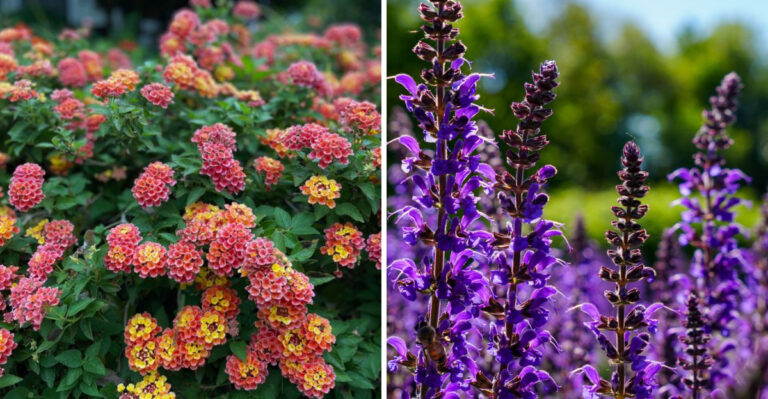
The Pro-Approved Way To Prune Salvias For More Summer Blooms In Colorado
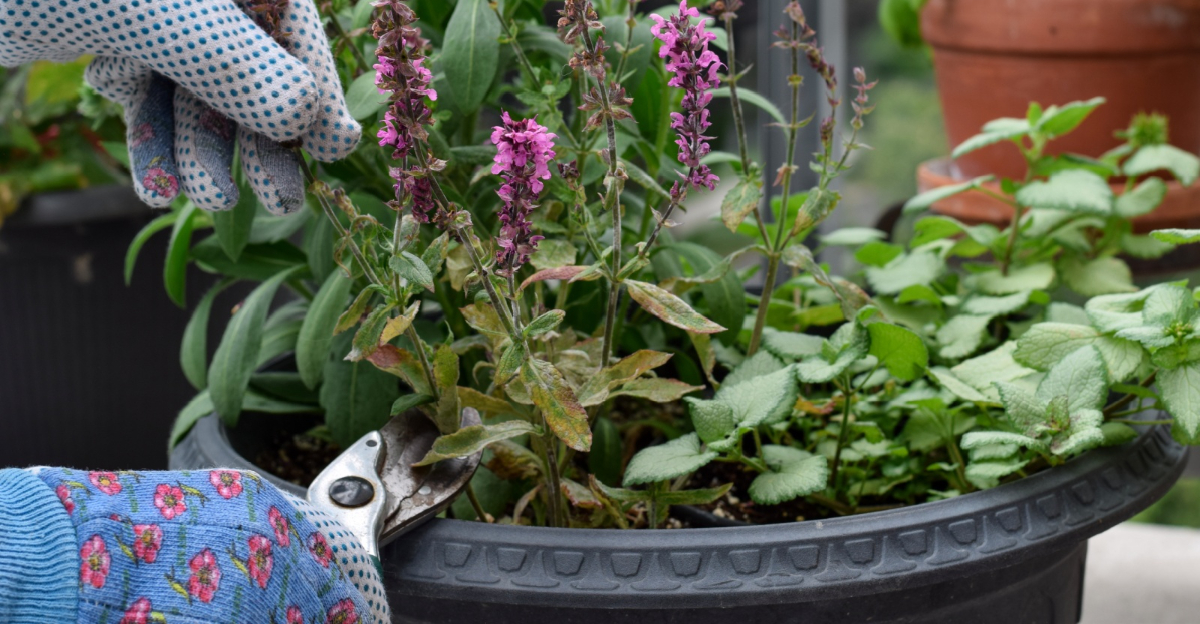
Your salvia spikes dazzled in June, then everything changed overnight. Heat rolled in, and your blooms started slipping without warning. High sun challenges you when pruning lacks any real plan.
Weary stems quietly use energy your plant simply cannot afford. Fading flowers are asking you for a confident cut. Cutting correctly can quickly transform your entire garden within days.
Removing spent spikes quickly guides your salvia toward fresh growth. Timing your cuts matters more than most gardeners ever admit. Thin mountain air always rewards your precision, not guesswork.
Sharp shears will always outperform your uncertain instincts, every time. Waiting turns your once vibrant salvias into leggy shadows quickly.
Confidence with your pruning shears separates thriving gardens from truly struggling ones. Momentum builds the instant you finally make that first cut.
Every snip pushes your plant closer toward a rebloom. What you do next decides whether your salvias thrive or stall.
Why Summer Pruning Boosts Salvia Blooms
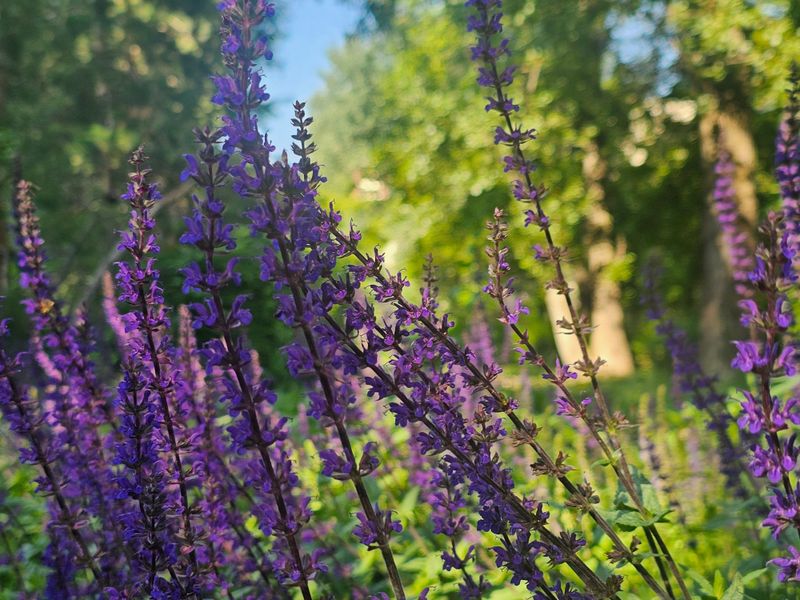
Salvias are natural overachievers, but they need a little coaching to keep performing. Without pruning, spent flower spikes sap energy that could fuel brand-new blooms.
Think of each old flower spike as a drain on the plant’s energy. It pulls nutrients away from the fresh buds waiting to burst open below.
Cutting those old spikes redirects the plant’s focus entirely. The salvia stops trying to form seeds and starts pushing out new growth instead.
Colorado’s sunny summers are actually perfect for this cycle. High-altitude light gives salvias the fuel they need to rebound fast after a trim.
Gardeners who skip pruning often wonder why their plants look patchy and worn by August. The answer is almost always neglected pruning and a lack of strategic cuts.
Pruning also improves airflow around the stems and leaves. Better airflow means fewer fungal problems, which are common issues in humid late-summer conditions.
Each time you prune, you are essentially resetting the plant’s bloom clock. A well-timed cut can trigger a flush of new flowers within a few weeks, depending on the variety and conditions.
The pro-approved way to prune salvias is not about being aggressive. It is about being intentional, consistent, and timing your cuts right for maximum payoff.
When To Trim Spent Blooms For Best Results
Timing is everything when it comes to salvia care. Cut too early and you interrupt a bloom cycle already in progress.
Wait too long and the plant wastes precious energy forming seeds. That seed-setting process slows down your next round of flowers significantly.
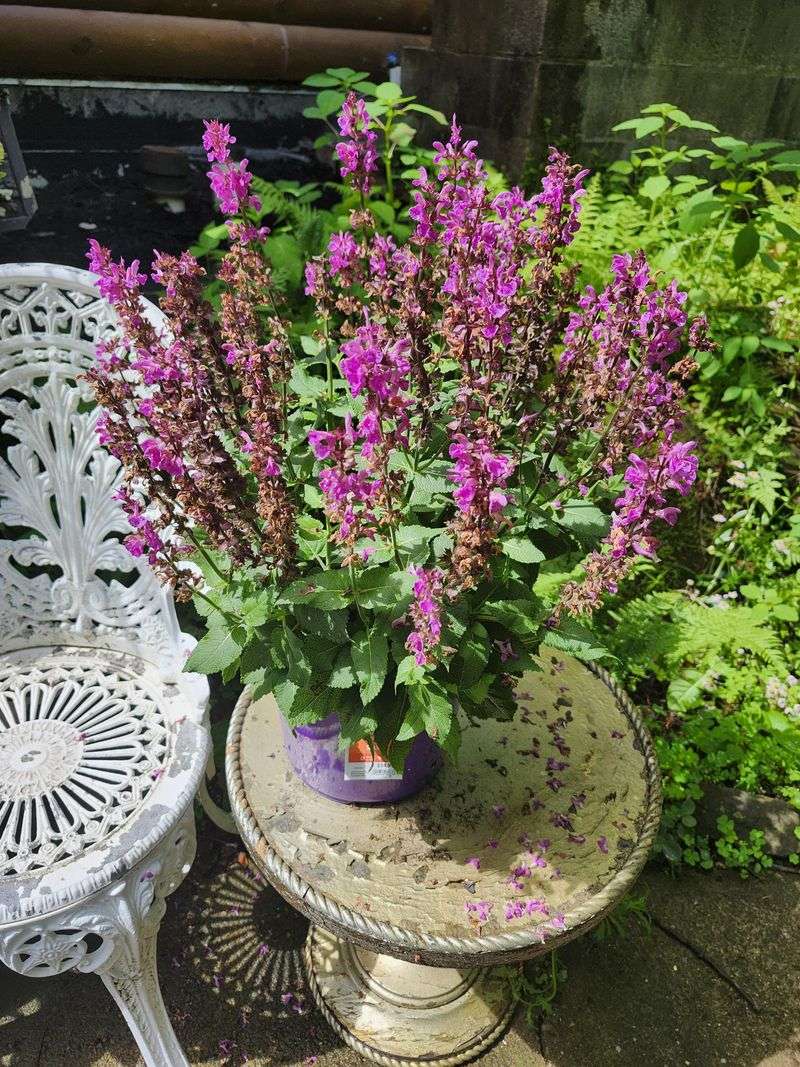
The sweet spot is right when the last few florets on a spike start to fade. You will notice the color dulling and the petals dropping off the lower half of the spike first.
At that point, grab your shears and act fast. Early action keeps the plant energized and focused on producing fresh growth.
In Colorado, the first big pruning window often opens sometime in early summer, though timing varies by elevation. By then, the initial spring flush has peaked and the plant is ready for a reset.
Your Colorado Garden Changes Every Week. Your Plan Should Too.
Gardening in Colorado changes quickly throughout the season. Every Friday you’ll receive a simple weekly plan showing exactly what to plant, prune, fertilize, harvest, and protect so you never miss the right timing.
A second round often makes sense later in summer, once new growth signals it’s ready. This timing gives the salvia enough warm weeks to push out one more strong flush before fall arrives.
Watch your plants closely rather than following a rigid calendar. Every garden microclimate behaves a little differently, especially at higher elevations where seasons shift fast.
Morning is the best time of day to prune. Plants are hydrated, temperatures are cooler, and cut stems seal faster in the gentle morning air.
Consistent aftercare is what makes this pruning approach genuinely effective. Stay observant and your plants will respond well all summer.
The Pro-Approved Trimming Technique
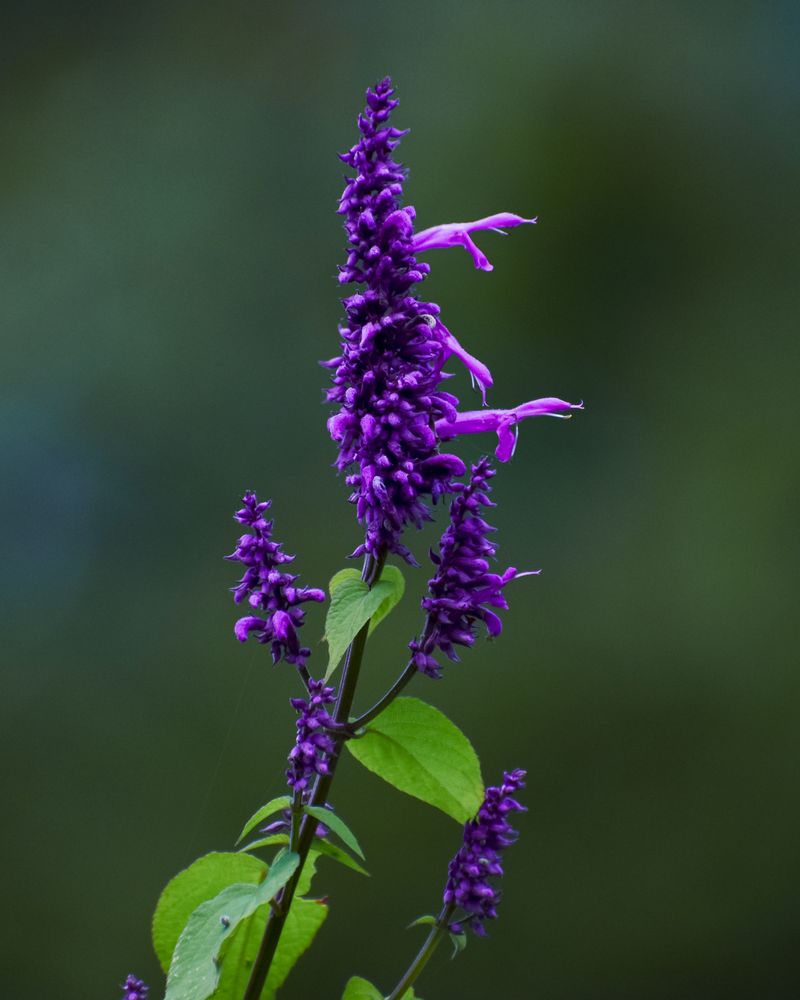
Snipping randomly is not a strategy. Professionals follow a very specific method that maximizes regrowth and keeps the plant looking tidy.
Start by identifying the spent flower spike you want to remove. Trace it downward until you spot the first set of healthy, outward-facing leaves.
That leaf node is your target. Cut cleanly just above it at a slight angle so water does not pool on the cut surface.
Angled cuts are a small detail with a big impact. Flat cuts trap moisture, which can invite rot and slow the healing process.
Never cut more than one-third of the plant at a single session. Removing too much at once stresses the root system and delays recovery significantly.
If your salvia has gotten very leggy, spread the pruning over two sessions spaced about ten days apart. This gentler approach keeps the plant stable and productive.
For newer growth at the base, leave it completely alone. Those low shoots are the engine of your next bloom cycle and need time to mature.
Step back after each cut and assess the overall shape. A well-pruned salvia should look balanced and full, not choppy or lopsided.
The pro-approved way to prune salvias always prioritizes the plant’s structure first. A plant with good bones will bloom more reliably and look better doing it all season long.
Tools That Make Pruning Easier
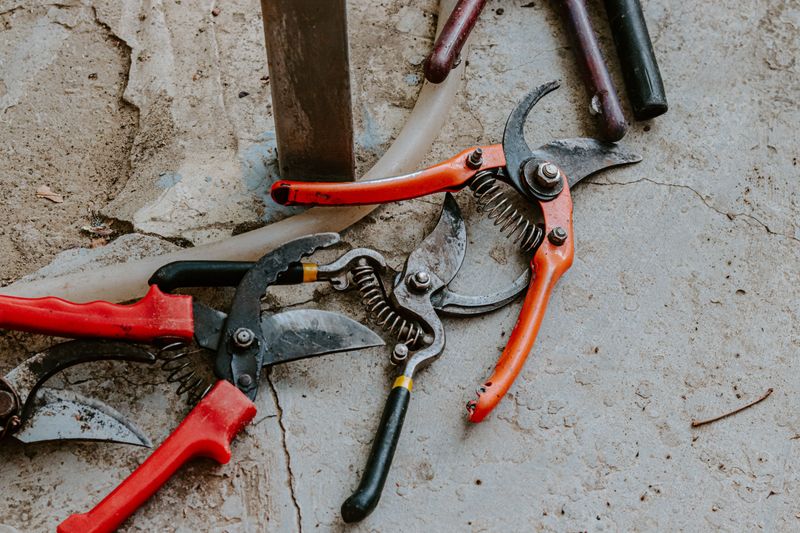
Bad tools make good intentions pointless. Dull blades crush stems instead of cutting them cleanly, leaving ragged wounds that heal slowly.
A quality pair of bypass pruning shears is the single most important tool in your arsenal. Bypass shears work like scissors, creating clean cuts that salvias recover from quickly.
Avoid anvil-style pruners for this job. They press the blade down onto a flat edge, which often bruises soft salvia stems in the process.
Keep your shears sharp by honing the blade regularly with a small whetstone. A sharp blade takes less effort and does far less damage to the plant’s tissue.
Sanitizing your tools between plants is a step many gardeners skip but absolutely should not. A quick wipe with rubbing alcohol prevents the spread of disease from one plant to another.
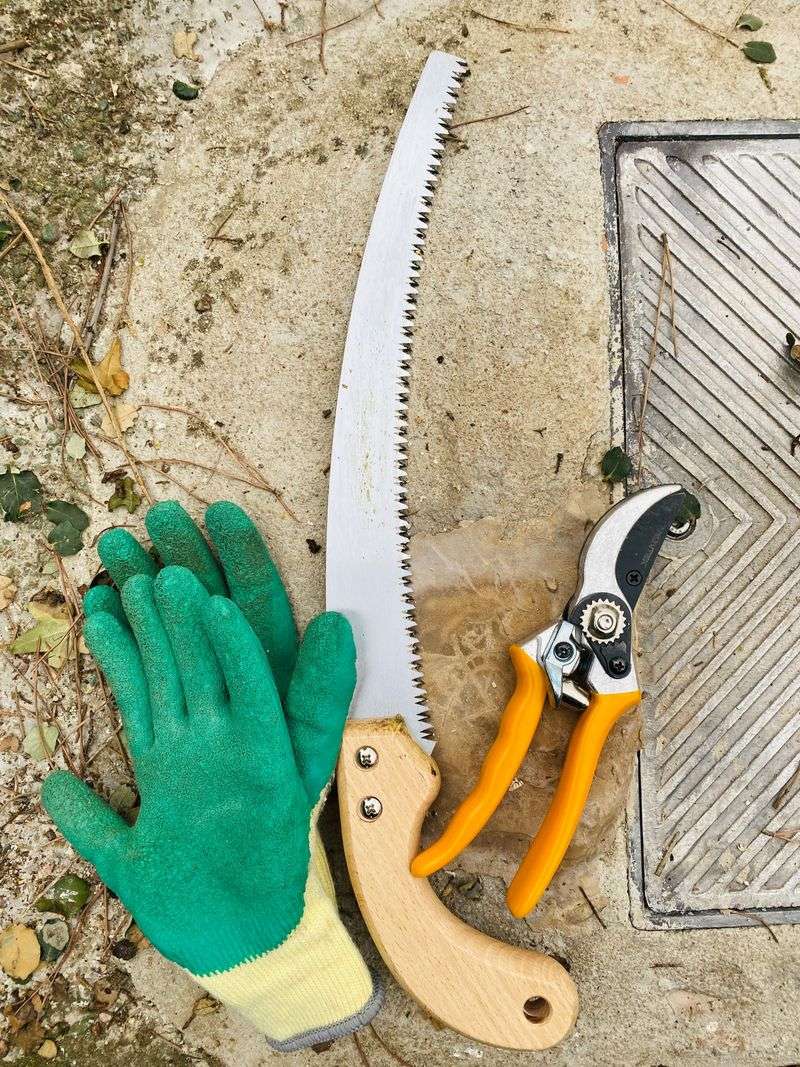
For larger, woodier salvia varieties, a pair of loppers gives you extra leverage without straining your hands. Long-handled loppers also help you reach the center of a full, bushy plant.
Wear gloves to protect your hands from sticky sap and any hidden thorns. A lightweight pair of nitrile-coated gloves offers grip without sacrificing dexterity.
A small bucket or garden bag makes cleanup fast and easy. Tossing spent stems directly into a container keeps your workspace tidy and prevents disease from lingering in the soil.
Great tools do not need to be expensive. They just need to be clean, sharp, and matched to the size of your plants.
Common Pruning Mistakes To Avoid
Even enthusiastic gardeners make pruning errors that delay blooming. Knowing the pitfalls ahead of time saves you a lot of frustration.
The most common mistake is cutting too deep into old, woody growth. Salvias do not regenerate well from bare wood the way some shrubs do.
Always leave green, leafy growth on the stem when you cut. If you cannot see any leaves below your intended cut point, move higher up the stem.
Pruning during a heat wave is another mistake that’s easy to overlook. Freshly cut stems are vulnerable, and extreme heat can cause them to dry out before they heal.
Wait for a cooler morning or a mildly overcast day to do your trimming. Your plants will handle the stress far better with a little temperature relief.
Neglecting to prune at all is just as harmful as pruning too aggressively. Plants left untouched become dense and tangled, blocking light from reaching new bud sites.
Using dirty tools spreads bacterial and fungal problems faster than almost anything else in the garden. Clean your shears every single time you move to a new plant.
Forgetting to water after pruning is a mistake that slows recovery noticeably. A deep watering right after trimming helps the plant bounce back with energy and speed.
Avoiding these errors puts you firmly on the right path. Small adjustments in technique make a noticeable difference in your salvia’s summer performance.
Caring For Salvias After Trimming
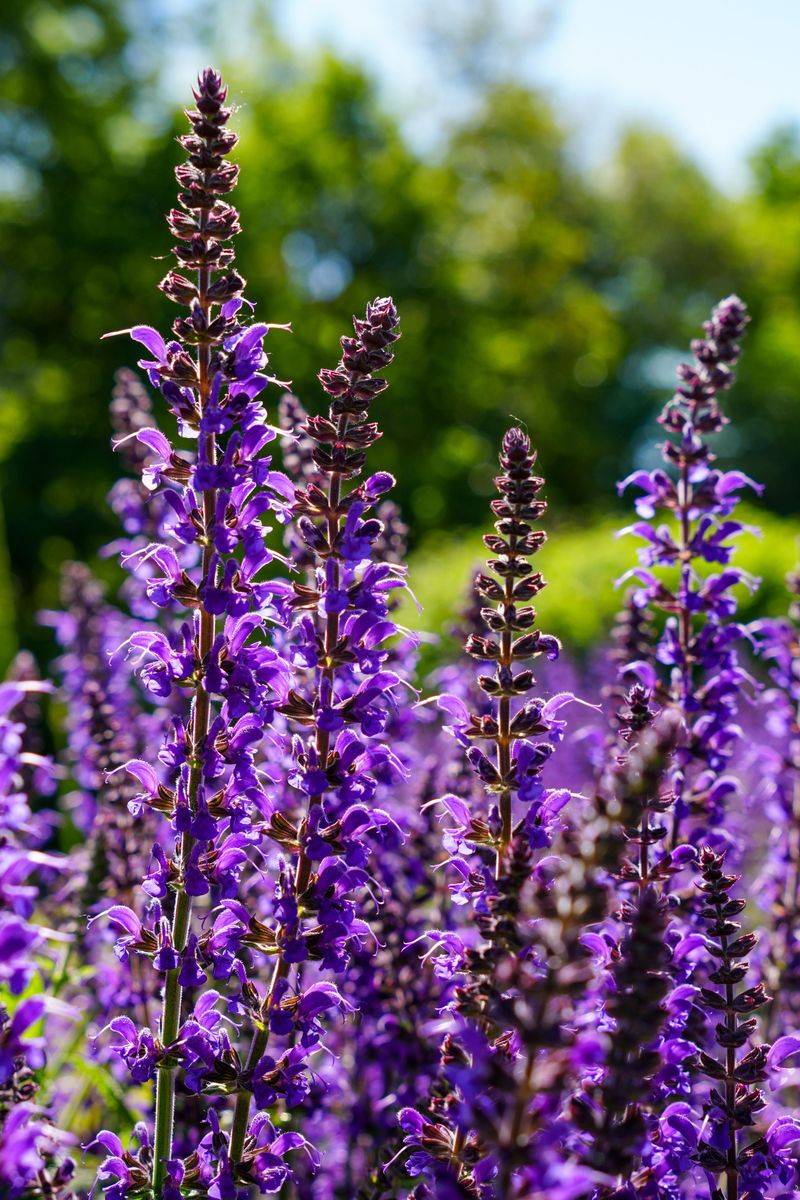
Pruning is only half the equation. What you do in the days after trimming determines how fast and how boldly your salvias come back.
Water deeply right after you finish cutting. Salvias need moisture to push nutrients up through the stems and into the new growth sites.
Avoid overhead watering if possible. Wetting the foliage after pruning can introduce fungal spores to the freshly exposed stems and tender new leaves.
A light application of balanced fertilizer shortly after pruning gives the plant a helpful energy boost. Choose a formula with moderate nitrogen to encourage leafy regrowth first.
Too much nitrogen, though, produces lush foliage at the expense of flowers. Balance is the key word here, and less is usually more with salvias.
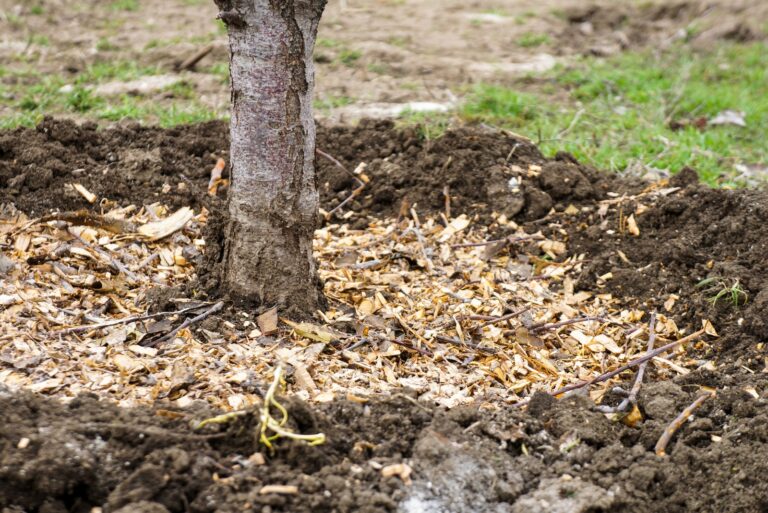
Mulching around the base of the plant after trimming helps retain soil moisture during dry Colorado summers. A two-inch layer of organic mulch also keeps roots cool on scorching afternoons.
Check the plant every few days after pruning for signs of new growth. Tiny green buds appearing along the stems mean your salvia is responding exactly as hoped.
If growth seems slow, check your watering schedule first before assuming something is wrong. Inconsistent moisture is the most frequent reason salvias stall after a trim.
Consistent aftercare is what makes this pruning approach genuinely effective. Treat your plants well after cutting, and they will respond with weeks of strong summer color.