What Georgia Gardeners Should Do With Hardy Hibiscus Before Fall
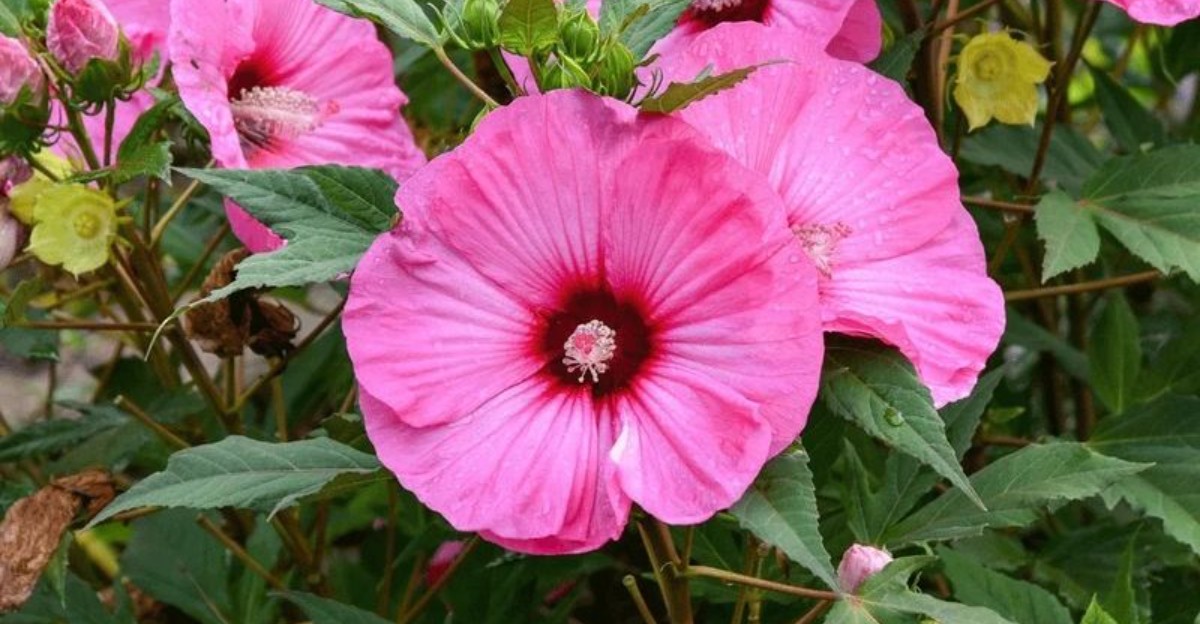
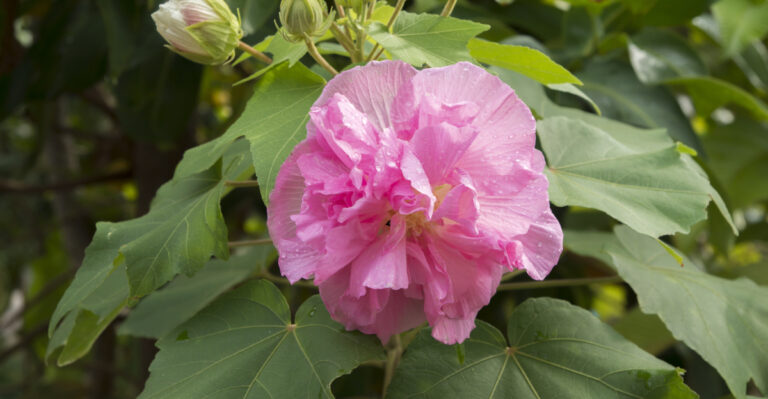
Those towering hardy hibiscus stems can look worn once their huge summer flowers begin disappearing. Still, this is not the moment to rush into a complete cleanup.
What looks finished above ground does not mean the entire plant has finished its seasonal work.
Hardy hibiscus needs time to shift from active summer growth toward the dormant months ahead. In Georgia, warm September weather can keep that transition moving more slowly than the fading flowers suggest.
So watch the plant itself instead of letting an untidy appearance set your schedule.
The right fall preparation comes down to knowing when to act and when to leave things alone. Give the plant enough time, and you can avoid interfering with its natural seasonal change.
Your patience now can make spring care much simpler when new growth returns.
1. Hardy Hibiscus Still Has Plenty Of Growing Left Before Fall
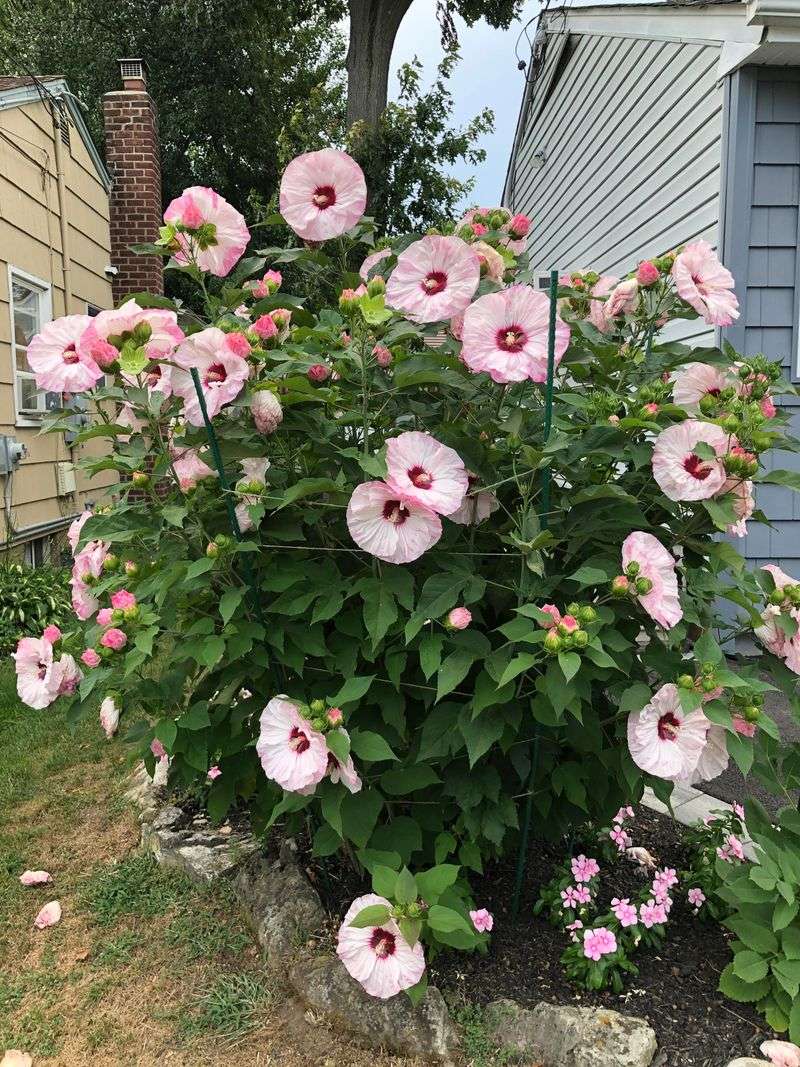
Hardy hibiscus can keep looking lively even after its biggest flush of flowers begins to fade. Green leaves and firm stems show that the plant is still active.
Warm September days can extend that active period across Georgia. Some plants may even continue opening buds while nights slowly become cooler.
Do not let fading flowers convince you that the whole plant is ready for winter.
The roots and leaves are still working while the top growth remains green. Keep your usual care routine going while you see healthy growth.
Check the soil regularly, remove damaged foliage when needed, and let remaining buds finish naturally.
This is also a good time to watch the plant rather than force a seasonal change. Shorter days and cooler nights will gradually slow growth without help from heavy pruning.
You may notice fewer flowers before the foliage starts changing.
That shift is normal and gives you a better clue that the growing season is winding down. For now, leave healthy stems standing and enjoy any flowers that remain.
Waiting for clear signs of dormancy keeps you from doing fall cleanup several weeks too early outside.
2. Keep Watering While The Plant Is Still Green And Growing
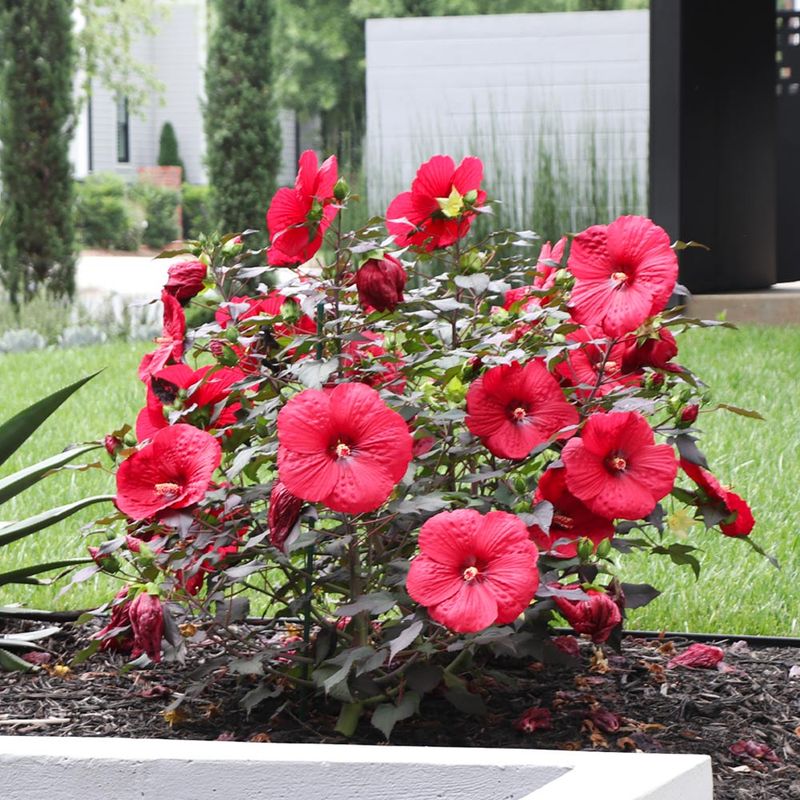
Hardy hibiscus uses plenty of water while its leaves remain green and its stems are active. Fading flowers do not suddenly remove that need.
September can still bring warm stretches and dry soil in Georgia gardens.
Check the ground with your fingers instead of judging moisture from the surface alone. If the upper few inches feel dry, water thoroughly around the root zone.
Give the water time to soak down rather than applying a quick splash near the stems.
The goal is steady moisture without leaving the roots sitting in saturated ground. Hardy hibiscus naturally appreciates consistent moisture, but drainage still matters around the crown.
Rain can change your schedule from one week to the next.
Skip watering when the soil already feels damp, then check again after several warm days. Container-grown plants need even closer attention because their soil can dry faster.
A plant in the ground usually holds moisture longer, especially when mulch protects the root area.
Your Georgia Garden Changes Every Week. Your Plan Should Too.
Gardening in Georgia changes quickly throughout the season. Every Friday you’ll receive a simple weekly plan showing exactly what to plant, prune, fertilize, harvest, and protect so you never miss the right timing.
Continue this routine while the foliage stays active. As cooler weather slows the plant and leaves begin fading, its water use will naturally decrease.
Following the plant instead of the calendar makes this transition much easier.
3. Skip Late Fertilizer That Could Push Tender New Growth
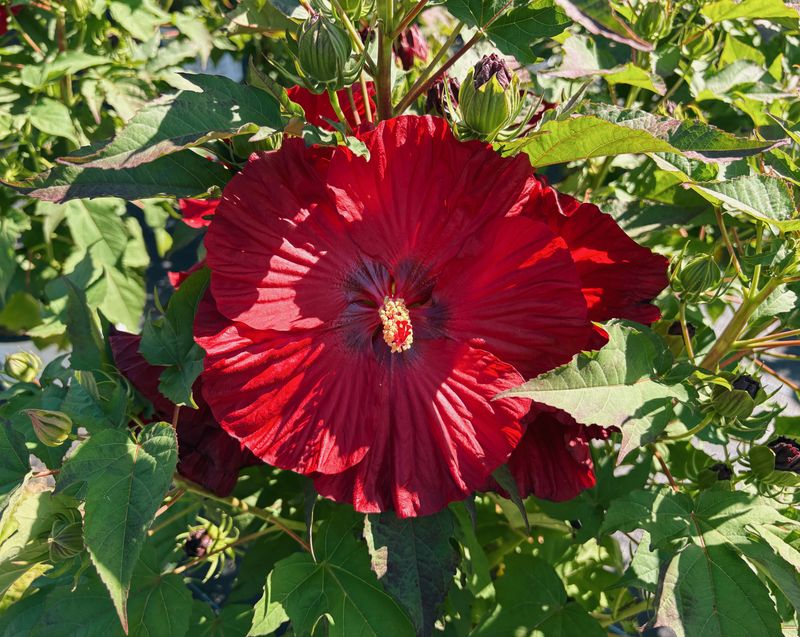
Late-season fertilizer can push hardy hibiscus in the wrong direction just as growth should begin slowing. Fresh, soft shoots are not what you want heading toward colder weather.
By September, established plants usually do not need another strong feeding.
Save that extra push for spring, when new stems are beginning their active growth cycle. This timing matters across Georgia because warm weather can linger well into the month.
Adding fertilizer during that warmth may encourage foliage instead of allowing the plant to ease toward dormancy.
Do not feed simply because flowering has slowed. Fewer blooms near the end of the season are part of the plant’s natural rhythm, not an automatic sign of a nutrient shortage.
If the foliage looks healthy, leave the fertilizer on the shelf.
Continue watering as needed and let shorter days handle the seasonal slowdown. Poor growth during summer may have several causes, including light, moisture, or soil conditions.
Adding nutrients without knowing the cause can create another problem rather than fixing the first one.
Spring gives you a better opportunity to assess what the plant needs. For now, steady care and a little patience are more useful than another round of fertilizer.
4. Leave Healthy Stems And Leaves In Place For Now
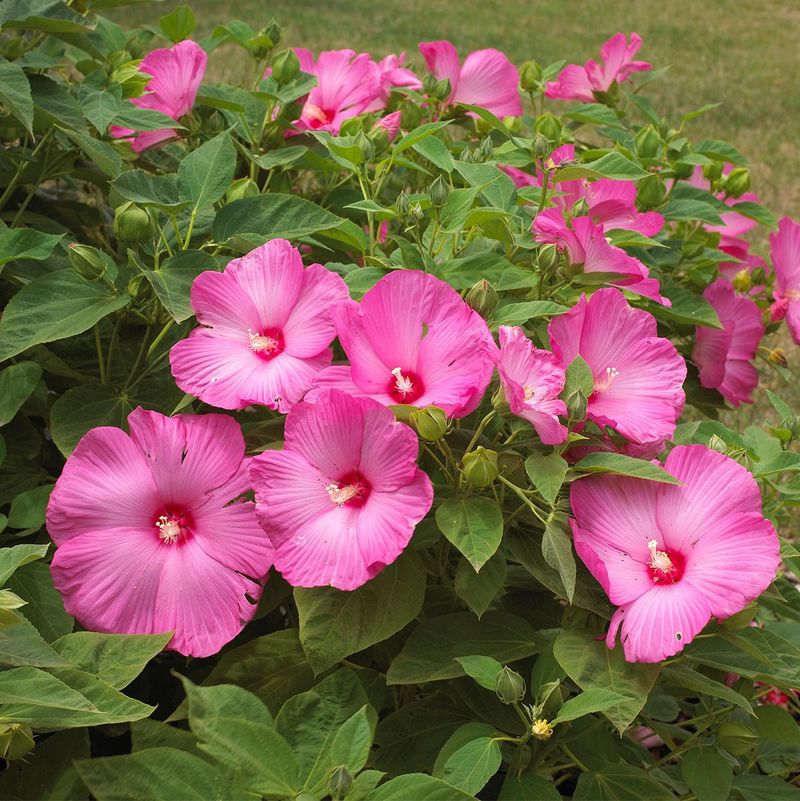
Those tall stems may start looking untidy once the biggest flowers are gone. Resist the urge to cut everything down while the foliage is still green.
Healthy leaves continue supporting the plant as the season changes.
Keeping them in place allows hardy hibiscus to finish its active cycle before dormancy takes over. Georgia gardeners can see this stage stretch through warm September weather.
A plant may look past its peak while still carrying green leaves and firm stems.
Use the condition of the plant as your cue instead of its appearance. Faded flowers alone are not a reason to remove all the top growth.
You can tidy individual spent blooms if you prefer a cleaner look.
Broken or damaged stems can also be removed without cutting down the entire plant. Leave the remaining healthy growth alone until colder conditions cause a clear change.
The foliage will eventually fade as the plant settles into dormancy.
Waiting also makes fall cleanup easier because the plant has naturally finished its season. There is no need to force that point early.
For now, keep the pruners focused only on small problems.
The major cutback belongs later, after the plant gives you a clearer signal.
5. Wait For Cold Weather Before Removing Old Growth
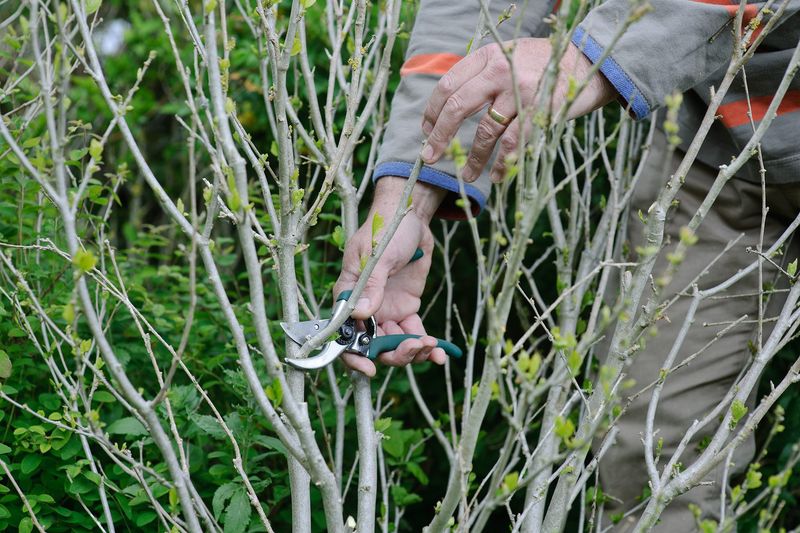
Hardy hibiscus will eventually show you when its tall summer stems are ready to come down. The change becomes obvious after colder weather ends active top growth.
Foliage may fade, collapse, and lose the fresh look it carried through summer.
Stems also become dry as the plant settles into dormancy. Do not rush this process just because September flowers have disappeared.
Mild autumn weather can keep plants active longer than their appearance suggests.
Across Georgia, timing can vary with location and the weather each year. Waiting until frost has finished the top growth gives you a clearer point for cleanup.
Once that happens, cut the old stems back with clean, sharp pruners.
Leaving a few inches can also help mark where the crown sits through winter. Remove loose plant debris from around the base while you work.
Some gardeners prefer leaving the old stems standing until late winter.
That approach is also possible if the stems are not creating a problem. The important part is avoiding an early cut while green growth remains active.
Let cold weather finish the seasonal transition before doing the cleanup.
Waiting may feel untidy for a while, but the plant’s condition should set the schedule.
6. Mulch Can Give The Roots Extra Protection Through Winter
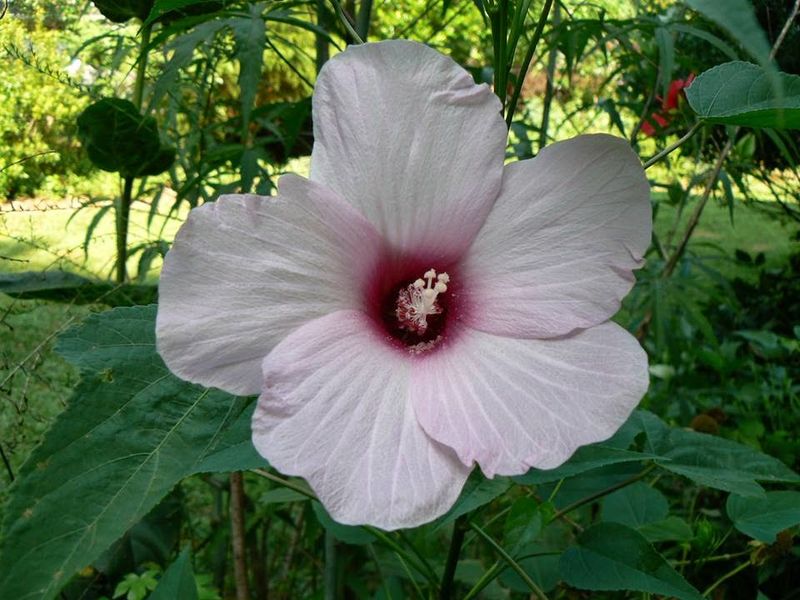
Once colder weather settles in, hardy hibiscus shifts the important action below the soil. Its crown and roots remain in place while the tall summer growth disappears.
Mulch can buffer the soil against quick temperature swings.
It also helps the ground hold moisture during stretches with little rain. For Georgia gardens, two to three inches of mulch is usually enough around the plant.
Shredded leaves, pine straw, or bark can work well.
Spread the material over the root area instead of piling it against the crown. Leaving breathing room around the center helps prevent excess moisture from staying trapped there.
Wait until the soil has cooled before adding a heavier winter layer.
Check the bed occasionally through winter because wind and rain can shift lightweight material. Pull mulch back into place when bare soil begins showing around the root zone.
You do not need to build a deep mound over the plant.
A moderate, even layer provides protection without burying the crown. When spring warmth returns, thin excess mulch if needed.
That leaves emerging shoots with a clear path upward.
Keep the layer simple and even through the colder months. The roots need protection, not an oversized pile of material.
7. New Shoots Will Return From The Ground Next Spring
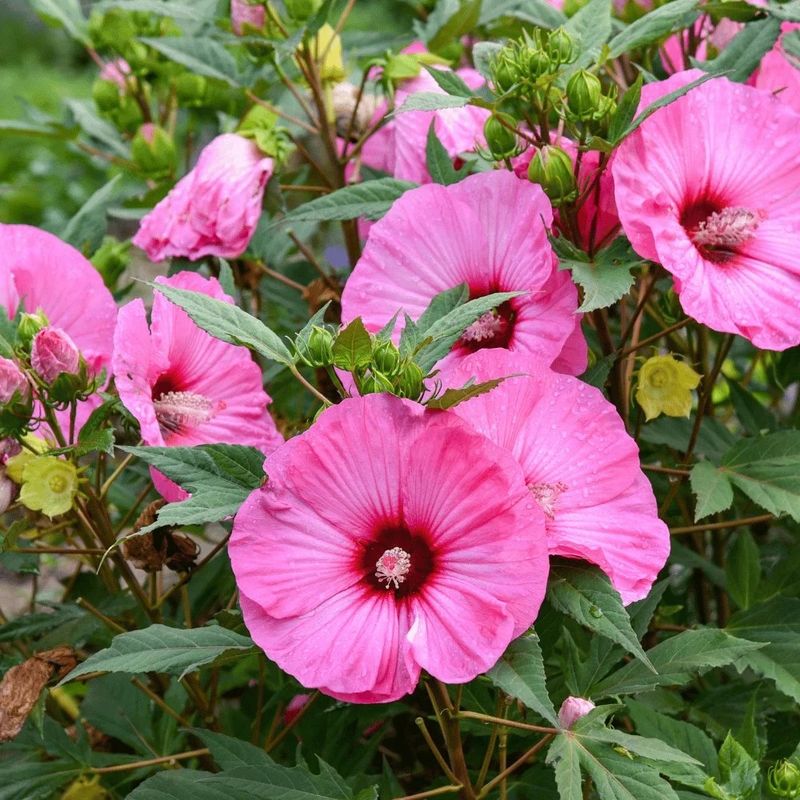
Spring can test your patience with hardy hibiscus because it often returns later than nearby perennials. An empty spot does not mean something went wrong over winter.
The old stems do not produce the next season’s canopy.
Fresh shoots emerge from the crown once the soil becomes warm enough. That timing can surprise Georgia gardeners who see other perennials growing weeks earlier.
Hardy hibiscus waits for warm conditions before making its spring appearance.
Mark the crown after fall cleanup so you remember its location. A plant marker can prevent digging directly over the resting root system.
Do not keep scraping the soil to search for shoots.
Give the bed time to warm naturally and continue watching the marked area. Once the first shoots appear, growth can become surprisingly quick.
Several stems may rise from the base and begin rebuilding the plant you remember from summer.
This is when spring care can start again. Clear heavy mulch away from emerging stems and check moisture as growth increases.
Wait for active growth before considering fertilizer.
Patience before fall and patience in spring work together here. Protect the crown through winter, then give those new shoots enough time to announce the next season.