Native California Plants That Thrive In Heavy Clay Instead Of Fighting It
Heavy clay soil has a reputation for making California gardeners groan before the first shovel even hits the ground.
It can feel dense, stubborn, and completely uninterested in cooperating with your landscaping plans.
Digging a planting hole sometimes feels less like gardening and more like an upper-body workout nobody signed up for.
But clay does not automatically mean your yard is doomed to a lifetime of struggling plants and endless soil amendments.
California’s native landscapes developed under wildly different conditions, and some plants are far more comfortable with challenging ground than gardeners might expect.
That opens up some interesting possibilities for anyone tired of treating their soil like an enemy.
The trick is choosing plants that can work with what is already there instead of constantly demanding that the garden be transformed around them. Much easier on your back, too.
If your yard turns sticky after rain, hard as a brick when dry, or simply refuses to behave like that fluffy garden soil in photographs, do not give up on it. The right native choices could make that stubborn clay feel a lot less intimidating.
1. Douglas Iris Can Be Happy In Clay-Rich Soil
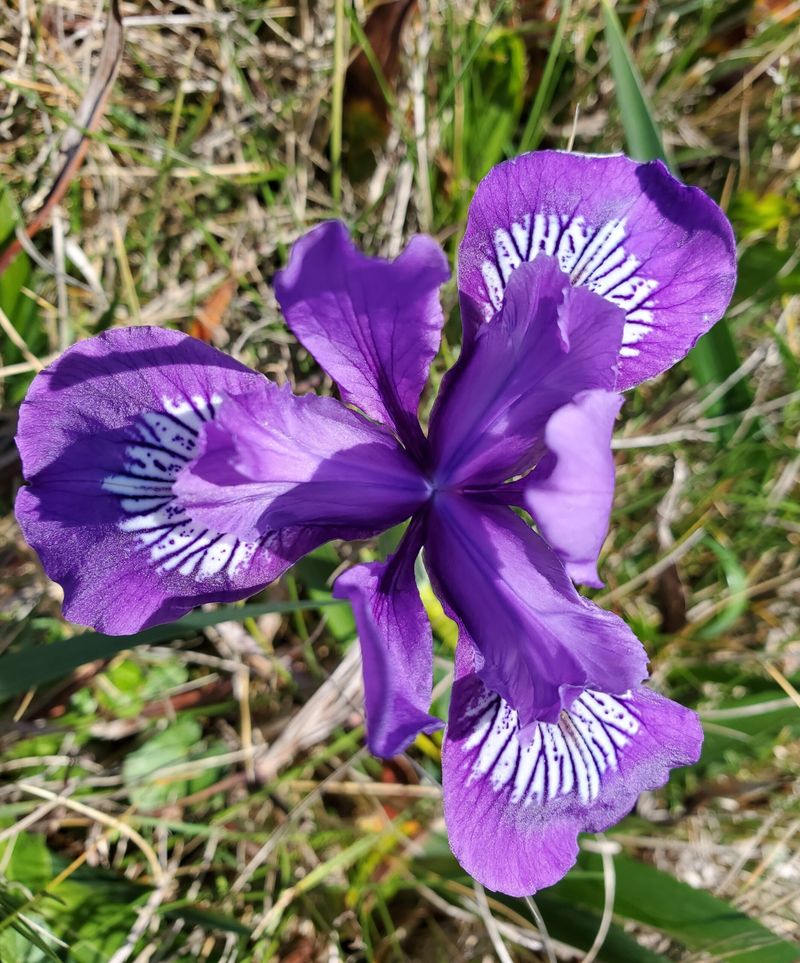
There’s something almost regal about the Douglas iris. Its slender, upright leaves and elegant blooms in shades of purple, blue, cream, and white make it one of the most eye-catching native plants around.
And the best part? It actually does well in clay. Iris douglasiana grows naturally along the coast and in woodland areas where soils are often heavy and slow-draining.
It has evolved to handle wet winters followed by dry summers, which is exactly the pattern that clay soil creates.
The plant goes semi-dormant in summer, which means it doesn’t stress out when the ground gets hard and dry.
Planting Douglas iris in a partly shaded spot under oaks or along a north-facing slope gives it ideal conditions. Full sun works too, especially near the coast where temperatures stay mild.
Space plants about a foot apart and let them naturalize into clumps over time. They spread slowly but steadily.
Butterflies and hummingbirds are drawn to the blooms, which appear from late winter through spring. After flowering, the plants look tidy and green for most of the year with almost no maintenance needed.
Avoid overwatering in summer. Too much summer moisture can cause root problems, so let the clay do its job of holding just enough water during the dry season.
Dividing clumps every few years keeps them looking their best.
2. California Wild Rose Tolerates Moist Heavy Ground
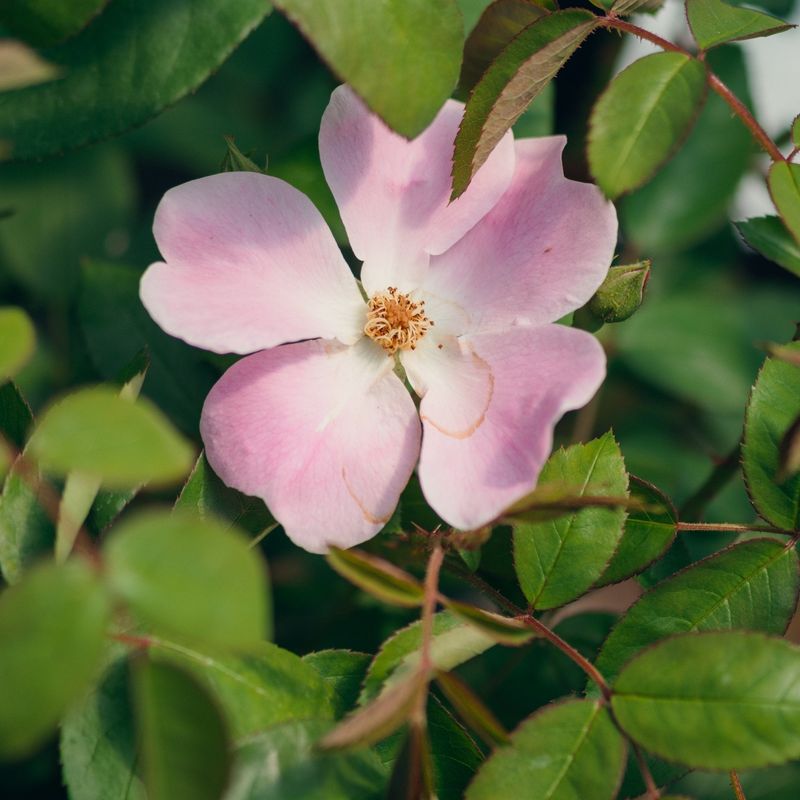
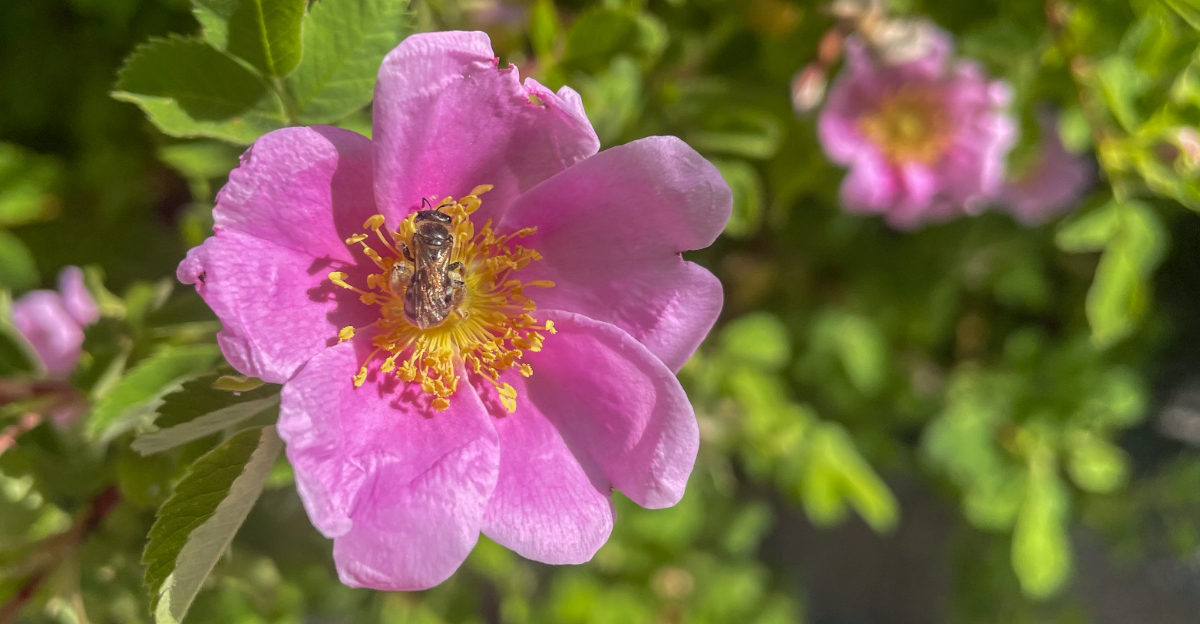
Few plants bring the same kind of old-fashioned charm as the wild rose. Rosa californica is a native shrub that grows naturally along streams, in meadows, and on hillsides where the soil stays heavy and wet for much of the year.
It has been thriving in these conditions long before anyone thought to plant it in a garden.
What makes it so well-suited to clay is its deep, spreading root system. Those roots push through dense, compacted ground with ease.
Your California Garden Changes Every Week. Your Plan Should Too.
Gardening in California changes quickly throughout the season. Every Friday you’ll receive a simple weekly plan showing exactly what to plant, prune, fertilize, harvest, and protect so you never miss the right timing.
They anchor the plant firmly and help it access moisture that sits trapped below the surface. That’s actually an advantage in clay, where water lingers longer than in sandy or loamy soil.
Pink blossoms appear in late spring and early summer. They’re simple and pretty, with five petals and a sweet, mild fragrance.
After the flowers fade, small red rose hips form. Birds love them, and they add color to the garden well into fall and winter.
Wild rose can spread by sending out underground runners, so give it room to grow. It works beautifully along a fence line, at the edge of a rain garden, or near a low-lying area that collects runoff.
It grows best in full sun but tolerates partial shade. Once established, it needs very little attention.
Pruning it back in late winter keeps it tidy and encourages fresh new growth each spring.
3. Western Redbud Works Well In Many Heavy-Soil Yards
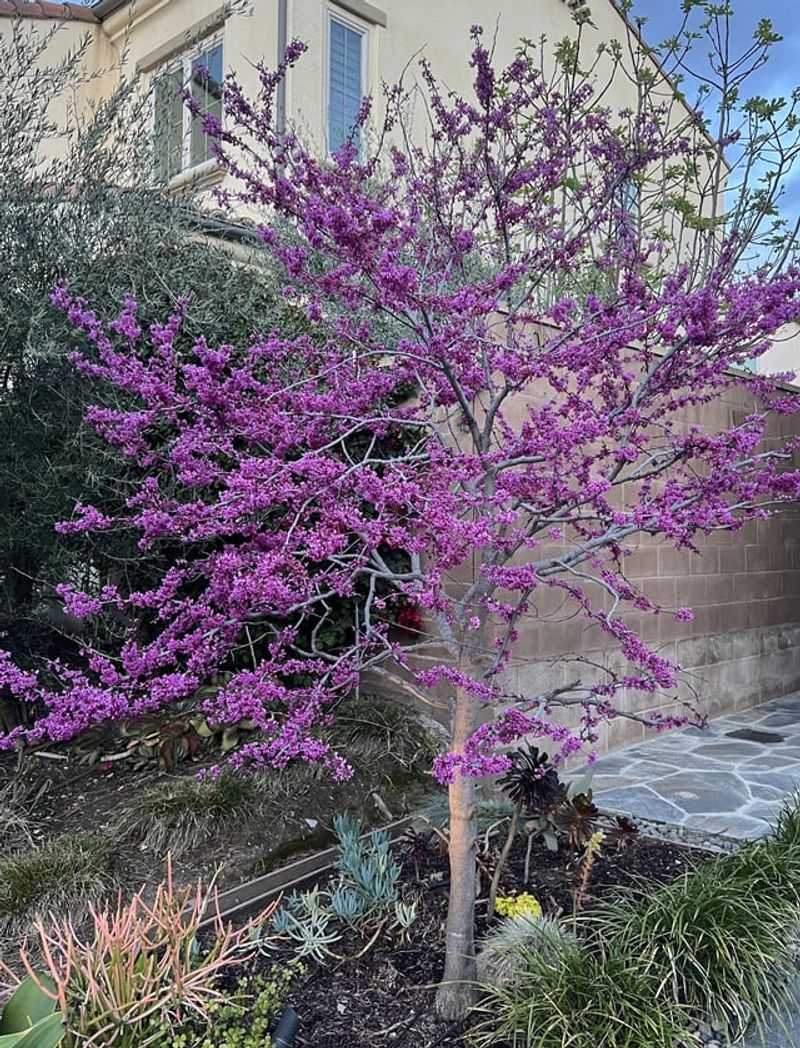
Every spring, the western redbud puts on one of nature’s most spectacular shows. Before a single leaf appears, the bare branches burst into clusters of vivid magenta-pink flowers.
It looks almost unreal, like something painted rather than grown. And it does all of this happily in heavy clay soil.
Cercis occidentalis is a small tree or large shrub native to foothill and canyon areas where soils are often rocky, dense, and slow to drain. It’s naturally built for tough ground.
Once established, it becomes remarkably drought-tolerant, which makes it a smart choice for yards that sit in low spots or have poor drainage.
After the flowers fade, heart-shaped leaves emerge and stay green through summer. By fall, they turn yellow, orange, and red, giving the plant a second moment of seasonal beauty.
Flat seedpods dangle from the branches and attract birds through winter.
Plant western redbud in full sun for the best flowering. It grows slowly, reaching about 10 to 15 feet tall over many years.
Because it’s slow-growing, it doesn’t need much pruning. Give it a wide planting hole in clay soil to help the roots spread outward.
Water it regularly during the first two summers, then back off. After that, it handles dry spells on its own. Few native plants reward patient gardeners quite as generously as this one does.
4. Blue-Eyed Grass Handles Clay Better Than Its Delicate Look Suggests
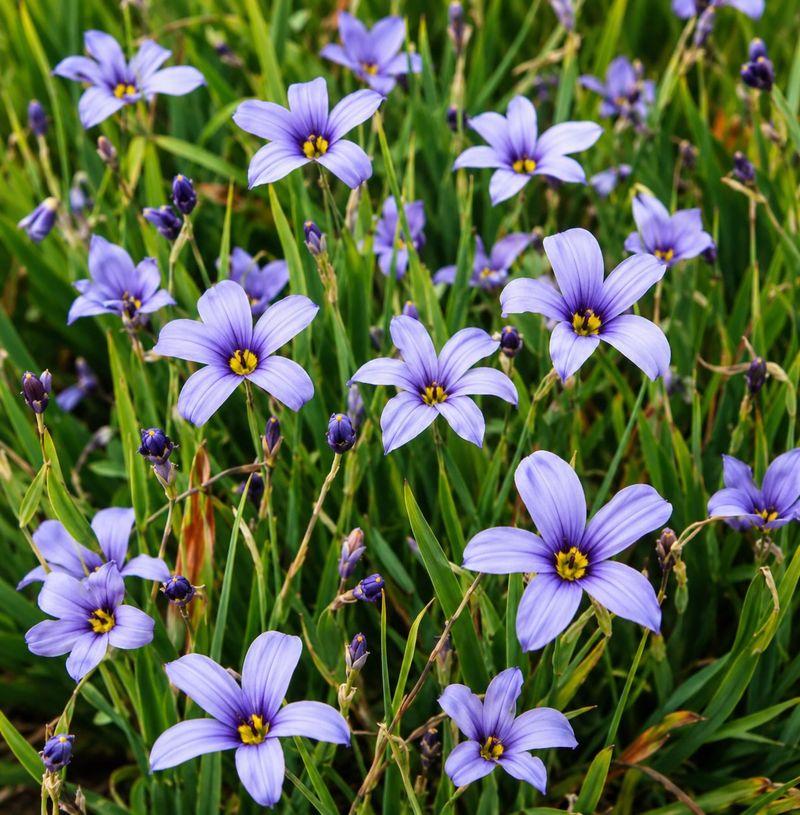
Don’t let the name fool you. Blue-eyed grass isn’t actually a grass at all. Sisyrinchium bellum is a member of the iris family, and it’s far tougher than its dainty appearance suggests.
Those tiny violet-blue flowers with bright yellow centers are charming, but this plant has real grit underneath that pretty face.
It grows naturally in meadows, grassy hillsides, and along stream banks, all places where clay soils are common. It handles seasonal flooding, compacted ground, and summer drought without much complaint.
That combination of traits makes it a natural fit for clay-heavy yards that go through wet-dry cycles each year.
Blue-eyed grass stays compact, usually reaching about 6 to 18 inches tall. It works well as a border plant, a groundcover in open areas, or a filler between larger native shrubs.
Plant it in full sun or light shade. In clay soil, it tends to spread slowly by seed, forming loose colonies that look natural and relaxed.
Blooms appear from early spring through summer, attracting small native bees and other pollinators. After flowering, the plant can look a little ragged, so cutting it back lightly encourages fresh growth.
It pairs beautifully with other meadow plants like poppies, clover, and yarrow. For gardeners who want a low-effort, high-reward plant that softens the edges of a native planting, this little wildflower is a reliable and cheerful choice.
5. Seaside Daisy Can Settle Into Heavy Coastal Soils
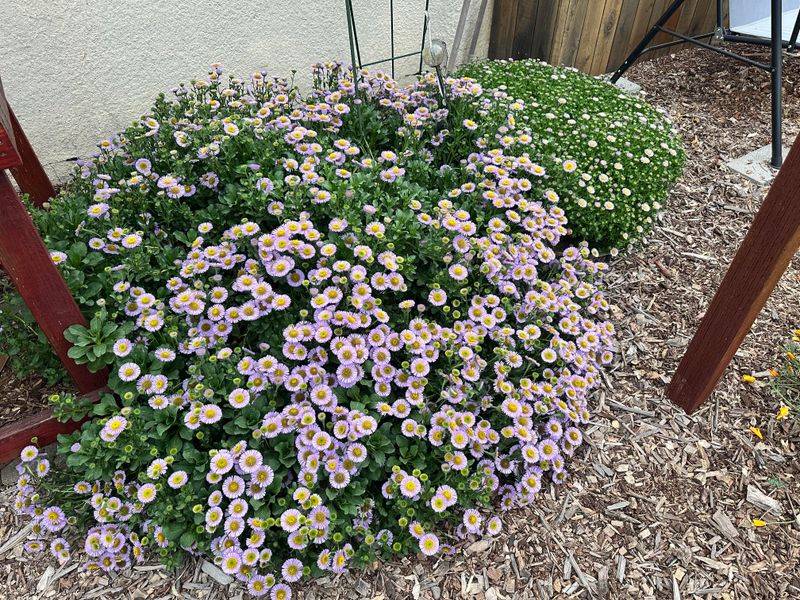
Along the foggy edges of the Pacific coast, a tough little plant clings to rocky bluffs and heavy clay slopes without breaking a sweat.
Erigeron glaucus, commonly called seaside daisy, is built for coastal conditions where salt wind, cool temperatures, and dense soils would challenge most other plants.
Its lavender to purple daisy-like flowers bloom for an impressively long season, often from spring all the way through fall.
The gray-green leaves stay low and mat-forming, which makes the plant useful as a groundcover along slopes or at the front of a garden bed.
It rarely grows taller than a foot, so it’s easy to tuck into tight spaces. Clay soil near the coast tends to stay cool and moist for long stretches. Seaside daisy handles this well.
Its roots tolerate soggy conditions better than most flowering perennials. In exchange, it asks for very little.
Some sun, occasional water during the driest months, and a light trim after heavy blooming periods are all it really needs.
Bees and butterflies visit the flowers regularly, making it a nice addition to any pollinator-friendly planting. It also looks lovely spilling over the edge of a raised bed or tumbling down a retaining wall.
Inland gardeners can grow it too, as long as they plant it in a spot with good air circulation and some afternoon shade. It’s a reliable, easygoing performer that earns its place in any native garden.
6. California Goldenrod Is Tough In Dense Ground
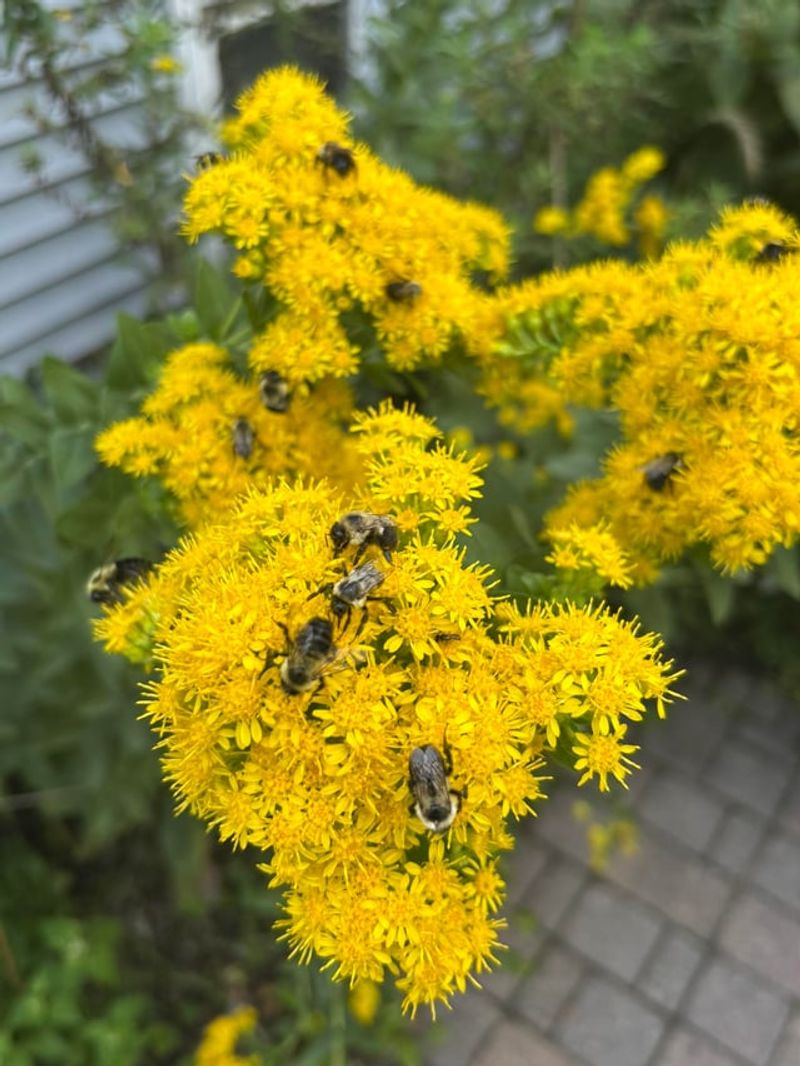
Bold, bright, and buzzing with pollinators, goldenrod is one of those plants that earns its keep the moment it blooms.
Solidago velutina ssp. californica lights up late summer and fall with tall plumes of golden yellow flowers.
At a time when most plants are looking tired, this one is just hitting its stride.
It grows naturally in a wide range of habitats, from open meadows to dry hillsides, and often in clay-heavy soils that other plants avoid. That adaptability is one of its greatest strengths.
It spreads by both seeds and underground rhizomes, forming clumps that fill in over time. In clay, those rhizomes actually help break up compacted ground slowly, which benefits neighboring plants too.
Bees, butterflies, and beneficial insects flock to the flowers. Native bees in particular rely on goldenrod as a critical late-season nectar source before temperatures drop.
Leaving the seedheads standing through winter provides food for songbirds as well.
Plant it in full sun for the strongest growth and most abundant flowering. It tolerates partial shade but may get a bit leggy in lower light.
Heights range from two to four feet depending on soil moisture and sun exposure. Cutting plants back to the ground in late winter keeps them tidy and encourages vigorous new growth.
For gardeners who want a plant that works hard, feeds wildlife, and looks spectacular in fall, goldenrod is a natural and rewarding choice.
7. Yerba Buena Makes A Soft Groundcover For Clay-Rich Spots
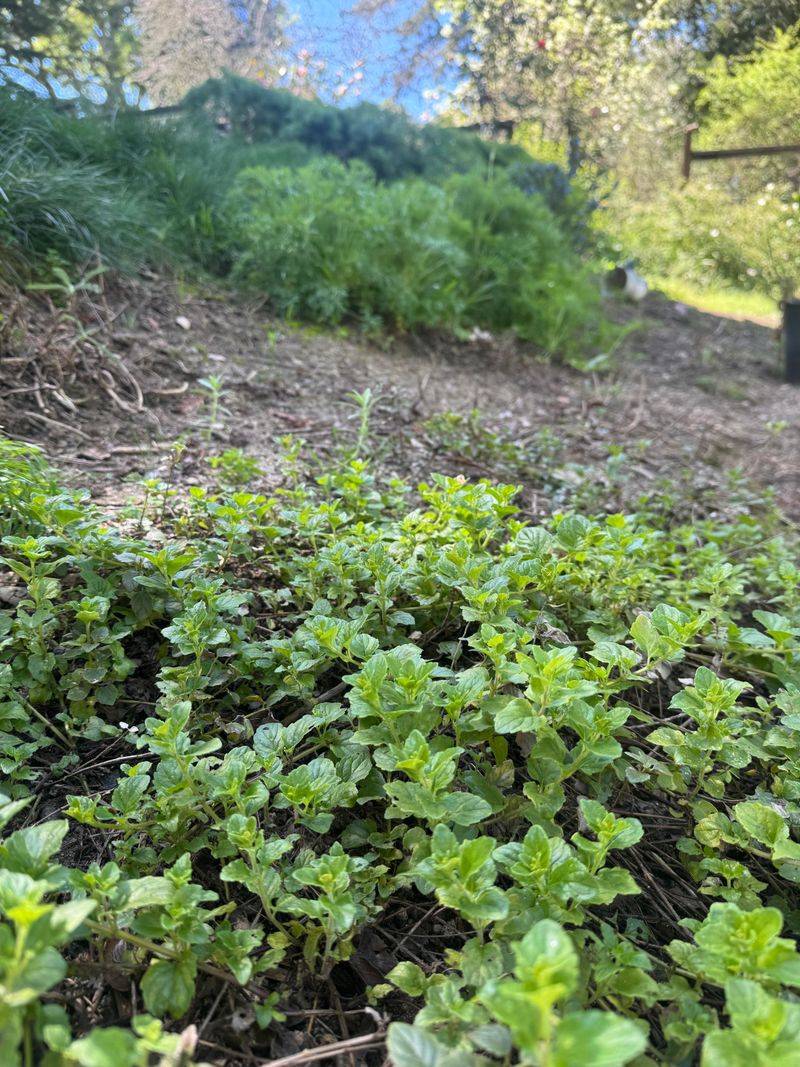
Rub a leaf of yerba buena between your fingers and you’ll immediately understand why early settlers named it the way they did. The name means “good herb” in Spanish, and the minty, refreshing scent is unmistakable.
Clinopodium douglasii is a low-growing native groundcover that brings fragrance, texture, and quiet charm to shaded garden spots.
It spreads along the ground by sending out slender trailing stems that root wherever they touch soil. In clay-heavy ground, this spreading habit is actually helpful.
The dense mat of roots slowly improves soil structure and reduces erosion on slopes. It stays low, usually no more than a few inches tall, so it won’t crowd out taller plants.
Shade is where yerba buena truly shines. Under oak trees, along north-facing fences, or in the gaps between stepping stones, it fills in beautifully.
It prefers moist conditions, and clay soil’s water-holding ability works in its favor during dry spells. Just make sure it doesn’t sit in standing water for extended periods.
Tiny white flowers appear in spring and summer, attracting small native bees. The plant was historically used by Native peoples and early settlers as a medicinal tea.
Beyond its history, it’s simply a practical, lovely groundcover that handles clay with ease.
For gardeners looking to fill shady, bare spots without much fuss, yerba buena offers a fragrant and graceful solution that rewards minimal effort with maximum charm.
8. California Buttercup Can Handle Seasonally Wet Clay
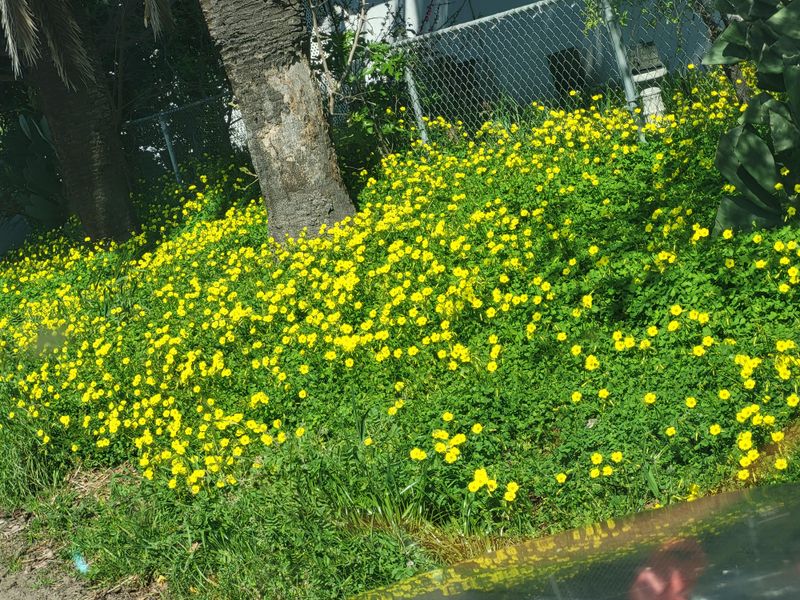
Bright as a burst of sunshine, the California buttercup is one of the earliest native wildflowers to bloom each year.
Ranunculus californicus opens its shiny yellow petals in late winter and early spring, often while the clay soil is still cold and wet. That timing tells you a lot about what this plant can handle.
Seasonally wet clay is actually ideal for it. In the wild, it grows in grasslands, oak woodlands, and valley floors where water pools after winter rains.
It takes advantage of that moisture to grow quickly, bloom generously, and set seed before summer heat arrives. Then it quietly goes dormant, waiting underground until the rains return.
This boom-and-bust growth cycle makes it a perfect fit for clay soil gardens that flood a little in winter and bake in summer. You don’t need to baby it through the dry season because it simply isn’t there.
The corm-like roots rest underground and re-sprout on their own when conditions improve.
Plant buttercup seeds or container plants in fall, just before the rainy season begins. Full sun or light shade works well.
It naturalizes easily, spreading by seed to form cheerful drifts over time. Native bees are strongly attracted to the glossy flowers.
Pairing it with blue-eyed grass, clover, and other meadow plants creates a vibrant spring display that feels effortless and genuinely wild. Few wildflowers are this rewarding for so little effort in heavy clay ground.
9. Douglas Meadowfoam Actually Likes Moist Heavy Ground
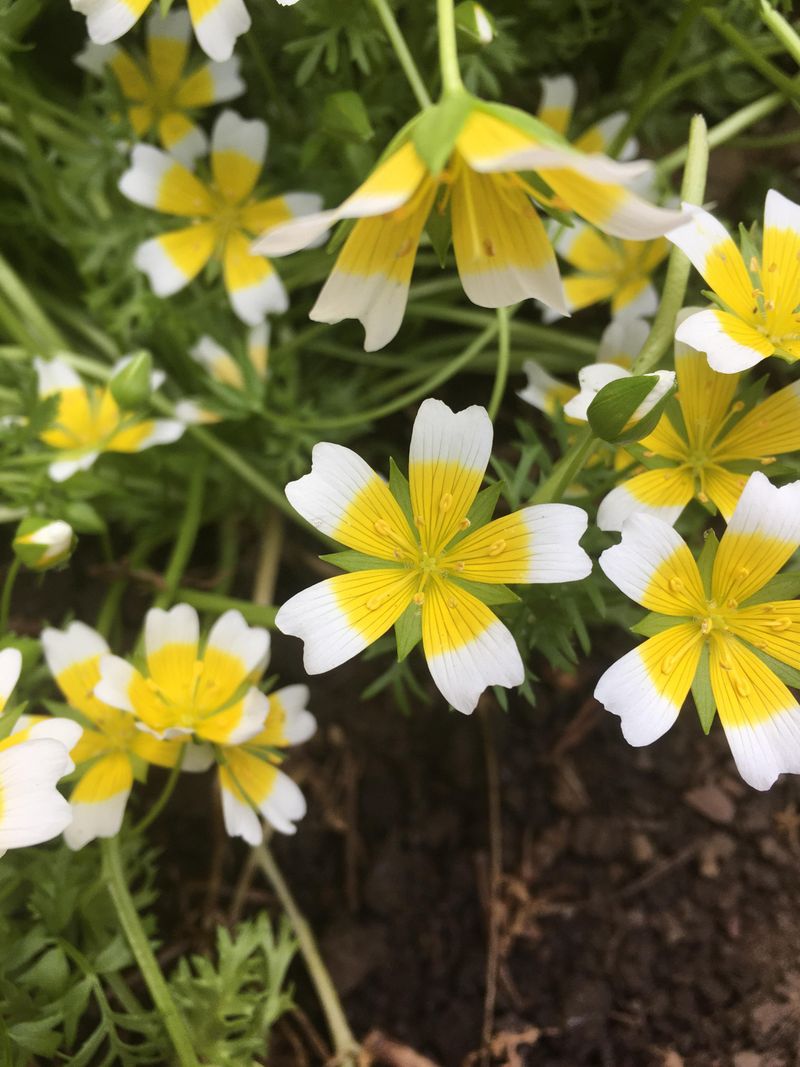
Not many plants come with a built-in love for the kind of wet, heavy ground that most gardeners dread. Douglas meadowfoam is one of the rare exceptions.
Limnanthes douglasii is a low-growing annual wildflower that actively seeks out moist, clay-rich conditions. It’s one of those plants that makes you rethink everything you thought you knew about difficult soil.
The flowers are cheerful and distinctive. Each one is white with a yellow center, giving the plant a bright, two-toned look that covers the ground in a thick, frothy carpet when it’s in full bloom.
That’s actually how it got the name “meadowfoam.” A field of them in flower really does look like foam spreading across the ground.
Blooms appear in late winter through spring, right when clay soil is at its wettest. The plant thrives in this moisture rather than struggling against it.
After flowering, it sets seed and fades away as the ground dries out, completing its life cycle in perfect sync with the wet-dry pattern of clay soil.
Scatter seeds directly onto bare clay soil in fall. No special preparation is needed.
It germinates well in cool, moist conditions and requires almost no care once it gets going. It’s a favorite of native bees, especially small ground-nesting species.
Plant it in full sun for the densest coverage. For gardeners dealing with low-lying wet spots where other plants refuse to settle, Douglas meadowfoam is a genuinely happy and surprisingly beautiful solution.