The Biggest Mistakes California Gardeners Make With Blueberries In Summer
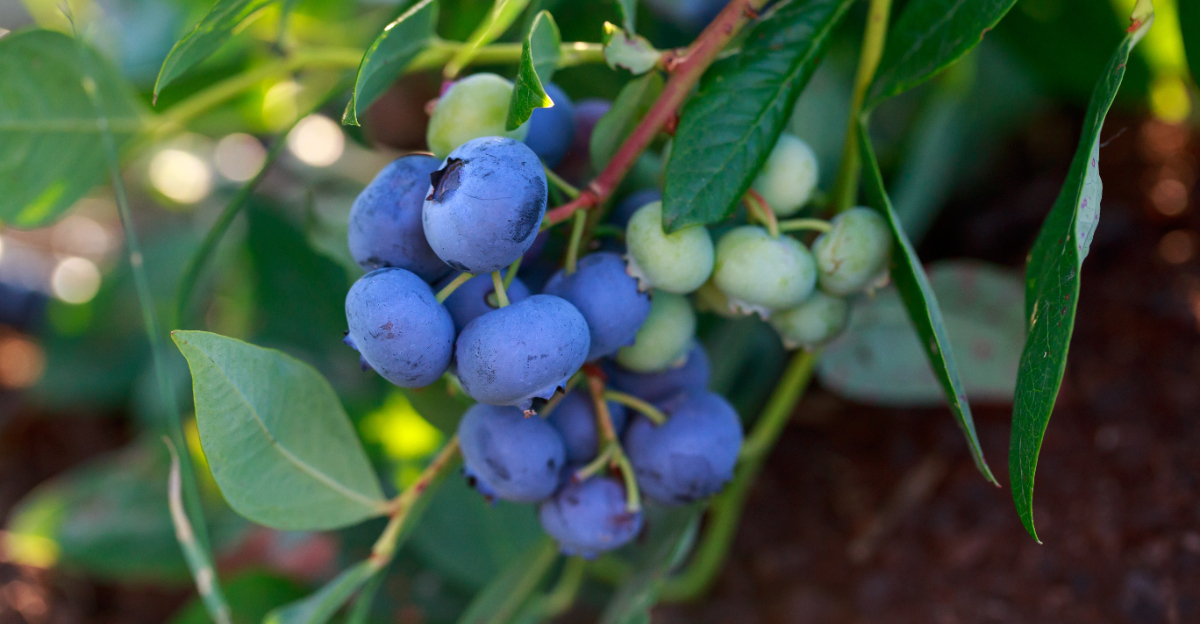
Blueberries can make California gardeners feel wildly confident, right up until summer starts testing every choice. The plants may look cute and manageable, but they are picky in ways that sneak up fast.
A few small mistakes can lead to sad leaves, weak growth, fewer berries, or a harvest that feels personally disappointing. The tricky part is that summer stress does not always look like one clear problem.
It can build quietly while the plant still seems mostly fine. Before you blame the variety or assume blueberries are too fussy for your yard, look at the care routine.
One overlooked habit can make the difference between a thriving plant and a dramatic little berry diva.
1. Letting Blueberries Dry Out Between Waterings
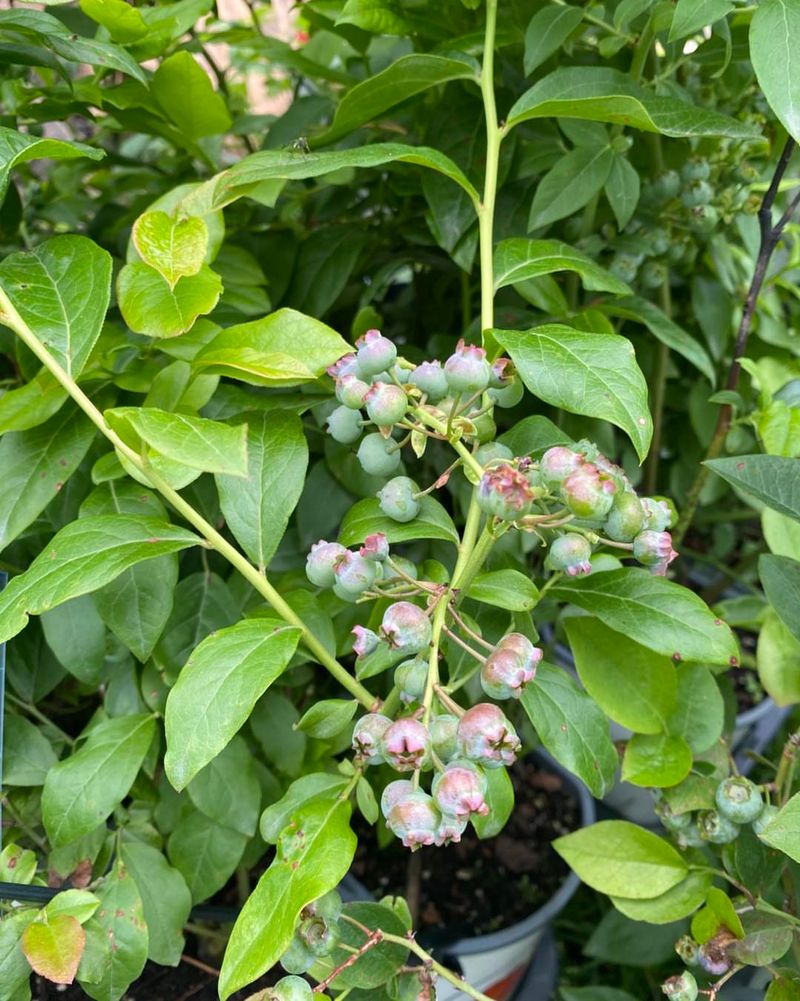
Blueberries are not drought-tolerant plants, even though they grow in a warm state. Letting the soil dry out completely between waterings is one of the fastest ways to stress your bushes.
Many gardeners assume that watering every few days is enough, but during peak summer heat, that schedule often falls short.
Blueberry roots are shallow and fibrous. They sit close to the surface of the soil, which means they dry out faster than deeper-rooted plants.
When those roots get too dry, the plant cannot absorb nutrients properly. Leaves may curl, turn brown at the edges, or drop early.
A good rule of thumb is to keep the soil consistently moist but never waterlogged. Stick your finger about two inches into the soil near the base of the plant.
If it feels dry at that depth, it is time to water. Do not wait for the plant to look stressed before acting.
In the hottest parts of California, daily watering may be necessary during heat waves. Setting up a drip irrigation system on a timer can take the guesswork out of the process.
Consistent moisture is far better than the cycle of dry and wet that many gardeners accidentally create. Your blueberry bushes will reward steady watering with stronger growth and bigger harvests.
2. Watering Lightly Instead Of Deeply
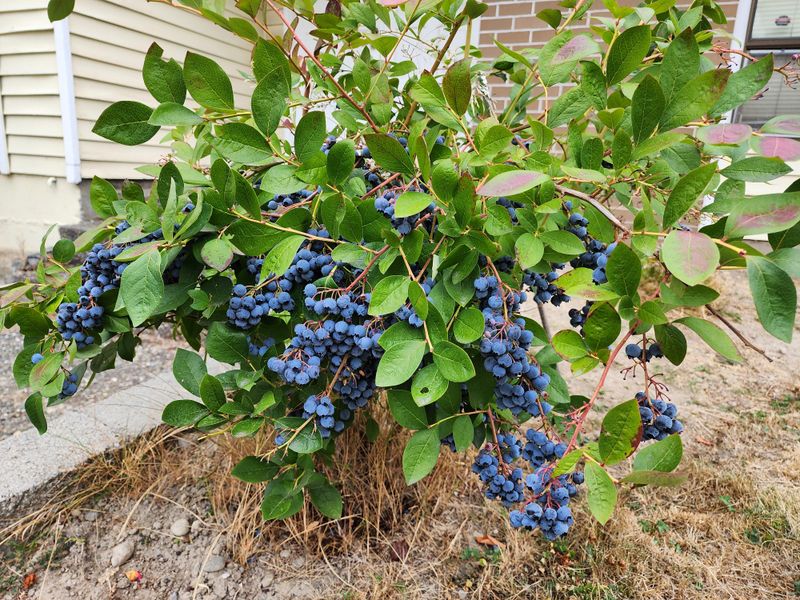
Sprinkling a little water on top of the soil each day might feel like you are doing your plants a favor, but shallow watering is actually one of the most common and damaging mistakes gardeners make. Light watering only wets the top inch or two of soil, which is not enough for healthy blueberry roots.
When only the surface stays wet, roots start growing upward toward the moisture instead of downward. Shallow roots make the plant more vulnerable to heat and drought.
A plant with weak, shallow roots cannot hold itself up well and cannot access the nutrients it needs from deeper soil layers.
Deep watering means soaking the soil slowly so moisture reaches six to eight inches down. A drip system or soaker hose works great for this.
Water slowly and let it soak in rather than running off the surface. This encourages roots to grow deeper and stronger over time.
A good deep watering two to three times per week is much better than a light sprinkle every day. The exact frequency depends on your soil type and local California temperatures.
Your California Garden Changes Every Week. Your Plan Should Too.
Gardening in California changes quickly throughout the season. Every Friday you’ll receive a simple weekly plan showing exactly what to plant, prune, fertilize, harvest, and protect so you never miss the right timing.
Sandy soil drains faster and may need more frequent deep watering. Clay soil holds moisture longer but can become compacted.
Always check soil moisture before watering to avoid overdoing it. Healthy roots start with smart watering habits.
3. Using Tap Water Without Checking pH
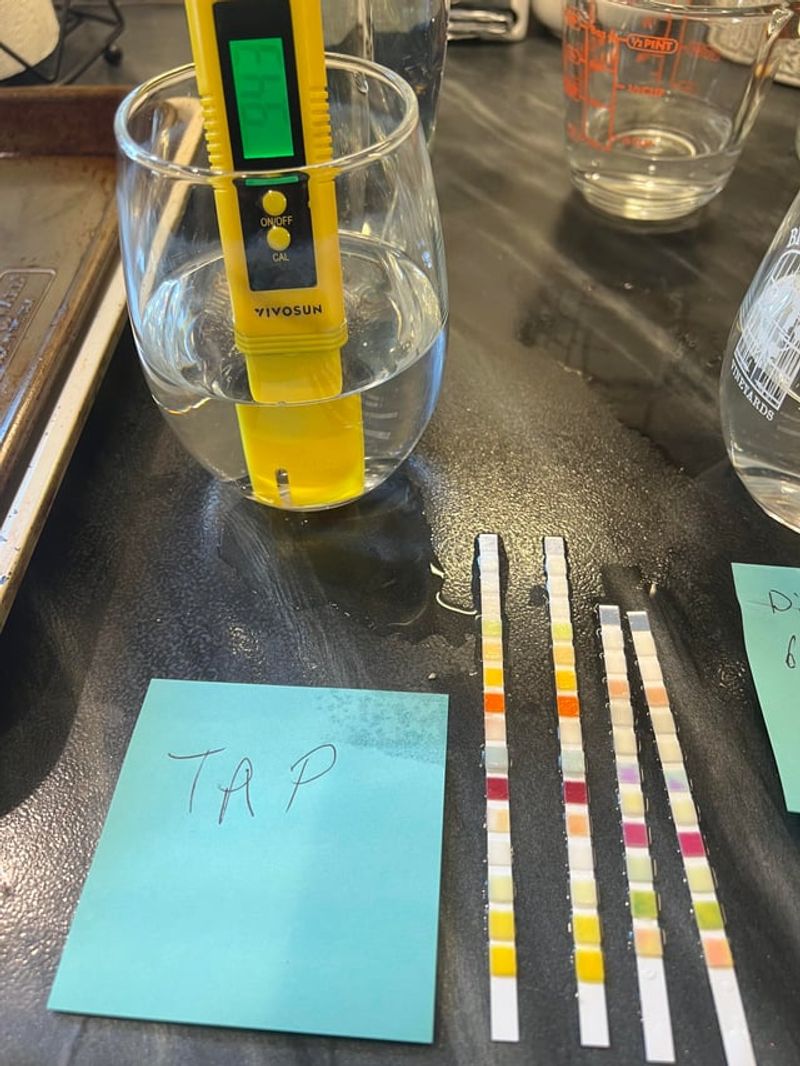
Most gardeners grab the hose and water their blueberries without thinking twice about what is actually in the water. Tap water in many parts of California is alkaline, meaning it has a high pH.
Over time, watering with high-pH water can raise the soil pH and make it harder for blueberries to absorb nutrients.
Blueberries need acidic soil with a pH between 4.5 and 5.5. When the pH creeps above that range, even a well-fertilized plant can show signs of nutrient deficiency.
Iron and manganese become less available in alkaline conditions, which leads to yellowing leaves, a condition called chlorosis.
Testing your tap water is easy and inexpensive. Simple pH test strips or a digital pH meter can give you a reading in seconds.
If your tap water tests above 7.0, you have a problem worth addressing. Adding a small amount of white vinegar or citric acid to your water can bring the pH down before you apply it to your plants.
Another option is to collect rainwater when possible, since rainwater is naturally slightly acidic and ideal for blueberries. Some gardeners in drier regions use filtered or reverse osmosis water.
Whichever method you choose, checking your water source regularly is a smart habit. Your blueberries will thank you with greener leaves and better fruit production all summer long.
4. Letting Soil Get Too Alkaline
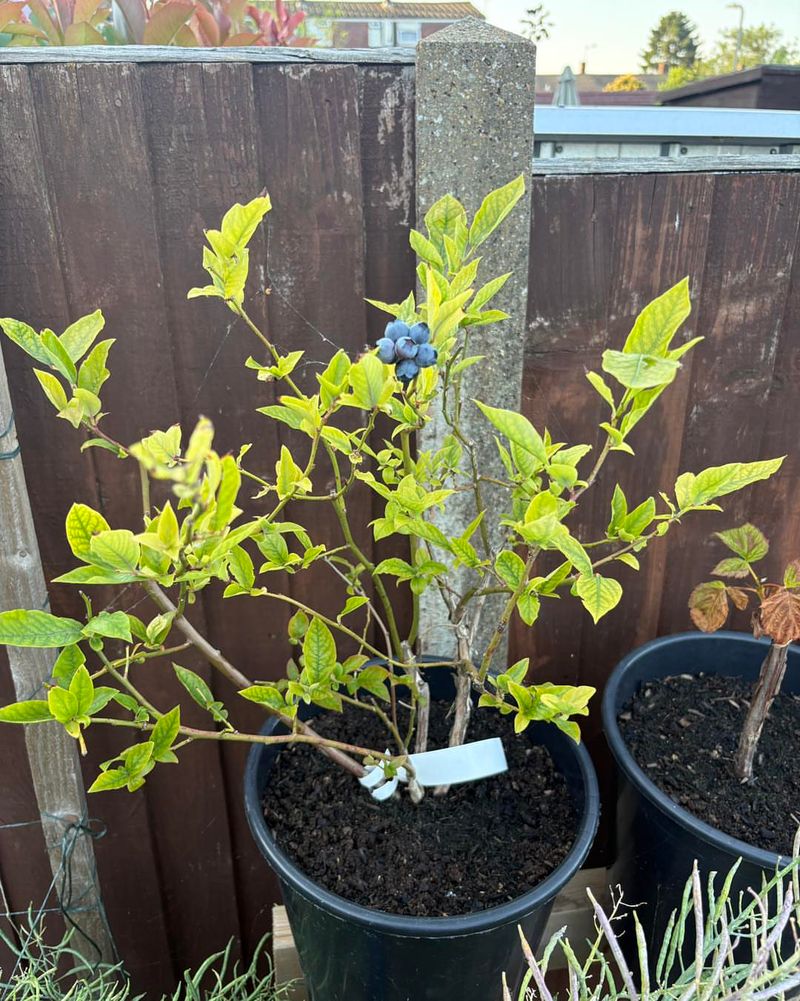
Soil pH is one of the most overlooked factors in blueberry care, yet it affects almost everything the plant does.
When soil becomes too alkaline, blueberries cannot take in the nutrients they need, no matter how much fertilizer you add. The nutrients are there, but the plant simply cannot access them.
Many soils in the warmer, drier parts of California naturally lean alkaline. Add in alkaline tap water and infrequent soil testing, and you have a recipe for struggling plants.
Yellowing leaves between the veins are often the first sign that your soil pH is too high.
Testing your soil at least once a year is a great habit. Simple home soil test kits are available at most garden centers and are easy to use.
If your pH is above 6.0, it is time to take action. Sulfur is one of the most effective and affordable ways to lower soil pH over time.
Acidic fertilizers formulated for azaleas and blueberries can also help maintain the right pH level. Adding peat moss or acidic compost when planting or top-dressing helps too.
Keep in mind that pH changes take weeks or months to show up, so start early and test regularly.
Staying on top of soil pH is one of the best investments you can make for long-term blueberry success in California.
5. Skipping Mulch During Summer Heat
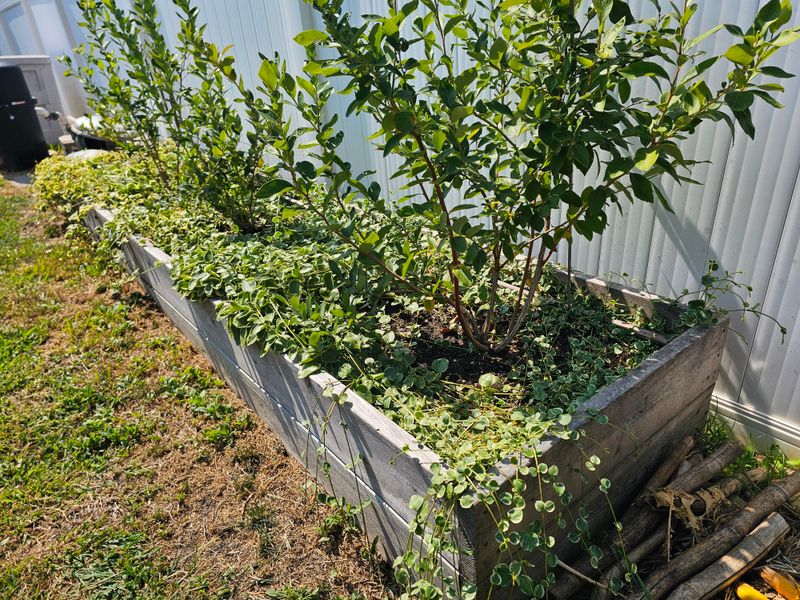
Few things help blueberries survive a hot summer more than a good layer of mulch. Skipping it is a mistake that costs gardeners more than they realize.
Without mulch, the soil heats up quickly in direct sun, and moisture evaporates fast. Blueberry roots, which are shallow and sensitive, struggle in those conditions.
A thick layer of mulch acts like a blanket for the soil. It keeps moisture in, moderates soil temperature, and even suppresses weeds that would otherwise compete with your blueberries for water and nutrients.
Pine bark, wood chips, and pine needles are all excellent choices because they are slightly acidic and break down slowly.
Apply mulch two to four inches deep around the base of each plant. Keep it a few inches away from the main stem to prevent rot.
Extend it outward to cover the entire root zone, which usually reaches out as far as the plant’s branches.
In the hottest parts of California, soil temperatures without mulch can reach levels that seriously harm roots. With a good mulch layer, soil temperatures stay much cooler.
Mulch also feeds the soil as it breaks down, slowly improving the texture and acidity over time. Refreshing your mulch layer each spring is a simple habit that pays off all summer.
It is one of the easiest and most effective things you can do for your blueberry plants.
6. Fertilizing Hard After Plants Are Stressed
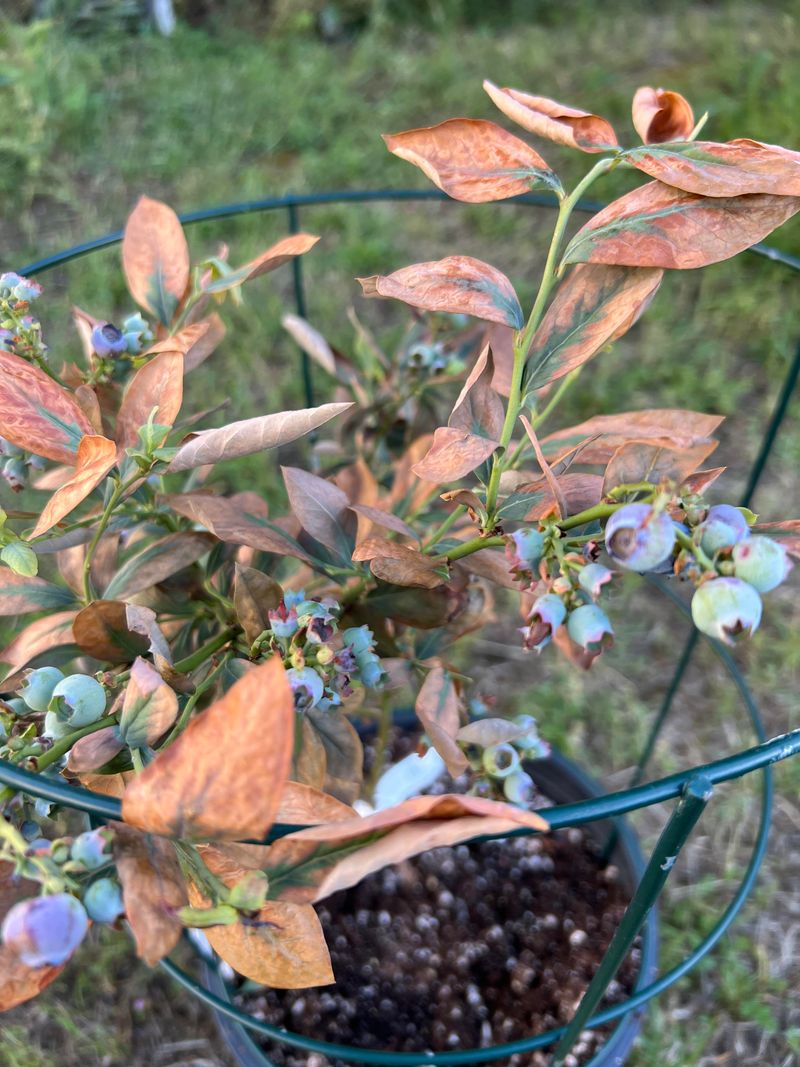
When a blueberry plant looks rough, the instinct for many gardeners is to feed it more. More fertilizer must mean more energy, right?
Unfortunately, that logic backfires when plants are already stressed from heat, drought, or poor soil conditions. Fertilizing a stressed plant can actually make things worse.
A plant that is struggling is not actively growing. Its root system is not working at full capacity.
When you dump fertilizer into the soil during that time, the roots cannot process it properly.
The salts in fertilizer can build up and burn the roots, making the plant even weaker than before.
The right time to fertilize blueberries is when they are actively growing and healthy. Early spring is ideal, just as new growth begins.
A second light feeding in early summer is fine for healthy plants. After that, hold off on fertilizing, especially as temperatures climb and plants begin to slow down.
If your plant looks stressed in midsummer, focus on watering correctly, adjusting soil pH, and adding mulch rather than reaching for fertilizer.
Once the plant stabilizes and shows signs of healthy new growth, you can consider a light feeding.
Always use a fertilizer formulated for acid-loving plants, and follow the label directions carefully. Less is more when it comes to feeding blueberries, and patience goes a long way toward helping a struggling plant recover.
7. Planting Them In Harsh Afternoon Sun
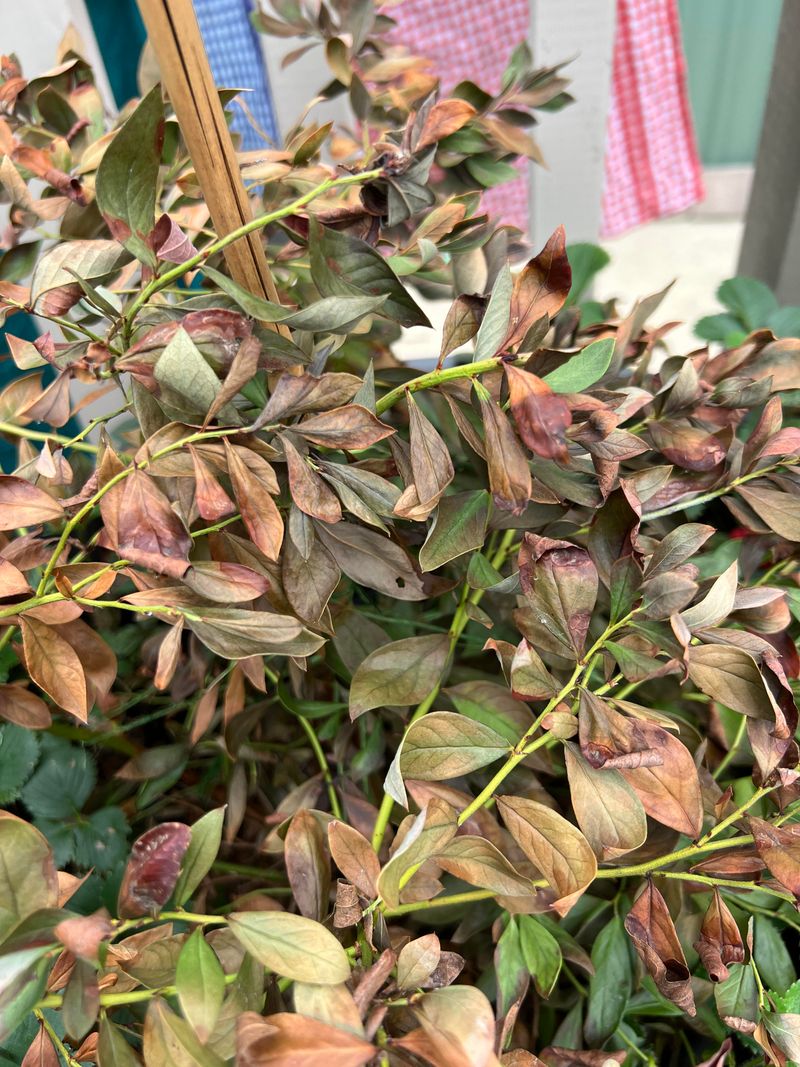
Blueberries love sunshine, but there is a big difference between morning sun and the brutal afternoon sun we get during summer in many parts of this state.
Planting your bushes in a spot that gets intense afternoon sun can scorch the leaves, stress the roots, and reduce fruit production significantly.
Afternoon sun in hot inland areas can push temperatures well above 100 degrees. Blueberry plants are not built for that kind of heat exposure.
Leaves may develop brown, crispy edges, and the plant may drop its fruit early to conserve energy. This is especially common in the Central Valley and other hot inland regions.
The best planting location gets morning sun and light or dappled shade during the hottest part of the afternoon. East-facing spots work really well for this.
If your yard does not have natural shade in the afternoon, you can use shade cloth rated at 30 to 40 percent to protect your plants during heat waves.
If your blueberries are already planted in a tough sun spot, do not give up. Adding shade cloth is a quick and affordable fix.
Deep watering, thick mulch, and monitoring during heat waves can help your plants pull through. For California gardeners in cooler coastal areas, full sun is usually fine year-round.
Knowing your local microclimate is key to placing blueberries where they will truly thrive.
8. Growing Them In Containers That Heat Up Fast
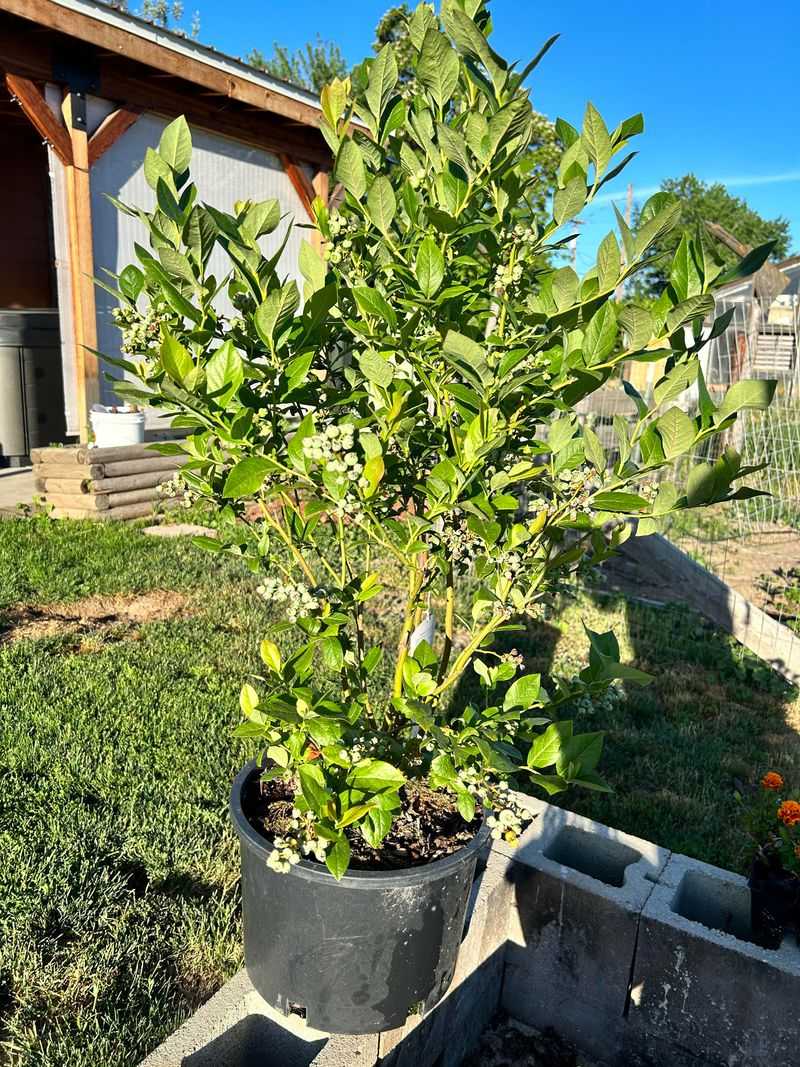
Container gardening is a popular choice for blueberries, especially for gardeners who want to control the soil mix and pH more easily.
But there is a serious downside that many people do not think about until it is too late.
Containers heat up incredibly fast in direct summer sun, and that heat can damage roots quickly.
Dark-colored plastic pots are the worst offenders. They absorb heat from the sun and transfer it directly to the soil and roots inside.
Root zone temperatures in a black plastic pot sitting in full summer sun can reach levels that are seriously harmful to a blueberry plant. Fabric pots and light-colored containers stay cooler and are much better choices.
Pot size matters too. Small containers dry out faster and heat up more quickly than large ones.
Choose a pot that is at least 18 to 24 inches wide and deep. This gives the roots more room to spread and helps buffer against temperature swings throughout the day.
Placing containers in spots with afternoon shade is one of the easiest ways to protect them. You can also double-pot your blueberries by placing the growing pot inside a larger decorative pot with an air gap between them.
This creates insulation and keeps roots cooler. Watering container blueberries more frequently than in-ground plants is also essential.
Containers lose moisture fast, especially on hot patios and decks in the warmest parts of California.