What It Means When A Great Horned Owl Shows Up In Your Texas Yard
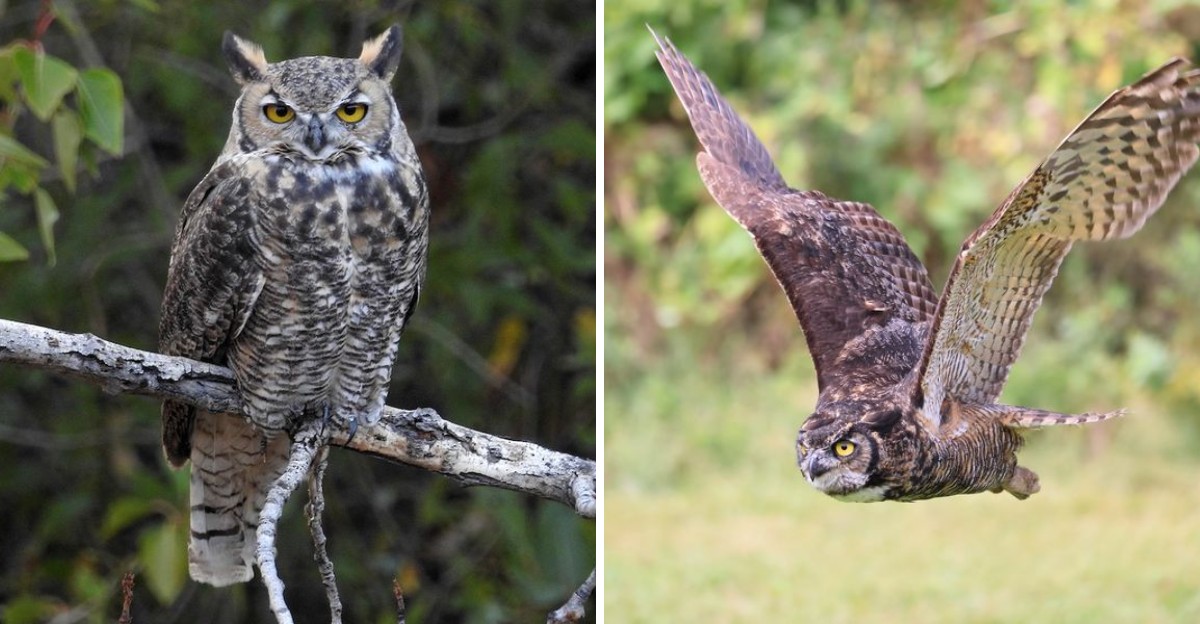
With sharp hearing and talons that grip with incredible force, this powerful hunter catches almost anything it can find. Rabbits, rats, mice, and even other birds are fair game.
It’s one of the most widespread owls in Texas, and it’s as comfortable in suburban neighborhoods as in open ranch country.
If you’ve heard deep, soft hoots echoing through the trees after dark, there’s a good chance one has been checking out your yard.
Fall is when many of these owls start claiming territory and calling to their mates. Their nesting season begins surprisingly early, sometimes in the middle of winter.
An owl’s visit can reveal a lot about your yard, from the wildlife living there to the safety of your small pets.
1. There’s Plenty Of Prey Nearby
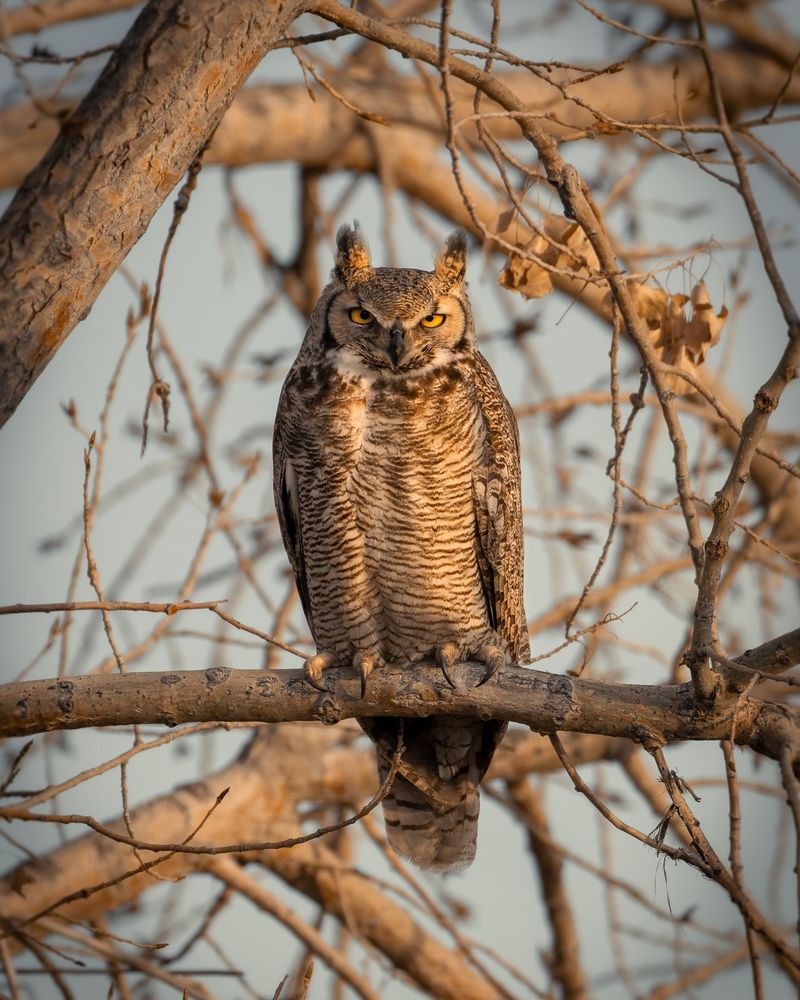
Owls are like picky diners. They only stick around where the menu is good. When a great horned owl shows up in your yard, food is usually the main reason.
Great horned owls eat a wide variety of small animals. Rabbits, rats, mice, gophers, and even big insects are all on the list. In Texas, cotton rats and cottontail rabbits are some of their favorite meals.
An owl that keeps coming back is telling you that your area has a healthy supply of these critters.
That might sound a little gross at first. Still, it gives you useful clues about your yard. Do you have a woodpile, tall grass, or a compost pile?
Those spots are perfect hiding places for rodents. Spilled birdseed under a feeder can also draw mice at night, and the mice draw the owl.
Here is a simple tip. Walk around your yard during the day and look for small holes, chewed plants, or tiny tracks. If you find them, you have a good idea why the owl chose your place.
You can tidy up feeders and store pet food in sealed bins to keep rodent numbers lower.
Owls hunt mostly from a perch. They sit quietly on a branch, fence, or roof and wait. Their hearing is so sharp that they can find a mouse rustling under leaves in total darkness.
Then they glide down without making a sound.
Fun fact: an owl’s feathers have soft, fringed edges that break up the air. That is why their flight is nearly silent. So if your yard has a new night visitor, think of it as a sign that small wildlife is doing well around you.
2. Your Neighborhood Offers Good Habitat
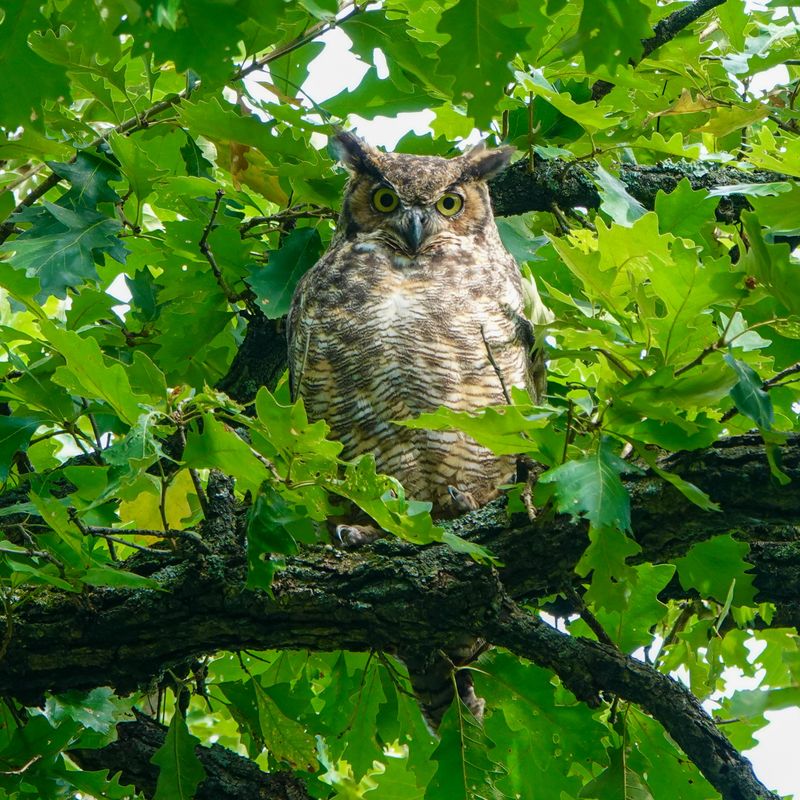
Congratulations, your neighborhood just got a five-star review from a bird. Great horned owls are choosy about where they settle. If one is hanging around, your area checks a lot of boxes.
These owls live across all of Texas, from the Piney Woods to the dry West Texas desert. They do not migrate, so they stay put all year. They are also very flexible.
You can find them on ranches, in city parks, along creeks, and in quiet suburbs.
So what makes a yard extra appealing? Tall trees are a big part of it. Live oaks, pecans, cottonwoods, and pines give owls high, safe spots to rest during the day.
Your Texas Garden Changes Every Week. Your Plan Should Too.
Gardening in Texas changes quickly throughout the season. Every Friday you’ll receive a simple weekly plan showing exactly what to plant, prune, fertilize, harvest, and protect so you never miss the right timing.
Open areas are the other key piece. Lawns, pastures, golf courses, and empty lots give them room to spot and swoop down on prey.
A mix of both is the sweet spot. Owls like to sit at the edge of the trees and look out over the open ground. If your street has big old trees next to fields or wide yards, that is owl heaven.
Want to keep your yard owl-friendly? Leave large, healthy trees standing when you can. Avoid using rat poison, since owls can get sick from eating poisoned rodents.
Keep some natural areas with native plants, which support the small animals owls eat.
You can even put up an owl nest box in a tall tree. Great horned owls sometimes use large, open platforms. Local nature centers and Texas Parks and Wildlife share plans online.
Seeing an owl means your neighborhood still has a good balance of nature, and that is something worth protecting.
3. It May Be Courting Or Claiming A Territory
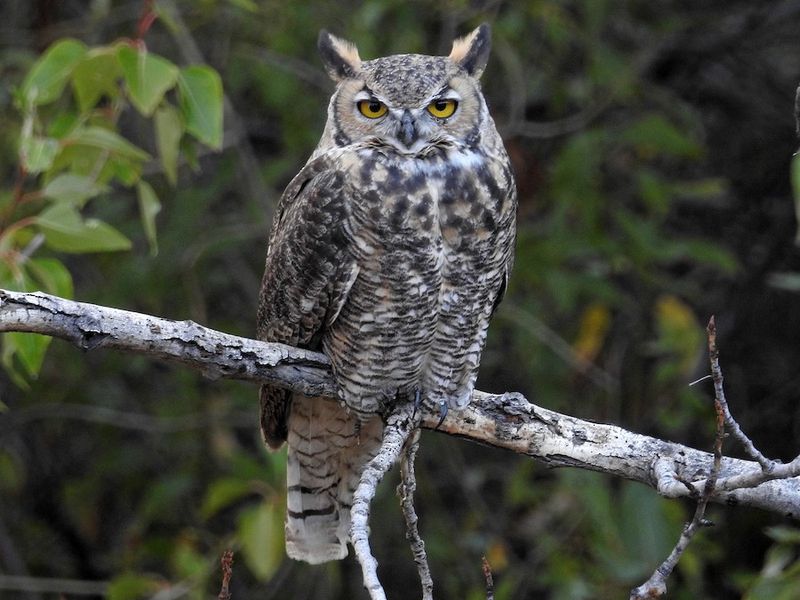
Hoo-h’HOO-hoo-hoo. If you have heard that low call outside your window on a chilly night, you may be listening to an owl love song.
Great horned owls are among the earliest nesting birds in Texas. While most birds wait for spring, these owls start their family plans in fall and early winter.
Pairs often hoot back and forth to each other in the dark. It almost sounds like a quiet conversation.
Here is a neat trick for telling them apart. The male usually has a deeper voice, even though he is smaller than the female.
When you hear two owls calling, the lower one is often him. Their duets help them bond and also warn other owls to stay away.
Yes, these calls are a way of saying, this spot is taken. Great horned owls defend their home range strongly. A pair may use the same territory for many years.
If you hear hooting night after night, your yard may sit right inside their claimed area.
You can enjoy the show without bothering them. Step outside on a calm evening, turn off bright lights, and just listen. Late November through January is often the best time in Texas.
Try to count the hoots in each call, since males and females have slightly different patterns.
Avoid playing recorded owl calls to attract them. It might seem fun, but it can stress the birds and make them think a rival has moved in. A notebook works better.
Write down the dates and times you hear them. Over a few weeks, you will learn their schedule and feel like you know your new neighbors.
4. It Could Be Nesting Close By
Building a nest from scratch? Not for these owls. Great horned owls are more like house hunters than builders. They move into homes that other animals already made.
Most often, they take over old stick nests from red-tailed hawks, crows, or ravens. They also use big squirrel nests, tree hollows, cliff ledges, and sometimes even barn rafters or old buildings. They might add a few feathers, but that is about it for decorating.
Timing is what surprises most Texans. In much of the state, females may be sitting on eggs by January or even late December.
That is while many people still have holiday lights up. The eggs hatch in about a month, and the fuzzy owlets grow fast.
So how can you tell if a nest is nearby? Watch for an owl flying to the same tree again and again. Look for a large nest with fluffy feathers or ear tufts poking over the edge.
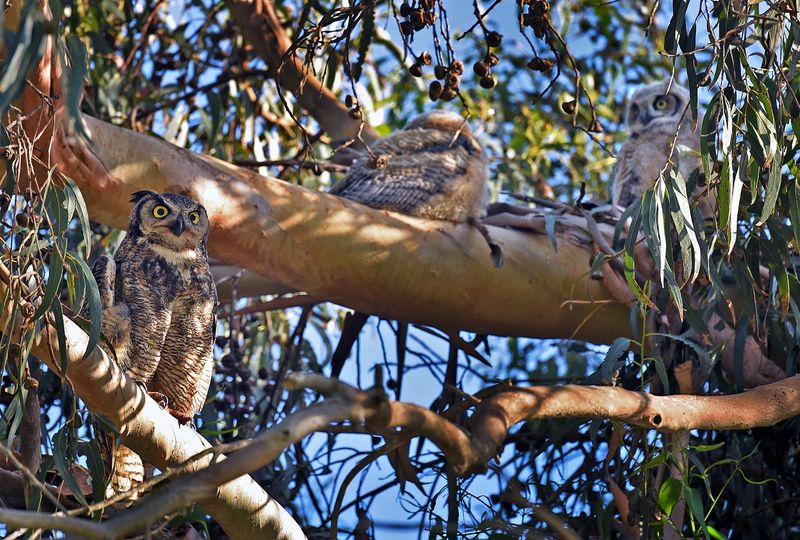
In spring, you might spot gray, fuzzy babies called owlets sitting on branches.
Young owls often leave the nest before they can fly well. This stage is called branching. They hop and climb around the tree for a few weeks.
If you find one on a low branch or the ground, do not rush to help. The parents are usually close and still feeding it.
Keep a respectful distance, at least 100 feet if you can. Use binoculars instead of walking up close. Keep kids and dogs away from the nest tree.
Owl parents can be fiercely protective and may swoop at people who get too near. Watching a family grow from afar is a treat you will never forget.
5. You Have A Natural Pest Controller
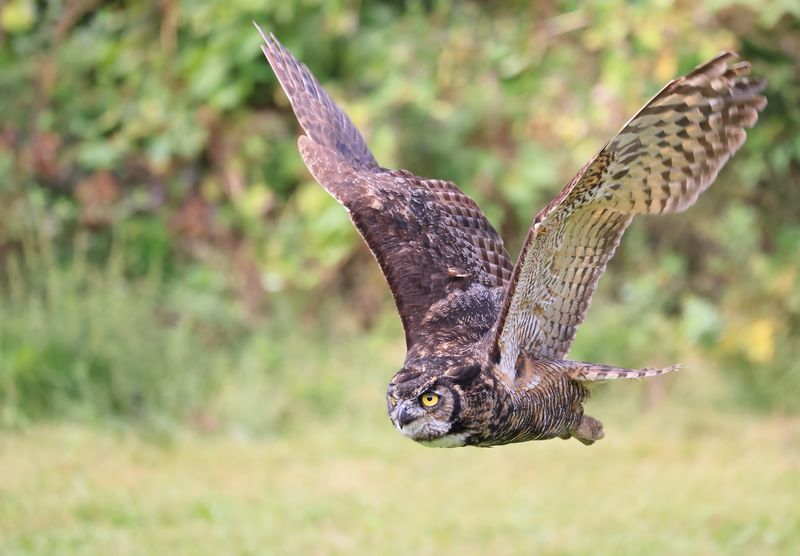
Forget the mousetraps for a moment. A free, feathered pest control service may have just moved in next door, and it works the night shift.
Great horned owls eat a lot. One owl can catch hundreds of rodents in a single year. That includes rats that chew wires, mice that sneak into garages, and gophers that tear up gardens.
Farmers and ranchers across Texas have long welcomed owls for just this reason.
There is another bonus that might make you laugh. Great horned owls are one of the very few animals that regularly hunt skunks. Most predators stay far away from that stinky spray.
Owls do not seem to mind, because birds have a weak sense of smell. Some owls even end up smelling a little like skunk themselves.
They also go after other animals that can be pests. Possums, armadillo babies, large insects, and even snakes show up in their diet. An owl that lives nearby helps keep the whole small animal community in balance.
Want to give your owl a helping hand? Skip rat poison. When an owl eats a poisoned rodent, the poison can build up in its body and make it very sick. Snap traps used indoors are a safer choice if you still need extra help.
You can also leave a few tall perches near open spaces, like a dry tree limb or a tall post. Owls love a good lookout spot. Some Texans even install perch poles near gardens.
Over time, you may notice fewer critters raiding your vegetables. That is the quiet magic of having an owl on your team.
6. It’s Time To Keep Small Pets Indoors At Night
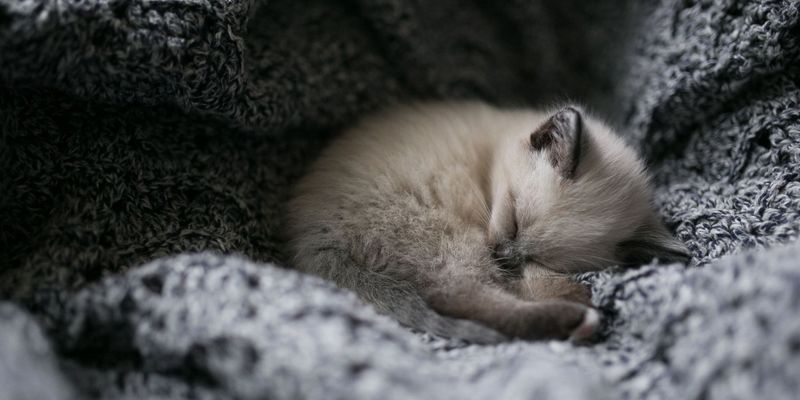
Let’s be honest about something. That beautiful owl in your tree is a serious hunter, and it does not always know the difference between a wild rabbit and your fluffy pet.
Great horned owls are strong. Their grip is much stronger than a human hand, and their sharp talons are built to hold on tight.
They have been known to grab small cats, tiny dogs like Chihuahuas, and backyard chickens. Most of these attacks happen at dusk or after dark, when owls are most active.
The good news is that a few simple habits can keep everyone safe. Bring small pets inside before sunset. If your dog needs a late potty break, go out with it and stay close. A leash and a bright flashlight help too.
Chickens and ducks need extra care. Lock them in a sturdy coop every night. Make sure the coop has a solid roof or strong wire on top, since owls attack from above. Open runs are easy targets once the sun goes down.
Cats are a special worry in Texas suburbs. Many people let them roam at night. Keeping cats indoors protects them from owls, coyotes, cars, and other risks. It also protects songbirds and lizards in your yard.
Please do not try to scare the owl away by hurting it or destroying its nest. That can get you in legal trouble. Instead, focus on protecting your animals.
Motion lights near the coop or patio may also make the area less inviting for hunting. With a little planning, your pets and your owl neighbor can share the same space without any problems.
7. It’s A Protected Bird To Enjoy From A Distance
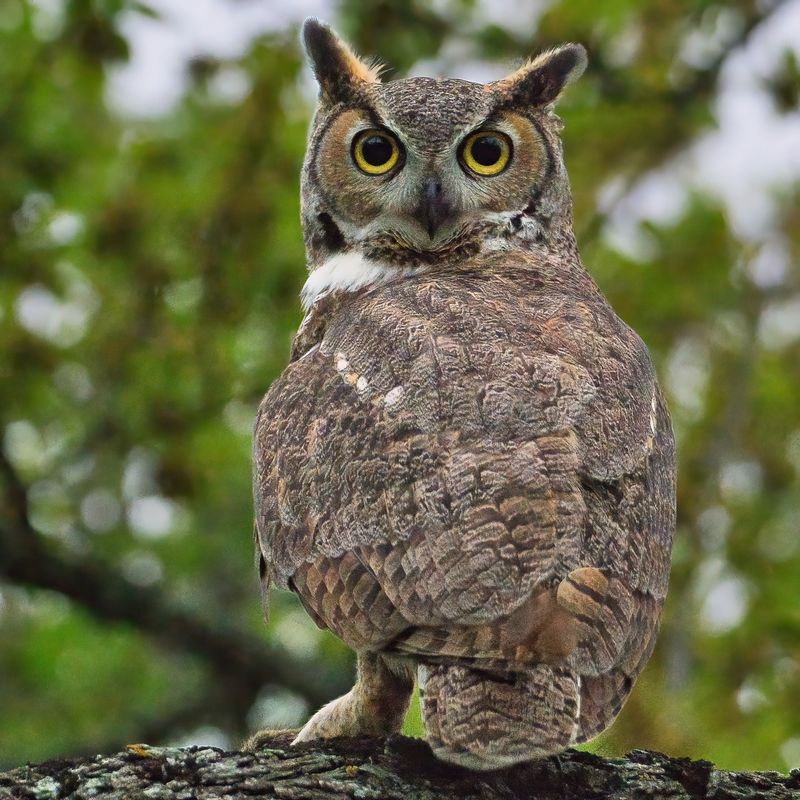
Here is a fact many people do not know. Great horned owls are protected by federal law, so that owl in your yard has some powerful backup.
The Migratory Bird Treaty Act protects these owls across the United States. It is illegal to harm them, trap them, or keep them as pets.
You also cannot disturb their nests, eggs, or even keep their feathers without a permit. Texas state laws add even more protection.
So the best way to enjoy your owl is simple. Watch from a distance. Grab a pair of binoculars, sit quietly, and let the bird do its thing.
A camera with a zoom lens works great for photos. Avoid shining bright lights in its face or using flash, since that can stress the owl.
Finding where an owl rests during the day is like a fun detective game. Look under trees for pellets. These are small gray lumps of fur and bones that owls cough up after eating.
You may also spot whitewash, which is white bird droppings splashed on branches or the ground.
Listen for crows, too. Crows really dislike owls. When they find one, they gather in a noisy group and caw loudly around the tree.
This is called mobbing. If you hear a crowd of angry crows, an owl is often hiding nearby. Kids love dissecting owl pellets, and it is a great science project. Just wear gloves and wash up afterward.
If you ever find an injured owl, call a licensed wildlife rehabilitator or Texas Parks and Wildlife. Treat your owl visitor like a special guest, and it may keep coming back for years.