8 California Yard Habits That Quietly Attract More Wasps
Wasps tend to appear out of nowhere at California cookouts, circling sticky cups and leftover plates within minutes.
Their arrival isn’t random. Many everyday yard habits quietly signal that food, water, or shelter sits close by.
Timing plays a big role, too. In spring and early summer, wasps mostly hunt protein to feed their growing young.
By late summer and fall, they switch to craving sugar, which explains why spilled juice and dropped fruit suddenly draw a crowd.
Many wasps help gardens by eating caterpillars and other pests. Still, nobody enjoys a picnic that stings, and a few simple changes can make the yard far less inviting.
1. Open Trash Cans Draw Foraging Wasps
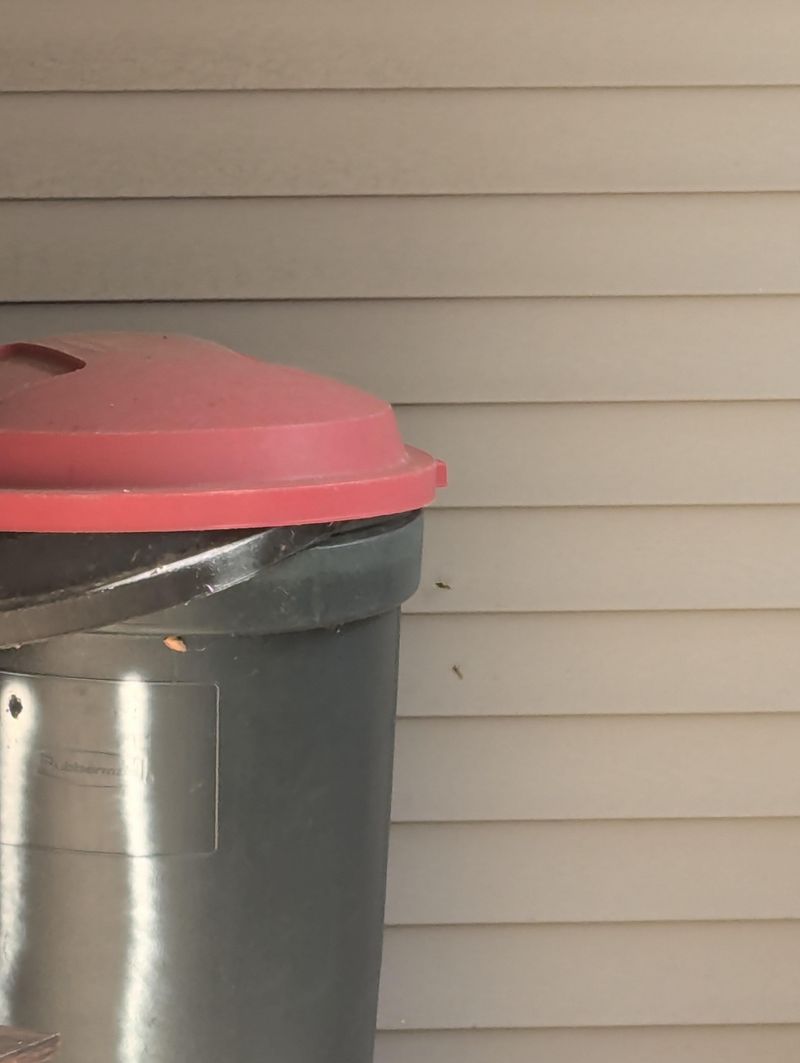
A trash lid lifted often releases a low buzz before any smell. Garbage and recycling bins rank among the easiest food stops in a California yard.
Yellowjackets especially love them, since one bin can offer both meat scraps and sugary leftovers. According to the UC Statewide IPM Program, they hunt protein in spring and early summer to feed developing young.
Bits of chicken, hot dog ends, and greasy wrappers fit that need perfectly. Later in summer and fall, the colony’s needs change, and workers start hunting for sweets instead.
Recycling bins become a real draw at that point. Soda cans and juice boxes often hold a few sticky drops, and a bin full of unrinsed containers works like a magnet.
Tight-closing lids make a strong first line of defense, and cracked ones are worth replacing. Bagging food waste and giving cans and bottles a quick rinse helps too.
Placing bins a little away from patios, doors, and play areas reduces close encounters. Distance alone can make outdoor meals more pleasant.
Cleaning matters as well. A splash of soapy water and a scrub brush every few weeks removes the sticky film that keeps wasps returning.
Even a small gap under a warped lid can admit a curious forager, so an occasional seal check pays off.
Closed lids also keep out raccoons, rats, and flies, a welcome bonus for the whole neighborhood.
2. Sweet Drinks And Spills Work Like Bait
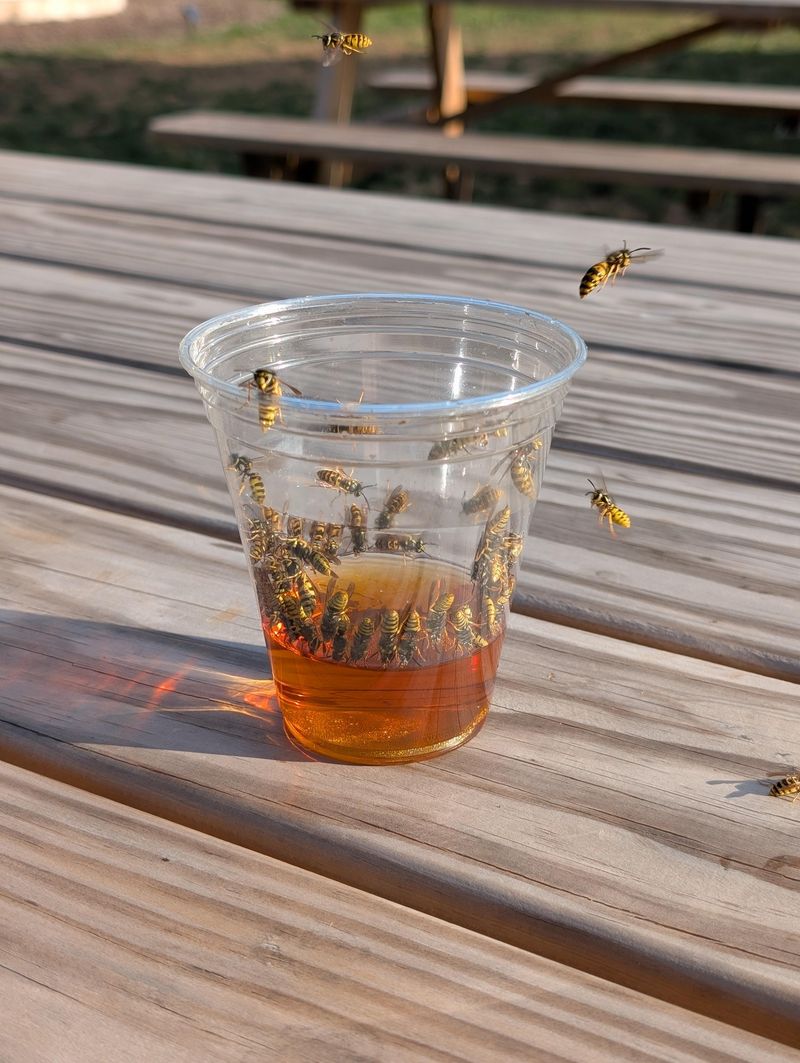
A few drops of lemonade on a patio table look harmless enough. To a hungry yellowjacket in late summer, though, that puddle is a sugar jackpot.
Wasps find sweet spills quickly and often return later with company. The shift toward sugar is seasonal and fairly predictable.
UC IPM explains that as the colony grows and produces fewer young, workers lose their usual food reward inside the nest. They start searching hard for sugary foods, which is why August through October often feels like peak wasp-at-the-picnic season.
Open cans are the sneakiest trap. A yellowjacket can crawl inside a soda can unnoticed, and the next sip might end with a sting to the lip or mouth.
Clear cups with lids and straws make it easy to see what’s in each drink. That’s an especially smart choice for kids.
Wiping tables right after eating, rather than hours later, makes a big difference. Sticky spots on decks and pavers deserve a quick hose rinse, since dried juice still smells sweet. Popsicle drips on the lawn count too.
Your California Garden Changes Every Week. Your Plan Should Too.
Gardening in California changes quickly throughout the season. Every Friday you’ll receive a simple weekly plan showing exactly what to plant, prune, fertilize, harvest, and protect so you never miss the right timing.
A little strategy helps at cookouts. Drinks stay covered in a cooler until needed, empties go straight into a sealed bin, and sweets can be served indoors during busy wasp weeks.
Swatting tends to backfire. Calm, slow movements and simply moving food away usually work far better than flailing arms and loud shrieks.
3. Pet Food Left Outside Attracts Yellowjackets
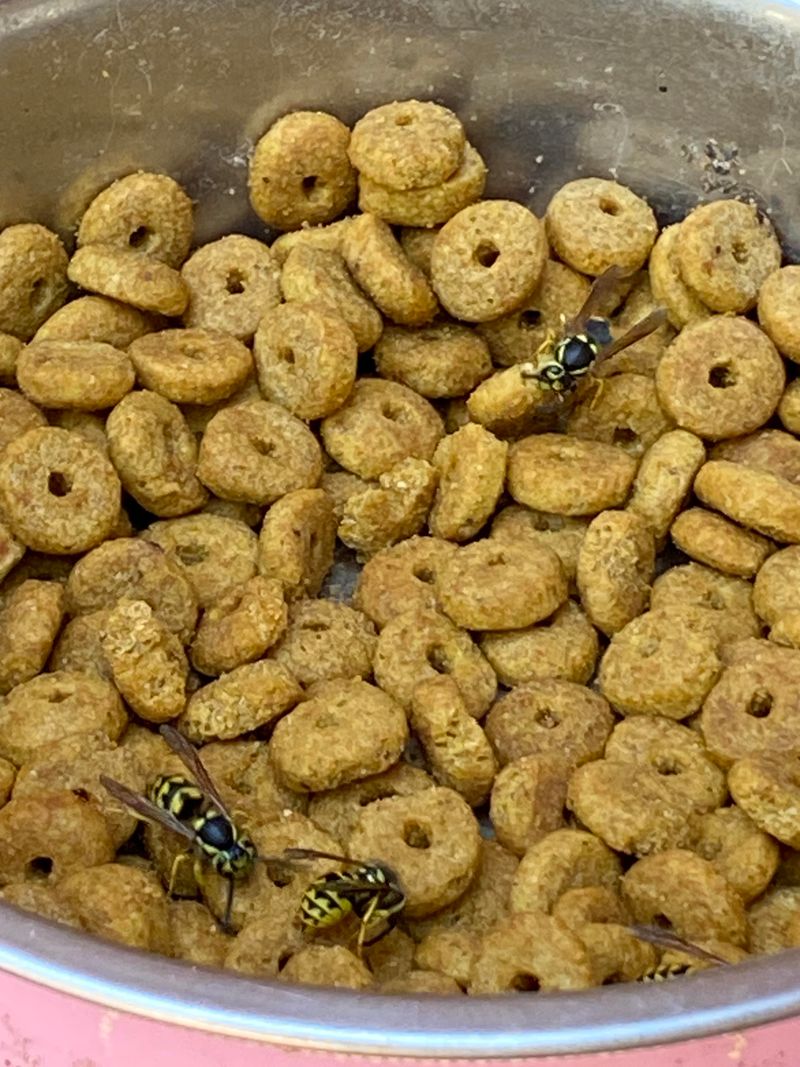
A half-finished breakfast in a dog bowl rarely goes to waste outdoors. Local yellowjackets are happy to clean it up, especially wet food and meaty kibble left out in the sun.
Some yellowjackets even carve off small chunks and fly them home. Protein is the big draw early in the season.
During spring and early summer, workers chew up meat and insects to feed the larvae back in the nest. A bowl of canned cat food saves them a hunting trip, and they remember exactly where it was.
Pets can get hurt in the process. Dogs and cats sometimes snap at buzzing insects or try to eat around them.
A sting on the nose or inside the mouth can cause painful swelling. Some animals react more strongly than others.
Indoor feeding offers the simplest fix. When meals must happen outside, picking up the bowl within about 20 or 30 minutes, once the pet walks away, removes the temptation.
Daily bowl washing keeps greasy leftovers from sending out an invitation. Bags and bins of pet food belong in a closed garage or in containers with locking lids.
Water bowls can stay out, as long as they stay fresh and clean. Chicken feed and treats for backyard hens count, too, so tidy coops help.
Swelling, drooling, or trouble breathing after a sting calls for a vet right away.
4. Fallen Fruit Becomes A Late Season Buffet
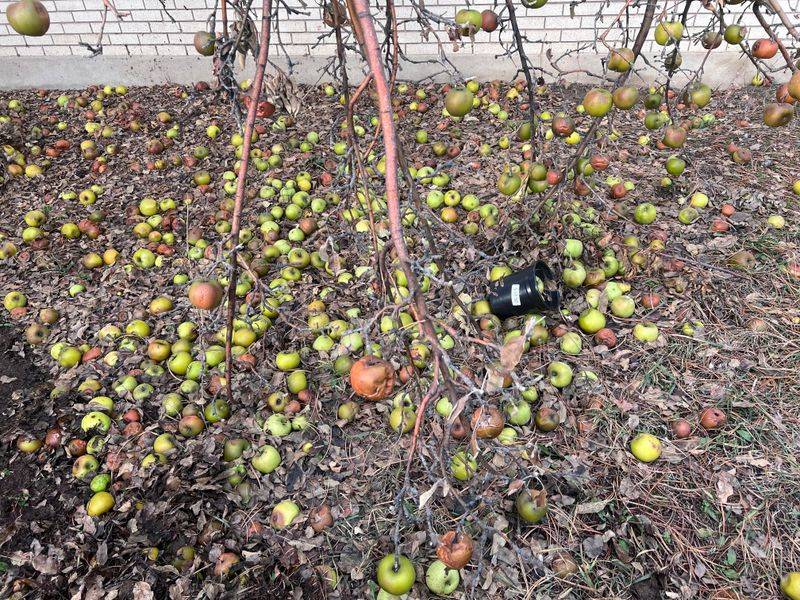
Figs splitting open in the grass, plums gone soft under the tree, and bruised apples rolling toward the fence are common sights in September. To wasps, that scene is a free dessert bar.
Fruit trees are a big part of backyard life in California, from citrus in the south to apples and pears farther north. Once fruit hits the ground, it starts breaking down and leaking sugary juice.
Late-season yellowjackets, now hungry for sugar, swarm to it quickly. Fallen fruit also creates hidden hazards.
Bare feet, curious toddlers, and lawn mowers can all stumble into feeding wasps tucked inside a split peach. Picking up fruit by hand can lead to a surprise sting, so gloves and a rake or fruit picker help.
Cleanup works best as a daily or every-other-day chore during harvest season. Dropped fruit belongs in a sealed bag, a closed compost bin, or the green waste cart.
A pile left next to the tree simply moves the buffet a few feet. Quick removal is what actually solves the problem.
Earlier harvesting helps, too. Picking fruit as soon as it ripens means less lands on the ground.
Netting or thinning heavy branches also cuts down on overripe fruit that birds peck open first.
Extra fruit can go to neighbors or a local food bank. Fewer forgotten figs means fewer buzzing guests, and someone else enjoys a sweet treat.
5. Sugary Feeders Pull In More Than Birds
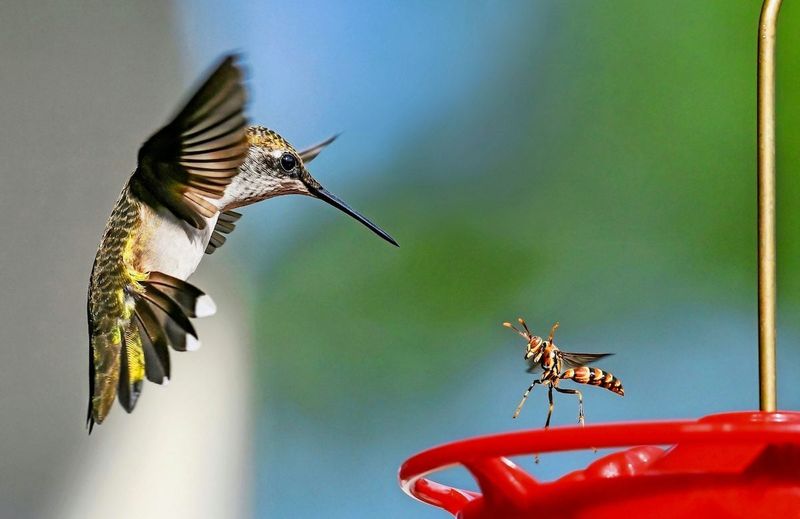
Hummingbirds zipping around a bright red feeder like tiny jets bring plenty of joy. Unfortunately, that same sugar water can catch the attention of wasps and bees.
By late summer, some feeders get so crowded that the birds give up and fly off. Leaks are usually the culprit.
A cracked port, a loose base, or a feeder that tips in the wind can drip nectar down the sides. Wasps follow that sugary trail and settle right on the feeding holes.
Saucer-style feeders, where nectar sits lower than the ports, tend to keep insects from reaching the liquid. Some models also come with built-in insect guards.
Partial shade helps keep nectar fresh longer, which makes it less tempting. Regular cleaning makes an even bigger difference.
Experts generally suggest changing nectar every few days in hot weather and washing the feeder with hot water each time. A plain mix of white sugar and water is all hummingbirds need, with no honey or red dye.
The ground and nearby railings deserve a look, too. Sticky drips on a deck or patio cover attract insects even when the feeder itself looks fine.
A quick wipe keeps the area dry and dull to wasps.
Moving the feeder a few feet to a new spot can confuse regular wasp visitors. Hummingbirds have excellent memories for feeding locations, so they usually find the new spot faster than the wasps do.
6. Gaps Under Eaves Offer Nesting Spots
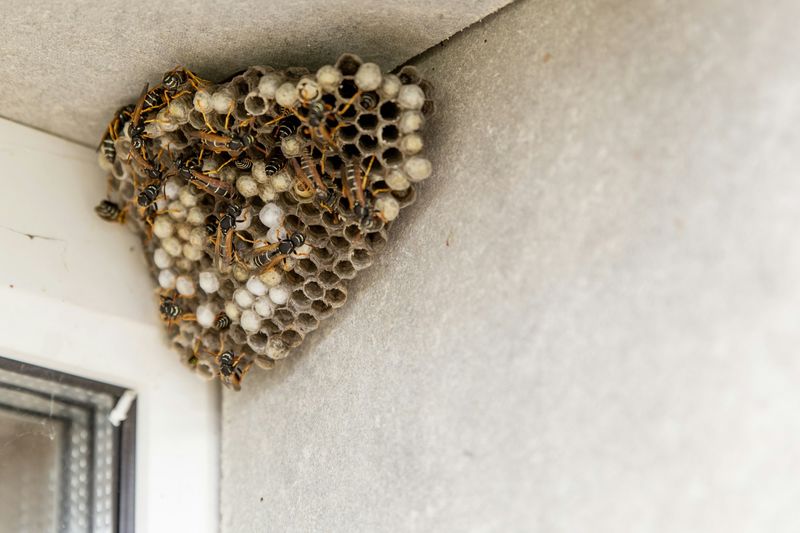
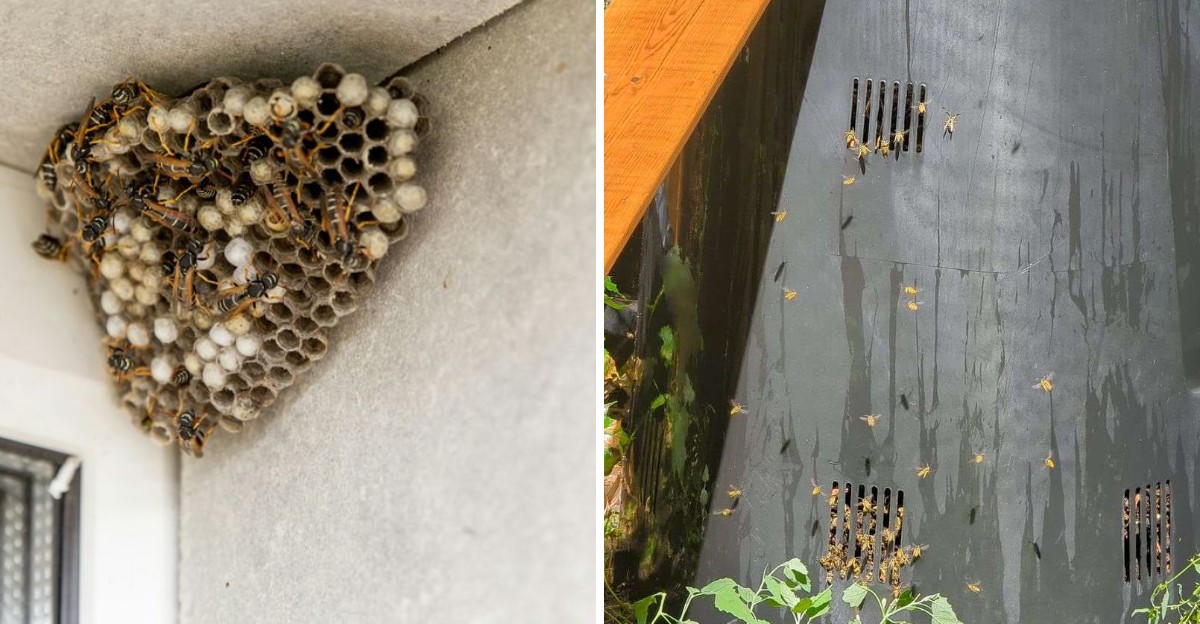
A gray, umbrella-shaped cluster of open cells tucked under the roofline is likely a paper wasp nest. These wasps love sheltered, dry spots where rain and wind can’t reach.
Eaves, patio covers, door frames, and the underside of railings all qualify. Paper wasps chew wood fibers into a papery paste, then build small nests that hang from a single stalk.
UC IPM notes that paper wasps are usually less aggressive than yellowjackets. They will still defend a nest when bumped or disturbed.
Gaps in siding, holes in soffit vents, and loose fascia boards invite nesting too. Unused grills, playsets, mailboxes, and stacked patio furniture are also popular, since anything sitting still all spring can turn into prime real estate.
Early spring is the best time to inspect. Founding queens start new nests alone, so a nest may be tiny, about the size of a quarter.
Sealing cracks with caulk, repairing screens, and patching vent openings with fine mesh before nesting season all help. Those quick fixes leave fewer welcoming corners.
Some perspective helps, too. Paper wasps hunt caterpillars and other plant-munching pests, so a nest far from doors and walkways may be worth leaving alone.
Nests near entryways, or any large nest, are better handled by a licensed pest professional.
Brooms and hoses tend to provoke upset wasps into stinging several times, so a calm phone call is much safer.
7. Leaky Hoses And Debris Piles Add Appeal
Drip, drip, drip. A leaky spigot in a dry California summer works like a desert oasis for insects.
Wasps need water to cool their nests and to mix with wood pulp. A steady puddle quickly becomes a daily stop.
Paper wasps in particular can be seen sipping at the edges of wet soil, birdbaths, and pool decks. A slow hose leak or overwatered corner gives them a reliable source close to home.
Fixing worn washers and coiling hoses after use helps dry things out. Even small leaks deserve quick attention.
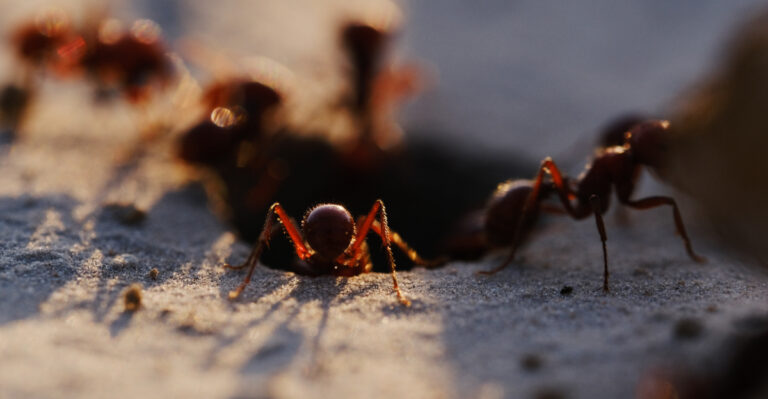
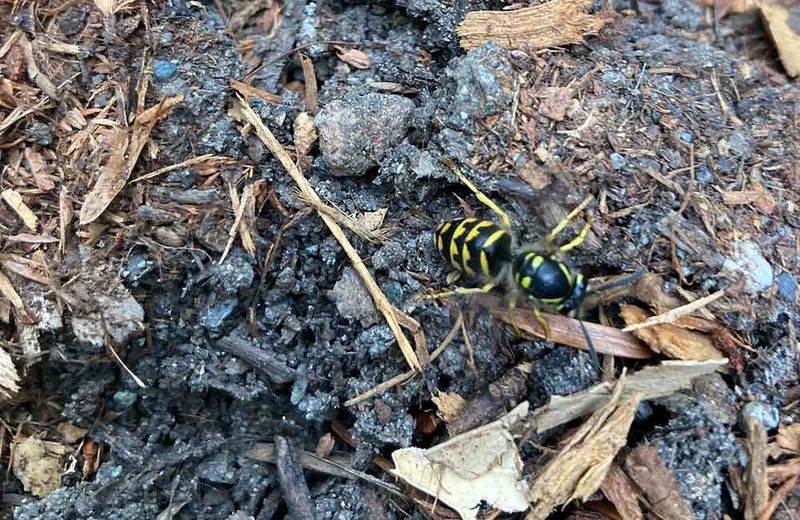
Debris piles bring a different problem. Yellowjackets often nest underground, frequently in old rodent burrows or hollow spaces.
Woodpiles, yard waste heaps, old tarps, and forgotten clutter along a fence give them quiet cover.
Ground nests are easy to miss and easy to step on. A steady stream of wasps flying in and out of one small hole in the lawn or under a pile is a clear warning sign.
Mowing or raking over that hole can trigger a fast, defensive response. Pouring liquids, spraying, or digging at a ground nest is best avoided, and UC IPM advises caution with yellowjacket nests.
A licensed pest professional has the right gear to handle them safely. Marking the spot and keeping kids and pets away until help arrives keeps everyone safe.
Clearing clutter, stacking firewood off the ground, and filling clearly unused burrows during cool months prevents future trouble.
8. Uncovered Compost Piles Feed Hungry Foragers
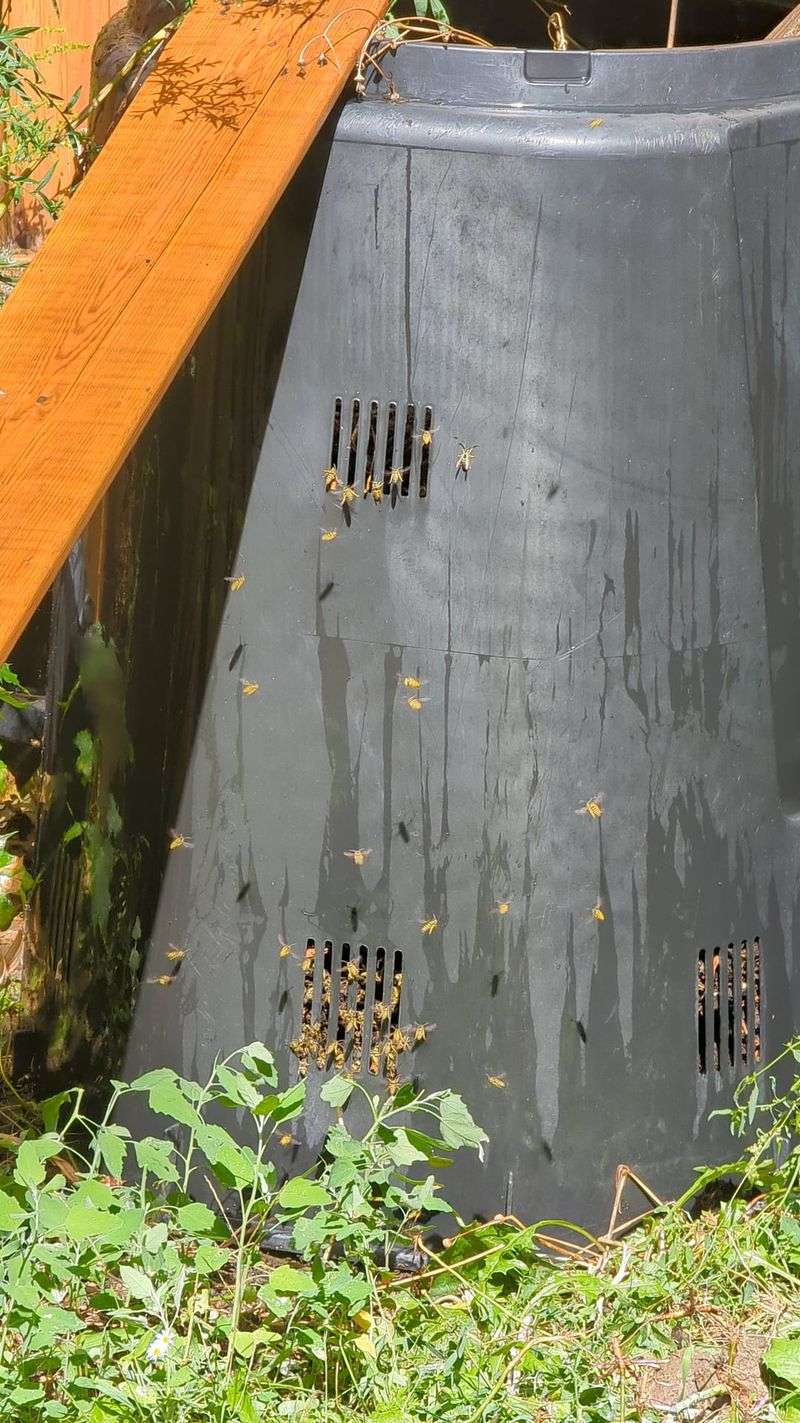
Melon rinds, peach pits, and leftover salad tossed on top of an open pile can draw wasps within minutes.
A backyard compost heap is a fantastic habit for the garden, but an uncovered one can work like an all-day snack table.
Fresh food scraps release strong scents as they break down. Sweet fruit waste attracts yellowjackets in late summer and fall, when sugar tops their wish list.
Meat, fish, and greasy leftovers create an even bigger draw earlier in the season. Most home composting guides already recommend keeping those items out of backyard piles, since they also tempt rats, raccoons, and flies.
Compost piles also buzz with flies and other small insects. Yellowjackets hunt those insects for protein, so a busy pile can feed them in more than one way.
A few simple adjustments make a big difference. Burying fresh scraps several inches into the center of the pile hides both the smell and the sugar.
A layer of dry leaves, shredded paper, or straw on top acts like a lid. Closed bins with snug covers work even better in yards with heavy wasp traffic.
Placement matters, too. A compost area set well away from patios, doors, and play spaces keeps any curious visitors at a comfortable distance.
Regular turning speeds decomposition, so scraps spend less time smelling like a buffet. The garden still gets rich compost, and the wasps simply move on to find dinner somewhere else.