Native Arizona Plants That Create Privacy Without Running Up The Water Bill
Privacy in an Arizona yard used to mean one of two things: a block wall or a water bill.
The block wall works, but it can make the yard feel boxed in. The water bill approach works too, at least for a while.
Plant thirsty hedges from somewhere else, run irrigation through summer, and hope they still look decent by July. That gets old fast.
however, there is a third option many Arizona homeowners have not fully explored. The Sonoran Desert already has plants that grow tall, spread wide, soften property lines, and handle heat without acting like they belong in another climate.
Some bloom for months. Some draw hummingbirds close to the patio. Some give birds the kind of cover a bare wall never could. Once established in the right spot, many need far less supplemental water than the usual privacy plants.
That is the real trick. Privacy does not have to look like a wall, and it does not have to drain the hose dry.
These eight native Arizona plants can create real screening with a much smarter water story.
1. Desert Willow
Some privacy plants create a solid wall and nothing else.
Desert Willow creates privacy and puts on a flowering performance that runs from late spring straight through fall, which is a considerably better arrangement for everyone involved.
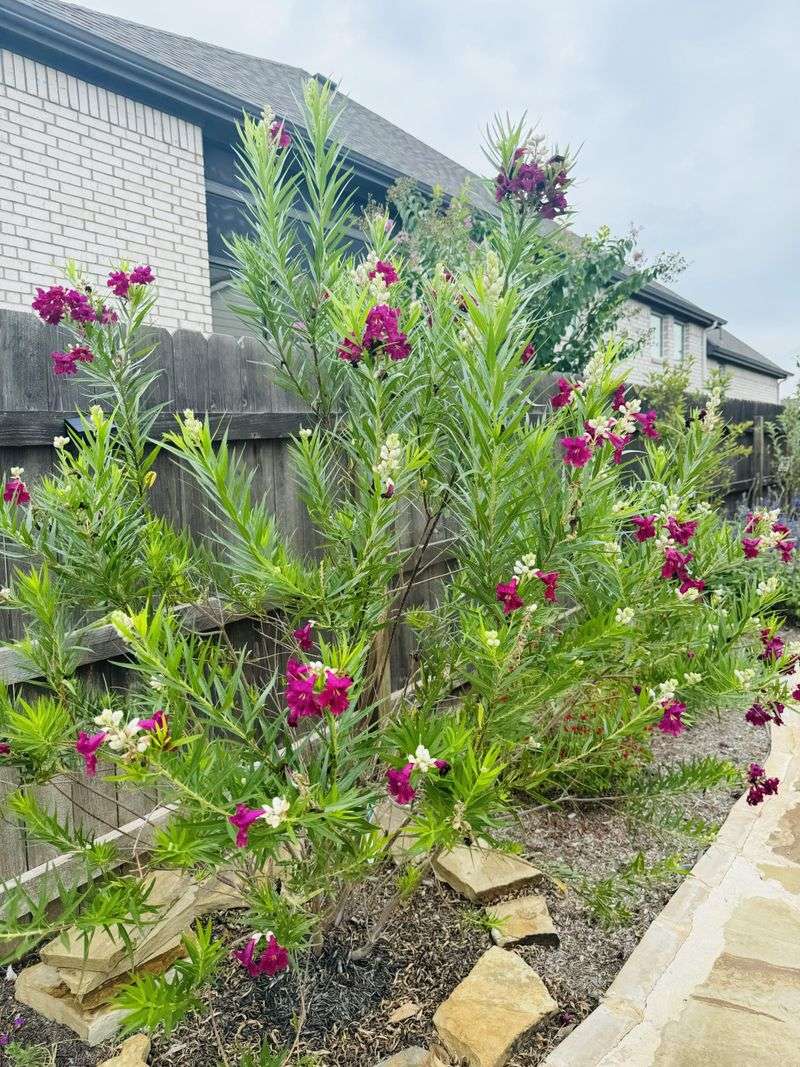
Chilopsis linearis grows fifteen to twenty-five feet tall with a spread wide enough to create a relaxed, airy screen between a yard and the street or neighboring property.
The long narrow leaves filter sunlight rather than blocking it entirely, which keeps the yard feeling open even as the tree grows into its full screening role.
The trumpet-shaped flowers arrive in shades of pink, purple, lavender, and white and keep coming for months on end.
Hummingbirds respond to them consistently throughout the bloom period. A mature Desert Willow in full bloom is one of the more impressive wildlife moments available in an Arizona backyard.
Water needs are low once the tree establishes its root system, which typically takes one to two growing seasons.
Deep watering every week or two during that startup period helps roots reach down into the soil where moisture is stable. After establishment, monsoon rainfall handles most of the demand.
Desert Willow is deciduous, which means winter brings leaf drop and a more open structure. Pairing it with an evergreen shrub in front covers that seasonal gap without complicating the overall design.
For summer privacy and serious flower production, Desert Willow is doing more work than most trees twice its size.
2. Arizona Rosewood
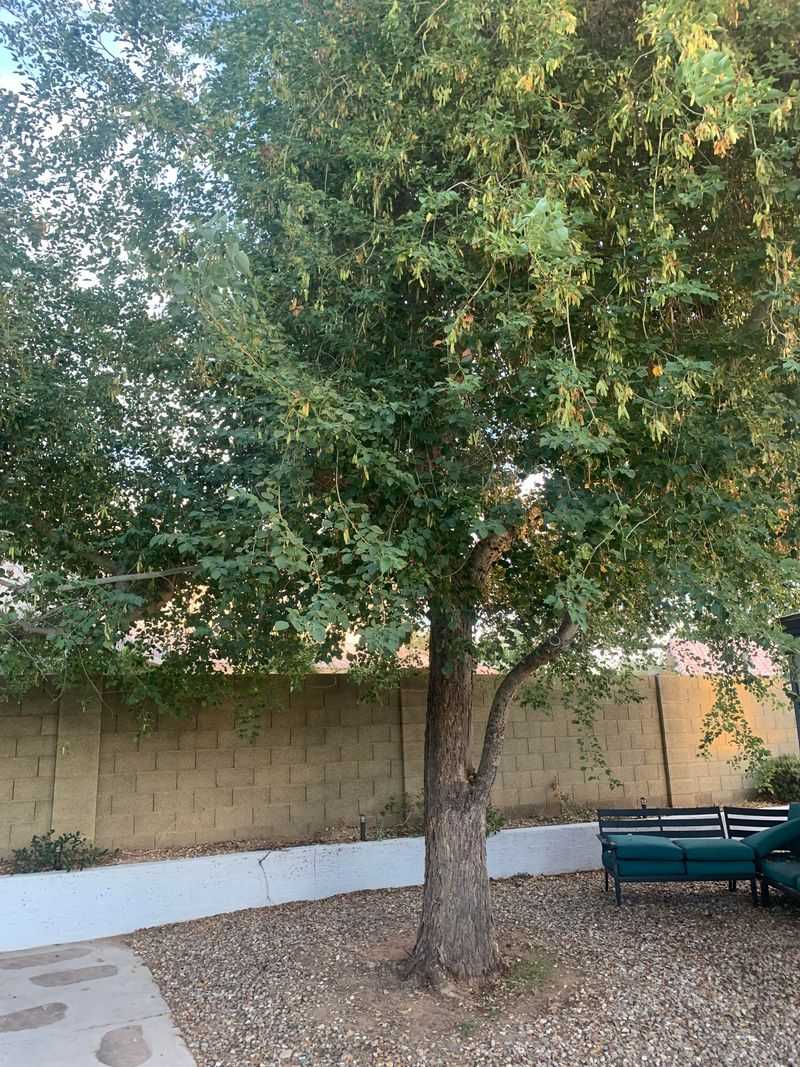
Some yards need a privacy screen that does not take winters off. Arizona Rosewood is exactly that plant, and it commits to the job with the quiet reliability of a plant that has been adapted to this climate for a very long time.
Vauquelinia californica reaches eight to fifteen feet tall and spreads just as wide. The dark green, leathery leaves hold through winter, summer heat, and drought without yellowing or dropping in response to stress.
Your Arizona Garden Changes Every Week. Your Plan Should Too.
Gardening in Arizona changes quickly throughout the season. Every Friday you’ll receive a simple weekly plan showing exactly what to plant, prune, fertilize, harvest, and protect so you never miss the right timing.
That year-round foliar consistency is what makes it such a dependable choice for property lines and anywhere a gap in coverage would be noticed.
Small white flowers arrive in spring and draw in native bees and pollinators with genuine enthusiasm. The flowering period is brief but worthwhile, and it adds an ecological contribution to what is otherwise a purely structural plant.
Arizona Rosewood thrives in the well-drained rocky or sandy soils that define most Arizona residential lots. Full sun to partial shade both work.
The intense summer heat that stresses plants from other climates registers as normal operating conditions for this one.
Establishment watering every seven to ten days through the first summer gives roots the time they need to anchor properly.
Reduce frequency in fall and winter as temperatures moderate. By year two or three, natural rainfall takes over in most Arizona locations.
A hedge that looks polished, stays green all year, and eventually runs on rainfall is not a compromise. It is just the right plant in the right place.
3. Hopseed Bush
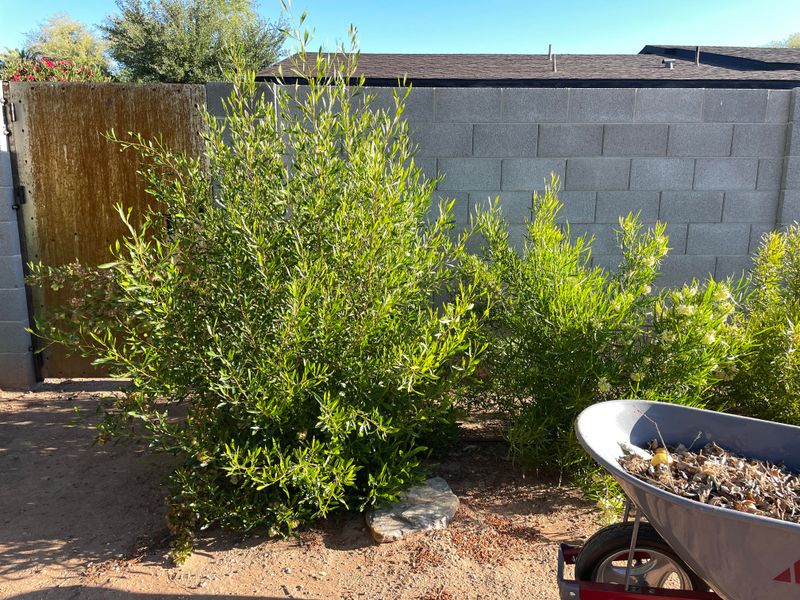
Waiting three years for a privacy hedge to become functional is a patience requirement that most homeowners find difficult to meet.
Hopseed Bush addresses that frustration directly by growing two to three feet per year under reasonable conditions, which means visible progress within the first season rather than years from now.
Dodonaea viscosa reaches ten to fifteen feet tall with a spread of eight to twelve feet at maturity.
The narrow, glossy, deep green leaves create a clean and tidy appearance that works in both formal and naturalistic landscape designs.
Papery pinkish-red seed clusters arrive in spring and summer and add a subtle decorative quality without creating the kind of debris that demands regular cleanup.
Hopseed Bush handles full sun, reflected heat, and genuine drought conditions without visible stress. Once established, it rarely needs supplemental irrigation beyond what monsoon season delivers naturally.
That combination of fast growth and low water demand makes it one of the more practical choices available for Arizona privacy planting.
Spacing plants six to eight feet apart along a fence line or property boundary allows each one to develop its full spread without crowding.
A light trim once a year maintains a tidier profile if that suits the overall landscape design better than the natural form.
Quail, thrashers, and sparrows treat the dense branches as preferred nesting territory, which means installing a Hopseed Bush hedge is also installing a bird habitat.
Fast privacy and free bird neighbors is a reasonably good deal.
4. Littleleaf Cordia
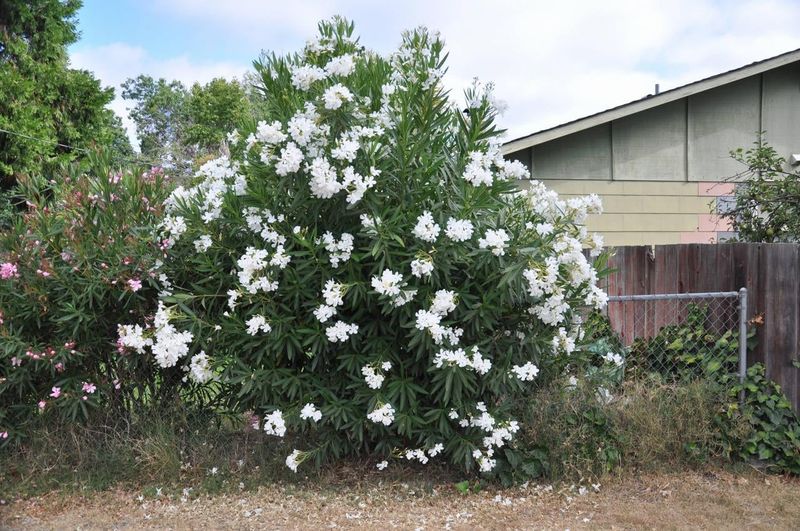
Not every privacy screen needs to read as a solid barrier to be effective.
Littleleaf Cordia creates visual separation through texture and layering rather than through impenetrably dense foliage, and the effect feels more relaxed and intentional than a wall of identical green ever quite manages.
Cordia parvifolia grows six to eight feet tall and equally wide, with small rough-surfaced leaves that give the plant a natural, casual quality.
Clusters of small white flowers appear repeatedly throughout the warm season and draw in native bees and butterflies with consistency that continues as long as temperatures stay warm.
The blooms are understated from a distance but carry genuine charm at close range. I
n a desert garden that values ecological contribution alongside aesthetics, that repeated flowering cycle over multiple months earns significant credit.
Littleleaf Cordia is native to the Sonoran Desert and performs best in the low desert elevations found across southern and central Arizona.
Full sun and fast-draining soil are the primary requirements. Once established in those conditions, it handles drought with the composure of a plant that never expected reliable rainfall in the first place.
Position it as a mid-layer plant behind shorter groundcovers and in front of taller screening shrubs. That layered approach produces a yard that reads as designed rather than simply planted.
The fruit following the flowers also provides a food source for wildlife, quietly adding another contribution to the yard’s ecological activity.
Littleleaf Cordia is the supporting character that makes the whole planting look better.
5. Sugar Bush
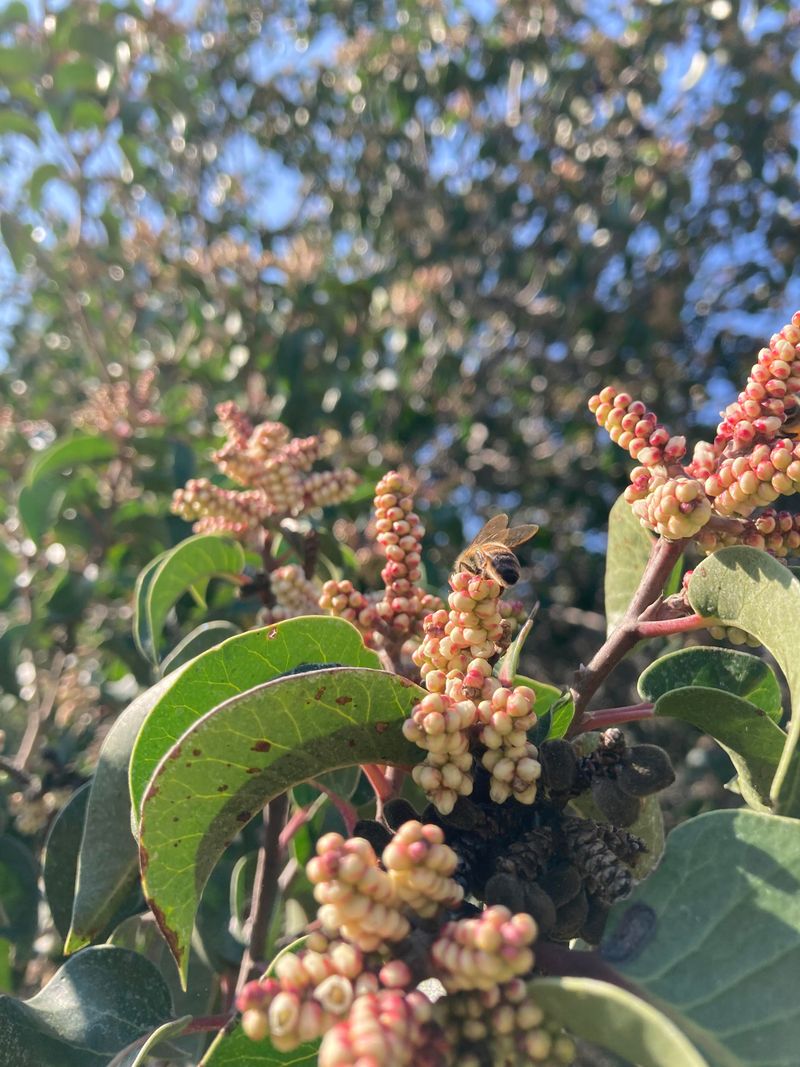
A yard that requires serious, no-gaps privacy screening has found its match in Sugar Bush.
This native shrub grows thick and full from the ground up, leaving very little open space in the coverage it provides and none of the seasonal gaps that deciduous options introduce.
Rhus ovata reaches eight to twelve feet tall and spreads nearly as wide.
The large, leathery, deep green leaves stay on the plant year-round, making it one of the most dependable evergreen screening options in the Arizona native plant toolkit.
Small white or pinkish flowers arrive in spring and are followed by sticky red berries that wildlife actively seek out through summer and fall.
Native to rocky slopes and canyon walls in the Sonoran and Mojave Deserts, Sugar Bush is built for the dry conditions that define most Arizona landscapes.
It handles heat, cold snaps, and extended dry stretches with consistent composure rather than visible stress responses.
Establishment requires patience more than anything else. Watering every seven to ten days during the first two summers gives the root system time to reach deep into the soil where moisture is stable and reliable.
After that, supplemental watering is rarely needed except during unusually extended dry stretches between monsoon events.
The natural shape is rounded and full, which means heavy pruning is rarely necessary or particularly beneficial.
Letting it grow on its own terms produces a screen that looks like it belongs in the landscape rather than something that was forced into a shape it did not choose.
6. Turpentine Bush
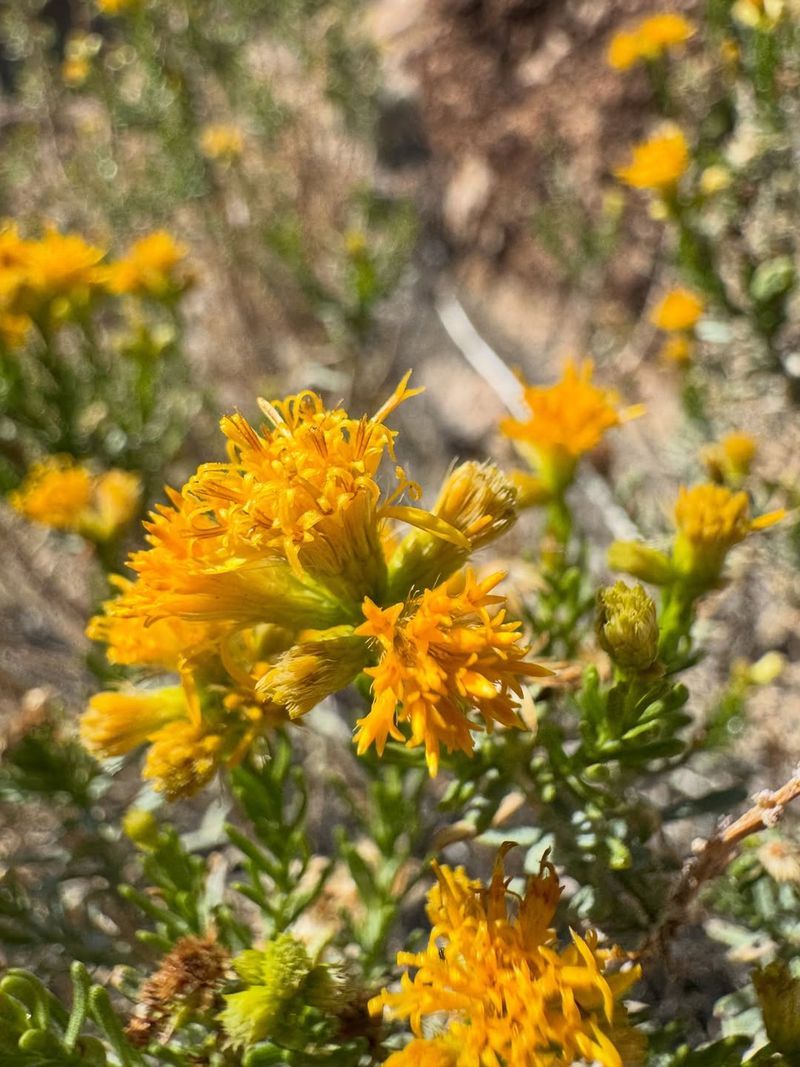
Low borders and shorter property edges have privacy needs too, and Turpentine Bush meets them with a compact, reliable presence that delivers its most visually striking moment when most other plants have finished for the season.
Ericameria laricifolia grows two to four feet tall and spreads about as wide.
That size makes it ideal for low screening along pathways, patio edges, or the front row of a layered privacy planting where something taller would feel excessive or blocking.
The small, sticky, aromatic leaves remain on the plant through most of the year, providing a semi-evergreen screen even during the months between bloom cycles.
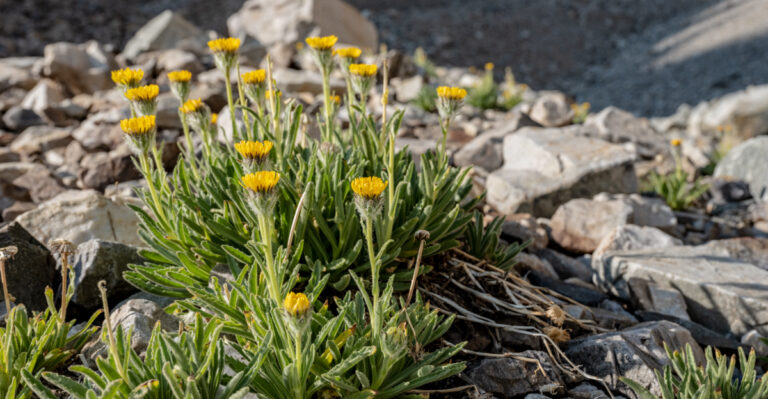
In late summer and fall, Turpentine Bush erupts into tiny bright yellow flowers that cover the plant so thoroughly the foliage underneath becomes almost invisible.
The display is genuinely striking and arrives at exactly the moment when most desert plants have concluded their seasonal performance.
Native to rocky desert slopes across Arizona, New Mexico, and west Texas, this plant thrives in full sun, poor rocky soil, and minimal water.
Established plants in most Arizona locations need no supplemental irrigation beyond what monsoon season provides naturally.
Pollinators respond to the fall bloom with notable enthusiasm. Native bees, butterflies, and certain moth species visit regularly through the entire flowering period. Fluffy seed heads follow the blooms and carry the soft texture through winter.
Pair it with Hopseed Bush or Sugar Bush behind it for a layered screen that covers multiple heights without looking intentionally designed.
It did that on its own. The plants just cooperated.
7. Fairy Duster
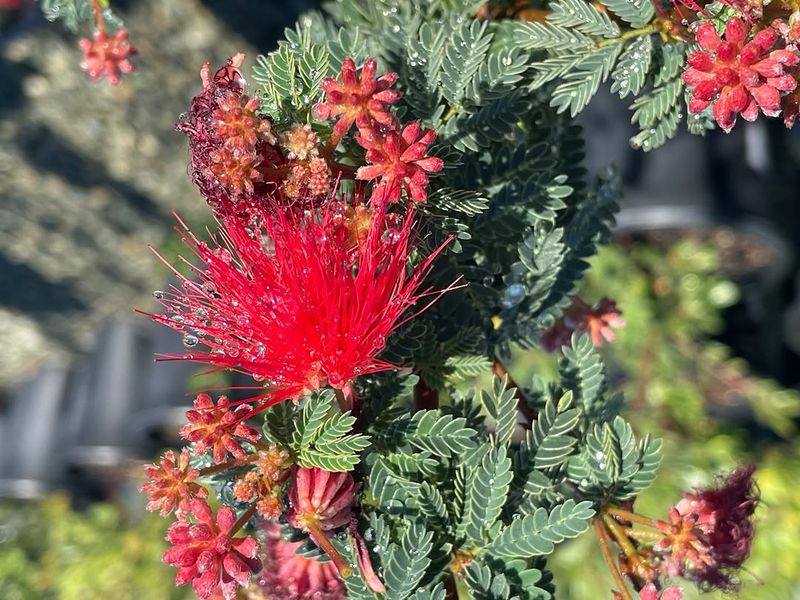
Fairy Duster stops visitors in their tracks during bloom season, and the reaction is always the same.
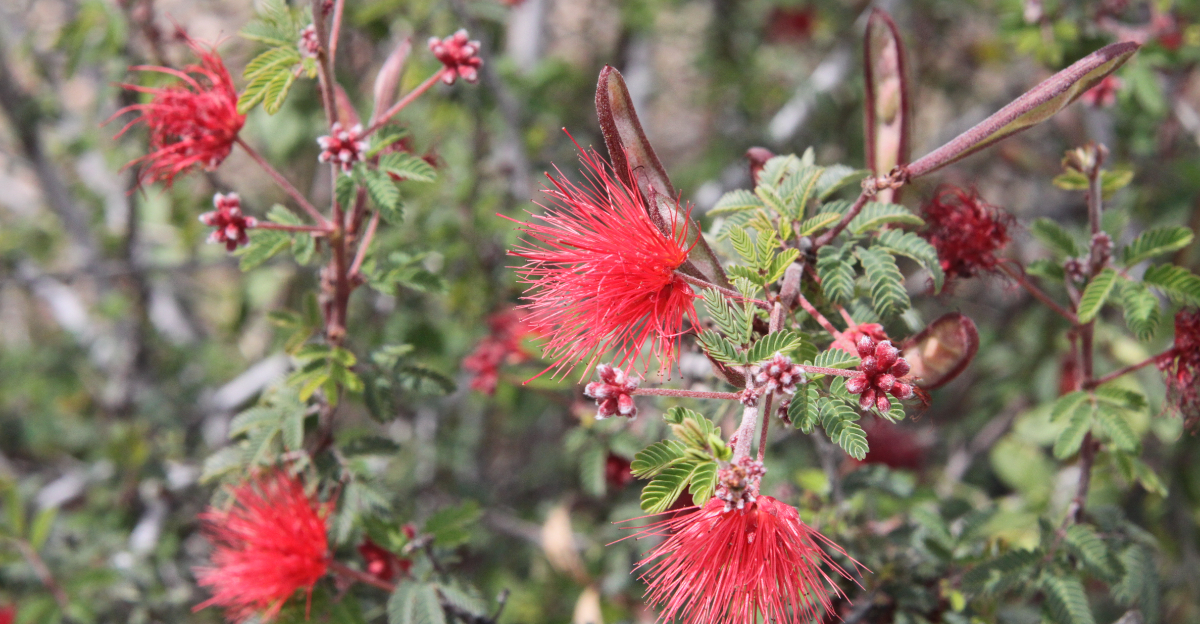
The feathery, bright pink-red powder puff flowers look like something from a tropical garden catalog, not a plant that thrives in dry Arizona conditions on minimal water.
The gap between appearance and actual requirements is one of the more enjoyable surprises in desert native planting.
Calliandra eriophylla stays relatively compact, reaching two to four feet tall and spreading three to five feet wide.
That size suits low screening along borders, pathways, or the front edge of a layered privacy planting where taller plants handle the structural screening and Fairy Duster handles the color and wildlife activity.
Blooms appear in late winter and early spring, then often again following summer monsoon rains.
Hummingbirds, native bees, and butterflies visit the flowers consistently throughout both bloom periods. The ecological contribution per square foot of this plant is difficult to match with anything else at this height range.
Fairy Duster is native to the Sonoran and Chihuahuan Deserts and grows best in full sun with well-drained, sandy or gravelly soil.
Once established, monsoon rainfall carries it through the warm season in most low desert Arizona locations without supplemental irrigation.
Planting several together at three to four foot spacing creates a fuller low hedge that fills in with color during both bloom periods and provides consistent wildlife activity between them.
Finishing a layered privacy planting with Fairy Duster at the front turns a functional screen into something that actively contributes to the yard.
A plant that looks tropical, requires almost no water, and feeds hummingbirds twice a year deserves considerably more attention than it typically receives.