What It Means When A Varied Thrush Shows Up In Your California Garden
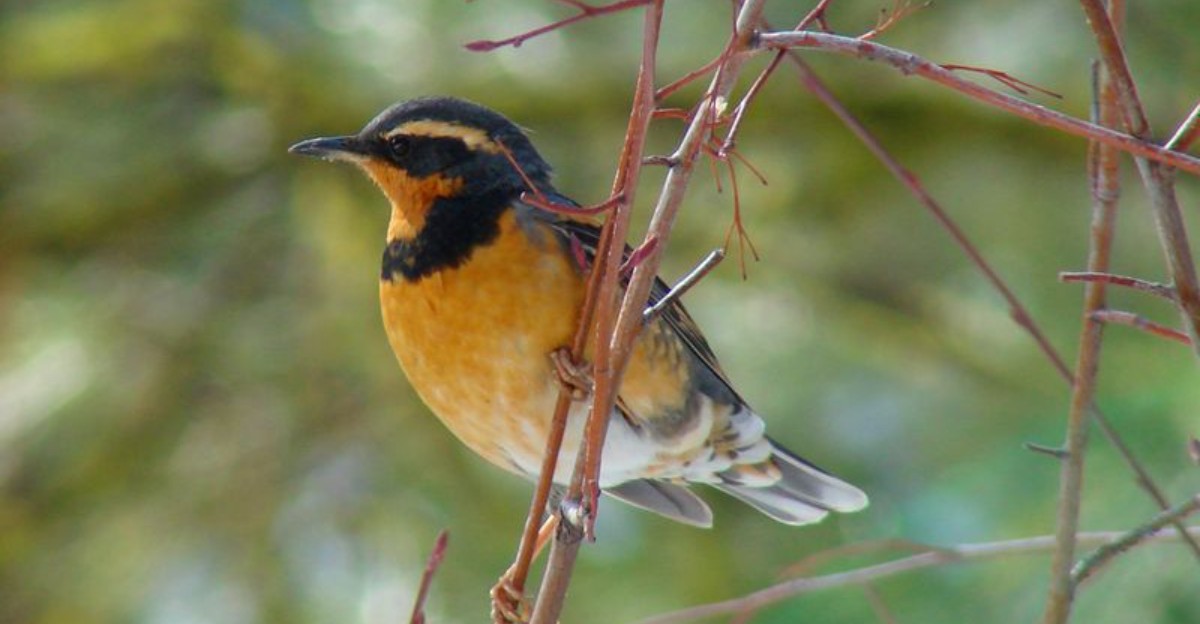
Somewhere under a shrub this month, a dry leaf may suddenly go flying. A shy visitor from damp northern forests grabs it, tosses it aside, then hops back to inspect whatever was hiding underneath.
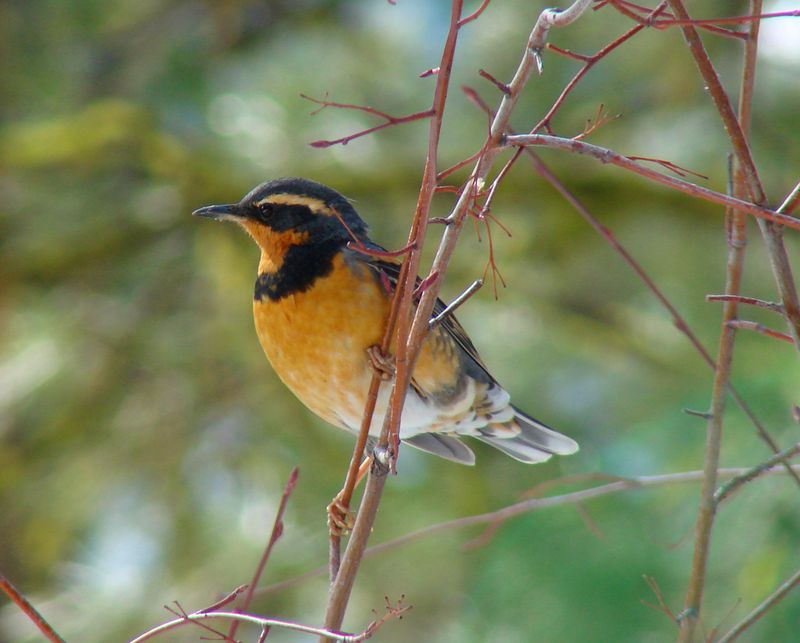
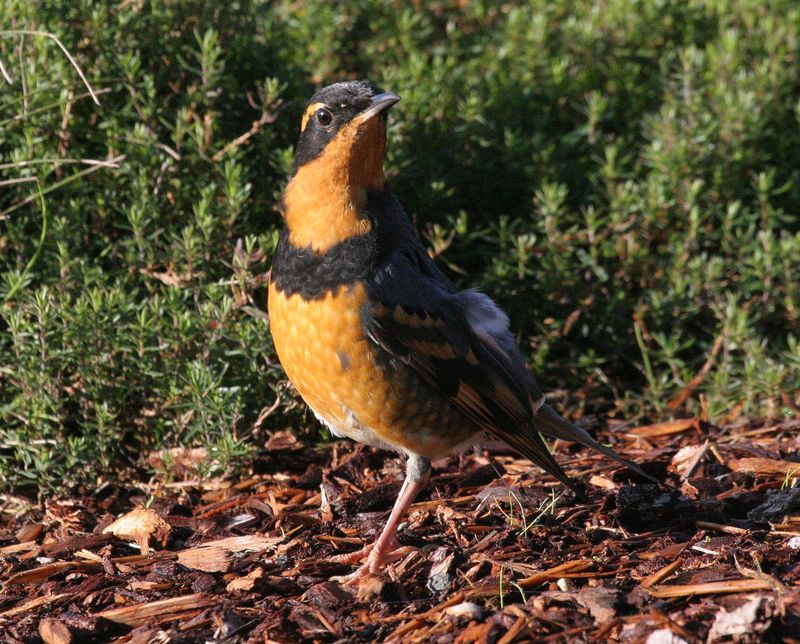
The leaf tosser dresses like it raided a fall wardrobe, with a burnt-orange breast, slate-blue back, and dark band across the chest.
Its song is just as odd. One long, buzzy whistle hangs in the air, then another follows at a new pitch, like the world’s slowest doorbell.
My rake retired for the season, and it earned the rest. Those soggy leaf piles hide beetles and earthworms, while berry shrubs like toyon keep winter snacks coming.
Some years, snow and poor food crops up north send big waves of these birds into California. This winter could be one of them.
Could the messiest corner of your yard be the most inviting spot in the neighborhood?
That Orange-And-Slate Robin Lookalike Is Telling You Winter Has Arrived
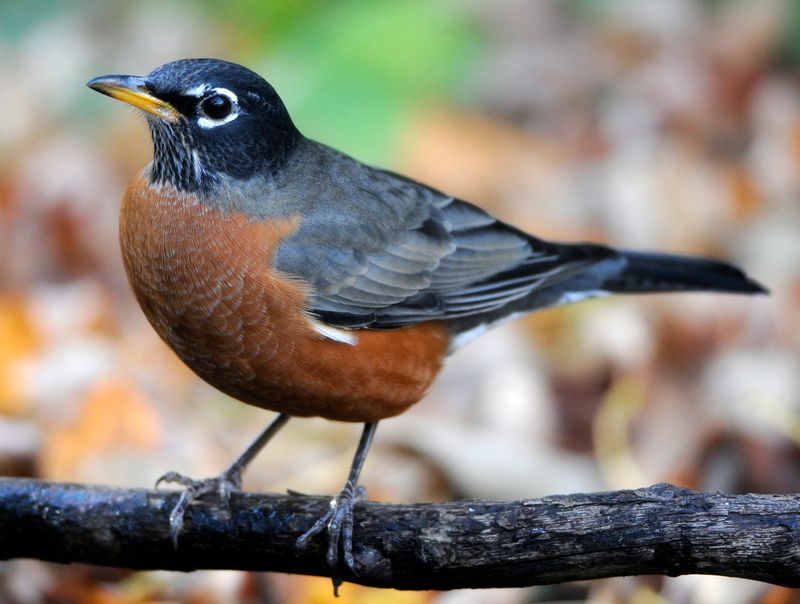
Spotting one feels a bit like finding a rare coin in your pocket. That bold bird is a Varied Thrush, and its arrival is mostly a sign of the season changing up north.
Most Varied Thrushes breed in wet, shady conifer forests from Alaska through British Columbia, Washington, Oregon, and far northwestern California. When cold weather and snow cover their feeding grounds, many move south and downhill. California becomes a winter hangout for a good number of them.
Sightings usually pick up from October or November and last into March. Coastal counties, the Bay Area, and the foothills of the Sierra Nevada see them most often. Southern California gets them less regularly, so a visit there is a real treat.
A few birds stay all year in the redwood and Douglas-fir forests of the far northwest. For most gardeners, though, this bird is a seasonal guest, not a neighbor.
So the main message is simple. Your yard offered something worth a stop during a cold-weather journey, and that reflects nicely on your garden. Take a moment to enjoy it, because the visit rarely lasts past early spring.
Berries And Leaf Litter Are What Drew The Thrush To Your Yard
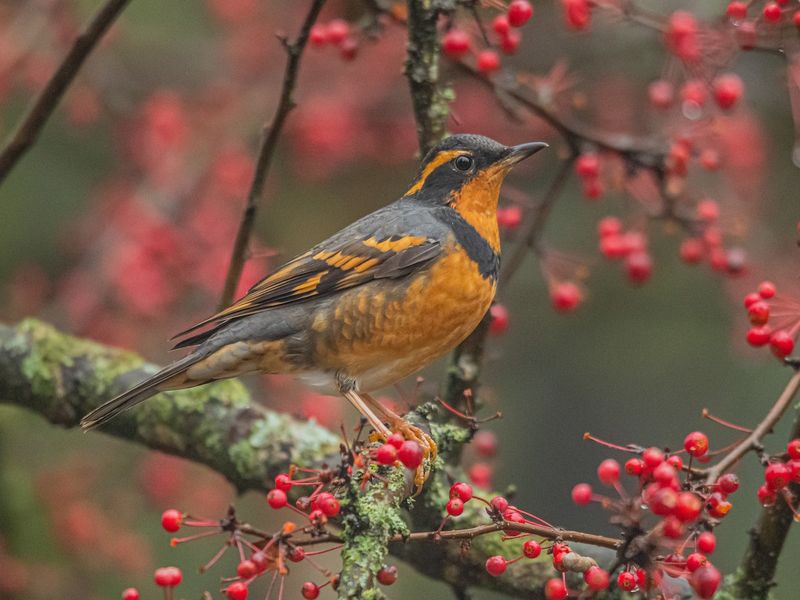
Food talks louder than anything else to a hungry traveler. In summer, Varied Thrushes eat mostly insects, worms, snails, and other small creatures on the forest floor.
Once fall arrives, their menu shifts. According to the Cornell Lab of Ornithology, they switch heavily to fruits, berries, seeds, and even acorns during the colder months. A yard with ripe berries suddenly looks like a buffet.
In California, native shrubs like toyon, coffeeberry, snowberry, and madrone hold fruit into winter. If your garden has any of these, that could be the whole reason for the visit. Apples left on the ground also get their attention.
Leaf litter matters just as much. Damp leaves hide beetles, sow bugs, and earthworms, which give the bird extra protein on chilly days.
I find it helpful to walk the yard and look at what the bird is actually eating. You’ll learn which plants are pulling their weight in winter. That simple observation can guide your next round of planting far better than any catalog.
A thrush visit means your yard has real, natural food, not just pretty plants.
Skip The Rake And Watch This Forest Bird Flip Leaves Like A Pro
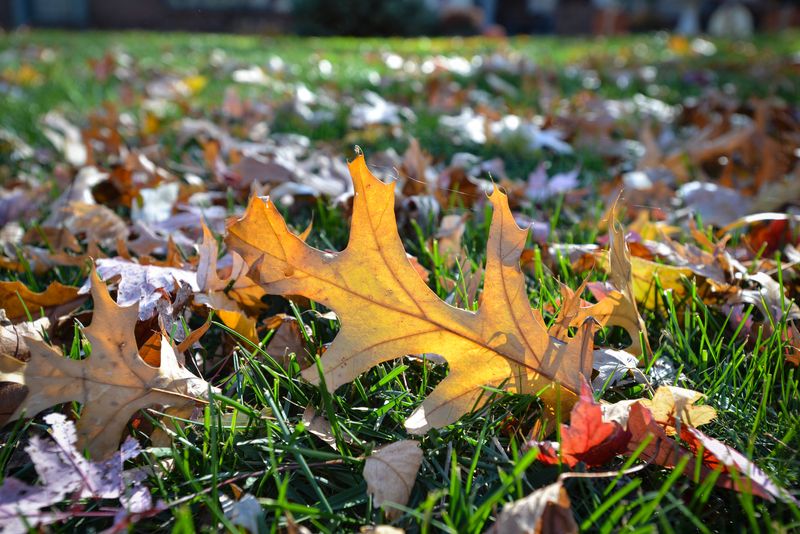
Here’s a fun habit to watch for. A Varied Thrush hops forward, grabs a leaf with its bill, flings it aside, then hops back to check what was hiding underneath.
That little dance is how it finds food. It needs a layer of fallen leaves under shrubs and trees to make it work. A perfectly raked yard gives it nothing to search.
You can help by leaving leaves in garden beds and under bushes through winter. Keep paths and lawns tidy if you like. Just let a few shady corners stay a little messy.
Leaf litter also helps your soil. As it breaks down, it feeds earthworms, holds moisture during dry spells, and acts as free mulch. Many university extension programs suggest using fallen leaves this way instead of bagging them.
Avoid blowing leaves away with loud machines in the morning, when thrushes forage most. Quiet mornings make the bird feel safer.
Honestly, this might be the easiest wildlife tip ever. You do less work, your soil improves, and you get a front-row seat to one of the most charming feeding styles in the bird world.
Dense Shrubs And Shady Cover Make A Shy Thrush Feel Safe
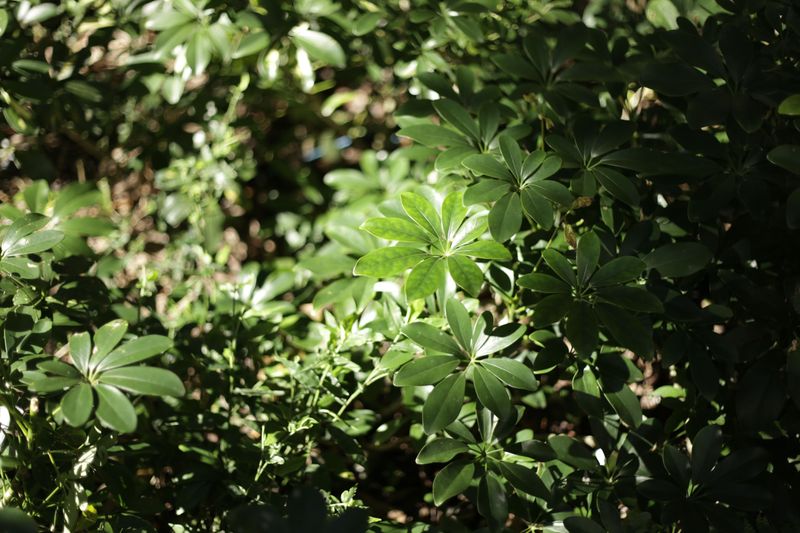
Shy is the best word for this bird. Varied Thrushes come from dark, thick forests, and they like to stay close to cover.
If a thrush keeps showing up, your garden likely has good hiding spots. Dense evergreen shrubs, low branches, and shady corners give it a quick escape from hawks and cats. Open lawns alone feel risky to this bird.
Native plants work well for cover in California. Coffeeberry, toyon, Pacific wax myrtle, and evergreen huckleberry stay leafy all winter. In shady spots, sword fern and western redbud nearby can add layers.
Try planting in layers, with groundcovers, medium shrubs, and a few taller trees. Birds move between these levels as they feed and rest. A layered garden also looks fuller and more natural.
Keeping cats indoors helps a lot too. Ground-feeding birds like thrushes face high risks from outdoor cats, according to the American Bird Conservancy.
You might notice the bird sitting still under a shrub for long stretches. That calm pause means it trusts the space. Giving it a safe hideout is one of the kindest things a gardener can do.
Ground Feeders And Fresh Water Keep Varied Thrushes Coming Back
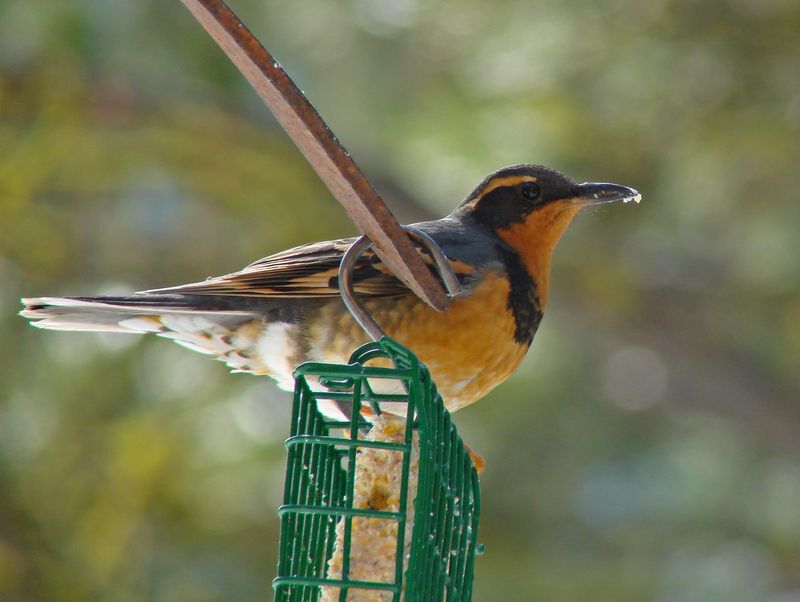
Want a closer look? Try feeding at ground level, since Varied Thrushes rarely cling to hanging tube feeders.
A low platform feeder or a clean spot on the ground works best. Many backyard birders report luck with sunflower chips, hulled millet, chopped apples, and dried or live mealworms. Suet crumbles can also catch their interest on cold days.
Place feeders near cover, about 10 feet from shrubs. That distance lets the bird dash to safety while making it harder for a cat to ambush it.
Water is just as appealing. A shallow birdbath set low, with about an inch or two of water, gives them a place to drink and bathe. Change the water every few days.
Cleaning matters a lot. Wash feeders and birdbaths regularly with a mild bleach solution, rinse well, and rake up old seed. Dirty feeding spots can spread diseases among birds.
One quirky detail is that Varied Thrushes may chase smaller birds away from food. Spreading seed in a few spots helps everyone eat. You’ll likely enjoy watching the little squabbles play out.
Listen For That Eerie Whistle Before You Ever See The Bird
Some birds announce themselves with chirps. The Varied Thrush prefers something far stranger.
Its song is a long, buzzy whistle held on one note, followed by another note at a higher or lower pitch. It sounds a bit like a phone ringing in a foggy forest. Many people hear it for years before they connect it to the bird.
In winter, they sing less than in spring. You’re more likely to hear a soft “took” call or a quiet buzz from inside a shrub. On mild, damp mornings late in the season, though, a male may test out his song.
Free apps like Merlin from the Cornell Lab can help confirm what you’re hearing. Just hold up your phone and let it listen. It’s a fun way to get kids interested too.
I like stepping outside on drizzly mornings and just standing still. The rain seems to bring them out, and sound carries well in wet air.
Learning that call means you’ll notice thrushes in parks, trails, and neighbors’ yards. Your ears become a second pair of binoculars.
Some Winters Bring Way More Thrushes To California Than Others
Last year you saw none. This year, three are tossing leaves at once. What changed?
Varied Thrush numbers in California shift a lot from year to year. Experts describe them as irruptive in some winters, meaning large numbers move south at once. Harsh snow and poor fruit or seed crops farther north often push more birds our way.
So a big year doesn’t necessarily mean anything is wrong. It mostly reflects food and weather conditions hundreds of miles away. Quiet years are normal too.
Within the state, location matters. Northern coastal areas and the Bay Area see them most reliably. In Southern California, they show up mainly in irruption years, especially in canyons and foothills.
You can help scientists track these swings. Programs like Project FeederWatch and the Great Backyard Bird Count each February welcome simple backyard counts. Your sightings add up to real data.
Keep a little notebook or phone note with dates and numbers. After a few winters, you’ll start to see your own patterns. That personal record makes every new arrival feel even more exciting.