What It Means When Bats Start Circling Your Georgia Yard Every August Evening
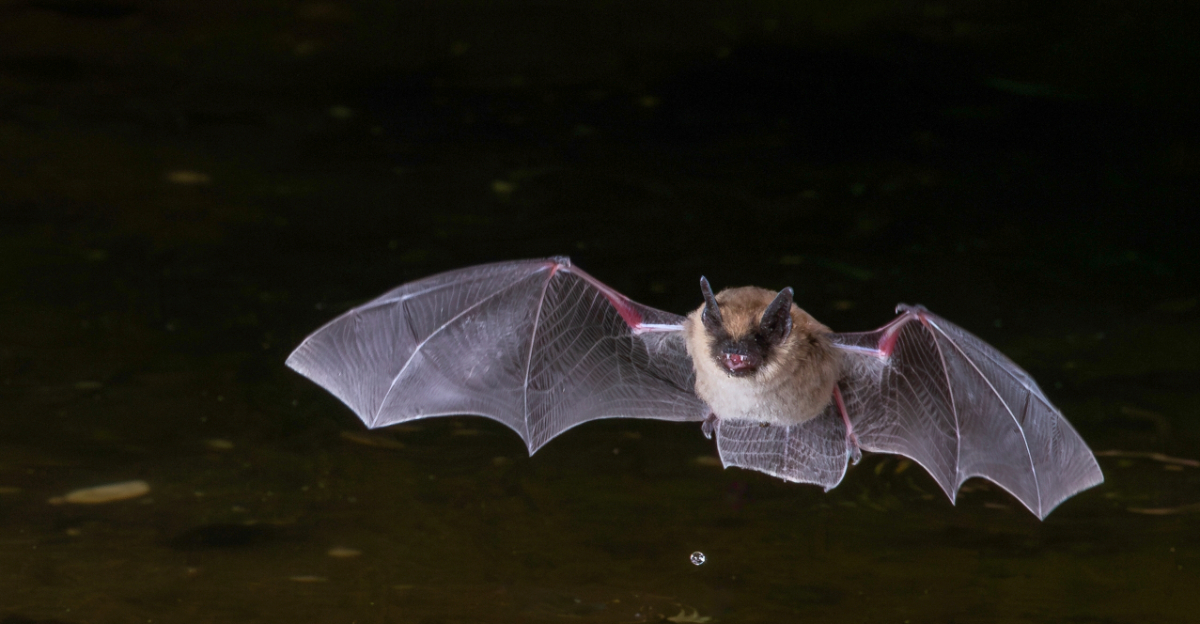
As the sun drops lower, quick shadows may begin darting across the sky above your yard. They appear for a few seconds, disappear, then return again just as the light starts to fade.
It is easy to wonder if something unusual is happening. In reality, those evening flights usually have a very practical reason.
Bats become most active at dusk because that is when flying insects are abundant. A yard with plenty of insects gives them a good place to feed before darkness fully sets in.
Warm August evenings across Georgia often create ideal conditions for this daily routine, making sightings much more common than people realize.
Seeing bats overhead is usually a sign that they are hunting, not paying attention to the people below.
1. Your Yard Provides Plenty Of Night-Flying Insects
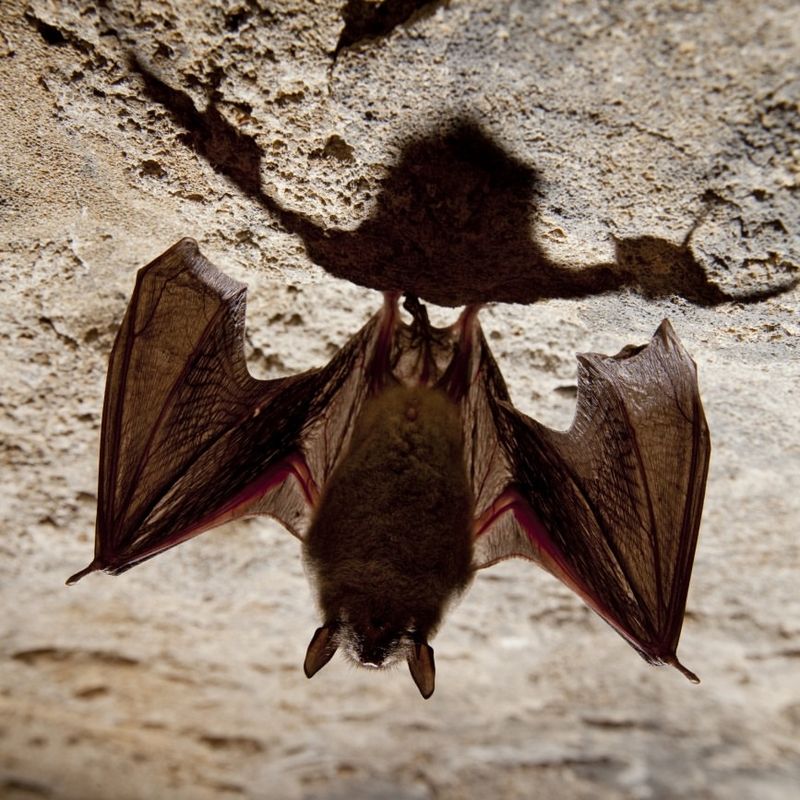
Bats do not show up randomly. Where insects gather, bats follow.
August nights in the South are thick with activity. Moths flutter around porch lights.
Gnats swarm near garden beds. Mosquitoes hover over standing water.
Your yard, without you even trying, has become a buffet.
Bats use echolocation to locate moving insects in total darkness. A single bat can catch hundreds of insects in one hour under the right conditions.
That is not an exaggeration.
Warm, humid evenings create ideal conditions for insect flight. Georgia summers consistently produce those conditions through late August.
Bats have learned to exploit that pattern, returning to reliable feeding areas night after night.
Outdoor lighting plays a role here too. Insects are drawn to light sources, which concentrates them in predictable spots.
Bats quickly learn where those clusters form and return accordingly.
Vegetable gardens, compost piles, and dense shrubs all attract insects in different ways. Each one adds to the overall insect load in your yard.
You do not need to do anything special to attract insects. Most yards already have more than enough.
Recognizing that your yard is a functioning ecosystem is the first step toward appreciating the bats that help keep it balanced.
2. They Help Lower Mosquito And Moth Populations
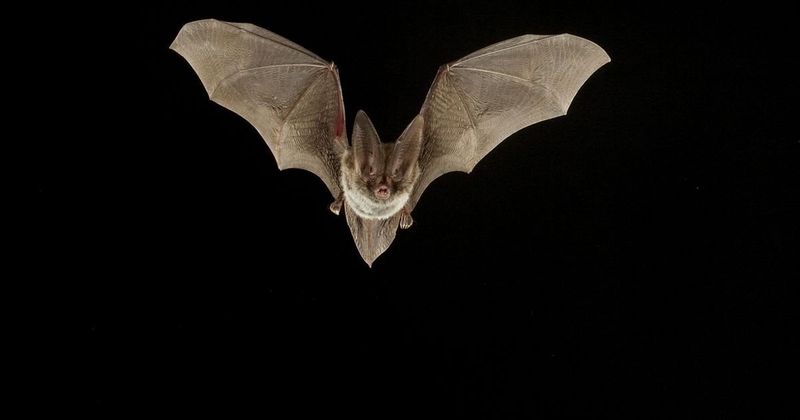
Bats are not just passing through. They are actively working your yard.
Mosquitoes rank among the most disruptive insects for outdoor living. Moths can cause real problems for vegetable gardens and ornamental plants.
Bats target both regularly during their evening feeding runs.
Little brown bats and big brown bats are two species commonly spotted across the Southeast. Both are known to feed heavily on soft-bodied flying insects, including mosquitoes and small moths.
One important note: bats prefer larger, easier prey when available. On nights when bigger insects are plentiful, mosquito consumption may drop.
Bat feeding behavior shifts based on what is most abundant.
That said, consistent bat activity over several weeks does reduce local insect pressure noticeably in many yards. It is not a complete fix, but it is a meaningful one.
Moth larvae cause more plant damage than adult moths do. Bats catching adult moths before they lay eggs can interrupt that cycle over time.
Watching bats swoop and pivot in the fading light is genuinely impressive. Their flight patterns are fast and precise, responding to insect movement in real time.
Your Georgia Garden Changes Every Week. Your Plan Should Too.
Gardening in Georgia changes quickly throughout the season. Every Friday you’ll receive a simple weekly plan showing exactly what to plant, prune, fertilize, harvest, and protect so you never miss the right timing.
Fewer mosquitoes mean more comfortable evenings outside. That alone makes bats worth welcoming.
Letting them feed undisturbed is the simplest thing you can do to support that benefit.
3. Fresh Water Encourages Regular Evening Visits
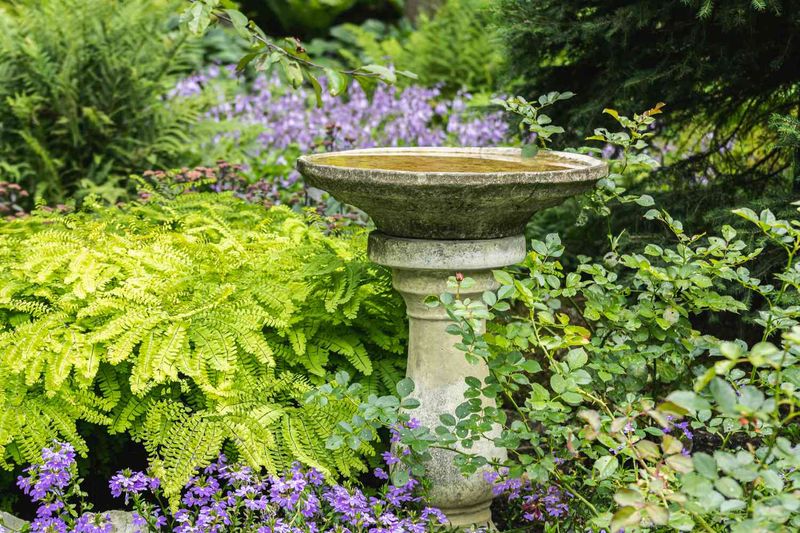
Water is a magnet. Bats need it, and they will seek it out every single night.
Bats drink on the wing, skimming the surface of open water without landing. A birdbath, a garden pond, or even a large shallow dish can serve that purpose well.
Calm water surfaces work best. Moving water can make it harder for bats to approach safely.
Still, shallow water that reflects open sky tends to attract them most reliably.
Placement matters more than most people expect. Bats prefer water sources with clear flight paths on at least two sides.
Avoid positioning water features directly under dense tree canopy if you want bats to use them.
Keeping water fresh reduces the risk of mosquito breeding, which is a bonus. Stagnant water, on the other hand, creates mosquito nurseries that eventually work against your efforts.
A consistent water source can turn occasional bat visits into a nightly routine. Once bats identify a reliable spot, they tend to return to it throughout the season.
Across the Southeast, summer heat pushes bats to drink more frequently. Offering clean, accessible water during August is one of the most effective and low-effort ways to encourage regular visits.
You do not need a large pond. A simple shallow dish, refreshed every couple of days, can make a noticeable difference in bat activity.
4. Older Trees Give Them Safe Places To Rest
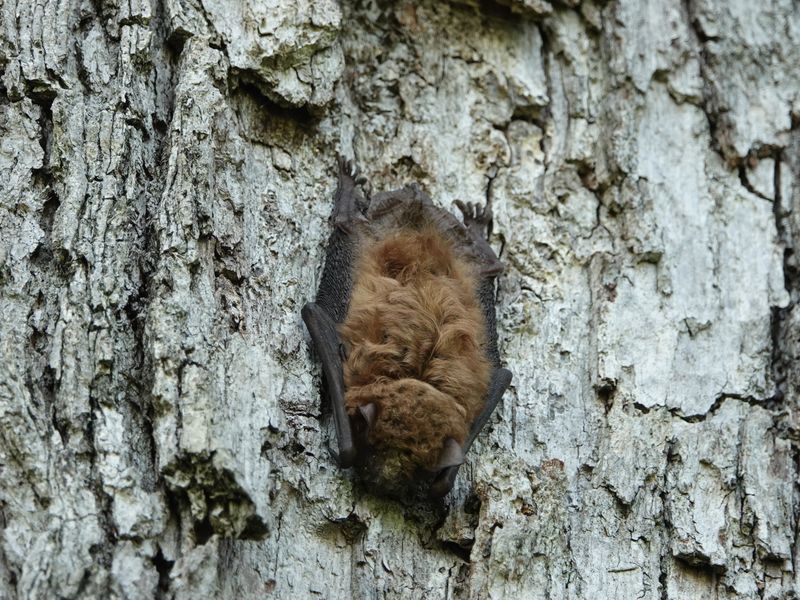
Mature trees are not just beautiful. For bats, they are essential real estate.
Bats roost during daylight hours and need secure, sheltered spots to do it. Older trees with loose bark, hollow sections, or deep cavities offer exactly that.
A big oak or hickory with peeling bark can shelter a small colony without anyone noticing.
Georgia has no shortage of mature hardwoods. Yards with older trees tend to attract more consistent bat activity because the trees serve double duty as feeding territory and resting habitat.
Not every bat species uses tree cavities the same way. Some prefer tight crevices under bark.
Others use open hollows. Having a mix of tree types and ages increases the variety of bats your yard might support.
Avoid removing hollow limbs or trees with visible cavities unless they pose a genuine safety risk. Those features are not flaws.
They are functioning wildlife habitat.
Standing wood, sometimes called a snag, also provides roosting space and supports the insects bats feed on. Leaving one in a low-traffic corner of your yard adds real ecological value.
Bats roosting in your trees are not a problem. They are quiet neighbors who earn their keep every evening by reducing the insect population around your home.
Respecting those roost sites keeps them coming back.
5. Native Plants Support A Healthy Insect Population
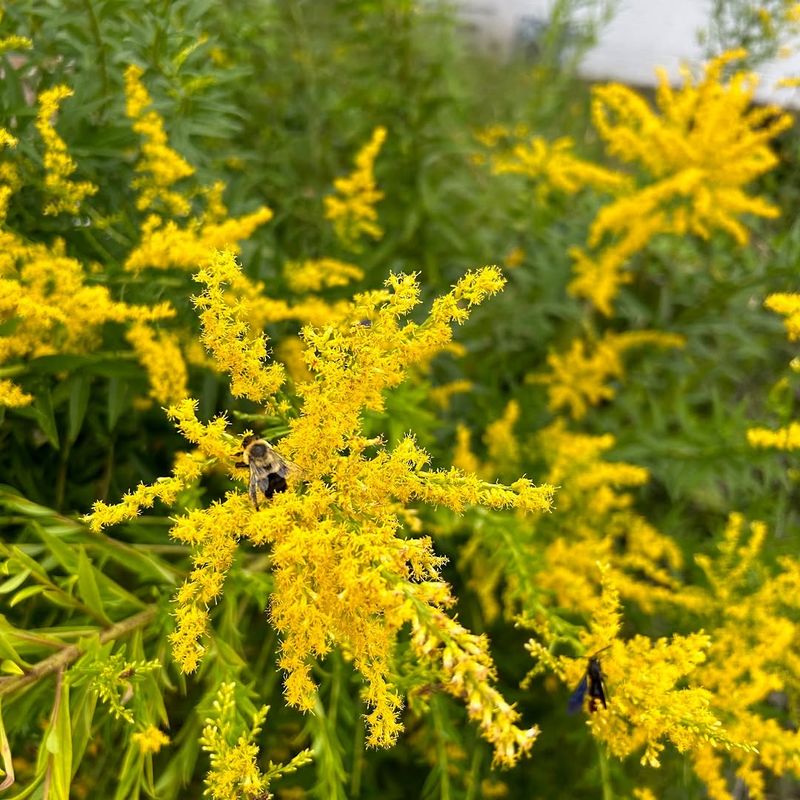
Native plants are the engine behind a healthy yard ecosystem. Without them, insect diversity drops fast.
Insects evolved alongside native plants over thousands of years. Many species can only feed, breed, or complete their life cycles on specific native host plants.
Non-native ornamentals often support far fewer insect species.
Fewer insects mean fewer bats. The connection is that direct.
Late-summer bloomers like goldenrod, ironweed, and native asters attract moths, beetles, and other flying insects right when bat activity peaks. Planting these in garden borders or naturalized areas builds a consistent food supply.
Native grasses and ground covers also matter. They shelter insects at the soil level and provide habitat for larvae that eventually become the adult insects bats pursue at night.
You do not need to convert your entire yard. Even a modest native planting along a fence line or in a corner bed can meaningfully increase local insect activity.
Avoid broad-spectrum pesticide applications, especially in the evenings. Spraying right before bats are active reduces the very insects they depend on and can affect bats indirectly through the food chain.
A yard with layered native plantings, from ground covers to shrubs to canopy trees, supports the most robust insect community. Bats respond to that abundance reliably and return season after season when conditions hold.
6. Limit Bright Lights Near Feeding Areas
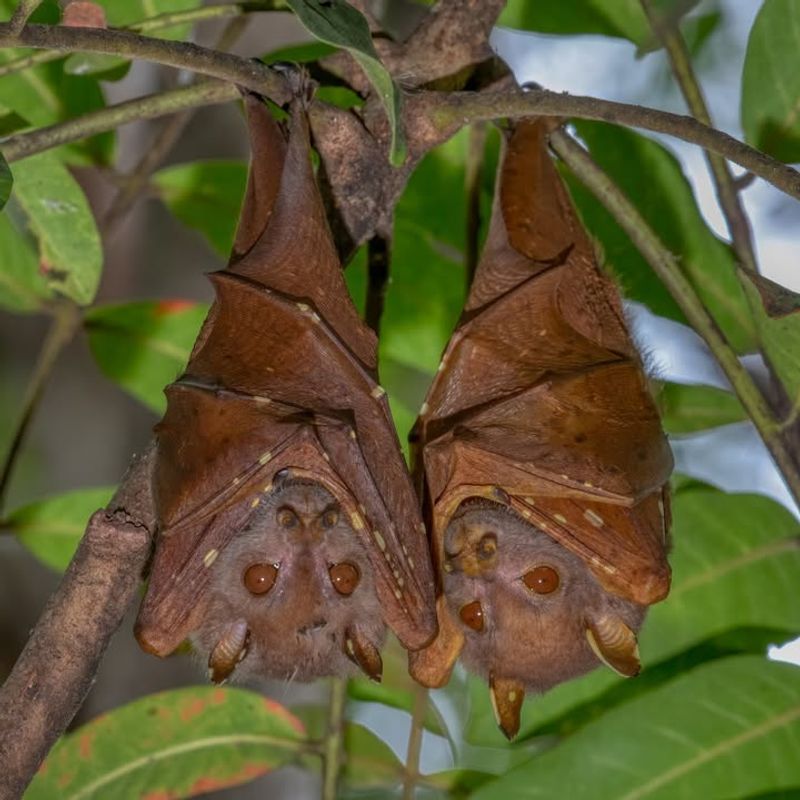
Bright floodlights are one of the most overlooked reasons bats avoid certain yards.
Bats rely on echolocation, but intense artificial light still disrupts their behavior. Highly lit areas can feel exposed and unsafe to many bat species.
Some bats simply avoid well-lit zones and feed elsewhere.
Certain insects are strongly attracted to bright white or blue-spectrum lights. That seems helpful at first, but it pulls insects away from the darker areas where bats prefer to hunt.
You end up concentrating insects in spots that bats will not use.
Switching to warm amber or yellow bulbs reduces insect attraction to your fixtures. Fewer insects clustering around your lights means more insects dispersed across your yard where bats can reach them.
Motion-sensor lights are a practical middle ground. They provide safety lighting when needed without bathing your yard in constant brightness all night.
Keep feeding areas, open lawn, garden beds, and pond edges as dark as reasonably possible after sunset. Bats work those zones most actively in low-light conditions.
String lights at low intensity along a porch or fence line generally do not bother bats the way floodlights do. Soft, warm light is a much smaller disruption.
Adjusting your outdoor lighting is a low-cost change with real results. Bats respond quickly to improved conditions and will shift their flight patterns within a few evenings.
7. Leave Potential Roosting Spots Undisturbed
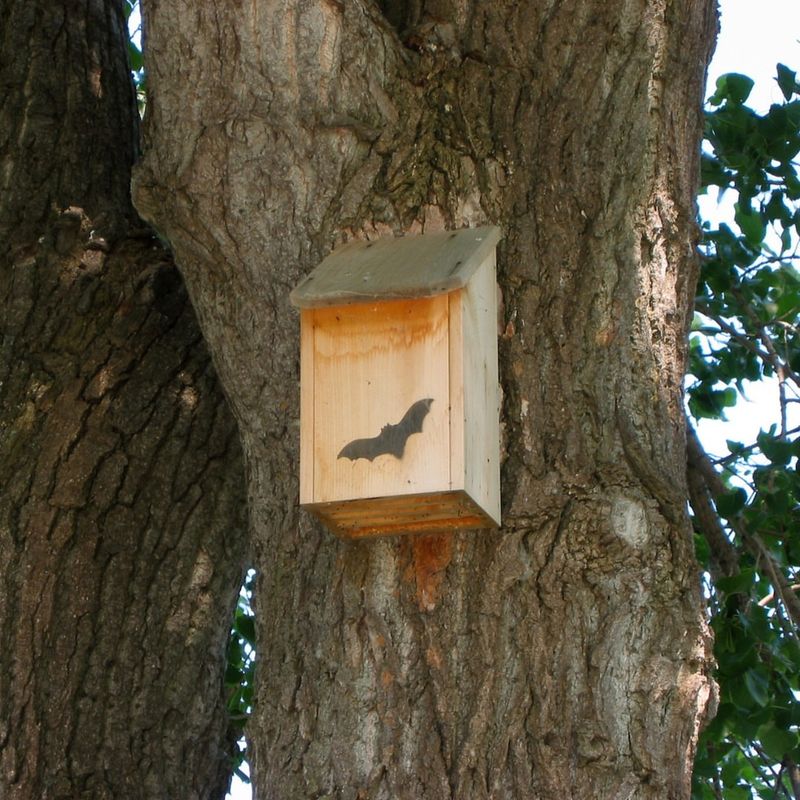
Bats are creatures of habit. Disturb a roost once, and they may not return that season.
Roosting spots include more than just hollow trees. Bats use gaps behind shutters, spaces under roof overhangs, loose siding, and bat houses when available.
Each of these provides the sheltered, warm environment bats need during daylight hours.
Bat houses are a reliable way to offer intentional roosting space without inviting bats into your actual home. Mount them on a south-facing pole or wall where they receive six or more hours of direct sun daily.
Shaded bat houses rarely get used.
Placement height matters. Bat houses mounted at least twelve feet off the ground tend to see more consistent occupancy.
Lower placement can expose bats to ground-level predators.
Once bats begin using a roost, avoid making noise or causing vibration near it during the day. Bats are light sleepers and repeated disturbance causes them to abandon otherwise suitable sites.
Sealing gaps in your home is reasonable and often necessary. If you need to do exclusion work, late fall or winter are the appropriate seasons, after bats have naturally moved on.
Offering dedicated bat houses while securing your home is the right balance. Bats get a safe place to roost, and you get a well-maintained house with fewer insects in the yard every August evening.