Texas Mulch Choices That Make Roach Problems Worse Around The Foundation
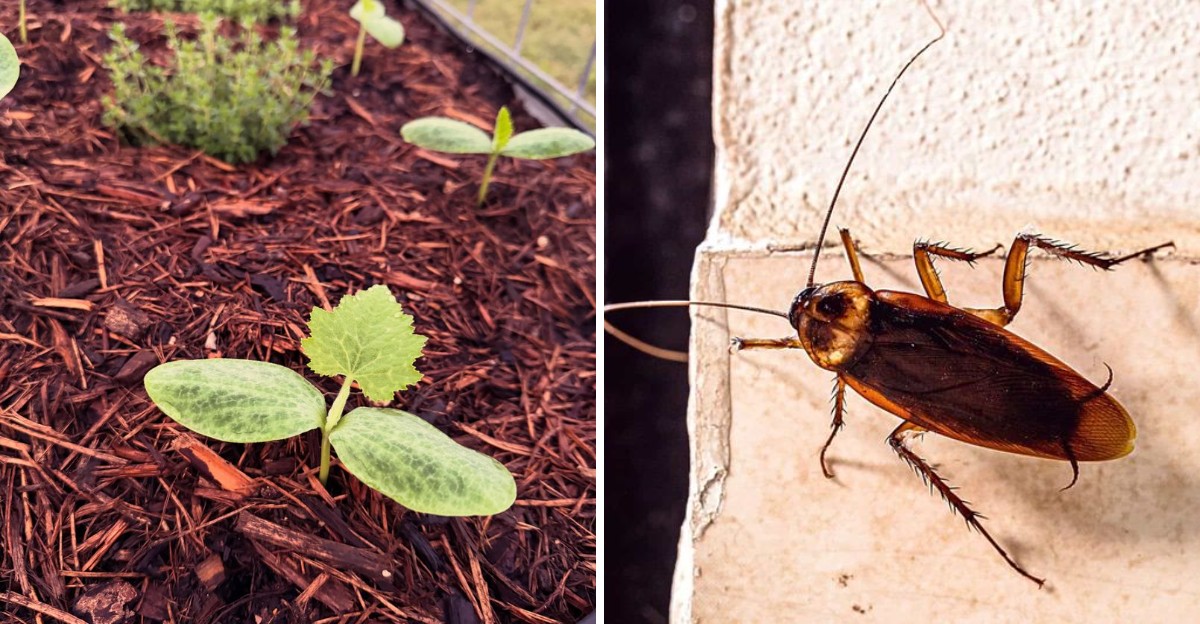
Most Texas homeowners put mulch around the foundation without giving it much thought. It suppresses weeds, retains moisture, and looks tidy.
The choice of which mulch to use feels like a minor aesthetic decision rather than anything with real consequences.
But certain mulch choices are making roach problems significantly worse, and the foundation zone is exactly where that matters most.
Roaches thrive in specific conditions, and some mulch types create those conditions right up against your home’s entry points.
The type, the depth, and how far from the foundation it’s placed all factor into whether your mulch is working for you or quietly working against you.
Here are the Texas mulch choices most likely to attract roaches to your foundation and what to use instead.
1. Thick Wood-Chip Mulch
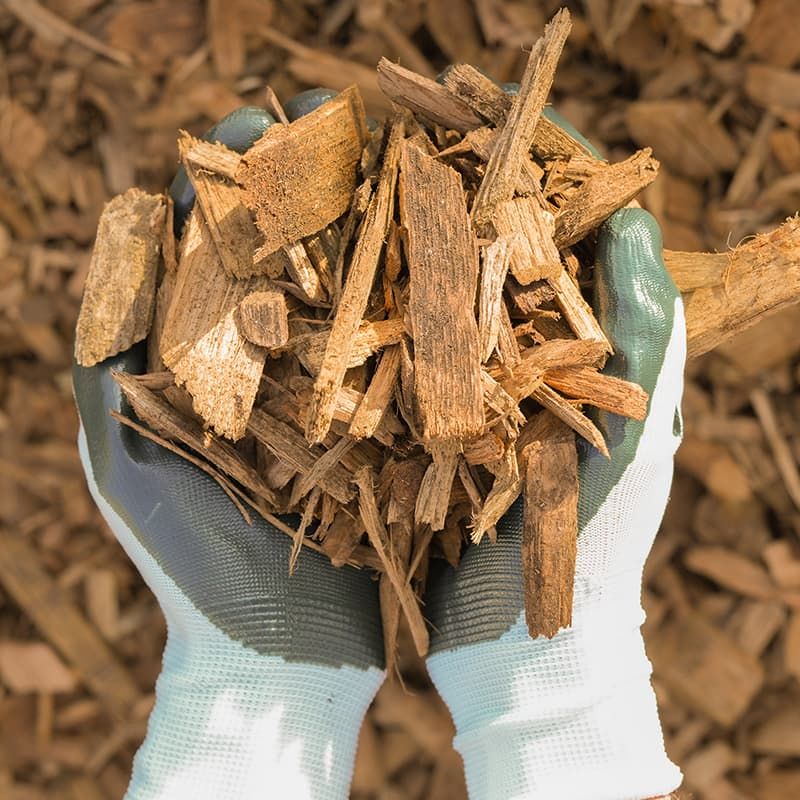
Piling wood chips several inches deep might feel like giving your garden a warm blanket, but roaches see it as a five-star hotel. The deeper the layer, the darker and damper it stays underneath.
Cockroaches love spots that stay cool and moist during the day. A heavy wood-chip layer holds water long after the sprinkler shuts off. That trapped moisture is exactly what these pests need to stay comfortable and active.
Placing this mulch right against the foundation makes things worse. The chips create tiny tunnels and hidden pockets where bugs can crawl, rest, and multiply. From there, it is a short trip to cracks in your wall or gaps around vents.
You can still enjoy the benefits of wood chips with a few smart changes. Keep the layer thinner, around two inches instead of five. That lets the top dry out faster and removes some of the shelter roaches crave.
Leave a bare gap of about a foot between the mulch and your home. This clear strip acts like a moat that pests do not enjoy crossing. It also makes it easier for you to spot bugs before they reach the house.
Rake the chips now and then to break up damp clumps. Fluffing the mulch lets air move through and dries out those hidden hiding spots. Fresh air is not a roach’s friend.
Wood-chip mulch is not bad on its own. The trouble comes from thick, wet piles hugging your walls. A little spacing and a lighter touch keep your yard tidy and your foundation less inviting.
2. Pine Straw
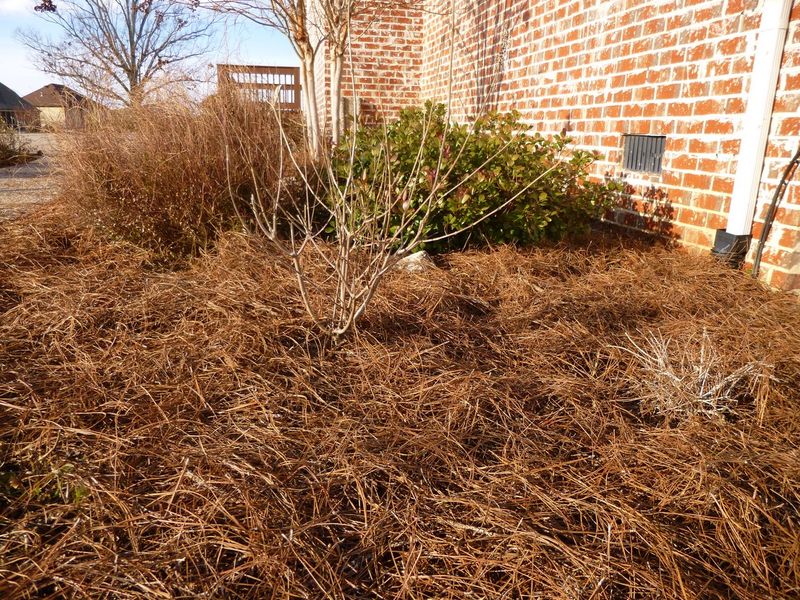
Pine straw gives flower beds that soft, natural look many Texas homeowners love. It is light, easy to spread, and cheap. Roaches, though, appreciate it for very different reasons.
When pine needles build up around the house, they weave together into a springy mat. That mat traps humidity underneath and blocks sunlight from drying the soil.
Cockroaches slip between the needles and settle in where it stays moist and shaded. Because pine straw is so light, it also shifts and piles up in corners.
Those thick corner piles near your foundation become prime hiding zones. Bugs gather there, especially after rain or a good watering.
Your Texas Garden Changes Every Week. Your Plan Should Too.
Gardening in Texas changes quickly throughout the season. Every Friday you’ll receive a simple weekly plan showing exactly what to plant, prune, fertilize, harvest, and protect so you never miss the right timing.
Keeping pine straw under control makes a big difference. Spread it in a thin, even layer instead of letting it mound up. A flatter layer dries out quickly and offers fewer secret pockets for pests.
Sweep or rake stray needles away from the base of your walls. A clean border of a foot or so between the straw and the house helps break the path indoors. Pests are less likely to wander across open ground.
Replace old pine straw when it starts to break down and mat together. Fresh straw drains better and does not hold moisture the same way soggy old layers do. Refreshing it once or twice a year keeps things drier.
Here is a handy tip. Watering in the morning lets the sun dry the pine straw during the day. Damp straw at night is what roaches enjoy most, so a change in timing quietly works in your favor.
3. Fallen Leaf Mulch
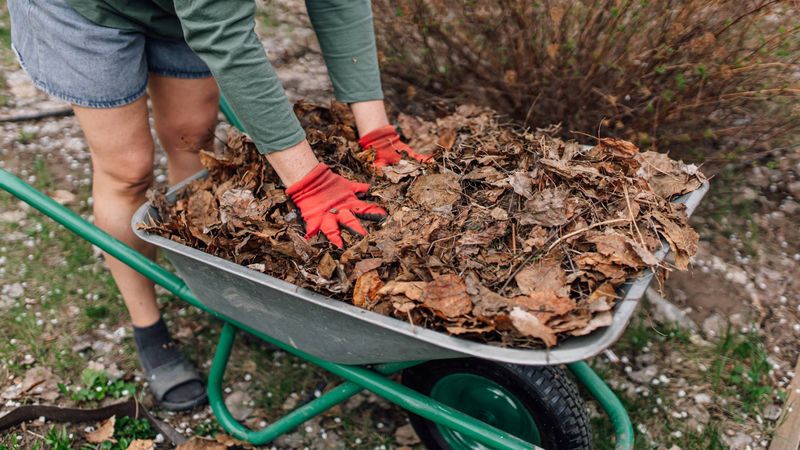
Free mulch sounds like a gardener’s dream, and fallen leaves fit the bill perfectly. Rake them up, spread them out, and let nature do the rest. The catch is that roaches think the same pile is a dream come true.
Leaves break down slowly and hold water like a sponge. A thick blanket of them stays damp underneath for days. That soggy layer becomes a soft, sheltered spot where cockroaches feel right at home.
Decomposing leaves also attract tiny insects and mold. Those little critters and bits of rotting material become food for roaches. So a leaf pile offers both a place to hide and a snack bar rolled into one.
To enjoy leaf mulch without the pests, shred the leaves first. Running a mower over them breaks them into smaller pieces that dry faster and pack down less. Shredded leaves compost neatly instead of matting into a wet mess.
Keep leaf mulch away from the foundation. Use it around trees and garden beds farther out in the yard. Leaving a clear space near the house removes the easy bridge pests use to reach your walls.
Check the pile after storms. Wet, packed leaves against the wall are an open invitation, so fluff or thin them when they clump. A quick rake keeps air moving and moisture low.
One more thought. Fall is peak leaf season, but it is also when many pests seek warm shelter.
Managing your leaf mulch during those months quietly protects your Texas home when bugs are hunting hardest for cover.
4. Bark Mulch
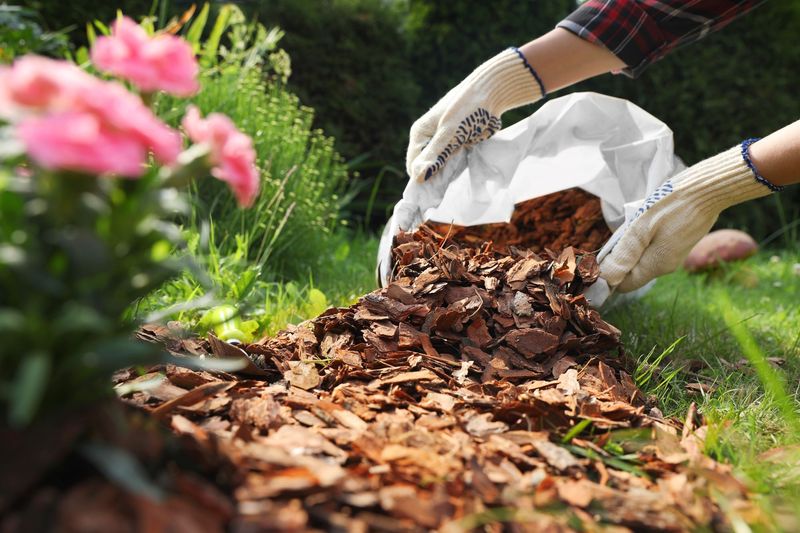
Bark mulch is everywhere in Texas landscaping, and for good reason. The chunky pieces look neat and last a long time before breaking down. Yet those same sturdy chunks can hand roaches the shelter they crave.
Large bark pieces stack with plenty of gaps between them. Those gaps stay dark and cool, especially in a thick layer. Cockroaches tuck themselves into the spaces and wait out the daylight hours in comfort.
Wet bark near the foundation makes the problem stronger. After watering or rain, a heavy bark layer holds dampness close to the wall. Pests get moisture and hiding spots in the very same spot.
You do not have to give up bark to keep bugs at bay. Use smaller bark pieces or a thinner layer so more air reaches the ground. Better airflow means the mulch dries faster and offers fewer cozy corners.
Pull the bark back from your foundation by about a foot. That open strip is harder for pests to cross and easier for you to watch. It also keeps moisture away from the base of your home.
Turn or rake the bark occasionally to disturb any pests settling in. Bugs prefer to be left alone, so regular disturbance encourages them to look elsewhere. A stirred-up mulch bed is far less welcoming.
Fun fact worth knowing. Bark mulch often lasts longer than other types, which is great for your budget.
Just remember that long-lasting mulch also means long-lasting shelter if you let it pile up wet against the house.
5. Compost-Based Mulch
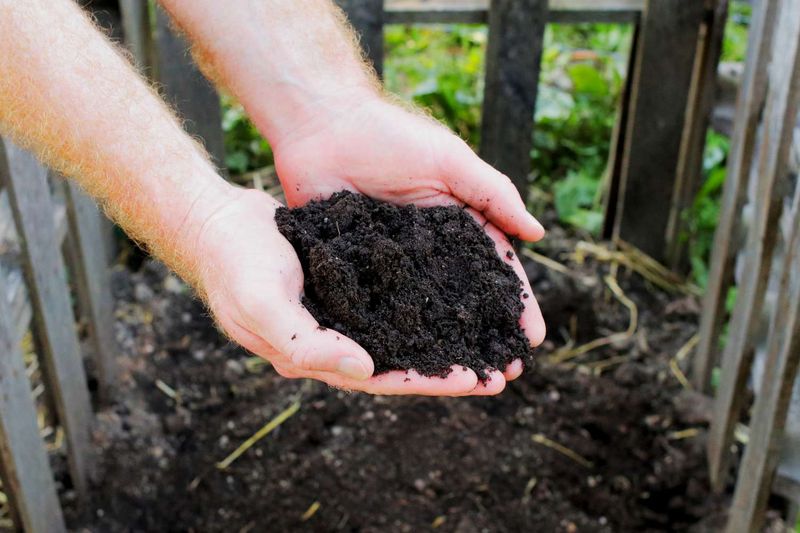
Compost-based mulch is a favorite of gardeners who want rich, healthy soil. It feeds plants and helps them grow strong. The very qualities that make it great for gardens also make it appealing to roaches.
Compost is packed with decomposing organic material. As it breaks down, it stays warm, moist, and full of tiny living things.
That busy, damp environment supports the small insects and microbes that outdoor cockroaches feed on.
Spread near the foundation, this mulch becomes a buffet and a bedroom for pests. Roaches find food, moisture, and cover all in one convenient place. Naturally, they are in no hurry to leave.
You can keep using compost mulch with a little planning. Apply it in garden beds set away from your walls rather than hugging the house. Keeping the rich stuff at a distance breaks the link between food and your foundation.
Use a thinner layer and mix it into the soil when you can. Blending compost into the ground reduces the loose surface material where bugs like to burrow. Less loose cover means fewer easy hiding spots.
Water thoughtfully around composted areas. Overwatering keeps the material soggy and welcoming, so give plants what they need and no more. Drier compost is far less attractive to pests.
A quick reminder helps here. Compost is fantastic for your plants and should not be tossed out.
The goal is simply to keep this lively, nutrient-rich material away from the base of your home where roaches would love to move in.
6. Sawdust Mulch
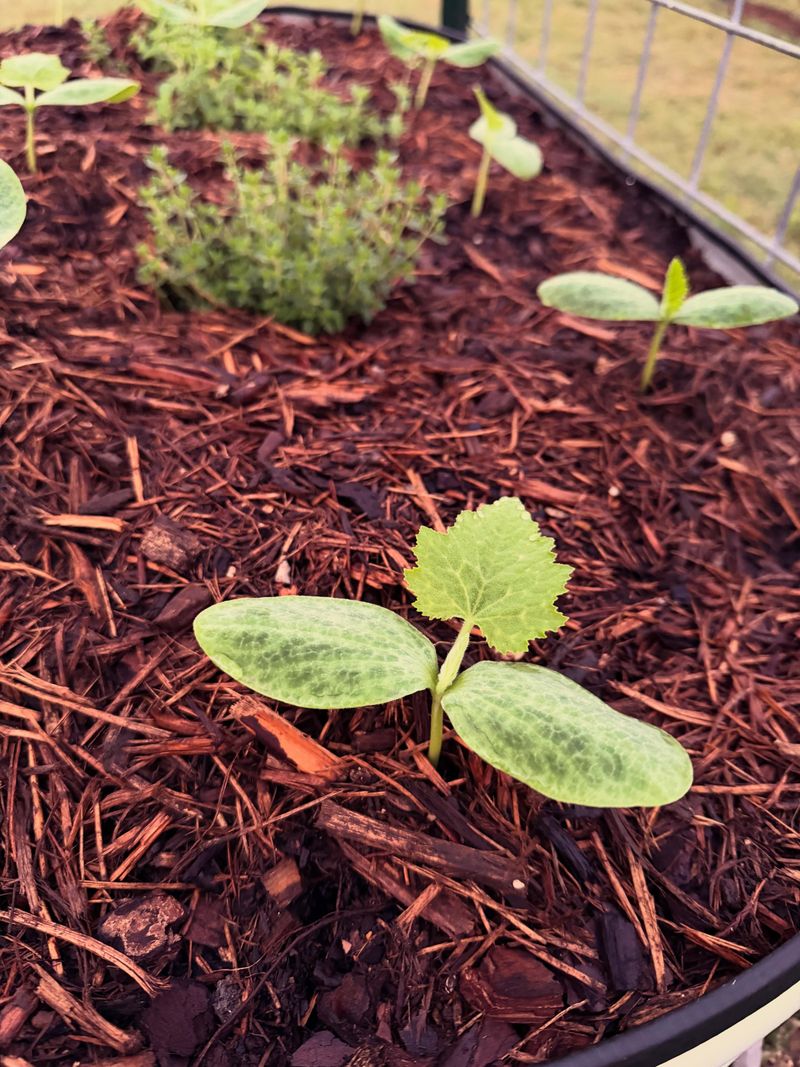
Sawdust seems like the perfect budget mulch, especially for anyone with a woodworking hobby or a nearby lumber source.
It spreads easily and covers a lot of ground. Sadly, roaches find it just as handy as you do.
Fine sawdust packs down into a dense, spongy layer. That tight packing traps water and blocks air from below. The result is a moist, cool zone that stays comfortable for pests hiding underneath.
When sawdust sits close to the house, it creates a soft cushion of shelter along the wall. Cockroaches burrow into the loose material and stay out of sight. From that spot, they are only a short crawl from indoor cracks.
Keeping sawdust in check takes a bit of care. Spread it thin so it does not form a thick, wet mat. A light dusting dries out quickly and offers little room for burrowing bugs.
Mix sawdust with coarser mulch to improve airflow. Combining materials keeps the layer from packing down so tightly. Better airflow means faster drying and fewer damp hiding pockets.
Keep it well away from your foundation. A clear border between the mulch and your walls gives pests less cover to sneak toward the house. Open space is your friend here.
Here is something to keep in mind. Fresh sawdust can pull nitrogen from the soil as it breaks down, which is not ideal for plants either.
Using it sparingly and away from the house helps both your garden and your pest control at once.