What It Means When Crickets Start Chirping More In Arizona Yards
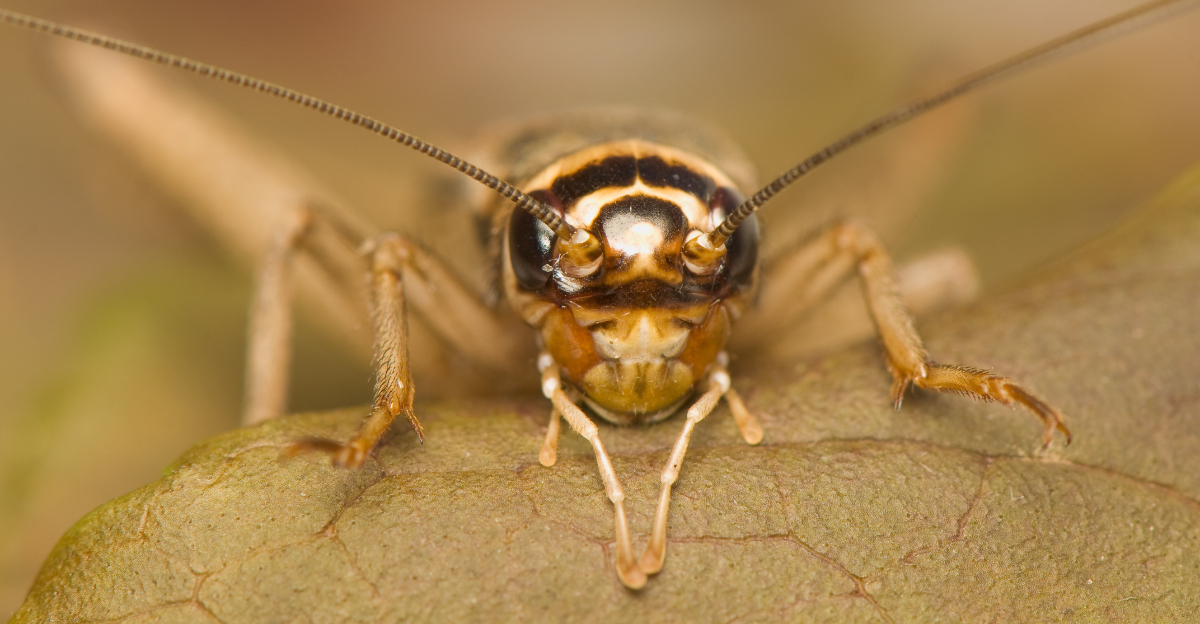
That steady chorus coming from your yard after sunset is not simply background noise you suddenly started noticing. Crickets become especially noticeable when conditions support their activity and males begin calling more often.
In Arizona, warm evenings can turn patios, garden edges, and sheltered yard spaces into surprisingly noisy places. The sound may seem sudden, even when the insects have already been nearby for some time.
Listen closely before assuming louder chirping means your yard has developed a serious problem. Cricket calls are tied to behavior, temperature, and the search for mates.
Changes outside can also affect when their nightly chorus becomes most obvious.
Your yard may simply be providing favorable conditions at the right moment.
Knowing what drives that familiar sound can help you understand why some evenings suddenly seem much louder.
1. Male Crickets Make The Familiar Chirping Sound
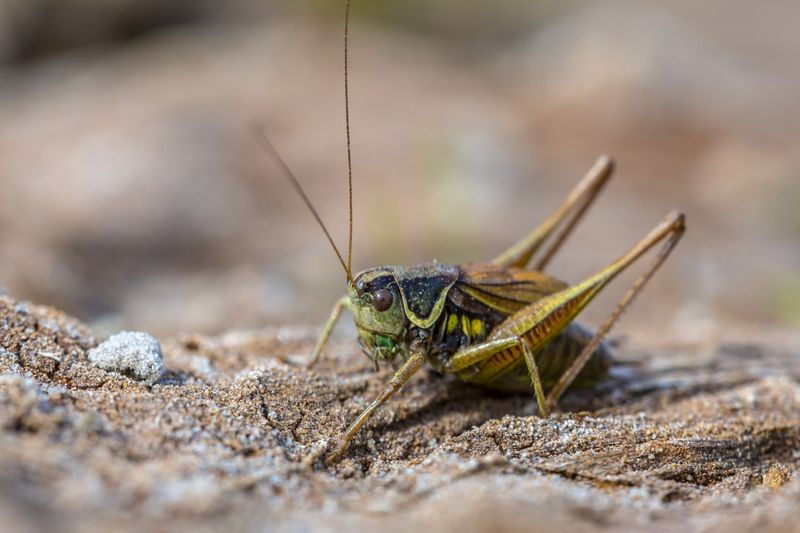
Not every cricket in your yard is making noise. Only the males chirp, and they do it in a surprisingly physical way.
Instead of using their mouths, male crickets rub their wings together to create that familiar sound.
One wing has a rough, file-like edge. When it scrapes against the other wing, it produces vibration that travels through the air as sound.
Entomologists call this process stridulation.
Each chirp you hear is a tiny burst of wing movement. Males repeat this motion rapidly, sometimes hundreds of times per minute.
The result is that steady, rhythmic sound that fills warm evenings.
Crickets have been making this sound for millions of years. It is one of nature’s most efficient communication tools, requiring no vocal cords and very little energy.
Younger males tend to chirp less consistently than older, more experienced ones. As a male matures, his chirping becomes stronger and more regular.
Spotting a chirping cricket can be tricky. They stop almost immediately when they sense nearby movement or vibration.
Patience is the key if you want to watch one in action. Next time you hear that sound outside, take a slow, quiet step toward it and see how close you can get before it goes silent.
2. Their Songs Are Mainly Used To Attract Females
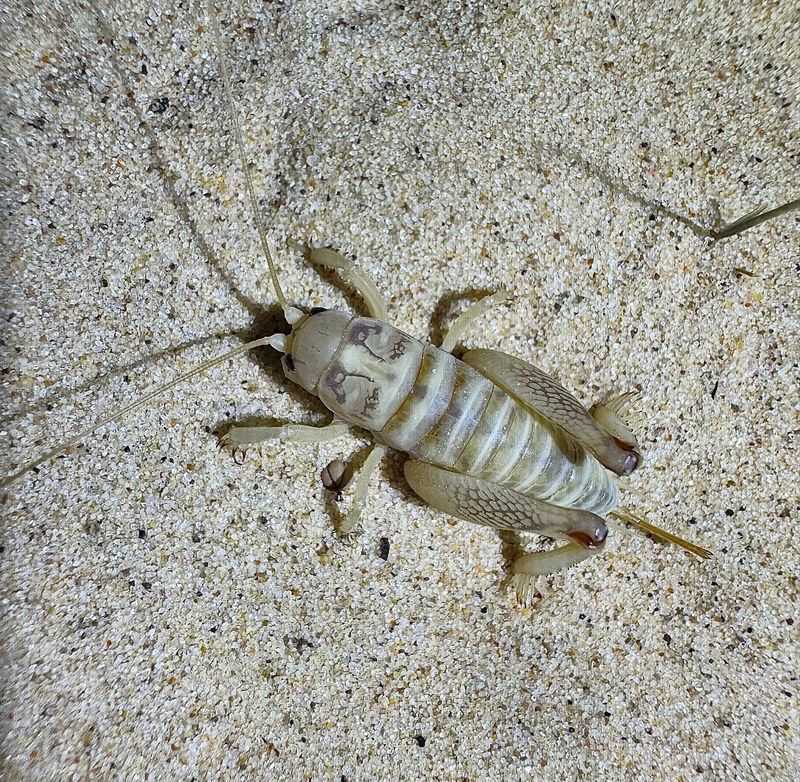
Cricket chirping is not random noise. Behind every chirp is a clear purpose: attracting a mate.
Males put serious effort into their calls because females are listening and making choices based on what they hear.
Females evaluate chirping patterns to judge a male’s health and fitness. A strong, consistent chirp signals good genes.
Irregular or weak chirping is less attractive to potential mates.
Males sometimes adjust their calls depending on competition. When rival males are nearby, some will chirp faster or louder to stand out.
It becomes a kind of acoustic competition happening right in your yard.
Females do not chirp at all. Instead, they move toward the sound that appeals most to them.
Once a female gets close enough, the male may switch to a softer courtship song.
Mating season in warm regions can stretch across several months. Warmer temperatures extend the window when females are receptive, which means the chirping can go on for a long time before it slows down.
Your Arizona Garden Changes Every Week. Your Plan Should Too.
Gardening in Arizona changes quickly throughout the season. Every Friday you’ll receive a simple weekly plan showing exactly what to plant, prune, fertilize, harvest, and protect so you never miss the right timing.
Loud chirping in your yard often means the local cricket population is healthy and active. It is a natural part of warm-weather life.
Appreciating it for what it is, a biological courtship ritual, makes those nighttime sounds feel a little more remarkable than just background noise.
3. Nighttime Activity Makes Their Calls Easier To Notice
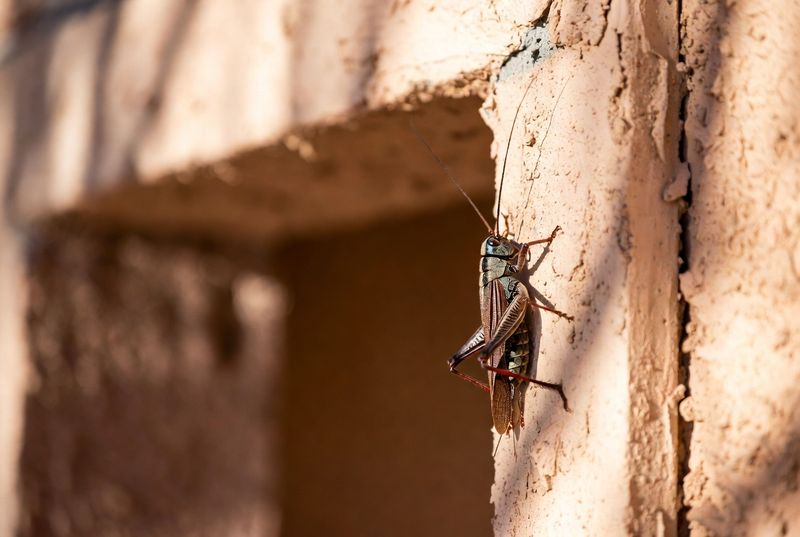
Daytime is loud. Cars, air conditioners, conversations, and birds all compete for your attention.
Once evening arrives, most of that fades away, and crickets suddenly become the loudest thing around.
Crickets are naturally nocturnal. They prefer to stay hidden during the day and become active after sunset.
Cooler nighttime air and lower light levels suit their behavior well.
In Arizona, summer nights stay warm long after the sun goes down. That warmth keeps crickets active well into the night, sometimes until just before dawn.
Residents near desert edges or open lots tend to notice this most.
Darkness also provides safety. Predators like birds and lizards are less active at night, giving crickets more freedom to move, feed, and call without as much risk.
Sound travels differently at night too. Cooler, denser air carries sound waves more efficiently than hot daytime air.
A cricket that might be barely audible in the afternoon can sound much louder at midnight.
Opening a window after dark can feel like turning up the volume on a nature soundtrack. Many people find the sound relaxing after a while.
Others prefer to use a fan or white noise machine to soften it. Either way, understanding why the chirping peaks at night makes it feel a lot less mysterious and a lot more predictable.
4. Temperature Changes The Speed Of Their Calls
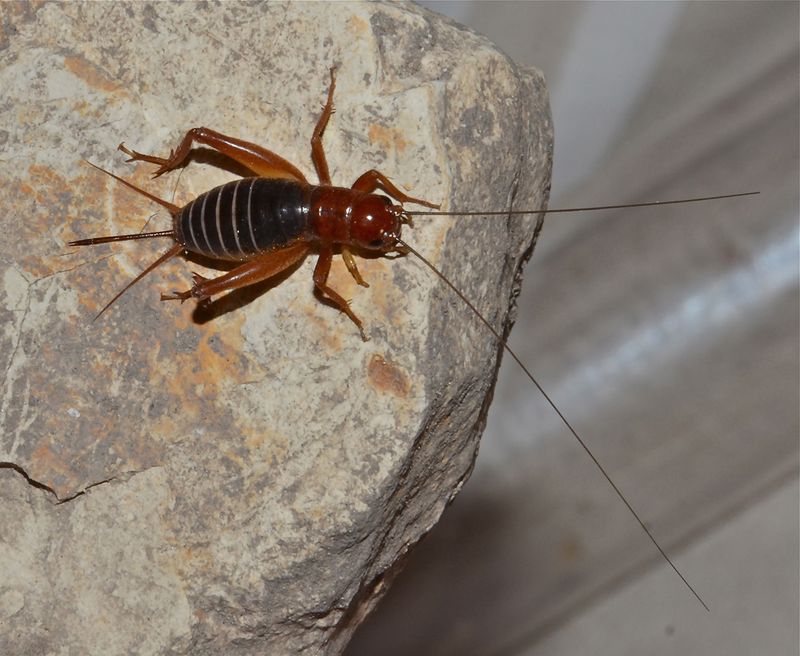
Cricket chirping is not just noise. It is actually a rough indicator of air temperature.
Crickets are cold-blooded, so their body activity speeds up or slows down depending on how warm it is outside.
Warmer temperatures cause their muscles to work faster. Faster muscles mean faster wing movement, which produces more chirps per minute.
On a hot summer night, the chirping can sound almost frantic.
When temperatures drop, the opposite happens. Chirping slows noticeably, and the rhythm becomes more spaced out.
On a cool autumn evening, each chirp sounds more deliberate and drawn out.
There is even an old folk method called Dolbear’s Law that estimates temperature based on cricket chirp rate. It is not perfectly accurate, but it does reflect a real biological relationship between warmth and chirp speed.
In Arizona, summer heat keeps crickets chirping at a fast, consistent pace for months. As fall approaches and nights cool down, the chirping naturally slows and becomes less frequent.
Paying attention to chirp speed can actually tell you something useful. A rapid, dense chirping sound usually means it is still quite warm outside.
Slower, more scattered chirps suggest cooler air is moving in. It is a surprisingly practical way to read the environment just by listening to what is happening in your own backyard.
5. Each Cricket Species Has Its Own Distinct Song
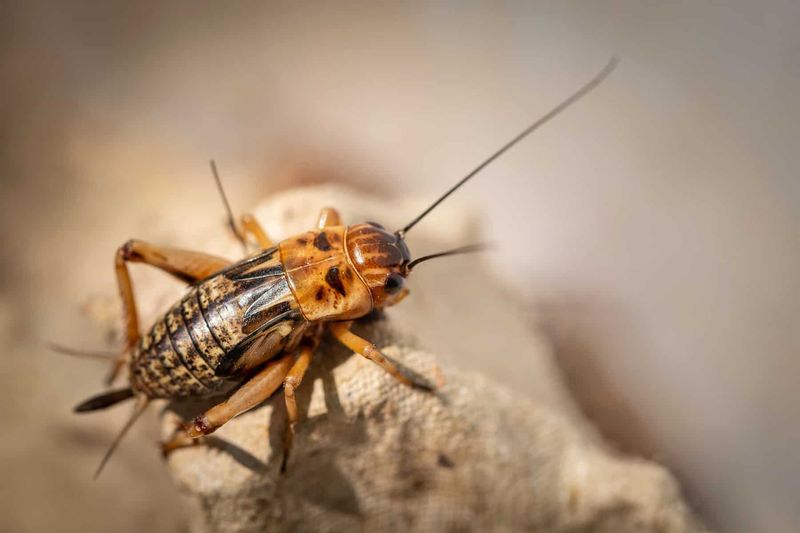
Not all crickets sound the same. Different species produce noticeably different calls, and once you start paying attention, the variety becomes pretty obvious on a warm night.
Field crickets tend to produce a loud, sharp chirp with a steady rhythm. House crickets make a slightly higher-pitched, more continuous trill.
Ground crickets often sound softer and more buzzy in comparison.
Each species has evolved its own acoustic signature. Females can recognize their own species’ call even when multiple cricket types are calling at the same time.
This prevents cross-species mating and keeps populations separate.
Arizona hosts several native cricket species alongside a few introduced ones. The variety of habitats here, from desert scrub to suburban lawns, supports a surprisingly wide range of cricket types.
Some species prefer singing from elevated spots like grass blades or low shrubs. Others call from ground level, hidden under rocks or leaf litter.
Location affects how the sound travels and how loud it seems from your porch.
Trying to identify different cricket songs can become an interesting hobby. Free apps and audio guides exist that let you compare field recordings to what you hear outside.
It takes some practice, but learning to tell species apart by sound alone is a genuinely rewarding skill that connects you more closely with the natural world around your home.
6. Shelter And Food Can Draw Crickets Around Homes
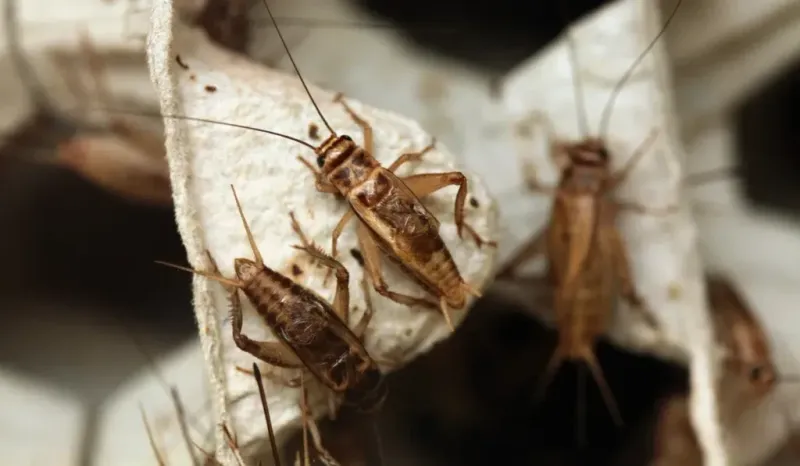
Crickets do not end up near your home by accident. Specific conditions attract them, and most yards offer exactly what they are looking for without homeowners even realizing it.
Outdoor lighting is one of the biggest draws. Crickets are attracted to light, especially bright white or yellow bulbs.
Porch lights and security lights can pull crickets in from a surprisingly wide area.
Moisture matters too. Leaky irrigation systems, standing water near plant beds, or damp soil near a foundation create the kind of humid environment crickets prefer.
Dry yards tend to have fewer of them.
Organic debris like leaf piles, wood stacks, and thick mulch layers give crickets ideal hiding spots during the day. They tuck in and wait until night to become active again.
Food sources are plentiful in most yards. Crickets eat plant material, decaying organic matter, and even other small insects.
A well-vegetated yard provides more than enough food to support a healthy cricket population.
Reducing clutter near your home’s foundation, switching to amber or LED bulbs outdoors, and fixing dripping irrigation can all reduce cricket activity near entry points.
None of these steps will remove crickets entirely from your property, but they can make your yard noticeably less appealing to large numbers of them gathering right at your doorstep.
7. Cooler Weather Eventually Brings Less Cricket Activity
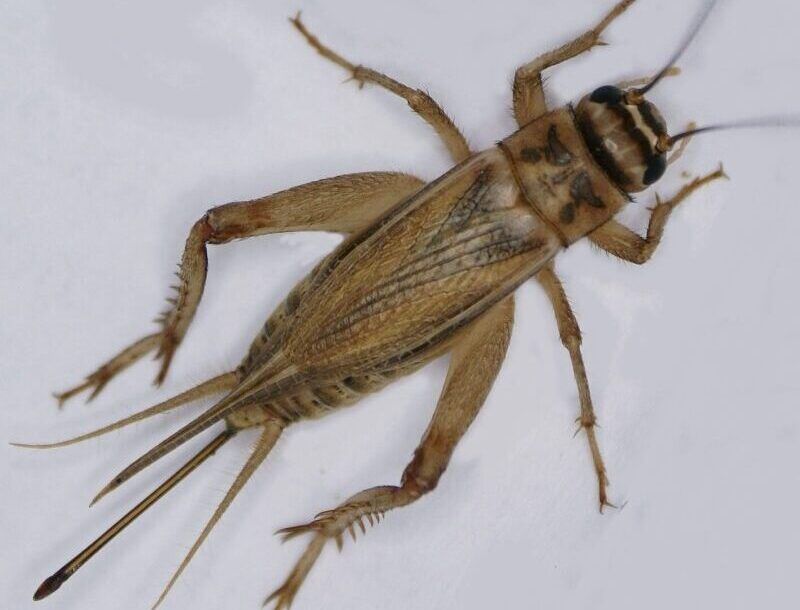
Cricket season does not last forever. As temperatures drop in fall, chirping slows down and eventually fades.
The shift is gradual, but once you notice it, you realize summer is truly winding down.
Adult crickets have a limited lifespan. Most live through spring and summer, reproduce, and then fade out as cooler weather sets in.
Eggs laid in the soil carry the next generation through winter.
In Arizona, the transition happens later than in colder states. Warm fall nights can extend cricket activity well into October in some areas.
Elevation plays a role too, with higher desert zones cooling faster than low valley areas.
As chirping decreases, some crickets seek warmer spots. Cracks in foundations, gaps under doors, and cluttered garages can become appealing shelter.
Sealing those entry points before temperatures drop is a smart move.
The silence that follows a noisy cricket season can feel a little strange at first. Nights that were once filled with sound become noticeably quieter, almost abruptly so after weeks of constant chirping.
Cooler weather also signals a broader shift in backyard insect life. Crickets are just one part of that seasonal rhythm.
Watching how they respond to temperature changes is a simple but reliable way to track the seasons, especially in a region where temperature shifts often matter more than calendar dates for marking seasonal transitions.