What It Means When Javelinas Show Up in Your Arizona Yard
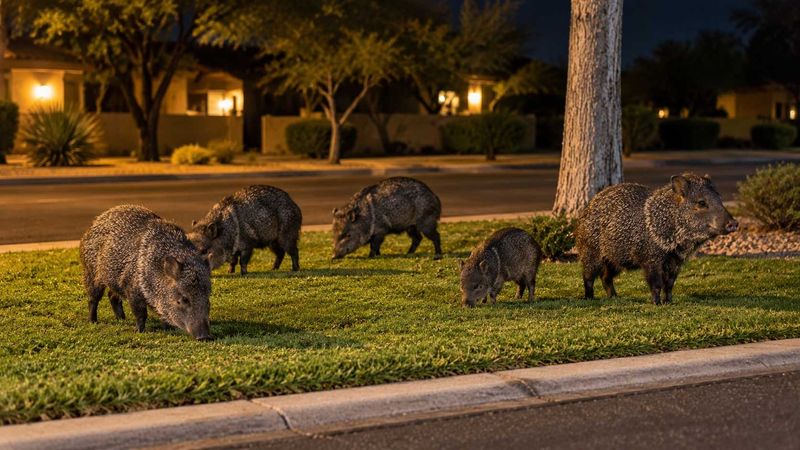
You step outside at dusk and spot a bristly, dark-furred animal trotting past your oleander. Javelinas are a regular part of life in the Phoenix and Tucson areas, and a visit can feel surprising.
Knowing why one might stop by helps you stay calm and respond safely. Here is what a sighting can tell you, what it cannot, and what to do next.
A yard visit may be part of an ordinary route
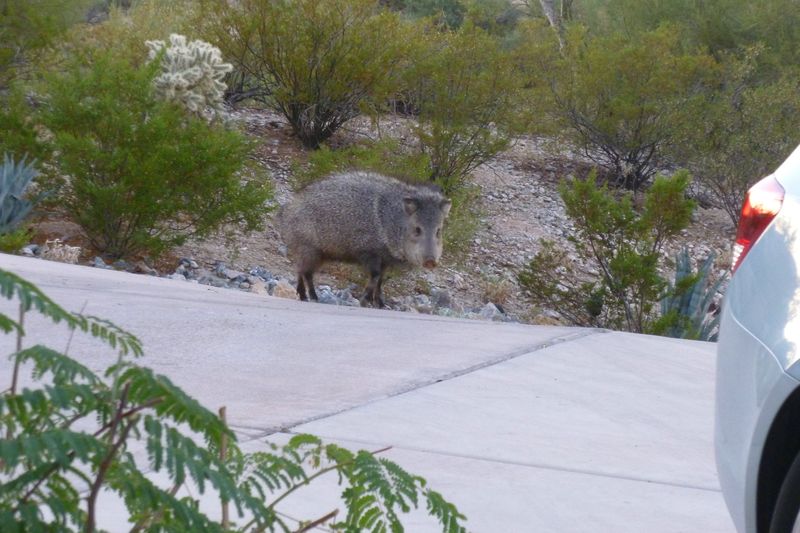
Javelinas are common across central and southern Arizona, and they tend to follow washes and dense vegetation as travel routes. Many neighborhoods in Phoenix and Tucson back up to those same corridors, so a yard on the edge of desert habitat can sit right on the path.
Their home ranges can also cover large stretches of land. An animal crossing your property may simply be moving from one patch of desert to another, grabbing a bite or a drink along the way.
One sighting does not tell you much beyond that. It does not prove a den is tucked under your porch, and it does not mean someone nearby is feeding the animals.
It also does not predict drought, bad weather, or any other special event. Most of the time, a javelina is just a wild neighbor passing through its range.
A lone or daytime sighting does not tell the whole story
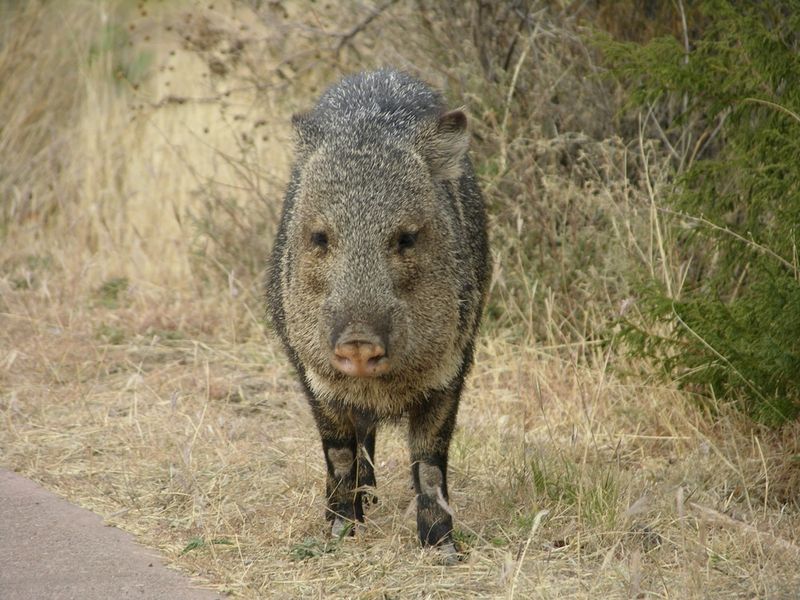
Despite the piglike look, javelinas are peccaries, not wild pigs. They belong to a different animal family, and that is why the name matters when you read about how they behave.
They usually travel in groups, so seeing a whole herd cross the yard is common. Still, individuals may sometimes be seen alone, which can happen as animals move around or get separated from their group.
Javelinas are mostly active at night, but they can be out in daylight when it is cold. A chilly winter morning in Flagstaff-adjacent foothills or a cool Tucson dawn may bring one into view.
Park Service notes on javelina habits fit that pattern of mostly nighttime activity.
So a lone animal or a daytime visit is not a sign of a new or permanent presence. It is just one more reason to watch calmly and keep your distance.
Food, water, and cover can draw javelinas into yards
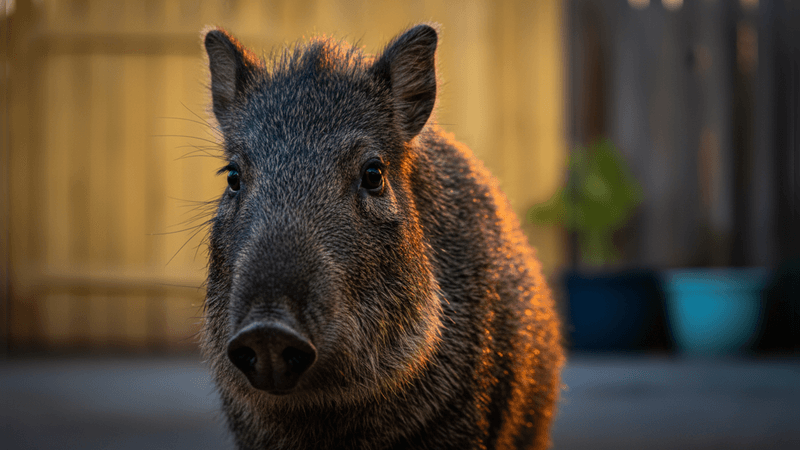
Javelinas look for the same basics we all do: something to eat, something to drink, and a place to rest. Yards can offer all three without anyone meaning to.
Lush or succulent plants are a common draw, along with fallen fruit or nuts from citrus and other trees. Birdseed, pet food left outside, and unsecured garbage can add to the list.
Water matters too. Dripping hoses, pet bowls, and moist soil around irrigation can be appealing during a dry stretch.
Sheltered spots under porches, decks, or buildings may also look like a cozy place to settle in, according to Arizona Game and Fish guidance.
Think of these as possible attractants, not as proof of what brought one animal by on a given night. A javelina might never touch any of them and simply keep walking.
Your Arizona Garden Changes Every Week. Your Plan Should Too.
Gardening in Arizona changes quickly throughout the season. Every Friday you’ll receive a simple weekly plan showing exactly what to plant, prune, fertilize, harvest, and protect so you never miss the right timing.
Give the animal space and a clear way out
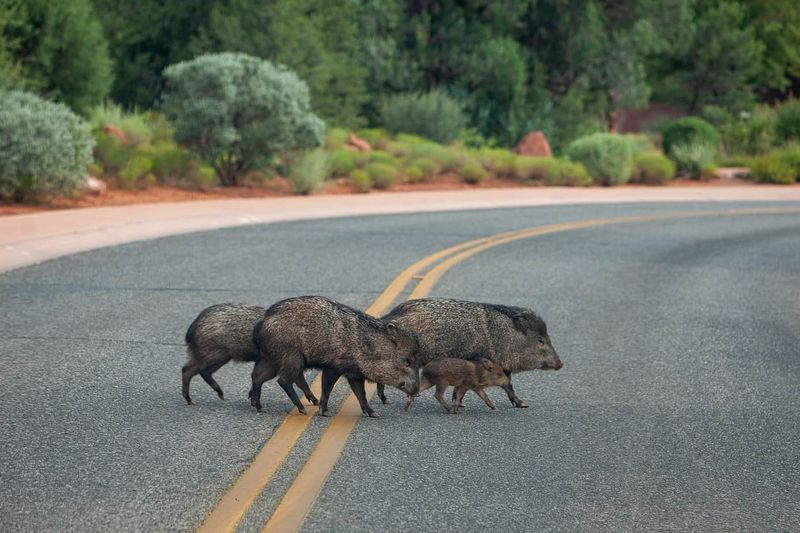
If a javelina shows up, the best move is to stay back and let it go on its way. Do not feed it, approach it, chase it, or try to corner it, and never try to handle one.
Dogs deserve extra attention. Keep them away from javelinas and leash them when outdoors, because a dog can trigger a defensive response.
Javelinas may also react if they are cornered or protecting young.
Their eyesight is poor, so an animal that bolts in your direction while trying to escape can look like it is charging. Leaving a wide, open path gives it room to leave without a confrontation.
If one gets trapped in an enclosed area, such as a walled patio or pool yard, clear people from the area and open an exit if you can do so safely. Then let it leave on its own.
If it stays or acts aggressively, contact Arizona Game and Fish for help.
Remove easy rewards and block sheltered spaces

A quick evening walk around the yard can reveal most of the easy pickings. Gather fallen fruit and nuts from citrus, mesquite pods you do not want left behind, and anything else that drops and sits.
Garbage and compost come next. Keep cans in the garage or in a latched bin until pickup day, and use a closed compost container instead of an open pile.
Pet food and birdseed should come inside at night. Spilled seed under a feeder is easy to miss, so sweep it up too.
Then look at shelter. Crawlspaces, gaps under porches, and spaces beneath sheds can be closed off with sturdy lattice or screening, after you check that no animal is inside.
These steps can make a yard less inviting, but they cannot guarantee that a javelina will never wander through. Passing animals may still cross your property on the way somewhere else.
Use fencing for repeated garden damage, not promises about plants

Gardeners often hope a list of javelina-proof plants will solve the problem. In reality, plant damage varies with food availability, and no list can guarantee protection.
A plant ignored in a wet year may get nibbled when food is scarce.
For repeated damage, a fence is more dependable. A barrier at least 4 feet tall and buried at least 8 inches deep is a practical long-term starting point, as described in wildlife fencing guidance.
Burying the bottom matters because javelinas can push and root under loose edges.
Treat those numbers as a starting point, not a promise. Fence needs vary with the size of the area, the materials, and how determined the animals are.
Caliche can make digging tough, so plan time or help for installation.
If you are thinking about electric fencing, check local rules first. Some cities and HOAs have limits on what is allowed.
Know when to contact wildlife or medical professionals
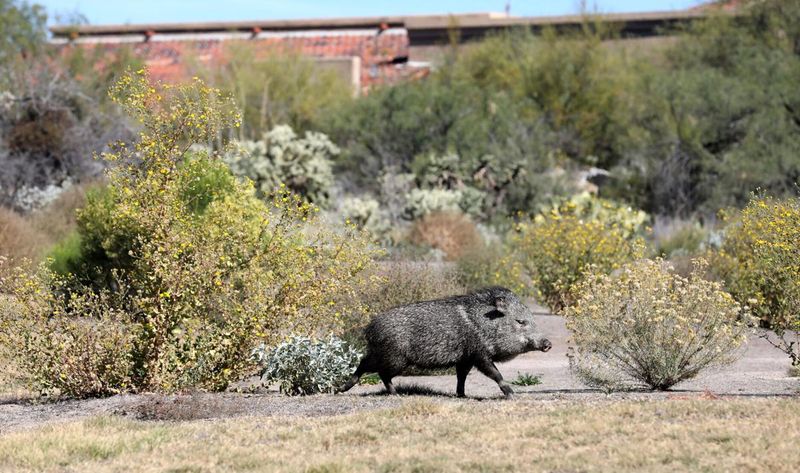
Most javelina visits are brief and need no outside help. A call makes sense when an animal keeps coming back despite your cleanup, causes serious damage, or acts aggressively.
In those cases, contact Arizona Game and Fish.
Resist the urge to trap or move the animal yourself. Relocation often fails and may result in the animal’s death, so it is not a casual fix.
A bite needs prompt medical attention. Wash the wound and get care right away, then report the incident to the agency.
Rabies is possible in javelinas, and the state’s rabies manual lists them as an occasional case among wildlife. A sighting alone is not a sign of disease, though, and a javelina feeding on your neighbor’s lawn is not cause for alarm.
Most of the time, the right response is patience, a little distance, and a tidy yard.