Why Are So Many Hummingbirds Suddenly In Georgia Yards This August?
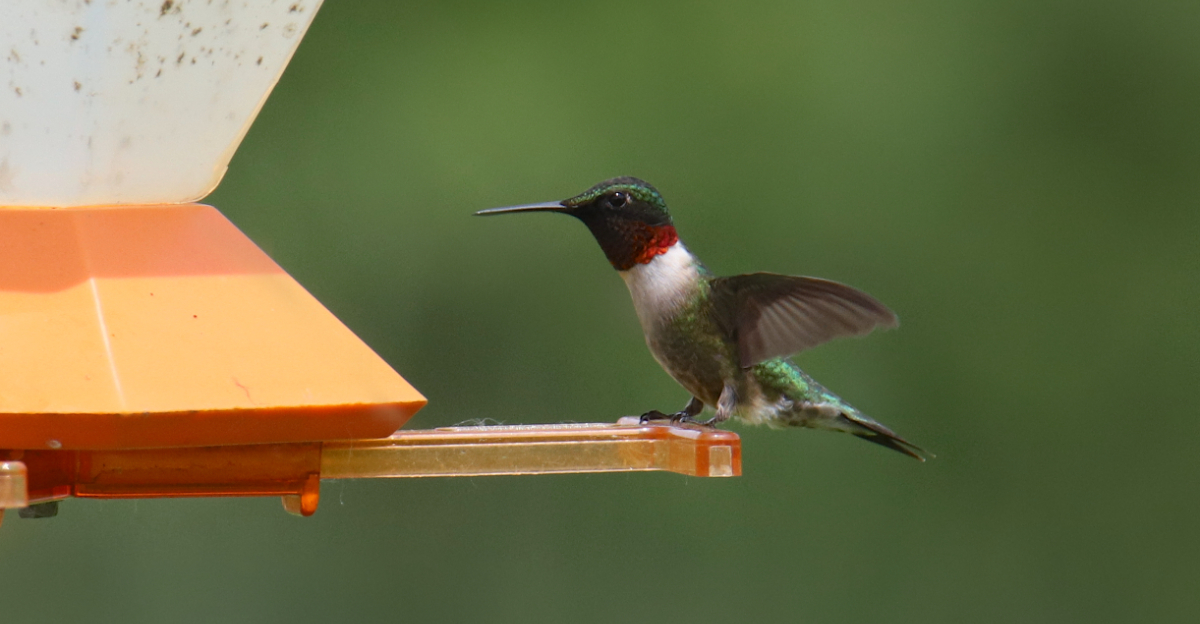
One hummingbird at the feeder is always fun, but five or six suddenly fighting over the same spot can make you wonder what changed. August can bring exactly that scene.
Your yard might feel unusually busy from sunrise onward. Birds that seemed scattered earlier in summer can suddenly appear around flowers and feeders throughout the day.
Georgia sits right in the middle of some important late-summer hummingbird movement. What happens during these weeks can quickly change how much activity you notice outside.
Keep those feeders clean and pay attention to the tiny visitors arriving each day. Some may only stop briefly, while others could hang around longer.
There is more happening behind those rapid feeder visits than simple hunger.
Once you know what August means for hummingbirds, those sudden backyard crowds start making much more sense.
1. Fall Migration Brings More Hummingbirds Into Yards
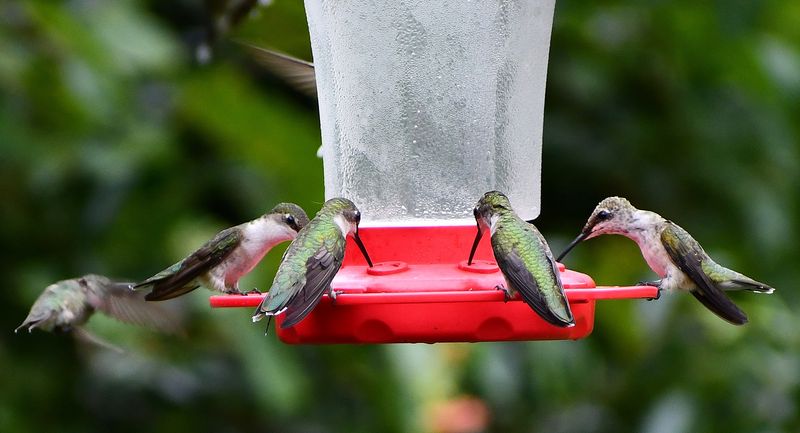
August marks the start of one of the most active wildlife movements of the year. Ruby-throated hummingbirds begin heading south, and Georgia sits right in the middle of a major travel corridor.
Yards that never saw more than one or two birds in June suddenly attract five, six, or even more at a time.
Migrating hummingbirds are not just passing through carelessly. They are fueling up hard before a long journey, some crossing the Gulf of Mexico without stopping.
Feeders and flowers in residential yards become critical pit stops along the way.
Peak migration in this region typically runs from late July through September. Numbers build steadily through August and can feel overwhelming compared to the quieter summer months.
Keeping feeders clean and filled during this window makes a real difference for birds moving through.
Not every hummingbird in the yard is a migrant, though. Some are local birds that nested nearby and are now preparing to leave.
Watching the yard during August often means seeing both residents and travelers at the same time, which explains why activity spikes so sharply compared to earlier in the season.
2. Young Birds Add To Their Numbers In August
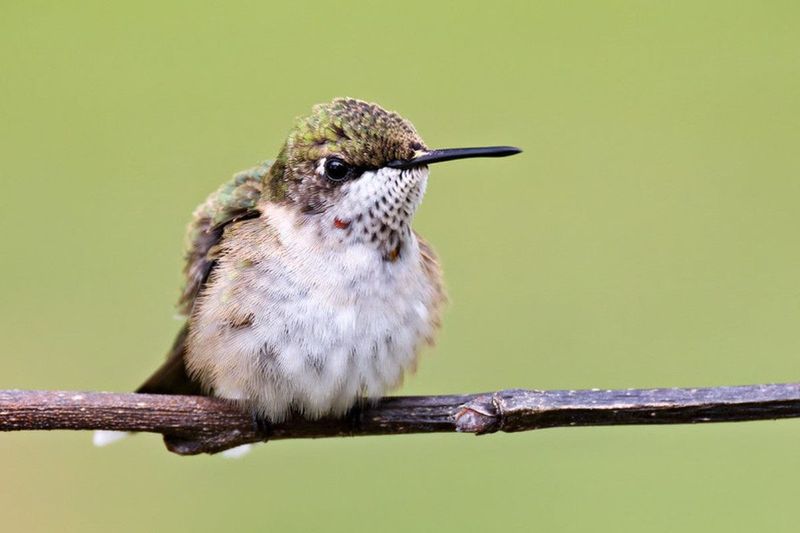
Hummingbird chicks raised in summer nests are fully independent by August. That sounds simple, but it has a huge effect on how many birds show up in yards.
A pair that nested nearby can produce two chicks per brood, and sometimes two broods per season.
Juvenile birds look slightly different from adults. Young males lack the brilliant red throat their fathers carry.
Young females closely resemble adult females, making them harder to tell apart without close observation.
New birds exploring on their own tend to visit feeders boldly. Without established territories, juveniles wander more freely than older birds, which means they pop up in yards where hummingbirds were rarely spotted before.
First-year birds are also learning what food sources look like. Bright red feeders catch their attention quickly, and once one juvenile discovers a reliable spot, others often follow.
This learning behavior helps explain sudden spikes in feeder traffic during late summer.
Juvenile hummingbirds need to build fat reserves before migration just like adults do. August is their first real experience with this biological pressure.
Your Georgia Garden Changes Every Week. Your Plan Should Too.
Gardening in Georgia changes quickly throughout the season. Every Friday you’ll receive a simple weekly plan showing exactly what to plant, prune, fertilize, harvest, and protect so you never miss the right timing.
Watching a young bird figure out a feeder for the first time is genuinely one of the most entertaining things a backyard can offer at this time of year.
3. Nectar Feeders Draw Several Visitors To One Spot
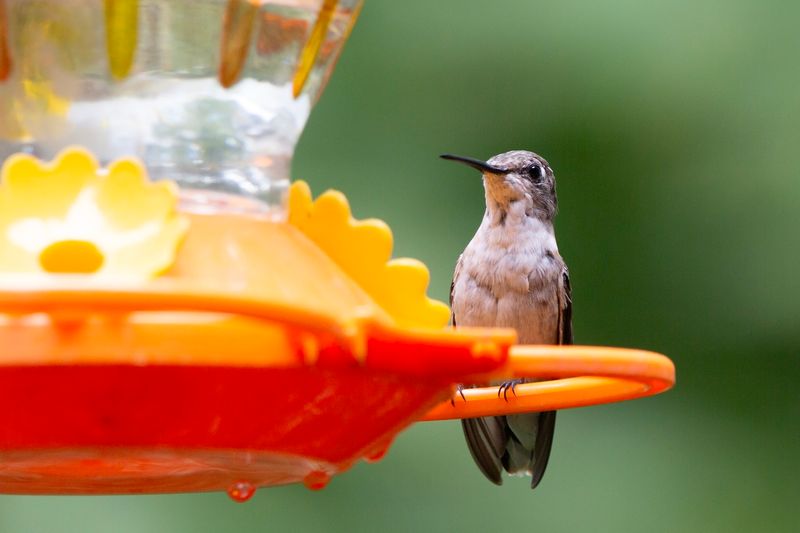
A well-placed feeder acts like a magnet during peak season.
Birds that might otherwise spread out across a wide area get concentrated into one visible spot, which makes August feel like a hummingbird explosion even when total numbers are only slightly higher than normal.
Feeders with multiple ports allow more than one bird to feed at a time. Dominant birds still chase others away, but with enough feeders spread around the yard, competition spreads out too.
Placing two or three feeders out of sight from each other helps reduce territorial squabbling.
Sugar water concentration matters. A ratio of one part white granulated sugar to four parts water closely matches natural flower nectar.
Stronger mixes are not necessarily better, and weaker mixes may not provide enough energy for birds fueling up for migration.
August heat speeds up fermentation. Nectar can spoil within two days during a Georgia summer, so checking feeders every other day is a reasonable habit.
Cloudy or foamy nectar should be changed immediately and the feeder rinsed with hot water.
Red dye is not needed and is best avoided. Plain sugar water in a feeder with red ports or a red base attracts birds just as well.
4. Late-Summer Flowers Give Them More Places To Feed
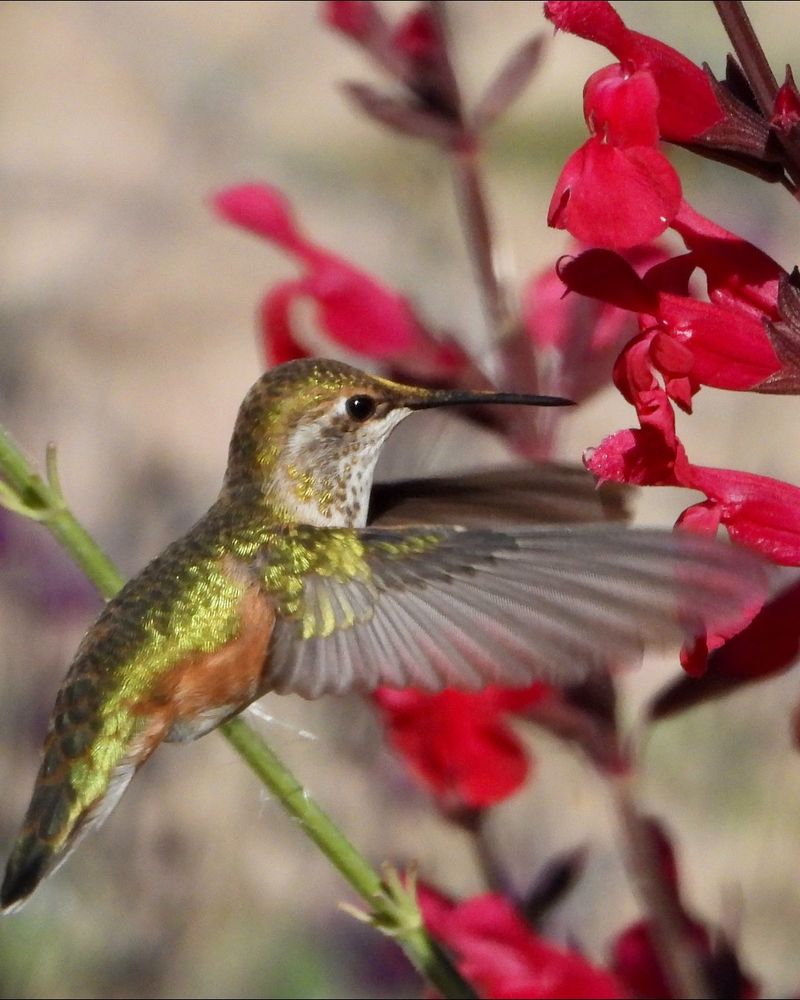
August gardens in the South can be packed with exactly what hummingbirds want.
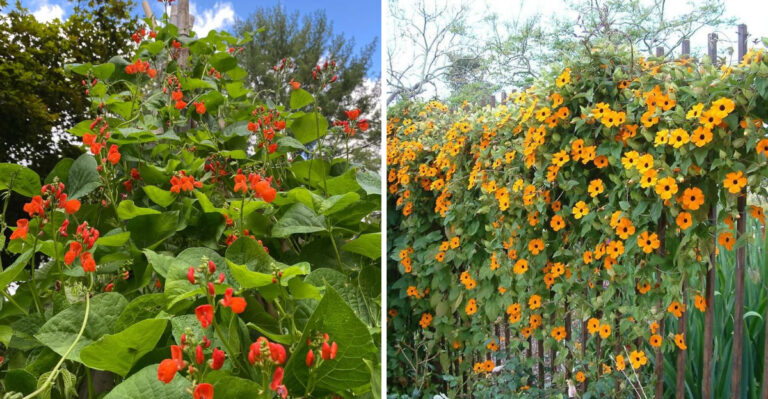
Salvia, cardinal flower, trumpet vine, and lantana are all blooming heavily right now, and these plants produce the kind of deep tubular flowers that hummingbird beaks are built for.
Natural nectar from flowers offers nutritional variety that sugar water alone cannot replicate. Flowers also provide small insects and spiders that cling to petals, giving hummingbirds protein alongside their sugar fix.
A yard with flowering plants supports birds in more ways than a feeder alone.
Late-blooming plants extend the feeding season into fall. Turk’s cap, firebush, and Mexican sage tend to peak in late summer and early autumn, keeping nectar available even as temperatures start to shift.
Planting a mix of species with staggered bloom times helps maintain bird traffic longer.
Native plants tend to perform better for local wildlife in general. They are adapted to regional heat and humidity, which means they often bloom more reliably under tough summer conditions.
Checking with a local nursery about native nectar plants suited to your specific area is worth the effort.
Flower color matters less than shape and nectar content, but hummingbirds do notice red and orange blooms quickly.
5. Tiny Insects Provide Another Important Food Source
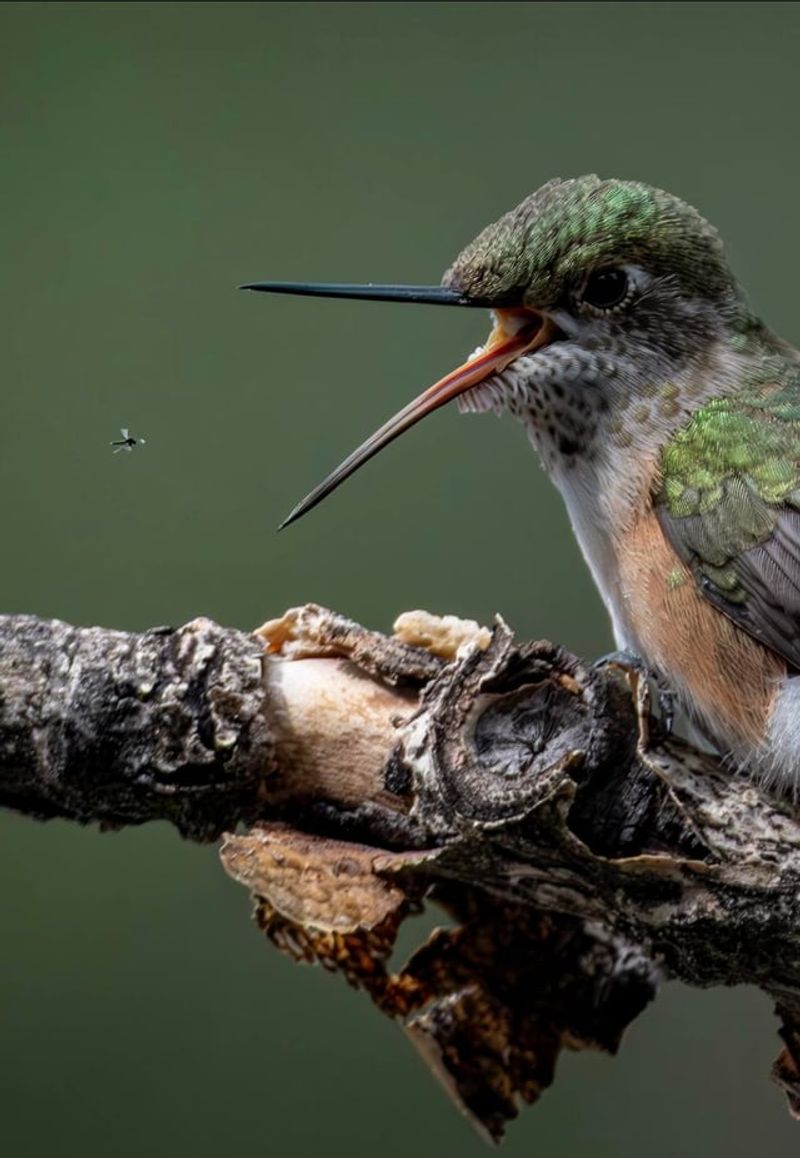
Sugar gets most of the attention, but protein is just as critical to a hummingbird’s survival. Insects make up a significant portion of their diet, especially during late summer when birds need to build fat and muscle before migration begins in earnest.
Gnats, fruit flies, aphids, and tiny spiders are all fair targets. Hummingbirds catch insects in flight or pluck them directly from bark, leaves, and flower surfaces.
Watching closely near a feeder sometimes reveals this behavior, especially in early morning when insect activity is high.
A yard with diverse plants naturally supports more insect life. Avoiding broad-spectrum insecticide use during summer helps keep those small prey items available.
Spot-treating specific pest problems is generally a more targeted approach than spraying entire garden areas.
Spiderwebs also serve double duty for hummingbirds. Birds actively harvest silk for nest building, but they also eat the small insects trapped in webs.
Leaving garden spiders undisturbed can quietly benefit hummingbirds in ways most people never notice.
Overripe fruit left near the garden attracts fruit flies, which in turn attract hummingbirds hunting for easy protein. Banana peels or soft fruit near flower beds can quietly boost insect availability without much effort.
6. Trees And Shrubs Offer Convenient Resting Spots
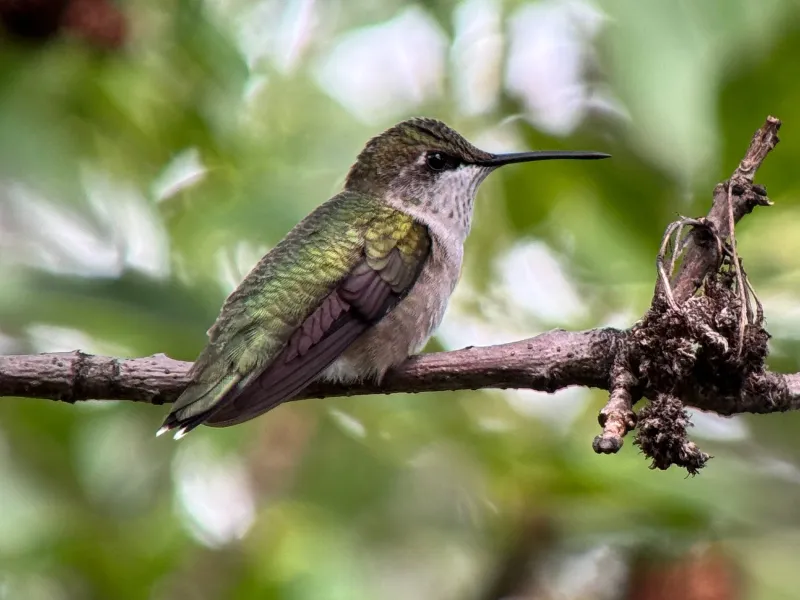
Hummingbirds burn energy at a remarkable rate, so resting matters more than most people realize. Between feeding bursts, they perch quietly on thin branches, often sitting still for several minutes at a time.
Yards with good tree and shrub cover provide exactly what they need to recharge.
Favorite perching spots tend to be exposed twigs near the top of a shrub or small tree. Birds want a clear view of the surrounding area while resting.
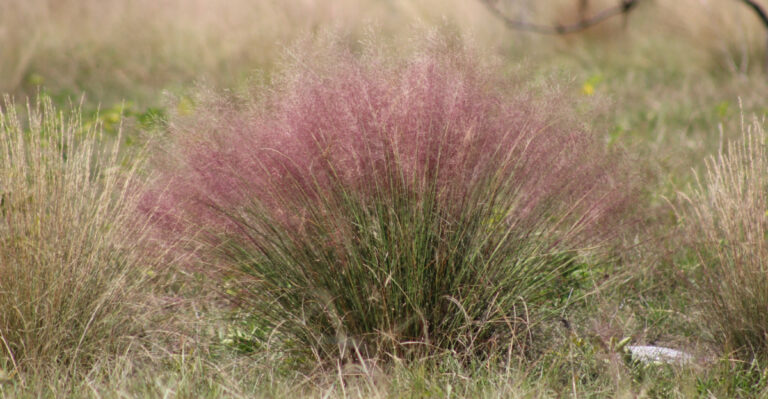
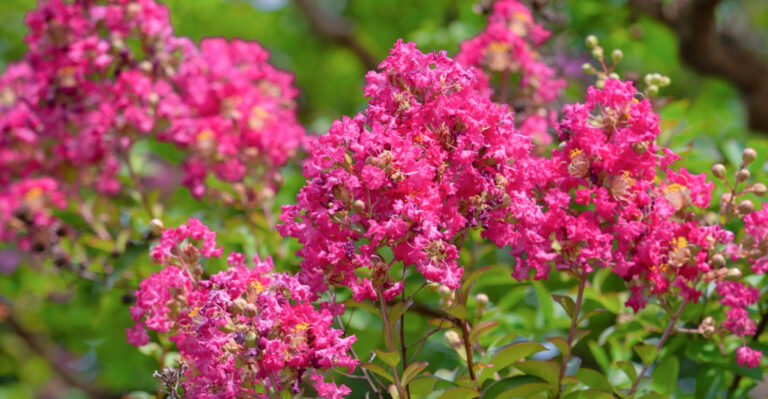
Tall ornamental grasses, crape myrtles, and deciduous shrubs all work well as perch sites in a typical Southern yard.
Male hummingbirds are especially territorial about perching locations. A dominant male will often claim one high branch and return to it repeatedly throughout the day, launching short chase flights from that spot whenever a rival approaches.
Watching this behavior reveals a clear social hierarchy that most casual observers miss.
Dense shrubs also offer shade and protection from midday heat. August afternoons in Georgia push temperatures high enough that birds seek shelter during the hottest hours.
A yard with layered planting, short flowers near the ground and taller shrubs above, gives birds options for both feeding and cooling down.
7. Shallow Water Sources Can Bring Them Closer To Homes
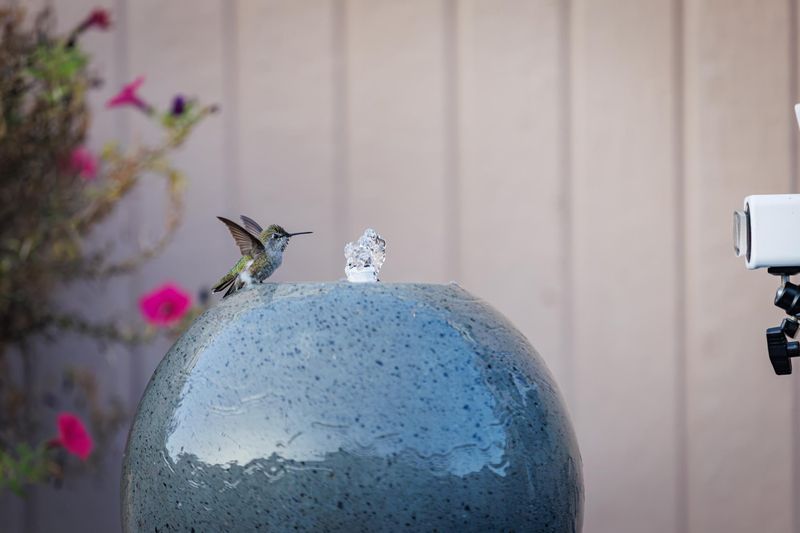
Water draws hummingbirds in a way most people do not expect. Unlike larger birds that wade into a standard birdbath, hummingbirds prefer very shallow water or a fine mist.
A traditional deep birdbath does very little for them, but a misting attachment changes everything.
Garden misters designed for plants work surprisingly well as hummingbird attractors. Birds fly through the fine spray repeatedly, bathing on the wing rather than sitting in water.
Attaching a mister to a garden hose near flowering plants creates an irresistible combination of food and water in one small area.
Solar-powered misters or small fountain features with a gentle spray function similarly. Keeping the water fresh and the misting head clean prevents buildup that can block flow.
Even a hose set to a very fine spray for a few minutes in the morning can attract birds quickly during peak season.
Hummingbirds also bathe by rubbing against wet leaves. Planting broad-leafed plants near a sprinkler zone gives birds a natural bathing surface without any special equipment.
Hosing down foliage in the early morning creates the same effect and takes almost no extra effort.
Water features near feeders and flowers create a yard setup that covers almost every need a hummingbird has.