The One Thing You Should Never Do To North Carolina Forsythia In September
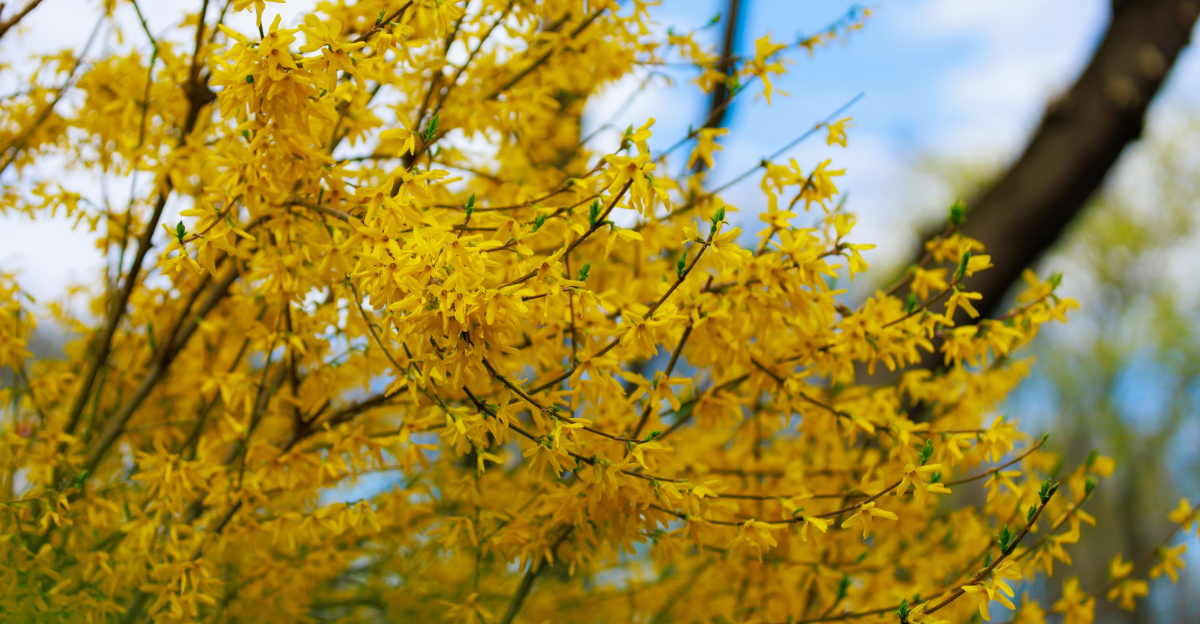
Forsythia often gets overlooked once its spring blooms fade, leaving many North Carolina gardeners unsure of what, if anything, the shrub needs later in the year.
September specifically tempts people into a habit that feels perfectly reasonable at the time but actually works directly against next year’s flower display.
Most gardeners have no idea this mistake is even a mistake until they’re left wondering why blooms seem thinner than they should be. Understanding exactly what to avoid this month could completely change how your forsythia performs come next spring.
Many people only discover this lesson after repeating the same misstep for several years in a row. Once you know what not to do, protecting next year’s blooms becomes remarkably simple.
Avoiding this one habit now could be the difference between a forsythia covered in yellow flowers and one that barely blooms at all.
1. Do Not Prune It Now
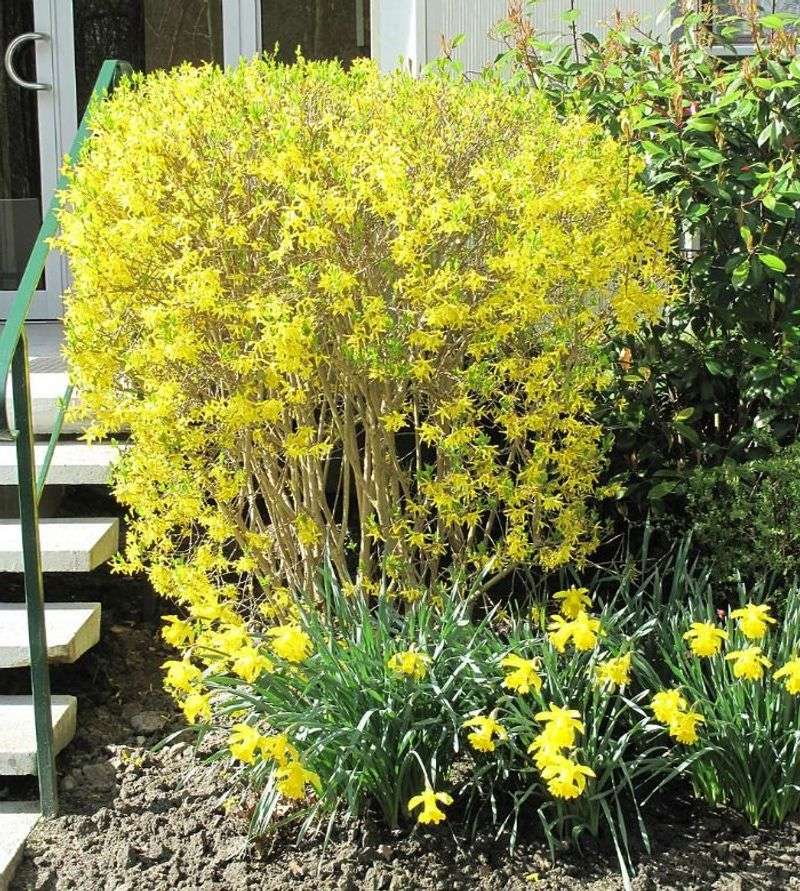
September feels like the right moment to tidy up, but your forsythia disagrees. The shrub spent the whole summer quietly building the buds that will burst open next spring.
When you cut branches now, you snip away those buds before they ever get a chance to shine.
Think of it like packing away holiday lights before the party even starts. The plant looks leafy and healthy, so it seems safe to trim.
Hidden along those stems, though, sit tiny buds waiting for their turn. Cutting in fall does not harm the health of the shrub itself. It simply removes the flowers you were hoping to enjoy.
A forsythia pruned in September often turns into a wall of green come March, with almost no golden color at all.
Gardeners across North Carolina learn this the hard way. They shape the bush neatly in fall, then wonder why the neighbors have blazing yellow hedges while theirs stays plain.
The smart move is patience. Let the shrub keep every branch through the cooler months, and those saved buds will pay you back generously.
If the untidy look bothers you, remind yourself that a slightly messy fall forsythia means a spectacular spring one. Beauty is coming, just not yet.
Hold off on the shears, mark your calendar for later in the year, and trust the plant to reward your restraint with an incredible flower show.
2. The Flower Buds Are Already There
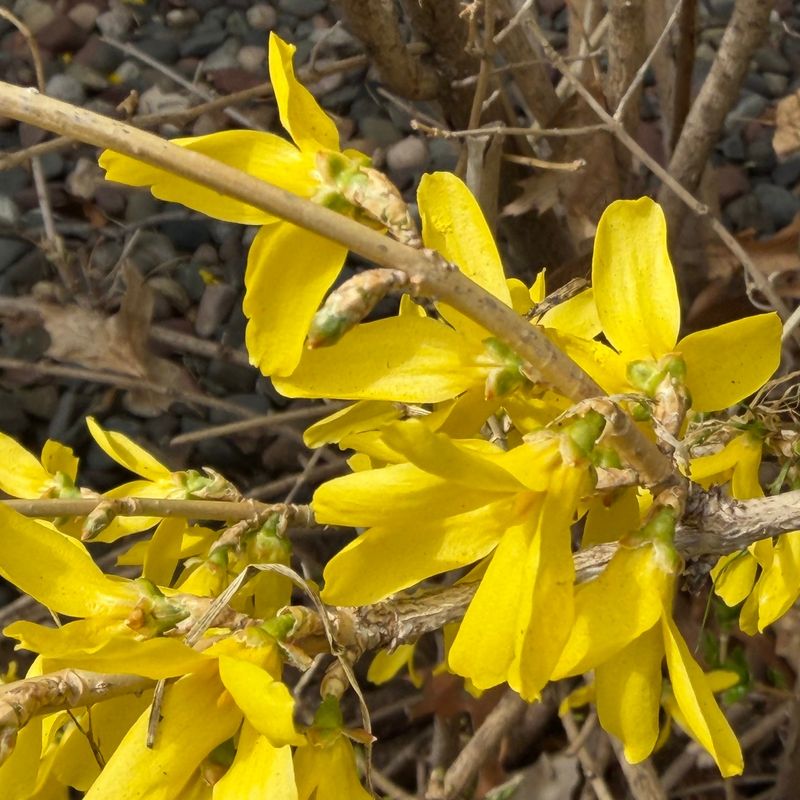
Here is something surprising about forsythia. Long before spring shows up, the plant has already decided where its flowers will grow.
Those buds form on last season’s stems during summer and settle in for the cold months ahead.
Look closely at the branches in September and you can spot small bumps lined up along the wood. Each little bump is a promise of a bright yellow flower waiting for the right weather.
Because the buds sit on older growth, they need those stems to stay put. The shrub does not make new flowers on fresh spring shoots the way some plants do.
Everything you see bloom in March was set up months earlier. This is why timing matters so much with forsythia. The plant works ahead of schedule, storing up its color where you cannot easily notice it.
Your North Carolina Garden Changes Every Week. Your Plan Should Too.
Gardening in North Carolina changes quickly throughout the season. Every Friday you’ll receive a simple weekly plan showing exactly what to plant, prune, fertilize, harvest, and protect so you never miss the right timing.
Once you understand this habit, the fall no-cutting rule makes perfect sense. Removing branches means removing the exact spots the flowers plan to appear.
Gardeners who know this trick treat every stem like treasure during autumn. They resist the urge to shape or shorten, knowing the reward hides inside those quiet buds.
So the next time you walk past your forsythia in September, take a peek at the branches. Those tiny bumps are next spring’s celebration, already packed and ready.
Leave them alone and they will unfold into the cheerful yellow display that makes forsythia one of the first joys of the season.
3. Even Light Trimming Can Cost Blooms
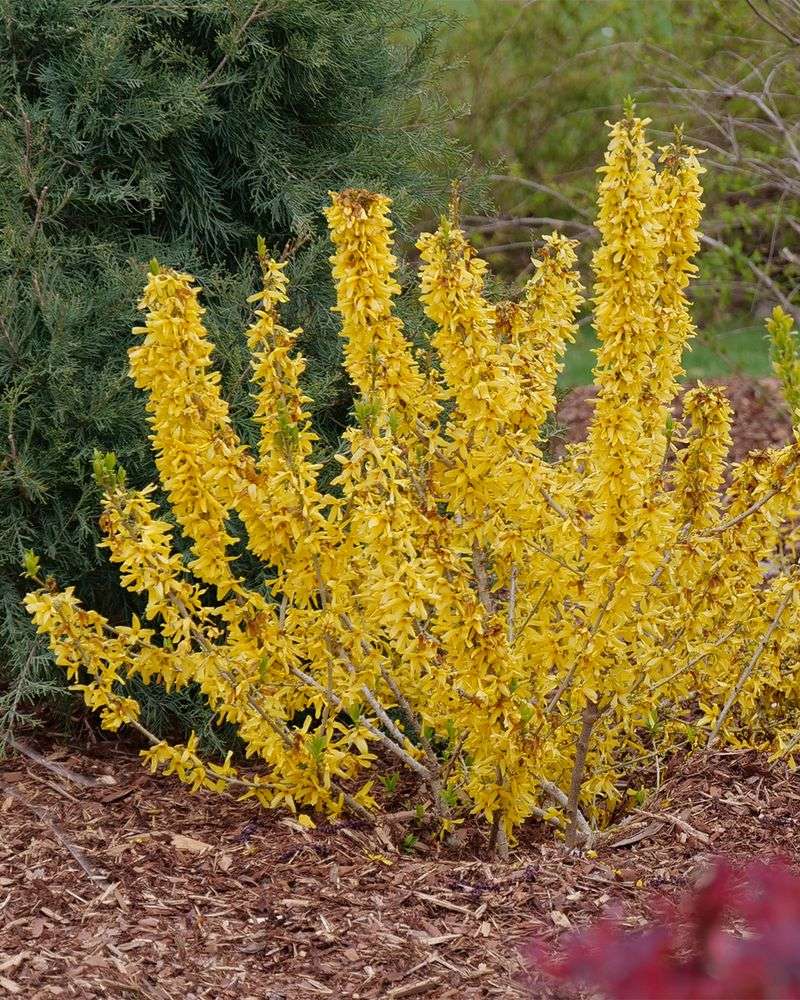
A quick little trim seems harmless enough. You just want to neaten the tips and shorten a few branches that stick out too far. Sadly, even that gentle touch can cost you flowers.
The buds on forsythia spread all along the stems, including near the ends you might snip. When you shorten a branch, you often cut right through a cluster of buds without realizing it.
It does not take a heavy pruning to make a difference. A few careful clips here and there can quietly remove dozens of future flowers.
People often assume that only big cuts matter. With forsythia, though, small cuts add up fast because the buds are everywhere, not just deep inside the shrub.
Picture trimming the outer edges of the bush to make it look rounder. Those outer stems hold the most sun-facing buds, which usually produce the boldest color.
Removing them thins out your spring show more than you would expect. The safest plan in September is to keep the scissors in the shed. If the shrub looks a bit shaggy, let it be for now.
Your patience pays off when the branches you spared explode with yellow. A slightly wild autumn shape is a small price for a full, glowing spring.
So skip the light touch-up, no matter how tempting it looks. Every stem you leave whole is another armful of flowers headed your way when the cold finally lifts.
4. Save Shaping For After Flowering
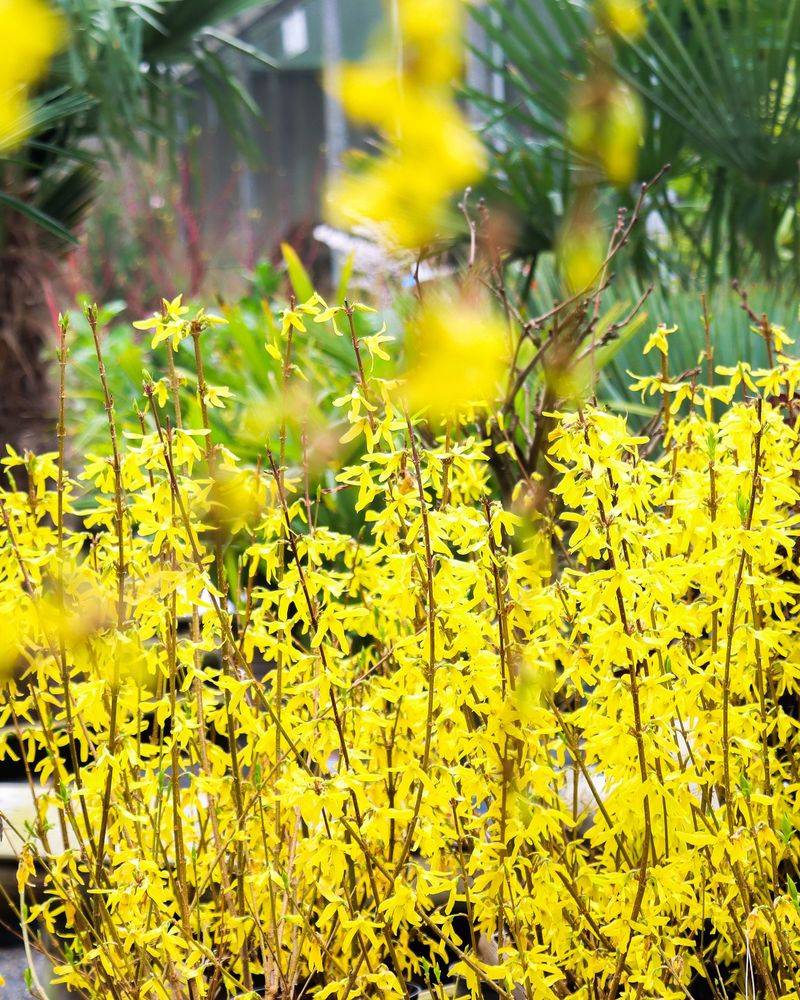
Shaping a forsythia is fun, and there is a perfect window for it. That window opens right after the spring flowers fade, not in fall.
Timing your cuts to follow the blooms keeps both the beauty and the health of the plant intact.
Once the yellow show wraps up, the shrub shifts into growing mode. It starts pushing out fresh stems that will carry next year’s buds. Pruning at that moment gives those new stems plenty of time to develop.
Cutting after flowering means you never sacrifice a single bloom. The flowers already had their season, so trimming now costs you nothing.
This little rule solves a big problem. You get to control the size and shape of your forsythia without trading away the color you love.
Gardeners who follow the after-bloom schedule enjoy the best of both worlds. Their shrubs stay tidy and still burst with flowers year after year.
Aim to prune within a few weeks of the last flower fading. Wait too long and the plant will already be forming buds you would rather keep.
Grab your shears when the branches turn fully green and the yellow is gone. Shape it, thin it, and shorten it however you like during that short stretch.
By matching your pruning to the plant’s natural rhythm, you work with the forsythia instead of against it. That teamwork rewards you with a shrub that looks great and blooms strong every single spring.
5. Leave Healthy Branches In Place
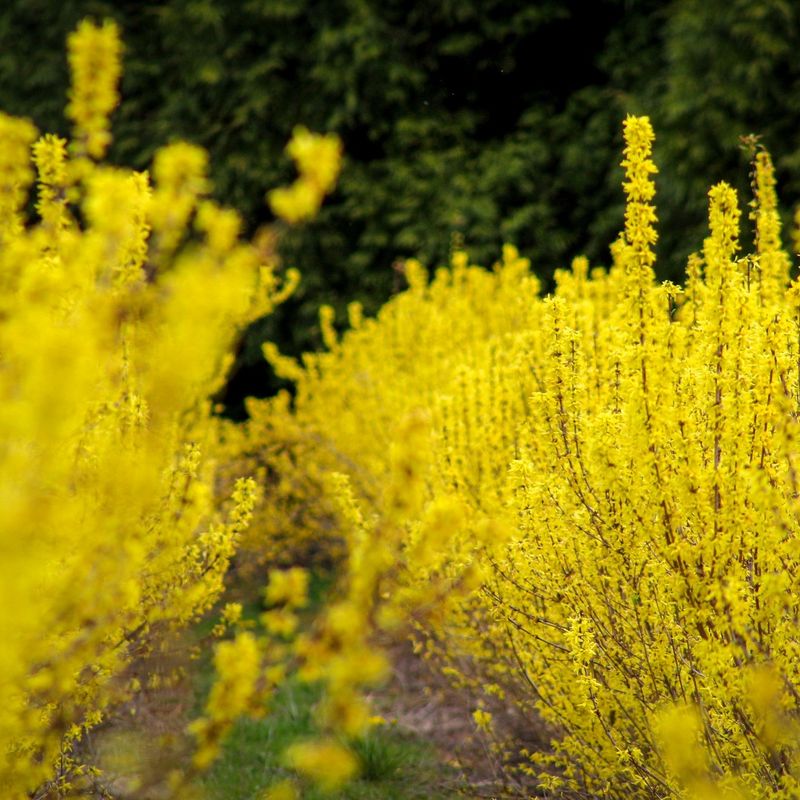
Strong, leafy branches might look like they need trimming, but they are actually your biggest asset. Every healthy stem carries a load of buds ready to open in spring.
Leaving them alone through fall sets you up for a flood of color. It can be tempting to thin out a bushy shrub just to make it look neat. In September, that neatness comes at the cost of the very flowers you want.
Healthy wood is where forsythia does its best work. The more good stems you keep, the more blooms you get when the weather warms.
Removing sturdy branches now is like tossing out tickets to a great show. You would be giving up guaranteed color for a slightly cleaner shape.
Think about what you really want from the plant. If the goal is a hedge packed with yellow, then untouched healthy stems are exactly what makes that happen.
Let the shrub grow full and free during the cooler months. All those branches are storing up energy and buds behind the scenes.
When spring finally arrives, you will be glad you held back. The stems you spared will be dripping with flowers, brightening your whole yard.
So resist the urge to thin a healthy forsythia in fall. A little extra fullness now turns into a jaw-dropping display later.
Trust the plant, keep the good wood, and enjoy the payoff when the first warm days coax those buds wide open.
6. Remove Only Problem Growth
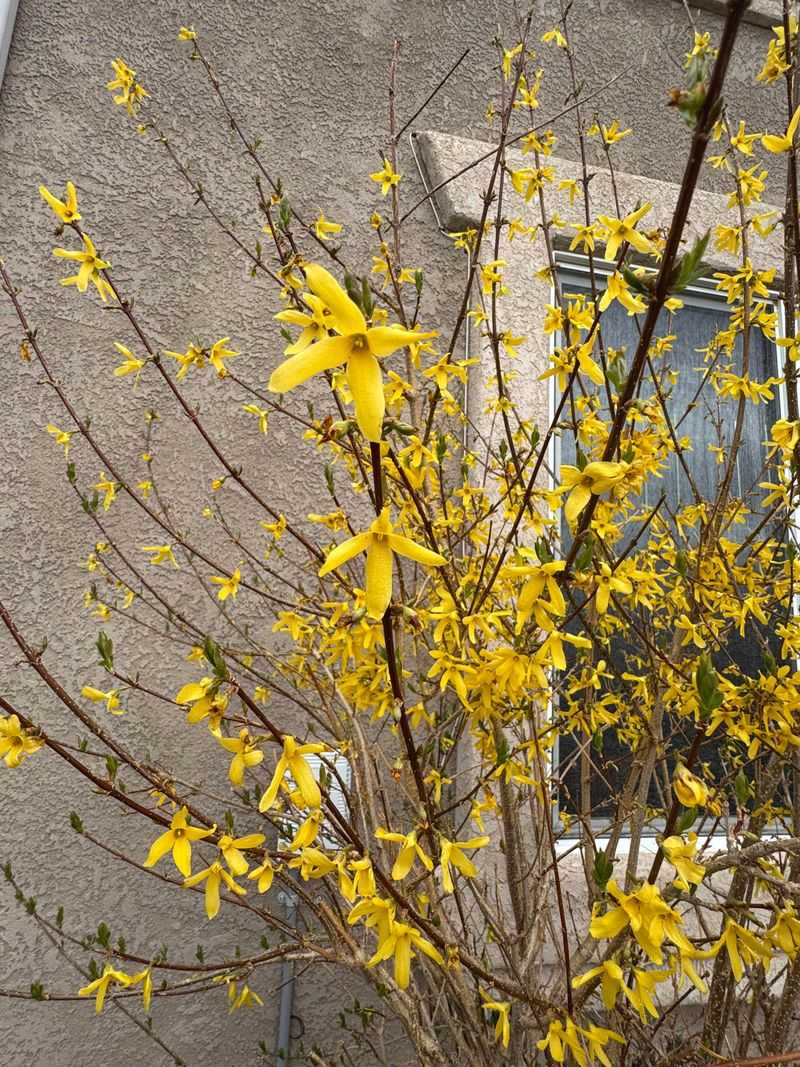
There is one exception to the no-cutting rule, and it is a fair one. If a branch is broken or badly damaged, you can safely remove it even in September.
Clearing away trouble spots is different from giving the whole shrub a haircut. Storms, animals, and accidents can leave a stem cracked or hanging. A branch like that will not help your bloom count, so taking it out does no harm.
The key is to be picky. Snip only the parts that are clearly hurt, and leave every healthy stem right where it is.
Removing a damaged branch also keeps the plant tidy in a smart way. It stops a weak stem from rubbing against good wood or inviting problems.
Resist the urge to keep going once you start. It is easy to trim one broken branch and then decide the whole shrub could use a shape-up.
Stay focused on the goal. You are fixing a problem, not styling the bush, so put the shears away as soon as the trouble spot is gone.
A quick, targeted cut here and there will not cost you flowers. The healthy buds all around it stay perfectly safe.
Think of it as spot cleaning rather than a full makeover. By trimming only what truly needs to go, you protect your spring show while keeping the plant strong.
That balance lets you tidy up without regret and still enjoy a forsythia loaded with color when the season turns.
7. Do Not Try To Make It Perfect
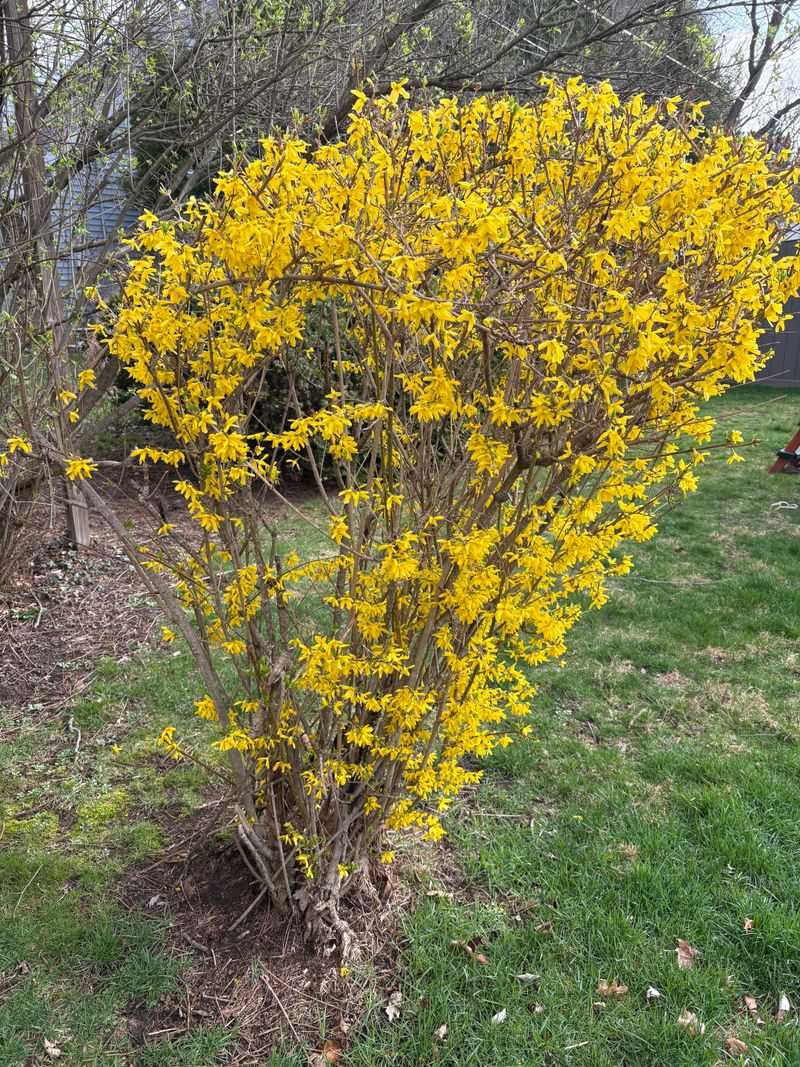
We all love a tidy garden, but forsythia in September asks for a little patience. Chasing a perfectly rounded shape right now works against the plant. A neat look in fall usually means a bare look in spring.
The shrub simply is not built for constant shaping. Its charm comes from those wild, arching branches covered in gold, not from crisp edges.
Trying to force a clean form means cutting into the buds that hold your flowers. You would trade a few weeks of tidiness for a whole missing bloom season.
It helps to change how you picture a good forsythia. Instead of a smooth ball, imagine a fountain of yellow spilling over in spring.
That loose, natural shape is where the magic lives. The messier fall version is just the plant getting ready for its big moment.
Give yourself permission to let it be imperfect for now. A shaggy September shrub is a sign that spring will be spectacular.
If you crave order in the yard, focus your tidying energy on other plants that do not mind a fall trim. Save the forsythia for its proper pruning time.
When the flowers fade next year, you can shape it all you want. Until then, the best thing you can offer is space to grow freely.
Let go of the need for perfection, and the forsythia will thank you with a display far more stunning than any neat little bush could ever be.
8. Remember The Spring Pruning Rule
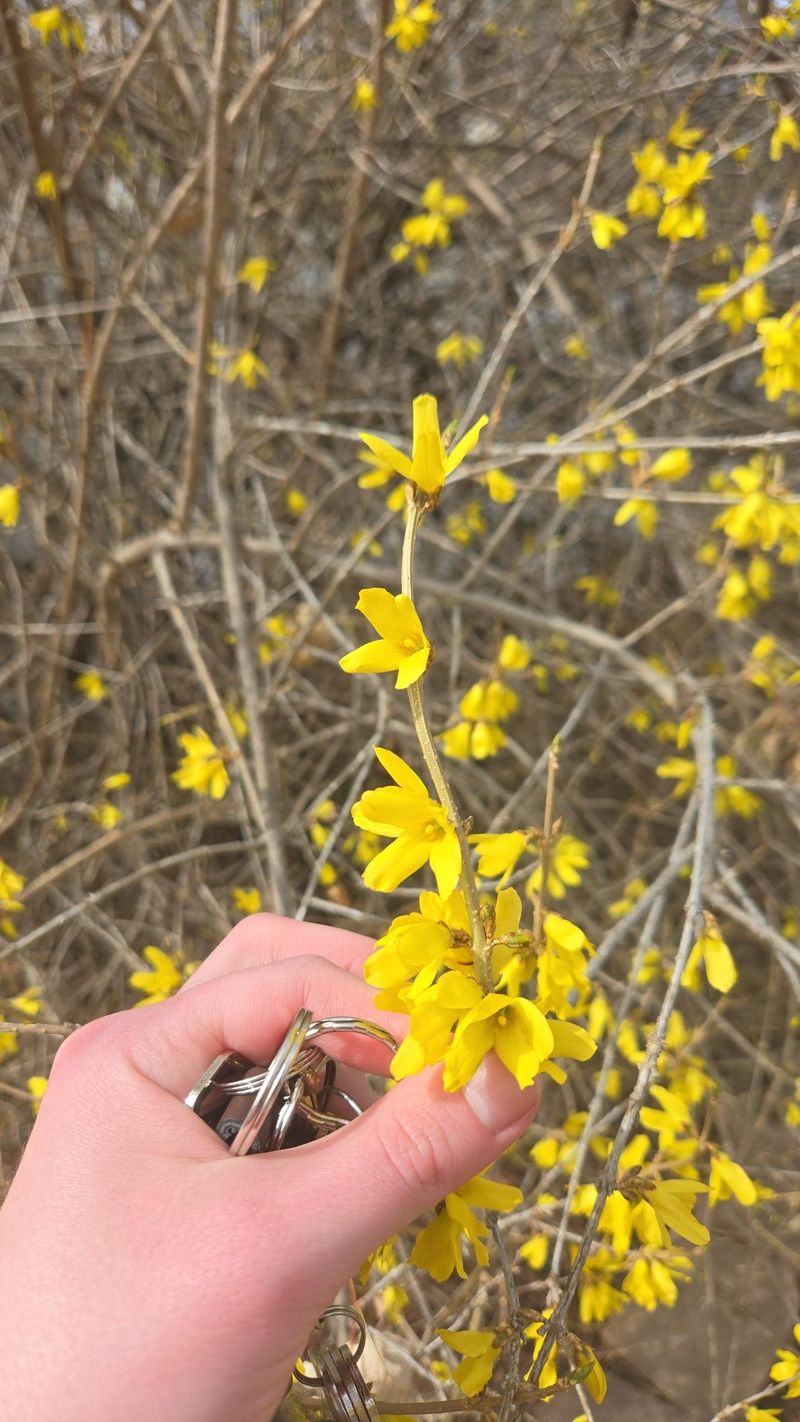
Here is the simple rule that keeps forsythia happy year after year. Prune right after the spring flowers finish, and never in fall. Follow that one guideline and you will always have a shrub bursting with color.
The reason ties back to how the plant grows. After blooming, forsythia sends out fresh stems all summer long. Those new stems become the home for next year’s buds.
Pruning at the right time hands the plant a full growing season to rebuild. It has months to stretch out, thicken up, and load those stems with buds.
Cut in fall instead and you break that cycle. The shrub loses the very branches it just finished decorating with hidden buds.
Think of spring pruning as pressing the reset button at the perfect moment. You clear away old growth and give the plant room to start fresh.
Mark it on your calendar so you never forget. Once the last yellow flower fades, that is your green light to shape and trim.
This timing works with the forsythia’s natural clock instead of fighting it. The result is a stronger, fuller shrub that blooms reliably every spring.
Keep this rule in your back pocket and pruning stops feeling like a gamble. You will know exactly when to reach for the shears and when to leave the plant alone.
Stick with the after-bloom schedule and your forsythia will pay you back with wave after wave of bright, cheerful yellow for many springs to come.