What It Means When You Find a Pack Rat Nest in Your Arizona Yard
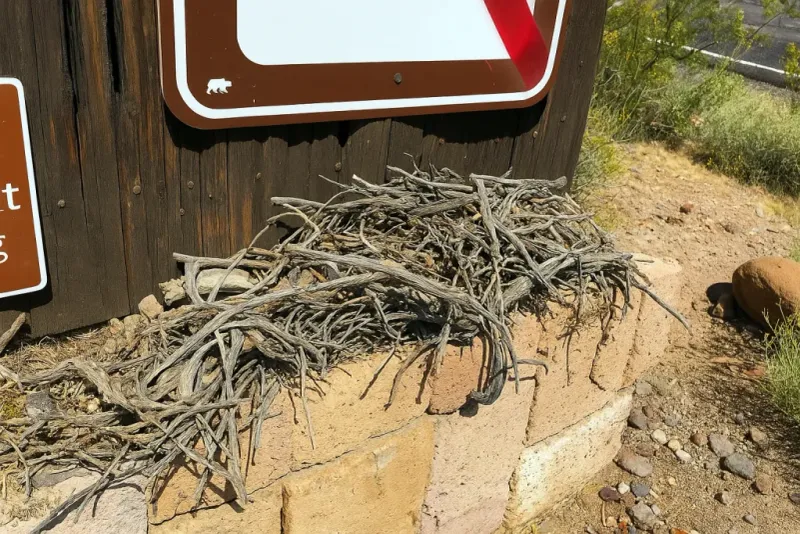
A messy heap of sticks and cactus pieces tucked beside a shrub can make you stop and stare. In Arizona, that pile may be the work of a pack rat, a small desert rodent that collects all kinds of material.
Finding one does not mean you have a big problem, but it does call for a calm look around. Here is how to read the clues, decide what to do, and keep your property protected.
A debris pile may be a woodrat nest
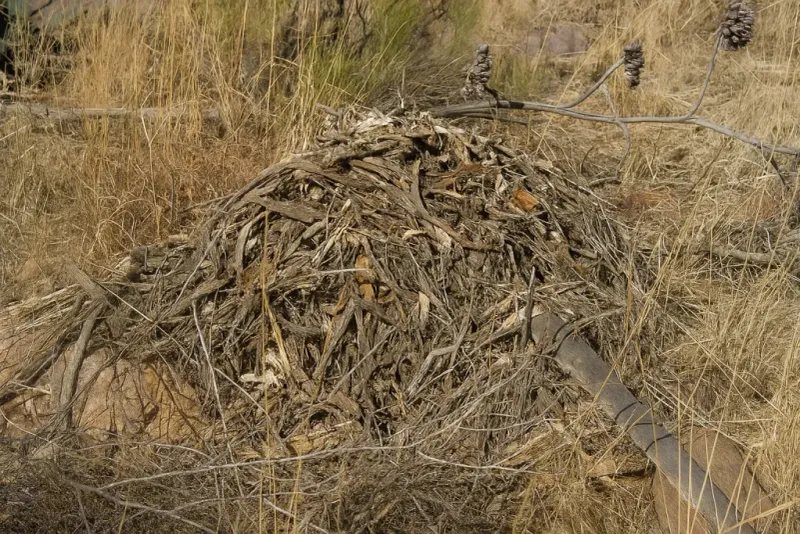
Across Arizona, “pack rat” is the everyday name for a woodrat. Its home is often called a nest, den or midden, and Arizona Cooperative Extension describes piles built from sticks, cactus parts and other debris, often at the base of plants or among rocks.
A midden can also hold stored food, droppings and urine. That said, not every heap of yard debris is a woodrat nest, since wind, landscaping and other animals can leave piles too.
Roof rats are a different animal. Arizona guidance on roof rat identification notes that white-throated pack rats typically build above-ground dens from plant material, while roof rats more often nest in sheltered, elevated spots such as attics, soffits and palm crowns.
Location and construction give you clues, but a pile alone cannot name the animal for certain.
A yard nest does not prove a house infestation
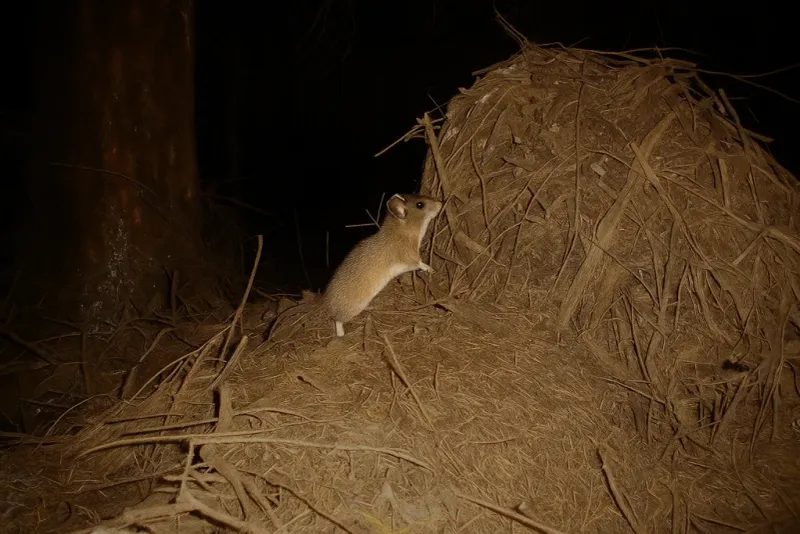
Seeing a likely nest tells you one thing: a woodrat may have used that sheltered spot. It does not show that the animal got into your house, or that any particular insect or illness is present.
Kissing bugs are a good example. Arizona public-health guidance says they are often associated with woodrat nests, but they also turn up around other wildlife and domestic animal areas.
That link does not mean bugs live in the nest in your yard.
Woodrats can carry hantaviruses, as several other rodents can. A nest cannot reveal whether an animal or its waste is infected.
The reason for careful cleanup is simple. Stirring up dry droppings or nesting material can put airborne particles in the air, and CDC guidance is built around avoiding that exposure, not around assuming contamination.
Check nearby structures for signs of activity
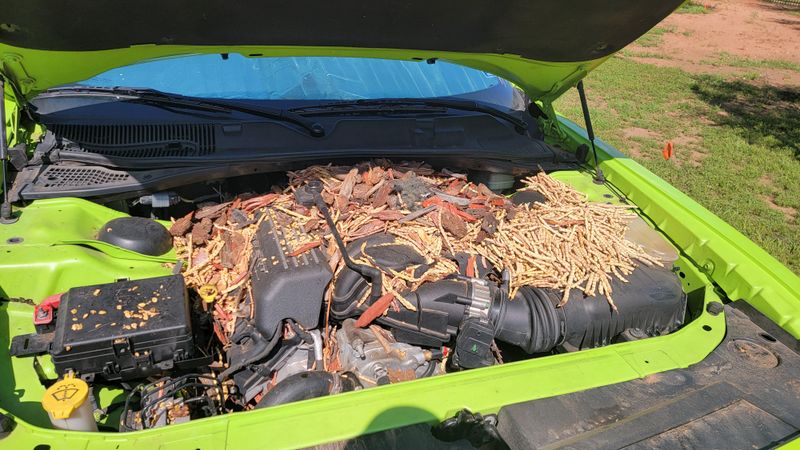
Before deciding anything, take a short walk around. Note how close the nest sits to the house, garage, shed or parked vehicles.
Then look for gnawing or other damage nearby. Woodrats can also enter attics, garages and cars, according to Extension guidance, so wiring, hoses and insulation are worth a peek.
Useful spots to check include gaps along the garage door, vents, and the edges of the roofline. Under a car hood, look for stuffed debris or chewed wires, and in an attic, listen and look for stored material.
One sign rarely settles the question. A chewed item might have another cause, and a clean garage next to a nest is a good result.
What you are really sorting out is whether the pile is an isolated yard feature or whether woodrats may be affecting your property. Jot down what you find so you can decide your next step with facts.
Your Arizona Garden Changes Every Week. Your Plan Should Too.
Gardening in Arizona changes quickly throughout the season. Every Friday you’ll receive a simple weekly plan showing exactly what to plant, prune, fertilize, harvest, and protect so you never miss the right timing.
Whether to leave or remove it depends on the situation
Once you have checked around, the choice gets easier. If the nest is away from the home and you see no evident damage, it may be left undisturbed.
Removal can make sense depending on how close the nest is to buildings or how much damage has shown up. University of Arizona guidance gives no universal distance, so judge by your own setup rather than a magic number.
A nest beside the garage wall with chewed wiring nearby is a different case from one under a distant creosote bush. Not every nest needs to go.
If action is needed, think about prevention first. Extension advice favors considering prevention before lethal control, which means closing off access and reducing shelter near buildings.
Trapping alone is not a long-term fix, so a measured plan usually works better than a quick purge.
Safe cleanup starts by wetting the material
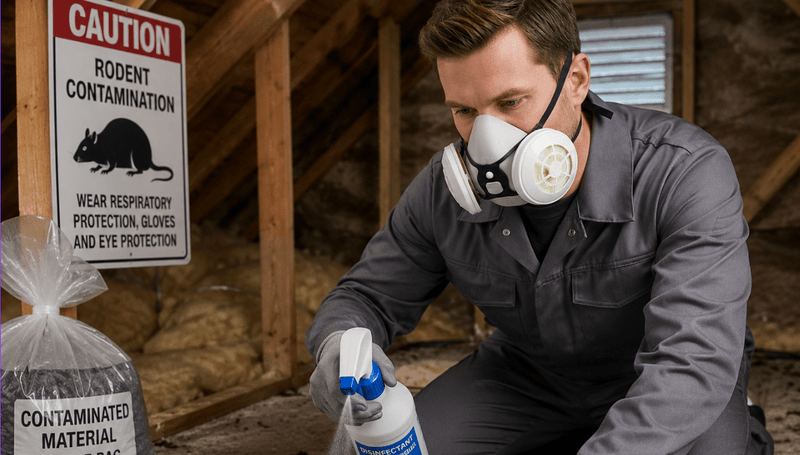
When removal is warranted, work in order and keep dust out of the air. Put on rubber or plastic gloves first.
Skip the broom and the vacuum. CDC guidance warns against sweeping or vacuuming rodent nesting material because it can stir up particles.
Instead, wet the nest and the surrounding area with disinfectant. Let it soak for at least five minutes, or as long as the product label directs, and follow the label for use.
After soaking, place the material in a bag and discard it. Wash your gloved hands, then your bare hands, when you finish.
Some jobs are better left to others. If the nest is large, hard to reach or inside a structure, call qualified help.
Heavy infestations call for extra precautions, so treat them as a job for a professional rather than a weekend project.
Seal access points if woodrats are entering buildings
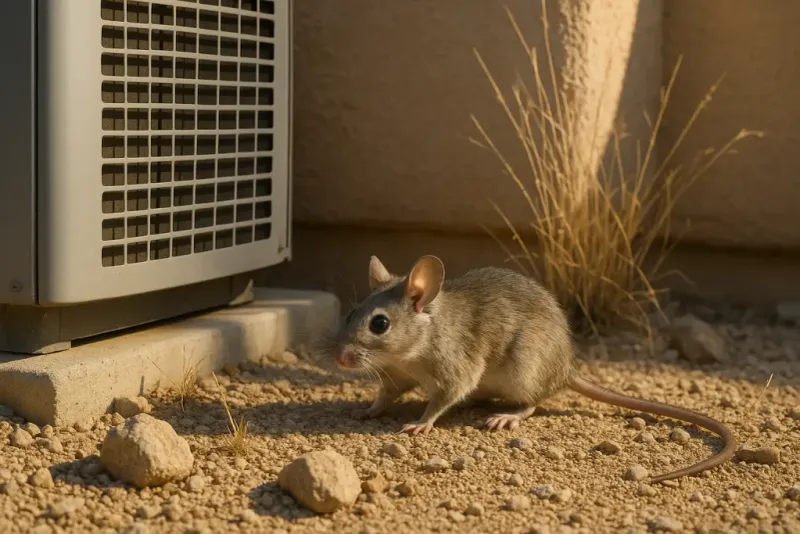
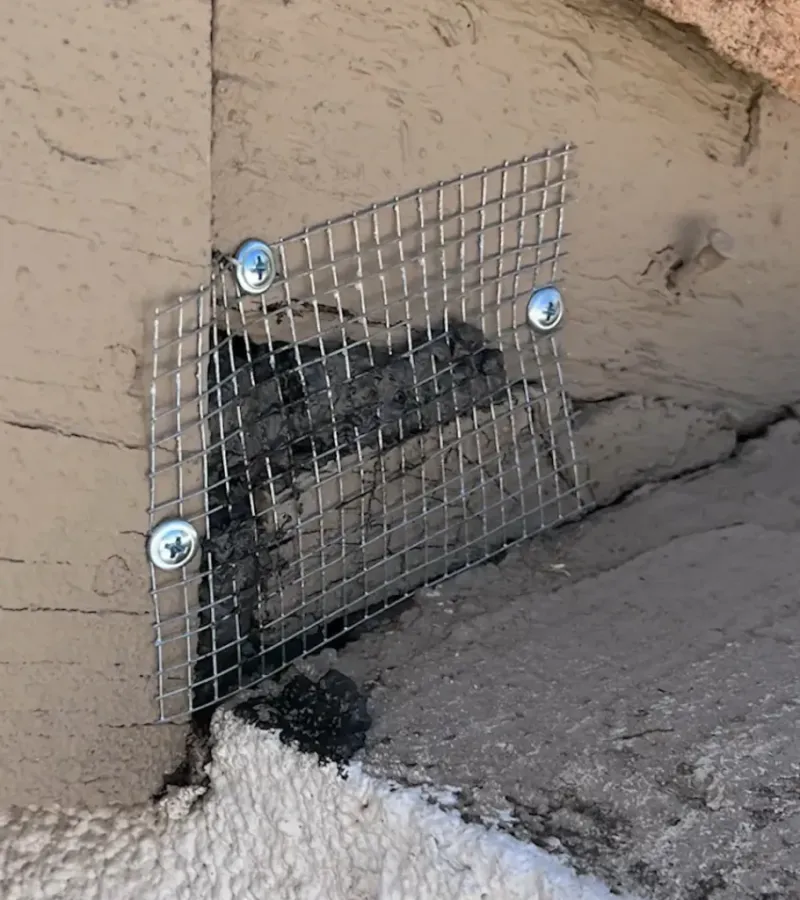
Prevention is where the lasting results come from. If woodrats are getting into a building, walk the outside and look for gaps, then close them.
Extension guidance names exclusion and barriers as effective management for woodrats entering structures. Check vents, garage door edges, and spots where pipes or cables pass through walls.
Clearing one nest does not guarantee that activity will stop. Woodrats may return to a sheltered spot, so the gaps matter more than any single pile.
The path is straightforward. Identify the pile with caution, look for damage, leave an isolated nest that shows none, and use safe cleanup and sealing when the situation calls for it.
A pile of sticks is a clue, not a verdict, and a calm look around usually tells you what to do.