7 California Garden Plants That Attract Yellowjackets And Why It Matters
Yellowjackets get a bad reputation, but they are actually useful predators that hunt caterpillars, flies, and other garden pests through most of the season.
The real trouble starts when summer heat ripens your fruit and sweet, fermented smells begin drifting through the yard. At that point, these wasps shift from hunting insects to hunting snacks, and your garden becomes their favorite destination.
Knowing which plants pull them in closest to your patio, your kids, and your bare feet is the first step toward keeping harvest season safe and sting-free.
California gardeners grow many fruit-bearing plants that can become yellowjacket magnets once the season turns.
Ripe grapes, cracked figs, fallen apples, soft pears, split plums, damaged citrus, and overripe berries all release the kind of sweet, fermented scent that yellowjackets find nearly impossible to resist.
The good news is that simple habits like timely harvesting, regular cleanup, and smart plant placement can dramatically reduce how many yellowjackets hang around your outdoor spaces.
1. Grapes Draw Attention Near Harvest
Late summer in a California backyard often smells like a winery, and that is not an accident.
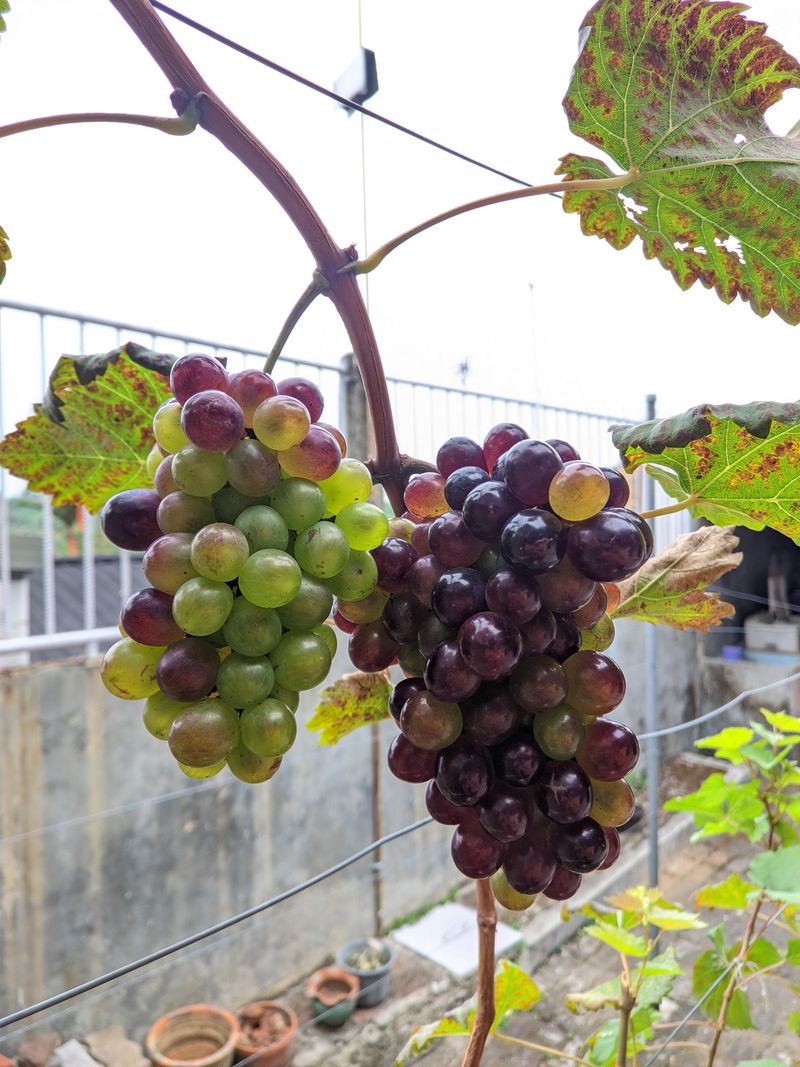
Ripe grapes release a rich, fermented sweetness that carries far on warm afternoon air. Yellowjackets pick up that scent quickly and follow it straight to the vine without any hesitation.
Yellowjacket populations peak in late summer and early fall, right when most California grape varieties hit their ripest stage.
Worker wasps are under pressure to gather as much sugar as possible to feed the growing colony.
A loaded grapevine hanging near a patio or walkway becomes a prime foraging target during those weeks, and once foragers find it, they communicate the location to others.
Cracked or overripe grapes are especially attractive because they expose the juicy interior directly. Wasps do not need to work hard to access the sugar.
A single cluster left on the vine too long can bring in a steady stream of foragers throughout the entire day.
Harvest grapes promptly once they reach peak ripeness. Do not leave overripe clusters on the vine hoping they will improve, because they will not. Pick them, eat them, or remove them entirely.
If the grapevine grows over or near a seating area, consider moving outdoor furniture a few feet away during harvest season.
Trellising grapes along a fence line away from high-traffic zones also reduces accidental close encounters.
Regular vine checks every two to three days during peak ripeness can catch problem clusters before they become a foraging hotspot that is significantly harder to manage.
2. Split Figs Create A Sweet Signal
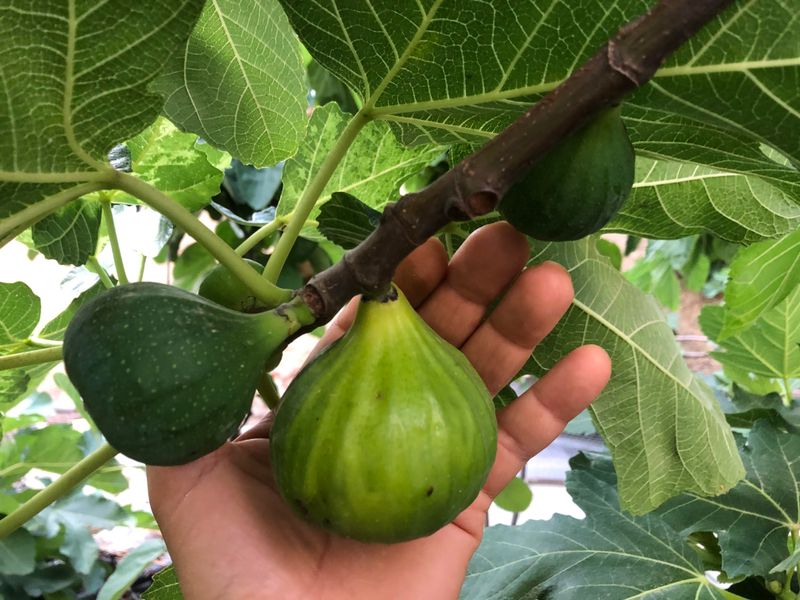
Few fruits split as dramatically or smell as powerfully as a ripe California fig.
When the skin cracks open under summer heat, the interior practically broadcasts its sweetness to every insect within range. Yellowjackets are usually among the first to arrive and among the last to leave.
Figs ripen fast and the window between perfect and overripe is surprisingly short, sometimes just a day or two in hot inland California weather.
A fig that splits on the tree begins fermenting almost immediately, and that fermented sugar scent is exactly what foraging yellowjackets seek out most aggressively during late summer.
Your California Garden Changes Every Week. Your Plan Should Too.
Gardening in California changes quickly throughout the season. Every Friday you’ll receive a simple weekly plan showing exactly what to plant, prune, fertilize, harvest, and protect so you never miss the right timing.
The problem gets worse when figs drop to the ground, creating a concentrated feeding zone at foot level. Children running barefoot or pets wandering through the yard face a real sting risk when figs are rotting in the grass.
Check your fig tree every day once fruit starts softening. Harvest any fig that shows the slightest crack right away.
Drop fallen fruit directly into a sealed bag or covered bin rather than leaving it in an open compost pile where wasps can still reach it freely.
Placing a fig tree far from patios, play areas, or garden paths is wise planning for anyone who grows them in a family yard.
Even a short distance of ten to fifteen feet can meaningfully reduce how often yellowjackets cross paths with people during the busy harvest weeks.
A fig tree in the right spot is a joy. A fig tree in the wrong spot is a recurring problem from July through September.
3. Fallen Apples Bring Yellowjackets Lower
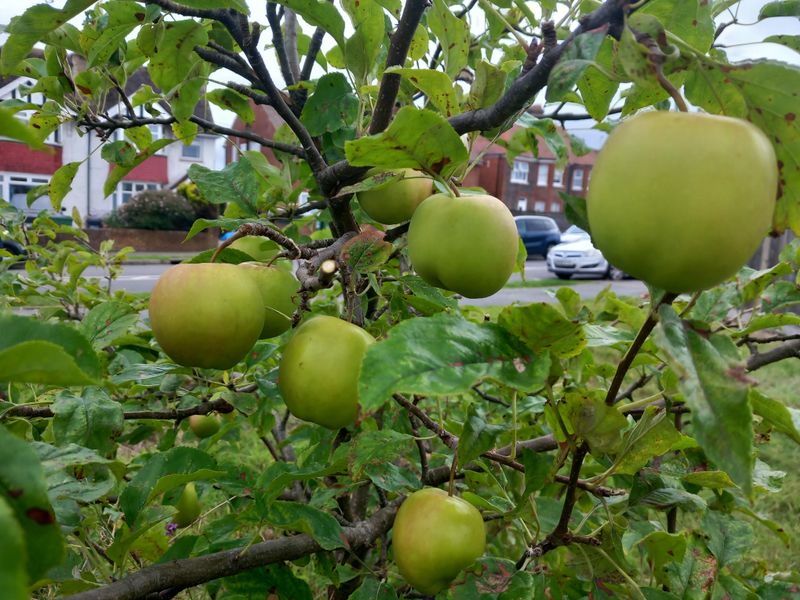
A warm September afternoon, shoes kicked off on the back porch, and a barefoot walk across the lawn toward the apple tree.
What you may not notice until it is too late is that the grass beneath that tree is already busy with yellowjackets working through a pile of fallen fruit.
Apples drop before you expect them to, especially after a warm night or a light wind. Once they hit the ground, bruising exposes the flesh and fermentation begins within hours.
Yellowjackets are strongly attracted to fermenting fruit because the yeast activity produces odors that mimic their preferred sugar sources.
Unlike fruit high on a branch, fallen apples bring yellowjacket activity down to ground level where people and pets move freely. That shift in height is what turns an orchard nuisance into a genuine safety concern for California families.
Cleanup is the single most effective tool here. Walk the area under your apple tree every morning during peak drop season and collect anything that fell overnight.
Use a bucket with a lid and seal it before carrying it to the bin. Do not let fallen apples sit in the sun for even a few hours on a hot day.
If the apple tree is planted close to a lawn seating area or children’s play space, consider relocating furniture during harvest season.
A little distance goes a long way when foraging activity is at its highest in late summer and early fall, and no outdoor chair is worth a sting to the foot.
4. Soft Pears Become Easy Sugar
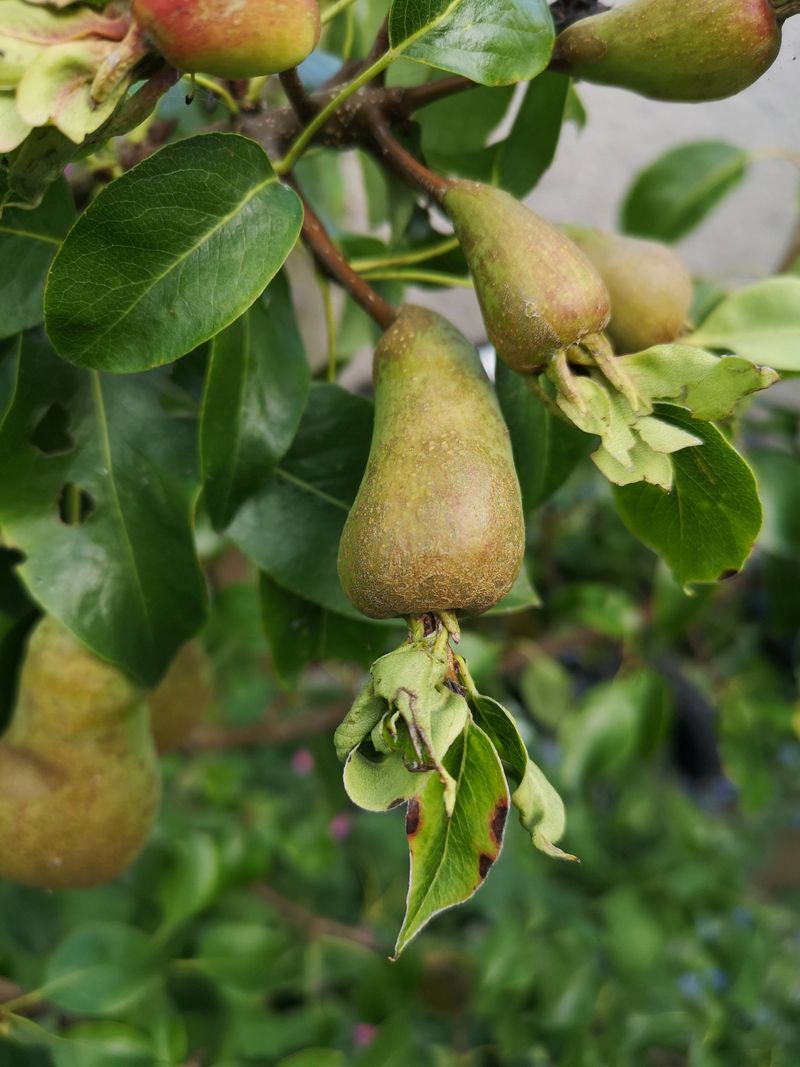
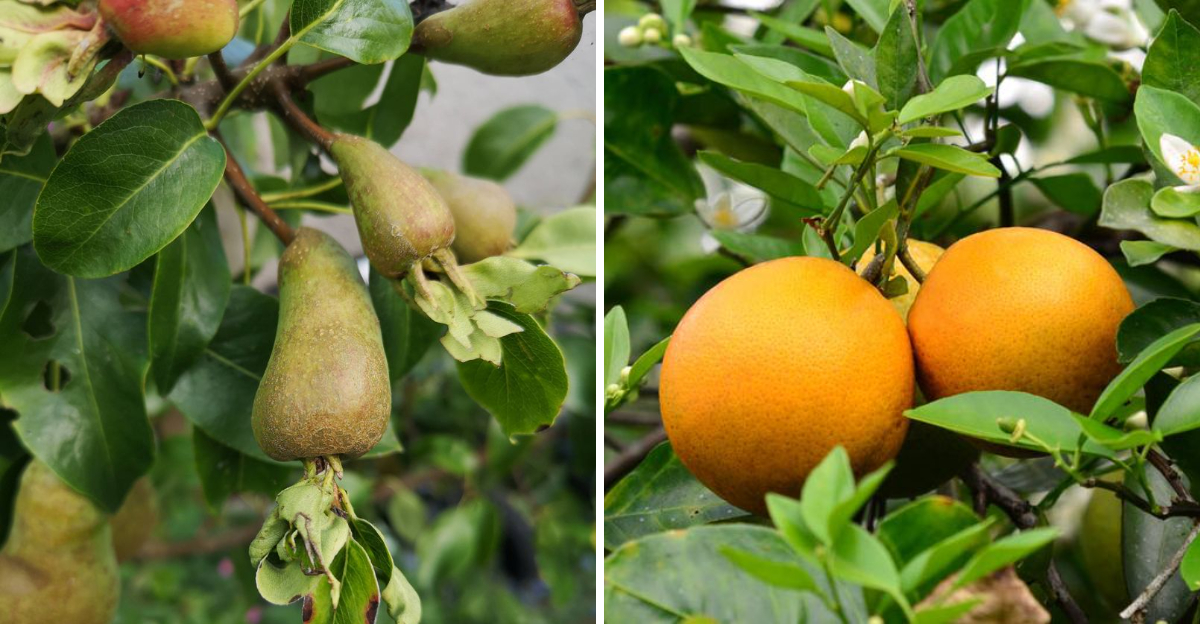
Pears have a narrow window of perfection, and California’s warm summers push them through that window quickly.
A Bartlett pear can go from crisp and sweet to soft and fermenting in just two or three days during a hot week. Once that happens, the fruit becomes an easy sugar source that yellowjackets will return to repeatedly.
Soft pears do not need to crack or split to attract attention. Even slightly overripe fruit releases ethanol and ester compounds as it begins to ferment, and those scents are powerful attractants for foraging yellowjackets.
The warmer the air temperature, the faster fermentation moves and the stronger the signal becomes to every wasp in the area.
Pear trees planted near outdoor dining areas or along garden walkways create the highest conflict risk.
Wasps foraging on low-hanging soft fruit can easily end up at the same table where someone is eating lunch, and that overlap between human activity and wasp foraging is exactly where stings most commonly happen.
Harvest pears before they fully soften on the tree. Most varieties are best picked when still slightly firm and allowed to ripen indoors at room temperature.
This approach not only improves fruit quality but removes the fermentation signal from your yard entirely, which is a significant bonus in high-traffic outdoor spaces.
Any pear that falls or becomes too soft before you can use it should be bagged and removed promptly. A covered compost bin or sealed trash container keeps the scent contained and reduces forager visits throughout the season.
5. Cracked Plums Need Quick Cleanup
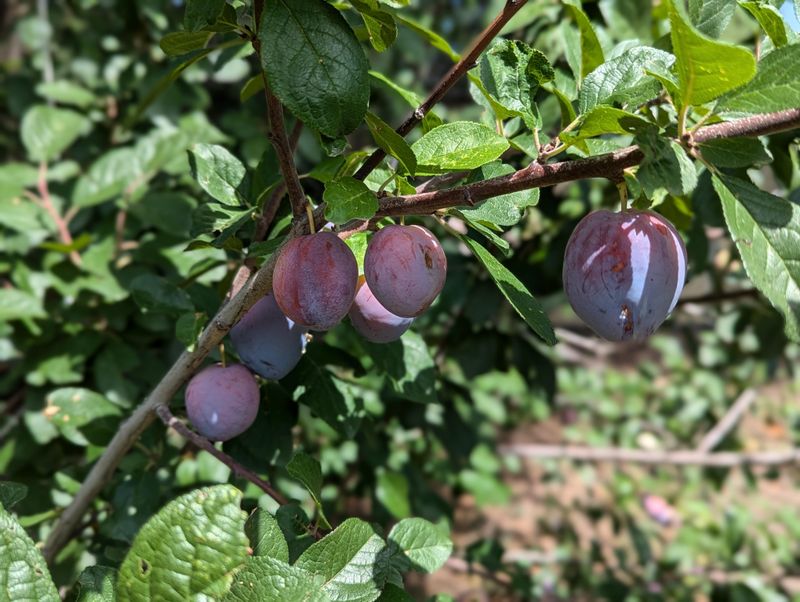
A cracked plum is basically an open invitation.
When summer rain follows a dry spell, or when plums ripen faster than expected, the skin splits and dark sweet juice runs freely down the fruit. That juice does not stay a secret for long in a California backyard.
Yellowjackets are opportunistic foragers, and split plums rank among the easiest sugar sources they can find.
The exposed flesh requires no effort to access, and the strong fruity scent of a cracked plum carries well in warm afternoon air.
Plum trees tend to drop a lot of fruit at once, especially during a warm harvest week, and that sudden abundance on the ground creates a concentrated feeding zone that can draw in large numbers of foragers from nearby nests within just a day or two.
Speed matters with plum cleanup more than with almost any other fruit. Walk under the tree daily and collect every fallen or cracked fruit before it has time to ferment in the heat.
Toss everything into a sealed container right away. Do not pile damaged plums near the garden bed or leave them in an open wheelbarrow where the scent continues to broadcast all afternoon.
If there is a plum tree close to a gate, path, or seating area, consider harvesting slightly early and letting fruit finish ripening indoors.
You get better shelf life, the yard stays calmer during the busiest foraging weeks, and nobody has to navigate a patch of fermenting plums just to get to the garden shed.
6. Split Citrus Can Draw Late Season Visits
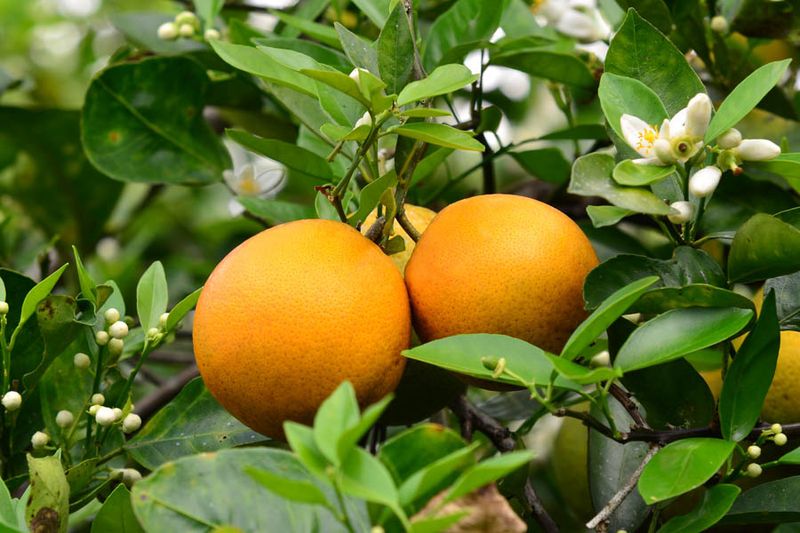
Citrus seems tough, with that thick protective peel and clean sharp scent. Most people do not think of oranges or lemons as yellowjacket bait. But once the skin cracks, the story changes quickly.
Split citrus releases a concentrated burst of sugar and citric acid that can attract foraging yellowjackets, especially in late fall when other fruit sources in the garden have already been exhausted.
Yellowjacket colonies remain active well into November in many California regions, and foragers will seek out any available sugar source as natural food becomes scarcer.
A cracked orange hanging on a tree in a warm Southern California yard can pull in wasps long after the summer rush has passed entirely.
Citrus splits for several reasons including irregular watering, sudden rainfall after a dry period, or fruit left on the tree too long past peak ripeness.
Any crack in the peel exposes the juicy interior and starts the fermentation process that wasps find so appealing.
Walk your citrus trees regularly during late season and look for any fruit showing cracks, soft spots, or juice staining on the peel. Remove split fruit immediately and seal it in a bag before placing it in the trash.
Do not leave damaged citrus on the ground under the tree, where it creates a concentrated foraging zone that gets messier and more attractive with each passing warm afternoon.
Keeping the ground beneath citrus trees clear of fallen or damaged fruit is the most practical defense available and the one that requires the least equipment.
7. Messy Berry Patches Keep Them Around
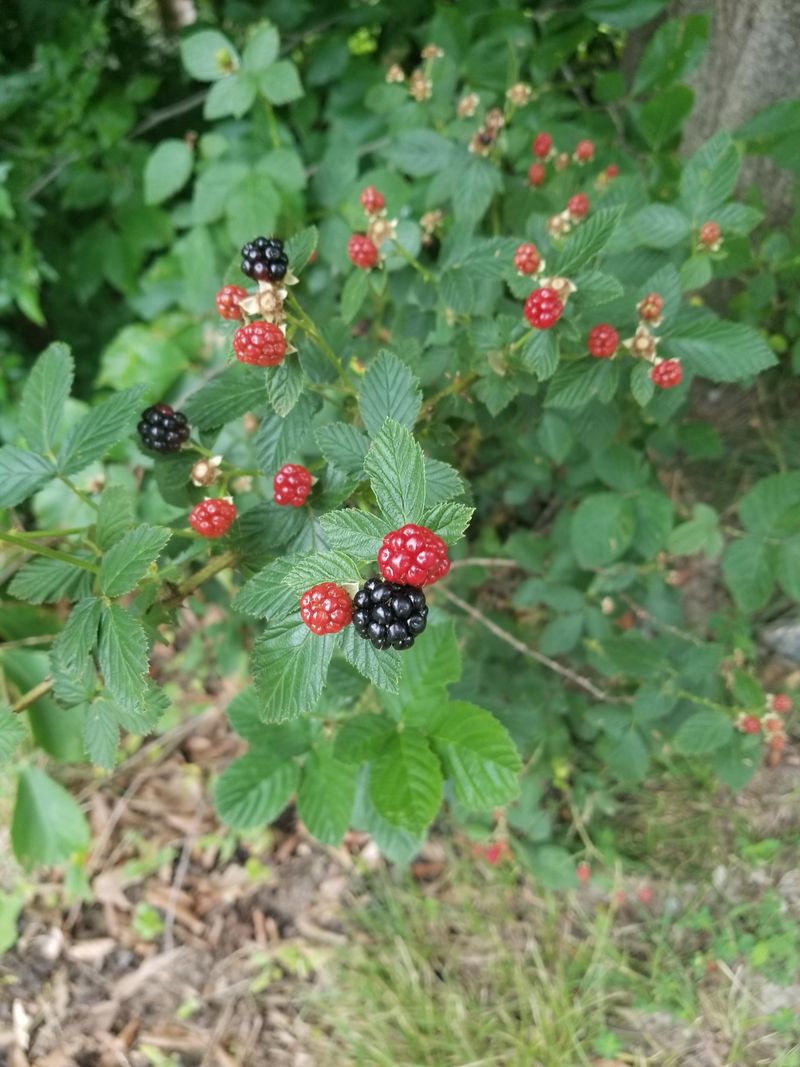
Berry patches have a charming, slightly wild quality that makes them a favorite in California backyard gardens.
Blackberries, raspberries, and boysenberries grow fast, produce generously, and taste incredible fresh off the cane.
They also, if left unpicked for even a few days in summer heat, become one of the most attractive yellowjacket feeding zones in the entire yard.
Ripe berries are soft, fragrant, and full of sugar. Overripe berries begin fermenting almost immediately. Fallen berries collect on the soil beneath the canes and create a ground-level feeding area that keeps foragers returning throughout the day.
Berry patches near patios, garden benches, or outdoor eating areas create the highest overlap between wasp activity and human activity.
Picking berries while yellowjackets are actively foraging through the same canes is how most accidental stings happen in home gardens.
Pick berries every one to two days during peak season. Do not let ripe fruit sit on the cane past its prime. Clear fallen berries from the ground each morning using gloves and a sealed container.
Keeping the base of the patch clean removes the fermented scent that signals a reliable food source to nearby foraging wasps and breaks the cycle of return visits.
If the berry patch sits right next to a seating area, consider picking in the early morning when yellowjacket activity is lowest.
A small shift in timing keeps the harvest enjoyable and the sting count at zero, which is the kind of gardening outcome everyone can agree on.