What It Really Means When A Hawk Shows Up In Your Texas Yard
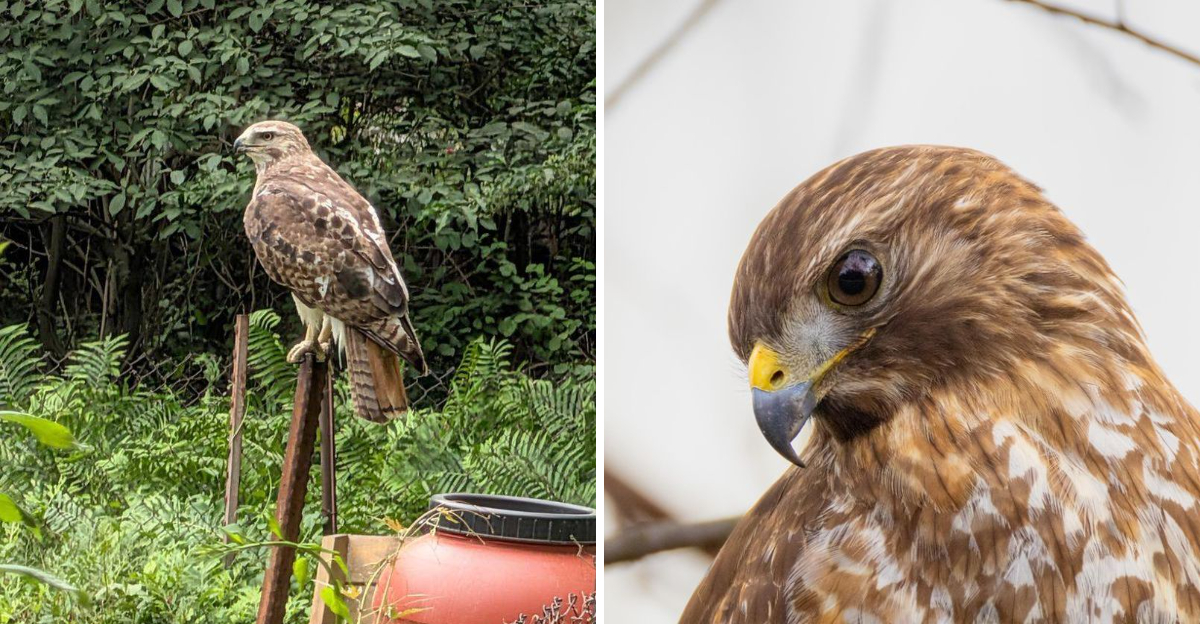
A hawk landing in a Texas yard can make the whole place feel different in seconds.
Songbirds go quiet. A fence post suddenly becomes a lookout tower, and the ordinary lawn starts looking much more like hunting ground.
That visit usually has a practical explanation.
Hawks follow food, open space, useful perches, and familiar routes.
A busy feeder can concentrate small birds. A mowed lawn may expose rodents or lizards. A tall oak, roofline, or utility pole can give a raptor the clear view it needs before making a move.
So what does one hawk actually tell you?
It may reveal that your yard supports an active food web, sits along a regular patrol route, or offers exactly the kind of structure a predator can use.
Repeat visits add even more information.
Instead of treating the bird as a problem, watch what it watches.
The hawk may be showing you parts of your yard that are far busier, wilder, and more connected than they appear from the patio each morning.
1. Nearby Prey Is Making Your Yard Worth Checking
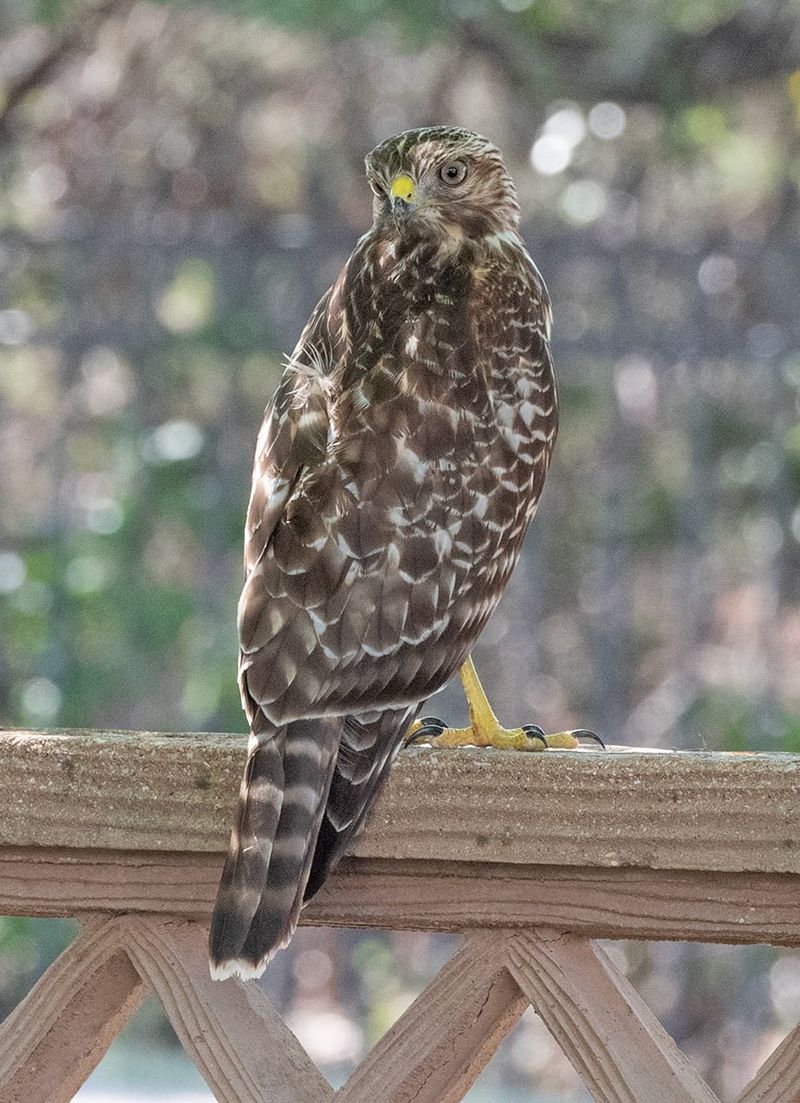
A hawk rarely spends energy on a yard that offers nothing useful.
Its arrival usually means small animals are active somewhere nearby. Depending on the species, that could include mice, voles, lizards, snakes, insects, doves, sparrows, or other birds.
That does not automatically point to an infestation.
A hawk may patrol a large area and stop briefly after noticing movement from above. Your lawn, fence line, garden edge, or neighboring lot may simply fall along a productive route.
Watch where the bird focuses.
A hawk staring at open grass may be tracking a rodent. One sitting near a busy feeder may have noticed the songbirds gathering below. A bird scanning a sunny stone wall could be watching reptiles move through warm cover.
That makes the visit useful information.
Predators reveal where prey activity is concentrated, often before a homeowner notices anything unusual. The hawk is reading tiny movements that are easy for people to miss.
Avoid assuming the yard needs immediate pest treatment.
One raptor visit can simply mean the local food web is functioning normally.
Texas yards support far more wildlife than the obvious daytime visitors suggest. A hawk on the fence is one of the clearest reminders.
Something below caught its attention, and those sharp eyes probably found it long before yours did.
2. A Busy Feeder May Be Creating An Easy Hunting Stop
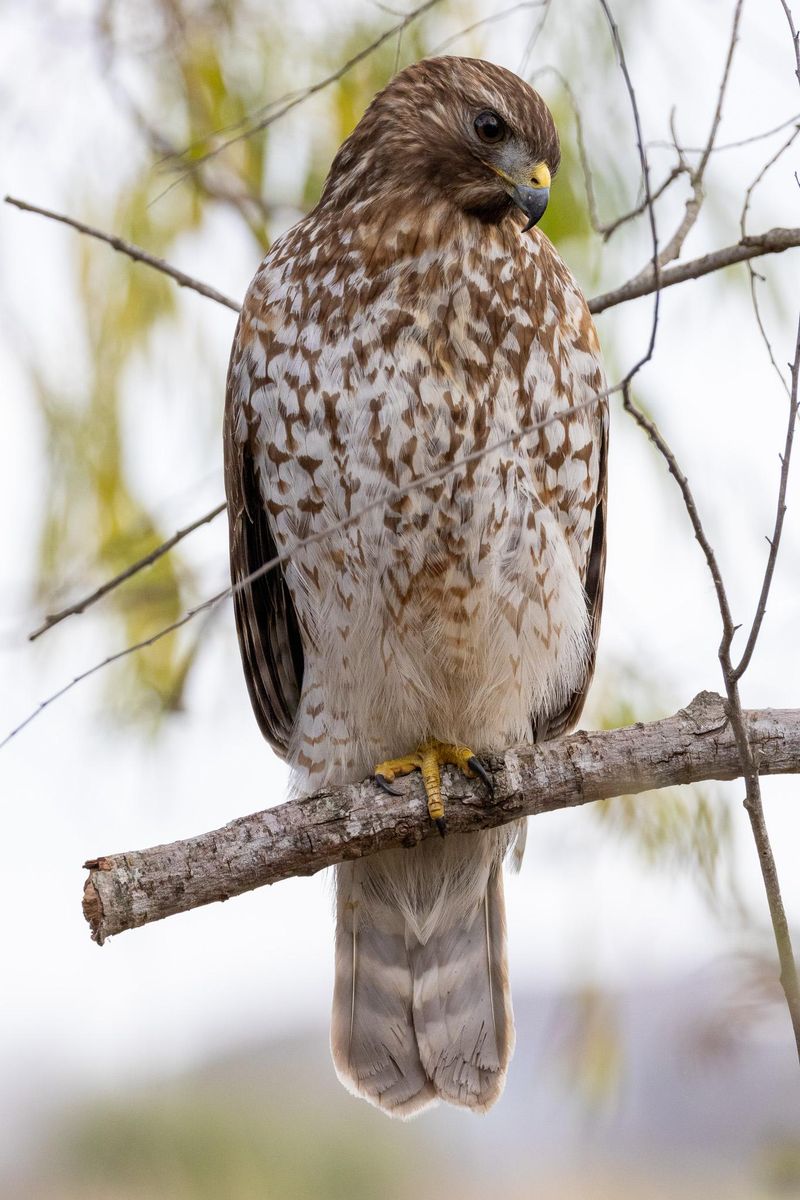
A feeder full of finches, doves, sparrows, and other small birds can attract attention from more than the birds eating the seed.
Certain hawks learn quickly that feeders create predictable gatherings.
The feeder itself is not attracting the raptor. The concentrated prey around it is.
That distinction matters because it explains sudden silence around a feeding station. Songbirds often notice a hawk before the homeowner does and disappear into shrubs, trees, or cover within seconds.
Look at feeder placement.
A station sitting in the middle of a wide, exposed lawn gives small birds fewer nearby escape routes. Dense shrubs or layered vegetation within a short flight can provide faster cover when a predator appears.
Your Texas Garden Changes Every Week. Your Plan Should Too.
Gardening in Texas changes quickly throughout the season. Every Friday you’ll receive a simple weekly plan showing exactly what to plant, prune, fertilize, harvest, and protect so you never miss the right timing.
Avoid turning the area into a cramped thicket directly around the feeder, though.
Birds still need clear sightlines and room to move.
A hawk that repeatedly watches the same feeding station has probably learned the schedule. Taking the feeder down for a few days can break that predictable concentration and encourage the raptor to continue elsewhere.
There is no need to remove feeders after every sighting.
Occasional predation is part of a functioning backyard ecosystem.
The important signal is repetition. A hawk returning to the same perch beside the feeder is telling you that the buffet has become predictable, and predators appreciate a reliable lunch schedule too.
3. A Cooper’s Hawk Can Mean Your Songbird Crowd Is Thriving
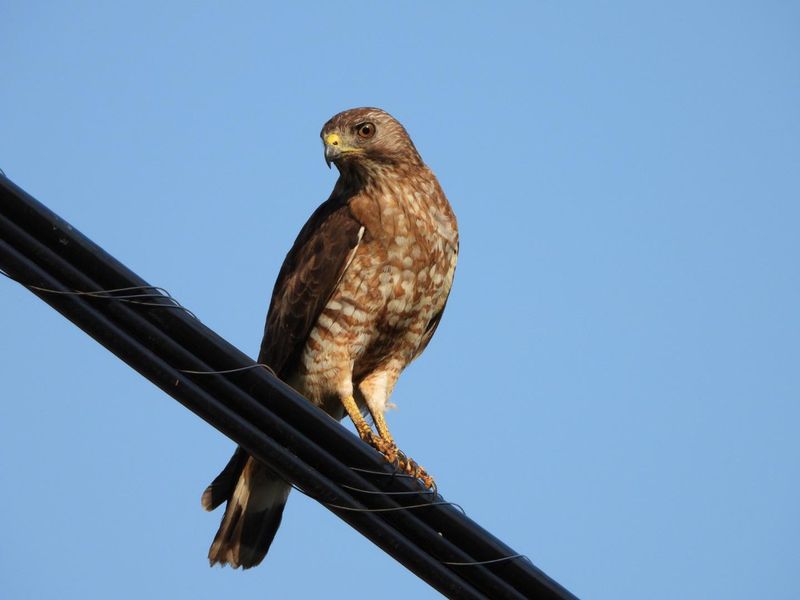
A fast hawk threading between fences and trees may point directly to the birds around your feeder.
Cooper’s hawks specialize in hunting other birds and are well suited to suburban landscapes.
Their long tails and quick maneuvering help them chase prey through wooded yards, neighborhood streets, and tight spaces that larger soaring hawks use less often.
That makes busy Texas feeders especially noticeable to them.
A Cooper’s hawk may sit quietly near the edge of the yard, then move suddenly once a dove, finch, or sparrow breaks from cover. The entire feeder can empty before you realize the raptor arrived.
The visit says something positive about the yard too.
A steady population of small birds means the property is offering food, water, cover, or some combination of all three. Predators often appear where those prey populations are dependable.
Identification still deserves care.
Not every hawk beside a feeder is a Cooper’s hawk. Other raptors can visit residential areas, and young birds may look different from adults.
Focus on behavior as much as color.
Fast pursuit through trees and repeated attention toward songbirds fit the Cooper’s hawk pattern particularly well.
The sudden quiet around your feeders may feel ominous.
Ecologically, it is a sign that your backyard food web has more than one level. The diners showed up, and eventually someone noticed the dining room.
4. Open Lawn Can Be Acting As A Rodent Hunting Ground
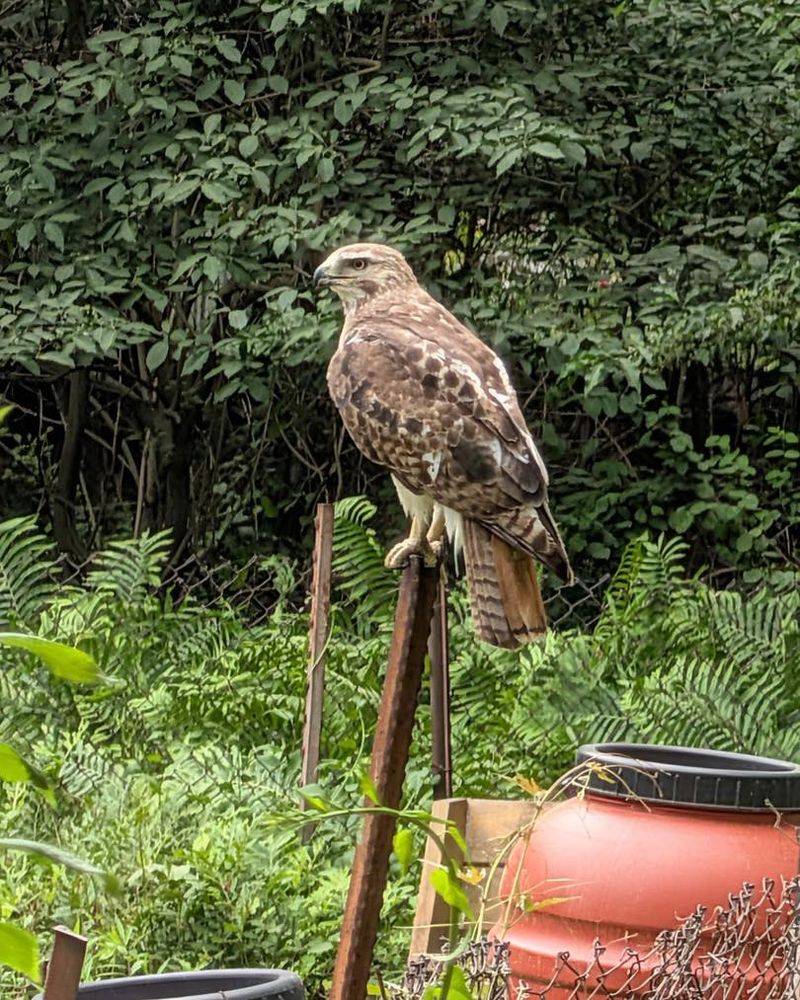
A hawk perched above an open lawn may care very little about the feeder.
The grass below can be the real attraction.
Larger hawks often use elevated perches to scan open ground for mice, rats, voles, lizards, and other prey. Mowed lawns, vacant lots, roadside edges, pastures, and broad garden spaces give them clearer views of movement near the surface.
That can make an ordinary Texas yard useful hunting territory.
Watch the direction of the bird’s attention. Long periods spent staring at one patch of grass often mean the hawk is waiting for movement rather than resting casually.
A sudden drop toward the ground makes the purpose even clearer.
For gardeners, this can be a useful service.
Small mammals may raid vegetable beds, chew stored materials, or shelter around sheds and compost areas. A resident raptor removes some of that prey without chemicals or traps.
Keep the encounter simple.
Give the bird room and let it hunt. There is no need to approach the perch or encourage the hawk closer with food.
Open areas can remain functional without turning the whole property into short turf.
A mix of mowed space, planted borders, and natural cover supports different parts of the food web.
A hawk working the lawn is essentially telling you that the grass is not empty. Something is moving down there, and the neighborhood predator has already clocked in.
5. A Favorite Fence Or Tree Is Giving The Hawk A Better View
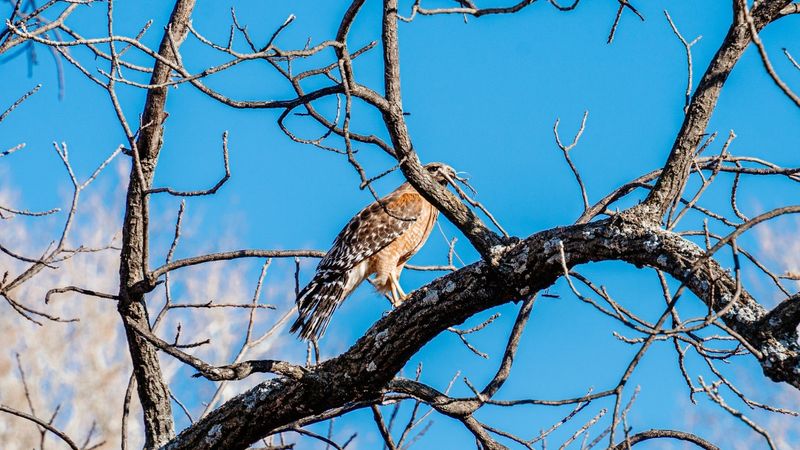
A hawk that keeps choosing the same oak limb or fence post has probably found an excellent observation point.
Height saves energy.
Instead of circling constantly, many hawks sit quietly and scan a broad area before making a short, targeted move toward prey. Rooflines, utility poles, dead branches, tall trees, and sturdy fence posts can all serve that purpose.
The best perch combines elevation with a clear view.
A bird may ignore several beautiful trees and choose one plain post simply because the sightline across the lawn is better from there.
Repeated use tells you the perch works.
Notice what lies below and beyond it. A feeder, vegetable bed, field edge, drainage corridor, or open patch of grass may explain the choice.
The bird is not usually guarding your property or challenging people in the yard.
It is using architecture.
That makes a regular perch a convenient place for observation from your side too. Stay well back, use binoculars, and watch the hawk’s head movements. The direction of its attention often reveals the part of the yard producing prey.
Avoid walking directly beneath a resting bird just to get a closer photo.
A useful perch may become less useful once it feels constantly disturbed.
The message is surprisingly practical: your fence post has better real estate value than you thought. To a hunting hawk, the view is the amenity that matters.
6. Repeat Visits Mean Your Yard Has Joined A Regular Patrol Route
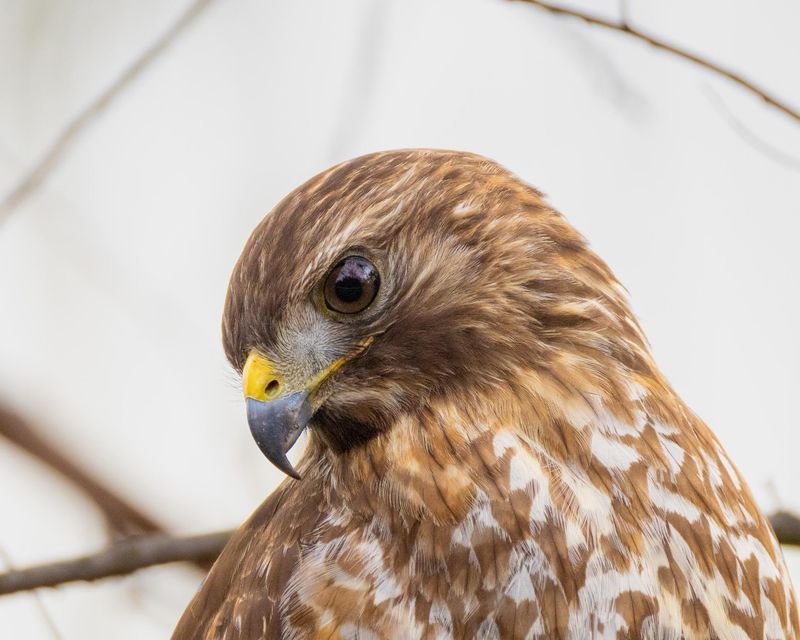
One hawk visit can be chance.
A bird appearing several times across a week suggests something more consistent.
Hawks learn which parts of their range offer productive hunting, safe perches, and reliable movement of prey. A yard that pays off once may earn another inspection the next day.
That does not mean the bird has moved into your property.
It may simply include the block as one stop in a much larger route. The same hawk can visit fields, parks, roadsides, drainage areas, and neighborhoods across the course of a day.
Season can change the pattern too.
Texas receives additional raptor activity during cooler months as birds from farther north move into or through the state. A yard that suddenly seems hawk-heavy may be experiencing a seasonal change rather than a permanent shift.
Keep a simple record of sightings.
Time, perch, direction of travel, and behavior can reveal a pattern after only a few observations. A bird arriving around the same hour and watching the same lawn is probably using a familiar hunting circuit.
Repeat visits are one of the clearest signs that the yard provides something dependable.
That could be prey, an excellent lookout, or both.
A returning hawk is not criticizing your landscaping. It has simply added your address to the route, and apparently the stop keeps earning another look.
7. A Hawk Visit Is A Reminder To Supervise Very Small Pets
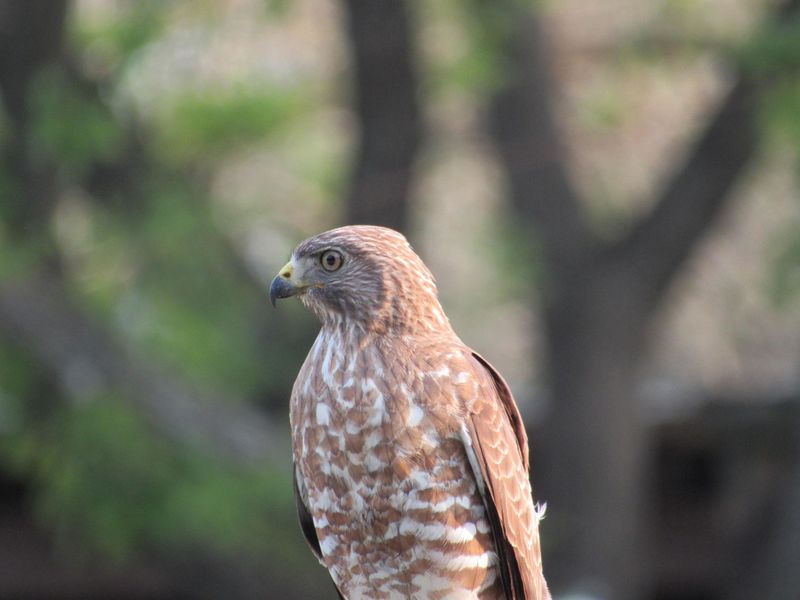
A hawk in the yard can make pet owners understandably alert.
The useful response is supervision rather than panic.
Most backyard hawks are focused on their normal prey, which includes rodents, reptiles, insects, and birds depending on the species.
Very small pets deserve closer attention outdoors because a predator can investigate an animal that falls near the size range of familiar prey.
Stay nearby during outdoor time.
A covered run, enclosed patio, or close supervision gives tiny pets more protection while still allowing them time outside. Larger dogs and cats are not typical prey for the hawks commonly visiting Texas yards.
Pet food can create another issue.
Bowls left outdoors may draw rodents or other small animals, which can make the area more interesting to predators indirectly. Bring leftover food inside and keep spilled kibble cleaned up.
Do not chase the hawk from tree to tree.
Give it enough room to leave naturally once hunting conditions change.
Children can continue using the yard normally. A perched hawk is not looking for people.
The sighting is simply a reminder that suburban yards remain part of a larger wildlife system.
Supervising a tiny pet is sensible in any area with active predators.
You can enjoy the hawk and protect the smallest household animals at the same time. Good backyard wildlife watching does not require anyone to become lunch.
8. A Feeder Pause Can Tell A Persistent Hawk To Hunt Elsewhere
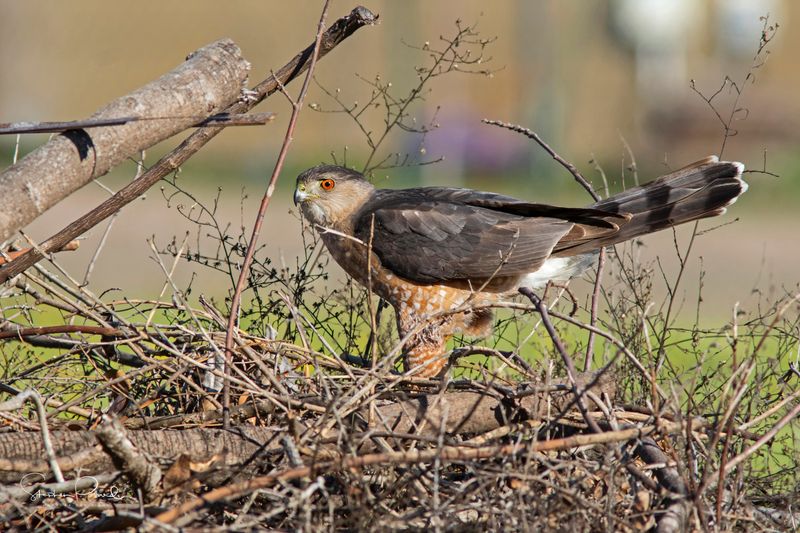
A hawk that visits once rarely requires any change.
A bird sitting beside the feeder day after day may justify a short pause.
Taking feeders down temporarily removes the predictable concentration of songbirds that made the location attractive.
Once the crowd disperses, the hawk has less reason to keep waiting in the same spot and may return to other hunting areas along its route.
A few days can be enough to change the pattern.
Use the break to clean feeders, remove spilled seed, and inspect nearby cover. Seed scattered beneath a feeder can attract rodents as well as birds, adding another potential prey source close to the house.
When feeders return, place them with escape cover in mind.
Nearby shrubs or small trees can give songbirds a quick destination when danger appears. Avoid a completely exposed setup with a long flight to the nearest shelter.
Do not treat every hawk as a feeder emergency.
Predation is a normal part of bird life, and most songbirds are highly alert to raptors. The temporary pause becomes useful when one hawk repeatedly turns the feeder into a predictable hunting station.
This approach changes the pattern without harming either side.
The small birds spread out. The hawk looks elsewhere. The feeder can return later.
Sometimes backyard diplomacy is surprisingly easy. Close the restaurant for a few days, clean the tables, and let the regular predator discover another lunch spot.