North Carolina Yard Mistakes That Turn Your Garden Into A Japanese Beetle Magnet Every Summer
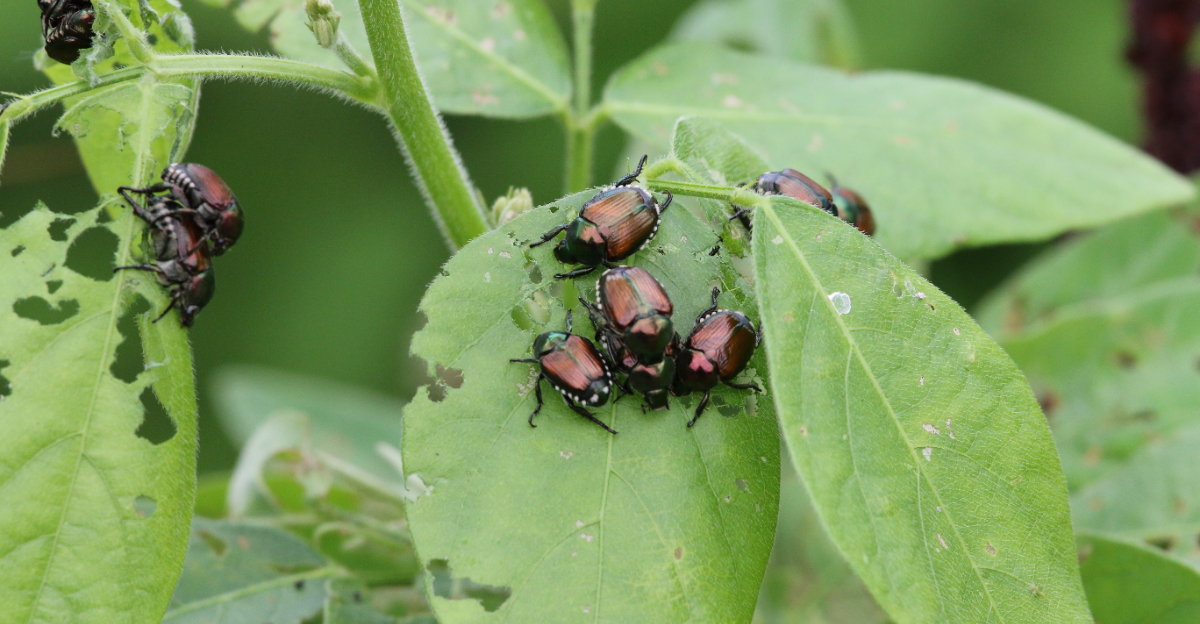
Japanese beetles show up every summer without fail, but some North Carolina yards attract dramatically higher numbers than neighboring properties, and the difference almost always comes down to specific choices being made in the garden.
Certain plants, soil conditions, lawn care habits, and even watering schedules create an environment that essentially rolls out a welcome mat for these insects season after season.
The frustrating part is that many of these attractants are completely unintentional and easy to change once you know what to look for.
Understanding exactly what is drawing heavy beetle pressure to your yard is the first step toward having a summer where your plants actually get to look the way they are supposed to look.
1. Planting Highly Attractive Flowers Without Companions
Roses, hibiscus, and lilies are some of the most beautiful plants you can grow in a North Carolina garden. They also happen to be at the very top of a Japanese beetle’s favorite foods list.
Planting them in large, unbroken clusters without any deterrent neighbors is basically sending out a dinner invitation to every beetle in the neighborhood.
Companion planting is one of the smartest and most underrated tools a gardener has. Certain plants naturally repel Japanese beetles because of their scent or chemical compounds.
Catnip, garlic, chives, and rue are all known to discourage beetles from settling in. Planting these around your roses or hibiscus creates a natural barrier that makes the area far less appealing to pests.
Another clever trick is using trap crops strategically placed away from your main garden beds. A small patch of four-o’clocks, for example, attracts beetles powerfully but is also toxic to them.
Mixing your planting layout with both deterrents and trap crops gives you a two-layer defense system.
Your garden stays gorgeous, your prized flowers stay protected, and you spend less time picking beetles off by hand every morning. Smart planting design really does make the biggest difference.
2. Ignoring Regular Monitoring During Peak Season
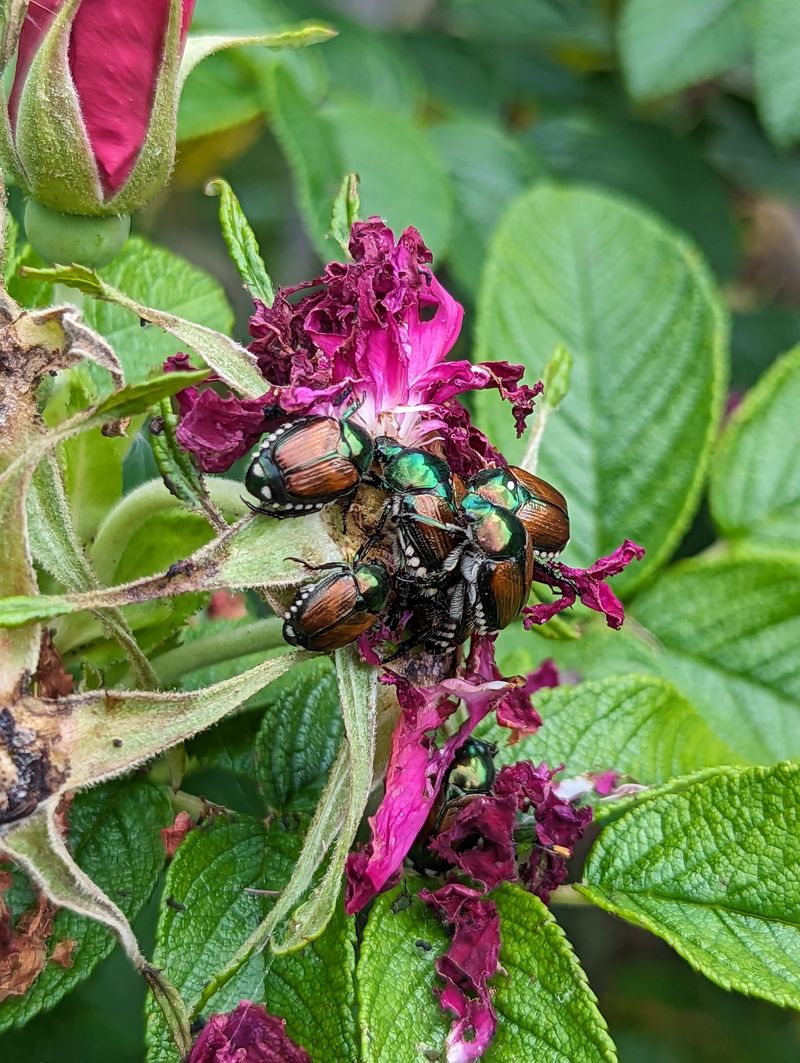
Japanese beetle season in North Carolina typically runs from late June through August, and those weeks move fast.
Missing just one or two inspection rounds during that window can allow a small group of beetles to balloon into a full-scale infestation before you even realize what happened.
Beetles also release pheromones that attract more beetles, so numbers can multiply surprisingly quickly.
Making a habit of walking through your garden at least twice a week during peak season is one of the most effective things you can do. Early morning is the best time to check, since beetles are slower and easier to spot when temperatures are cooler.
Bring a bucket of soapy water with you and drop any beetles you find directly into it. No sprays, no fuss, just consistent removal.
Pay close attention to the tops and undersides of leaves, especially on plants like roses, grapes, and linden trees. Skeletonized leaves with a lacy, see-through appearance are a clear sign beetles have been feeding.
Catching the problem early means you can manage it manually before it spreads. Keeping a simple garden journal to track when beetles first appear each year also helps you prepare earlier the following season.
Your North Carolina Garden Changes Every Week. Your Plan Should Too.
Gardening in North Carolina changes quickly throughout the season. Every Friday you’ll receive a simple weekly plan showing exactly what to plant, prune, fertilize, harvest, and protect so you never miss the right timing.
Consistency really is everything here.
3. Dense, Poorly Pruned Canopies That Shelter Beetles
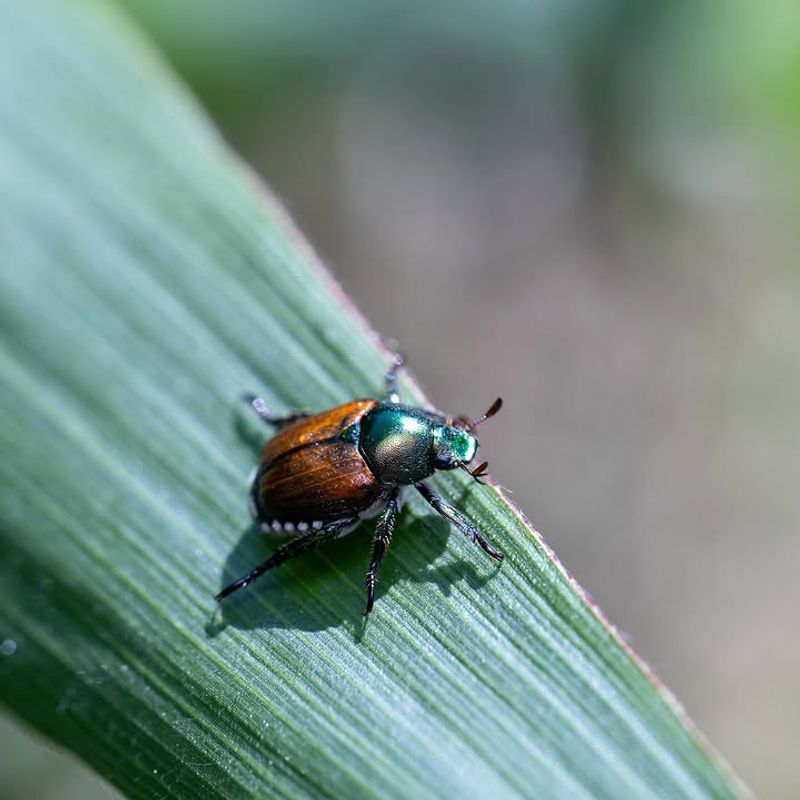
Overgrown shrubs and trees do more than just look messy. When branches grow too dense and close together, they create shaded, humid little pockets that Japanese beetles absolutely love.
These sheltered spots offer the warmth and protection beetles seek when they are not actively feeding, making your yard a comfortable home base all season long.
Proper pruning is about more than aesthetics. When you open up the canopy of a shrub or small tree, you improve airflow, reduce humidity around the foliage, and make the environment less welcoming to pests.
Beetles prefer protected, warm microclimates, and a well-pruned plant simply does not offer them that. Aim to prune your shrubs and ornamental trees in late winter or early spring before beetle season begins.
Spacing matters just as much as pruning. Planting shrubs too close together creates the same dense, humid conditions even if each individual plant is well-trimmed.
Follow spacing recommendations on plant tags and resist the urge to crowd plants together for a fuller look right away. Give your garden room to breathe.
Over time, properly spaced and pruned plants grow stronger, look healthier, and face far less pest pressure than their overcrowded counterparts. A little patience with spacing pays off big every single summer.
4. Overuse Of Nitrogen Fertilizer On Garden Plants
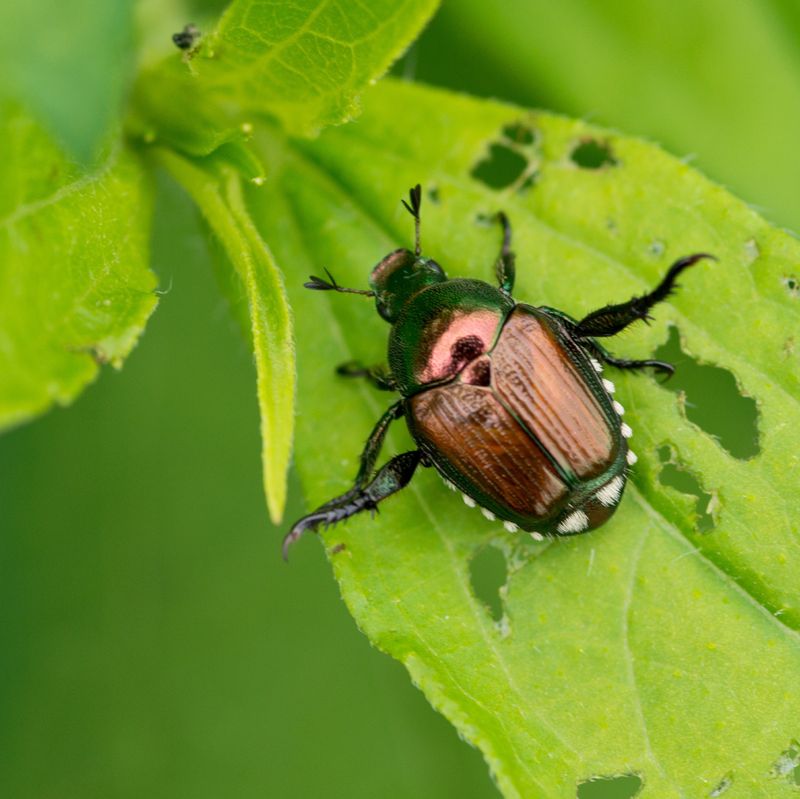
Fertilizing your plants feels productive, and it genuinely is when done correctly. The problem comes when gardeners go overboard with nitrogen, which is one of the most common fertilizer mistakes in home gardens.
Too much nitrogen pushes plants to produce fast, soft, lush new growth, and that tender green tissue is exactly what Japanese beetles prefer to feed on.
Think of heavily fertilized plants as an all-you-can-eat buffet for beetles. The soft leaves are easier to chew, higher in the nutrients beetles crave, and more plentiful.
Plants that grow at a natural, steady pace tend to have firmer, tougher leaf tissue that is less appealing and harder to damage. Slowing down your fertilization schedule during summer can actually make your plants more resilient.
A balanced, slow-release fertilizer applied in spring gives plants a steady nutrient supply without triggering that explosive soft growth.
Avoid high-nitrogen quick-release formulas on beetle-attractive plants like roses, grapes, and ornamental trees during June and July.
Getting a basic soil test through your local North Carolina Cooperative Extension office is a smart move too. It tells you exactly what your soil needs so you stop guessing and start feeding your garden with precision.
Less fertilizer, used wisely, often produces healthier and more pest-resistant plants than more fertilizer applied carelessly.
5. Leaving Fallen Fruits And Plant Debris On The Ground
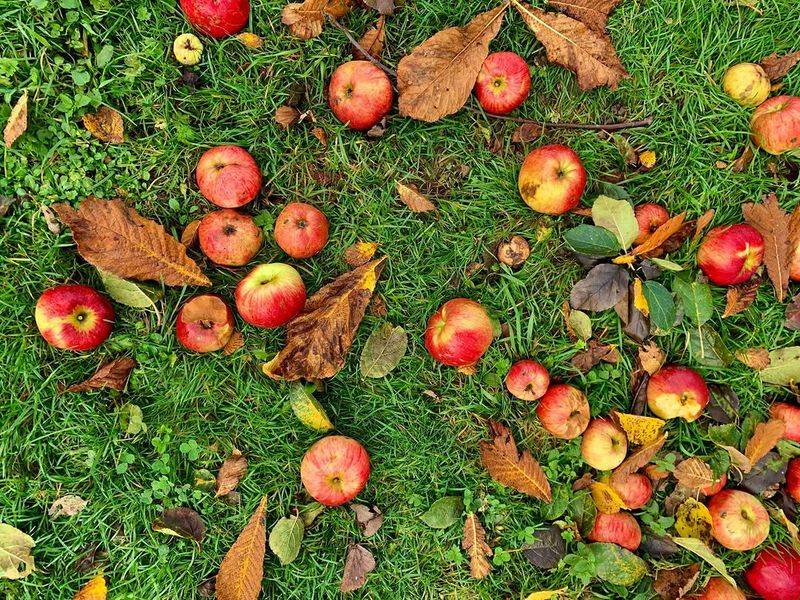
Rotting fruit on the ground might not seem like a big deal, but to a Japanese beetle it looks like a free meal waiting to be claimed.
Fallen apples, peaches, plums, and even dropped flower blossoms provide easy food sources that draw beetles in from surrounding areas.
Once beetles find a reliable food source in your yard, they stick around and invite others.
Plant debris, including fallen leaves, spent blooms, and broken stems, adds another layer of appeal. Beetles and their larvae benefit from the shelter and organic material that accumulates in neglected garden beds.
Keeping your garden floor clean and tidy removes both the food source and the habitat that makes your yard so attractive to these pests in the first place.
Building a simple weekly cleanup routine during summer takes very little time but delivers noticeable results.
Pick up fallen fruits as soon as you spot them, deadhead spent blooms promptly, and clear out any piles of garden debris from beds and borders.
Composting plant material away from the main garden area is a great way to recycle nutrients without keeping debris close to your most vulnerable plants.
A clean yard is genuinely one of the simplest and most effective strategies for reducing Japanese beetle pressure throughout the entire North Carolina summer season.
6. Planting Invasive Or Non-Native Ornamentals
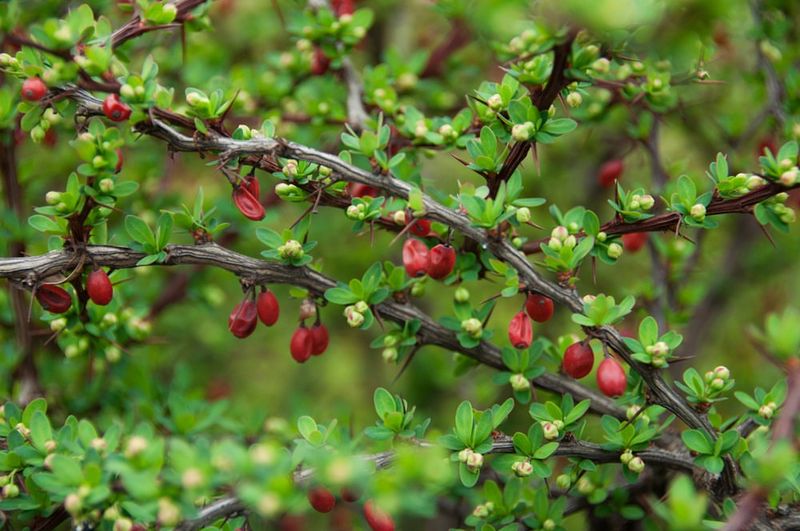
Some of the most popular ornamental plants sold at garden centers across North Carolina happen to be non-native species that were introduced to the area without their natural pest controls.
Japanese barberry, burning bush, and certain ornamental cherries are well-known examples.
These plants often support higher beetle populations because local predators and environmental checks that would normally limit beetle activity are simply not present.
Native plants, on the other hand, have evolved alongside local insect populations and tend to attract a more balanced mix of predators and prey.
When you replace invasive ornamentals with native alternatives, you shift the ecological balance in your garden toward one that naturally keeps pest numbers lower.
North Carolina natives like beautyberry, Virginia sweetspire, and native viburnums offer gorgeous seasonal interest with far less beetle pressure.
Swapping out invasive plants does not mean sacrificing beauty or curb appeal. Many native alternatives actually outperform non-natives in terms of seasonal color, wildlife value, and overall resilience in the local climate.
Check the NC State Extension plant database or visit a local native plant nursery to find options suited to your specific yard conditions.
Making even a few strategic swaps each season gradually transforms your garden into a landscape that works with local ecology rather than against it, and beetles will find your yard far less welcoming over time.
7. Ignoring Trap Crop Strategies Around Your Yard
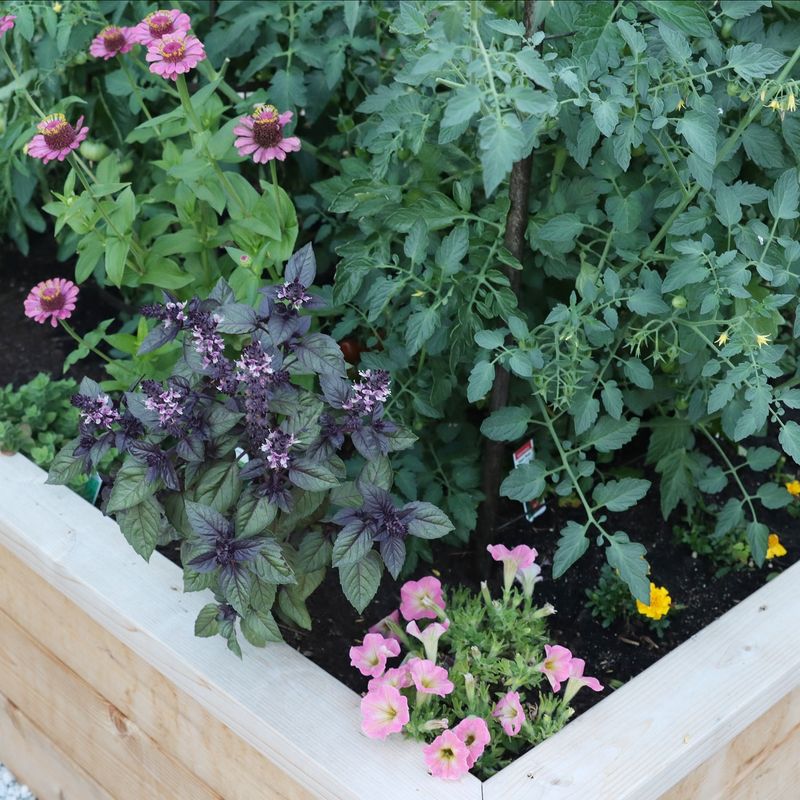
Trap cropping sounds complicated, but the idea behind it is wonderfully simple. You plant a small section of highly attractive plants away from your main garden beds to lure Japanese beetles toward a specific, controlled area.
Instead of letting beetles roam freely and feed on everything, you concentrate their activity in one spot where managing them becomes much easier.
Four-o’clocks are one of the most powerful trap crops available because Japanese beetles find them irresistible. Interestingly, four-o’clocks are also toxic to beetles, making them a trap crop that does double duty.
White roses and certain hibiscus varieties also work well as beetle magnets when positioned strategically at the perimeter of your yard, far from your most prized plantings.
Once beetles gather on your trap crop, you have options. Hand-picking them into soapy water early in the morning is highly effective when populations are concentrated in one area.
You can also apply targeted treatments to the trap crop alone rather than spraying your entire garden.
Trap cropping reduces the overall chemical load in your yard, protects beneficial insects in the rest of the garden, and gives you a clear focal point for your beetle management efforts.
Setting up even one small trap crop section this season could dramatically change how well you manage beetles in your North Carolina yard going forward.
8. Watering Practices That Stress Or Weaken Plants
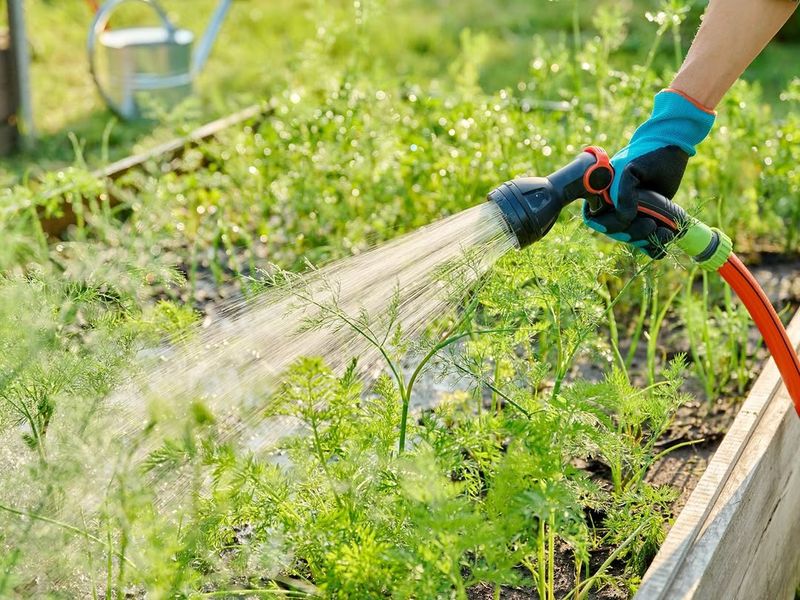
Water stress is one of the sneakiest ways a garden becomes vulnerable to Japanese beetles.
Plants that are either chronically underwatered or hit with irregular watering schedules develop weakened cell structure and reduced natural defenses.
Stressed plants emit different chemical signals than healthy ones, and beetles are remarkably good at detecting that weakness from a distance.
North Carolina summers are notoriously hot and humid, which makes consistent watering both more important and more challenging.
During peak summer heat, most garden plants need about one inch of water per week, either from rain or supplemental irrigation.
Deep, infrequent watering encourages roots to grow deeper into the soil, making plants more drought-tolerant and structurally stronger over time. Shallow, frequent watering does the opposite and leaves plants perpetually stressed.
Drip irrigation or soaker hoses are excellent investments for North Carolina gardeners because they deliver water directly to the root zone without wetting foliage.
Wet leaves in humid summer conditions also invite fungal problems on top of beetle pressure, so keeping water off the leaves is a double win.
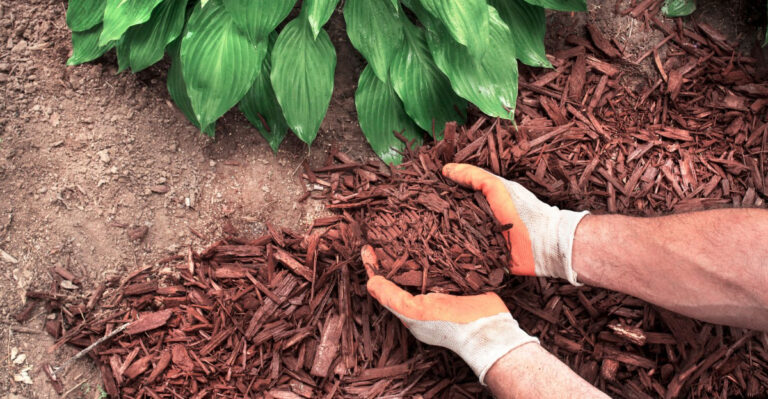
Mulching around your plants with two to three inches of wood chips or shredded bark helps the soil retain moisture between watering sessions.
Healthy, well-hydrated plants simply hold up better against beetle feeding and recover more quickly when damage does occur.
9. Neglecting Beneficial Insect And Bird Habitats
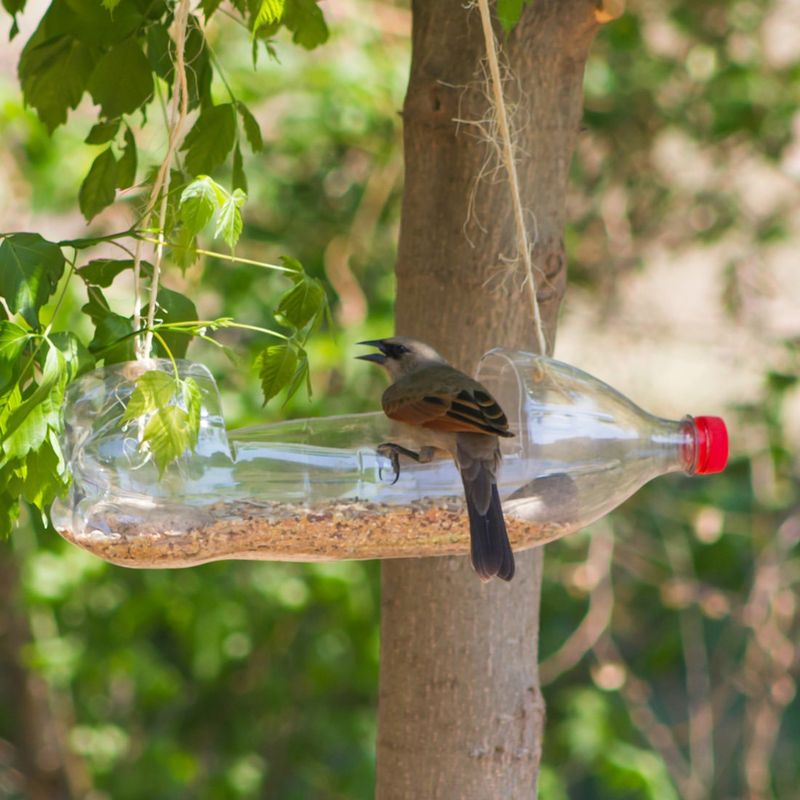
Nature already has a built-in pest management system, and most homeowners do not take nearly enough advantage of it.
Parasitic wasps, ground beetles, tachinid flies, and birds like robins and starlings all feed on Japanese beetles or their grubs at various life stages.
When your yard lacks the habitat features these beneficials need, you lose their help entirely and beetle populations face no natural resistance.
Attracting parasitic wasps is easier than most people think. These tiny insects do not sting humans and are drawn to yards that offer nectar-rich flowering plants.
Dill, fennel, yarrow, and native wildflowers like goldenrod and wild bergamot are excellent choices that bloom throughout summer and support a wide range of beneficial insects.
Leaving a small section of your yard slightly wild, with leaf litter and bare ground patches, also provides nesting habitat for ground beetles and other predators.
Birds are some of the most effective beetle hunters around. Installing bird feeders, birdbaths, and native berry-producing shrubs encourages robins, catbirds, and starlings to visit your yard regularly.
These birds actively search lawns and garden beds for grubs and adult beetles. The more welcoming your yard is to wildlife, the more free pest control you receive throughout the season.
Building habitat takes a season or two to fully pay off, but the long-term reduction in beetle pressure makes every effort completely worthwhile.
10. Failing To Rotate Crops Or Change Planting Locations
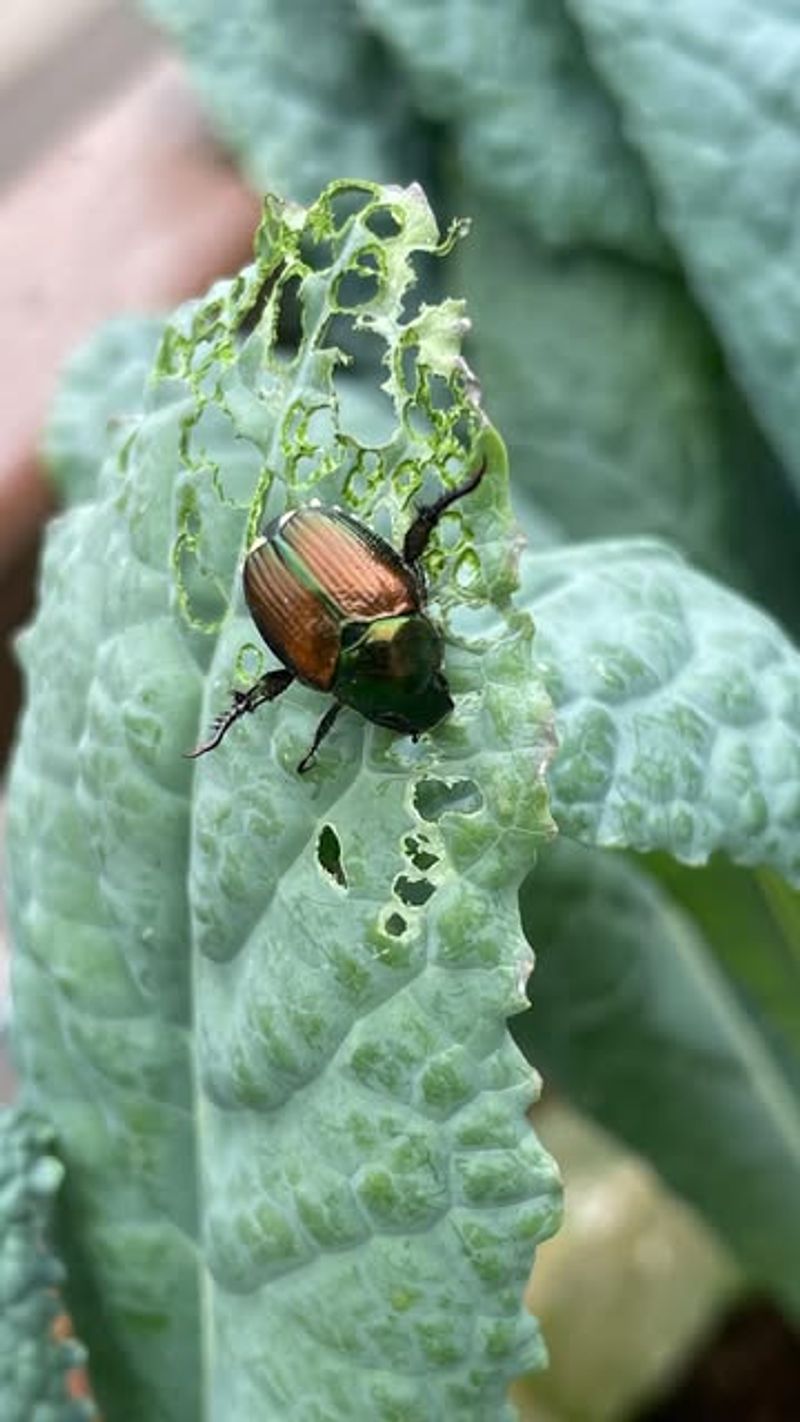
Planting the same beetle-attractive crops in the exact same spots year after year is one of the most overlooked reasons some gardens struggle with Japanese beetles season after season. Beetles that fed in your garden last summer already know the layout.
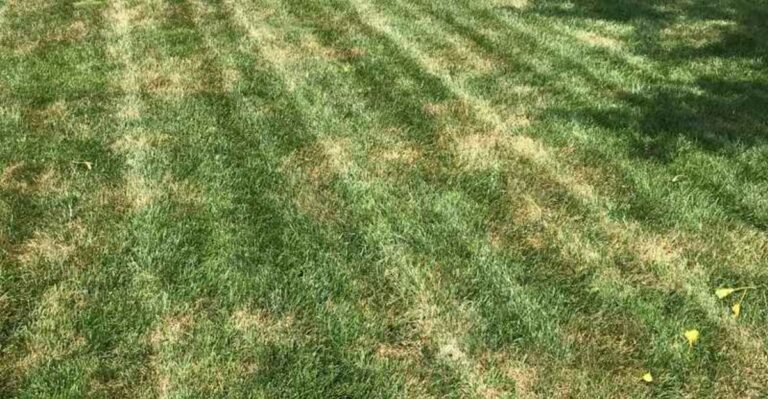
Females lay eggs in nearby turf and soil during summer, and those grubs overwinter in the ground close to where they hatched. Come spring, they emerge as adults right next to your most vulnerable plants.
Rotating where you grow susceptible plants like roses, grapes, beans, and raspberries disrupts this cycle in a meaningful way.
Moving a planting even a short distance forces newly emerged beetles to search for food rather than walking straight to a familiar buffet.
In vegetable gardens, rotating families of plants annually is already a standard practice for disease management, and it works just as well for reducing beetle pressure over time.
For perennial plants that cannot be moved easily, focus on changing the companion plantings around them each year and modifying soil conditions to reduce grub survival.
Applying beneficial nematodes to lawn areas near garden beds in late summer targets grubs while they are still small and close to the surface.
Milky spore is another long-term biological option for North Carolina soils. Mixing up your garden layout annually keeps beetles off-balance and gradually reduces the number that return to your yard each new season.