9 Fast-Growing Virginia Native Shrubs That Give Yards Instant Privacy
Your neighbor can see straight into your kitchen window right now. Fences block that view, then demand costly restaining after a few summers.
Native shrubs do the job cheaper, and they grow while you sleep. Wax myrtle can stretch several feet in a growing season. Yellow-rumped warblers devour its waxy berries so eagerly that birders call them myrtle warblers.
Silky dogwood turns your soggy, puddled corner into a thick leafy screen. Elderberry shoots up several feet a season, screening your patio through Virginia summers.
Match each shrub to your soil, whether heavy clay, sandy, or soggy. September hands you a real advantage. Warm soil pushes roots outward while cool air spares fresh leaves from stress.
Plant this month, and you gain a full head start before spring. Choose wrong, and you wait years; choose these Virginia shrubs, and privacy arrives sooner.
1. Wax Myrtle For A Speedy Evergreen Screen
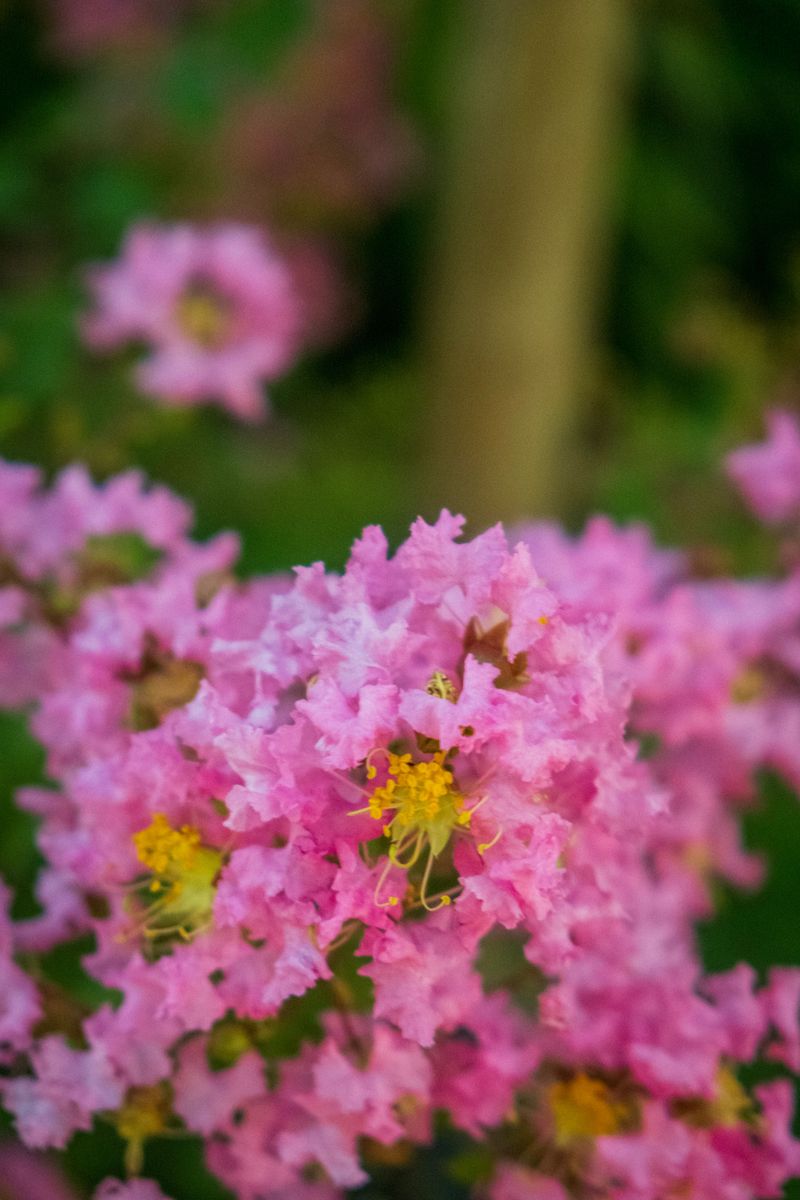
Coastal Virginians have trusted this glossy evergreen for centuries, and early colonists even boiled its berries for candle wax. That spicy, clean scent still drifts out when you crush a leaf.
Growth speed is where wax myrtle shines, often adding three to five feet in a single year. Most plants reach ten to twenty feet tall, forming a dense screen quickly.
Full sun or part shade works fine, and sandy or clay soil suits it well. Roots fix their own nitrogen, so you can skip most fertilizer.
Space plants about six feet apart for a thick hedge within two or three seasons. September planting gives roots months to settle before summer heat returns.
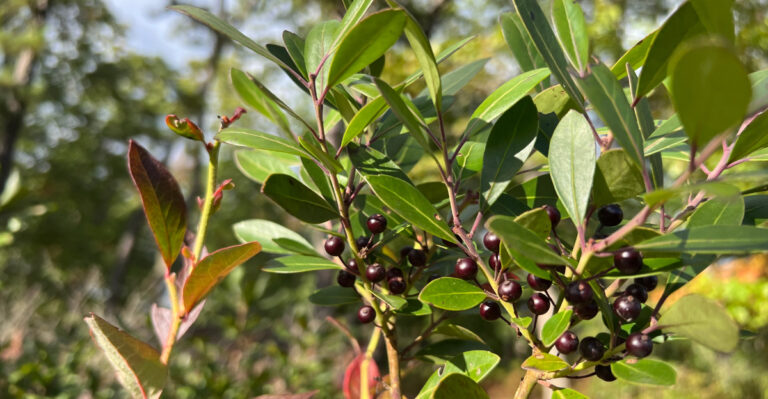
Female plants produce waxy gray berries that feed yellow-rumped warblers through winter. You need a male plant nearby for berries, so ask your nursery for labeled male and female plants.
Heavy snow can bend the branches, so shake off big loads with a broom. A light spring trim keeps the shape neat and encourages bushier growth.
Salt spray, drought, and soggy spots do not scare it much either. That toughness makes it a smart pick across coastal and central Virginia, though harsh mountain winters can damage it.
Deer usually leave this shrub alone, which is a relief in many Virginia neighborhoods. For fast, fragrant, green privacy all year, wax myrtle is hard to beat.
2. Arrowwood Viburnum For A Bird-Friendly Hedge
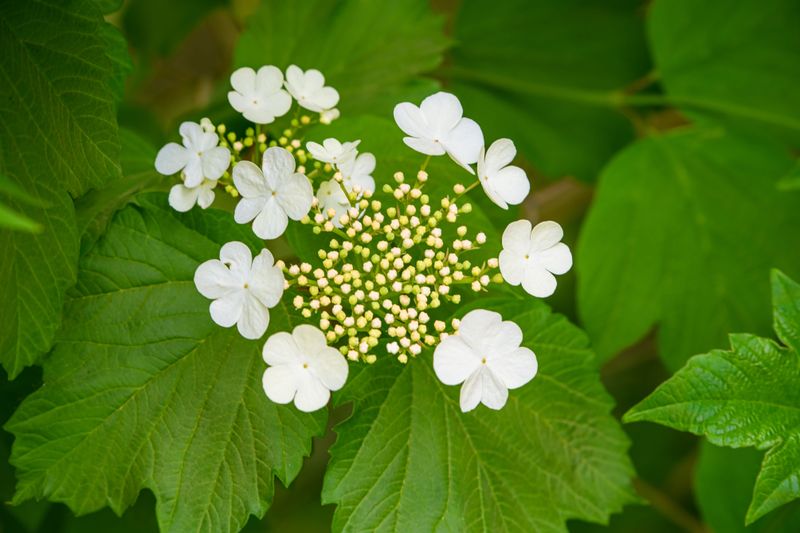
Native Americans once made straight arrow shafts from its young stems, which explains the catchy name. Today those same sturdy stems make a leafy fence that birds adore.
Arrowwood viburnum grows about one to two feet each year, reaching six to ten feet tall. Suckers pop up around the base, so the shrub thickens up quickly.
Late spring brings flat clusters of creamy white flowers buzzing with butterflies and native bees. By September, those flowers turn into blue-black berries that bluebirds gobble up.
Fall color is a bonus, with leaves shifting to red, orange, and deep purple. Your hedge becomes a slow-motion fireworks show right outside the window.
Your Virginia Garden Changes Every Week. Your Plan Should Too.
Gardening in Virginia changes quickly throughout the season. Every Friday you’ll receive a simple weekly plan showing exactly what to plant, prune, fertilize, harvest, and protect so you never miss the right timing.
Plant in full sun to part shade for the best blooms and berries. It handles clay, moist ground, and short dry spells without much fuss.
Set plants four to six feet apart for a solid screen in a few years. Water weekly during the first season, especially if autumn turns dry.
Prune right after flowering if you want to control height. Cutting in winter removes next year’s flower buds, which means fewer berries for the birds.
Planting two genetically different arrowwood plants nearby improves berry production through cross-pollination. Your backyard might soon sound like a busy songbird cafe every autumn morning.
3. Inkberry Holly For A Tidy Year-Round Wall
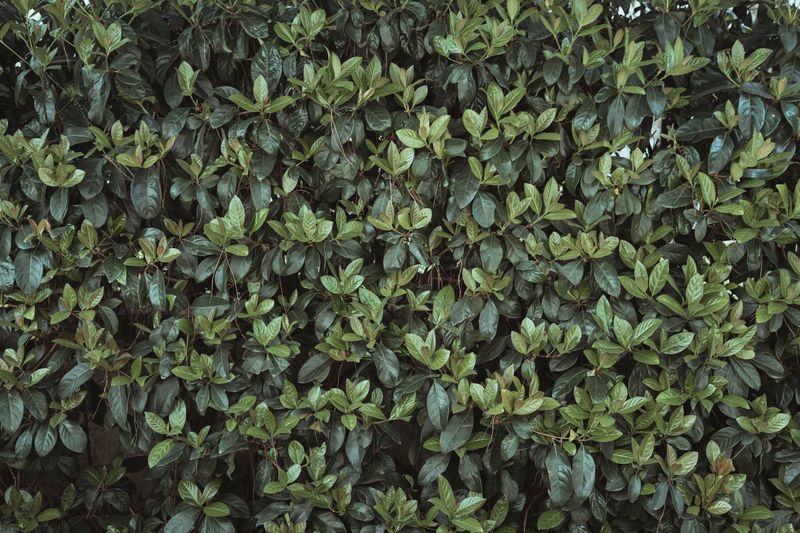
Neat freaks, meet your new favorite shrub. Inkberry holly keeps its small, shiny leaves all winter and looks tidy without constant trimming.
Unlike prickly holly cousins, the leaves are smooth, so kids and pets can brush past safely. It grows at a slow to moderate pace, reaching five to eight feet tall.
Underground runners spread slowly outward, filling bare spots along the bottom of the hedge. That low fullness helps block views, though older plants can thin out near the base.
Moist, acidic soil makes it happiest, which suits much of eastern and central Virginia. Sun or partial shade both work, though full sun keeps the plant denser.
Space plants three to four feet apart for a compact, fence-like row. Add a two-inch layer of pine bark mulch to hold moisture around the roots.
Female plants grow small black berries that hang on into winter, as long as a male plant grows nearby. Beekeepers love the tiny spring flowers, since they make a prized honey called gallberry.
Fall is a smart planting window, because cooler air reduces stress on new transplants. Keep watering every week or so until the ground freezes.
If lower branches thin out over time, cut a few old stems back hard in early spring. Fresh shoots will quickly return, and your green wall will look brand new.
4. Common Ninebark For A Tough, Colorful Border
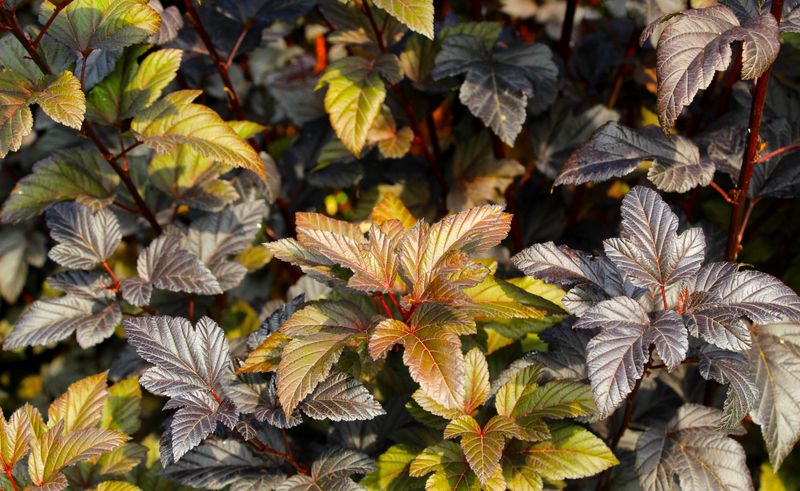
Peel back the story of its name, and you find bark that flakes off in papery layers. Old-timers joked there were nine layers, though nobody seems to have counted.
Common ninebark is a tough grower, easily adding two feet a year and reaching eight feet tall. Its arching branches spread wide, creating a full, rounded screen.
Late spring brings round clusters of white or pinkish flowers that look like tiny bouquets. Seed pods follow, turning red and adding color through late summer.
Rocky banks, clay slopes, and dry corners do not slow it down much. It even handles wind and cold in the Virginia mountains with ease.
Garden centers sell colorful types with purple, burgundy, or bright golden leaves. Mixing a few colors creates a privacy hedge that doubles as eye candy.
Plant four to five feet apart in full sun for the thickest growth. Shady spots work too, but branches grow looser and bloom less.
Being deciduous, it loses leaves in winter, so pair it with an evergreen if year-round cover matters. That peeling bark still adds winter charm while you wait for spring.
Every few years, remove a third of the oldest stems at ground level. Your shrub will stay young, bushy, and ready to block that nosy neighbor view.
5. American Elderberry For A Quick Summer Barrier
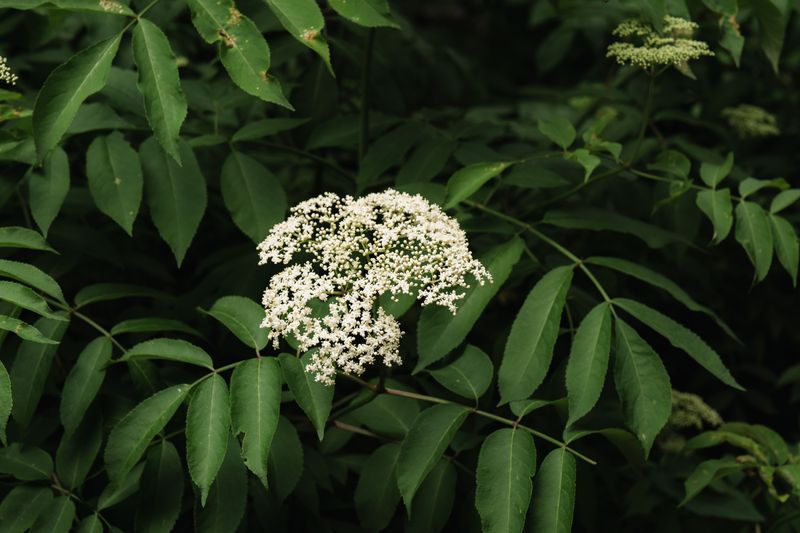
Grandma’s kitchen may have smelled of elderberry jam cooling on the counter in late summer. That same generous plant can build a leafy barrier faster than many native shrubs.
American elderberry often shoots up three to six feet in one season. Mature clumps stand eight to twelve feet tall and just as wide.
Early summer brings huge, flat clusters of lacy white flowers that smell faintly sweet. Dark purple berries follow in August and September, drawing catbirds, robins, and mockingbirds.
Leaves, stems, roots, and unripe berries are toxic and should not be eaten, so cook only ripe berries before eating them. Syrup, pie, and jelly are the classic ways families enjoy the harvest.
Moist soil near ditches, rain gardens, or low spots suits this shrub perfectly. Full sun gives the most fruit, while part shade still produces plenty of leaves.
Suckers spread out from the roots, so give each plant eight feet of room. A mowed edge or border keeps the clump from wandering into the lawn.
Branches are soft and short-lived, so cut out old canes every late winter. New canes grow back fast and bear more fruit anyway.
Deciduous leaves drop in fall, so this works best as a summer screen near patios or pools. Planting two varieties together helps boost berry production for you and the birds.
6. Silky Dogwood For A Soggy-Soil Screen
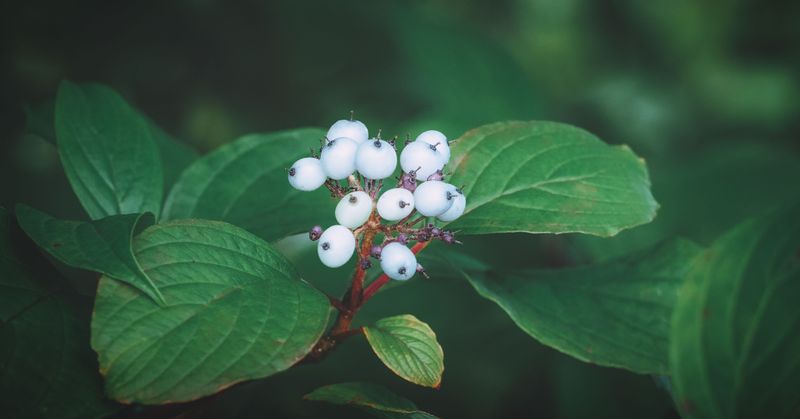
Got a soggy corner where grass sulks and puddles linger for days after rain? Silky dogwood treats that mushy ground like a luxury spa.
Fuzzy, silky hairs on the new twigs and leaf undersides give this shrub its name. Growth is quick, often two feet or more per year, topping out near ten feet.
Stems arch outward and root where they touch soil, creating a thick, spreading thicket over time. That habit is perfect for screening a long property line or stream bank.
Creamy white flower clusters appear in late spring, feeding bees and small butterflies. By late summer, the berries turn a bright porcelain blue that looks almost painted.
Those berries disappear fast, since many bird species eat them during fall migration. September visitors like thrushes and vireos may stop by for a snack.
Plant in full sun to part shade, spacing shrubs five to six feet apart. It tolerates flooding, heavy clay, and occasional drought once roots are established.
Reddish-purple winter twigs add a splash of color after the leaves fall. Pruning a few older stems each spring keeps that color bright and growth dense.
Because it spreads, give it room or plan to trim runners each year. Erosion-prone slopes benefit most, since the roots grip loose soil like a living net.
7. Northern Spicebush For A Fragrant Shady Hedge
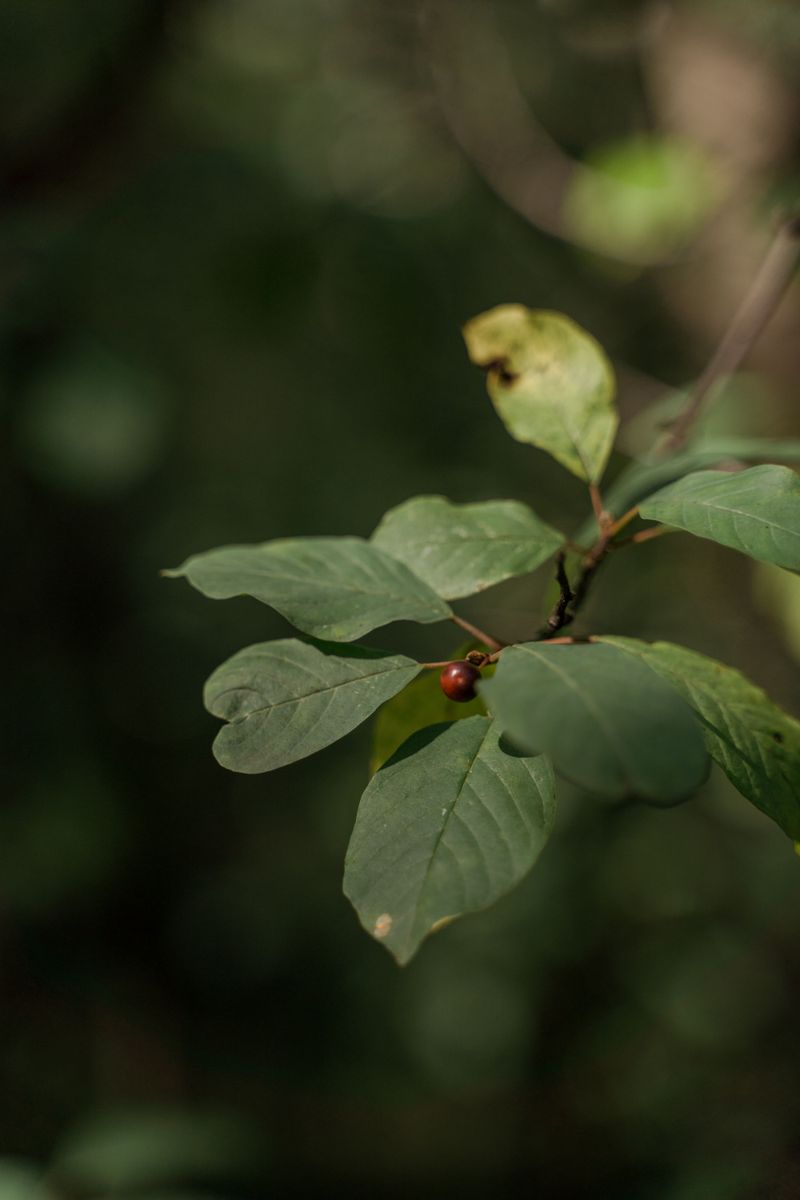
Scratch a twig and sniff, and you get a burst of citrus and allspice. Hikers in Virginia woods have used that trick to identify the shrub for generations.
Northern spicebush grows about a foot each year, reaching six to twelve feet tall. It forms a rounded, multi-stemmed shape that fills empty space nicely.
Shade is where this woodland plant really earns its keep. Many privacy shrubs struggle under tall trees, while spicebush stays leafy, though it grows looser than in full sun.
Tiny yellow flowers light up bare branches in early spring, weeks before most plants wake up. Bright red berries ripen on female shrubs in September, feeding migrating birds.
Spicebush swallowtail butterflies lay eggs on the leaves, and the caterpillars look like tiny green snakes. Kids love spotting those fake eyespots, which likely help deter birds.
Autumn leaves glow a buttery gold, brightening shady corners as days get shorter. Moist, rich soil suits it best, similar to a cool forest floor.
Space plants five to six feet apart and add leaf mulch to keep roots cool. Plant a few together, since you need male and female shrubs for berries.
Winter leaves are gone, so layer it with native evergreens for year-round coverage. Pruning is simple, just remove crossing or broken branches in late winter.
8. Northern Bayberry For A Salt-Tolerant Screen
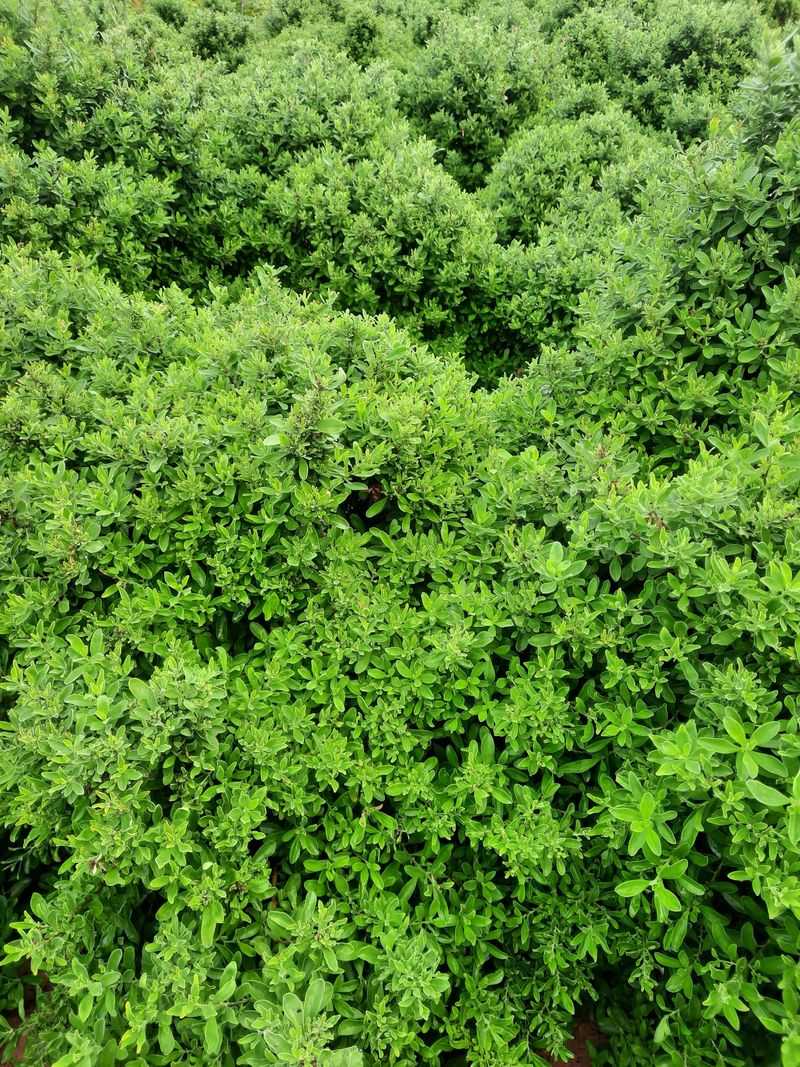
Beach towns along the Chesapeake know this scrappy shrub well, since it thrives where salt winds blow. Crush a leaf and you smell something like a seaside bay candle.
Northern bayberry grows fast in sunny spots, adding up to two feet per year. Most plants settle between five and ten feet tall, with a dense, rounded form.
Poor, sandy soil suits it just fine, thanks to roots that make their own nitrogen. Road salt, drought, and strong wind cause few problems once it is established.
Leaves hang on late into fall and sometimes through mild winters in eastern Virginia. That semi-evergreen habit keeps your screen fuller than most deciduous shrubs.
Female plants carry clusters of gray, waxy berries that tree swallows and warblers love, as long as a male plant grows nearby. Colonial families melted that wax into fragrant holiday candles, though it took many pounds.
Root suckers spread slowly, forming colonies that make a thick, natural hedge. Space plants five feet apart, and the gaps will fill within a few seasons.
Full sun keeps growth tight, while heavy shade makes branches thin and floppy. Fall planting works well, as long as you water weekly until frost.
Trim lightly in late winter to shape the hedge before new growth starts. For windy yards, beach cottages, or roadside lots, this shrub delivers privacy with a salty grin.
9. Red Chokeberry For A Thicket With Fall Flair
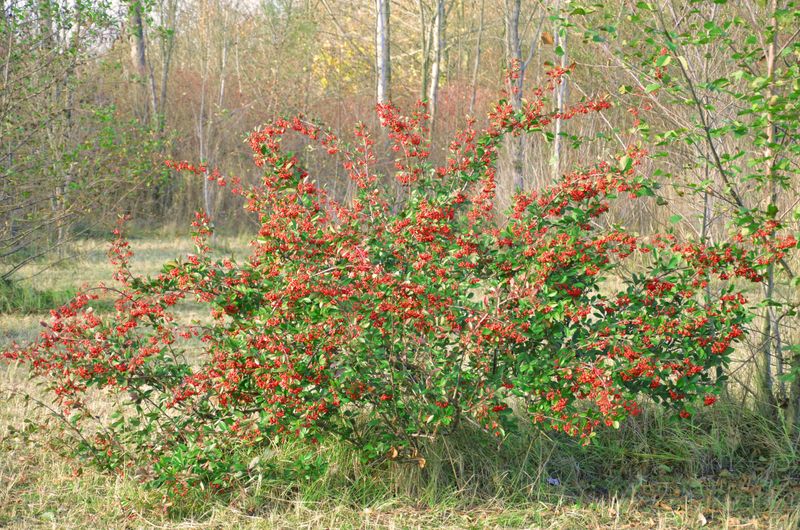
Don’t let the grumpy name fool you, because this shrub has one of the brightest personalities around. Birds find the berries so tart they leave them until late winter.
Red chokeberry grows steadily, about one to two feet a year, reaching six to ten feet. New shoots spring up from the roots, turning a single plant into a full clump.
White flowers with pink centers cover the branches in spring, attracting early bees. Glossy red berries follow and hang on for months, like tiny holiday ornaments.
Fall is when this plant really shows off, with leaves turning fiery scarlet. September and October gardens get a bold splash of color that rivals maples.
Wet, dry, sunny, or partly shady spots all work, which makes it wonderfully flexible. It even grows happily in boggy areas where many shrubs struggle.
Plant three to five feet apart for a dense, informal screen along a fence line. Mixing it with evergreens gives you color now and coverage in winter.
Very little pruning is needed, though you can remove old stems to refresh growth. Pests and diseases seldom cause trouble, so maintenance stays easy.
Hungry birds eventually eat the berries during the coldest weeks when other food runs low. That makes this cheerful shrub a late-season snack bar and a privacy hero.