Why Stink Bugs Are Entering Virginia Homes And How To Stop Them
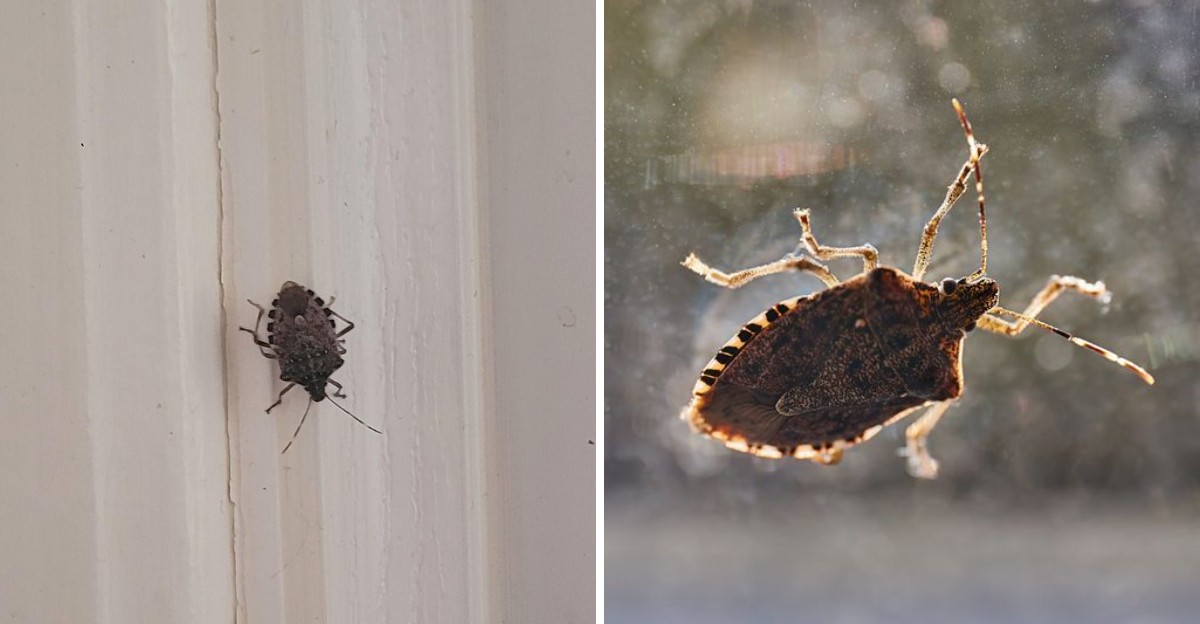
That faint smell of old cilantro near your window is no accident. Brown marmorated stink bugs are knocking on the doors again, and they want in.
These shield-shaped pests turned up in Virginia in 2004. When fall turns crisp, they hunt for cozy places to wait out winter.
Your warm walls, attic, and window frames look like a five-star hotel to them. Luckily, they don’t bite people or pets, and they leave your furniture and wiring alone.
Still, nobody wants a crowd of smelly roommates circling the lamp. A few smart moves can keep most of them outside where they belong.
1. Seal Cracks Around Windows And Doors
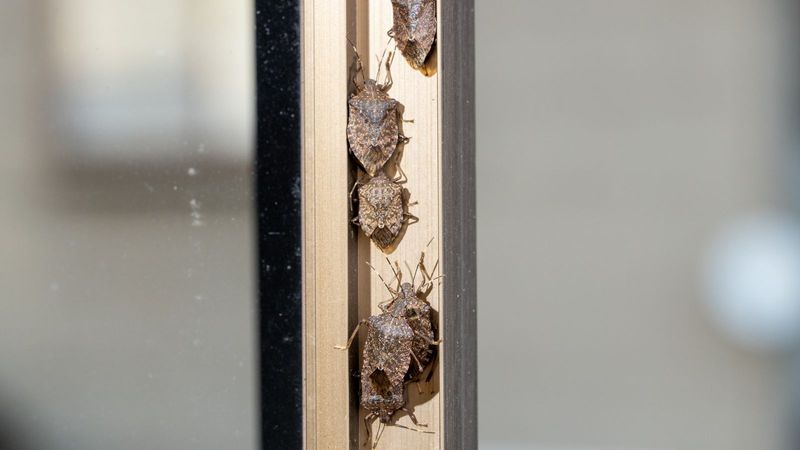
Picture a bug slipping through a gap thinner than a pencil lead. Stink bugs can squeeze through openings as small as 3 millimeters.
Windows and doors are their favorite front doors. Old frames shift over time and leave tiny cracks you might not notice.
Start your search on a sunny afternoon in early fall. Look closely along the edges where the frame meets the wall.
South and west walls deserve extra attention. Stink bugs love those sides because they soak up the warm afternoon sun.
Grab a tube of exterior caulk for fixed cracks in the frame. Silicone or latex blends both work well on most Virginia homes.
Moving parts need a different fix. Weatherstripping along door edges and window sashes closes gaps while still letting things open smoothly.
Check the bottom of each exterior door too. A worn door sweep can leave a gap big enough for dozens of bugs.
Here is a simple test you can try at night. Shine a flashlight from inside, and watch for light leaking out around the edges.
Timing makes a big difference here. Finish the job by late August or early September, before cooler nights send bugs looking for shelter.
Your heating bill may thank you as well. Sealed windows keep drafts out, so the work pays off twice each winter.
Keep a small caulk gun in your garage for touch-ups. Quick fixes each fall stop small cracks from turning into wide-open invitations.
2. Repair Torn Screens And Vent Covers
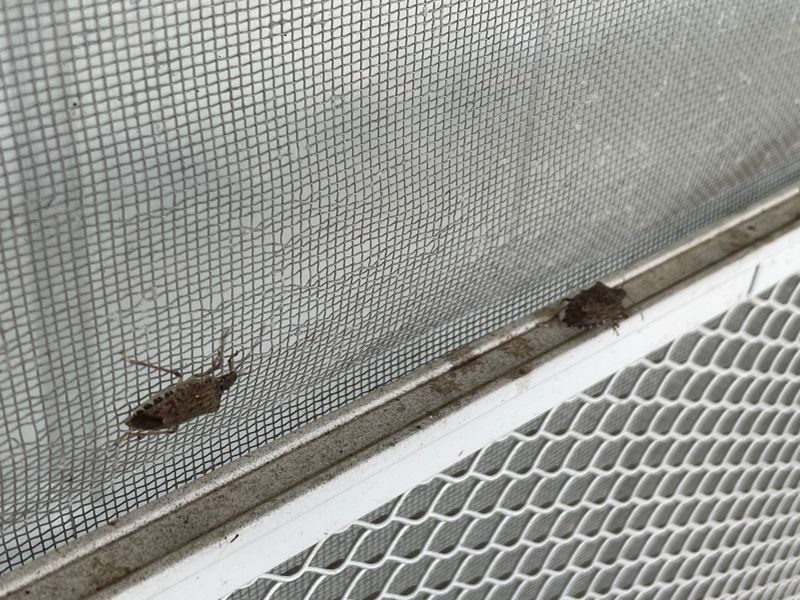
A tiny rip in a screen is basically a welcome mat for stink bugs. They find those holes faster than you might think.
Walk around your house and inspect every window and door screen. Even a small tear near the corner can let bugs stream inside.
Fixing screens is easier than most folks expect. Patch kits from hardware stores cost only a few dollars and take minutes to apply.
Badly damaged screens may need full replacement. A roll of new mesh and a spline tool make the job simple on a weekend.
Vents are the sneaky part of this puzzle. Attic, foundation, and dryer vents all lead straight into the cozy parts of your home.
Cover those openings with fine wire mesh. Hardware cloth with small holes keeps bugs out while still letting air flow freely.
Dryer vents need a gentle approach. Use a vent cover with a flap so lint can escape without trapping heat.
Your Virginia Garden Changes Every Week. Your Plan Should Too.
Gardening in Virginia changes quickly throughout the season. Every Friday you’ll receive a simple weekly plan showing exactly what to plant, prune, fertilize, harvest, and protect so you never miss the right timing.
Chimneys count too, even if you rarely use the fireplace. A chimney cap with mesh sides blocks bugs, birds, and curious squirrels.
Fun fact for curious readers: stink bugs are strong fliers. They can easily reach second-floor vents and attic gables without much effort.
Make a habit of checking screens each spring and fall. Kids, pets, and storms can poke new holes at any time of year.
A quick lap around the house twice a year saves plenty of headaches later on.
3. Caulk Gaps Where Utilities Enter
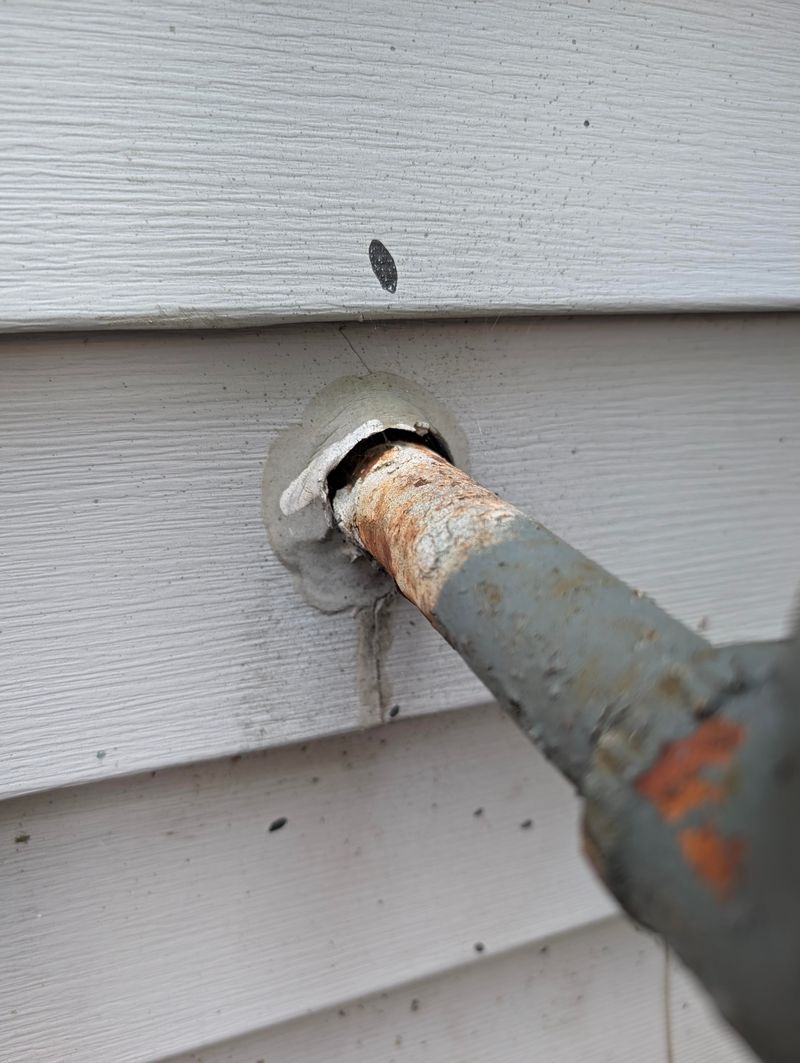
Ever notice the little gaps around your outdoor faucet? Stink bugs certainly have, and they treat those spaces like private hallways.
Every pipe, wire, and cable entering your home creates a potential gap. Installers often drill holes wider than needed, leaving open space behind.
Walk the outside of your house with a notepad. Write down every spot where something passes through the wall.
Common trouble spots include air conditioner lines and cable TV wires. Gas lines, phone lines, and outdoor outlets belong on your list too.
Small gaps under a quarter inch seal nicely with caulk. Choose an outdoor-rated product that stays flexible through summers and winters.
Bigger holes need a little more help. Expanding foam sealant fills wide spaces fast, and you can trim the extra once it dries.
Copper mesh works well in really large gaps. Stuff it in first, then cover it with foam or caulk for a solid seal.
Head indoors and repeat the hunt. Check under sinks, behind the washer, and around your water heater for openings.
Basements and crawl spaces often hide the worst gaps. Bring a flashlight and look where pipes run through floors and walls.
Safety matters around electrical lines, so be careful. If a wire looks damaged, call a licensed electrician before sealing anything nearby.
Spending one Saturday on this task can block dozens of hidden entry points. Plenty of Virginia homeowners call it their best fall chore.
4. Vacuum Them Up, Then Empty The Bag Outside
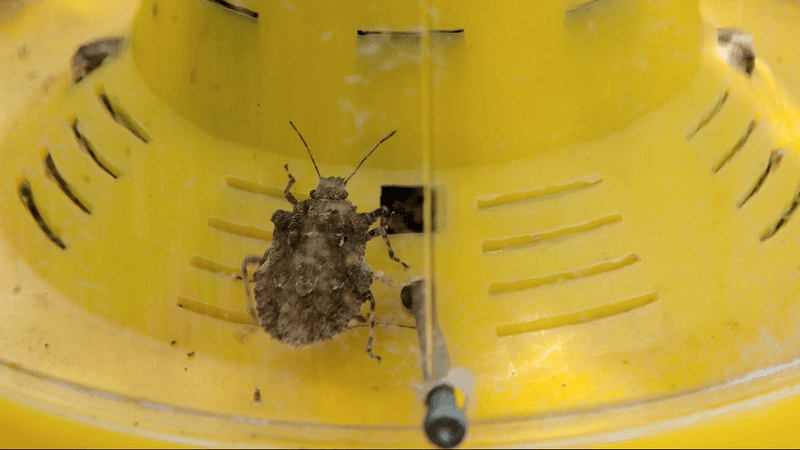
Suppose you spot ten stink bugs lounging on your curtains. Reaching for the vacuum is one of the quickest ways to clear them out.
Vacuums grab bugs from high corners, ceilings, and window tracks. You never have to touch a single one with your hands.
There is one catch you should know about. Stink bugs often release their odor when sucked up, and that smell can linger.
Act fast once the job is done. Remove the bag right away and carry it outside to your trash can.
Bagless vacuums need a little extra care. Empty the canister outdoors, then rinse it with warm soapy water if the smell sticks.
Many people keep a cheap handheld vacuum just for bug duty. Your main vacuum stays fresh, and pest patrol gets easier.
Here is a clever trick worth trying. Slip a knee-high stocking into the hose and secure it with a rubber band.
Bugs get caught in the stocking instead of the bag. Pull it out, tie it shut, and toss it in an outdoor bin.
Windows are the best place to hunt. Stink bugs gather near glass because they are drawn to light and warmth.
Set a weekly routine during fall and early spring. A quick sweep keeps their numbers low and your rooms smelling clean.
Honestly, it feels pretty satisfying to watch them disappear up the hose.
5. Drop Them Into Soapy Water
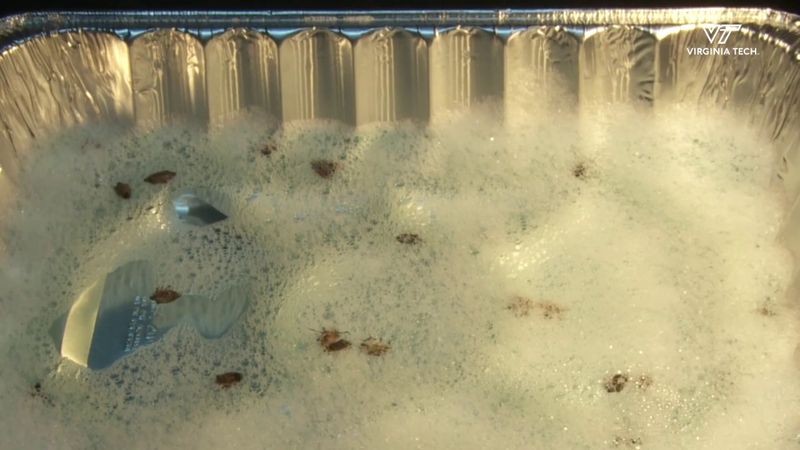
Grandma might have called it the jar trick, and she was onto something. A container of soapy water handles stink bugs with zero fuss.
Fill a jar or bowl with warm water. Add a good squirt of dish soap and give it a gentle stir.
Soap breaks the surface tension of the water. Bugs sink instead of floating, so they cannot climb back out.
Hold the jar just below a bug on the wall. Stink bugs tend to drop downward when startled, landing right in your trap.
A gentle nudge with a card or popsicle stick helps stubborn ones. Your fingers stay clean, and the smell stays mostly contained.
Want a hands-off option for nighttime? Place a pan of soapy water on the floor of a dark room.
Set a small desk lamp or nightlight right above the pan. Stink bugs fly toward the glow and tumble into the water.
Researchers at Virginia Tech found that homemade light traps like this can work surprisingly well. Some families catch dozens in a single night.
Empty the container outside and refill it as needed. Flush small batches or dump them in the yard far from doors.
Keep a jar handy on a windowsill during busy months. Kids often enjoy helping, which turns pest control into a fun little game.
Cheap, simple, and safe makes for a winning combo.
6. Skip Squishing, Which Releases The Smell
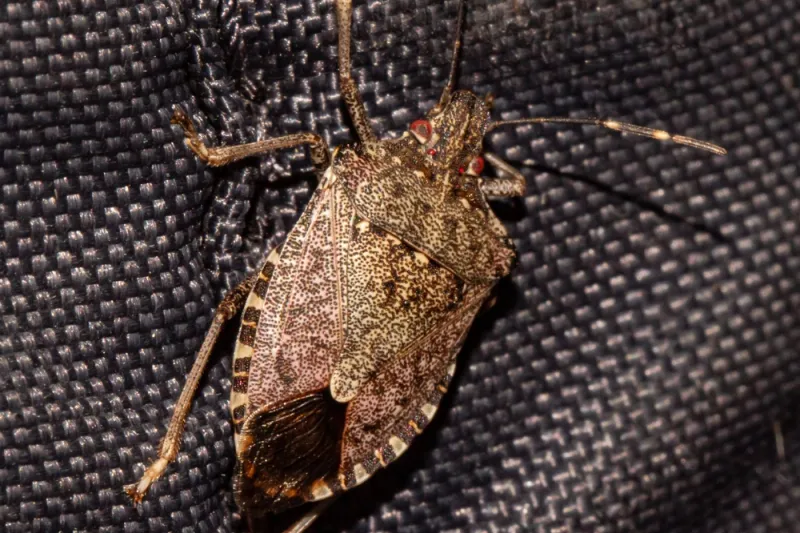
You only make this mistake once. Squish a stink bug with a tissue, and your whole kitchen smells like burnt herbs and old socks.
Odor is their main defense against birds and lizards. Special glands on their bodies spray a strong liquid when they feel threatened.
People describe the scent in funny ways. Some say cilantro, others say skunk, and many simply call it awful.
Crushing them releases the most odor of all. The liquid can soak into carpets, curtains, and even your skin.
Getting rid of the smell takes real effort. Some folks report it lingering on fabric for days after one quick squish.
Fun fact: stink bugs share a name trait with their whole insect family. Scientists call the group shield bugs because of their shape.
Instead of smashing, try a gentler capture. Scoop them onto a piece of paper and carry them outdoors.
A clear cup and an index card also work nicely. Trap the bug under the cup, slide the card beneath, and walk outside.
If some smell gets on your hands, wash quickly. Dish soap with a splash of vinegar helps break down the oily residue.
Teach kids the no-squish rule early. They will spare your noses and learn a little about bug behavior at the same time.
Patience wins here, and your living room stays fresh.
7. Don’t Bother With Indoor Insecticides
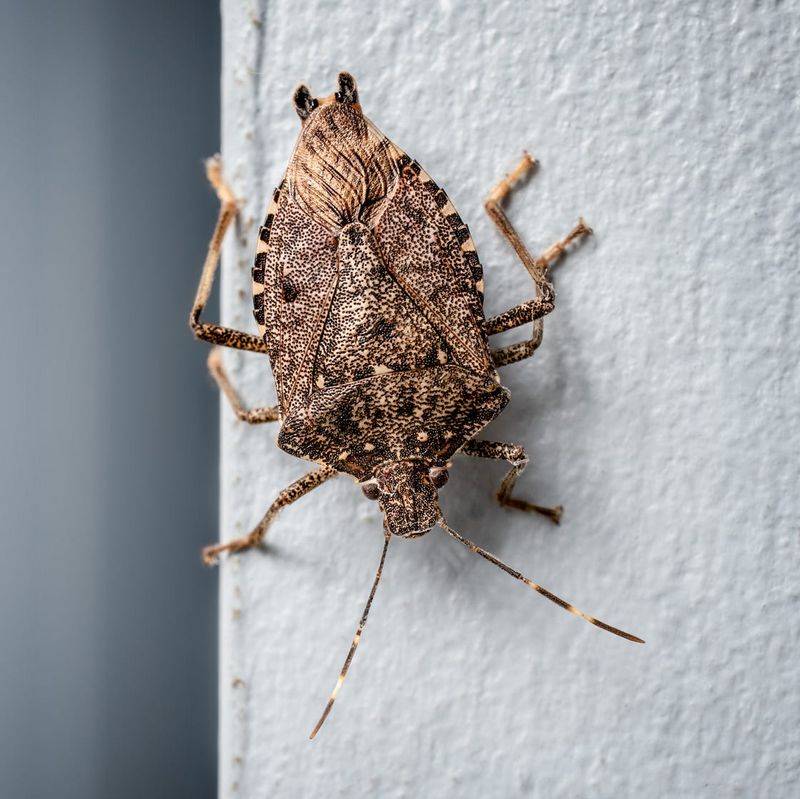
Spraying bugs inside your house might feel like taking charge. For stink bugs, though, experts say it usually wastes time and money.
Indoor sprays rarely stop them for long. Stink bugs move around a lot, and new ones keep sneaking in from outside.
Chemicals also leave residue on floors, counters, and furniture. Kids and pets spend lots of time on those surfaces.
Another problem hides inside your walls. Stink bugs that perish there can attract carpet beetles and other unwanted pests.
Those beetles may then chew on wool rugs, clothing, and stored fabrics. One problem quickly turns into two.
Extension experts across the region recommend skipping indoor treatments. Prevention and physical removal simply work better for most homeowners.
So what should you do with that bug spray? Save it, return it, or dispose of it through your local hazardous waste program.
Outdoor treatments are a separate topic. A licensed pest control pro can treat exterior walls in late summer if problems are severe.
Ask questions before hiring anyone, though. Find out what products they use and whether they also offer sealing services.
Many homeowners find that steady habits beat strong chemicals. Sealing, vacuuming, and soapy water handle most invasions just fine.
Your family breathes easier, and your wallet stays a little fuller too. That feels like a pretty good trade.
8. Check Firewood And Outdoor Gear Before Bringing It In

Last winter, a friend carried in an armload of firewood. Ten minutes later, three stink bugs were warming up beside the fireplace.
Stink bugs hunt for sheltered nooks to spend the cold months. Firewood piles, folded tarps, and patio cushions make perfect hideouts.
Store your firewood at least 20 feet from the house. Distance makes it harder for bugs to hop from the pile to your walls.
Keep the stack off the ground on a rack. Good airflow keeps wood dry and gives pests fewer cozy spots.
Before carrying logs inside, give each one a firm knock. Look closely in cracks and under loose bark for hiding bugs.
Outdoor gear deserves the same attention. Camping chairs, coolers, kids’ toys, and holiday decorations often host surprise guests.
Shake out tents and sleeping bags before storing them indoors. Folds and pockets are popular resting spots for stink bugs.
Potted plants coming inside for winter need checking too. Inspect leaves, stems, and the underside of each pot carefully.
Garages and sheds can turn into bug hotels. Keep items in sealed plastic bins rather than open cardboard boxes.
Bring in only what you need for the day. Smaller loads of firewood mean fewer chances for hitchhikers to sneak inside.
A quick look now saves a lot of chasing later.
9. Expect A Few To Wake Up On Warm Winter Days
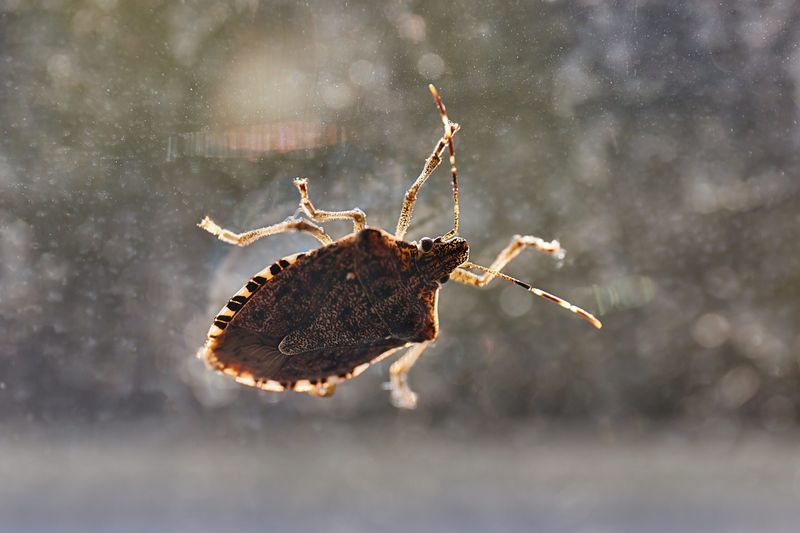
January in Virginia can feel like spring for a day or two. Suddenly, a stink bug buzzes past your head like it owns the place.
Don’t panic, because there is a simple explanation. Bugs that slipped inside last fall are hiding in walls and attics.
During winter they enter a sleepy state called torpor. Their bodies slow way down, and they barely move for weeks.
Warm spells can wake them up early. Temperatures above roughly 50 degrees Fahrenheit often get them moving toward light.
Sunny windows become their favorite gathering spots. Many people also find them near lamps, skylights, and ceiling fans.
Most will stay quiet until March or April arrives. After that, they try to head back outside to feed and lay eggs.
Seeing a few now does not mean your sealing failed. They likely got in months ago, before you closed every gap.
Keep your jar of soapy water ready all winter. A handheld vacuum near the window helps with quick cleanups too.
Write down where you spot them each time. Those notes can point you toward hidden gaps that need sealing next fall.
Patience is the name of the game here. Every bug you catch now is one less trying to return next year.
Spring will come, and so will a fresh chance to bug-proof your home.