What To Do If Opossums Keep Showing Up In Your Texas Yard
What kind of animal can take a rattlesnake bite and keep going like nothing happened? The answer might be poking around your backyard tonight.
Opossums carry a natural resistance to pit viper venom, which makes them one of the toughest little critters roaming Texas after dark.
Most of the time, an opossum is just passing through. These nomads rarely stay in one spot for long. But if yours keeps coming back night after night, something is giving it a reason to stick around.
The good news is that opossums are shy and rarely aggressive. Gentle changes usually work better than traps or harsh repellents. A few simple adjustments can encourage your visitor to move along, without any drama.
1. Remove Easy Food Sources
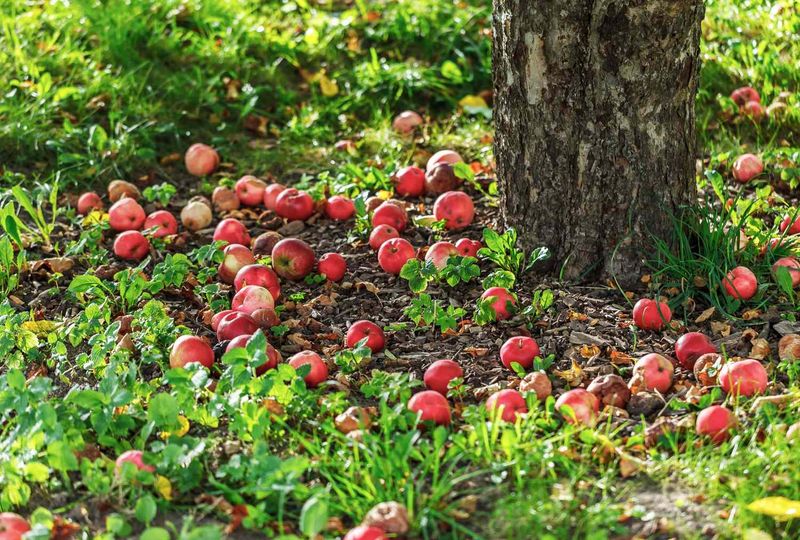
Think of your yard as a free buffet, and opossums are the hungriest guests in town. They are not picky eaters at all. Pet food, birdseed, fallen fruit, and garden scraps all look like dinner to them.
Many Texas families feed their dogs and cats on the back porch. That is handy for you, but it is even handier for a hungry opossum. Try bringing pet bowls inside before the sun goes down.
If your pets must eat outside, feed them in the morning and pick up leftovers within an hour.
Bird feeders are another big draw. Seeds spill onto the ground, and opossums gladly clean them up at night.
Use a seed tray under the feeder to catch the mess. You can also switch to no-mess seed blends that leave fewer hulls behind.
Fruit trees are common across Texas, from peaches in the Hill Country to citrus in the Rio Grande Valley. Ripe fruit that drops to the ground is a sweet treat for wildlife.
Walk your yard every evening and gather anything that has fallen. Picking fruit a little early can help too.
Vegetable gardens need attention as well. Toss rotten tomatoes and melons in a sealed bin instead of leaving them in the rows. Pull up spent plants once the season ends.
Here is a fun fact to share with the kids. Opossums have 50 teeth, which is more than any other land mammal in North America. With all those teeth, they can chew through almost any snack you leave out.
Take away the snacks, and you take away the main reason they visit. Most opossums will simply move on once the easy meals stop showing up.
2. Secure Trash Cans And Compost
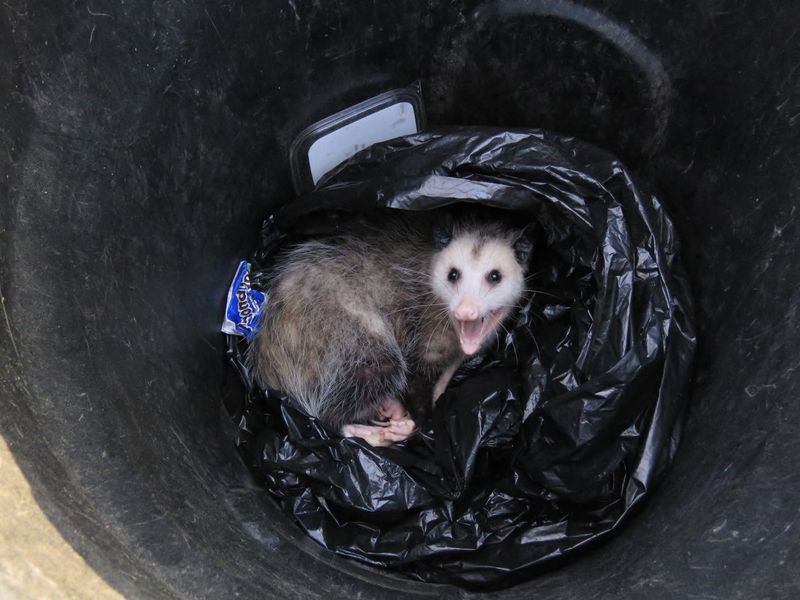
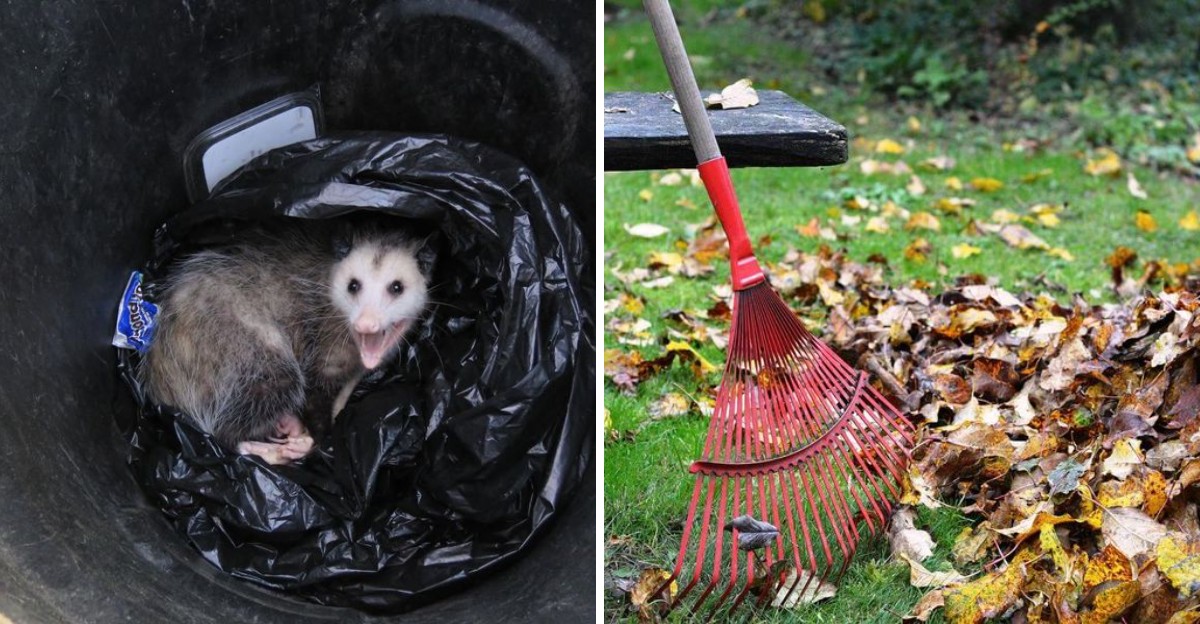
Ever walked outside to find garbage spread across your driveway? You might blame the neighbor’s dog, but an opossum could be the real culprit. Trash cans with loose lids are like treasure chests to them.
The fix is simple and cheap. Choose cans with tight-fitting or locking lids. If your city-provided bin has a flimsy top, add a bungee cord or a strap across it. Some stores sell special latches made just for keeping critters out.
Where you keep the cans matters too. A garage or a shed is the best spot. If that is not possible, set them against a wall or inside a small fenced area. Try not to put trash out on the curb until the morning of pickup day.
Your Texas Garden Changes Every Week. Your Plan Should Too.
Gardening in Texas changes quickly throughout the season. Every Friday you’ll receive a simple weekly plan showing exactly what to plant, prune, fertilize, harvest, and protect so you never miss the right timing.
Smell is a big invitation. Rinse your cans with soap and water every few weeks, especially in the hot Texas summer.
Heat makes food waste stink faster, and opossums have a strong sense of smell. A little baking soda sprinkled in the bottom helps cut the odor.
Compost is a great way to feed your garden, but it can feed wildlife as well. Stick to plant scraps like leaves, grass clippings, coffee grounds, and vegetable peels.
Never add meat, bones, dairy, or greasy leftovers to an outdoor pile. Those items smell strong and pull animals in from far away.
A closed compost bin or tumbler works much better than an open heap. Turn it often so food breaks down quickly. When your bins stay clean and closed, opossums get the message that there is nothing worth digging for.
3. Block Access Under Decks And Sheds
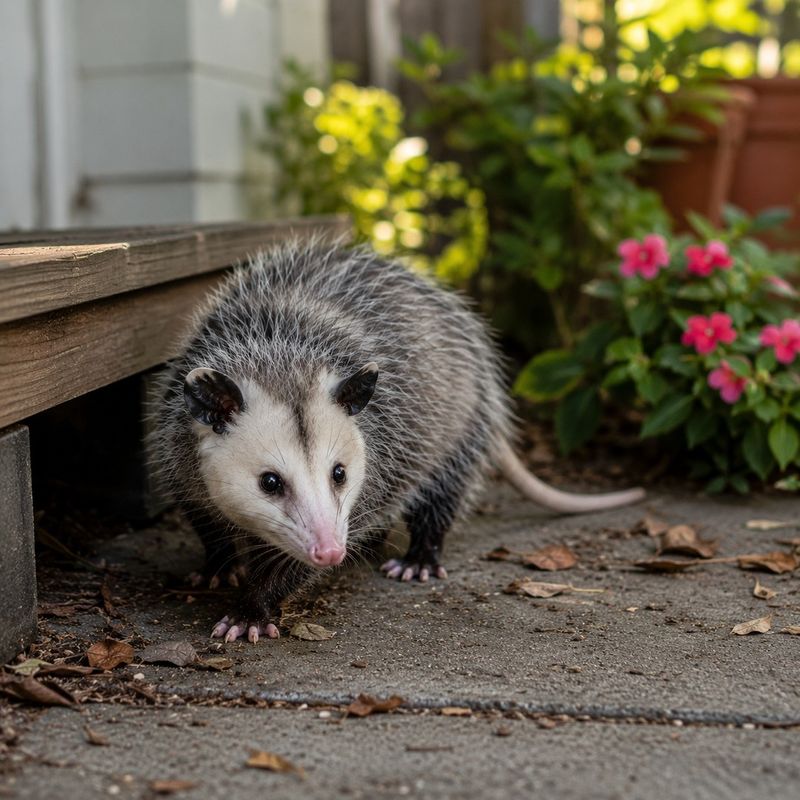
Opossums love a cozy hideout, and the space under your deck may be their favorite spot on the block. Decks, porches, sheds, and crawl spaces stay shady and cool. In the Texas heat, that is prime real estate.
Before you grab tools, you need to make sure nobody is home. Sealing an animal inside is cruel and can cause bad smells and bigger problems later.
Spring and summer are the trickiest times. Mother opossums may be carrying babies in their pouch or on their backs.
A simple test can help. Loosely stuff newspaper or crumpled paper into the opening at dusk. Check it the next morning.
If the paper is pushed out, something went in or out during the night. Wait until the paper stays in place for two or three nights in a row.
Once the area is empty, use sturdy galvanized wire mesh or hardware cloth. Pick a mesh with small holes, around half an inch.
Bury the bottom edge about 8 to 12 inches deep and bend it outward in an L shape. That stops opossums from digging under your barrier.
Attach the top of the mesh firmly to the deck frame or shed wall. Use screws with washers or heavy staples.
Walk around the whole structure and look for small gaps. A gap only a few inches wide can be enough for a young opossum to squeeze through.
Check your work every few months. Heavy Texas rains can wash soil away and open new holes. A little upkeep keeps your hiding spots closed for good.
4. Clean Up Brush And Clutter
My uncle in San Antonio once found an opossum napping in a pile of old boards behind his garage. It had been living there for weeks, and he never knew. Clutter makes a perfect bedroom for these sleepy critters.
Opossums rest during the day and come out at night. They look for dark, quiet places where they feel safe.
Brush piles, woodpiles, tall weeds, and stacks of junk all fit the bill. If your yard offers lots of hiding spots, it becomes a daytime hotel.
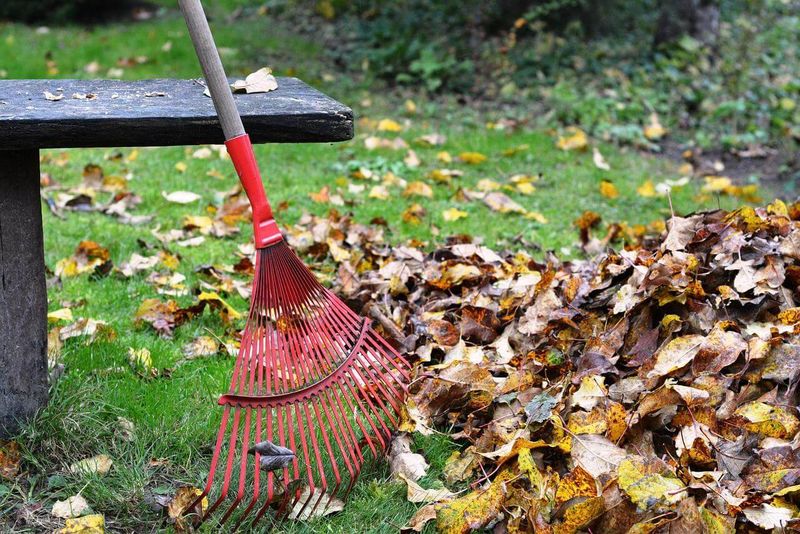
Start with the easy stuff. Rake up leaves and haul away dry branches. Trim bushes so the bottom branches sit a foot or so above the ground. Mow tall grass and pull weeds along fences and walls.
Firewood needs a little care. Stack it on a raised rack at least a foot off the ground. Keep it away from your house and fences. Only store what you plan to use this season.
Look around for forgotten items too. Old tires, broken lawn chairs, empty flower pots, and tarps can all hide animals. Donate, recycle, or toss what you no longer need. Store the rest inside a shed or garage.
A tidy yard has bonus perks. You will also see fewer snakes, rats, and fire ants, which are common trouble in Texas. Your yard will look nicer, and you will have more room to enjoy it.
Make cleanup a regular habit. A quick walk around once a week keeps new piles from forming. Without a comfy place to rest, opossums keep traveling.
5. Use Motion-Activated Lights Or Sprinklers
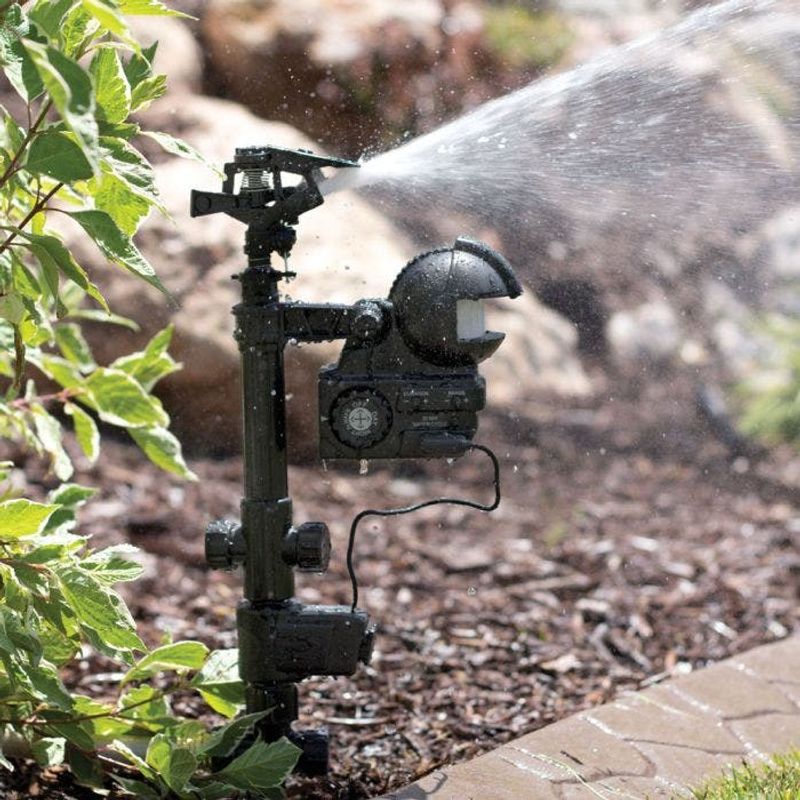
Surprise! Nothing sends a sneaky opossum running quite like a sudden blast of light or a splash of cold water. These gadgets are easy to set up and do not hurt anyone.
Opossums are nocturnal, which means they are active at night. They feel safest in dark, quiet places.
When a bright light snaps on, they feel exposed and usually scurry away. Over time, many learn to skip your yard altogether.
Motion-activated floodlights work well near trash areas, garden beds, and back doors. Solar-powered models are a smart pick in sunny Texas.
They charge all day and need no wiring. Aim the sensor low so it catches animals on the ground.
Motion-activated sprinklers are another great tool. They connect to a garden hose and spray a quick burst of water when something moves nearby.
Opossums do not like getting wet by surprise. Place them near gardens, fruit trees, or spots where you often see tracks.
There are a few tips to keep in mind. Move your devices every week or two so animals do not get used to them.
Check local water rules, since some Texas cities limit watering during droughts. Turn sprinklers off in winter to protect pipes from freezing.
You may also see a funny side effect. Neighborhood cats, raccoons, and even the mail carrier might get a surprise. Adjust the settings so they only run at night.
Did you know? Opossums have been around for millions of years, even back in the age of dinosaurs. Still, a simple modern sprinkler is enough to make one change its travel plans.
6. Protect Chickens And Pets
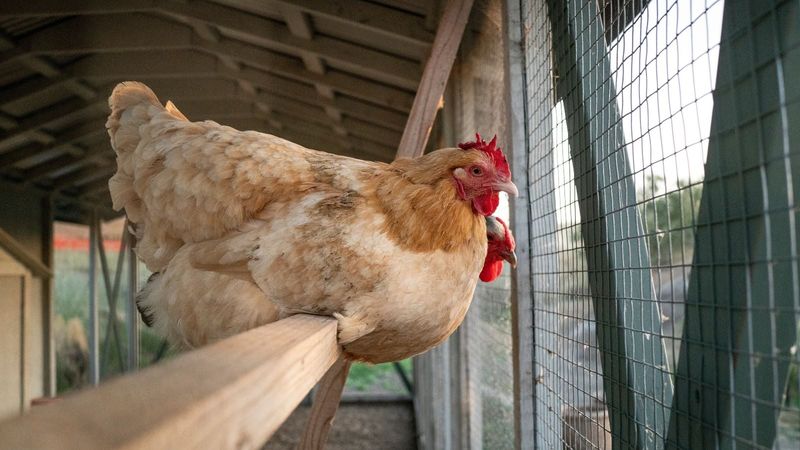
Backyard chickens are a big hit across Texas, and opossums have noticed. A coop full of fresh eggs is a tempting target. Sometimes they will even go after young chicks or small birds.
Your first job is to lock the flock up every night. Chickens head to roost around sunset, so close the coop door soon after.
An automatic coop door can do the job for you if you get home late. It opens at sunrise and shuts at dusk.
Chicken wire is great for keeping chickens in, but it is weak at keeping predators out. Opossums can tear it or reach through the holes.
Use hardware cloth instead. It is a strong metal mesh with tiny openings that is much harder to break.
Cover every opening, including windows and vents. Bury hardware cloth around the bottom of the run so nothing can dig under it. Collect eggs every day so there is less to attract visitors.
Pets need care too. Opossums usually avoid fights, but a scared one may hiss, growl, or bite. Keep an eye on small dogs and cats when they go outside after dark.
A leash or a quick porch light check before letting them out can prevent trouble.
Keep pet doors locked at night. An open flap is an easy way for a curious opossum to wander into your kitchen. Yes, that really happens!
Make sure your pets are up to date on vaccines. Your vet can guide you on what is best for your area. A little planning keeps your furry and feathered family safe and sound.
7. Know When To Leave Them Alone Or Call A Pro
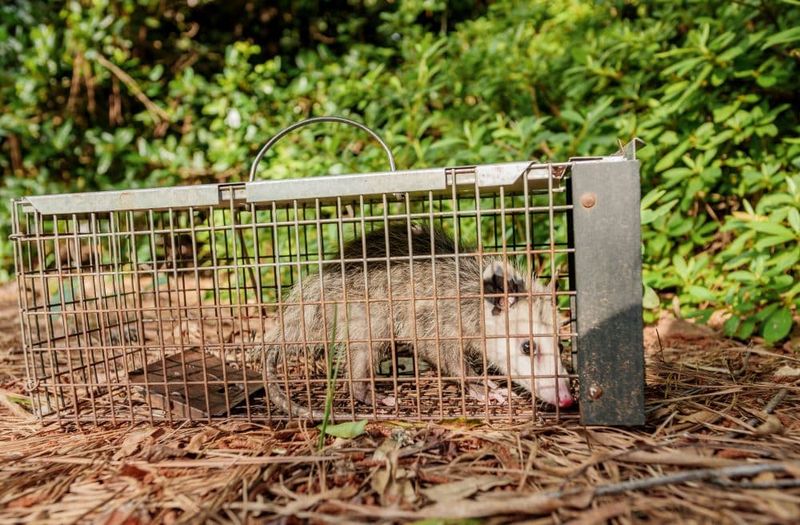
Here is something that surprises most people. Opossums are North America’s only marsupial, which makes them cousins of kangaroos in a way. Mothers carry their babies in a pouch, just like kangaroos do.
These animals are actually helpful neighbors. They eat insects, snails, slugs, mice, and even ticks.
They also clean up carrion, which is the remains of other animals. In a way, they act like a free cleanup crew for your yard.
Opossums are also shy and slow to fight. When scared, many will play possum. They fall over, stay very still, and give off a stinky smell until the danger passes. It is an act, and they usually wake up and waddle away.
So if you spot one crossing your lawn, give it some space. Most are just passing through while looking for food.
They tend to move to a new area every few days. Keep kids and pets back and let it go on its way.
Sometimes, though, an opossum settles in and will not leave. Maybe it moved under your house, into your attic, or inside a wall.
That is the time to call a licensed wildlife control professional. Look for a company with good reviews and experience with Texas wildlife.
Try not to trap or handle the animal yourself. Texas has rules about moving wild animals, and a stressed opossum can bite. Experts know how to remove animals safely and humanely.
They can also help seal up entry points so the problem does not come back. With patience and the right help, you and your wild neighbors can share the neighborhood peacefully.